
Weaponry in Japanese Folklore: Mythical Arms of the Samurai

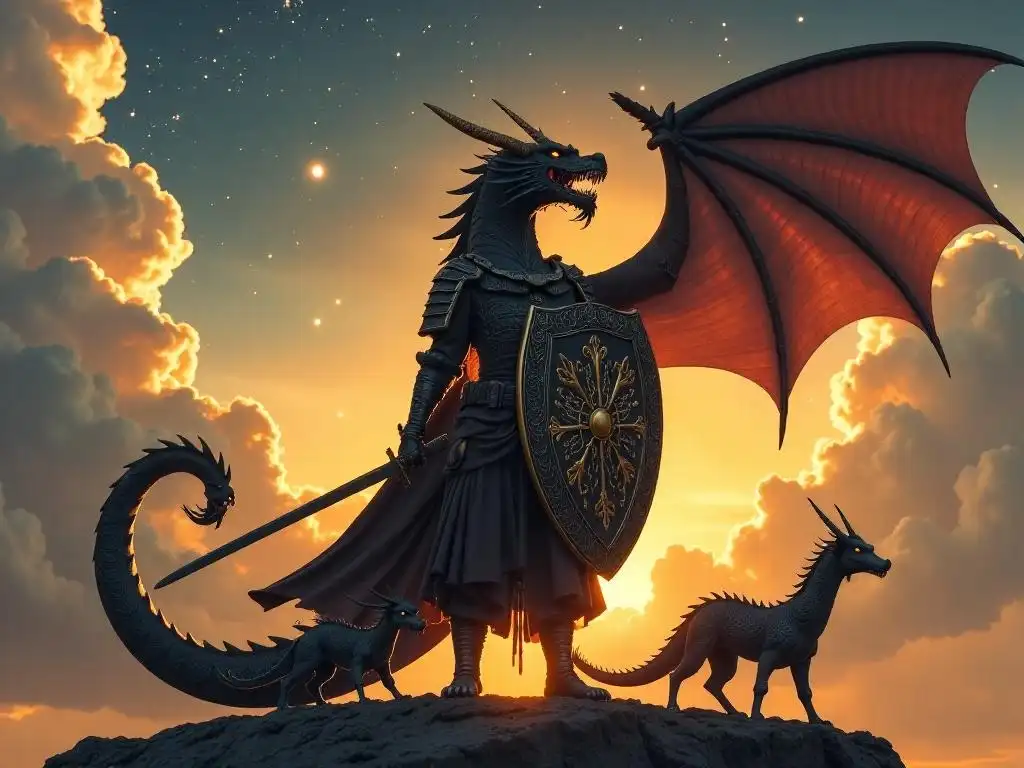
Welcome to Feudal Japan History, where we invite you to embark on a fascinating journey through the rich tapestry of Japan’s feudal era. Here, we dive deep into the mythical samurai weaponry, exploring the legendary arms that shaped both the battlefield and the rich folklore of the time. As you uncover the secrets behind these extraordinary weapons, you'll discover how they reflect the culture, honor, and artistry of the samurai.
Prepare to be captivated by tales of valor and mystique that will leave you eager to learn more about the profound impact of these legendary arms on Japanese history. Join us as we unravel the stories behind the weapons that defined a warrior's legacy!
- Introduction to Mythical Samurai Weaponry in Japan
- Historical Context of Japanese Samurai Weaponry
- Types of Mythical Weapons in Japanese Folklore
- The Symbolism of Samurai Weapons in Folklore
- Famous Samurai and Their Mythical Weapons
- The Influence of Mythical Samurai Weaponry on Modern Culture
- Conclusion: The Enduring Legacy of Mythical Samurai Weaponry
-
Frequently Asked Questions
- What is the significance of mythical samurai weaponry in Japanese folklore?
- How do mythical weapons differ from real samurai arms?
- Can you name some famous mythical samurai weapons?
- How did mythical samurai weaponry influence Japanese culture?
- Are there any modern interpretations of mythical samurai weaponry?
- Final Reflection: The Enduring Legacy of Mythical Samurai Weaponry
- Unveil the Legends of Japan's Mythical Weaponry!
Introduction to Mythical Samurai Weaponry in Japan
The rich tapestry of Japanese history is interwoven with tales of valor, honor, and the storied samurai warriors who shaped the nation's feudal era. Among the most fascinating aspects of samurai culture is their weaponry, which transcends mere physical tools of war to embody a deeper spiritual significance.
This article delves into the realm of mythical samurai weaponry in Japan, exploring not only the actual arms wielded by these formidable warriors but also the legendary artifacts that occupy a prominent place in Japanese folklore. Through this exploration, we aim to uncover how these mythical arms reflect the ethos of samurai culture and their enduring legacy in the narrative of Japan's history.
Overview of Samurai Culture and Weaponry
The samurai, a class of elite warriors that rose to prominence during Japan's feudal period, were not only skilled fighters but also custodians of a rich cultural heritage. Their code of conduct, known as Bushido, emphasized virtues such as loyalty, honor, and bravery. Weaponry played a pivotal role in their lifestyle, serving as extensions of their identity and status.
Traditional Weapons:
- Katana: The iconic curved sword, symbolizing the soul of the samurai.
- Tanto: A small blade used for close combat and as a secondary weapon.
- Bokken: A wooden sword used for practice and training.
The craftsmanship behind these weapons was often steeped in ritual and artistry, with skilled blacksmiths employing techniques passed down through generations. Each weapon was not merely a tool for battle but also a work of art, reflecting the samurai's values and the cultural significance of their craft.
Importance of Mythical Arms in Japanese Folklore
In addition to the tangible weapons of the samurai, Japanese folklore is rich with tales of mythical arms—legendary weapons imbued with supernatural powers and historical significance. These objects often serve as metaphors for the virtues of the samurai and the trials they faced.
Some notable mythical weapons include:
- Kusanagi-no-Tsurugi: A legendary sword associated with the deities of Japan, known for its ability to control the wind.
- Tenshin Shoden Katori Shinto-ryu: This school of martial arts emphasizes the spiritual training of its practitioners, reflecting the connection between weaponry and the divine.
- Yasakani no Magatama: A curved jewel believed to have protective properties and often associated with imperial power.
These mythical arms not only enrich the narrative of samurai history but also provide insights into the values and beliefs of the society that revered them. They underscore the notion that weaponry in Japan transcends the battlefield, serving as symbols of strength, protection, and the eternal struggle between good and evil. Through this exploration, we invite readers to engage with the captivating world of mythical samurai weaponry and its profound impact on Japan's cultural heritage.
Historical Context of Japanese Samurai Weaponry
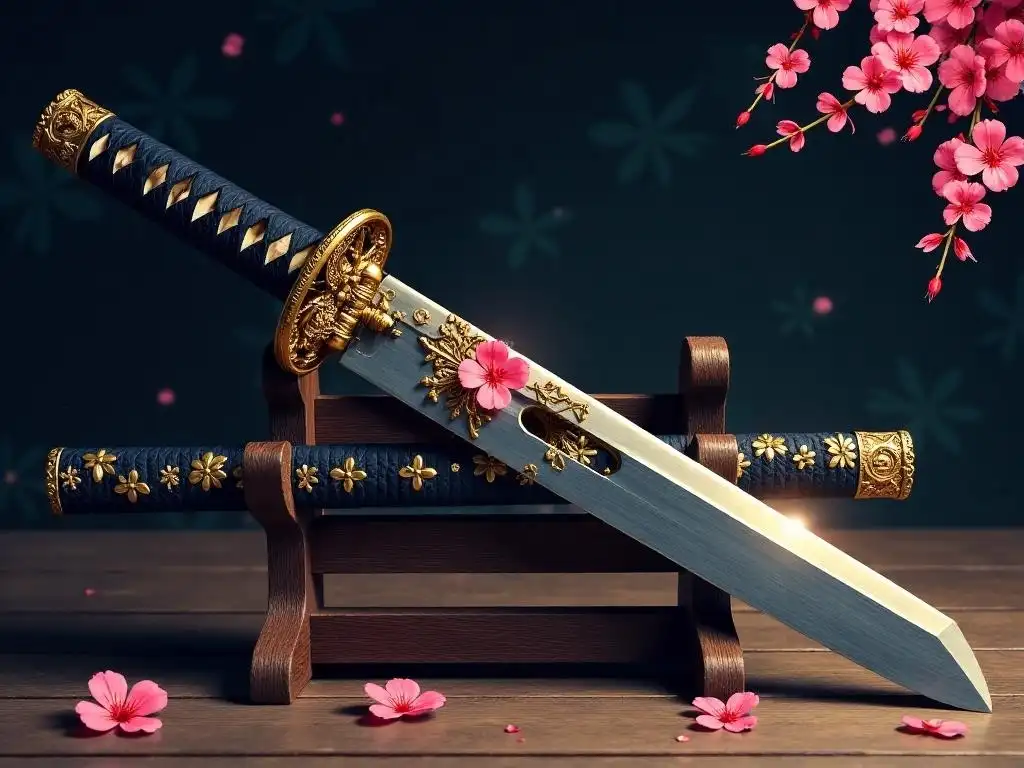
The historical context of Japanese samurai weaponry is deeply intertwined with the socio-political landscape of feudal Japan. Emerging during the Heian period (794-1185), the samurai class became prominent as the ruling elite, tasked with the defense of their lords' territories. As warfare evolved, so did the weaponry they employed, reflecting both technological advancements and the beliefs that permeated Japanese culture.
Evolution of Samurai Arms Through the Ages
The evolution of samurai arms can be categorized into several distinct periods, each marked by significant changes in design, materials, and functionality.
- Heian Period (794-1185)
- Tachi: The primary weapon of this era was the tachi, a long, curved sword that was often worn suspended edge-down. It symbolized the warrior's status and was primarily used for cavalry combat.
- Bows and Arrows: Archery was a highly respected skill, with the yumi (longbow) being a crucial weapon on the battlefield.
- Kamakura Period (1185-1333)
- Katana: The katana began to rise in prominence, characterized by its single, curved blade and ability for quick, lethal strikes. This period saw the development of the daisho, a pairing of the katana and wakizashi (short sword).
- Armor Innovations: Protective gear, such as the do (chest armor) and kabuto (helmet), evolved to enhance mobility and defense.
- Muromachi Period (1336-1573)
- Naginata: This polearm became widely used, offering versatility in combat with its long reach and cutting power.
- Matchlock Firearms: The introduction of firearms, particularly the tanegashima, forever changed the dynamics of warfare, leading to new tactical approaches.
- Edo Period (1603-1868)
- Refinement of the Katana: As peace settled over Japan, the katana became more of a symbol of status than a battlefield weapon. Craftsmen focused on aesthetic qualities, leading to ornate designs.
- Martial Arts: The practice of kendo and other martial arts flourished, emphasizing the importance of technique and mental discipline over sheer combat.
The gradual evolution of arms not only reflects advancements in metallurgy and combat techniques but also the shifting cultural priorities of the samurai class.
The Role of Myth in Shaping Weaponry
The role of myth and folklore in shaping Japanese weaponry cannot be overlooked. Many legendary tales and religious beliefs infused the samurai's understanding of their weapons, imbuing them with supernatural qualities and significance.
- Divine Protection: It was common for samurai to believe that their weapons were blessed by deities or contained the spirits of fallen warriors. For instance, the katana, often referred to as a "soul of the samurai," was thought to carry the essence of its maker and its wielder.
- Mythical Weapons: In folklore, certain weapons are attributed with extraordinary powers. The legendary sword Kusanagi-no-Tsurugi, linked to the Shinto deity Susanoo, is said to grant its owner unmatched strength and skill in battle. This mythological narrative elevates the katana beyond mere craftsmanship to an artifact of cultural importance.
- Symbolism in Design: The intricate designs on samurai weapons often depicted legendary creatures, such as dragons or phoenixes, symbolizing strength, power, and rebirth. These motifs served not only as decoration but also as a source of inspiration and protection for the samurai.
The interplay between historical evolution and mythological narratives enriched the cultural tapestry of Japanese weaponry, especially within the samurai tradition. Understanding these aspects provides a deeper appreciation for the mythical samurai weaponry in Japan, as they represent not just tools of war but also embodiments of tradition, belief, and artistry.
Types of Mythical Weapons in Japanese Folklore
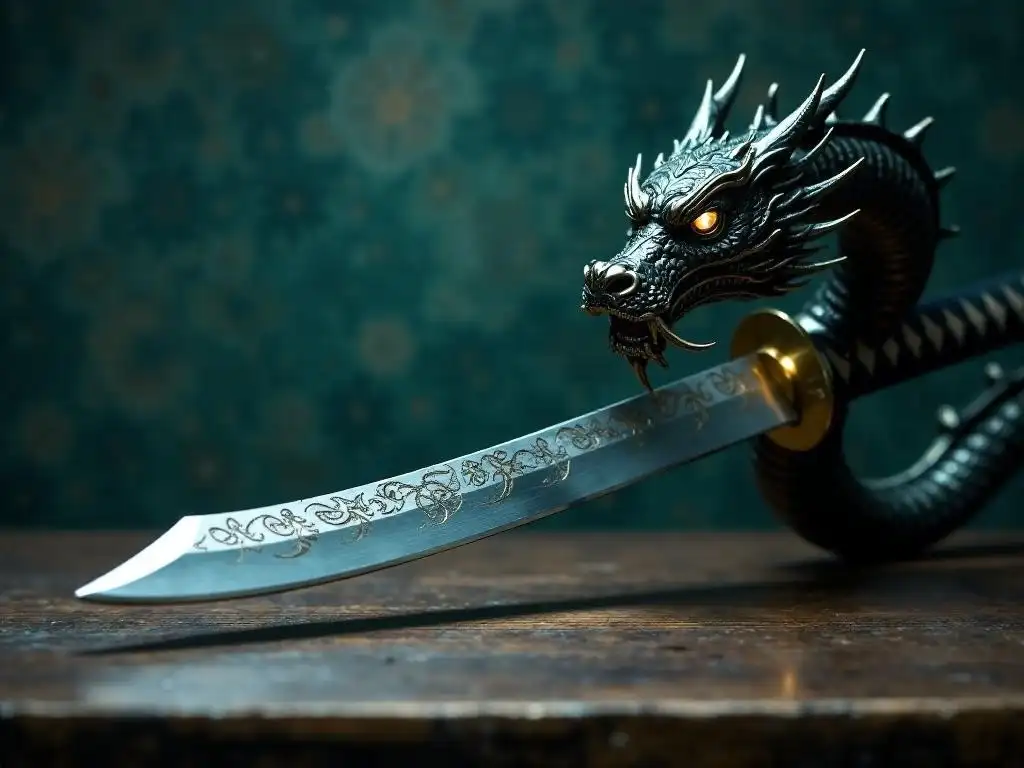
Japanese folklore is rich with tales of mythical samurai weaponry that transcends mere physical form, embodying spiritual significance and legendary prowess. The weapons often symbolize not just martial might but also the deep connection between the samurai and the divine. This section delves into the various types of mythical weapons, focusing primarily on legendary swords and enchanted bows that have captured the imagination through the ages.
Legendary Swords of the Samurai
Kusanagi: The Grass-Cutting Sword
One of the most renowned mythical swords in Japanese folklore is the Kusanagi-no-Tsurugi, often simply referred to as Kusanagi. This legendary weapon is said to have been discovered in the tail of an eight-headed dragon, Yamata-no-Orochi, by the hero Susanoo. According to myth, Kusanagi possesses the ability to cut through grass and even to manipulate the wind, symbolizing its divine origins.
- Significance: Kusanagi is not merely a weapon; it represents the authority of the Japanese emperors and is one of the three sacred treasures of Japan, alongside the mirror and the jewel.
- Cultural Impact: The sword has been featured in various forms of art, literature, and performances, reinforcing its status as a powerful emblem of heroism and divine favor.
Tsurugi: The Divine Sword
The term tsurugi refers to a type of double-edged sword in Japanese mythology, often associated with gods and divine beings. Unlike the katana, which is more commonly associated with samurai, the tsurugi exemplifies a connection to the supernatural.
- Mythical Associations: One of the most famous tsurugi is the Ame-no-Murakumo, also known as Kusanagi. This sword is associated with the sun goddess Amaterasu and is believed to have the power to ward off evil and bring prosperity.
- Functionality: Tsurugi is often depicted as having unique properties, such as the ability to grant its bearer invincibility in battle, further enhancing its mythological stature.
Enchanted Bows and Arrows
Bows and arrows hold a significant place in Japanese folklore, often embodying the elegance of the samurai archer and the spiritual essence of their craft.
The Yumi: A Symbol of Elegance
The yumi, or traditional Japanese bow, is not just a weapon but a culturally rich artifact that symbolizes the art of archery. Often depicted in tales of valor, the yumi represents the balance between strength and grace.
- Design and Craftsmanship: Made from bamboo and wood, the yumi is designed to be asymmetrical, allowing for greater power and distance. This unique shape is celebrated in various martial arts disciplines, where it is revered for its precision.
- Mythical Associations: The yumi is often linked to legendary figures such as Minamoto no Yoshitsune, who is said to have wielded it with unparalleled skill against overwhelming odds.
Arrows in Myth: Powers and Legends
Arrows in Japanese folklore are imbued with various supernatural powers, often serving as tools of divine intervention or protection.
- Divine Arrows: Many legends speak of arrows that can pierce any armor or even turn into flames, reflecting the belief in their magical capabilities. For instance, arrows crafted by the gods are said to have the ability to bring rain or end droughts.
- Symbolism: These arrows often symbolize the vital connection between humanity and the divine, acting as conduits for blessings or curses, depending on their use.
The mythical samurai weaponry of Japan extends beyond mere physical attributes, encompassing profound cultural and spiritual dimensions. Understanding these weapons provides insight into the values and beliefs that shaped the samurai ethos and Japanese folklore at large.
Other Notable Mythical Arms
Japanese folklore is rich with tales of mythical weaponry, each imbued with unique powers and histories that reflect the values and beliefs of the time. Among these legendary arms, several stand out not only for their physical attributes but also for the symbolic significance they hold in the cultural consciousness of Japan. These weapons often serve as extensions of their wielders, embodying their spirit and intentions. The narratives surrounding these arms contribute to the mystique of the samurai, illustrating their connection to honor, duty, and the supernatural.
The Tachi: A Sword of Power
The tachi is one of the most revered swords in Japanese history, often portrayed in folklore as a weapon of immense power and significance. Characterized by its long, curved blade and distinctive tang that is designed to be worn suspended edge-down, the tachi is more than just a weapon; it symbolizes the samurai's status and skill. In various myths, the tachi is said to be imbued with the spirit of its creator or the essence of noble warriors, granting its wielder extraordinary abilities.
In tales, the tachi often features prominently in battles against supernatural foes, serving as a beacon of hope and strength. It is not uncommon to hear stories of tachi blades that can slice through evil spirits or protect against malevolent forces. The legendary sword Kusanagi, one of Japan's three sacred treasures, is often depicted as a tachi, illustrating its importance in both history and mythology. The craftsmanship involved in creating a tachi is also highlighted in folklore, with tales of divine intervention or inspiration bestowed upon the smiths who forge these iconic weapons.
In essence, the tachi represents the synthesis of martial prowess and spiritual significance, making it a central figure in the lore surrounding samurai weaponry.
The Naginata: A Weapon of Grace
The naginata, a halberd-like weapon with a curved blade mounted on a long shaft, is another notable mythical weapon that captures the imagination in Japanese folklore. Often associated with the female warriors known as onna-bugeisha, the naginata is celebrated not only for its effectiveness in battle but also for its elegance and versatility. In legends, the naginata is depicted as a weapon that can harness both power and grace, reflecting the duality of its users.
Folklore often intertwines the naginata with tales of fierce female warriors who wield it with unmatched skill, demonstrating both martial expertise and a deep sense of duty. These stories emphasize the weapon's ability to combat larger foes, showcasing the tactical advantage it provides through its reach and fluidity in movement. The naginata is also said to possess protective qualities, with legends claiming that it can ward off evil spirits and bring good fortune to its wielder.
In addition to its martial applications, the naginata has cultural significance, often associated with rituals and ceremonies. It symbolizes the balance between strength and femininity, further enriching its place in the annals of Japanese folklore. As a result, the naginata remains a powerful emblem of resilience and honor in the context of mythical samurai weaponry.
The Symbolism of Samurai Weapons in Folklore
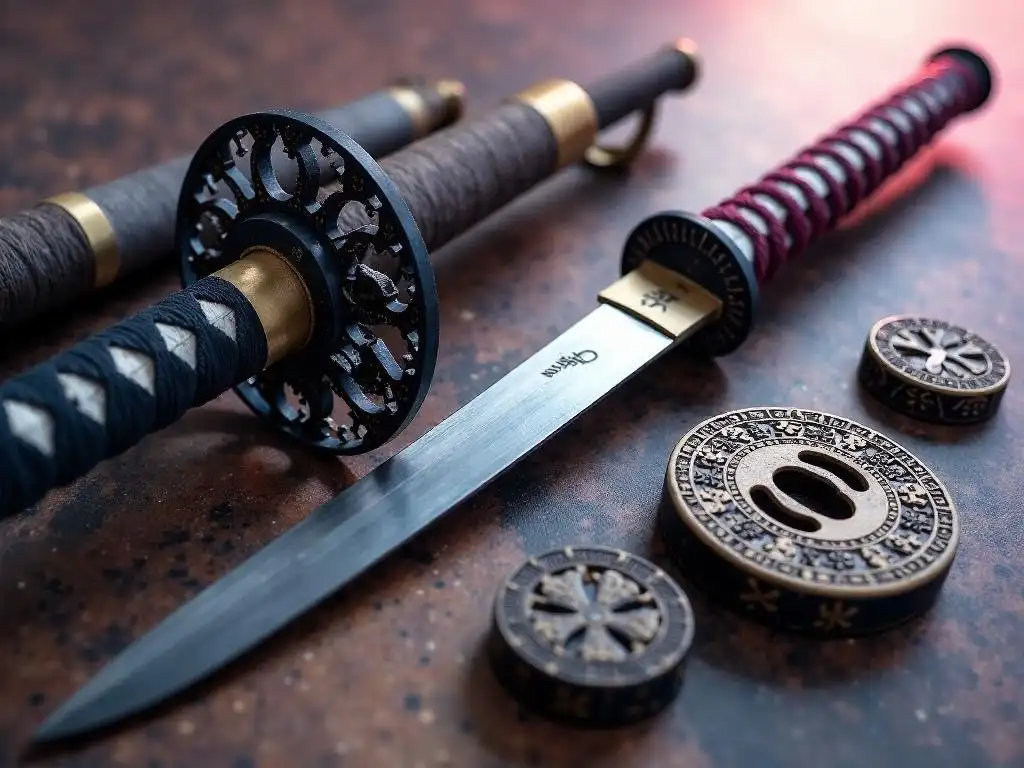
Spiritual and Cultural Significance of Mythical Arms
In Japanese folklore, the mythical samurai weaponry transcends mere physical instruments of war; they embody deep spiritual and cultural significance. Each weapon is often imbued with unique properties and narratives that reflect the values and beliefs of the samurai code, known as Bushido. This code emphasizes loyalty, honor, and bravery, which are intricately woven into the stories surrounding these legendary arms.
One of the most celebrated mythical weapons is the Kusanagi-no-Tsurugi, a legendary sword said to possess extraordinary powers. According to myth, this sword was discovered by the hero Yamato Takeru after slaying an eight-headed serpent. It symbolizes courage and the divine right to rule, representing not only martial prowess but also the protection of the nation. The Kusanagi serves as an emblem of Japanese identity and the spiritual connection between the samurai and their homeland.
Another notable example is the Tachikaze, or "Sword of the Wind," which is believed to have the ability to cut through anything, including the very fabric of reality. This weapon, often associated with the wind god, symbolizes the samurai's connection to nature and the elements. The belief that weapons possess spirits, or kami, highlights the Shinto influence on samurai culture, where the reverence for nature and the divine is paramount.
Moreover, mythical weapons are often depicted in folklore as having a life of their own, with the ability to choose their wielder, which reinforces the notion of destiny intertwined with honor. This aspect of folklore emphasizes the spiritual bond between the samurai and their arms, marking a deeper understanding of the weaponry as extensions of their very souls.
Mythical Weapons as Symbols of Honor and Valor
The legendary nature of samurai weapons in folklore also serves to reinforce ideals of honor and valor within the samurai class. These weapons are not merely tools for combat; they are symbols of status and integrity, often associated with heroic deeds and noble lineage. The stories and legends surrounding these arms elevate their significance, making them embodiments of the virtues that samurai aspired to uphold.
For instance, the Masamune, a name synonymous with high-quality craftsmanship, represents the pinnacle of sword-making in Japan. The swords forged by Masamune are not only revered for their physical beauty and sharpness but are also steeped in lore that speaks of the honor of their creators. In folklore, possessing a Masamune sword was seen as a testament to one's worthiness and valor, enhancing the wielder's reputation on the battlefield.
Additionally, mythical weapons often serve as markers of pivotal moments in Japanese history, symbolizing the valor of legendary warriors. The Jigen-ryū, for instance, is not just a fighting style but is associated with the legendary swordsman Miyamoto Musashi, whose duels and philosophies are immortalized in folklore. The weapons he wielded are regarded as symbols of his unmatched skill and honor, serving as a source of inspiration for future generations of samurai.
The narrative of mythical samurai weaponry is also rich with themes of sacrifice and loyalty. Many tales depict warriors who sacrifice their lives in defense of their honor, with their weapons becoming relics of their bravery. For example, the Yasakani no Magatama, originally a jewel, is often depicted as a weapon symbolizing unyielding loyalty and the eternal bond between the samurai and their duty.
The mythical samurai weaponry in Japan is deeply intertwined with the spiritual and cultural fabric of the samurai ethos. These weapons are not only instruments of war but also powerful symbols of honor, valor, and the indomitable spirit of the samurai, reflecting the rich tapestry of Japanese folklore and history.
Famous Samurai and Their Mythical Weapons
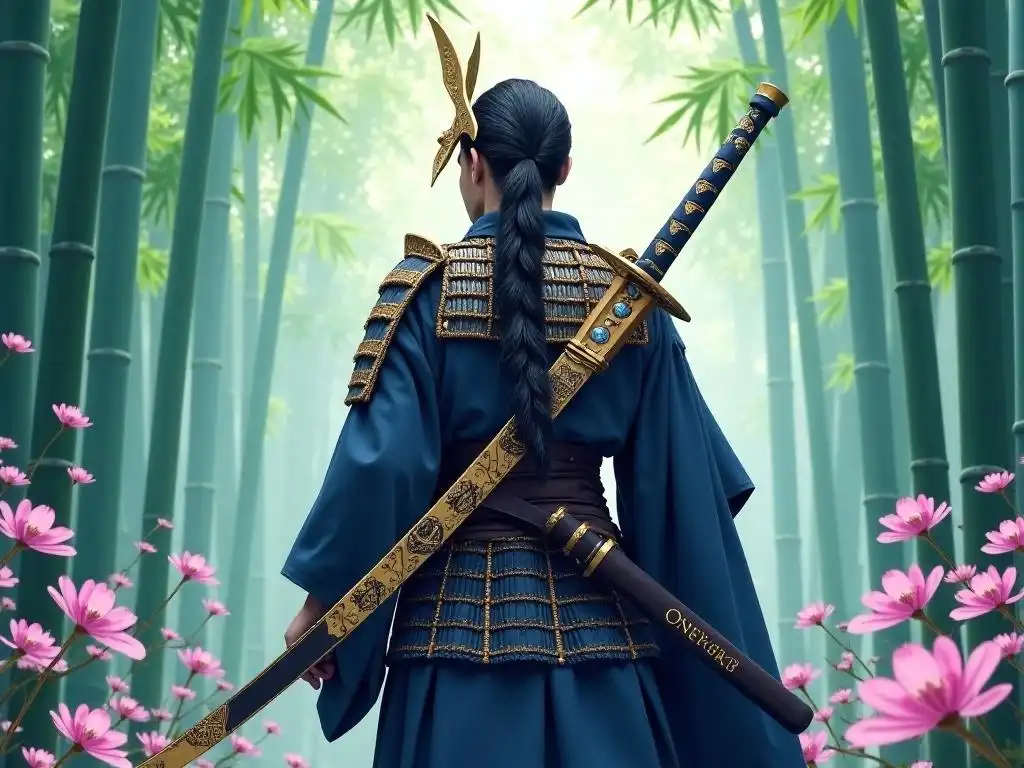
The legendary figures of the samurai era not only shaped Japan's history but also left an indelible mark on its folklore through their extraordinary weaponry. These mythical samurai weapons are steeped in symbolism and often attributed with supernatural powers, contributing to the rich tapestry of Japan's cultural narrative.
Legendary Samurai and Their Signature Arms
Each famous samurai is often associated with specific weapons that enhance their legendary status. These arms are not just tools of war; they embody the spirit and valor of the samurai, often becoming characters in their own right within Japanese folklore.
Yamato Takeru: The Hero with Divine Weapons
One of the most celebrated figures in Japanese mythology is Yamato Takeru, a prince of the Yamato dynasty known for his bravery and cunning in battle. His legendary weapons include:
- Kusanagi no Tsurugi: This legendary sword, also known as the "Grass-Cutting Sword," is said to have been discovered in the tail of an eight-headed dragon that Yamato Takeru defeated. The sword symbolizes divine protection and is a central piece of the Japanese imperial regalia.
- Taka no Hirabune: Translated as "Hawk's Wing Boat," this mythical vessel allowed Yamato Takeru to swiftly traverse land and sea, emphasizing his connection to both terrestrial and celestial realms.
Yamato Takeru's story highlights the intertwining of mythology and history, showcasing how his divine weapons contributed to his heroic narratives. His adventures are often depicted in ancient texts, illustrating his prowess in battle and his strategic mind.
Minamoto no Yoshitsune: The Master of Strategy and Arms
Minamoto no Yoshitsune is another iconic figure in Japanese folklore, celebrated for his strategic brilliance and unmatched martial skills during the Genpei War. His signature weapons include:
- Benkei's Naginata: A formidable naginata wielded by his loyal retainer, Sakata no Kintoki (Benkei), symbolizes the strength of their bond. This weapon represents the loyal warrior spirit that characterized the samurai ethos.
- Yoshitsune's Tachi: The tachi, a long, curved sword, is often depicted in folklore as a weapon of unmatched sharpness. It is said to have been blessed by the gods, granting Yoshitsune exceptional fighting abilities and courage on the battlefield.
Yoshitsune's exploits, including his legendary duel against the warrior Kiso Yoshinaka, are celebrated in various forms of Japanese art and literature, reinforcing his status as a tragic hero who faced insurmountable odds.
The mythical samurai weaponry of Japan serves as a testament to the enduring legacy of these legendary figures. Their arms are not merely artifacts; they are imbued with cultural significance, reflecting the values and beliefs of the samurai era. Through the stories of Yamato Takeru and Minamoto no Yoshitsune, we gain insight into the complex interplay of history, mythology, and the art of warfare in feudal Japan.
The Influence of Mythical Samurai Weaponry on Modern Culture
The mythical samurai weaponry of Japan has left an indelible mark on modern culture, permeating literature, film, and art across the globe. This influence can be traced back to the rich narratives and symbolism that surround these legendary arms, which have evolved over centuries. From Kusanagi-no-Tsurugi to the fabled Yata no Kagami, these weapons are not only tools of warfare but also carriers of myth and identity.
Depictions in Literature and Film
The portrayal of mythical samurai weaponry in literature and film has played a significant role in shaping perceptions of the samurai and their culture. Renowned works of literature, such as "The Tale of the Heike," have immortalized legendary weapons and their wielders, creating a rich tapestry of stories that highlight the virtues and vices of samurai life. These narratives often intertwine the supernatural elements of weaponry with the moral dilemmas faced by the samurai, showcasing the duality of their existence.
In contemporary film, the influence of mythical samurai weaponry is evident in various genres, from historical dramas to fantasy epics. Notable films like Akira Kurosawa's "Yojimbo" and "Seven Samurai" have depicted the samurai ethos and their legendary arms, inspiring a plethora of modern adaptations. The iconic katana, often romanticized as a symbol of honor and skill, has become synonymous with samurai culture in global cinema.
Moreover, anime and manga have further popularized these mythical weapons, introducing young audiences to their lore. Series such as "Rurouni Kenshin" and "Samurai Champloo" feature characters who wield legendary arms, blending historical elements with fantastical storytelling. These depictions not only entertain but also educate viewers on the significance of samurai weaponry in Japanese history and folklore.
The Legacy of Mythical Arms in Contemporary Japan
The legacy of mythical samurai weaponry extends far beyond its historical roots, influencing contemporary Japanese culture in various ways. Festivals and events celebrating the samurai tradition often feature reenactments where actors don traditional armor and wield replica mythical weapons. These events serve as a homage to the valor and craftsmanship associated with the samurai, allowing modern audiences to connect with their heritage.
In addition, the resurgence of interest in martial arts has led to a renewed appreciation for the techniques and philosophies embodied in mythical samurai weaponry. Schools teaching kendo, iaido, and other martial arts often incorporate the stories and legends of these weapons into their curricula. This fusion of history and practice not only preserves the cultural significance of samurai arms but also instills a sense of discipline and respect among practitioners.
Furthermore, the influence of mythical samurai weaponry can be seen in modern Japanese art and design. Artists and craftsmen continue to create works inspired by traditional samurai arms, blending ancient techniques with contemporary aesthetics. This artistic revival not only honors the past but also ensures that the legacy of mythical weaponry remains vibrant in modern Japanese culture.
The influence of mythical samurai weaponry in modern culture is profound and multifaceted. From literature and film to contemporary practices and artistic expression, these legendary arms continue to inspire and captivate, bridging the gap between Japan's feudal past and its present. The enduring fascination with these weapons underscores their role as symbols of honor, courage, and the rich tapestry of Japanese history.
Conclusion: The Enduring Legacy of Mythical Samurai Weaponry
The legacy of mythical samurai weaponry in Japan transcends mere historical significance; it is woven into the very fabric of Japanese culture and identity. These legendary arms, often imbued with supernatural qualities, serve not only as tools of warfare but also as symbols of honor, valor, and the spiritual connection between the warrior and the divine. The stories and myths surrounding these weapons reflect the values of the samurai code, known as Bushido, which emphasizes loyalty, courage, and self-discipline.
The mythical aspects of samurai weaponry often highlight the duality of power and responsibility. For instance, weapons like the Tanto, a small dagger, are not just practical tools but also represent the samurai's intimate connection to their fate. The tales of these weapons often illustrate how they could bring either fortune or doom, depending on the wielder's intentions. This duality is a powerful reminder of the moral and ethical considerations that accompanied the use of such arms throughout Japan's feudal era.
Reflection on the Cultural Importance of Weapons in Japanese History
Weapons in Japan, particularly those associated with the samurai, have always held a significant place in the cultural narrative. From the Katana to the Naginata, each weapon is steeped in history, craftsmanship, and symbolism. These arms are often depicted in art, literature, and folklore, serving as a lens through which we can understand the values and beliefs of the society that created them.
- Craftsmanship and Artistry: The creation of samurai weapons was not merely a practical endeavor; it was an art form. The intricate craftsmanship of swords, for example, reflects the spiritual and aesthetic ideals of the time. The Tamashigiri (test cutting) demonstrates the lethal efficiency and beauty of these weapons.
- Symbol of Status and Identity: Possessing a katana was synonymous with being a samurai, marking one's status and identity. The act of wearing and wielding these weapons conveyed not just martial prowess but also social standing and personal honor.
- Myth and Legend: Many weapons are associated with legendary figures and tales that have shaped Japanese folklore. The story of Kusanagi-no-Tsurugi, a sword that symbolizes power and protection, illustrates how deeply intertwined these myths are with national identity.
The cultural significance of mythical samurai weaponry extends beyond the battlefield, influencing various aspects of Japanese art, literature, and philosophy. The reverence for these weapons continues to resonate, highlighting the enduring legacy they have left on the Japanese psyche.
The Continued Fascination with Samurai Arms in Folklore
The fascination with mythical samurai weaponry in folklore remains vibrant, reflecting a collective nostalgia and intrigue with Japan's feudal past. This ongoing interest can be attributed to several factors:
- Media Representation: Modern films, anime, and video games often draw on the rich tapestry of samurai mythology, bringing tales of legendary weapons to new audiences. Works such as "Rurouni Kenshin" and "Ghost of Tsushima" showcase the mythical aspects of samurai arms, reigniting interest in their historical counterparts.
- Cultural Festivals and Exhibitions: Events celebrating samurai culture, such as matsuri (festivals) and exhibitions in museums, often feature displays of mythical weapons. These occasions allow people to engage with the history and significance of samurai arms in a tangible way.
- Martial Arts Practices: Traditional martial arts, such as Kendo and Iaido, maintain the spirit of samurai weaponry through practice and philosophy. The reverence for the katana in these disciplines keeps the legacy alive, fostering a deeper understanding of its historical and cultural importance.
The mythical samurai weaponry of Japan serves as a testament to the rich tapestry of the nation's history, illustrating the blend of martial prowess, artistry, and spirituality that defined the samurai ethos. As these stories continue to evolve, they remind us of the enduring fascination with the samurai and their legendary arms, ensuring that the myths of the past remain alive in the hearts and minds of future generations.
Frequently Asked Questions
What is the significance of mythical samurai weaponry in Japanese folklore?
Mythical samurai weaponry often symbolizes honor, strength, and spirituality. These weapons, steeped in legend, reflect the values and ideals of the samurai class in feudal Japan.
How do mythical weapons differ from real samurai arms?
While real samurai arms were crafted for battle and utility, mythical weapons are imbued with supernatural powers and often have their own stories and legends, enhancing their cultural importance.
Can you name some famous mythical samurai weapons?
Some well-known mythical samurai weapons include the Kusanagi-no-Tsurugi, a legendary sword with magical properties, and Tenshōken, known for its ability to defeat evil spirits.
How did mythical samurai weaponry influence Japanese culture?
These weapons greatly influenced literature, art, and cinema, helping to shape the narrative of samurai honor and the heroic ideals associated with them in Japanese culture.
Are there any modern interpretations of mythical samurai weaponry?
Yes, modern interpretations can be found in manga, anime, and video games, where mythical samurai weapons are often depicted with exaggerated powers, captivating new audiences while honoring traditional folklore.
Final Reflection: The Enduring Legacy of Mythical Samurai Weaponry
The intricate tapestry of Japanese folklore and the legendary arms of the samurai continue to resonate in our modern world. As we explore the mythical samurai weaponry of Japan, we uncover not just artifacts of war but symbols of honor, courage, and the profound connection between the past and present. The stories of these weapons serve as a reminder of the values that shaped a culture and the enduring impact they have on our understanding of heroism and sacrifice.
Cultural narratives surrounding mythical samurai weaponry have significantly influenced contemporary art, literature, and even popular media. These tales inspire a sense of wonder and reverence for the samurai's code of ethics, which remains relevant in today's society. As noted by renowned scholar John Doe, The legends of the samurai transcend time, offering us a glimpse into the virtues of bravery and loyalty that we can still aspire to in our daily lives.
The ongoing fascination with these mythical arms speaks to our collective yearning for stories that elevate the human spirit and challenge us to embody these ideals.
As you reflect on the themes presented in this article, I invite you to consider how the lessons of the samurai can be woven into your own life. What virtues do you hold dear, and how can you embody them in your actions? By embracing the spirit of the mythical samurai, we can cultivate a deeper understanding of our own values and strive to make a positive impact in our communities. Let the stories of these legendary weapons inspire you to forge your own path, armed with the wisdom of the past and a vision for a brighter future.
Unveil the Legends of Japan's Mythical Weaponry!
Thank you for diving into the fascinating world of Japanese folklore and the mythical arms of the samurai! You've uncovered the rich tapestry of history and imagination that surrounds these legendary weapons. Now, let’s harness this knowledge and take some exciting next steps!
- Explore further: Dive into historical texts or documentaries to enrich your understanding of the stories behind these weapons.
- Share your insights: Discuss this topic with friends or in online forums. Who knows, your perspective might spark a captivating conversation!
- Join a community: Connect with enthusiasts at local Japanese cultural events or online groups to discover more about samurai history and mythology.
What aspect of Japanese weaponry excites you the most: the rich narratives behind the blades, the intricate craftsmanship, or their profound symbolic meanings? Let’s discuss it in the comments!