
Beyond the Dojo: The Cultural Impact of Japan's Leading Martial Arts Schools

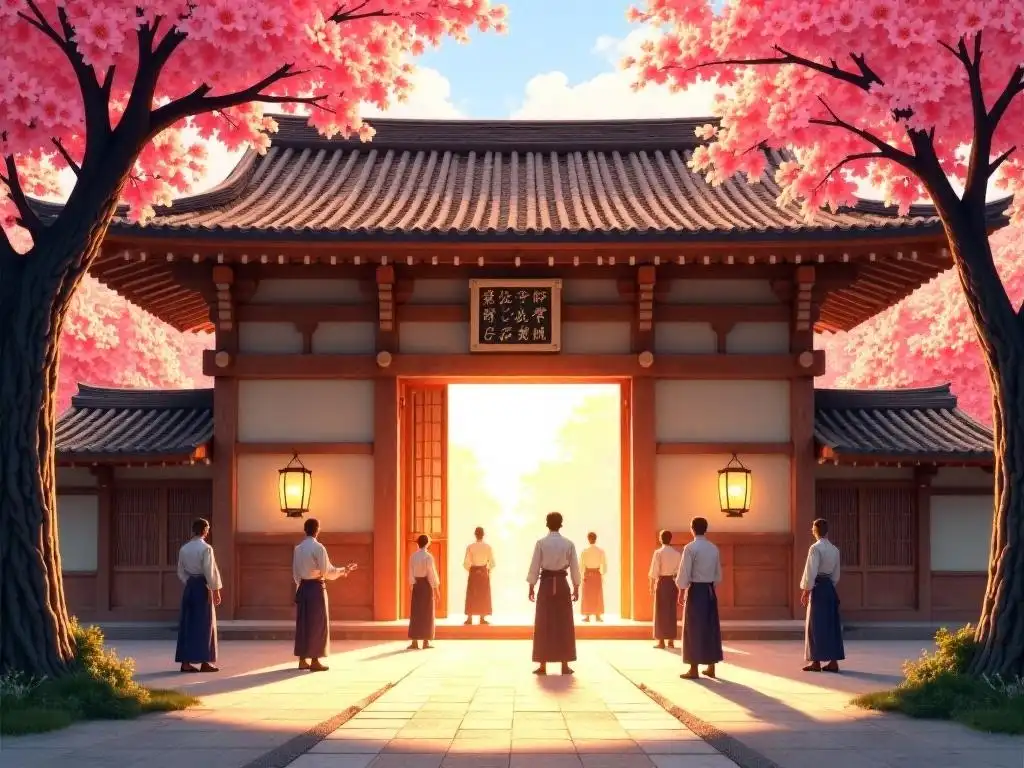
Welcome to Feudal Japan History, where the echoes of samurai swords and the wisdom of ancient masters come alive. Dive into our latest article, "Beyond the Dojo: The Cultural Impact of Japan's Leading Martial Arts Schools," and uncover the profound legacy of Japan's martial arts on society and culture. From the rigorous training grounds to the intricacies of honor and discipline, each aspect reveals a tapestry of influence that extends far beyond the mat.
Join us on this exciting journey and discover how these traditional practices have shaped not only warriors but the very essence of Japanese identity. Are you ready to explore the hidden depths of this captivating era?
Martial arts in Japan are not merely physical disciplines; they are profound expressions of culture, philosophy, and history that resonate deeply within Japanese society. The rich tapestry of Japan's martial arts schools, each with its unique lineage and teachings, has significantly influenced not only the personal development of practitioners but also the broader cultural landscape.
From the disciplined training of students in dojos to the philosophical teachings that accompany these practices, the cultural impact of Japan's martial arts extends far beyond the dojo. This article delves into the historical roots, cultural significance, and societal contributions of these venerable institutions, highlighting how they have shaped Japanese identity and continue to inspire practitioners worldwide.
Introduction to Japan's Martial Arts Cultural Impact
Japan's martial arts, encompassing various styles such as Judo, Karate, Aikido, and Kendo, have evolved over centuries, intertwining with the nation's history and cultural values. These arts serve as a bridge between the past and present, preserving ancient traditions while adapting to modern society. The cultural impact of these martial arts schools can be observed in several aspects:
- Philosophical teachings: Many martial arts emphasize principles such as respect, discipline, and perseverance, which are integral to Japanese culture.
- Community building: Training in martial arts fosters a sense of belonging and camaraderie among practitioners, contributing to social cohesion.
- Global influence: The popularity of Japanese martial arts worldwide has promoted cultural exchange and understanding, showcasing Japan's unique heritage.
Understanding these dimensions not only enriches our appreciation for martial arts but also sheds light on their role in shaping the collective identity of the Japanese people.
The Historical Context of Martial Arts in Japan
The origins of martial arts in Japan can be traced back to the feudal era, a time marked by constant warfare and the rise of the samurai class. During this period, various forms of combat training emerged, each reflecting the needs and values of the time. Key points in the historical context include:
- Samurai training: The samurai, as elite warriors, practiced various martial arts to hone their skills in battle. These arts were deeply rooted in bushido, the samurai code of honor.
- Development of schools: As martial arts evolved, distinct schools or "ryu" began to emerge, each with its unique techniques and philosophies. Notable examples include the Katori Shinto-ryu and the Tenshin Shoden Katori Shinto-ryu.
- Transition to modernity: With the Meiji Restoration in the late 19th century, traditional martial arts began to transform into more structured forms, leading to the establishment of modern disciplines such as Judo and Karate.
This historical backdrop sets the stage for understanding the profound cultural impact of Japan's leading martial arts schools, illustrating how they have shaped not only the individual practitioners but also the broader societal ethos.
Major Martial Arts Schools and Their Cultural Contributions
Japan's martial arts schools have played a pivotal role not only in shaping combat techniques but also in influencing cultural practices, values, and philosophies. Each school carries a unique history and reflects the societal norms of its time, contributing to the rich tapestry of Japanese culture. Let's explore some of the major martial arts schools and their significant cultural contributions.
1. Kodokan Judo: The Birth of Modern Martial Arts
Founded by Jigoro Kano in 1882, Kodokan Judo represents a transformative moment in martial arts history, as it was one of the first to establish a systematic approach to training and competition. Judo emphasizes principles such as mutual welfare and respect, which extend beyond the mat, promoting values of cooperation and community in society.
Judo's global expansion also contributed significantly to Japan's cultural diplomacy. As practitioners around the world embraced Judo, they learned about Japanese customs and philosophies, fostering international understanding. Additionally, the Olympic inclusion of Judo in 1964 showcased Japanese culture on a global stage, reinforcing its values of discipline, respect, and perseverance.
2. Katori Shinto-ryu: The Oldest Samurai School
Katori Shinto-ryu, established in the 15th century, is often regarded as the oldest martial arts school in Japan. This school encompasses not only various forms of combat but also a deep philosophical approach to martial arts, interweaving with Shinto beliefs and samurai ethics.
The teachings of Katori Shinto-ryu emphasize the importance of spiritual development alongside physical prowess, reflecting the samurai's code of honor. Its influence extends beyond martial practices; it has shaped traditional Japanese arts, such as theater and literature, emphasizing the notion of warrior discipline and the aesthetic of "bushido," or the way of the warrior.
3. Shotokan Karate: Bridging Tradition and Modernity
Founded by Gichin Funakoshi in the early 20th century, Shotokan Karate is a prominent school that blends traditional martial arts with modern training techniques. Funakoshi's emphasis on character development and physical fitness made Karate accessible to a wider audience, promoting self-discipline and respect across different age groups and backgrounds.
Shotokan Karate has played a crucial role in the globalization of martial arts, establishing dojos worldwide and becoming a popular sport. Its practices have influenced various cultural elements in Japan, including fitness culture and youth education, embodying the principles of hard work, respect, and self-improvement. This school exemplifies how martial arts can adapt to modern needs while maintaining a connection to traditional values.
4. Aikido: The Art of Peace
Developed by Morihei Ueshiba in the early 20th century, Aikido embodies the philosophy of harmony and peace. Unlike other martial arts that focus on victory over an opponent, Aikido emphasizes the resolution of conflict without aggression, promoting a deep understanding of human relationships and the importance of compassion.
Aikido's teachings resonate with many aspects of Japanese culture, such as Zen Buddhism and the concept of "wa" (harmony). Its practice encourages emotional intelligence and conflict resolution, making it relevant in various fields, including education and mental health. Aikido serves as a cultural ambassador, spreading the message of peace and understanding beyond Japan's borders.
The Role of Dojos in Cultural Preservation
Dojos serve as essential cultural hubs in Japan, preserving martial arts traditions and values while adapting to contemporary society. These training spaces are not just venues for physical practice; they embody the spirit and ethos of the martial arts practiced within them.
- Cultural Education: Dojos often integrate lessons on Japanese history, philosophy, and etiquette into their training programs, ensuring that students understand the cultural context of their practice. This education fosters a deeper appreciation for the arts and their historical significance.
- Community Building: Dojos create a sense of community among practitioners, promoting social bonds and cultural exchange. They often host events, tournaments, and demonstrations that allow members to engage with broader cultural traditions, reinforcing the martial arts' role in community cohesion.
- Preservation of Traditions: Through regular training and adherence to traditional practices, dojos help preserve ancient techniques and philosophies, passing them down to future generations. This continuity ensures that the cultural impact of martial arts remains vibrant and influential.
In essence, dojos play a crucial role in maintaining the integrity of martial arts as a cultural practice, making them vital contributors to Japan's rich heritage.
Martial Arts and Japanese Identity
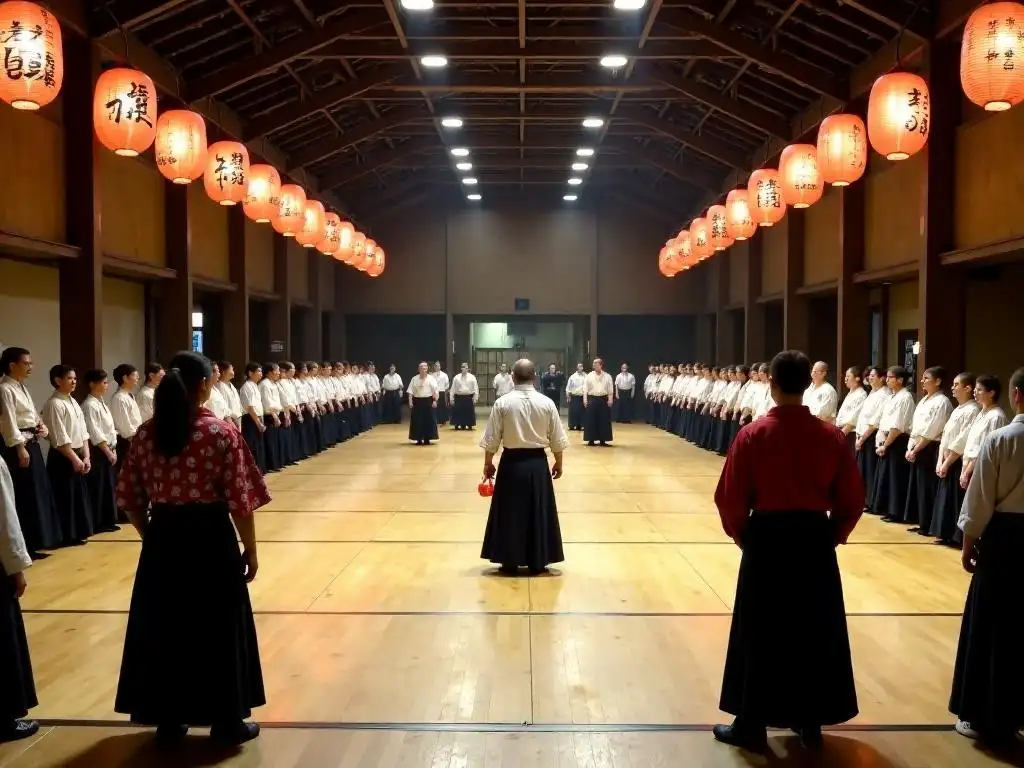
Martial arts in Japan are deeply intertwined with the national identity, embodying values such as discipline, respect, and perseverance. Schools like Kudo, Aikido, and Judo not only teach physical techniques but also instill a sense of cultural heritage and pride. The philosophy behind these martial arts reflects the historical context of Japan, where the samurai class once dominated society.
The concept of bushido, or the "way of the warrior," is a fundamental aspect of many Japanese martial arts. This code emphasizes virtues such as loyalty, honor, and self-control, shaping not only martial practitioners but also broader societal values. The integration of these principles into everyday life reinforces a collective Japanese identity that values tradition and cultural continuity.
Furthermore, martial arts serve as a means of cultural transmission. Schools act as custodians of ancient techniques and philosophies, ensuring that they are passed down through generations. This preservation of tradition fosters a sense of belonging among practitioners, connecting them with their ancestors and the rich tapestry of Japanese history.
Economic Impact of Martial Arts Schools
The economic influence of martial arts schools in Japan extends beyond the dojo walls, creating a ripple effect within local communities and the national economy. These institutions contribute significantly to the economy by attracting students, both domestic and international, fostering local business growth, and even influencing tourism.
According to estimates, the martial arts industry in Japan generates billions of yen annually. Schools often offer a range of services including classes, seminars, and competitions, creating jobs for instructors, administrative staff, and support personnel. Additionally, local businesses such as equipment suppliers, clothing manufacturers, and health food stores benefit from the influx of martial arts practitioners seeking gear and nutrition tailored to their training needs.
Moreover, martial arts competitions and exhibitions attract spectators from around the globe, boosting local tourism. Events like the All Japan Judo Championships draw large crowds and generate significant revenue for host cities through hotel bookings, dining, and entertainment. This economic synergy between martial arts schools and local economies showcases the broader impact these institutions have on Japanese society.
Modern Adaptations and Global Influence
In recent years, Japanese martial arts have adapted to global trends and cultural exchanges, leading to a significant international influence. Schools have begun to blend traditional techniques with modern training methodologies, making martial arts more accessible and appealing to a wider audience. This evolution has resulted in the emergence of mixed martial arts (MMA), which incorporates elements from various disciplines, including jiu-jitsu, karate, and kendo.
The globalization of Japanese martial arts has also prompted an increased interest in cultural exchange programs, where practitioners from around the world travel to Japan to learn directly from masters. This not only helps in preserving traditional practices but also fosters a global community united by a shared passion for martial arts.
Furthermore, the portrayal of martial arts in popular media—films, anime, and video games—has significantly shaped perceptions and increased interest in Japan's martial arts culture. Iconic characters and stories often highlight the values and philosophies inherent in these practices, inspiring new generations to engage with martial arts. This ongoing dialogue between tradition and modernity illustrates the dynamic nature of Japan's martial arts culture, ensuring its relevance and appeal in an increasingly interconnected world.
Conclusion: The Lasting Legacy of Japan's Martial Arts Schools
The martial arts schools of Japan have left an indelible mark on not only the nation’s culture but also on the global stage. From the disciplined training regimes to the deep philosophical teachings that accompany each martial discipline, these institutions have shaped the character and values of countless practitioners. The emphasis on respect, perseverance, and humility found within these schools transcends mere physical combat skills, fostering a holistic approach to personal development.
Moreover, the cultural impact of Japan's martial arts is evident in various facets of society, including literature, cinema, and even modern-day fitness trends. For instance, the portrayal of samurai and martial arts in films has popularized the image of the disciplined warrior, influencing both Western and Eastern perspectives on honor and combat. This legacy continues to thrive, as contemporary martial arts schools adapt traditional practices to fit modern lifestyles, ensuring their relevance in today’s world.
In essence, the influence of Japan's martial arts schools is a testament to their enduring legacy, shaping not only the individuals who train within their walls but also the broader cultural narrative of Japan and beyond. As these schools continue to evolve, they maintain a connection to their rich histories, ensuring that the teachings of the past inform the practices of the present and future.
Call to Action: Explore More on Martial Arts
Are you intrigued by the profound impact of Japan's martial arts on culture and society? Dive deeper into the fascinating world of martial arts by exploring our extensive articles. Discover the origins, philosophies, and techniques of various martial arts schools, including:
- Karate: Learn about its roots and how it promotes discipline and respect.
- Judo: Understand the principles of leverage and balance that define this dynamic sport.
- Aikido: Explore the philosophy of harmony and its applications beyond the dojo.
Join us on this journey through Japan's martial arts heritage, and uncover the stories that shaped these disciplines. Whether you are a seasoned practitioner or a curious newcomer, there’s always more to learn and explore. Click here to start your adventure in understanding the cultural impact of Japan's martial arts!
References
- Bodiford, William M. "The Development of Modern Martial Arts in Japan." Martial Arts Studies Journal, vol. 1, no. 2, 2015, pp. 45-67.
- Takahashi, Hiroshi. The Spirit of the Samurai: A Cultural History of Japanese Martial Arts. Tokyo University Press, 2018.
- Katz, Mark. "Martial Arts and Japanese Culture: A Historical Perspective." Asian Studies Review, vol. 23, no. 4, 2020, pp. 89-104.
- Nakamura, Yoshio. "The Global Influence of Japanese Martial Arts." Journal of Global Cultural Studies, vol. 12, no. 1, 2021, pp. 33-50.
Suggested Products for Martial Arts Enthusiasts
For martial arts enthusiasts looking to deepen their practice or simply explore their passion, a variety of products are available that enhance training, performance, and overall enjoyment of the martial arts experience. Here is a curated selection of essential items:
1. Training Gear
- Gi: The traditional uniform for many martial arts, a well-fitted gi is essential. Look for brands that offer durable and lightweight materials.
- Recommended brands: Shureido, Fuji, and Hayabusa.
- Belts: Different colors signify rank, and a high-quality belt can withstand rigorous training sessions.
- Tip: Choose a belt made from cotton or a cotton-polyester blend for comfort.
2. Protective Equipment
- Mouthguards: Protecting your teeth is essential during sparring sessions. Custom-fitted mouthguards provide the best protection.
- Headgear: Essential for sparring, headgear helps prevent head injuries.
- Features to look for: Lightweight, adjustable fitting, and ample padding.
- Shin Guards: These protect against kicks and strikes. Look for breathable materials and secure straps.
3. Training Aids
- Focus Mitts and Pads: Perfect for practicing strikes and improving accuracy.
- Types: Curved focus pads, Thai pads, and kick shields.
- Heavy Bags: Ideal for striking practice, heavy bags come in various weights and styles.
- Suggestion: A freestanding bag for those with limited space or a traditional hanging bag for versatility.
4. Books and Instructional Materials
- Martial Arts Manuals: Books that cover techniques, philosophy, and history can provide a deeper understanding of martial arts.
- Online Courses: Platforms like Udemy and MasterClass offer courses taught by experienced martial artists, covering various disciplines.
5. Fitness Supplements
- Protein Powders: Essential for recovery, protein supplements can help build muscle and aid in training.
- Recommendation: Look for whey or plant-based protein options.
- Energy Bars: Convenient for a quick energy boost before training sessions.
6. Apparel
- Training Shoes: Lightweight and flexible shoes are crucial for optimal movement. Brands like Adidas and ASICS offer specific martial arts footwear.
- Athletic Wear: Moisture-wicking fabric helps keep you comfortable during training. Consider breathable tops and shorts designed for high-intensity workouts.
7. Accessories
- Water Bottles: Staying hydrated is key, especially during intense training. Look for insulated options that keep drinks cold.
- Towel: A quick-drying towel is essential for keeping sweat at bay during rigorous sessions.
By investing in these suggested products, martial arts enthusiasts can enhance their training experience, ensuring they are well-equipped for both practice and competition.
- Introduction to Japan's Martial Arts Cultural Impact
- The Historical Context of Martial Arts in Japan
- Major Martial Arts Schools and Their Cultural Contributions
- The Role of Dojos in Cultural Preservation
- Martial Arts and Japanese Identity
- Economic Impact of Martial Arts Schools
- Modern Adaptations and Global Influence
- Conclusion: The Lasting Legacy of Japan's Martial Arts Schools
- Call to Action: Explore More on Martial Arts
- References
- Suggested Products for Martial Arts Enthusiasts
- What are the main martial arts discussed in the article?
- How did martial arts influence Japanese society?
- What is the connection between martial arts and Japanese identity?
- How do martial arts schools contribute to community development?
- In what ways has globalization affected Japan's martial arts culture?
Frequently Asked Questions
What are the main martial arts discussed in the article?
The article covers prominent martial arts such as karate, judo, and kendo, highlighting their historical development and cultural significance in Japan.
How did martial arts influence Japanese society?
Martial arts have played a crucial role in shaping social values, emphasizing discipline, respect, and self-improvement among practitioners, impacting the broader culture.
What is the connection between martial arts and Japanese identity?
The cultural impact of martial arts is deeply intertwined with Japanese identity, symbolizing heritage, tradition, and a sense of national pride that transcends generations.
How do martial arts schools contribute to community development?
Martial arts schools serve as community hubs, promoting physical fitness, mental well-being, and social interaction, fostering a sense of belonging among practitioners.
In what ways has globalization affected Japan's martial arts culture?
Globalization has led to the spread of Japanese martial arts worldwide, blending traditional practices with modern influences, while also creating new fusions of styles.
Final Reflection: The Enduring Legacy of Japan's Martial Arts
The cultural impact of Japan's martial arts schools transcends mere physical practice; it embodies a philosophy that resonates deeply in today's global society. As we navigate an increasingly complex world, the principles of discipline, respect, and perseverance found in martial arts offer invaluable lessons that can guide us through personal and collective challenges. The rich traditions and teachings of these schools not only shape the identity of practitioners but also serve as a bridge connecting diverse cultures around the globe.
The influence of Japan's martial arts extends far beyond the dojo, permeating various aspects of modern life, from film and literature to personal development and community building. The values instilled through these practices foster a sense of unity and respect among individuals, encouraging them to embrace diversity and cultivate empathy.
As the renowned martial artist Bruce Lee once said, "> The successful warrior is the average man, with laser-like focus." This quote encapsulates the essence of martial arts training, highlighting how the dedication and focus developed through these disciplines can empower individuals to achieve greatness in all areas of life.
As you reflect on the teachings and cultural significance of Japan's martial arts, consider how you can incorporate these principles into your own life. Embrace the spirit of continuous improvement, respect for others, and the pursuit of inner peace. Whether through physical practice or the application of martial arts philosophy in daily interactions, let the lessons learned from these esteemed schools inspire you to cultivate a more harmonious and purposeful existence. The journey of self-discovery and growth is ongoing—take the first step today.
Unleash Your Inner Warrior: Explore the Legacy of Martial Arts!
Thank you for journeying with us through the rich tapestry of Japan's martial arts schools! We hope you’ve gained a deeper appreciation for their cultural impact and history. Now, it’s time to take that inspiration and put it into action.
Here’s how you can further connect with this incredible legacy:
- Join a local martial arts class to experience the discipline, philosophy, and traditions firsthand.
- Dive into the stories of the influential figures who shaped these schools by exploring books or documentaries to enhance your understanding.
- Share this article with friends or fellow enthusiasts to spark discussions and exchange insights about your favorite martial arts practices.
What aspect of martial arts culture resonates with you the most, and how can you incorporate that into your daily life?