
Techniques Passed Down: The Legacy of Japan's Leading Martial Arts Schools

Welcome to Feudal Japan History, where we journey back in time to uncover the rich tapestry of Japan’s feudal era. Prepare to delve into the intriguing world of martial arts, where centuries-old techniques have been meticulously passed down through generations. In our featured article, "Techniques Passed Down: The Legacy of Japan's Leading Martial Arts Schools," we unravel the fascinating history behind these revered practices and their profound impact on Japanese culture.
Join us as we explore this captivating legacy, and discover the stories that shaped the warriors of the past. Your adventure into the heart of Japan's martial arts history begins here—read on to unlock the secrets!
- Introduction to Japan Martial Arts History
- Historical Context of Japan's Martial Arts Schools
- Major Martial Arts Schools in Japan
- Techniques Passed Down Through Generations
- Cultural and Societal Impact of Martial Arts Schools
- Conclusion: The Continuing Legacy of Japan's Martial Arts Schools
- Recommended Resources for Further Exploration
- Call to Action
-
Frequently Asked Questions
- What is the significance of martial arts in Japan's feudal history?
- How did martial arts schools influence Japanese society?
- What are some of the most notable martial arts styles that originated in Japan?
- How have traditional martial arts evolved over time in Japan?
- What role did samurai play in the development of martial arts in Japan?
- Final Reflection: Embracing the Legacy of Japan's Martial Arts
- Embrace the Legacy: Start Your Martial Arts Journey Today!
Introduction to Japan Martial Arts History
Japan's martial arts history is a captivating tapestry woven through centuries of tradition, discipline, and cultural significance. From the samurai's rigorous training to the graceful movements of modern practitioners, the evolution of martial arts in Japan reflects not only a means of combat but a profound philosophical journey.
This article delves into the rich legacy of Japan's leading martial arts schools, exploring their historical foundations, the techniques that have been meticulously passed down through generations, and their enduring impact on both Japanese culture and the global martial arts community. By understanding the intricate relationship between martial arts and Japan's feudal past, we can appreciate the unique cultural heritage that continues to thrive today.
Overview of Martial Arts in Japan
Martial arts in Japan have a storied history that dates back to the samurai era, where fighting techniques were essential for survival and honor. These practices encompass a wide range of styles and disciplines, each with its unique philosophy and training methods. Some of the most notable include:
- Kendo: The way of the sword, focusing on discipline, respect, and mental fortitude.
- Karate: A striking art that combines punches, kicks, and defensive maneuvers, rooted in ancient Okinawan traditions.
- Judo: Founded by Jigoro Kano, it emphasizes throws and grappling techniques, promoting the principle of maximum efficiency.
- Aikido: Developed by Morihei Ueshiba, this art focuses on using an opponent's energy against them, embodying the principle of harmony.
These martial arts not only serve as physical disciplines but also as vehicles for cultural expression and personal development. They are steeped in ritual, history, and ethical teachings, making them integral to understanding Japan's social fabric.
Importance of Legacy in Martial Arts Schools
The legacy of Japan's martial arts schools is paramount in preserving traditional techniques and philosophies. Many of these schools, known as ryu, have been established for centuries, each maintaining its distinct lineage and methodology. The significance of legacy can be observed in several key aspects:
- Transmission of Knowledge: Mastery in martial arts is often achieved through rigorous training and mentorship. Techniques are passed from teacher to student, ensuring that the essence of each art form remains intact.
- Cultural Continuity: Martial arts schools serve as custodians of culture, keeping ancient practices alive in a modern context. They provide a link to Japan's historical past, allowing practitioners to engage with their heritage.
- Community Building: These schools foster a sense of belonging among practitioners, creating communities that uphold the values of respect, perseverance, and camaraderie.
In essence, the legacy of Japan's martial arts schools is not just about combat techniques; it encapsulates a way of life that emphasizes personal growth, ethical conduct, and a deep respect for tradition. Through this exploration, we can better appreciate how these schools have shaped not only the martial arts landscape but also the broader cultural narrative of Japan.
Historical Context of Japan's Martial Arts Schools
The Evolution of Martial Arts in Feudal Japan
The evolution of martial arts in feudal Japan is deeply intertwined with the social and political landscape of the time. Beginning in the Heian period (794-1185), martial arts practices started to take shape as a response to the growing need for military prowess among the samurai class. During this era, the focus was on developing techniques for battlefield effectiveness, leading to the establishment of various schools, or ryu, that would specialize in different fighting styles.
As Japan transitioned into the Kamakura period (1185-1333), the rise of the samurai as a dominant social class further influenced martial arts. The need for disciplined and skilled warriors led to a diversification of techniques and strategies, emphasizing not only hand-to-hand combat but also the use of weapons, such as the sword ( katana) and the spear ( yari). Schools like the Kashima Shinto-ryu and Katori Shinto-ryu emerged, focusing on comprehensive training that included tactics, strategy, and spiritual development.
The Muromachi period (1336-1573) saw martial arts flourish, with the integration of Zen Buddhism into training regimens. This period also marked the rise of the bushi (warrior class), who sought to perfect their skills both as warriors and as individuals. The establishment of formal dojos and the codification of techniques in written manuals laid the groundwork for the martial arts traditions that would follow.
By the time of the Edo period (1603-1868), a time of relative peace, martial arts transitioned from a necessity for survival to a means of personal development and cultural expression. Schools began to emphasize kata (pre-arranged forms) and philosophy, turning martial arts into an art form that transcended mere combat.
Key Historical Figures Influencing Martial Arts Development
Several key historical figures have significantly influenced the development of martial arts in Japan. Among them, Miyamoto Musashi stands out as a legendary swordsman and strategist. His famous work, The Book of Five Rings, not only discusses swordsmanship but also delves into the philosophy of combat and personal growth, making it foundational in understanding Japanese martial arts.
Another pivotal figure is Yagyu Munenori, who was instrumental in the development of the Yagyu Shinkage-ryu school. As a trusted advisor to the Tokugawa shogunate, Yagyu's teachings emphasized the integration of martial arts with Zen principles, influencing generations of samurai and martial artists.
Additionally, Tenshin Shoden Katori Shinto-ryu's founder, Choisai Ienao, is important for his contributions to the martial arts curriculum. His school is one of the oldest and most comprehensive, preserving ancient techniques that continue to be taught today.
These historical figures not only shaped the techniques and philosophies of their respective schools but also contributed to the broader narrative of Japan's martial arts history, ensuring that their legacies would endure through centuries.
The Role of Samurai in Shaping Martial Arts Traditions
The samurai, as the ruling warrior class of feudal Japan, played a crucial role in shaping the martial arts traditions that are studied and revered today. Their lives were centered around the concepts of honor, discipline, and skill in combat, which were essential for maintaining their status and fulfilling their duties to their lords.
The samurai's commitment to martial training was not merely a professional obligation; it was also a way of life. They practiced various arts, including swordsmanship ( kenjutsu), archery ( kyujutsu), and grappling ( jujutsu), often training for hours each day. This dedication led to the refinement of techniques and the establishment of numerous schools, each with its unique philosophy and practices.
Furthermore, samurai culture emphasized the importance of continuous improvement and self-discipline. This ethos is encapsulated in the concept of bushido, the way of the warrior, which instructed samurai to strive for excellence in both martial skills and moral character. This philosophy has profoundly influenced not only martial arts but also Japanese culture as a whole.
The samurai's role in shaping martial arts traditions was multifaceted, encompassing the development of techniques, the establishment of schools, and the promotion of a philosophy that continues to resonate in modern martial arts practice. Their legacy remains a cornerstone of Japan's martial arts history, reflecting a rich tapestry of cultural heritage that is celebrated worldwide.
Major Martial Arts Schools in Japan
Japan's martial arts history is rich and varied, with numerous schools that have shaped the techniques and philosophies practiced today. This section delves into some of the most significant martial arts schools that have left an indelible mark on the history of Japan's martial arts.
Katori Shinto-ryu: The Oldest Martial Arts School
Founding and Historical Significance
Katori Shinto-ryu, founded in the 15th century, is recognized as one of Japan's oldest and most prestigious martial arts schools. Established by Choisai Ienao in the Katori Shrine area of Chiba Prefecture, this school is deeply rooted in the samurai culture and has played a crucial role in the development of various Japanese martial arts. The school's curriculum includes a wide range of disciplines such as kenjutsu (swordsmanship), iaijutsu (sword drawing), naginatajutsu (halberd techniques), and so much more.
The historical significance of Katori Shinto-ryu lies not only in its age but also in its preservation of ancient techniques and strategies that have been passed down through generations. The school has trained numerous prominent samurai and has influenced other martial arts schools, making it a cornerstone of Japan's martial arts heritage. Its teachings emphasize not just physical techniques but also the mental and spiritual aspects of martial arts, reflecting the broader cultural values of feudal Japan.
Key Techniques and Practices
The training at Katori Shinto-ryu is extensive and comprehensive. Practitioners learn various weapons and their corresponding techniques, which include:
- Kenjutsu: The art of the sword, focusing on precision, timing, and the philosophy of combat.
- Bojutsu: Techniques involving the long staff, emphasizing distance and striking power.
- Naginatajutsu: The use of the naginata, combining slashing and thrusting techniques with fluid movement.
- Iaijutsu: The skill of drawing and cutting with the sword in one smooth motion, emphasizing speed and efficiency.
In addition to physical training, students engage in kata, or pre-arranged forms, that teach strategy, timing, and the importance of mental focus. The rigorous training regimen not only fosters physical prowess but also instills a deep respect for tradition and discipline.
Yamabujin: The Mountain Warrior Tradition
Unique Training Methods and Philosophy
Yamabujin, often referred to as the "mountain warriors," represents a unique aspect of Japan's martial arts history. Originating from the ascetic practices of mountain ascetics, known as yamabushi, this school combines martial arts training with spiritual and physical purification rituals. The philosophy behind Yamabujin emphasizes harmony with nature, personal development, and the cultivation of inner strength.
Training methods are distinctive, often conducted in the rugged terrains of Japan's mountains. Practitioners engage in endurance training, meditation, and various forms of physical conditioning that are integral to their discipline. This holistic approach not only prepares them for combat but also fosters a profound understanding of their connection to the environment and their own inner self.
Influence on Modern Martial Arts Styles
The teachings of Yamabujin have had a lasting impact on various modern martial arts styles, particularly those that incorporate a spiritual or philosophical aspect. The emphasis on mindfulness and connection to nature can be seen in schools such as:
- Aikido: Where practitioners focus on blending with an opponent’s movements and redirecting their energy.
- Kendo: Highlighting the importance of mental discipline and the spiritual journey of the practitioner.
- Ninjutsu: Incorporating stealth, strategy, and the warrior’s mindset that reflects the teachings of Yamabujin.
In essence, the legacy of Yamabujin continues to inspire martial artists today, reminding them of the importance of balance between physical prowess and mental clarity. This unique intertwining of martial arts and spirituality has left an enduring mark on the fabric of Japan's martial arts history.
Shito-ryu: A Blend of Styles
Shito-ryu is one of the most prominent styles of karate that originated in Japan, known for its unique combination of various martial arts influences. This style was founded by Kenwa Mabuni in the early 20th century and is characterized by its adaptability and diversity in techniques. Shito-ryu is distinguished by its emphasis on both long and short stances, making it a versatile martial art suitable for different fighting situations. The style integrates elements from both Shuri-te and Naha-te martial arts, showcasing a rich historical legacy that reflects the cultural blending of Okinawan and Japanese martial traditions.
Historical Roots and Development
The historical roots of Shito-ryu can be traced back to the early 1900s when Kenwa Mabuni began training in various martial arts systems in Okinawa. After years of rigorous training under masters such as Anko Itosu and Kanbun Uechi, Mabuni sought to create a comprehensive system that would incorporate the strengths of different styles. In 1931, he officially named his school Shito-ryu, with "Shito" derived from the first characters of his teachers' names.
Over the decades, Shito-ryu gained recognition not only in Japan but also internationally, evolving into a major karate style practiced in dojos around the world. Its historical significance is underlined by the fact that it played a crucial role in the spread of karate as a martial art beyond the borders of Japan.
Major Techniques and Their Applications
Shito-ryu encompasses a wide range of techniques, making it highly adaptable for self-defense and combat scenarios. Key techniques include:
- Kihon (Basics): Fundamental stances and movements form the backbone of Shito-ryu, ensuring practitioners develop a solid foundation.
- Kumite (Sparring): This aspect emphasizes practical application, allowing students to face opponents in controlled environments, enhancing reflexes and timing.
- Kata (Forms): Shito-ryu is renowned for its extensive kata repertoire, which serves as a means of practicing techniques and strategies. These forms are designed to teach practitioners about distance, timing, and technique application in various scenarios.
- Kicks and Strikes: The style incorporates a variety of striking techniques, including punches, knee strikes, and various kicks, which are essential for effective combat engagement.
Overall, the techniques of Shito-ryu are designed to foster both physical and mental discipline, creating well-rounded martial artists.
Aikido: Harmonizing with Opponents
Aikido is a distinctive Japanese martial art that focuses on blending with an opponent's movements and redirecting their energy. Founded by Morihei Ueshiba in the early 20th century, Aikido emphasizes peace and harmony, setting it apart from many other martial arts that prioritize aggression and competition. This martial art is not just about physical techniques; it also encompasses philosophical principles that promote a deeper understanding of conflict resolution and personal growth.
Founding Principles and Techniques
The founding principles of Aikido are deeply rooted in the philosophy of harmony and non-resistance. Morihei Ueshiba believed in using an opponent's energy against them, rather than relying solely on brute strength. Key techniques in Aikido include:
- Irimi (Entering): This principle involves moving directly into an opponent's attack, effectively neutralizing their aggression while maintaining control of the situation.
- Kote Gaeshi (Wrist Turn): A fundamental technique that demonstrates the art of using circular movements to throw or control an opponent, showcasing the principle of blending with their energy.
- Nage (Throwing Techniques): Aikido practitioners learn to execute various throwing techniques that emphasize fluidity and balance, allowing them to redirect an opponent's force.
Through these techniques, Aikido practitioners cultivate a deep understanding of movement, balance, and the importance of maintaining a calm mind even in the face of conflict.
Cultural Impact and Global Reach
Aikido's cultural impact extends far beyond Japan, having gained a significant following worldwide. The martial art promotes values such as respect, compassion, and self-improvement, resonating with individuals seeking personal development through martial arts training. Aikido's global reach is evidenced by the establishment of numerous dojos and organizations dedicated to its practice, making it accessible to people of all ages and backgrounds.
The teachings of Aikido have also influenced various fields, including conflict resolution and psychology, highlighting its holistic approach to understanding human interaction. As a result, Aikido continues to thrive as a progressive martial art, inspiring practitioners to embrace its philosophy of harmony and non-violence in their daily lives.
Techniques Passed Down Through Generations
Traditional Techniques in Japan's Martial Arts History
Japan's martial arts history is rich and diverse, reflecting the country's unique cultural heritage and the evolution of combat techniques over centuries. Traditional techniques, such as those found in kendo, judo, karate, and aikido, have been meticulously preserved and passed down through generations. Each martial art embodies distinct philosophies and methodologies, contributing to the broader tapestry of Japan's martial heritage.
Key Techniques and Their Origins
- Kendo: Originating from samurai swordsmanship, kendo emphasizes discipline, respect, and mental fortitude. Techniques include strikes ( men, kote, do) and footwork, all executed with precision.
- Judo: Founded by Jigoro Kano in the late 19th century, judo focuses on throwing techniques and ground control. The art's underlying principle is to use an opponent's force against them, a technique known as ju or "gentleness."
- Karate: With roots tracing back to Okinawa, karate incorporates striking techniques using punches, kicks, and knee strikes. Styles vary significantly, with major schools like Shotokan and Goju-Ryu emphasizing different aspects of technique and philosophy.
- Aikido: Developed by Morihei Ueshiba, aikido emphasizes harmony and the redirection of an opponent's energy. Techniques often involve joint locks and throws, promoting a non-violent resolution to conflict.
Importance of Oral Tradition and Written Texts
The transmission of martial arts techniques in Japan has relied heavily on both oral tradition and written texts. Mastery of these arts often involves learning directly from a sensei (teacher), who imparts knowledge not only through demonstration but also through storytelling and personal anecdotes. This oral tradition fosters a deep connection between students and their teachers, instilling respect and understanding of the art’s history.
Written texts, such as Bubishi and various kata manuals, serve as vital resources that document techniques, philosophies, and historical context. These texts ensure that knowledge is preserved and accessible to future generations, acting as a bridge between the past and present.
The essence of martial arts lies not just in techniques but in the wisdom shared through generations.
The Role of Dojos in Preserving Techniques
Dojos play a crucial role in the preservation of Japan's martial arts traditions. These training halls are not merely physical spaces; they are cultural sanctuaries where techniques, values, and histories are upheld. Each dojo often carries its own lineage, reflecting the unique style and philosophy of its founders and instructors.
Training Methods and Curriculum
Training methods in dojos vary widely depending on the martial art being practiced, but several core elements remain consistent:
- Kata: Pre-arranged forms that serve as a foundation for learning techniques and principles. Practicing kata helps students internalize movements and understand their applications.
- Randori: A form of sparring where a student defends against multiple attackers. This practice enhances situational awareness and adaptability in real combat scenarios.
- Meditation and Philosophy: Many dojos incorporate meditation into their training, emphasizing the mental aspects of martial arts. This focus on mindfulness aids in developing concentration, discipline, and emotional control.
- Physical Conditioning: Rigorous physical training is essential, ensuring that practitioners build strength, flexibility, and endurance necessary for effective technique execution.
The techniques passed down through generations in Japan's martial arts schools are a testament to the country's rich cultural heritage. Through oral tradition, written texts, and the pivotal role of dojos, these techniques continue to thrive, ensuring that the legacy of Japan's martial arts history endures for future generations.
Influence of Zen Buddhism on Techniques and Mindset
Zen Buddhism has played a crucial role in shaping the techniques and mindset of martial arts in Japan. The integration of Zen principles into martial arts has created a unique blend of physical skill and spiritual awareness, fostering a holistic approach to training. This influence is particularly evident in schools such as Aikido and Kendo, where the emphasis on mindfulness and presence enhances both performance and personal growth.
One of the central tenets of Zen is the concept of zanshin, or "remaining mind." This state of awareness cultivates a heightened sense of focus and concentration, essential for martial artists. Practitioners are taught to be fully present in the moment, allowing them to react instinctively to any situation. This mental clarity not only improves technique but also fosters a deeper understanding of oneself and one's opponent.
Moreover, Zen's influence extends beyond mental conditioning; it also impacts physical techniques. Many martial arts incorporate fluid, graceful movements that mirror Zen aesthetics, embodying the principle of simplicity. Techniques are often designed to flow seamlessly into one another, reflecting the Buddhist understanding of interconnectedness and the impermanence of each moment. This approach encourages practitioners to adapt and respond to changing circumstances, much like the principles of Zen itself.
Meditation Practices and Their Impact on Martial Arts
Meditation practices, integral to Zen Buddhism, have significantly impacted the training and philosophy of various martial arts in Japan. These practices serve to enhance focus, discipline, and emotional regulation, which are essential qualities for martial artists. By integrating meditation into their training regimens, practitioners can cultivate a deeper connection between mind and body, which ultimately leads to improved performance.
In martial arts schools, meditation is often used as a preparatory tool, allowing students to center themselves before training. Techniques such as shikantaza (just sitting) help martial artists to quiet their minds and achieve a state of calmness. This mental preparation is crucial for executing techniques with precision and confidence, as it minimizes distractions and fosters a clear mind.
Furthermore, meditation aids in developing resilience against physical and mental stress. The practice encourages individuals to confront discomfort and challenges with equanimity, which is vital during intense training sessions or competitions. By learning to manage their thoughts and emotions through meditation, martial artists can maintain composure under pressure, leading to better decision-making and performance in high-stakes situations.
In essence, the incorporation of meditation into martial arts training not only enhances individual techniques but also contributes to a practitioner's overall journey. By fostering mental clarity, emotional stability, and a profound sense of presence, meditation practices have become a cornerstone of the martial arts experience in Japan.
Cultural and Societal Impact of Martial Arts Schools
How Martial Arts Reflect Japanese Society
Martial arts in Japan serve as a mirror of its cultural and societal values, reflecting the intricate balance between tradition and modernity. The historical roots of these practices can be traced back to the samurai era, where combat techniques were not merely methods of fighting but also ways to embody virtues such as honor, discipline, and respect. These values are deeply ingrained in the training regimens of various martial arts schools, influencing practitioners' lives beyond the dojo.
The concept of bushido, or "the way of the warrior," encapsulates the moral code followed by samurai, emphasizing loyalty, courage, and self-control. Modern martial arts schools continue to promote these ideals, teaching students to cultivate a strong character and ethical behavior. For instance, disciplines such as kendo and aikido not only focus on physical skills but also on mental fortitude and emotional resilience. This holistic approach fosters a sense of community and respect among practitioners, linking them to a broader cultural heritage.
Moreover, martial arts schools often serve as community hubs, where individuals from diverse backgrounds come together, fostering social cohesion. They provide a space for mentorship and personal development, encouraging values such as teamwork and perseverance. Thus, the training in martial arts is not just about mastering techniques; it is about shaping character and reinforcing societal bonds.
Values and Ethics Instilled Through Training
The values and ethics instilled through martial arts training in Japan are multi-faceted. Each martial art carries its unique philosophy, yet common principles unite them:
- Respect: Bowing to instructors and fellow students is a customary practice that emphasizes humility and acknowledgment of others' efforts.
- Discipline: Regular training sessions require commitment, teaching practitioners the importance of self-regulation and hard work.
- Perseverance: Overcoming challenges in practice instills resilience, encouraging students to face difficulties both in and out of the dojo.
- Integrity: Adhering to the principles of fairness and honesty is vital, emphasizing the importance of ethical behavior.
These values are not only taught through verbal instruction but are reinforced through practical exercises, role-playing scenarios, and the culture of the dojo. The impact of these teachings can be profound, shaping the personal and professional lives of practitioners, and contributing to a more harmonious society.
The Role of Martial Arts in Modern Japan
In contemporary Japan, martial arts continue to play a significant role, evolving while remaining deeply rooted in tradition. They have transcended their original purpose as combat techniques, becoming a form of cultural expression, fitness, and psychological development. The modern landscape of martial arts is characterized by a blend of traditional schools and innovative practices that cater to a diverse population.
Martial arts competitions have gained immense popularity, attracting both domestic and international participants. Events such as the All-Japan Karate Championships and the Judo Grand Slam showcase Japan's martial arts prowess and contribute to the global appreciation of these disciplines. Additionally, martial arts are often incorporated into school curricula, promoting physical education and instilling discipline among younger generations.
Contemporary Schools and Their Practices
Modern martial arts schools in Japan focus on a variety of practices, some of which have diverged from their traditional roots to adapt to contemporary societal needs. Here are some notable schools and their approaches:
- Kyokushin Karate: Known for its rigorous training and full-contact sparring, Kyokushin emphasizes mental toughness and physical conditioning, appealing to those looking for both self-defense skills and fitness.
- Kendo: As the "Way of the Sword," Kendo is deeply rooted in the samurai tradition. Contemporary Kendo practitioners engage in tournaments that stress not only technical skills but also the spirit of competition and respect for opponents.
- Aikido: Focusing on harmony and blending with an opponent's movements, Aikido promotes self-defense without aggression. Modern schools emphasize personal growth and conflict resolution, appealing to those seeking a non-violent approach to martial arts.
- Brazilian Jiu-Jitsu (BJJ): Although not traditionally Japanese, BJJ has gained immense popularity in Japan and integrates well with the local martial arts culture. BJJ schools often provide a blend of traditional techniques with modern training methodologies, emphasizing practical self-defense and sport.
These contemporary schools play a crucial role in nurturing a new generation of martial artists who honor the past while embracing innovation. This dynamic evolution ensures that Japan's martial arts heritage remains vibrant and relevant in today's society, continuing to influence both personal development and cultural identity.
Global Influence of Japanese Martial Arts
Japanese martial arts have transcended geographical boundaries, becoming a significant part of the global cultural landscape. The influence of these ancient practices can be observed not only in their techniques and philosophies but also in how they have shaped martial arts worldwide. As practitioners from diverse backgrounds have embraced these styles, they have integrated and adapted them, leading to the emergence of various hybrid forms.
One of the most notable aspects of the global influence of Japanese martial arts is their philosophical underpinnings. Concepts such as Bushido, the way of the warrior, emphasize honor, discipline, and respect, which resonate with practitioners around the world. This philosophy often extends beyond the dojo, influencing personal development and ethical conduct in everyday life. The principles of perseverance and humility found in martial arts training have inspired many individuals to adopt a mindset of continuous improvement, regardless of their cultural background.
Moreover, major Japanese martial arts, including Karate, Judo, and Aikido, have established a substantial presence in international competitions. Events like the Olympics have further propelled these arts into the global spotlight, showcasing their effectiveness and attracting participants of all ages. With the rise of social media and online platforms, instructional videos and tutorials have made it easier for people worldwide to access and learn these martial arts, contributing to their popularity.
Popularity in the West and Their Evolution
The popularity of Japanese martial arts in the West has witnessed a remarkable evolution since the mid-20th century. Initially introduced through film and television, iconic martial arts stars like Bruce Lee and Chuck Norris played pivotal roles in sparking interest in these disciplines. Their charismatic portrayals not only showcased the physical prowess of martial arts but also introduced Western audiences to the deeper philosophies and cultural significance behind these practices.
As interest grew, various martial arts schools began to emerge across the United States and Europe, offering a range of styles from traditional forms to more sport-oriented adaptations. Karate, for example, became widely practiced, with organizations such as the International Karate Association forming and hosting tournaments. These adaptations often simplified traditional techniques to cater to a broader audience, allowing for greater participation.
In addition to physical training, Western practitioners have increasingly embraced the mental aspects of martial arts, such as mindfulness and meditation. This change reflects a growing awareness of the holistic benefits of martial arts training, which extends beyond self-defense to include mental well-being and personal growth. As a result, many dojos have incorporated elements of yoga and meditation into their programs, recognizing the intertwined nature of physical and mental development.
Today, the global popularity of Japanese martial arts continues to thrive, evolving as they adapt to new cultures and practices. This ongoing transformation highlights the dynamic nature of martial arts, ensuring that they remain relevant and accessible for future generations. Through this evolution, the essence of Japanese martial arts—rooted in tradition yet open to innovation—continues to inspire and unify practitioners around the world.
Conclusion: The Continuing Legacy of Japan's Martial Arts Schools
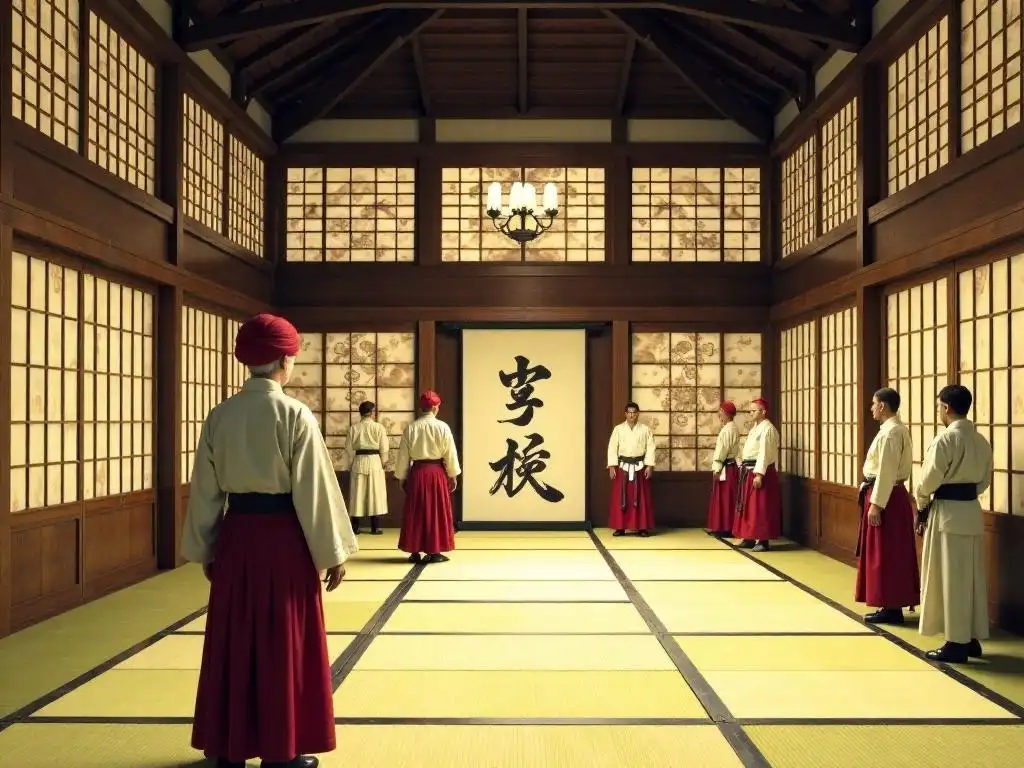
The legacy of Japan's martial arts schools is not just a reflection of historical techniques but also an ongoing journey that influences contemporary practice and culture. As we delve into the intricate tapestry of Japan martial arts history, it becomes evident that these schools have played a pivotal role in shaping Japan's identity and values. Through a blend of discipline, respect, and tradition, martial arts continue to be a vital aspect of Japanese culture, fostering a sense of community and personal growth.
Significance of Preserving Martial Arts History
Preserving the history of martial arts in Japan holds immense significance for several reasons:
- Cultural Heritage: Martial arts schools serve as custodians of Japan's rich cultural heritage. Each school embodies unique philosophies, techniques, and histories that reflect the values of their respective eras. By preserving these traditions, we maintain a connection to Japan's past, keeping alive the stories of warriors, philosophers, and masters.
- Educational Value: Understanding the evolution of martial arts provides insights into broader historical and societal changes. For instance, the transition from battlefield techniques to modern self-defense reflects shifts in societal needs and values. This educational aspect enriches not only practitioners but also historians and cultural enthusiasts.
- Community and Identity: Martial arts schools foster a sense of belonging and identity among practitioners. By learning about the history and traditions of their art, students cultivate a deeper appreciation for their practice, which in turn strengthens community bonds. This sense of identity is crucial in today's globalized world, where cultural roots can often be overshadowed.
- Continuity and Innovation: While preserving traditional techniques is important, it is equally vital to adapt and innovate. By understanding historical contexts, martial arts schools can evolve to meet contemporary needs while maintaining their core values. This balance between tradition and innovation ensures the longevity of these practices.
Future Directions for Japan's Martial Arts Schools
Looking ahead, the future of Japan's martial arts schools appears promising, with several key directions emerging:
- Globalization and Cultural Exchange: As martial arts continue to gain popularity worldwide, Japanese schools have a unique opportunity to share their rich traditions with a global audience. This cultural exchange not only enhances the visibility of Japan's martial arts but also encourages intercultural dialogue and learning.
- Integration of Technology: The use of technology in training and education is becoming increasingly prevalent. Virtual training sessions, online courses, and digital archives are making martial arts more accessible, allowing practitioners to engage with history and techniques from anywhere in the world. This integration could help attract a younger demographic to traditional practices.
- Focus on Mental and Physical Well-being: The recognition of martial arts as a means of promoting mental health and physical fitness is growing. Schools are likely to emphasize holistic training approaches, combining physical techniques with mindfulness and wellness practices, which could attract a broader audience interested in personal development.
- Research and Documentation: There is a growing need for comprehensive research and documentation of Japan's martial arts history. Scholars, practitioners, and enthusiasts are encouraged to collaborate on projects that preserve oral histories, written records, and instructional materials. Such efforts will ensure that future generations have access to accurate and rich narratives about their martial arts heritage.
The future of Japan's martial arts schools is driven by a commitment to preserving history while embracing change. As these schools adapt to modern realities, they will continue to play a vital role in shaping the cultural landscape of Japan and beyond, ensuring that the legacy of martial arts endures for generations to come.
Recommended Resources for Further Exploration
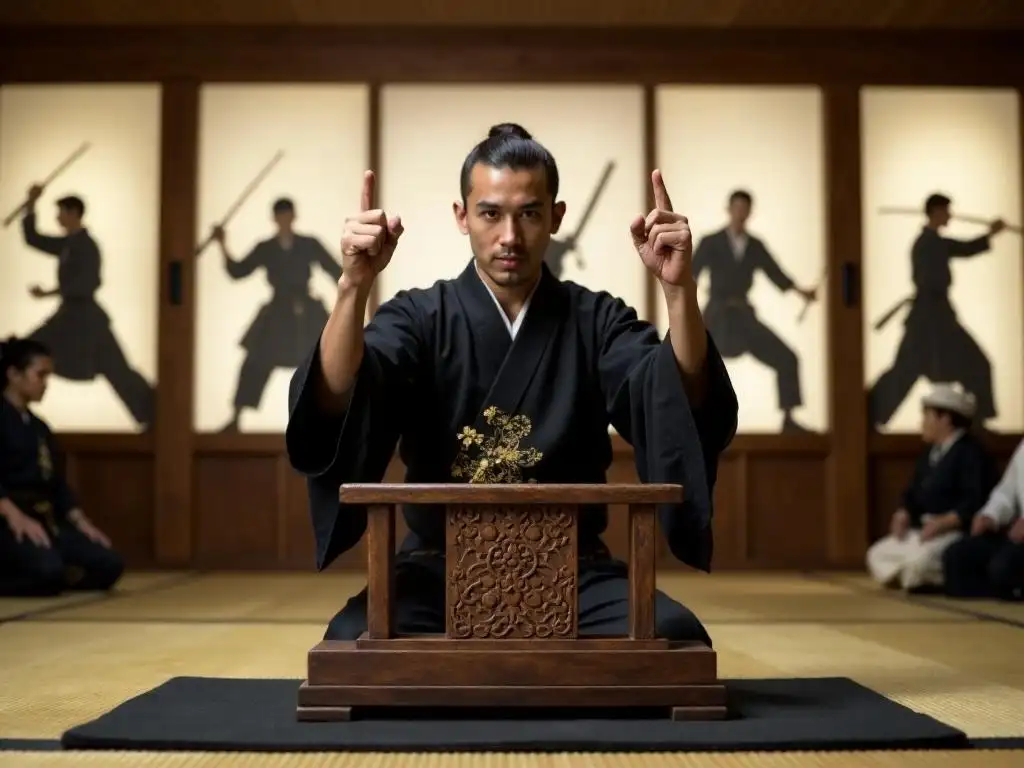
Books on Japan Martial Arts History
Suggested Titles and Authors
Exploring Japan's martial arts history can be significantly enriched through various well-researched books. Here are some recommended titles that delve into the rich heritage, techniques, and philosophies of martial arts in Japan:
- "The Book of Five Rings" by Miyamoto Musashi
- A classic text on strategy, tactics, and philosophy, written by the renowned swordsman Miyamoto Musashi. This book provides insights into the mindset and techniques of a master.
- "Hagakure: The Book of the Samurai" by Yamamoto Tsunetomo
- This book offers a unique perspective on the samurai way of life and the spiritual aspects of martial arts, emphasizing the importance of honor and discipline.
- "The Unfettered Mind" by Takuan Soho
- A collection of writings that explore the relationship between Zen and the practice of martial arts, offering valuable lessons on mental clarity and focus.
- "A History of Japanese Martial Arts" by Donn F. Draeger
- This comprehensive work covers the evolution of martial arts in Japan, from ancient times to the present, including detailed descriptions of various schools and styles.
- "Budo: The Martial Ways of Japan" by John Stevens
- This book discusses the philosophical underpinnings of various martial arts forms in Japan, providing historical context and practical insights.
These titles not only give a historical overview but also offer philosophical insights that are essential for understanding the depth of Japan's martial arts legacy.
Documentaries and Films on Martial Arts in Japan
Recommendations for Visual Learning
Visual media can provide a compelling insight into Japan's martial arts history and its cultural significance. Here are some noteworthy documentaries and films that highlight various martial arts schools and their traditions:
- "The Last Samurai" (2003)
- A historical drama that portrays the transition from the samurai era to modern Japan, showcasing traditional martial arts and the philosophies of the samurai warriors.
- "Jiro Dreams of Sushi" (2011)
- While primarily about sushi, this documentary touches on the discipline and dedication akin to martial arts training, reflecting the cultural ethos of Japan.
- "Kumite: The Fight" (2008)
- This film offers an engaging look at the world of karate competitions, exploring the techniques, training regimens, and the spirit of competition.
- "The Way of the Samurai" (NHK Documentary)
- A comprehensive documentary series that delves into the life of samurai warriors, their martial arts practices, and their enduring influence on Japanese culture.
- "The Art of Action: Martial Arts in the Movies" (2018)
- This documentary takes a closer look at how martial arts have been depicted in cinema, tracing their influence from traditional practices to modern interpretations.
These visual resources can enhance your understanding of the techniques, philosophies, and cultural contexts surrounding Japan's martial arts history, making them an excellent addition to your exploration of this fascinating subject.
Online Courses and Training Programs
The evolution of technology has made martial arts training more accessible than ever, allowing individuals to learn from the comfort of their homes. Online courses and training programs dedicated to Japanese martial arts provide valuable resources for practitioners of all levels. These programs often cater to various styles, including Kendo, Aikido, Judo, and Karate, allowing students to find the specific training that aligns with their interests and goals.
Many online platforms now offer a wide range of courses that cover fundamental techniques, advanced skills, and philosophical teachings of martial arts. These courses typically include instructional videos, live Q&A sessions, and community forums where students can interact with instructors and fellow practitioners.
To enhance the learning experience, some platforms provide additional resources such as downloadable training manuals, personalized feedback, and certificates of completion. Whether you are a beginner looking to explore the basics or an advanced practitioner seeking to refine your skills, online courses are an excellent way to deepen your understanding of Japan's martial arts history and techniques.
Platforms Offering Martial Arts Training and Philosophy
Several reputable platforms have emerged as leaders in providing online martial arts training, each offering unique features to cater to different learning preferences:
- Udemy
- Overview: Udemy hosts a variety of courses on Japanese martial arts taught by experienced instructors. Users can find courses on specific styles and general martial arts philosophy.
- Features: Lifetime access to course materials, user ratings, and reviews, allowing for informed choices.
- iTunes U
- Overview: This platform offers free courses and lectures from universities and martial arts schools, focusing on the historical and philosophical aspects of martial arts.
- Features: High-quality content from academic sources, making it a great resource for those interested in the cultural context of martial arts.
- YouTube
- Overview: Numerous martial arts experts and schools maintain channels that provide free tutorials, philosophy discussions, and live training sessions.
- Features: Accessibility and diversity of content, though users must discern the credibility of the sources.
- Martial Arts on Demand
- Overview: This subscription-based service offers a wide array of instructional videos across various martial arts styles, including traditional Japanese disciplines.
- Features: A comprehensive library, structured training programs, and the ability to track progress.
- BudoOnline
- Overview: Dedicated to traditional Japanese martial arts, this platform provides video courses, instructional content, and a community for practitioners.
- Features: Focus on preserving authentic techniques and philosophies, often featuring renowned instructors.
By exploring these platforms, martial arts enthusiasts can deepen their knowledge and skills while engaging with the rich history of Japan's martial arts traditions.
Call to Action
Engaging with Japan's rich martial arts heritage is not only a way to appreciate its historical significance but also to experience the physical and philosophical teachings that have shaped generations. To dive deeper into this world, consider taking a proactive step by joining a dojo or enrolling in a martial arts class.
Join a Local Dojo or Martial Arts Class
Participating in a local dojo can offer invaluable firsthand experience with the techniques and philosophies that define Japan's martial arts. Here are some benefits of joining a dojo:
- Hands-on Learning: Direct instruction from experienced masters allows for an in-depth understanding of martial arts techniques.
- Community Engagement: Joining a dojo fosters a sense of belonging to a community that shares a passion for martial arts.
- Cultural Immersion: Many dojos incorporate traditional elements, such as rituals, language, and philosophy, enriching your understanding of Japan's martial arts history.
How to Find a School Near You
Finding a local dojo is easier than you might think. Here are some steps to guide you:
- Online Research: Use search engines or social media to look for dojos in your area. Keywords like "martial arts classes near me" or "Japan martial arts history dojo" can yield helpful results.
- Visit Local Community Centers: Many community centers host martial arts classes or can provide information on local dojos.
- Ask for Recommendations: Reach out to friends or acquaintances who practice martial arts for their suggestions. Personal experiences can guide you to reputable schools.
- Attend a Trial Class: Many dojos offer trial classes. This is a great opportunity to experience the teaching style and dojo environment before committing.
Subscribe for More Insights on Japan's Martial Arts History
To stay updated on the latest in Japan's martial arts scene, subscribing to newsletters or following relevant blogs can be incredibly beneficial.
Benefits of Staying Informed on Martial Arts Developments
Staying informed provides several advantages:
- Latest Techniques and Trends: Understanding current developments in martial arts can enhance your practice and appreciation of the discipline.
- Historical Context: Knowledge of the history and evolution of martial arts enriches your training experience and connects you to a larger narrative.
- Exclusive Content: Subscribers often gain access to expert interviews, instructional videos, and historical insights that are not available to the general public.
As you engage with the rich tapestry of Japan's martial arts history, remember that every class and every dojo is a step towards understanding a legacy that has shaped not just fighters, but the very culture of Japan.
Frequently Asked Questions
What is the significance of martial arts in Japan's feudal history?
Martial arts played a crucial role in shaping warrior culture and societal norms during Japan's feudal era, reflecting the values of discipline, honor, and skill.
How did martial arts schools influence Japanese society?
Martial arts schools served as centers for training, education, and the preservation of cultural traditions, impacting both the military and social structures of feudal Japan.
What are some of the most notable martial arts styles that originated in Japan?
Styles like Kendo, Judo, and Karate emerged from Japan's rich history, each embodying distinct techniques and philosophies that reflect the feudal era's values.
How have traditional martial arts evolved over time in Japan?
While many traditional martial arts retain their original techniques, they have also adapted to modern practices, emphasizing self-discipline, physical fitness, and cultural preservation.
What role did samurai play in the development of martial arts in Japan?
The samurai were instrumental in the evolution of martial arts, practicing and refining various techniques that became foundational to Japan's martial arts heritage.
Final Reflection: Embracing the Legacy of Japan's Martial Arts
The rich tapestry of Japan's martial arts history is not merely a collection of techniques; it is a profound legacy that continues to shape our understanding of discipline, respect, and personal growth. Today, as we navigate a world filled with challenges and uncertainties, the principles embedded in these ancient practices resonate more than ever. The teachings of Japan's leading martial arts schools remind us that mastery is not just about physical prowess but also about cultivating a resilient spirit and a deep sense of community.
Cultural and social landscapes are continually influenced by the philosophies and techniques that have been passed down through generations. The martial arts serve as a bridge connecting us to our past while guiding us toward a more harmonious future. As the renowned martial artist Morihei Ueshiba once said, The purpose of training is to tighten up the slack, toughen the body, and polish the spirit.
This quote encapsulates the essence of martial arts as a transformative journey, one that encourages us to reflect on our own paths and the values we hold dear.
As you ponder the lessons embedded in the history of Japan's martial arts, I invite you to consider how these teachings can be woven into the fabric of your daily life. Reflect on the values of discipline, respect, and perseverance that these arts embody, and think about how you can apply them to your own challenges and aspirations. In doing so, you not only honor the legacy of these martial arts but also empower yourself to forge a path of growth and resilience in an ever-changing world.
Embrace the Legacy: Start Your Martial Arts Journey Today!
Thank you for exploring the rich heritage of Japan’s martial arts! With newfound insights into the history and techniques of these legendary disciplines, you're now inspired to take meaningful steps towards building your own martial arts legacy.
Here are some specific actions you can take right now:
- Join a local dojo to experience the teachings and discipline of martial arts firsthand. Whether you choose karate, judo, or aikido, find a community that resonates with you.
- Read a book on martial arts or a historical text to deepen your understanding of the philosophies behind these practices.
- Share this article with friends and discuss how martial arts can positively impact your lives together!
As you embark on this journey, what aspect of martial arts excites you the most? Let's start a conversation in the comments!