
Women Warriors: A Look at Female Samurai and Their Unique Weaponry

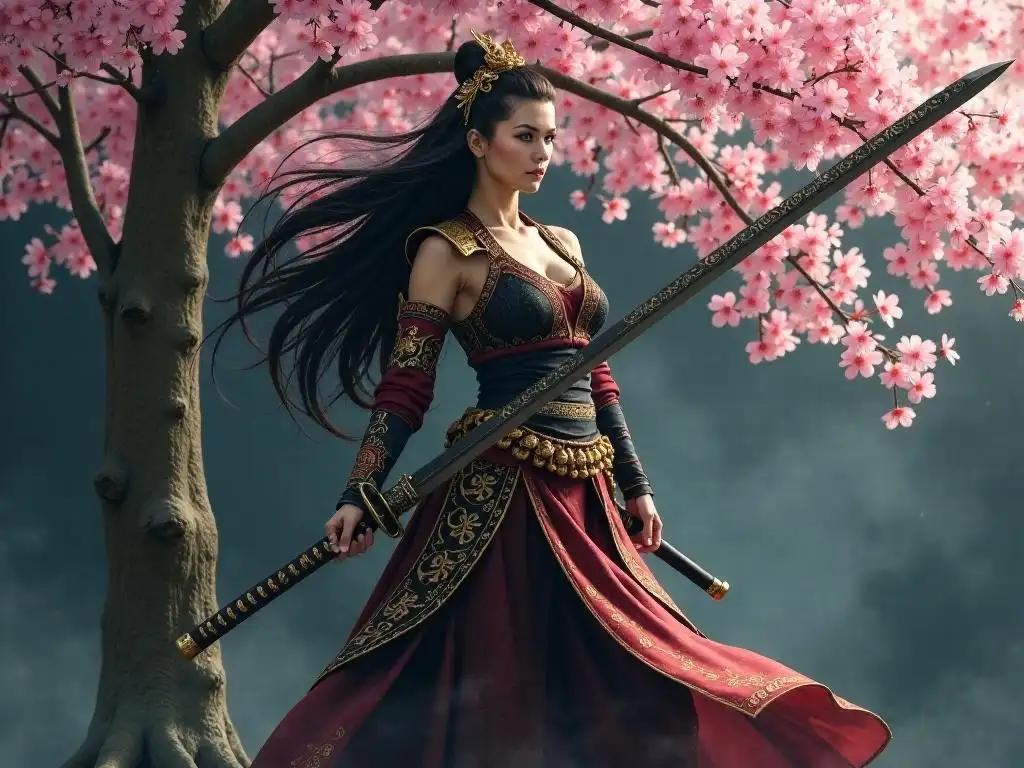
Welcome to Feudal Japan History, where we invite you to embark on a fascinating journey through the intricate tapestry of Japan’s feudal era. Here, the stories of valor and resilience come to life, particularly in our featured exploration of female samurai warriors history. Discover the remarkable women who defied tradition and wielded their unique weaponry with unmatched skill and bravery.
As you delve deeper, prepare to uncover the untold tales and secrets that shaped their legacy—each article a stepping stone into a world where honor and courage knew no gender. Are you ready to unearth the hidden chapters of history?
Introduction to Female Samurai Warriors History
The history of feudal Japan is often dominated by tales of male samurai, renowned for their valor, discipline, and martial prowess. However, a lesser-known yet equally fascinating aspect of this era is the role of female samurai warriors, known as Onna-bugeisha. These women not only participated in battles but also played pivotal roles in the defense of their families and clans during turbulent times.
This article delves into the intricate tapestry of female samurai history, exploring their unique weaponry, cultural significance, and the evolution of their roles within the samurai hierarchy. By shedding light on these formidable women, we aim to enrich the understanding of Japan's feudal landscape and the diverse contributions of its warriors.
Overview of Female Samurai in Feudal Japan
The Onna-bugeisha emerged as a distinct class of female warriors during Japan's feudal period, particularly between the 12th and 16th centuries. Unlike their male counterparts, these women were often trained in martial arts and weaponry to protect their households, especially when men were away at war.
- Training and Skills:
- Female samurai were skilled in various forms of combat, including the use of the naginata (a polearm) and the katana (sword).
- They participated in rigorous training programs that emphasized agility, strength, and tactical intelligence.
- Roles and Responsibilities:
- Women warriors often assumed leadership roles in the absence of male warriors, commanding troops and making strategic decisions.
- They were also responsible for managing estates and resources, ensuring the survival and prosperity of their clans.
Importance of Women in Samurai Culture
The presence of female samurai was not merely a novelty; it reflected the complex social dynamics of feudal Japan. Women held significant cultural and familial responsibilities, which were intertwined with their martial roles.
- Symbol of Honor:
- Female samurai embodied the samurai code of honor, known as Bushido, which emphasized loyalty, courage, and self-discipline.
- Cultural Legacy:
- Their stories, though often overshadowed by male narratives, contribute to a richer understanding of samurai culture and its values.
The Evolution of Female Samurai Warriors
The journey of female samurai is marked by various historical shifts that influenced their roles and recognition within society.
Historical Context: The Rise of Female Samurai
The rise of female samurai can be traced back to periods of conflict, where societal norms shifted, allowing women to take on more active roles in warfare.
- Feudal Conflicts:
- During the Genpei War (1180-1185), women began to assume more substantial military responsibilities as their male relatives were conscripted to fight.
- Political Influence:
- Some women leveraged their positions of power to gain military training, which further established their presence in the battlefield.
Key Figures in Female Samurai History
Throughout Japan's feudal history, several notable female samurai stand out for their bravery and contributions.
- Tomoe Gozen:
- A legendary Onna-bugeisha known for her exceptional skills in battle and loyalty to her lord, she became a symbol of female strength in samurai lore.
- Nakano Takeko:
- A prominent figure during the Boshin War, she led a group of female soldiers and fought valiantly against the imperial forces, showcasing the tenacity and bravery of female warriors.
By exploring the rich history of female samurai warriors, we can appreciate their unique contributions to Japan's feudal past and recognize the diverse narratives that shape the understanding of warrior culture.
Unique Weaponry of Female Samurai
Female samurai, known as onna-bugeisha, were not only adept in combat but also wielded unique weaponry that reflected their societal roles and martial skills. Although they often utilized traditional samurai weapons, their arsenals included specific tools tailored for their combat style and circumstances. These weapons showcased the blend of practicality and elegance that characterized female warriors in feudal Japan.
Among the most notable weapons was the naginata, a polearm with a curved blade on the end. This weapon allowed for both slashing and thrusting attacks, giving female samurai an advantage in reach and versatility during battles. The naginata was particularly favored for its ability to keep opponents at bay, making it effective in both defensive and offensive scenarios. Additionally, it was seen as a symbol of female power, often associated with women’s roles in protecting their homes and families.
Another important weapon was the tanto, a small dagger that could be concealed and used for close combat. This weapon was practical for quick defense and assassination, reflecting the strategic approach many female samurai took in warfare. The tanto's size made it a perfect choice for stealthy encounters, allowing female warriors to engage enemies unexpectedly.
Moreover, female samurai also trained in the use of the katana, the traditional sword of the samurai. While the katana was predominantly associated with male samurai, many female warriors demonstrated exceptional skill in its use, showcasing their determination to uphold the samurai code. The integration of these unique weapons into the combat techniques of female samurai highlighted their adaptability and resourcefulness in a male-dominated society.
Traditional Weapons Used by Female Samurai
The arsenal of female samurai warriors was diverse and included several traditional weapons that were pivotal in their training and combat strategies.
- Naginata:
- A versatile polearm with a curved blade, ideal for slashing and thrusting.
- Allowed for distance control in battles, making it a favored choice for women warriors.
- Tanto:
- A small dagger that was easily concealable.
- Useful for stealth attacks and close-quarter combat, reflecting the tactical mindset of female samurai.
- Katana:
- The iconic curved sword of the samurai, symbolizing honor and valor.
- Many female samurai mastered its use, proving their skill and dedication to the samurai way.
- Bows and Arrows:
- Archery was also an important skill for female samurai, particularly for those involved in defending their homes.
- The bow provided a long-range option that complemented their close-combat training.
These weapons not only served practical purposes but also represented the strength and capabilities of female samurai in a historical context.
Techniques and Training of Female Samurai Warriors
The training and techniques of female samurai warriors were rigorous and tailored to their specific combat roles. Female samurai often trained alongside their male counterparts, engaging in various martial arts practices that emphasized both physical prowess and mental discipline.
One of the primary techniques taught was kenjutsu, the art of swordsmanship. Female samurai learned to master the katana, focusing on precision, balance, and speed. This training included both solo forms, known as kata, and sparring with partners to develop quick reflexes and adaptability in combat situations.
Alongside swordsmanship, naginatajutsu was also a critical discipline. Female warriors practiced with the naginata to enhance their skills in distance management and sweeping attacks. Techniques included fluid movements that allowed them to transition smoothly between offensive and defensive postures.
Moreover, female samurai were trained in self-defense and strategic combat, which involved understanding the terrain, using stealth, and employing tactics that favored their strengths. This comprehensive training ensured that female samurai were not only skilled fighters but also strategic thinkers, capable of leading and inspiring others in battle.
Cultural Significance of Female Samurai
The cultural significance of female samurai extends far beyond their role as warriors; they embodied the spirit of resilience and strength within the samurai class. Their existence challenged traditional gender roles, showcasing the ability of women to participate in and influence the martial culture of feudal Japan.
The Role of Women in Samurai Society
In samurai society, women held a unique position that contrasted sharply with the typical patriarchal norms of the time. Female samurai were not only defenders of their families but also vital figures in maintaining the social fabric of their communities. They often participated in the defense of their homes during times of war, demonstrating courage and loyalty.
Women were also responsible for managing the household and educating the next generation, often instilling the samurai values of honor, discipline, and loyalty in their children. This dual role of warrior and caretaker allowed female samurai to wield significant influence, shaping the legacy of the samurai ethos.
Additionally, the existence of female samurai challenged the strict gender binaries of the time. Their accomplishments and martial skills were celebrated in various forms of literature and art, elevating their status and inspiring future generations.
Female Samurai in Literature and Art
Female samurai have been celebrated in Japanese literature and art, highlighting their contributions and unique identities. Historical records, poetry, and tales often featured these women as heroines, showcasing their bravery and martial prowess.
One notable example is the Tale of Tomoe Gozen, a legendary female samurai who fought alongside men in the Genpei War. Her story has been immortalized in various literary works, symbolizing the strength and capability of female warriors.
In art, female samurai were depicted in paintings and woodblock prints, often portrayed in dynamic poses with their weapons. These artistic representations not only served to document their existence but also to challenge societal views on women's roles in feudal Japan.
The cultural legacy of female samurai continues to resonate today, as they serve as symbols of empowerment and resilience, inspiring modern interpretations of gender roles in martial arts and beyond. Their stories remind us of the rich tapestry of history that includes the contributions of women warriors, often overlooked in traditional narratives.
Challenges Faced by Female Samurai
Female samurai, though remarkable in their achievements and contributions to Japanese military history, faced a multitude of challenges that often hindered their recognition and advancement. These challenges stemmed from societal norms, gender roles, and the changing political landscape of feudal Japan. Understanding these obstacles provides a clearer picture of the resilience and determination of these warriors.
Societal Norms and Gender Roles
During the feudal era, Japan was predominantly governed by strict societal norms that defined the roles of men and women. Women were generally expected to adhere to the ideals of the Onna Daigaku (the "Great Learning for Women"), which emphasized domestic duties and obedience. This restrictive view of gender roles often marginalized the contributions of female samurai, who were not only trained in martial arts but also played significant roles in their clans.
Despite their combat training, female samurai were frequently viewed through the lens of traditional gender expectations, which limited their participation in warfare. The idea that women should remain in the home to manage household affairs created a dichotomy that many female warriors had to navigate. These societal pressures often led to a lack of support for women pursuing martial careers, resulting in diminished opportunities for training and leadership roles within the military.
Additionally, the societal belief that women could not lead men in battle further restricted their capabilities. Even notable figures like Tomoe Gozen, who earned a reputation as a fierce warrior, faced skepticism due to prevailing gender biases. This context of societal norms not only challenged the identities of female samurai but also shaped their historical narratives, often relegating their stories to the sidelines of military history.
The Decline of Female Samurai Warriors
The decline of female samurai warriors can be attributed to various factors, including political changes and the evolution of warfare. With the rise of the Tokugawa shogunate in the early 17th century, Japan experienced a prolonged period of peace known as the Edo period. This era saw a shift in military priorities, emphasizing the need for standing armies and professional soldiers, which diminished the role of samurai as warriors.
As the focus shifted from battlefield prowess to administrative duties, many families discouraged their daughters from pursuing martial training. Instead, women were encouraged to marry into influential families, thereby securing political alliances. This shift not only marginalized the role of female warriors but also led to the gradual disappearance of the female samurai class.
Furthermore, the advent of firearms and new military strategies rendered traditional samurai combat skills less relevant. As warfare became increasingly mechanized, the emphasis on swordsmanship and mounted combat waned, further reducing opportunities for female warriors to excel in their traditional roles. By the end of the Edo period, the concept of the female samurai had largely faded, overshadowed by the evolving landscape of Japanese society and military.
Conclusion: The Legacy of Female Samurai Warriors
The legacy of female samurai warriors is a testament to their resilience, skill, and courage in a predominantly male-oriented society. Despite the challenges they faced, these women carved out spaces for themselves in a world steeped in patriarchal norms, leaving behind a rich history that continues to inspire.
Lasting Impact on Japanese Military History
The contributions of female samurai warriors have had a lasting impact on Japanese military history. Their involvement in battles, strategic planning, and leadership roles challenged the conventional narrative of samurai as solely male warriors. Figures like Nakano Takeko and Tomoe Gozen exemplified the potential of women in combat, demonstrating that valor and skill are not confined to gender.
Additionally, their stories have been increasingly recognized in modern scholarship, leading to a reevaluation of historical narratives surrounding the samurai class. The acknowledgment of female samurai has enriched the understanding of Japan's military history, highlighting the multifaceted nature of warfare and the diverse participants involved.
Contemporary Reflections on Female Samurai History
In contemporary times, the legacy of female samurai is experiencing a resurgence as interest in women's roles throughout history grows. Modern representations in literature, film, and popular culture have begun to celebrate the strength and agency of female warriors, fostering a renewed appreciation for their contributions.
Moreover, the exploration of female samurai history resonates with contemporary discussions surrounding gender equality and empowerment. By examining the lives and legacies of these women, society can draw parallels between their struggles and the ongoing fight for women's rights today. This reflection not only honors the past but also inspires future generations to recognize the potential for women to lead in all spheres of life, including those traditionally dominated by men.
Additional Resources on Female Samurai and Weaponry
To further explore the intriguing history of female samurai warriors and their unique weaponry, a variety of resources are available that delve deeper into their lives, battles, and contributions to Japanese history. These resources include books, documentaries, and academic articles that provide a comprehensive understanding of the role of women in the samurai class and the significance of their weaponry. Below are a few curated options that can enrich your knowledge on this fascinating topic.
Suggested Readings on Female Samurai Warriors History
- "Women Samurai: A History of the Female Samurai" by A. M. Craig
- This book provides an in-depth look at the lives of female samurai, exploring their motivations, training, and the historical context that shaped their existence. It also discusses the societal perceptions of women in the samurai class.
- "The Book of Samurai: The Warrior Class of Japan" by Michael C. McGrew
- While primarily focused on the samurai class as a whole, this book dedicates a significant portion to female warriors, detailing notable figures and their contributions to Japan's military history.
- "Samurai Women: The History and Culture of the Female Warrior" by L. E. K. Yamada
- This resource examines the cultural aspects surrounding female samurai, including their weaponry and fighting techniques, while also highlighting personal stories of remarkable women.
- "The Women Who Dared: The Samurai Women of Japan" by Judith A. R. Thomas
- A compelling read that showcases the lives of several prominent female samurai, focusing on their individual stories and the weaponry they utilized in their quests for honor and justice.
- "Warrior Women of Japan" by Anne H. Watanabe
- This book presents a comprehensive historical overview of women warriors in Japan, with a focus on their roles within the samurai hierarchy and the evolution of their weaponry over time.
Documentaries and Films Featuring Female Samurai
- "The Last Samurai" (2003)
- While not solely focused on female samurai, this film includes key female characters that reflect the era's complexities and the influence of women in samurai culture.
- "Kira: Death of a Samurai" (2011)
- Directed by Takashi Miike, this film touches on the theme of honor and revenge within the samurai tradition, featuring female characters that challenge traditional gender roles.
- "Lady Snowblood" (1973)
- This cult classic film tells the story of a woman trained as an assassin, embodying the spirit of a female samurai. It highlights themes of vengeance and empowerment while showcasing unique weaponry.
- "The Tale of the Princess Kaguya" (2013)
- This animated film, while rooted in folklore, features strong female characters who display qualities typically associated with samurai, including bravery and combat skills.
- "Samurai Girls" (2009)
- An anime series that features female samurai as central characters, showcasing their battles and the unique weaponry they wield, offering a modern interpretation of the historical female warrior narrative.
These resources will not only deepen your understanding of female samurai warriors and their weaponry but also provide a wider context to appreciate their significant place in Japan’s feudal history.
- Introduction to Female Samurai Warriors History
- Overview of Female Samurai in Feudal Japan
- Importance of Women in Samurai Culture
- The Evolution of Female Samurai Warriors
- Unique Weaponry of Female Samurai
- Cultural Significance of Female Samurai
- Challenges Faced by Female Samurai
- Conclusion: The Legacy of Female Samurai Warriors
- Additional Resources on Female Samurai and Weaponry
Frequently Asked Questions
What role did female samurai play in feudal Japan?
Female samurai, known as Onna-bugeisha, were trained in martial arts and often defended their families and homes during times of conflict.
How did female samurai warriors differ from their male counterparts?
While both male and female samurai were skilled in combat, female warriors often utilized different weaponry and techniques, adapting to their roles within society.
What types of weaponry did female samurai use?
Female samurai typically wielded weapons like the naginata (a polearm) and katana, often designed for agility and precision in combat.
Were female samurai common in feudal Japan?
Though not as prevalent as male samurai, female warriors were integral in certain clans, particularly during periods of upheaval or when men were away.
How does the history of female samurai warriors influence modern perceptions?
The history of female samurai challenges traditional views of women in feudal Japan, highlighting their strength and capability in both martial and societal roles.
Final Reflection: Embracing the Legacy of Female Samurai Warriors
The history of female samurai warriors is not just a tale of the past; it is a powerful reminder of the strength and resilience that women have exhibited throughout time. In a world that often overlooks the contributions of women, the stories of these fierce warriors challenge us to recognize and celebrate their pivotal roles in shaping history. The legacy of female samurai is a testament to the fact that courage knows no gender, and their unique weaponry symbolizes the blend of skill, strategy, and artistry that defined their existence.
The influence of female samurai warriors continues to resonate in our cultural and social landscape, inspiring generations to embrace their own inner strength. From literature to film, the portrayal of these remarkable women serves as a source of empowerment and motivation. As we reflect on their stories, we are reminded that "the sword is a reflection of the soul," and the female samurai embodied this truth with every battle they fought. Their journeys remind us that the fight for equality and recognition is ongoing, and their legacy fuels our collective desire for a more inclusive narrative.
As we close this exploration of female samurai warriors, I invite you to reflect on the lessons they impart. Consider how you can embody the spirit of these warriors in your own life—whether through courage in the face of adversity, the pursuit of your passions, or the advocacy for those whose stories remain untold. Let the legacy of the female samurai inspire you to forge your own path, wielding your unique strengths as a weapon against the challenges you face. Together, we can honor their memory by continuing to break barriers and champion the voices of women everywhere.
Unleash Your Inner Warrior: Discover the Legacy of Female Samurai!
Thank you for joining us on this journey through the remarkable world of female samurai and their extraordinary weaponry. We hope you're inspired by the incredible stories of these women who broke barriers and forged their paths in history. Now, it’s your turn to carry this legacy forward and engage with the captivating heritage of feudal Japan.
Here are some ways you can take action today:
- Dive Deeper: Explore books and documentaries about female warriors to expand your knowledge and appreciation of their unique contributions.
- Share Your Insights: Join the conversation by sharing this article with friends or on social media to spark interest and appreciation for women's roles in history.
- Connect with a Community: Find or join a local group or online forum centered around discussions about female empowerment and warrior cultures.
How does the story of the female samurai inspire you to redefine strength and resilience in your own life?