
The Legacy of the Battle of Shizugatake: Lessons for Modern Warfare

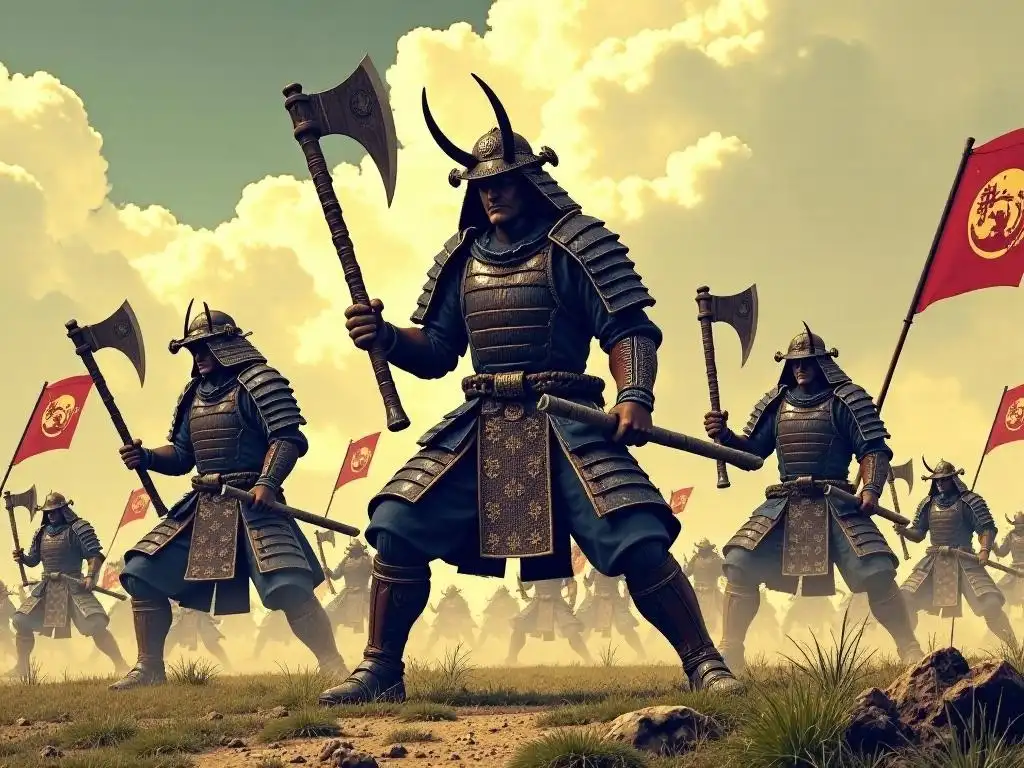
Welcome to Feudal Japan History! Dive into the rich tapestry of Japan's feudal era, where the echoes of the past resonate through battles, strategies, and legacies. In this exploration, we unravel the Battle of Shizugatake legacy, a pivotal event that not only shaped the course of Japanese history but also holds valuable lessons for modern warfare. Prepare to embark on a journey through time, where every article is a gateway to understanding the intricate interplay of culture, society, and military tactics that defined an era. Join us as we uncover the hidden depths of feudal Japan—your adventure awaits!
The Battle of Shizugatake, fought in 1583, stands as a pivotal moment in the tumultuous tapestry of Japan’s feudal era. This engagement not only exemplifies the fierce power struggles that characterized the age but also offers profound insights into the evolution of military strategy and leadership.
Understanding the legacy of this battle is crucial, as it reveals lessons that resonate even within the context of modern warfare. From the tactical maneuvers employed on the battlefield to the broader implications of loyalty and betrayal, the events at Shizugatake provide a rich field for analysis, highlighting how past conflicts shape contemporary military thought and practices.
Introduction to the Battle of Shizugatake
Overview of the Historical Context
The Battle of Shizugatake occurred during a critical juncture in Japanese history, known as the Sengoku period, a time marked by nearly constant military conflict and sociopolitical upheaval. Following the death of the powerful warlord Oda Nobunaga, various factions vied for dominance, with the Takeda, Uesugi, and Tokugawa clans engaged in a protracted struggle for control over Japan. The battle itself was primarily fought between the forces of Toyotomi Hideyoshi and those loyal to the rival warlord, Shibata Katsuie. This power struggle exemplified the broader dynamics of feudal Japan, including shifting allegiances and the constant redefinition of power structures.
Importance of the Battle in Feudal Japan
The significance of the Battle of Shizugatake extends beyond its immediate military outcomes. It was a decisive victory for Hideyoshi, solidifying his position as a leading figure in the unification of Japan. This battle not only marked the decline of Shibata Katsuie’s influence but also highlighted the strategic importance of geography and alliances in feudal warfare. The legacy of Shizugatake serves as a case study in the impact of leadership decisions and combat tactics on the course of history, offering lessons that remain relevant for military strategists today.
The Key Events of the Battle of Shizugatake
Timeline of the Battle
- June 1583: Tensions escalate between Hideyoshi and Katsuie, leading to the mobilization of forces.
- July 2, 1583: The battle commences as forces clash near Shizugatake.
- July 3, 1583: The decisive moments of the battle occur; Hideyoshi's forces employ surprise tactics.
- July 4, 1583: Katsuie’s defeat is confirmed, leading to his eventual suicide.
Major Figures Involved in the Conflict
- Toyotomi Hideyoshi: The strategic mastermind behind the victory, whose leadership would pave the way for the unification of Japan.
- Shibata Katsuie: A formidable opponent and loyal retainer of Oda Nobunaga, whose defeat marked the end of his clan's influence.
- Kato Kiyomasa: A prominent general under Hideyoshi, known for his fierce combat skills and tactical prowess.
Tactical Strategies Employed
The battle showcased innovative tactics that would influence future military engagements. Hideyoshi's troops utilized the element of surprise and rapid maneuvering to outflank Katsuie's forces. The terrain played a crucial role, as Hideyoshi effectively capitalized on the natural landscape to enhance his strategic advantages. Additionally, the use of psychological warfare, such as feigned retreats, helped to confuse and demoralize the enemy, underlining the importance of adaptability in warfare.
Through a detailed examination of the Battle of Shizugatake, we uncover a complex interplay of historical forces, strategic ingenuity, and leadership that continues to inform military studies and practices today. As we delve deeper into the lessons derived from this battle, we gain valuable insights into both the past and the potential future of warfare.
Understanding the Legacy of the Battle of Shizugatake
The Battle of Shizugatake, fought in 1583, represents a pivotal moment in Japan's tumultuous Sengoku period. This battle not only determined the fate of several prominent warlords but also left an indelible mark on Japan's military landscape. The legacy of Shizugatake extends beyond its immediate outcomes; it encompasses lessons in strategy, leadership, and cultural identity that resonate even in contemporary military discussions. By analyzing the historical significance, cultural impacts, and tactical innovations stemming from this battle, we can appreciate its continued relevance today.
Historical Significance of the Battle's Outcome
The outcome of the Battle of Shizugatake was crucial in solidifying the power of Toyotomi Hideyoshi, who would later unify Japan. The decisive victory against the forces of Uesugi Kagekatsu showcased Hideyoshi's military acumen and his ability to rally diverse factions under his command. This victory not only eliminated a formidable rival but also marked the decline of the Uesugi clan's influence in the region. The battle's historical significance lies in its role as a catalyst for the unification process, paving the way for a more centralized governance structure that would characterize the Edo period.
Moreover, Shizugatake serves as a case study in the fluidity of power during the Sengoku era. The battle illustrated how quickly fortunes could change, emphasizing the precarious nature of alliances and the continuous struggle for dominance among regional warlords. This dynamic is a crucial element in understanding the feudal power structures that defined Japan's history.
Cultural Impacts on Japanese Society
The repercussions of the Battle of Shizugatake extended into the cultural fabric of Japan. The conflict inspired various artistic expressions, from literature to theater, as it became a symbol of heroism and strategic prowess. The narratives surrounding the battle were often romanticized, contributing to the rise of a warrior ethos that valorized loyalty, bravery, and honor.
Additionally, the battle played a role in shaping the collective memory of the samurai class and their societal roles. The aftermath saw a shift in how warriors perceived their duty and loyalty, especially as the unification under Hideyoshi began to alter traditional power dynamics. As peace gradually took hold, the legacy of battles like Shizugatake influenced the samurai's transition from warriors to administrators, reflective of the broader societal changes occurring during the late 16th century.
Military Innovations and Tactics Derived from Shizugatake
The Battle of Shizugatake is notable not only for its political consequences but also for the military innovations it prompted. Hideyoshi's forces employed a combination of traditional samurai tactics and innovative strategies that emphasized mobility and adaptability. The use of terrain to gain a tactical advantage became a hallmark of the battle, showcasing the importance of environmental factors in military planning.
One significant innovation was the effective deployment of arquebuses, which were becoming increasingly prominent in Japanese warfare. The battle illustrated the importance of integrating firearm technology with traditional cavalry and infantry tactics. This fusion of old and new tactics laid the groundwork for future military engagements in Japan, influencing the development of a more sophisticated approach to warfare that would be seen in subsequent conflicts.
Lessons from the Battle of Shizugatake for Modern Warfare
The legacy of the Battle of Shizugatake provides valuable lessons that can be applied to modern warfare. By studying the strategies, leadership dynamics, and tactical adaptations of the past, military leaders today can glean insights that remain relevant.
Strategic Insights Applicable to Contemporary Conflicts
One of the key strategic insights from Shizugatake is the importance of decisive action in the face of uncertainty. Hideyoshi's ability to capitalize on the weaknesses of his opponents while maintaining flexibility in his tactics is a principle that resonates in modern military strategy. The battle underscores the necessity of understanding the battlefield environment and the need for rapid decision-making in dynamic combat situations.
Additionally, the significance of alliances and their management during warfare is a pertinent lesson. Just as Hideyoshi navigated complex relationships among various clans, contemporary military leaders must understand the geopolitical landscape and the implications of alliances and coalitions.
The Role of Leadership and Decision-Making
Leadership played a critical role in the outcome of the Battle of Shizugatake, highlighting the impact of decision-making on military success. Hideyoshi's exemplary leadership—marked by his capacity to inspire and unify diverse forces—serves as a reminder of the human element in warfare. Modern military leaders can learn from his ability to adapt strategies based on real-time developments on the battlefield.
Moreover, the battle illustrates the importance of intelligence-gathering and situational awareness. Effective leaders must possess a keen understanding of their own capabilities as well as those of their adversaries, enabling them to make informed decisions that can determine the course of conflict.
Adaptation of Historical Tactics in Modern Military Doctrine
The tactics employed during the Battle of Shizugatake have found echoes in contemporary military doctrine. The emphasis on maneuver warfare, combined arms operations, and the integration of technology reflects the lessons learned from historical engagements, including Shizugatake.
Today’s military strategies often incorporate rapid deployment and the use of terrain to gain a tactical advantage, mirroring Hideyoshi's approach. The evolution of warfare continues to be influenced by historical examples, demonstrating that the principles of strategy and tactics are timeless, transcending the specific contexts in which they were originally developed.
The Battle of Shizugatake not only shaped Japan's feudal history but also offers enduring lessons that are applicable to modern military practices and strategic thinking.
Comparative Analysis: Shizugatake and Other Key Battles
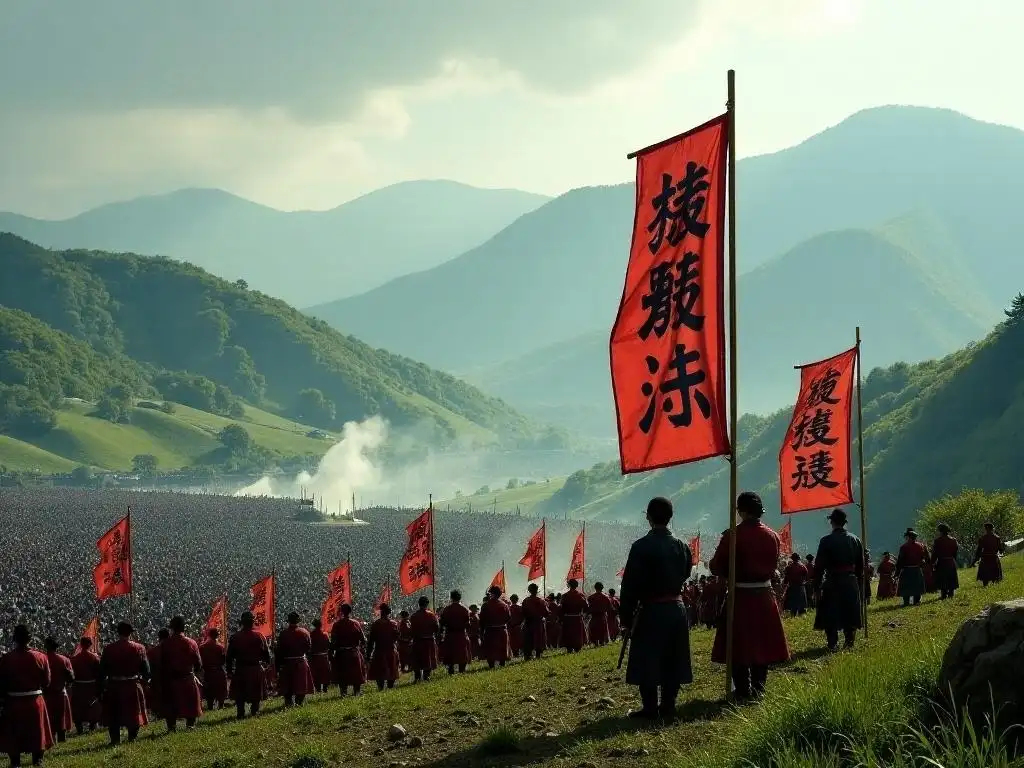
The Battle of Shizugatake, fought in 1583, stands as a significant event in Japanese military history. To fully grasp its legacy, we must examine its context alongside other pivotal battles of the feudal era, highlighting both similarities and differences in tactics, outcomes, and the lessons learned from these conflicts.
Similarities with Other Feudal Battles in Japan
The Battle of Shizugatake shares several characteristics with other prominent feudal battles in Japan, particularly in terms of the underlying political motivations and the role of samurai warriors. Like many feudal conflicts, Shizugatake was not merely a military engagement; it was deeply intertwined with the quest for power and influence among rival clans.
- Clan Rivalry: Just as the battles of Sekigahara and Nagashino emerged from intense clan rivalries, Shizugatake was a reflection of the struggle between the Toyotomi and Tokugawa factions. The desire for dominance among these clans fueled the ferocity of the conflict.
- Use of Cavalry and Infantry: Similar to the tactics employed in battles such as Okehazama, Shizugatake showcased the effective use of cavalry and infantry. The samurai warriors, equipped with advanced weaponry for their time, played crucial roles in the execution of complex maneuvers that often determined the battle's outcome.
- Strategic Terrain: The significance of terrain is a recurring theme in feudal battles. At Shizugatake, the high ground provided a strategic advantage similar to that seen in the Battle of Kawanakajima, where controlling the landscape was vital for success.
Differences in Tactics and Outcomes
While Shizugatake shares similarities with other feudal battles, it also exhibits unique tactical elements and outcomes that set it apart.
- Use of Deception: One notable tactic at Shizugatake was the effective use of deception by the Toyotomi forces. This approach contrasts sharply with the more straightforward confrontational tactics seen in battles like the Battle of Oda Nobunaga's forces at Anegawa, where direct engagement was common.
- Outcome and Aftermath: The outcome of Shizugatake significantly influenced the power dynamics of Japan, paving the way for Tokugawa Ieyasu's rise. In contrast, battles such as Sekigahara had longer-lasting ramifications that established the Tokugawa shogunate. The unique outcome at Shizugatake can be seen as a stepping stone in the larger narrative of Japan's unification.
- Leadership Styles: The leadership styles displayed during the battle differ from those in other conflicts. For example, the decisive and aggressive tactics of Toyotomi Hideyoshi at Shizugatake contrasted with Tokugawa Ieyasu’s more conservative strategies employed in later battles, showcasing different approaches to military leadership.
Lessons Learned Compared to Other Historical Conflicts
The Battle of Shizugatake offers valuable lessons that resonate beyond the confines of feudal Japan, comparable to other historical conflicts globally.
- Importance of Intelligence: Just as in modern warfare, the gathering and use of intelligence were pivotal at Shizugatake. The ability to anticipate enemy moves and adapt strategies accordingly proved crucial. This lesson parallels insights from battles like the American Civil War, where intelligence failures often led to dire consequences.
- Adaptability in Strategy: The battle exemplified the necessity for adaptability in military strategy. As with the strategies seen in World War II, the ability to adjust plans based on the unfolding situation was critical to achieving victory.
- Morale and Leadership: The impact of morale and strong leadership at Shizugatake mirrors several significant battles throughout history, such as the Battle of Waterloo. The resolve and morale of the troops, inspired by their leaders, played a determining role in the outcome and underscores the timeless nature of these factors in warfare.
Conclusion: The Enduring Influence of the Battle of Shizugatake
The Battle of Shizugatake, while a specific event in Japan's feudal history, carries enduring lessons and implications that resonate within military discourse even today.
Reflections on the Legacy of Shizugatake
Reflecting on the legacy of Shizugatake reveals its role as a symbol of strategic ingenuity and the complexities of feudal warfare. Its influence is evident in the evolution of military tactics and the importance placed on intelligence and adaptability. The battle serves as a reminder of the intricate interplay between leadership, morale, and the sociopolitical landscape.
Implications for Future Military Strategies
The lessons derived from Shizugatake can inform future military strategies, emphasizing the need for:
- Comprehensive Intelligence Gathering: Modern military operations must prioritize intelligence to anticipate enemy actions effectively.
- Flexibility in Command: The ability to adapt strategies in real-time remains a fundamental principle in achieving success on the battlefield.
- Understanding Historical Contexts: Learning from historical conflicts like Shizugatake can enrich contemporary military strategies, offering insights into the enduring nature of warfare and the human elements that shape it.
The legacy of the Battle of Shizugatake not only reflects the historical context of feudal Japan but also offers timeless lessons that continue to influence military thought and strategy today.
Further Reading on the Battle of Shizugatake Legacy
To fully grasp the nuances and implications of the Battle of Shizugatake, delving into a variety of resources can provide deeper insights. Below are some recommended books, articles, and documentaries that explore the legacy of this pivotal battle and its relevance to modern warfare.
Recommended Books and Articles
-
"The Samurai and the Warrior Culture of Japan" by Stephen Turnbull
This book offers an in-depth exploration of the samurai ethos, including detailed accounts of key battles such as Shizugatake. Turnbull's work provides context to the strategies employed during the battle and their impact on samurai culture.
-
"Shizugatake: The Battle That Changed Japan" by David E. Kahn
Kahn’s comprehensive examination of the battle discusses its tactical brilliance and long-lasting effects on the Sengoku period. The book analyzes key figures involved in the battle and how their decisions shaped the course of Japanese history.
-
"The Legacy of Feudal Japan: From the Sengoku Period to Modern Times" by Hiroshi Aoyama
This scholarly article provides an overview of how battles like Shizugatake laid the groundwork for Japan's transition from feudalism to modernization. Aoyama's insights into military strategies resonate with contemporary military doctrines.
-
"Military Strategies in Feudal Japan" by Akiko Yamada
Yamada’s article offers a comparative analysis of military strategies used in the Battle of Shizugatake against modern warfare tactics, highlighting the lessons that current military leaders can learn from historical conflicts.
Documentaries and Educational Resources
-
"Samurai Warfare: The Battle of Shizugatake"
This documentary provides a visual depiction of the battle, featuring expert interviews and reenactments. It examines the tactics used and the legacy of the battle in shaping the military landscape of feudal Japan.
-
"Legacies of War: Lessons from Feudal Japan"
An insightful educational series that explores various battles, including Shizugatake, this resource connects historical military tactics to contemporary warfare practices, emphasizing the importance of strategic thinking.
-
Online Courses on Japanese Military History
Platforms such as Coursera and edX offer courses on Japanese military history that often include modules focusing on significant battles like Shizugatake. These courses provide a structured learning environment for those interested in understanding the broader implications of Japan's feudal conflicts.
-
Podcasts like "The Samurai Chronicles"
This podcast series delves into various aspects of samurai history, including specific episodes dedicated to the Battle of Shizugatake. The discussions often feature historians and military experts who draw parallels between past and present warfare.
These resources serve as a starting point for anyone looking to explore the multifaceted legacy of the Battle of Shizugatake and its lessons for modern military strategy. Whether through literature, documentaries, or interactive courses, the insights gained can foster a deeper understanding of both historical and contemporary military practices.
- Introduction to the Battle of Shizugatake
- The Key Events of the Battle of Shizugatake
- Understanding the Legacy of the Battle of Shizugatake
- Lessons from the Battle of Shizugatake for Modern Warfare
- Comparative Analysis: Shizugatake and Other Key Battles
- Conclusion: The Enduring Influence of the Battle of Shizugatake
- Further Reading on the Battle of Shizugatake Legacy
- What was the significance of the Battle of Shizugatake in Japanese history?
- How did the Battle of Shizugatake influence modern warfare?
- What legacy did the Battle of Shizugatake leave for Japanese culture?
- Are there any modern military strategies derived from lessons learned at the Battle of Shizugatake?
- Where can I find more information about the Battle of Shizugatake and its impact?
Frequently Asked Questions
What was the significance of the Battle of Shizugatake in Japanese history?
The Battle of Shizugatake, fought in 1583, was crucial in establishing Toyotomi Hideyoshi's power, marking a pivotal moment in the unification of Japan during the Sengoku period.
How did the Battle of Shizugatake influence modern warfare?
The battle highlighted the importance of strategic planning and intelligence gathering, which are still vital in contemporary military operations, demonstrating that leadership and tactics can shape the outcome of conflicts.
What legacy did the Battle of Shizugatake leave for Japanese culture?
The battle has become a symbol of bravery and strategy in Japanese folklore, influencing literature and art, and serving as a reminder of the feudal era's complexities and the interplay of power.
Are there any modern military strategies derived from lessons learned at the Battle of Shizugatake?
Yes, modern military leaders often refer to the tactics and decisions made during the battle as case studies in effective command and the need for swift, decisive action in warfare.
Where can I find more information about the Battle of Shizugatake and its impact?
For an in-depth exploration, visit the Feudal Japan History website, which offers expert-driven articles on the historical, cultural, and societal aspects of Japan’s feudal era.
Final Reflection: The Enduring Legacy of the Battle of Shizugatake
The legacy of the Battle of Shizugatake resonates profoundly in today's context, reminding us that the lessons of the past are not merely historical footnotes but vital insights for modern warfare. As we navigate an increasingly complex global landscape, understanding the strategies and outcomes of this pivotal battle can illuminate our approach to contemporary conflicts. The echoes of Shizugatake challenge us to rethink our tactics and principles, urging us to learn from the triumphs and tribulations of those who fought before us.
Cultural and social narratives surrounding warfare are continually shaped by historical events like the Battle of Shizugatake. This battle serves as a powerful reminder of the human elements of strategy, leadership, and sacrifice that transcend time. As we reflect on its implications, we can draw parallels to modern military engagements and the ethical dilemmas they present. History is not a burden on the memory but an illumination of the soul.
This quote encapsulates the importance of understanding our past, as it informs our present and shapes our future.
As you ponder the lessons from the Battle of Shizugatake, I invite you to reflect on how these insights can be applied to your own life and decisions. Consider the strategies of adaptability, resilience, and foresight that were essential to the victors of Shizugatake. Embrace the opportunity to learn from history, not just as a spectator but as an active participant in shaping a more informed and thoughtful future. Let the legacy of this battle inspire you to approach challenges with a strategic mindset, fostering a deeper understanding of the complexities that define our world today.
Embrace the Lessons of History Today!
Thank you for joining us on this journey through the powerful legacy of the Battle of Shizugatake. We hope you've gained valuable insights into how historical events can shape our understanding of modern warfare. Now, it’s time to take what you've learned and put it into action!
- Reflect on the strategies that resonate with you. Take a moment to write down three tactics from the Battle of Shizugatake that could apply to today's challenges.
- Share your thoughts! Discuss the relevance of these historical lessons with friends or on social media to foster a greater awareness of our past.
- Explore further. Check out our recommended readings on feudal warfare tactics that influenced contemporary military practices.
How do you think the strategies from the Battle of Shizugatake can be applied to today's conflicts? **Share your insights, and let's spark a meaningful conversation about the lessons we can learn from history! **