
Masters of the Craft: Profiles of Renowned Martial Arts Schools in Japan

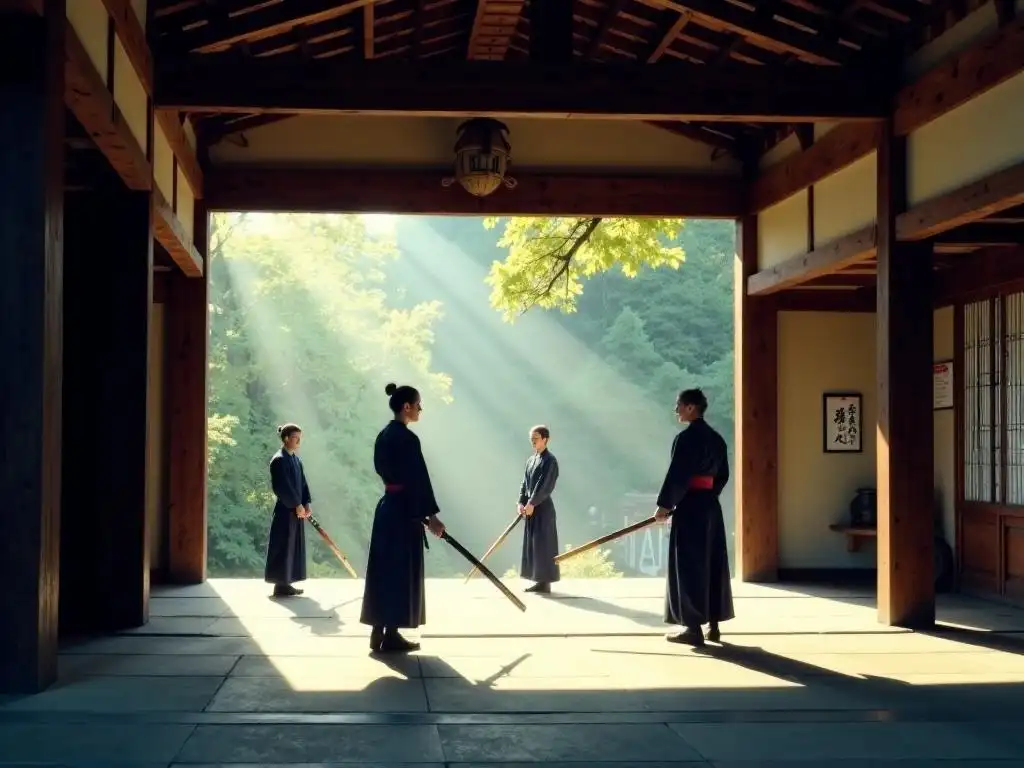
Welcome to Feudal Japan History, your gateway to a captivating journey through the intricate tapestry of Japan's feudal era. Here, we dive deep into the rich historical, cultural, and societal aspects that shaped this remarkable period. In our featured article, "Masters of the Craft: Profiles of Renowned Martial Arts Schools in Japan," we unravel the legacy of martial arts schools in Japan, showcasing the masters and traditions that have influenced generations.
Prepare to immerse yourself in the fascinating world of ancient disciplines, as we invite you to explore the profound connections between history and the art of combat. What secrets will you uncover? Let's begin your adventure!
- Introduction to Martial Arts Schools in Japan
- Exploring the Top Martial Arts Schools in Japan
- Comparative Analysis of Martial Arts Schools in Japan
- The Cultural Impact of Martial Arts Schools in Japan
- Conclusion: The Legacy of Martial Arts Schools in Japan
- References and Further Reading
-
Frequently Asked Questions
- What are the most famous martial arts schools in Japan?
- How do these schools contribute to the cultural heritage of Japan?
- Can anyone join a martial arts school in Japan?
- What is the significance of martial arts training in Japanese society?
- Are there any well-known martial arts tournaments held in Japan?
- Final Reflection: The Enduring Legacy of Martial Arts Schools in Japan
- Unleash Your Inner Warrior Today!
Introduction to Martial Arts Schools in Japan
Martial arts schools in Japan, known as "dōjō", have played a pivotal role in shaping not only the physical prowess of their practitioners but also the cultural and philosophical landscape of Japanese society. From the disciplined training of samurai warriors to the contemporary practices embraced by millions worldwide, these institutions serve as a bridge between Japan's rich historical legacy and modern-day practices.
This article will delve into the masters of the craft, highlighting renowned martial arts schools that have left an indelible mark on the art of combat and its teachings. By exploring the historical significance and evolution of these schools, we aim to provide a comprehensive overview that honors the traditions while recognizing their impact on today's martial arts landscape.
The Historical Significance of Martial Arts in Japanese Culture
Martial arts in Japan are deeply intertwined with the country's history, reflecting the evolving needs of its society. Originating from the necessity of combat skills for the samurai class, martial arts became a crucial aspect of a warrior's training. Over the centuries, various styles emerged, each with its distinct techniques and philosophies.
- Samurai and Budo: The samurai, as the ruling warrior class, practiced various forms of martial arts, collectively known as Budo. This term encapsulates the philosophical and ethical dimensions of martial arts training, emphasizing respect, discipline, and self-control.
- Cultural Integration: Martial arts also permeated Japanese culture through festivals, literature, and art. They became a symbol of honor and tradition, influencing various aspects of life, including the samurai code of conduct, Bushido.
- Modern-Day Relevance: Today, martial arts schools continue this legacy, promoting values such as perseverance, respect, and community. They serve as cultural ambassadors, introducing global audiences to the profound philosophies rooted in Japanese martial practices.
Overview of the Evolution of Martial Arts Schools in Japan
The development of martial arts schools in Japan reflects the dynamic interplay between tradition and modernization. Here are some key phases in the evolution of these institutions:
- Feudal Era Foundations: During the feudal period, martial arts training was often conducted in small, family-run schools or koryū, with each school specializing in unique techniques. The emphasis was on practical combat skills necessary for survival on the battlefield.
- Meiji Restoration Changes: The Meiji Restoration in the late 19th century marked a significant shift. As Japan opened to the West, martial arts schools began to formalize their teachings, incorporating elements of education and philosophy alongside physical training. This period saw the establishment of well-known styles such as Karate and Judo.
- Post-War Revival: After World War II, martial arts experienced a resurgence, becoming more popularized both domestically and internationally. Schools began to adopt a more structured approach, focusing on teaching students not only combat techniques but also the historical and cultural significance of martial arts.
- Contemporary Landscape: Today, Japan boasts a diverse array of martial arts schools, each offering a unique perspective on training. From traditional Aikido to modern Kendo, these institutions continue to adapt while preserving the essence of their art forms.
Through this exploration of martial arts schools in Japan, we can appreciate the depth of historical significance and the evolution that has shaped their practices, inviting enthusiasts and scholars alike to delve deeper into this captivating aspect of Japanese culture.
Exploring the Top Martial Arts Schools in Japan
1. Kodokan Judo Institute: The Birthplace of Judo
History and Founding of Kodokan
The Kodokan Judo Institute, established in 1882 by Jigoro Kano, is recognized as the birthplace of judo. Kano developed judo from traditional Japanese jiu-jitsu, emphasizing not just physical prowess but also moral and intellectual development. The Kodokan was founded with the mission to promote judo as both a martial art and a means of personal growth. Its establishment marked a significant shift in martial arts training, as it combined rigorous physical training with philosophical teachings, focusing on the principles of mutual benefit and welfare.
Key Features of Kodokan’s Training Programs
The training programs at Kodokan are meticulously structured, catering to various skill levels, from beginners to advanced practitioners. Key features include:
- Comprehensive Curriculum: The curriculum covers various aspects of judo, including techniques (waza), kata (forms), and randori (free practice).
- Qualified Instructors: All instructors are highly experienced practitioners, many holding dan rankings that reflect their depth of knowledge in judo.
- International Outreach: Kodokan actively promotes judo worldwide, hosting seminars and workshops that attract practitioners from all over the globe.
The emphasis on a holistic approach to training not only develops physical skills but also instills values of respect, discipline, and perseverance.
Notable Alumni and Their Contributions to Judo
Kodokan has produced numerous prominent figures in the world of judo, including:
- Yasuhiro Yamashita: An Olympic gold medalist, recognized for his extraordinary technique and sportsmanship, Yamashita has significantly influenced modern judo both as a competitor and as a coach.
- Tadahiro Nomura: The first judoka to win three consecutive Olympic gold medals, Nomura's success has inspired countless practitioners.
- Mikio Yawara: Known for his technical innovations, Yawara contributed to the development of judo techniques that are still taught today.
These alumni exemplify the excellence fostered at Kodokan, showcasing the school's profound impact on the sport.
2. Hombu Dojo: The Heart of Aikido
A Brief History of Aikido and Hombu Dojo
Hombu Dojo serves as the main training center for aikido, founded by the martial artist Morihei Ueshiba in the early 20th century. Ueshiba synthesized various martial arts to create aikido, which focuses on harmony and conflict resolution rather than brute force. Hombu Dojo was established in Tokyo, and it quickly became the epicenter for aikido training, attracting practitioners from Japan and around the world. The dojo's history is rich with significant events, such as the introduction of aikido into the international martial arts community during the late 1950s.
Training Methods and Philosophy at Hombu Dojo
Training at Hombu Dojo emphasizes a unique philosophy and methodology that distinguishes aikido from other martial arts. Key elements include:
- Holistic Training Approach: Emphasis on blending with an opponent's movements rather than opposing them, promoting a philosophy of peace and reconciliation.
- Kata Practice: Regular practice of kata, which are pre-arranged forms, helps students understand the principles of balance and timing.
- Emphasis on Breathing Techniques: Students learn to harness their breathing for better control and focus during practice, integrating mind and body.
The dojo fosters an environment of mutual respect and cooperation, making it a nurturing space for all practitioners.
Prominent Practitioners and Their Impact on Aikido
Several notable practitioners have emerged from Hombu Dojo, influencing the global aikido community:
- Koichi Tohei: Known for his development of the Ki Society, Tohei emphasized the importance of ki (universal energy) in aikido practice, contributing to its philosophical depth.
- Moriteru Ueshiba: The current Doshu (leader) of aikido, Ueshiba has played a crucial role in promoting aikido worldwide while preserving its traditional values.
- Tadashi Abe: An influential figure in aikido's internationalization, Abe's teachings have inspired many Western practitioners to adopt aikido's principles in their own lives.
These practitioners exemplify the spirit of aikido as taught at Hombu Dojo, showcasing its potential for personal development and global peace.
3. Katori Shinto-ryu: The Ancient School of Samurai Arts
Origins and Historical Context of Katori Shinto-ryu
Katori Shinto-ryu is one of the oldest martial arts schools in Japan, with its origins tracing back to the 15th century. Established by Choisai Ienao in the Katori Shrine of Chiba Prefecture, this school is steeped in history and tradition. It was developed during a time when Japan was marked by constant warfare, necessitating effective combat techniques for the samurai class.
As a result, Katori Shinto-ryu incorporates a comprehensive array of weapons, including the sword (katana), staff (bo), and other traditional arms. The school's teachings not only focus on physical techniques but also emphasize the development of the warrior's spirit, making it a holistic approach to martial training.
Unique Training Techniques and Curriculum
Katori Shinto-ryu's curriculum is renowned for its thoroughness and depth. Students engage in kata, which are pre-arranged forms that simulate combat scenarios. This practice allows practitioners to internalize techniques and develop muscle memory. The school’s training methods are unique in their integration of strategy and philosophy, drawing from the principles of bushido—the way of the warrior. In addition to weapon training, Katori Shinto-ryu also includes unarmed combat techniques, enhancing the versatility of its practitioners. Furthermore, the training often takes place in traditional dojo settings, reinforcing the cultural significance of martial arts in Japan.
Influence on Modern Martial Arts Practices
Katori Shinto-ryu has significantly influenced modern martial arts practices, not only in Japan but also internationally. Its techniques and philosophies have been incorporated into various other martial arts, including kendo and iaido. The emphasis on kata as a teaching method has been adopted widely, providing a structured approach to learning and mastery.
Moreover, the school's focus on mental discipline and character development has resonated with many modern martial artists, contributing to the broader understanding of martial arts as a means of personal growth. Today, Katori Shinto-ryu continues to be a vital part of Japan's martial arts heritage, attracting practitioners from around the world.
4. Shito-Ryu Karate-Do: A Blend of Traditional and Modern Techniques
The Foundation of Shito-Ryu and Its Key Figures
Shito-Ryu Karate-Do, founded by Kenwa Mabuni in the early 20th century, is a prominent style of karate that merges traditional Okinawan techniques with modern practices. Mabuni, who studied various martial arts, including Shuri-te and Naha-te, sought to create a comprehensive system that would be accessible and effective for practitioners of all levels. The name "Shito" combines the first characters of Mabuni's two primary teachers, Anko Itosu and Anko Asato, paying homage to their contributions. This school emphasizes both the practical and philosophical aspects of martial arts, reflecting Japan's evolving cultural landscape during the Taisho period.
Training Regimen and Competitive Success
Shito-Ryu is characterized by its rigorous training regimen, which includes kihon (basics), kata (forms), and kumite (sparring). Practitioners develop their skills through repetitive drills that foster precision and power. The kata in Shito-Ryu are particularly diverse, with over 40 forms that encompass a wide range of techniques and applications. This extensive kata repertoire not only prepares students for competitions but also instills a deep understanding of martial principles. Shito-Ryu karateka have achieved significant success in national and international competitions, showcasing the effectiveness of their training and contributing to the style's reputation.
Contribution to International Karate Recognition
Shito-Ryu has played a crucial role in the global recognition of karate as a legitimate martial art. Through the establishment of the Japan Karate Federation and various international organizations, Shito-Ryu practitioners have promoted karate worldwide, leading to its inclusion in events such as the Olympics. The school's principles of respect, discipline, and continuous improvement resonate with martial artists around the globe, fostering a shared community. As a result, Shito-Ryu has not only influenced the development of karate styles worldwide but has also helped elevate the status of martial arts education, making it a respected pursuit across cultures.
Comparative Analysis of Martial Arts Schools in Japan
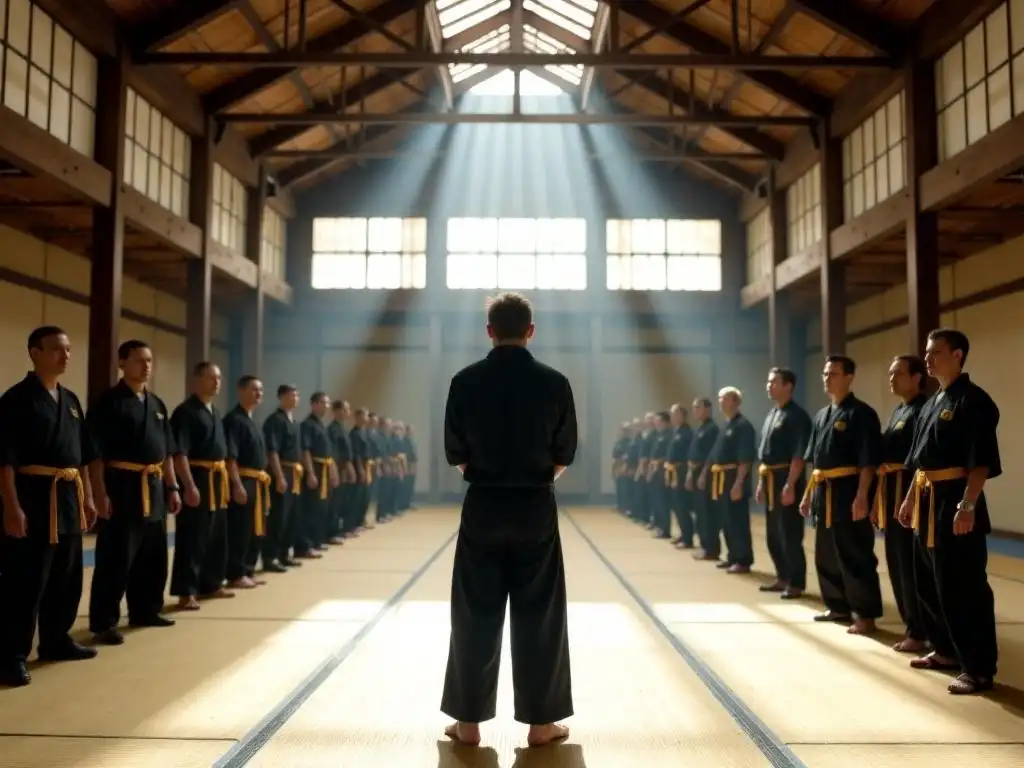
In the rich tapestry of martial arts in Japan, understanding the nuances between various schools is essential for practitioners, historians, and enthusiasts alike. This section delves into the critical features that differentiate martial arts schools in Japan, providing insights into what potential students should consider when choosing a school.
Key Features to Consider When Choosing a Martial Arts School
Selecting the right martial arts school can significantly impact a student’s development and experience. Here are the primary features to consider:
Training Environment and Atmosphere
The training environment is a vital aspect of any martial arts school. It encompasses not only the physical space but also the intangible atmosphere.
- Physical Space: Look for a dojo that is clean, well-maintained, and equipped with necessary training tools. The presence of tatami mats, training weapons, and safety gear can greatly enhance your experience.
- Atmosphere: A respectful, encouraging, and disciplined environment fosters growth. Observing a class can give insights into how instructors interact with students and how students respond to one another.
Instructor Qualifications and Experience
The qualifications and experience of instructors are paramount in martial arts education:
- Certifications: Instructors should possess recognized qualifications. For example, many traditional schools require instructors to have extensive training and lineage.
- Experience: Look for instructors with a history of competition or teaching. Their experiences can enrich the learning process, providing students with practical insights and techniques.
Class Structure and Flexibility
The structure of classes can influence how effectively students learn:
- Class Size: Smaller class sizes often allow for more personalized attention, which can enhance skill development.
- Flexibility: Schools that offer a variety of class times and levels can accommodate different schedules and learning paces, making it easier for students to engage consistently.
Advantages and Disadvantages of Major Schools
While each martial arts school in Japan has its unique philosophy and techniques, understanding their strengths and weaknesses is essential for prospective students.
Kodokan Judo vs. Hombu Dojo: A Comparative Study
When comparing Kodokan Judo, the birthplace of modern judo, to Hombu Dojo, the headquarters of Aikido, several factors come into play:
| Feature | Kodokan Judo | Hombu Dojo |
|---|---|---|
| Focus | Throws, pins, and grappling techniques | Joint locks, throws, and self-defense |
| Philosophy | Physical and mental discipline | Harmony and fluidity in movement |
| Training Style | Competitive and recreational | Traditional and self-defense oriented |
| Community | Large, global membership | Intimate, closely-knit dojo environment |
"Kodokan Judo emphasizes competitive spirit, while Hombu Dojo focuses on the art of Aikido as a means of self-improvement."
The Unique Approach of Katori Shinto-ryu vs. Shito-Ryu Karate-Do
Both Katori Shinto-ryu and Shito-Ryu Karate-Do represent distinct martial arts traditions in Japan, each with its own unique approach:
- Katori Shinto-ryu:
- Origins: One of the oldest martial arts schools, tracing back to the 15th century.
- Techniques: Focuses on classical weapons training, including sword, staff, and spear.
- Philosophy: Emphasizes spiritual development alongside physical training.
- Shito-Ryu Karate-Do:
- Origins: Established in the early 20th century, combining styles from both Okinawa and Japan.
- Techniques: Covers a wide range of strikes, blocks, and kata (forms).
- Philosophy: Combines traditional karate with modern training methods.
The choice of martial arts schools in Japan is influenced by various factors including the training environment, instructor qualifications, and the specific philosophies of each school. Understanding these elements can help students make informed decisions that align with their personal goals and preferences in martial arts practice.
The Cultural Impact of Martial Arts Schools in Japan
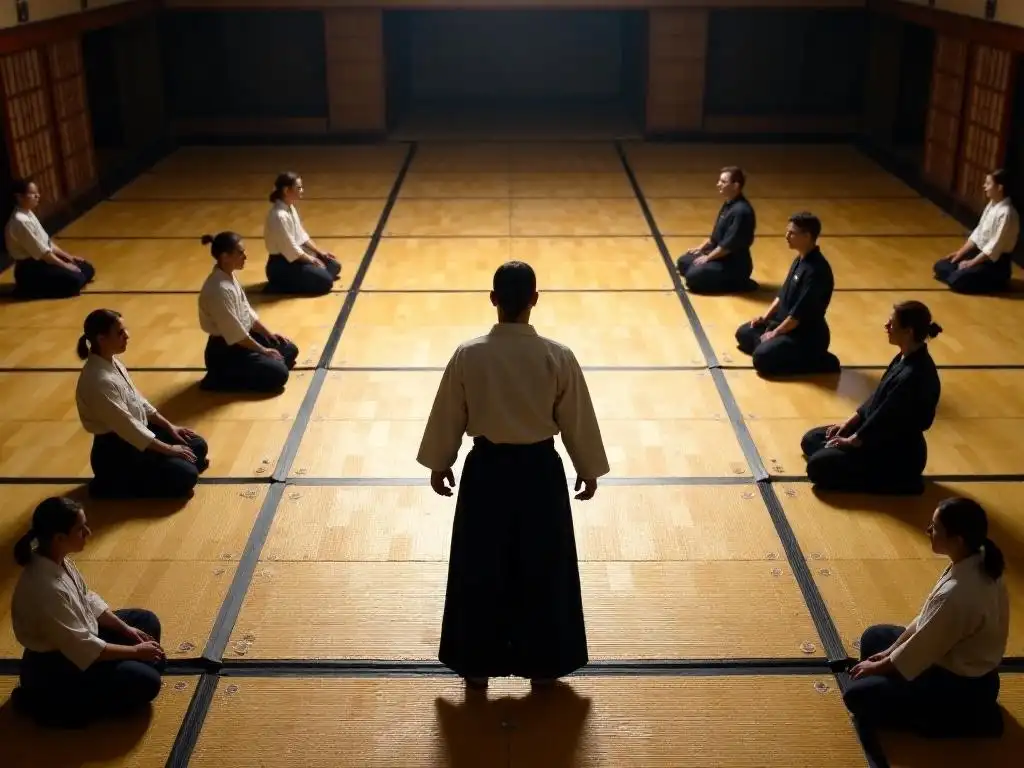
How Martial Arts Schools Shape Japanese Society and Values
Martial arts schools in Japan are not merely places for physical training; they are pivotal institutions that shape societal values and cultural identity. These schools, such as the famous Kodokan Judo Institute and Hombu Dojo of Aikido, instill principles that extend beyond combat techniques.
-
Discipline and Respect
At the core of martial arts training is an emphasis on discipline. Practitioners are taught to respect their instructors, peers, and the traditions of the art. This respect is reflected in daily practices, such as bowing before entering the dojo and adhering to strict training protocols.
-
Community and Belonging
Martial arts schools foster a sense of community. Students often train together for years, developing strong bonds that extend outside the dojo. This camaraderie contributes to a collective identity, reinforcing social ties and mutual support within the community.
-
Personal Development
The focus on self-improvement through martial arts encourages practitioners to set and achieve personal goals. This process often leads to enhanced self-esteem and confidence, which are vital traits in both personal and professional spheres. Schools often integrate character-building lessons, such as perseverance and humility, into their curricula.
-
Cultural Transmission
Martial arts schools serve as custodians of Japanese culture. Traditional practices, language, and philosophies are passed down through generations. For instance, the use of kanji in training manuals and the incorporation of historical narratives in lessons enrich students' understanding of their cultural heritage.
The Role of Martial Arts in Modern Japan’s Identity
In contemporary Japan, martial arts schools play a crucial role in shaping national identity and cultural representation. As Japan navigates globalization, the martial arts community remains a vital link to its historical roots.
-
Global Ambassadors of Japanese Culture
Martial arts such as Karate, Judo, and Kendo have gained international recognition. Schools often participate in global events, showcasing their techniques and philosophies. This visibility helps to promote Japanese culture on a worldwide stage, fostering cultural exchange and understanding.
-
Integration in Education
Many schools have begun integrating martial arts into their physical education programs. This initiative not only promotes physical fitness but also emphasizes the values of teamwork and discipline among younger generations, ensuring that the essence of martial arts remains embedded in Japanese society.
-
Competition and National Pride
International competitions, such as the Olympics, have brought martial arts to the forefront of national pride. Schools prepare athletes to compete at high levels, reflecting the dedication and skill inherent in Japanese martial arts. Success in these arenas boosts national morale and reinforces the importance of martial arts in Japan's identity.
-
Adapting to Modern Needs
Modern martial arts schools are evolving to address contemporary societal issues, such as mental health and wellness. Many schools now offer programs that focus on mindfulness, stress relief, and emotional resilience, appealing to a broader audience and reinforcing the relevance of martial arts in today’s world.
Martial arts schools in Japan are not just institutions for physical training; they are vital cultural hubs that shape societal values, contribute to national identity, and adapt to modern needs, ensuring the continued relevance and significance of martial arts in Japanese society.
Conclusion: The Legacy of Martial Arts Schools in Japan
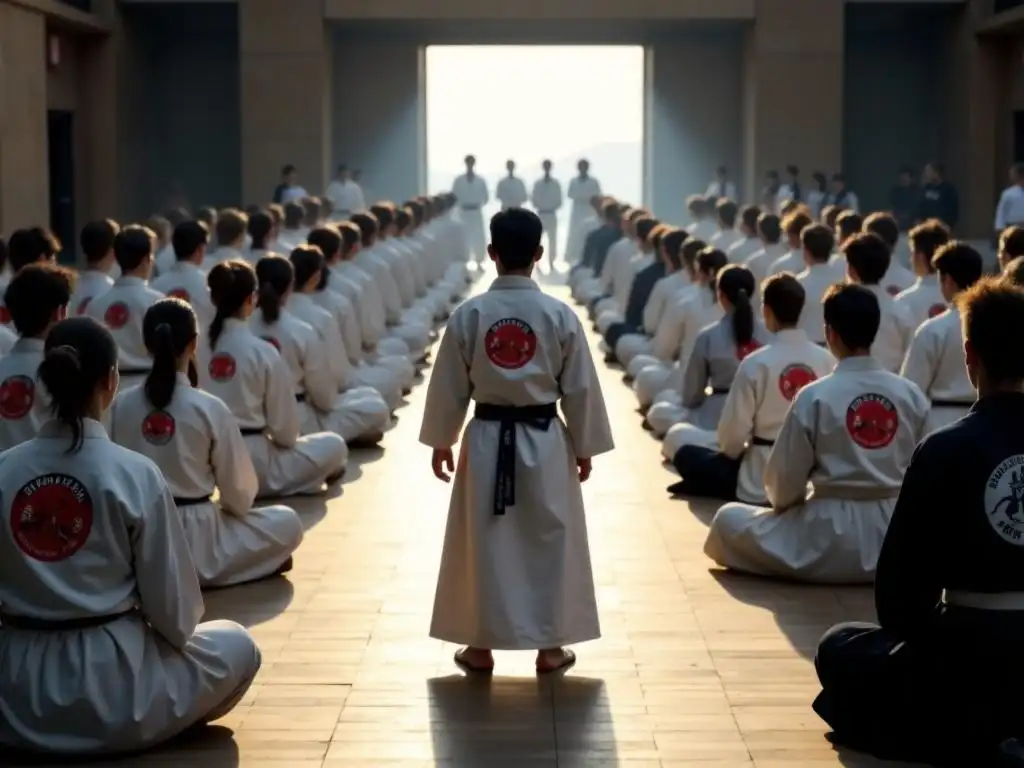
The legacy of martial arts schools in Japan is deeply intertwined with the country's history, culture, and philosophy. These establishments have not only preserved traditional techniques but have also adapted and evolved, reflecting both the changing times and the enduring principles of bushido, or "the way of the warrior."
Throughout the centuries, martial arts schools have served as centers for personal development and discipline, fostering physical prowess alongside mental fortitude. Renowned schools like Katori Shinto-ryu and Muso Jikiden Eishin-ryu exemplify this dual focus, promoting not only combat skills but also values such as respect, honor, and perseverance.
The global interest in martial arts has further solidified the reputation of these schools, attracting practitioners from around the world who seek authentic training experiences. As a result, many schools have begun to offer programs in English and other languages, making them more accessible to international students.
The martial arts schools in Japan continue to play a crucial role in preserving the rich heritage of the nation, while simultaneously shaping its future by adapting to modern needs and global interests.
The Future of Martial Arts Education in Japan
The future of martial arts education in Japan seems promising as these institutions embrace technological advancements and cultural exchanges. With the rise of online platforms and digital learning tools, martial arts schools are exploring innovative ways to reach a broader audience. This shift allows students to access training resources and instructional videos, regardless of their location.
Additionally, many schools are beginning to integrate modern fitness regimes and wellness practices, such as yoga and meditation, into their curricula. This holistic approach not only enhances physical training but also addresses mental health and well-being, aligning with contemporary societal needs.
Key Trends in the Future of Martial Arts Education:
- Globalization: Increased international student enrollment, leading to a more diverse training environment.
- Technology Utilization: Adoption of virtual reality and online classes to supplement traditional training methods.
- Wellness Integration: Incorporation of mental health practices alongside physical training to promote overall well-being.
As martial arts schools in Japan continue to innovate, they will likely maintain their historical significance while adapting to the evolving landscape of education and training.
Final Thoughts on Selecting the Right Martial Arts School
Choosing the right martial arts school in Japan is a crucial decision that can significantly impact a student's training journey. It requires careful consideration of various factors, including the school's reputation, teaching style, and the specific martial art being offered.
Considerations for Selecting a School:
- Reputation: Research the history and credentials of the school. Look for long-standing traditions and experienced instructors.
- Curriculum: Ensure that the school offers a curriculum that aligns with your goals, whether they be self-defense, fitness, or competition.
- Atmosphere: Visit the school to gauge the training environment. A supportive and encouraging atmosphere can enhance your learning experience.
- Location and Schedule: Consider the school's location and class schedules to ensure they fit your lifestyle and commitments.
Ultimately, the right martial arts school will not only teach you techniques but also instill values and skills that extend beyond the dojo. As you embark on your martial arts journey, take the time to explore different schools and find the one that resonates with your aspirations and personal philosophy.
References and Further Reading
Recommended Books and Documentaries on Martial Arts Schools in Japan
A deep dive into the world of martial arts schools in Japan can be greatly enhanced by exploring various books and documentaries that provide insights into the history, techniques, and philosophies behind these esteemed institutions. Here are some notable recommendations:
-
Books:
-
The Book of Five Rings by Miyamoto Musashi
An essential read for anyone interested in martial arts, this classic work delves into the strategic mindset of one of Japan's most famous swordsmen.
-
Bushido: The Soul of Japan by Inazo Nitobe
This book explores the ethics and philosophy of the samurai, providing context to the martial arts traditions that evolved in feudal Japan.
-
A History of Japanese Martial Arts: From the Samurai to the Present by James A. O'Brien
This comprehensive history covers the evolution of martial arts schools in Japan and their cultural significance.
-
-
Documentaries:
-
The Last Samurai (2003)
While a fictional portrayal, this film offers a glimpse into the samurai culture and martial traditions of Japan.
-
Budo: The Art of Killing (2005)
This documentary highlights various martial arts schools and the philosophies that govern their practices.
-
Warriors of the Rising Sun: The Samurai in Japan
This documentary provides a historical overview of the samurai and their martial arts practices, illuminating their influence on modern martial arts.
-
Online Resources for Exploring Martial Arts Training Options
The digital age has made it easier than ever to explore martial arts schools in Japan and find the right training options. Here are some valuable online resources that can help:
-
Dojo Finder Websites:
Websites like Dojo Directory can help you locate various martial arts schools across Japan, allowing you to filter by style, location, and skill level.
-
YouTube Channels:
Channels such as Martial Arts Journey and Shihan Sensei provide tutorials, interviews, and insights into different martial arts schools, making them a great resource for beginners and seasoned practitioners alike.
-
Social Media Groups:
Joining Facebook groups or forums dedicated to martial arts can connect you with instructors and fellow students. These platforms often share tips, experiences, and recommendations on schools.
-
Online Courses and Tutorials:
Websites like Udemy and MasterClass offer martial arts courses, allowing you to learn techniques from the comfort of your home before committing to a specific dojo.
Utilizing these resources can help prospective students gain a deeper understanding of martial arts schools in Japan and assist them in making informed decisions about their training paths.
Frequently Asked Questions
What are the most famous martial arts schools in Japan?
Some of the most renowned martial arts schools include the Kodokan for Judo, Hombu Dojo for Aikido, and various Karate schools such as Shotokan and Goju-Ryu.
How do these schools contribute to the cultural heritage of Japan?
These martial arts schools are integral to Japan's cultural heritage, preserving ancient techniques and philosophies while promoting discipline, respect, and community through training and competitions.
Can anyone join a martial arts school in Japan?
Yes, most martial arts schools in Japan welcome individuals of all ages and skill levels. However, some may have specific requirements or introductory programs for beginners.
What is the significance of martial arts training in Japanese society?
Martial arts training instills values such as self-discipline, confidence, and respect for others, playing a crucial role in personal development and social interactions within Japanese society.
Are there any well-known martial arts tournaments held in Japan?
Yes, Japan hosts several prestigious martial arts tournaments, including the All Japan Judo Championships and various Karate competitions, showcasing the skills of practitioners from different schools and styles.
Final Reflection: The Enduring Legacy of Martial Arts Schools in Japan
The profound impact of martial arts schools in Japan transcends mere physical training; they embody a rich tapestry of culture, discipline, and philosophy that remains relevant in today's fast-paced world. As we navigate the complexities of modern life, the principles instilled by these esteemed institutions—respect, perseverance, and self-discipline—serve as guiding lights, reminding us of the importance of inner strength and resilience.
The influence of these martial arts schools extends far beyond their dojo walls, shaping not only individual practitioners but also the broader cultural landscape. From the graceful movements of Aikido to the fierce discipline of Karate, each school contributes to a collective identity that resonates with both practitioners and enthusiasts worldwide. Martial arts is not about fighting; it is about building character.
This quote encapsulates the essence of what these schools offer, fostering a sense of community and personal growth that continues to inspire generations.
As you reflect on the teachings and traditions of these martial arts schools, consider how you can integrate their values into your own life. Embrace the spirit of discipline and respect, and let it guide your actions and decisions. Whether you are a seasoned practitioner or a curious newcomer, the journey of self-discovery through martial arts is a path worth exploring. Take a moment to ponder how the lessons learned from these masters can empower you to face your own challenges with courage and grace.
Unleash Your Inner Warrior Today!
Thank you for taking the time to explore the rich history of martial arts schools in Japan! You've uncovered incredible insights into the discipline, philosophy, and legacy of these renowned traditions. Now, it’s time to put that knowledge into action and embark on your own journey of discovery and practice.
Here are a few steps you can take to deepen your connection to martial arts:
- Join a local dojo or martial arts class: Immerse yourself in the practice and learn from experienced instructors who can guide you through the fundamentals and advanced techniques.
- Research unique martial arts styles: Explore lesser-known forms and their historical significance; you might be surprised by the fascinating stories and principles behind each style!
- Share your newfound knowledge: Engage in discussions about these captivating schools with friends or online communities to inspire others and enhance your understanding of martial arts.
Which style of martial arts resonates with you the most, and what steps will you take to explore it further?