
Rituals of War: The Spiritual Connection Between Samurai and Their Weapons

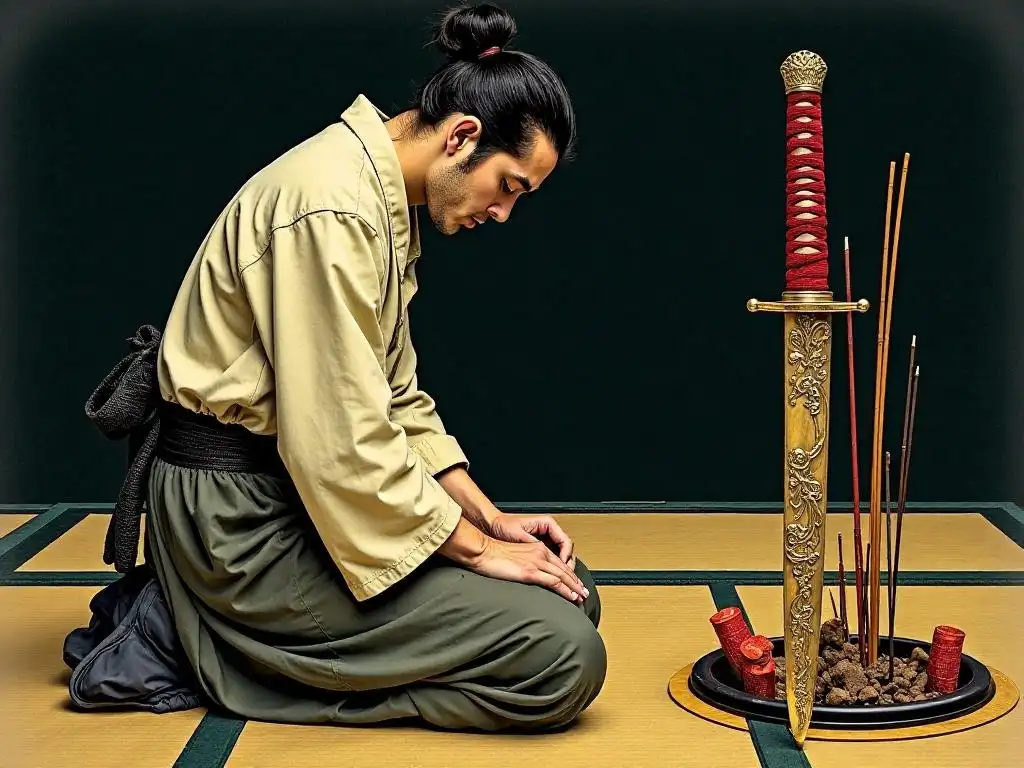
Welcome to Feudal Japan History, where the echoes of the past come alive through a comprehensive exploration of Japan's feudal era. Prepare to embark on a journey that delves deep into the intertwining historical, cultural, and societal aspects of this fascinating period. In our featured article, "Rituals of War: The Spiritual Connection Between Samurai and Their Weapons," we unravel the intricate spiritual rituals that shaped the very essence of samurai weapons.
Discover how these fierce warriors forged a sacred bond with their tools of battle, and prepare to be captivated by tales that blend honor, tradition, and mystique. Dive in, and let the history unfold before you!
- Introduction to Samurai Weapons and Spiritual Rituals
- Historical Context of Samurai Weapons and Spirituality
- The Spiritual Connection between Samurai and Their Weapons
- Key Samurai Weapons and Their Ritualistic Significance
- Samurai Weapon Maintenance as a Spiritual Practice
- The Influence of Shintoism and Buddhism on Samurai Weapons Rituals
- Case Studies: Notable Samurai and Their Weapons
- Conclusion: The Enduring Legacy of Samurai Weapons Spiritual Rituals
- Further Reading and Resources on Samurai Weapons and Spirituality
-
Frequently Asked Questions
- What were the main spiritual rituals associated with Samurai weapons?
- How did the spiritual connection impact a Samurai's approach to warfare?
- What types of weapons were significant in Samurai culture?
- How did spirituality influence the training of Samurai?
- Why are Samurai weapons considered more than just tools of war?
- Final Reflection: The Enduring Spirit of Samurai Weapons and Rituals
- Unleash Your Inner Samurai Spirit!
Introduction to Samurai Weapons and Spiritual Rituals
The samurai, Japan's revered warrior class, are often romanticized for their martial prowess and adherence to a strict code of honor. However, the relationship between samurai and their weapons transcends mere functionality; it is steeped in spiritual rituals that reflect deep-seated beliefs and cultural traditions.
This article delves into the intricate connection between samurai and their weapons, exploring how these tools of war were not only instruments of battle but also vessels of spiritual significance. Through an examination of the rituals surrounding samurai weapons, we gain insight into the values that shaped their identity and the profound respect they held for their craft.
Overview of Samurai Culture and Its Importance
Samurai culture emerged during Japan's feudal era, evolving from the necessity of regional lords to maintain armed retainers. These warriors were bound by the Bushido code, which emphasized loyalty, honor, and discipline. This ethical framework was not merely a guideline for behavior but a spiritual foundation that permeated all aspects of a samurai's life, including their relationship with their weapons.
- Cultural Significance: The samurai were seen as the epitome of Japanese virtues, embodying the ideals of bravery, loyalty, and self-discipline. Their culture was rich with rituals and ceremonies that reinforced their commitment to these values.
- Spiritual Practices: Spirituality played a significant role in samurai life, with many rituals involving the purification of both the warrior and their weapons. These practices often included prayers and offerings to ancestral spirits, ensuring that the weapons were imbued with protection and strength.
- Legacy: The legacy of samurai culture continues to influence contemporary Japanese society, shaping values such as respect, honor, and the pursuit of mastery in one's craft.
The Role of Weapons in Samurai Identity
Weapons were more than just tools for the samurai; they were integral to their identity and social status. The craftsmanship involved in creating samurai weapons, particularly swords, was regarded as a sacred art, with smiths often performing rituals to bless their creations.
- Symbol of Status: A samurai's weapon was a reflection of their rank and prowess. The quality and design of their sword could signify their lineage and achievements, making it a crucial element of their identity.
- Spiritual Connection: The act of wielding a weapon came with a spiritual responsibility. Samurai believed that their swords carried the spirits of their ancestors, and thus, they treated them with the utmost reverence. Rituals such as Tachi-waza (the ceremonial drawing of the sword) were performed to honor the weapon and the warrior's lineage.
- Rituals of Maintenance: The care and maintenance of samurai weapons were also steeped in ritual. Regular cleaning and polishing were not only practical steps to ensure functionality but also acts of devotion that reinforced the spiritual bond between the samurai and their weapons.
In understanding the spiritual connection between samurai and their weapons, we uncover the profound respect and reverence that defined their existence, shaping a warrior culture that resonated deeply in Japan's feudal past.
Historical Context of Samurai Weapons and Spirituality
Evolution of Samurai Weaponry in Feudal Japan
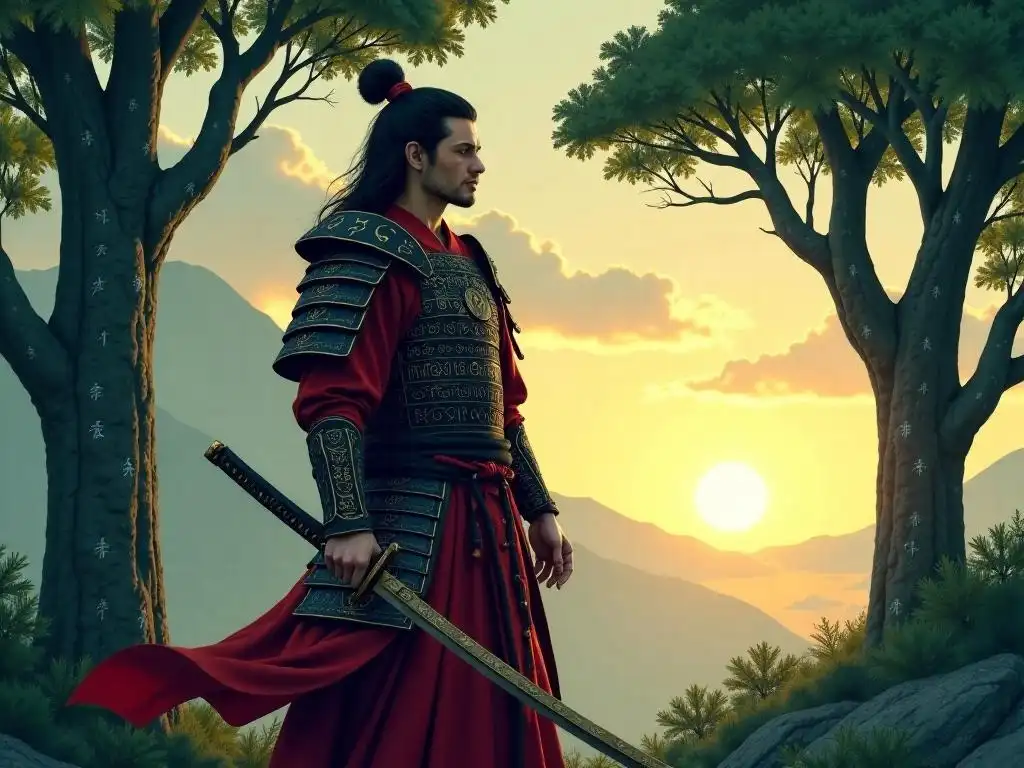
The evolution of samurai weaponry during feudal Japan is a reflection of the changing sociopolitical landscape and the spiritual underpinnings that guided the samurai class. From the early Heian period (794-1185) through the Muromachi period (1336-1573), the samurai's arsenal transitioned from simple, utilitarian tools to highly refined weapons imbued with spiritual significance.
- Early Weapons: Initially, the samurai wielded weapons like the tanto (dagger) and naginata (polearm) that were practical for combat. These weapons were often crafted using local materials, emphasizing functionality over form.
- The Katana's Rise: The katana emerged during the Kamakura period (1185-1333) as the signature weapon of the samurai. This sword was not merely a tool of war; its design, curvature, and balance were carefully crafted, symbolizing the samurai's connection to their spiritual beliefs. The katana represented honor and was often considered a living entity, with rituals performed to purify it.
- Craftsmanship and Spiritual Rituals: The making of a katana was steeped in ritual. Craftsmen, known as tōkō, would perform purification rites before forging a sword. The process often involved chanting sutras and offering prayers to the gods, ensuring that the weapon was imbued with protective spirits. This relationship between weapon crafting and spirituality is a testament to the profound respect samurai held for their weapons.
- Technological Advances: As warfare evolved, so did the technology behind samurai weapons. The introduction of firearms in the 16th century challenged traditional combat practices, leading to a fusion of tactics. However, even with these advancements, the samurai maintained a spiritual connection to their traditional weapons, viewing them as extensions of their soul.
The evolution of samurai weaponry is not just a narrative of technological progress; it is intertwined with the spiritual beliefs of the samurai, emphasizing honor, duty, and the sanctity of battle.
The Cultural Significance of Weapons in the Samurai Code (Bushido)
The samurai code, known as Bushido, encompasses a set of ethical ideals that governed the behavior and mindset of the samurai. Within this framework, weapons held a profound cultural significance that transcended mere utility.
- Symbolism of the Sword: The katana, in particular, was revered as a symbol of the samurai's honor and identity. It was often said that a samurai's soul resided within their sword. This belief underscored the importance of maintaining the sword's purity through ritualistic cleaning and care.
- Rituals and Offerings: Samurai would engage in various rituals to connect spiritually with their weapons. These included offerings to the sword's spirit, such as placing it on an altar and lighting incense. Such practices were believed to ensure the weapon's effectiveness in battle and protect the samurai from harm.
- Weapons as Tools of Justice: Beyond their role in combat, samurai weapons also symbolized justice. The act of drawing a sword was often accompanied by a philosophical reflection on the nature of honor and the consequences of violence. This introspection was crucial in the samurai's understanding of their duties as warriors.
- Legacy of Spiritual Practices: The spiritual connection between samurai and their weapons influenced later generations. Even in modern Japan, the practices surrounding iaijutsu (the art of drawing the sword) retain elements of the rituals that once accompanied the forging and use of these weapons.
The cultural significance of weapons within the Bushido code illustrates the deep-rooted spiritual connection that samurai held with their arms. This relationship shaped their identity and the ethical framework that guided their actions in both war and peace.
The Spiritual Connection between Samurai and Their Weapons
The spiritual connection between samurai and their weapons, particularly the katana, is deeply rooted in the culture and beliefs of feudal Japan. This relationship transcends mere functionality; it embodies respect, honor, and a profound sense of duty. Samurai viewed their weapons as extensions of themselves, imbued with spiritual significance and power, reflecting their personal and familial values. Understanding this intricate bond helps illuminate the samurai's approach to warfare and their adherence to a code of conduct that emphasized loyalty and honor.
Understanding the Concept of "Katana" as a Spiritual Entity
The katana is not just a weapon but a symbol of the samurai's spirit. Crafted with meticulous care, each katana is believed to possess its own soul, known as "tachi." This spiritual essence is thought to be formed during the forging process, which involves a series of rituals and techniques that are steeped in tradition.
- Craftsmanship as a Spiritual Experience
- The creation of a katana involves the collaboration of skilled artisans, known as "tōkō," who dedicate their lives to mastering the art of sword-making.
- The process includes folding the steel multiple times to enhance its strength and flexibility, which is considered a metaphor for the samurai’s own resilience and fortitude.
- Symbolism of the Blade
- The curvature of the katana represents the harmony between the physical and spiritual realms, allowing for smoother cuts that symbolize clarity of purpose in battle.
- The blade is often adorned with inscriptions and symbols that invoke protection and strength, further enhancing its spiritual significance.
The katana serves as a reminder of the samurai's duty and the weight of their responsibilities, reinforcing their connection to their ancestral lineage and the values of bushido.
Rituals of Purification: Preparing Samurai Weapons for Battle
Before battle, samurai engaged in elaborate rituals to purify their weapons, reinforcing the deep spiritual connection between the warrior and their katana. These purification rites served multiple purposes, including the cleansing of the weapon's physical form and the invocation of protective spirits.
- The Purification Process
- Misogi: A traditional Shinto purification ritual involving water, where the samurai would cleanse themselves and their weapons, aligning their spirit with the katana.
- Offering Prayers: Samurai often presented offerings to the kami (spirits) at shrines, seeking blessings and protection for themselves and their weapons.
- The Role of Rituals in Combat Preparedness
- These rituals were believed to enhance the effectiveness of the weapon, instilling it with spiritual power that would aid the samurai in battle.
- The act of preparing the katana became a meditative practice, allowing the warrior to center their thoughts and focus on their purpose.
Through these rituals, samurai demonstrated their reverence for their weapons and the spiritual forces they believed guided their actions in combat.
The Role of Ancestor Worship in Samurai Weaponry
Ancestor worship was a significant aspect of samurai culture, deeply influencing their relationship with their weapons. Samurai honored their ancestors by incorporating their spirits into their martial practices and daily lives, fostering a sense of continuity between generations.
- Ancestral Presence in Weaponry
- Weapons were often passed down through families, with each katana carrying the legacy and spirit of previous owners. This connection reinforced the samurai's sense of duty to uphold their family's honor.
- Rituals honoring ancestors included the kaidō, where samurai would display their weapons at family altars, inviting the spirits of their forebears to guide and protect them.
- Impact on Combat Philosophy
- The belief that ancestors provided strength and guidance in battle motivated samurai to fight with honor and valor, as their actions were seen as a reflection of their lineage.
- Ancestral spirits were invoked before battles, with the expectation that their wisdom would aid the samurai in navigating the challenges of warfare.
In essence, the spiritual connection between samurai and their weapons is a multifaceted relationship that encompasses craftsmanship, purification rituals, and ancestral reverence. This profound bond not only shaped the samurai's identity but also influenced their actions on and off the battlefield, highlighting the intricate weave of spirituality within the fabric of feudal Japanese society.
Key Samurai Weapons and Their Ritualistic Significance
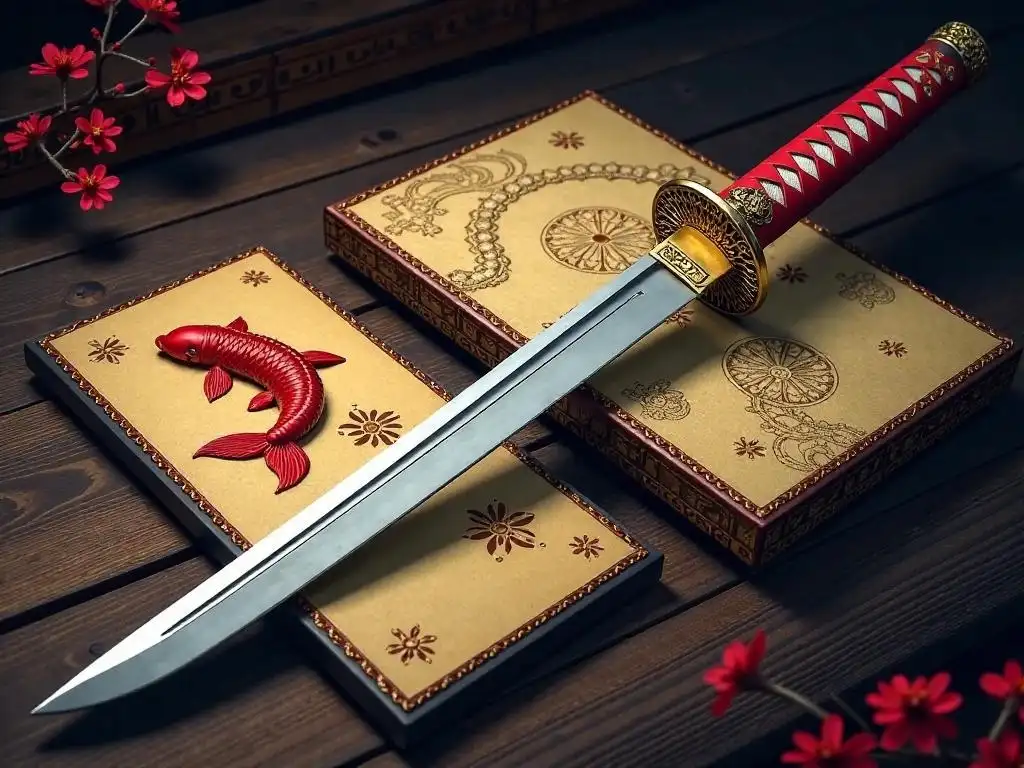
The spiritual connection between samurai and their weapons is foundational to understanding the feudal era of Japan. Each weapon not only served a functional purpose in battle but also held deep spiritual significance. This section delves into the key weapons of the samurai and examines their associated rituals, symbolism, and the beliefs that reinforced their importance in samurai culture.
The Katana: Symbolism and Spiritual Rituals
The katana is perhaps the most iconic of all samurai weapons, often recognized for its curved, single-edged blade and distinctive handguard. Beyond its practical use in combat, the katana embodies the samurai's soul and serves as a symbol of their honor and moral integrity.
- Symbol of the Soul: In the eyes of the samurai, the katana was not merely a weapon; it was considered an extension of oneself. This belief is encapsulated in the term "Tachi," which refers to the spirit of the sword.
- Ritual Purification: Before battle, it was customary for samurai to conduct purification rituals known as "Misogi." This involved cleansing the katana through water and prayer, reinforcing the weapon's sanctity and the warrior's readiness for combat.
- Presentation and Care: The katana was often presented with great reverence. The act of drawing the sword, or "nukitsuke," was steeped in ritual, signifying the transition from peace to war. Following the battle, the sword's care was paramount; it was cleaned and re-blessed, reaffirming its spiritual bond with the samurai.
A samurai’s katana is not just a weapon; it is the embodiment of his spirit and honor.
The Tanto: The Dagger's Role in Samurai Spirituality
The tanto, a shorter dagger, played a unique role in samurai spirituality, often associated with honor and the concept of "seppuku," a form of ritual suicide practiced by samurai.
- Significance of the Tanto: Unlike larger weapons, the tanto represented personal honor and was often carried as a sign of a samurai's status. The blade's compactness made it a symbol of the samurai's readiness to defend their honor at any moment.
- Ritual of Seppuku: In the event of dishonor, samurai would perform seppuku using their tanto, demonstrating their loyalty to their lord and their own principles. This act was often ritualized, involving ceremonial elements such as the presence of witnesses and specific methods of preparation.
- Spiritual Connection: The tanto was sometimes adorned with intricate designs that reflected the samurai's lineage and personal beliefs, further deepening its spiritual significance. Rituals surrounding its crafting and presentation included blessings, ensuring that the weapon was imbued with protective qualities.
The Naginata: Rituals Surrounding the Polearm
The naginata, a long polearm with a curved blade, was historically utilized by both samurai and warrior monks. Its design and usage also carried rich spiritual connotations.
- Symbol of Protection: The naginata was viewed as a weapon of protection, both in battle and in spiritual practice. It was often associated with the deity Kannon, the goddess of mercy, and was believed to bestow blessings on its wielder.
- Ritual Combat Training: Training with the naginata often included ritualistic elements, such as meditative practices and kata (forms) that emphasized not just physical skill but also spiritual focus and discipline.
- Ceremonial Uses: The naginata was featured in various festivals and ceremonial events, serving as a symbol of the samurai's connection to the divine. Rituals performed with the naginata included offerings to ancestors and prayers for victory in battle, reinforcing the link between the weapon and the spiritual realm.
The key weapons of the samurai—the katana, tanto, and naginata—were deeply intertwined with their spiritual beliefs and rituals. Understanding these connections offers valuable insights into the samurai's worldview, highlighting the complex relationship between martial prowess and spiritual integrity that defined feudal Japan.
Samurai Weapon Maintenance as a Spiritual Practice
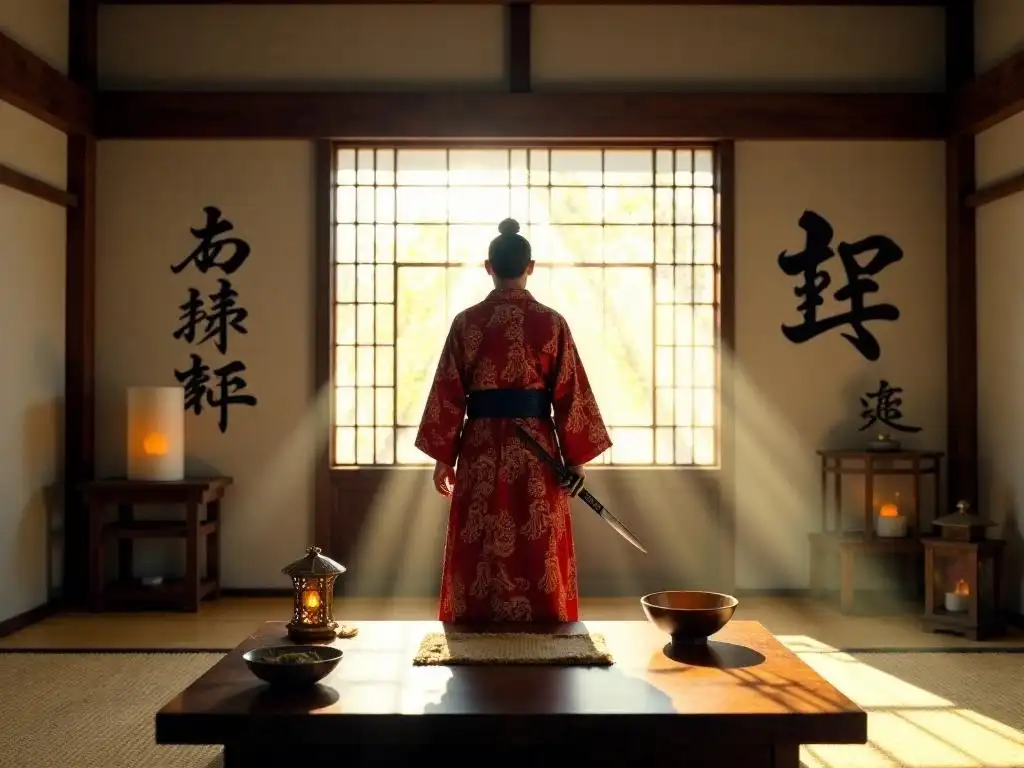
Weapon maintenance in the samurai tradition transcended mere physical upkeep; it was deeply intertwined with spiritual beliefs and practices. For samurai, their weapons were not just tools of war but extensions of their own spirit and honor. This relationship underscored the importance of weapon care, which was often accompanied by ritualistic elements designed to reinforce the bond between the warrior and their weapon.
Through the meticulous process of maintaining their weapons, samurai engaged in a form of meditation, allowing them to focus their thoughts and intentions. The care of a weapon was seen as a way to cultivate one's own spirit, promoting discipline and respect for the art of war. This practice was not only about keeping the weapon functional but also about ensuring that it embodied the samurai's values and ideals.
The Art of Swordsmithing: Crafting Weapons with Spiritual Intent
The creation of samurai weapons, particularly swords, involved a profound spiritual dimension. Swordsmiths, known as tōkō, were revered artisans who infused their creations with a sense of spiritual essence. The process of forging a sword was considered a sacred ritual, where each step was steeped in tradition and respect.
- Materials and Symbolism: The choice of materials, such as specific types of iron and clay, was essential. Each material was believed to carry its own spiritual significance, contributing to the sword's overall power and presence.
- Forging Techniques: The methods employed during forging, such as folding the steel multiple times, were not merely technical but also symbolic. This technique was thought to enhance the sword's strength and flexibility while allowing the smith to imbue the weapon with their spirit.
- Ceremonial Practices: Swordsmiths often performed rituals before and during the forging process, invoking deities and ancestors to bless the weapon. These ceremonies featured offerings, prayers, and the use of specific chants, reinforcing the spiritual connection between the craftsman, the sword, and its future wielder.
The samurai viewed a well-crafted sword as a living entity, embodying the warrior's soul and the spirit of their ancestors. The attention to detail in swordsmithing reflected the broader cultural belief that weapons were sacred objects deserving of reverence.
Ritualistic Cleaning and Care of Samurai Weapons
The cleaning and maintenance of samurai weapons were rituals in themselves, reflecting the samurai's dedication to their craft and their spiritual beliefs. This process included several important steps, each imbued with meaning:
- Regular Inspection: Samurai would frequently inspect their weapons for signs of wear or damage. This practice not only ensured the weapons' functionality but also allowed the samurai to connect with their tools and reflect on their readiness for battle.
- Cleaning Rituals: The act of cleaning a sword involved specific rituals, such as:
- Using a special cloth to wipe down the blade, removing dirt and oils.
- Applying choji oil (clove oil) to protect the blade from rust, which symbolized the care and nurturing aspect of the samurai's relationship with their weapon.
- Spiritual Offerings: After cleaning, it was common for samurai to offer prayers or make small offerings to the weapon, acknowledging its role in their life and battles. This act served as a reminder of the weapon's significance and the respect it commanded.
- Storage and Display: Proper storage was also a ritualistic aspect, with swords often housed in ornate sheaths or displayed prominently in the home. This practice not only protected the weapon but also honored its status as a vital part of the samurai's identity.
The maintenance of samurai weapons was a profound spiritual practice that reinforced the warrior's connection to their tools, their ancestors, and their own inner self. By engaging in these rituals, samurai not only ensured their weapons' longevity but also embodied the values of discipline, respect, and honor that were central to their way of life.
The Influence of Shintoism and Buddhism on Samurai Weapons Rituals
The intricate relationship between spirituality and weaponry in the context of the samurai is deeply rooted in two primary religious traditions in Japan: Shintoism and Buddhism. Both belief systems significantly influenced samurai culture, imbuing their weapons with spiritual significance and transforming the act of warfare into a ritualistic practice that transcended mere physical combat.
Shinto Beliefs and Their Impact on Samurai Weapon Practices
Shintoism, the indigenous spirituality of Japan, emphasizes the worship of kami (spirits or deities), which are believed to inhabit natural elements and objects, including weapons. For samurai, their weapons were not just tools of war; they were considered extensions of their own spirit and were often treated with reverence. Here are some key aspects of Shinto beliefs as they pertain to samurai weapons:
- Kami of the Sword:
- The katana, in particular, was believed to house a kami, making it a sacred object. This belief led to rituals that included purification through water and offerings of rice and sake before battles.
- Ritual Blessings:
- Samurai often sought the blessings of Shinto priests before going into battle. These priests would conduct rituals to ensure that the weapons were spiritually charged and protected, enhancing the samurai's prowess in combat.
- Ceremonial Practices:
- Traditions such as Tachi Uchi no Kurai (the ceremonial sword battle) were performed to honor the spirits of the ancestors and the kami. These rituals reinforced the connection between the samurai and their weapons, creating a sense of duty and honor.
- Symbolism:
- Weapons were adorned with symbols and inscriptions invoking protection and guidance from kami. This practice not only personalized the weapon but also infused it with spiritual significance.
Buddhist Philosophy and the Samurai’s Relationship with Their Weapons
Buddhism introduced concepts that further shaped the samurai's understanding of life, death, and the nature of conflict. The philosophical teachings of Buddhism encouraged samurai to contemplate the impermanence of life and the importance of mental discipline, which influenced their approach to warfare and weaponry:
- Mindfulness and Concentration:
- The practice of meditation (zazen) helped samurai cultivate mindfulness, allowing them to attain a clear state of mind in the heat of battle. This mental discipline was crucial for making split-second decisions and mastering the art of swordsmanship.
- The Concept of Non-attachment:
- Buddhism teaches the principle of non-attachment, which encouraged samurai to view their weapons not as possessions but as tools to fulfill their duty. This perspective helped them maintain emotional detachment during combat, reducing fear and enhancing focus.
- Rituals of Peace and War:
- Samurai often engaged in rituals that mirrored Buddhist practices, such as offering prayers before battles. This practice served to align their intentions with the greater cosmic order, seeking harmony even in conflict.
- The Sword as a Symbol of Enlightenment:
- The sword was seen as a metaphor for the path to enlightenment. Just as a blade must be sharpened, so too must a samurai refine their character and spirit. This duality emphasized the transformative power of both the weapon and the warrior.
The spiritual connection between samurai and their weapons is a profound testament to the influence of Shintoism and Buddhism. These belief systems shaped not only the rituals surrounding weaponry but also the very identity of the samurai as warriors. Through understanding these spiritual rituals, we gain insight into the deeper meanings behind the samurai's martial practices and the reverence they held for their weapons.
Case Studies: Notable Samurai and Their Weapons
Miyamoto Musashi: A Deep Dive into Their Spiritual Practices
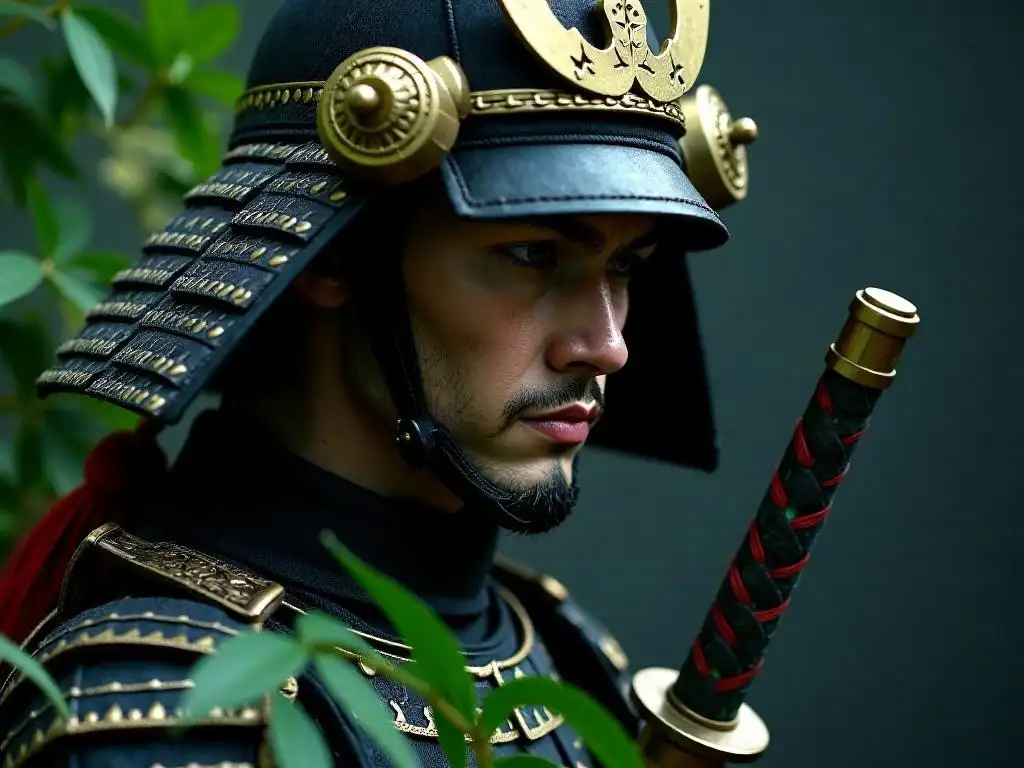
Miyamoto Musashi, renowned as one of Japan's greatest swordsmen and a master strategist, provides an intriguing case study into the spiritual connection between samurai weapons and their wielders. His philosophy and practices are deeply intertwined with the rituals that surrounded his weaponry, particularly his iconic two-sword technique, known as Niten Ichi-ryū.
Musashi believed that a sword was not merely a tool for combat but a representation of the warrior's spirit. He famously stated, "The sword is the soul of the samurai." This belief led him to engage in various spiritual practices that involved his weapons. For instance, before each duel, Musashi would perform a ritual cleansing of his katana, usually involving a ceremony that included purification with salt and the recitation of Shinto prayers. This act was vital for ensuring that his weapon was imbued with spiritual energy, reinforcing the bond between him and his sword.
Additionally, Musashi wrote extensively about the significance of kata, or forms, in his book "The Book of Five Rings" ( Go Rin no Sho). He emphasized that practicing these forms was as much about spiritual development as it was about physical prowess. The repetitive movements involved in kata served to unify the mind, body, and spirit, creating a deeper connection to his weapon. His belief in the spiritual essence of his katana was not only a personal conviction but also a cultural reflection of the samurai ethos during the feudal era.
| Musashi's Spiritual Practices | Description |
|---|---|
| Ritual Cleansing of the Sword | Involves purification with salt and prayers. |
| Practice of Kata | Unifying mind, body, and spirit through repetition. |
| Philosophical Writings | Emphasized the sword as a representation of the soul. |
Takeda Shingen: Weaponry and Rituals in Their Legacy
Takeda Shingen, one of the most celebrated samurai leaders of the Sengoku period, is also a significant figure when discussing the spiritual rituals associated with samurai weapons. Shingen's approach to warfare was heavily influenced by the belief that weapons carried a spiritual weight that could impact the outcome of battles.
One of the key elements of Shingen's military philosophy was the use of divination rituals, known as onmyōdō, to ensure success in warfare. Before a campaign, Shingen would consult with spiritual advisors who would interpret omens and perform rituals to bless his weaponry. This practice was believed to enhance the effectiveness of his swords and armor, instilling confidence in his troops.
Moreover, the Takeda clan had a tradition of honoring their weapons and armor through ritual offerings. These offerings often included food, sake, and prayers to the kami (spirits) associated with warfare and protection. Such rituals were not only about seeking divine favor but also about fostering a sense of unity and purpose among the warriors. Shingen's famous battle banner, the Kōsaka Kiyomasa, was adorned with spiritual symbols that represented his clan's valor and commitment to their cause.
| Shingen's Ritual Practices | Description |
|---|---|
| Consultation with Spiritual Advisors | Used omens to bless weapons before battles. |
| Ritual Offerings | Included food and prayers to kami for protection. |
| Battle Banner Symbolism | Represented valor and unity among warriors. |
These case studies of Miyamoto Musashi and Takeda Shingen exemplify the intricate relationship between samurai weapons and spiritual rituals. Their practices not only reflect their personal beliefs but also highlight the broader cultural significance of these traditions in feudal Japan. Understanding these connections enriches our appreciation of the samurai's martial heritage and the deep spiritual undercurrents that informed their approach to warfare.
Conclusion: The Enduring Legacy of Samurai Weapons Spiritual Rituals
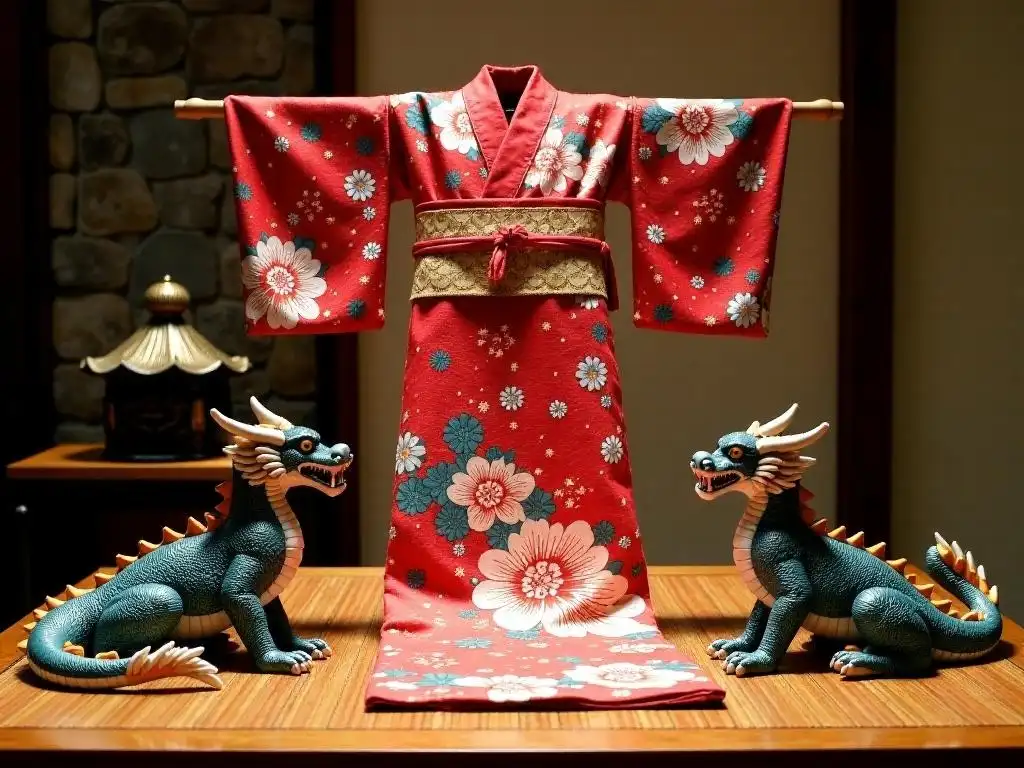
The rituals surrounding samurai weapons are more than mere traditions; they embody a profound spiritual connection that has shaped both the samurai's identity and their martial practices. This legacy persists in modern Japan, influencing various aspects of culture, philosophy, and even contemporary martial arts. The enduring significance of these spiritual rituals serves as a reminder of the samurai's reverence for their weapons, which were viewed not just as tools for combat, but as extensions of their very souls.
Reflections on the Spiritual Connection Between Samurai and Their Armaments
The samurai's relationship with their weapons is steeped in a unique blend of spirituality and practicality. Each weapon, whether it be a katana or a yari (spear), was often imbued with a sense of life and spirit, referred to as tachi. This belief led to various rituals intended to honor and sanctify their armaments.
- Kaji Kito: One significant ritual was the kaji kito, which involved prayers and offerings made to the deities of the forge. By performing this ritual, samurai sought to bless their weapons, ensuring they would serve them loyally in battle.
- Naming Ceremonies: In many cases, weapons were given names, further establishing a personal connection between the samurai and their armaments. This act transformed the weapon into a companion, deserving of respect and care.
- Care and Maintenance: The meticulous care of weapons also reflected the samurai's spiritual investment. Regular polishing and ritualistic cleaning not only maintained the weapon's physical integrity but also reinforced the samurai's bond with it, ensuring that it remained spiritually pure and effective.
These practices highlight the samurai's belief that their weapons were not merely tools, but sacred objects that required reverence and dedication.
The Impact of Samurai Weapon Rituals on Modern Japanese Culture
The spiritual rituals associated with samurai weapons have left an indelible mark on modern Japanese culture, influencing various domains such as arts, philosophy, and martial practices.
- Martial Arts: Traditional martial arts, especially kendo and iaido, still reflect the samurai's spiritual approach to weaponry. Practitioners often engage in rituals similar to those of the samurai, emphasizing respect for the sword and the mindset of the warrior.
- Cultural Symbolism: The katana, as a symbol of the samurai, continues to hold a revered place in Japanese culture. It is frequently featured in literature, film, and art, embodying the values of honor, loyalty, and spiritual depth that characterized the samurai ethos.
- Philosophical Reflections: Concepts derived from the samurai's spiritual connection to their weapons have permeated Japanese philosophy, influencing ideas about discipline, respect, and the relationship between the individual and the collective.
The spiritual rituals associated with samurai weapons are not merely echoes of a bygone era; they continue to resonate within the fabric of modern Japanese culture. The legacy of these rituals reminds us of the profound connection between the samurai, their weapons, and the timeless values they represent.
Further Reading and Resources on Samurai Weapons and Spirituality
Recommended Books and Articles
For those interested in delving deeper into the spiritual connection between samurai and their weapons, the following books and articles provide enriching perspectives and detailed insights:
-
"The Samurai: A Military History" by Stephen Turnbull
This comprehensive work outlines the evolution of the samurai class, with a focus on their martial practices and the spiritual significance of their weapons. It includes a detailed analysis of various samurai weapons and the rituals associated with them.
-
"Bushido: The Soul of Japan" by Inazo Nitobe
A classic text that explores the ethical and spiritual code of the samurai, this book discusses the importance of weapons in samurai culture, reflecting on their dual role as tools of war and symbols of honor.
-
"The Book of Five Rings" by Miyamoto Musashi
Written by the legendary swordsman himself, this book is not just a treatise on swordsmanship but also delves into the philosophical and spiritual dimensions of martial arts, including the relationship between a samurai and his katana.
-
"Samurai Weapons: A Modern Study of the Japanese Sword" by David M. E. Allen
This book focuses specifically on the technical aspects of samurai weaponry, while also exploring their spiritual connotations and the rituals involved in their creation and use.
-
"The Spirit of the Sword: A Swordmaker's Journey" by John H. Houghton
This article examines the process of sword-making in Japan, highlighting the spiritual rituals involved, from the selection of materials to the final crafting of the sword, emphasizing the deep connection between the smith, the sword, and the samurai.
Documentaries and Films on Samurai Culture and Spirituality
Visual media can provide profound insights into the samurai's world, particularly regarding their weapons and the spiritual rituals surrounding them. Here are some noteworthy documentaries and films:
-
"Samurai: Behind the Blade" (Documentary)
This documentary explores the artistry of samurai sword-making and the spiritual practices linked to it. Interviews with modern swordsmiths and historians illustrate how ancient traditions persist today.
-
"The Last Samurai" (Film)
While a fictional account, this film captures the essence of samurai culture, including their profound relationship with their weapons and the spiritual values they embodied. The film highlights key themes of honor, loyalty, and the conflict between tradition and modernization.
-
"Kagemusha" (Film)
Directed by Akira Kurosawa, this film presents a dramatic portrayal of samurai warfare and the rituals involved. It offers a rich visual representation of the samurai's connection to their weapons and the spiritual weight those weapons carried.
-
"The Samurai: A History of Japan’s Warrior Class" (Documentary)
This documentary series provides an overview of the samurai era, highlighting the significance of weaponry in the samurai's spiritual life. It includes reenactments of historical battles and the rituals performed before engaging in war.
These resources will deepen your understanding of the samurai's spiritual relationship with their weapons and the rituals that defined their martial practices.
Frequently Asked Questions
What were the main spiritual rituals associated with Samurai weapons?
Samurai engaged in various spiritual rituals to honor their weapons, believing that these items held a soul and could influence their performance in battle.
How did the spiritual connection impact a Samurai's approach to warfare?
The spiritual connection instilled a deep sense of respect and responsibility in Samurai, making them view warfare as not just a physical battle but also a spiritual endeavor.
What types of weapons were significant in Samurai culture?
Katana, tanto, and naginata were among the most revered weapons, each accompanied by its own set of rituals and cultural significance in Samurai tradition.
How did spirituality influence the training of Samurai?
Training was often accompanied by spiritual practices, such as meditation and ritualistic swordsmanship, to cultivate a mindset of focus and discipline, essential for combat.
Why are Samurai weapons considered more than just tools of war?
Samurai weapons were viewed as extensions of the warrior's spirit, embodying their honor, heritage, and the spiritual essence of their craft, which transcended mere functionality.
Final Reflection: The Enduring Spirit of Samurai Weapons and Rituals
The intricate relationship between samurai and their weapons transcends mere functionality; it embodies a profound spiritual connection that remains relevant in today's world. In a time when the fast pace of modern life often disconnects us from our roots, understanding the rituals and spiritual significance behind samurai weapons invites us to reflect on our own relationships with the tools we use and the traditions we uphold. The samurai's reverence for their weapons serves as a powerful reminder of the respect and intention we can bring to our daily lives.
The legacy of the samurai continues to influence contemporary culture, shaping our understanding of honor, discipline, and the sacredness of craftsmanship. The rituals surrounding samurai weapons are not just relics of the past; they resonate in various forms today, from martial arts practices to the art of weapon-making. As we navigate our own paths, we can draw inspiration from the samurai's dedication to their craft and the spiritual depth they infused into their lives. The sword is a reflection of the soul; it embodies the spirit of its wielder.
This quote encapsulates the essence of how our tools, much like the samurai's weapons, can reflect our inner selves and values.
As we conclude this exploration of the samurai's spiritual connection to their weapons, I invite you to reflect on your own rituals and the significance of the tools in your life. Consider how you can cultivate a deeper connection to your passions and practices, honoring the spirit behind them. Whether through art, work, or personal endeavors, let the samurai's legacy inspire you to approach your life with intention, respect, and a sense of purpose. Embrace the rituals that resonate with you, and allow them to guide you on your journey toward self-discovery and fulfillment.
Unleash Your Inner Samurai Spirit!
Thank you for exploring the profound connection between samurai and their weapons with us! We hope you've gained valuable insights into the spiritual rituals that shaped their identity and honor. Now, it's time to carry that inspiration forward and take action.
- Embrace your own rituals: Create a daily practice that honors your passions, whether it’s through meditation, journaling, or engaging in a physical activity that inspires strength and focus.
- Dive deeper into samurai history: Read more about various aspects of the samurai lifestyle by exploring additional articles and resources on feudal Japan.
- Share your newfound knowledge: Engage with friends by discussing what you've learned or start a book club focused on historical practices and philosophies.
What ritual or practice will you adopt today to honor your own journey and growth?