
The Farmer's Family: Exploring Social Dynamics Within Feudal Households

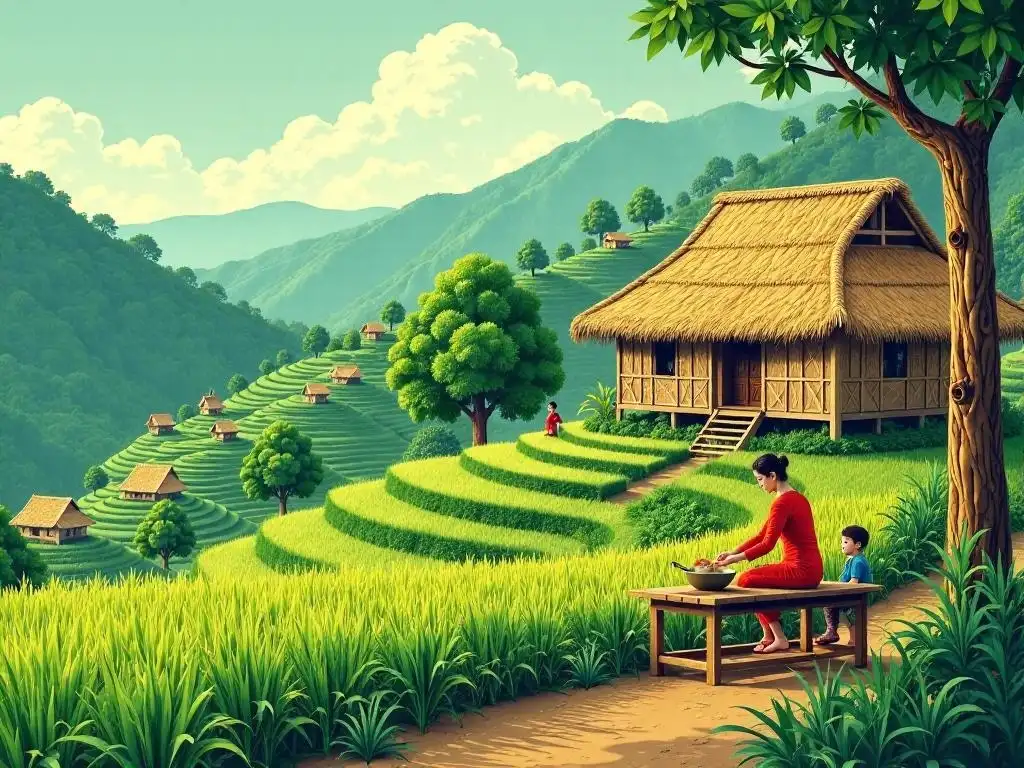
Welcome to Feudal Japan History, where we embark on a captivating journey through the intricate tapestry of Japan's feudal era. Here, we delve into the social dynamics in feudal Japan, revealing the unseen forces that shaped everyday life within households. Have you ever wondered what life was truly like for a farmer's family during this transformative period? Prepare to uncover the compelling narratives and rich cultural nuances that define their existence. Join us as we explore the depths of social history and unveil the stories that continue to resonate today. Your adventure into the past begins now!
The social dynamics in feudal Japan were complex and deeply rooted in a hierarchical structure that defined the relationships between various classes and households. Understanding the role of the farmer's family within this intricate web of social interactions is essential for grasping the broader context of Japanese society during this period. Farmers, often seen as the backbone of the agrarian economy, played a critical role not only in sustenance but also in the socio-political fabric of feudal Japan. Their households were microcosms that reflected the broader societal norms and values, showcasing the interplay between duty, labor, and community.
The family unit was central to the farmer's life, influencing everything from economic decisions to cultural practices. The dynamics within these households were shaped by the obligations to landlords, the need for cooperation in agricultural tasks, and the transmission of cultural values and traditions. This article aims to delve into the various aspects of social dynamics within feudal households, shedding light on how the farmer's family navigated their roles within the feudal system.
The Structure of Feudal Households
The structure of feudal households in Japan was largely dictated by the prevailing social hierarchy, which was characterized by a rigid class system. This system included various layers, from the ruling samurai class to the peasant farmers, each with distinct roles and responsibilities.
Hierarchical Organization in Feudal Japan
At the apex of feudal society were the daimyō, or feudal lords, who held significant land and power. Below them were the samurai, the warrior class, who served the daimyō in exchange for land and protection. The farmers, or hyakusho, formed the base of this pyramid and were essential for providing food and resources.
The hierarchy was not merely a reflection of social status but was also deeply intertwined with legal obligations and duties. Each class had specific rights and responsibilities:
- Daimyō: Controlled land and managed the samurai, ensuring loyalty through land grants.
- Samurai: Provided military service and protection to the daimyō, often living by a strict code of conduct known as bushidō.
- Farmers: Worked the land, paid taxes in the form of rice, and were responsible for the agricultural output that sustained the entire system.
This organization created a complex web of relationships where loyalty, duty, and social obligations were paramount.
The Role of Farmers in Feudal Society
Farmers were not merely laborers; they were integral to the stability and sustainability of feudal Japan. Their contributions extended beyond agricultural production to encompass social and economic roles that shaped local communities.
The farmer's family typically operated as a close-knit unit, where each member had defined roles:
- Men: Primarily responsible for plowing fields and tending to livestock.
- Women: Handled domestic chores, including food preparation and textile work, while also participating in agricultural tasks during peak seasons.
- Children: Engaged in light chores from a young age, learning the skills necessary to contribute to the household.
This division of labor was crucial for maximizing efficiency and ensuring the survival of the family unit. Furthermore, the farmer's family often participated in local governance and community activities, reinforcing social bonds and collective responsibility.
Through this exploration of the farmer's family and their social dynamics, it becomes evident that feudal households were not isolated entities but rather vital components of a larger societal framework that shaped the course of Japanese history. Understanding these dynamics provides valuable insights into the cultural and societal paradigms of feudal Japan.
Family Life in Feudal Japanese Households
Family life in feudal Japan was deeply intertwined with agricultural practices and the social hierarchies of the time. Farmers, who formed the backbone of the economy, lived in extended households that often included not just immediate family members but also relatives and sometimes hired help. This structure was essential for pooling resources and labor, as farming was labor-intensive and required collaboration.
In these households, the roles were often clearly defined, with each member contributing to the family’s welfare. The household was typically centered around a patriarch who made critical decisions, while the matriarch managed daily domestic tasks and the upbringing of children. The bond within the family was significant, as they relied on one another for emotional support and stability in a society where external pressures, such as taxation and land disputes, were common.
Daily Life of Farmers and Their Families
The daily life of farmers and their families was dictated by the agricultural calendar. Mornings began early, often before dawn, with family members rising to tend to their fields and livestock. The core activities included planting, harvesting, and maintaining crops, which were heavily influenced by the seasons. During planting seasons, families worked together in the fields, while during harvest time, the entire household would come together to gather crops, often enlisting the help of neighboring families in a communal effort.
In addition to farming, domestic chores were shared among family members. Women were primarily responsible for cooking, cleaning, and caring for children, while men focused on the heavier labor of farming and maintenance of equipment. Children also played a role in household chores, learning the skills necessary for agricultural life from a young age. The rhythm of life was punctuated by festivals and rituals that celebrated the agricultural calendar, fostering a sense of community and belonging.
Gender Roles and Responsibilities

In feudal Japan, gender roles were distinct and shaped the responsibilities of family members. Men were generally viewed as the primary breadwinners, responsible for managing the land and making decisions regarding its cultivation. They also handled external affairs, such as negotiations with landlords or samurai, which emphasized their role as heads of the household.
Women, on the other hand, were tasked with vital domestic duties that were crucial for the family’s survival. This included not only cooking and cleaning but also spinning and weaving textiles, which were essential for clothing and trade. Women also played a significant role in the education of children, instilling values and skills necessary for their future roles in society. Despite the clear division of labor, women’s contributions were invaluable and often underestimated in historical narratives.
Within the household, social dynamics were influenced by the roles and responsibilities each member held. Hierarchies were established based on age, gender, and social status, creating a complex web of relationships. The elder members, particularly grandparents, often held significant authority and were respected for their wisdom and life experiences.
Younger members were expected to show deference to their elders, fostering respect and ensuring the continuity of traditions and values. This hierarchical structure, while sometimes rigid, also allowed for the nurturing of interdependence among family members, as everyone played a role in supporting one another.
Interpersonal Relationships Among Family Members
Interpersonal relationships among family members were characterized by a blend of duty and affection. While respect for hierarchy was paramount, emotional bonds were also strong. Family gatherings, rituals, and celebrations provided opportunities for members to express their feelings and reinforce their connections.
Conflict resolution often involved mediation by the elder family members, who would guide discussions to maintain harmony within the household. The communal nature of their lives fostered a sense of belonging and loyalty, crucial for survival in the often harsh conditions of rural life. The relationships within the family unit were essential for coping with the challenges posed by external pressures, such as economic hardship and social changes.
The Impact of External Relationships
External relationships significantly impacted the dynamics of feudal households. Farmers often interacted with landlords and local samurai, which could both aid and complicate their lives. These relationships were complex; while samurai provided protection and governance, their demands for taxes and labor could strain farmer households.
Additionally, ties with neighboring families were crucial for communal activities like harvesting and festivals. These relationships not only provided practical support but also reinforced social networks that enhanced resilience against economic and environmental challenges. The interconnectedness of households through bonds of kinship and community played a critical role in shaping the social fabric of feudal Japan, illustrating that even within the confines of traditional family life, the community was an integral component of survival and social dynamics.
Cultural Practices and Traditions
Cultural practices and traditions formed the backbone of daily life in feudal Japan, particularly within the farmer households. These customs were not merely for celebration; they served to strengthen community ties and reinforce social structures. Family rituals, festivals, and traditional celebrations were integral to the farmers' lives, often reflecting the agricultural calendar and the spiritual beliefs tied to their crops and land.
Farmers participated in several local and seasonal festivals that honored deities and spirits believed to influence their harvests. These events were characterized by communal gatherings, where families would come together to share food, stories, and cultural heritage. Such practices fostered a sense of belonging and identity, essential in a society where familial and community bonds were paramount.
The passing down of traditions was primarily oral, with elders teaching younger generations about rituals, agricultural methods, and the importance of respecting nature. Art, music, and dance were often interwoven into these traditions, celebrating not only the agricultural cycles but also the spiritual connections that farmers felt with their environment.
Festivals and Ceremonies in Farmer Households
Festivals and ceremonies were pivotal in the social dynamics of feudal farmer households. One of the most notable was the rice planting festival, held in spring, where families would gather to pray for a bountiful harvest. This ceremony involved offerings to the rice deity, accompanied by festivities that included traditional music and dances. The harvest festival, celebrated in autumn, was equally significant, marking the culmination of a year’s hard work. It involved communal feasting, showcasing the fruits of labor, and honoring the ancestors for their guidance.
Other important ceremonies included weddings and funerals, which were marked by specific rituals that emphasized family lineage and respect for the deceased. Weddings often included elaborate ceremonies that reinforced alliances between families, showcasing the importance of social networks in feudal Japan. Funerals, on the other hand, were solemn occasions where rituals aimed at ensuring safe passage to the afterlife were carried out, reflecting the deep-rooted beliefs in ancestor worship that permeated farmer households.
These festivals and ceremonies were not only expressions of cultural identity but also acts of social cohesion, as they brought different families and the wider community together in shared experiences.
Education and Knowledge Transfer
Education in feudal Japan, particularly within farmer households, was primarily practical and community-based. Children learned by observing and participating in daily agricultural activities, such as planting, harvesting, and animal husbandry. This hands-on approach ensured that vital skills were passed down through generations, with parents teaching their children the necessary techniques to sustain their livelihoods.
In addition to agricultural knowledge, ethical teachings were often imparted through stories and folklore, emphasizing values such as hard work, respect for nature, and the importance of family. Elders played a crucial role in this educational process, as they were seen as custodians of knowledge and tradition.
Formal education was limited, but some villages had local temples where basic reading and writing were taught. This education was essential for record-keeping and communication, particularly regarding land ownership and taxation. The combination of practical skills and ethical teachings created a well-rounded foundation for the younger generation, preparing them for their future roles within the household and community.
Challenges and Conflicts in Feudal Households
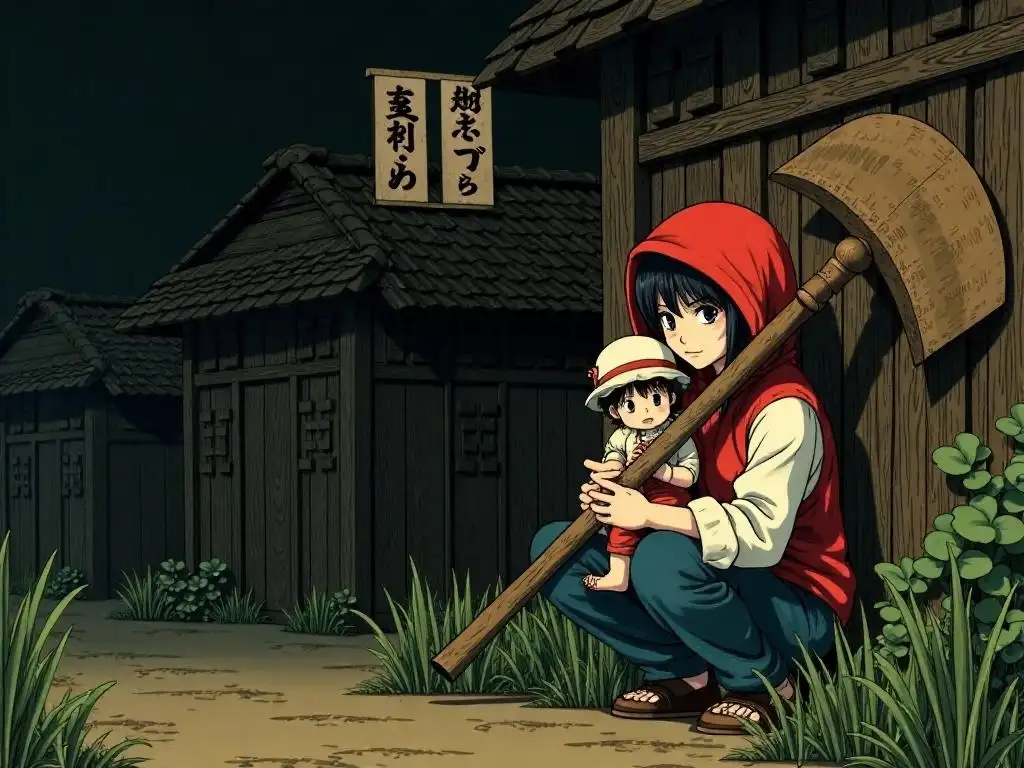
The feudal system in Japan presented numerous challenges for farmer households. Economic pressures, social hierarchies, and external conflicts often strained family dynamics and affected the overall stability of these households. The demands of landowners and the fluctuating market prices for crops could lead to significant stress, impacting not just the farmers' livelihoods but their familial relationships as well.
Socioeconomic Factors Affecting Farmers
Socioeconomic factors played a crucial role in shaping the realities of farmer households. The burden of heavy taxation imposed by the ruling samurai class often left families struggling to make ends meet. This financial strain could lead to discontent and conflict within families as members grappled with the pressures of providing for one another while fulfilling obligations to their lords.
Natural disasters, such as floods or droughts, further exacerbated these challenges, often resulting in crop failures that plunged families into debt. In such cases, the social dynamics within households could shift dramatically, with increased tension over resource distribution and responsibilities. Families had to navigate the realities of subsistence living while striving to maintain their cultural practices and social structures, creating a precarious balance that was often disrupted by external pressures.
Internal Conflicts and Resolutions
Internal conflicts within farmer households often arose from differing opinions on resource management, labor distribution, and future aspirations. Generational divides could lead to disagreements, especially when younger family members sought to adopt new methods of farming or desired a different lifestyle than that of their parents.
To resolve these conflicts, many families relied on traditional practices of mediation, where elders would step in to offer guidance and facilitate conversations. These mediators played a vital role in ensuring that disputes were settled amicably, reinforcing the importance of family unity over individual desires.
Additionally, communal support systems were often established within villages, where families would come together to share resources and assist one another during difficult times. This collective approach not only helped to ease tensions within households but also strengthened community bonds, highlighting the resilience of farmer families in the face of adversity.
The social dynamics in feudal Japan were intricately woven into the fabric of its agrarian societies, particularly within farmer households. The hierarchical structure of society dictated relationships not only between social classes but also within families. Farmers held a vital role in sustaining the economy, and their familial units were characterized by cooperation, shared responsibilities, and a strong sense of community.
Despite the challenges posed by the rigid social order, such as taxes and labor obligations to the samurai class, the farmer's family often demonstrated resilience and adaptability. These households were typically organized around a patriarchal model, with the eldest male as the head, yet the cooperation of all family members was crucial for survival. Women played significant roles, managing household duties and sometimes contributing to agricultural labor, reflecting a division of labor that was essential for the family's well-being.
The legacy of these social dynamics is evident in contemporary Japanese society. The values of hard work, community, and respect for hierarchy can trace their roots back to the feudal era. Additionally, the farmer's family model has influenced Japan's cultural narratives and societal expectations, showcasing the enduring impact of these historical dynamics.
For those interested in delving deeper into the social history of feudal Japan, several resources provide valuable insights into the lives of farmers and the broader societal framework of the time. Here are some recommended readings:
- "The Making of Modern Japan" by John Dower: This comprehensive book explores the social, political, and economic transformations in Japan, offering context to the feudal era's impact on modern society.
- "Peasants and Society in Japan's Modern History" by K. H. D. Lee: This text examines the evolution of the peasant class from the feudal period to the modern era, highlighting the continuity and change in social dynamics.
- "Edo: The City That Became Tokyo" by Edward Seidensticker: A historical exploration of Edo's transformation, this book provides insights into urban life during the feudal period and its impact on rural families.
- "The Culture of Japan as Seen through Its Leisure" by Sepp Linhart and Sabine Fruhstuck: This work delves into the leisure activities of different social classes, including farmers, and how these reflect broader social dynamics.
These texts and others contribute to a deeper understanding of the complexities of social dynamics in feudal Japan, providing a rich tapestry of information for anyone interested in this pivotal era of history.
- Introduction to Social Dynamics in Feudal Japan
- The Structure of Feudal Households
- Family Life in Feudal Japanese Households
- Daily Life of Farmers and Their Families
- Gender Roles and Responsibilities
- Social Dynamics and Relationships Within the Household
- Cultural Practices and Traditions
- Challenges and Conflicts in Feudal Households
- Conclusion: The Legacy of Social Dynamics in Feudal Japan
- Further Reading on Social History in Feudal Japan
Frequently Asked Questions
The social dynamics in feudal Japan were structured around distinct classes, primarily including samurai, farmers, artisans, and merchants. Each class had specific roles and responsibilities that contributed to the overall society.
How did farming influence the family structure in feudal households?
Farming was central to the economic stability of feudal households. The farmer's family often worked together, creating a strong communal bond and ensuring that agricultural duties were fulfilled efficiently.
What role did women play in feudal Japanese families?
Women in feudal Japan were primarily responsible for domestic duties and managing the household. However, they also participated in agricultural work, reflecting their importance in maintaining family and societal structure.
How did the samurai's status affect the farmers' lives?
The samurai class held significant power over farmers, often imposing taxes and demanding labor. This relationship created a complex dynamic where farmers had to navigate both loyalty and survival under the samurai's authority.
What were the key cultural aspects of feudal households?
Feudal households were deeply influenced by traditions and rituals that emphasized family honor, loyalty, and conflict resolution. These cultural elements shaped the social dynamics and daily lives within these households.
The intricate web of social dynamics in feudal Japan remains profoundly relevant today, as it sheds light on the enduring structures of power, family, and community. In an era where social hierarchies continue to influence our lives, understanding the historical context of these dynamics allows us to appreciate the complexities of modern society. The relationships within a farmer's family during feudal times exemplify how social roles and responsibilities shaped not only individual lives but also the broader community.
The exploration of these social dynamics reveals a rich tapestry of interdependence and resilience that resonates through generations. The farmer's family, often seen as the backbone of feudal society, navigated their roles amidst the pressures of land ownership, taxation, and loyalty to their lords. This historical perspective reminds us that the struggles and triumphs of families in the past echo in our contemporary social structures. As historian John W. Hall aptly stated, Understanding the past is essential to grasping the present and shaping the future.
As we reflect on the lessons drawn from the farmer's family in feudal Japan, I invite you to consider how these insights can inform your own understanding of social dynamics today. What roles do you play within your own family and community? Embrace the opportunity to foster connections, challenge hierarchies, and contribute to a more equitable society. By engaging with the past, we can inspire a future that honors the complexities of human relationships and the importance of community.
Unveil the Secrets of Feudal Society!
Thank you for diving into the intricate world of feudal households with us! You’ve uncovered valuable insights into the social dynamics that shaped everyday life in the past. Now, it’s time to take the next step and explore this fascinating topic even further.
Here’s how you can deepen your understanding and share your newfound knowledge:
- Immerse yourself: Visit local historical sites or museums that focus on feudal societies to experience the culture firsthand.
- Join the conversation: Share this article with friends and family—discuss how the social structures of the past influence our lives today.
- Explore further: Check out our additional resources on the roles and responsibilities within feudal households to expand your knowledge.
Which aspects of feudal social dynamics resonate most with your understanding of modern family structures?