
The Evolution of Shogunate Titles: From Shikken to Shogun

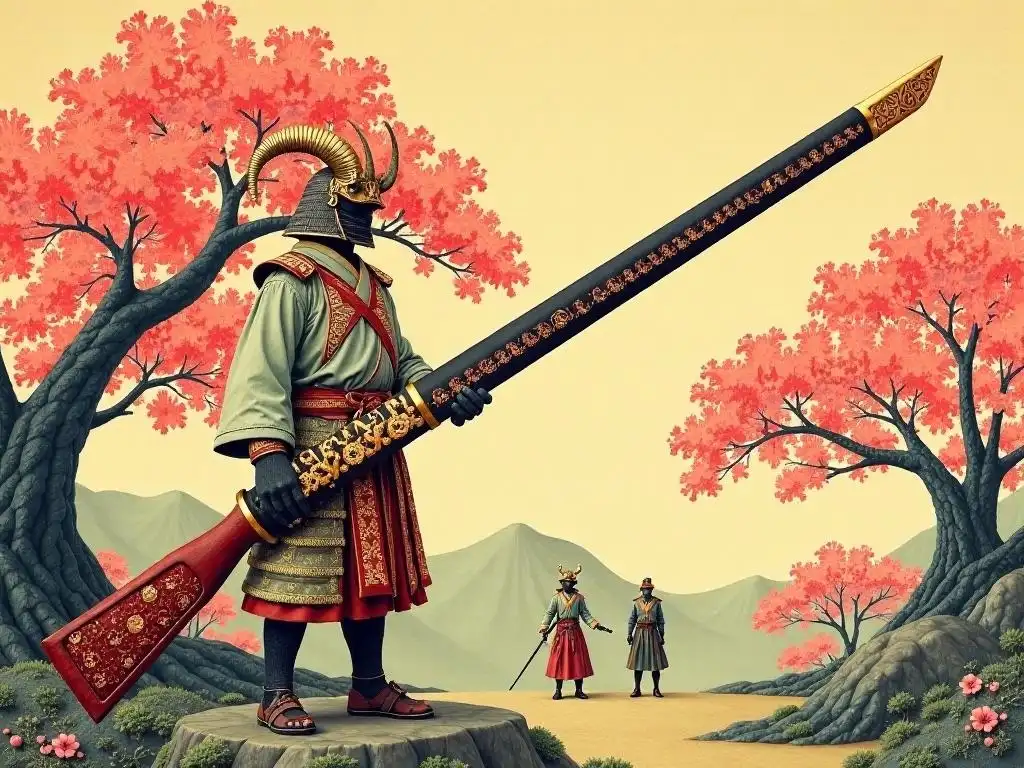
Welcome to Feudal Japan History, where we embark on an intriguing journey through the captivating world of Japan's feudal era. Here, you will uncover the History of Shogunate Titles, an essential thread in the rich tapestry of political history that shaped a nation. Have you ever wondered how the titles of power evolved from Shikken to Shogun? Join us as we delve into the depths of this fascinating transformation, revealing the intricate connections between authority, culture, and society. Get ready to explore the past like never before!
Introduction to the History of Shogunate Titles
The history of shogunate titles in Japan offers a fascinating glimpse into the nation's feudal past, reflecting the complex interplay of power, governance, and societal structure. From the early leadership roles to the establishment of the shogunate system, these titles not only signify authority but also encapsulate the rich tapestry of Japan's political evolution.
Understanding the progression from the title of Shikken, a regent during the Kamakura period, to the more recognized title of Shogun, reveals the shifting dynamics of power in feudal Japan. This exploration not only highlights the historical significance of these titles but also provides insight into the cultural and societal norms that shaped their use.
Overview of Feudal Japan’s Political Hierarchy
Feudal Japan operated under a complex political hierarchy that defined the relationships between various levels of authority. At the top of this structure was the Emperor, regarded as the divine ruler, whose power was often more symbolic than practical. Below the Emperor were the shoguns, military leaders who wielded actual power over the realm, ruling on behalf of the Emperor.
- Emperor: The nominal sovereign of Japan.
- Shogun: The military dictator, holding the most significant political power.
- Daimyo: Feudal lords who governed specific regions and pledged allegiance to the shogun.
- Samurai: The warrior class, serving the daimyo and shogun, upholding the honor and discipline of the feudal system.
This hierarchy facilitated a system where loyalty and military prowess were paramount, paving the way for various titles that indicated authority and governance. Understanding this structure is crucial for grasping the significance of the shogunate titles as they evolved through the ages.
Importance of Shogunate Titles in Japanese History
Shogunate titles play a critical role in understanding Japan's historical landscape. They are not merely labels but represent the shifting centers of power and the political maneuvers that defined eras of Japanese history. The titles, particularly Shikken and Shogun, illustrate the dynamics of control and the transitions in governance.
- Political Authority: These titles helped delineate roles and responsibilities, providing a framework for governance.
- Cultural Significance: The titles encapsulated ideals such as honor, loyalty, and martial prowess, which were central to the samurai culture.
- Historical Legacy: The legacy of these titles continues to influence contemporary understanding of power structures in Japan.
The evolution of these titles reflects broader societal changes, marking pivotal moments in Japan’s political history.
The Origins of Shogunate Titles
To fully appreciate the evolution of shogunate titles, it is essential to delve into their origins. The political landscape of ancient Japan laid the groundwork for the emergence of these significant titles.
Early Japanese Leadership Structures
Before the establishment of shogunate titles, Japan's leadership was characterized by various clans and their chieftains. The Yamato clan is often regarded as the founding dynasty, but local rulers or uji held substantial power, particularly in their regions. The political framework of these early leadership structures was:
- Clan-based governance: Local clans wielded power and influence over their territories.
- Imperial authority: The Emperor's role was often ceremonial, with actual power residing with military leaders and local warlords.
These foundational elements set the stage for the development of more formalized titles, paving the way for the emergence of the shogunate system.
Emergence of the Shikken Title in the Kamakura Period
The title of Shikken emerged prominently during the Kamakura period (1185-1333), a transformative era in Japan's political history. Initially held by the regents of the Minamoto clan, the Shikken title signified a shift in power dynamics, as military leaders began to exert control over the imperial court.
- Regency Role: The Shikken served as regents, managing day-to-day governance while the shogun focused on military affairs.
- Political Influence: This title allowed the holder to wield significant influence over the shogunate, often shaping policies and decisions to their advantage.
The rise of the Shikken title exemplifies the evolving nature of power in feudal Japan, illustrating how military and political authority became increasingly intertwined.
The Role of the Shikken: Functions and Responsibilities
The title of Shikken emerged during the Kamakura period (1185–1333) as a significant political role within the feudal hierarchy of Japan. The Shikken served primarily as the regent for the shogun, particularly in situations where the shogun was a minor or otherwise incapacitated. This role was vital in ensuring the stability and continuity of governance during times of uncertainty.
The Shikken was responsible for overseeing the daily operations of the government, making crucial decisions on military, economic, and administrative matters. This included managing the samurai class, land distribution, and tax collection, as well as maintaining order throughout the realm. The Shikken often acted as the face of authority, representing the shogunate in diplomatic relations and internal affairs, thereby solidifying their power within the feudal structure.
Another important function of the Shikken was to act as a mediator between the various factions within the samurai class. This often involved balancing the interests of powerful clans and maintaining alliances to prevent conflict. The Shikken's ability to navigate the complex social and political landscape was essential for the stability of the shogunate.
Political Influence of the Shikken
The political influence of the Shikken extended beyond mere administrative duties; it represented a significant shift in power dynamics during the Kamakura period. Originally, the position of the shogun was designed to command military forces, but as the Shikken's authority grew, they often wielded more power than the shogun themselves. This was particularly evident during the reign of the Hōjō clan, who monopolized the Shikken title and utilized it to control the shogunate effectively.
The Shikken's influence was not confined to governance; it also played a critical role in shaping policy and strategic military decisions. For instance, the Shikken had the authority to call upon samurai for military campaigns and manage alliances and conflicts among clans. This power often led to the consolidation of the Shikken's authority, enabling them to become key players in the political landscape.
Moreover, the Shikken's role in the appointment and dismissal of shoguns further amplified their influence. By controlling succession and the political environment, the Shikken could effectively maintain their power and ensure that loyalists occupied key positions within the government.
Comparison of Shikken and Other Feudal Titles
When comparing the Shikken to other feudal titles, such as the daimyō or shogun, it becomes clear that each title held distinct functions and levels of authority within the feudal hierarchy. While the daimyō were powerful feudal lords who governed large territories and commanded their own samurai, the Shikken acted more as a regent and administrator under the shogunate.
The shogun was the ultimate military leader and held supreme authority over Japan's armed forces. However, the Shikken could overshadow the shogun's influence, especially during periods when the shogun was a child or lacked the capability to govern effectively. This created a unique dynamic where the Shikken could maneuver politically while the shogun's power was more symbolic.
In contrast, titles like kugyō referred to the court nobles who operated within the imperial court. While they held significant cultural and ceremonial influence, their power was often limited compared to the military authority wielded by the Shikken and shogun. Thus, the Shikken uniquely bridged the gap between military and courtly power, enabling them to exert significant control over Japan's political landscape.
Transition from Shikken to Shogun
The transition from the role of Shikken to the title of Shogun marks a pivotal moment in the history of Japanese governance. This shift was not merely a change in title but represented a broader transformation in political power dynamics within the feudal system.
Historical Context Leading to the Rise of the Shogun
The rise of the Shogun occurred in the context of a fragmented and often tumultuous political landscape in Japan. Following the Genpei War (1180–1185), which resulted in the establishment of the Kamakura shogunate, the need for a strong military leader became apparent. The Shikken's increasing dominance during this period laid the groundwork for the eventual emergence of the shogun as the preeminent authority.
As the Kamakura period progressed, the influence of the Hōjō clan, who held the Shikken title, began to overshadow the powers of the shogun. This created a scenario where the Shikken acted as the de facto ruler, leading to a gradual erosion of the shogun's military authority. The political instability and ongoing conflicts between rival clans necessitated a strong and centralized military leadership, which ultimately catalyzed the transition to a more defined shogunate structure.
Key Figures in the Evolution of Shogunate Titles
Several key figures played crucial roles in the evolution of shogunate titles from Shikken to Shogun. One notable example is Hōjō Tokimune, who served as Shikken during a critical time in the Kamakura period. Tokimune effectively managed the shogunate's military campaigns against the Mongol invasions, showcasing the Shikken's capability to govern and protect Japan.
Another significant figure was Minamoto no Yoritomo, the founder of the Kamakura shogunate and the first to hold the title of shogun. His strategic foresight in consolidating the samurai class under a centralized military government paved the way for the enduring institution of the shogunate.
These individuals, among others, illustrate how the titles and roles within Japan's feudal system evolved in tandem with the shifting political landscape, ultimately leading to the establishment of a more robust and defined shogunate. The transition from Shikken to Shogun not only reshaped the hierarchy of power but also laid the foundation for future governance structures in Japan.
The Establishment of the Shogunate System
The establishment of the shogunate system marks a significant turning point in Japan's political structure, transitioning from imperial rule to a military governance model. This shift arose in the late 12th century, during a period characterized by intense civil strife known as the Genpei War. With the rise of powerful clans like the Minamoto and Taira, the need for a centralized military authority became apparent. Thus, the concept of the shogunate emerged, where the military leader, or shogun, acted as the de facto ruler of Japan, while the emperor retained a more symbolic and ceremonial role.
The first shogunate, known as the Kamakura Shogunate, was established in 1192 when Minamoto no Yoritomo was appointed shogun. This marked the beginning of a new era where the shogunate's authority was derived from military power rather than divine right. The shogunate system introduced a feudal structure that emphasized loyalty and land ownership, creating a hierarchy where samurai served their lords in exchange for protection and land. This system laid the groundwork for future shogunates and fundamentally reshaped Japan's political landscape.
The Formation of the First Shogunate under Minamoto no Yoritomo
Minamoto no Yoritomo's rise to power culminated in the establishment of the Kamakura Shogunate, which marked the first instance of military rule in Japan. After his victory over the Taira clan in the Genpei War, Yoritomo sought to consolidate his power by establishing a government that effectively managed both military and civil affairs. In 1192, he was officially granted the title of shogun by the emperor, symbolizing the shift of power from the imperial court to the shogunate.
Yoritomo's governance was characterized by the implementation of a dual administration system. He maintained the traditional court structure in Kyoto while establishing his own military government, or bakufu, in Kamakura. This duality allowed him to exert control over the provinces through a network of loyal samurai vassals. Yoritomo also instituted the shiki system, granting land to his samurai in return for military service, further entrenching feudal loyalty and ensuring stability in his rule.
The Role of the Shogun in Political and Military Affairs
The shogun's role in political and military affairs was multifaceted and crucial to the governance of Japan during the feudal era. As the supreme military commander, the shogun was responsible for leading military campaigns, maintaining order, and defending the realm against external threats. This military authority was a key factor in the shogun's legitimacy and power, as the ability to protect the nation was paramount.
In addition to military responsibilities, the shogun also held significant political power. He managed the relationships between various feudal lords (daimyō) and enforced laws across the realm. The shogun's decisions influenced land distribution, taxation, and even the appointment of local officials, which solidified his position as the central figure in Japan's political hierarchy. This dual role of military and political leader made the shogun a pivotal figure in shaping Japan's feudal structure and ensured that the shogunate remained a dominant force throughout its history.
Variations of Shogunate Titles Throughout History
The history of shogunate titles reveals a rich tapestry of political evolution, with variations reflecting the changing power dynamics in Japan. Over time, different shogunates adopted distinct titles and structures that mirrored their governance styles and the socio-political environment. While the title "shogun" remained central, other titles emerged, including "shikken" and "kanpaku," representing different forms of leadership and authority within the shogunate framework.
These variations highlight the fluidity of power in feudal Japan, where the balance between military and political authority frequently shifted. The titles not only denoted rank but also indicated the nature of governance, with some shogunates emphasizing military prowess while others focused on diplomatic and administrative functions. Understanding these variations is crucial to grasping the complexities of Japan's political history during the feudal era.
Different Types of Shoguns: Ashikaga, Tokugawa, and Others
Throughout Japan's feudal history, several prominent shogunates emerged, each led by different families and characterized by unique governance styles. The Ashikaga Shogunate (1336-1573) followed the Kamakura Shogunate and was known for its cultural contributions, particularly in the arts and tea ceremonies. The Ashikaga shoguns faced challenges from regional warlords, leading to a fragmented political landscape known as the Sengoku period.
On the other hand, the Tokugawa Shogunate (1603-1868) represented the last and perhaps most stable shogunate in Japanese history. Founded by Tokugawa Ieyasu after his victory at the Battle of Sekigahara, this shogunate established a centralized feudal system that promoted peace and prosperity through strict social order and isolationist policies. The Tokugawa period saw significant developments in trade, culture, and the samurai class, ultimately leading to the modernizing forces that would challenge the shogunate's authority in the 19th century.
Regional Differences in the Usage of Shogunate Titles
The usage of shogunate titles varied significantly across different regions of Japan, influenced by local customs, power dynamics, and historical contexts. For instance, in the Kanto region, where the Kamakura Shogunate was based, the title of shogun was synonymous with military authority and governance. In contrast, regions like Kyushu and Shikoku had their own local lords who sometimes operated independently of the central shogunate, leading to a variation in the recognition and authority of the shogun.
Additionally, the regional lords (daimyō) often adopted titles and structures that reflected their own power within the feudal hierarchy. Some may have chosen to refer to themselves as "shogun" or "shikken" to assert their authority, even in areas where the central shogunate had limited influence. This regional differentiation illustrates the complexities of feudal Japan's political landscape, where local power dynamics could shape the interpretation and significance of shogunate titles, contributing to the rich and diverse history of Japan's governance.
Impact of Shogunate Titles on Japanese Society and Culture
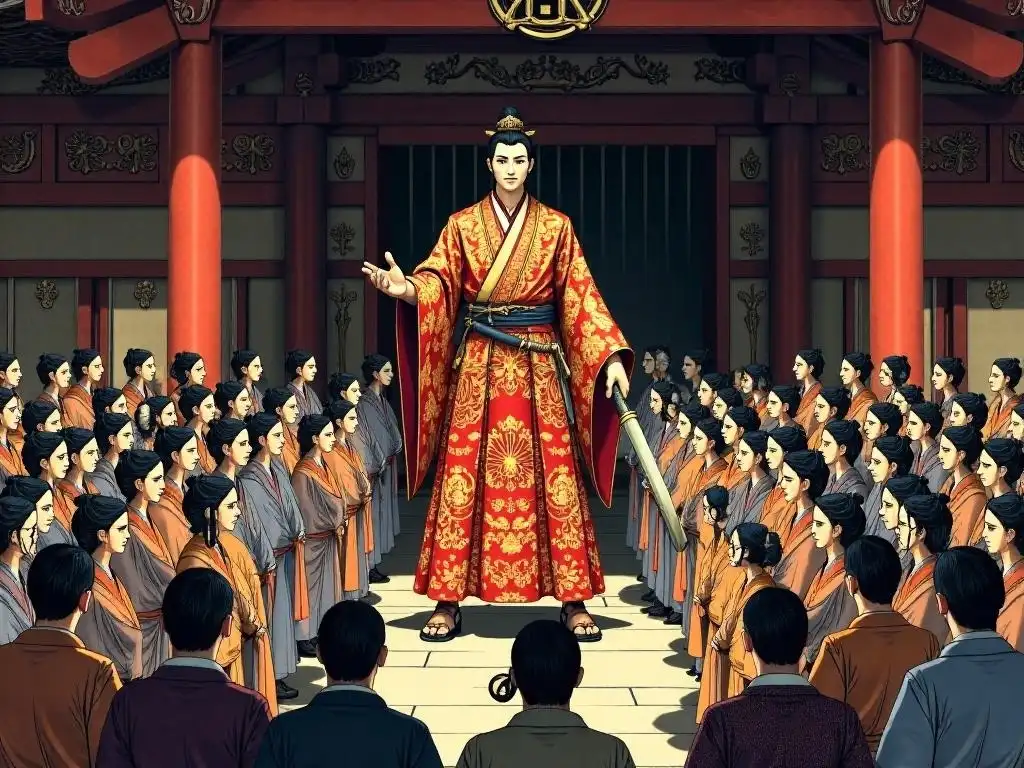
The titles associated with the shogunate, particularly the roles of Shikken and Shogun, played a crucial role in shaping the social and cultural fabric of feudal Japan. These titles were not merely ceremonial; they were deeply intertwined with the political authority and legitimacy of the ruling class. The shifting nature of these titles reflected the evolving power dynamics within Japan, influencing everything from governance to the everyday lives of the populace.
The role of the Shogun as a military leader created a rigid structure where loyalty and service were paramount. This hierarchy fostered a culture of honor among the samurai, who were bound by a code of conduct known as Bushido. The samurai class, empowered by the shogunate's titles, became the enforcers of the shogun's will and played a significant part in the administration of land and justice. Thus, shogunate titles not only defined political power but also dictated social relations and obligations within feudal Japan.
Moreover, the cultural impact of these titles extended to various spheres, including religion and the arts. The shogunate often aligned itself with Buddhist institutions, which paved the way for a unique blend of spiritual and temporal authority. Therefore, shogunate titles significantly shaped the cultural landscape, influencing art, literature, and even the philosophical underpinnings of Japanese society.
Influence on Samurai Class and Feudal Structure
The titles of Shikken and Shogun were instrumental in defining the samurai class's role and the broader feudal structure in Japan. The Shikken, primarily the regents of the Kamakura shogunate, held significant power, often ruling in place of the Shogun, especially during periods of minority or absence. This duality of power created a complex relationship where the samurai class was not only responsible for military service but also for upholding the shogunate's legal and administrative functions.
As the Shogun wielded ultimate military authority, the samurai were expected to demonstrate loyalty and valor. This resulted in a highly stratified society where the samurai enjoyed privileges that reinforced their status. The Shogun's ability to grant land and titles further entrenched the feudal system, creating a network of vassalage and loyalty that shaped Japan's political landscape.
This relationship was reciprocal; while the samurai served the shogunate, they also relied on it for protection and stability. The feudal structure was thus characterized by mutual obligations, where loyalty to the Shogun ensured not only the samurai’s social standing but also their economic survival. Consequently, the impact of shogunate titles on the samurai class and the feudal structure was profound, influencing governance, military organization, and social hierarchies throughout Japan's history.
Cultural Representations of Shogunate Titles in Art and Literature
The representation of shogunate titles in art and literature serves as a window into the cultural significance of these roles in feudal Japan. Artists and writers often depicted the Shogun and Shikken as embodiments of power, honor, and the martial spirit. This portrayal not only reflected the societal values of the time but also contributed to the mythos surrounding these figures.
In literature, historical narratives such as The Tale of the Heike and The Chronicles of Japan often highlighted the exploits and virtues of shogunal leaders, reinforcing their importance in the collective memory of the nation. These stories celebrated themes of loyalty, bravery, and the tragic downfall of noble figures, resonating deeply with the samurai code of honor.
Similarly, visual arts, including ukiyo-e prints, captured the grandeur of the shogunate, depicting battles, court life, and scenes of samurai loyalty. These artistic expressions provided a means of both glorifying the shogunate and critiquing its excesses, demonstrating the dynamic relationship between power and culture.
Overall, the cultural representations of shogunate titles in art and literature not only shaped public perception but also influenced the identity of the samurai class and the broader societal values of feudal Japan.
The Decline of Shogunate Titles
The decline of shogunate titles marked a significant turning point in Japanese history, leading to profound changes in governance and society. As the power of the shogunate waned, the very titles that once commanded respect began to lose their authority. This decline was influenced by various internal and external factors that ultimately reshaped the political landscape of Japan.
Factors Leading to the Fall of the Shogunate
Several interrelated factors contributed to the decline of shogunate titles, beginning with internal strife and dissatisfaction among the samurai class and the peasantry. Economic difficulties, exacerbated by natural disasters and poor governance, led to uprisings and a loss of faith in the shogunate's ability to maintain order. The rise of merchant classes also challenged the traditional feudal structure, as wealth began to accumulate outside of the samurai class.
Additionally, external pressures from Western powers, particularly in the mid-19th century, forced Japan to reconsider its isolationist policies. The arrival of Commodore Matthew Perry in 1853 and subsequent treaties highlighted the shogunate's inability to protect Japan’s sovereignty, significantly undermining its legitimacy. This combination of internal discontent and external threats precipitated a crisis that the shogunate could not effectively manage.
The resulting disillusionment led to the emergence of factions that sought to restore imperial power, culminating in the Boshin War. This civil conflict ultimately marked the decline of the shogunate as various domains rallied against the ruling Tokugawa shogunate, advocating for a return to imperial rule.
The Meiji Restoration and the Abolition of Shogunate Titles
The culmination of the decline of shogunate titles came with the Meiji Restoration in 1868, a pivotal event that fundamentally altered Japan’s political and social landscape. The restoration aimed to overthrow the Tokugawa shogunate and restore the emperor to power. This movement was fueled by a desire for modernization and a response to the pressures of Western imperialism.
With the fall of the shogunate, the titles of Shikken and Shogun were officially abolished, symbolizing the end of feudal rule and the transition to a centralized government. The new Meiji government implemented sweeping reforms, emphasizing modernization, industrialization, and the establishment of a constitutional monarchy. This shift not only dismantled the feudal system but also redefined the relationship between the state and its citizens.
The abolition of shogunate titles marked a significant turning point in Japanese history, leading to the emergence of a new national identity and the eventual establishment of Japan as a modern state. This transformation laid the groundwork for Japan's rapid industrial growth and its rise as a global power in the early 20th century, illustrating the profound impact of the decline of shogunate titles on Japan's historical trajectory.
Conclusion: The Legacy of Shogunate Titles in Japanese History
The evolution of shogunate titles from Shikken to Shogun encapsulates a pivotal transformation in Japan’s political landscape. These titles not only reflect the changing dynamics of power but also signify the social and cultural evolution throughout Japan's feudal era. The title of Shogun, which ultimately became synonymous with military leadership and governance, established a framework for centralized authority that influenced subsequent political structures. The legacies of these titles continue to resonate within modern Japan, where historical consciousness shapes national identity and cultural values.
As we look back at the shogunate titles, it is crucial to recognize their multifaceted roles. They served not just as designations of power but as symbols of loyalty, honor, and the intricate relationships between feudal lords and their vassals. The evolution of these titles marked the transition from a fragmented feudal society to a more unified state under the Tokugawa shogunate, laying foundational aspects for Japan's modernization in the late 19th century.
Lasting Effects of Shogunate Structures on Modern Japan
The structural legacies of the shogunate era remain evident in contemporary Japanese society and governance. Many aspects of Japan's political and administrative systems can trace their origins back to feudal practices established during the shogunate periods. For instance, the emphasis on hierarchy and loyalty in Japanese culture can be linked to the samurai code of bushido, which was deeply intertwined with the authority of shogunate titles.
Moreover, the bureaucratic systems developed under the shogunate have influenced modern governance in Japan. The Tokugawa shogunate's centralized administration laid groundwork for modern bureaucratic practices, including the establishment of roles and responsibilities that persist today. Even in modern political discourse, the respect for authority and the importance placed on social harmony can be traced back to the feudal era's power dynamics.
Reflections on the Historical Significance of Shogunate Titles
The historical significance of shogunate titles transcends mere nomenclature; they played an essential role in shaping the identity of Japan’s political landscape. Shogunate titles represented more than just rank; they embodied the collective memory of a nation that grappled with issues of power, governance, and social structure. The transition from Shikken to Shogun illustrates a shift in authority that reflects broader historical narratives, including the struggles for power among clans and the eventual unification of Japan.
Furthermore, the evolution of these titles invites us to explore the complexities of feudal allegiance and the shifting loyalties that defined Japanese society. The legacy of these titles informs our understanding of contemporary Japan's identity, as the echoes of feudal history continue to influence societal norms, cultural narratives, and political attitudes.
References
Key Texts and Resources for Further Study on Shogunate Titles
- The Cambridge History of Japan, Volume 4: Early Modern Japan, edited by John W. Hall.
- The Making of Modern Japan by Kenneth B. Pyle.
- Samurai: The World of the Warrior by Stephen Turnbull.
- Japan: A Modern History by James L. McClain.
These texts provide comprehensive insights into the political structures of feudal Japan and the evolution of shogunate titles.
Notable Historians and Scholars in the Field of Feudal Japan
- William Wayne Farris - Renowned for his extensive studies on the samurai and the political structure of feudal Japan.
- Marius B. Jansen - Noted for his scholarship on Japanese history, particularly the Tokugawa period.
- H. Paul Varley - A prominent historian whose works cover various aspects of Japanese history, including samurai culture and governance.
- Tetsuo Najita - A leading scholar on the intellectual history of Japan and the evolution of political thought during the feudal era.
These historians have significantly contributed to our understanding of the complexities surrounding shogunate titles and their historical context.
- Introduction to the History of Shogunate Titles
- Overview of Feudal Japan’s Political Hierarchy
- Importance of Shogunate Titles in Japanese History
- The Origins of Shogunate Titles
- The Role of the Shikken: Functions and Responsibilities
- Transition from Shikken to Shogun
- The Establishment of the Shogunate System
- Variations of Shogunate Titles Throughout History
- Impact of Shogunate Titles on Japanese Society and Culture
- The Decline of Shogunate Titles
- Conclusion: The Legacy of Shogunate Titles in Japanese History
- References
Frequently Asked Questions
What are Shogunate Titles?
Shogunate Titles are military ranks and positions that denote the leadership within the feudal system of Japan. They include roles such as Shikken and Shogun, each with distinct powers and responsibilities.
How did the title of Shogun evolve over time?
The title of Shogun evolved from earlier titles like Shikken, signifying a shift from regent roles to military leadership. This evolution represented a centralization of power in the hands of a single leader during Japan's feudal era.
What was the role of a Shikken in feudal Japan?
A Shikken served as a regent for the Shogun, managing the affairs of the Kamkura Shogunate. This position was crucial during times when the Shogun was either too young or unable to govern effectively.
Why are Shogunate Titles important in Japanese history?
Shogunate Titles are important because they illustrate the political hierarchy and military governance in feudal Japan. Understanding these titles helps us grasp the power dynamics and historical shifts in Japan’s governance.
How did the Shogunate system impact Japanese culture?
The Shogunate system influenced Japanese culture by shaping social structures, art, and literature during the feudal era. The distinct roles and titles contributed to a rich cultural legacy that is still studied today.
Final Reflection: The Enduring Legacy of Shogunate Titles
The evolution of shogunate titles is not merely a historical narrative; it is a testament to the complexities of power and governance that resonate even in today's society. The transition from Shikken to Shogun illustrates how titles can shape political landscapes and influence cultural identity. As we navigate our contemporary world, the lessons embedded in these historical shifts remind us of the importance of leadership and the responsibilities that come with authority.
Culture and society are continuously shaped by the legacies of our past, and the history of shogunate titles is a profound example of this dynamic. The intricate hierarchy of power in feudal Japan, marked by the rise and fall of various titles, reflects a broader conversation about authority and legitimacy that persists in modern governance. As historian John W. Hall noted, History is not a mere record of the past; it is a guide to the present and a beacon for the future.
This perspective encourages us to examine how the structures of power established centuries ago continue to influence our understanding of leadership today.
As we reflect on the significance of shogunate titles, I invite you to consider how these historical narratives can inform your own understanding of leadership and responsibility in your life. What lessons can you draw from the past to navigate the complexities of your own journey?
Embrace the opportunity to learn from history, allowing it to inspire you to cultivate a sense of purpose and integrity in your actions. The evolution of shogunate titles serves as a reminder that the weight of a title is not in its grandeur, but in the impact it has on the lives of others.
Embrace the Legacy of the Shogunate: Take Action Today!
Thank you for diving into the intriguing evolution of shogunate titles! Your interest not only enriches your knowledge but also brings to life Japan's rich feudal history. Now, let’s take that curiosity and turn it into action!
Here are a few ways you can deepen your exploration of this fascinating topic:
- Join our community: Connect with fellow history enthusiasts by signing up for our newsletter. Stay updated on articles, discussions, and events that celebrate Feudal Japan!
- Share your insights: Discuss this article with friends or family. What surprised you most about the evolution of shogunate titles?
- Explore further: Check out our related articles on samurai culture and their significant roles in shaping Japan’s history. Discover the captivating stories behind these influential titles!
What aspect of shogunate titles do you find most compelling, and how do you think they have shaped modern Japan? We’d love to hear your thoughts!