
The Rise of the Samurai: How Warfare Shaped Japan's Political Evolution

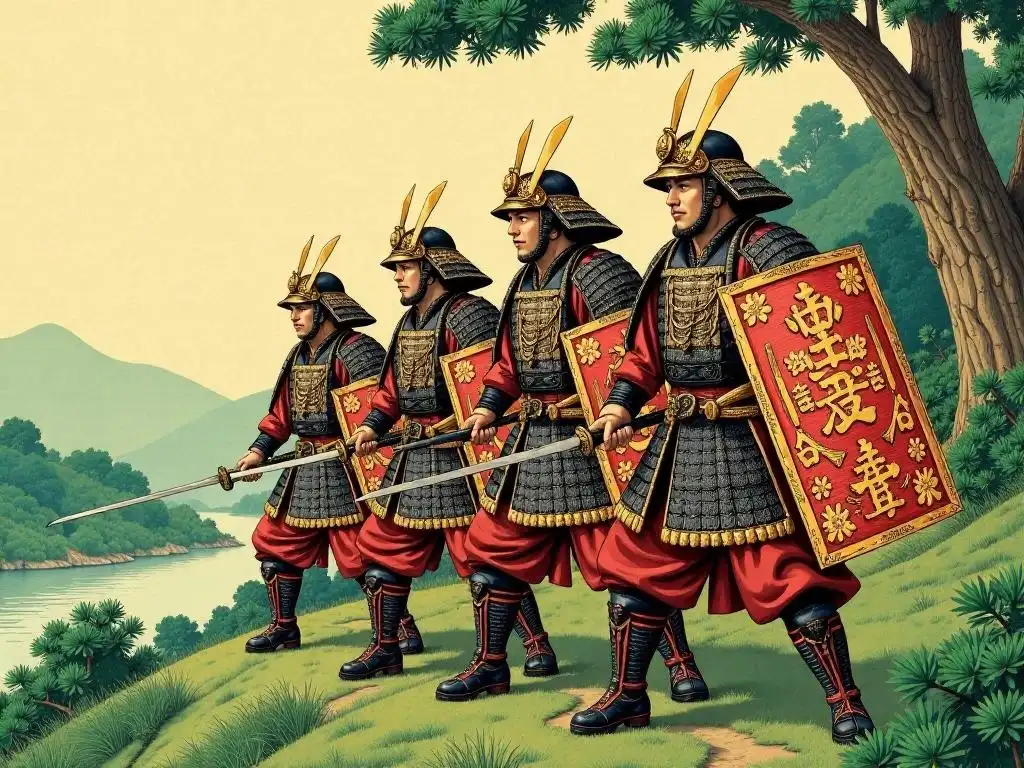
Welcome to Feudal Japan History, where we delve into the captivating world of Japan’s feudal era, uncovering the intricate tapestry of historical, cultural, and societal influences that have shaped this remarkable period. In our featured article, "The Rise of the Samurai: How Warfare Shaped Japan's Political Evolution," we explore the profound samurai influence on Japan's politics—a topic that not only reveals the warrior's role in shaping governance but also invites you to ponder the delicate balance between power and loyalty.
Prepare to embark on a journey that promises to ignite your curiosity and deepen your understanding of this fascinating chapter in history. Dive in and discover the legacy that continues to resonate today!
Introduction to Samurai Influence on Japan's Politics
The samurai—a term that evokes images of noble warriors, distinct armor, and a strict code of honor—played a pivotal role in shaping the political landscape of Japan during the feudal era. This article delves into the complex relationship between the samurai class and the evolution of Japan's political systems, highlighting how warfare and military prowess not only influenced societal structures but also established enduring political frameworks. Through a comprehensive exploration of historical events, cultural shifts, and the intricate web of alliances and conflicts, we will uncover how the samurai's influence on Japan's politics was both profound and transformative.
The Historical Context of the Samurai Class
To understand the samurai's impact on Japan's political evolution, it is essential to examine the historical context in which this warrior class emerged. The samurai arose during a time of social upheaval and constant warfare, where loyalty, honor, and martial skill became the cornerstones of a new societal order.
The Emergence of the Samurai in Feudal Japan
The samurai class began to take shape in the late 12th century, amidst the backdrop of the Heian period (794-1185) and the subsequent Kamakura period (1185-1333). Initially, these warriors were often local landowners and their retainers, defending their estates from bandits and rival clans. As the feudal system solidified, the samurai became indispensable to powerful warlords (daimyōs), who relied on their military expertise to gain control over territory and influence.
- Key factors in the emergence of the samurai:
- The decline of imperial authority and the rise of regional power.
- The establishment of the shogunate, a military government that prioritized samurai loyalty.
- The influence of Buddhism and Confucian ideals, which shaped the samurai's ethical framework.
The Role of Warfare in Shaping Early Japanese Society
Warfare was not merely a backdrop to the samurai's story; it was a driving force that shaped the very fabric of Japanese society. Battles, conflicts, and shifting allegiances transformed the political landscape, leading to the establishment of a warrior aristocracy that would dominate Japan for centuries.
- Significant impacts of warfare on society:
- The allocation of land and resources dictated by military victories.
- The formation of military clans, which wielded power and influenced governance.
- The development of a distinct samurai code, known as Bushido, that emphasized loyalty, bravery, and honor.
By exploring these aspects, we can better understand how the samurai not only influenced the political dynamics of their time but also laid the groundwork for Japan's enduring legacy of warrior culture and governance.
The Evolution of Samurai Warfare and Its Political Implications
The evolution of samurai warfare played a pivotal role in shaping Japan's political landscape from the late Heian period through the Sengoku period. Initially, samurai were primarily mounted archers who served the noble class, quickly adapting to the demands of warfare as political power shifted among clans. The introduction of improved weaponry, such as the katana and the use of gunpowder in the 16th century, transformed combat strategies and underscored the martial prowess of the samurai.
As the samurai class gained prominence, their military capability directly influenced the power dynamics of feudal Japan. Successful military campaigns not only expanded territory but also solidified the authority of clan leaders, making warfare a crucial aspect of political evolution. The samurai's role as warriors intertwined with their responsibilities as retainers to their lords, establishing a system where loyalty and martial success dictated political stability.
The samurai's evolution in warfare also introduced a code of ethics known as Bushido, which emphasized honor, loyalty, and discipline. This ethical framework not only shaped individual samurai but also permeated the political sphere, leading to a governance model where military leaders wielded significant influence over political decisions, often leading to the establishment of shogunates.
Key Battles and Their Impact on Japanese Politics
Several key battles throughout Japan's history exemplify the profound impact of samurai warfare on the political arena.
- The Genpei War (1180-1185):
- This conflict between the Taira and Minamoto clans culminated in the decisive Battle of Dan-no-ura, marking the end of the Heian period and the beginning of the Kamakura shogunate. It demonstrated how military victory could lead to the establishment of a new governmental structure, with the Minamoto clan seizing political control.
- The Onin War (1467-1477):
- A civil war that highlighted the fragmentation of power among samurai clans, leading to the Sengoku period. The war underscored the shift from centralized authority to territorial disputes among numerous samurai factions, which had lasting implications for political alliances and territorial control in Japan.
- The Battle of Sekigahara (1600):
- Often regarded as the turning point that established the Tokugawa shogunate, this battle solidified the power of Tokugawa Ieyasu. The political ramifications were extensive, leading to over two centuries of relative peace under the Tokugawa regime, heavily influenced by samurai loyalty and military might.
These battles not only determined the fate of the warring clans but also set the stage for the political systems that would emerge, showcasing the direct correlation between military conflict and governance in feudal Japan.
The Transition from Clan Warfare to National Conflicts
The transition from clan warfare to national conflicts during the Sengoku period (1467-1603) marked a significant shift in the landscape of Japanese politics. Initially, political power was fragmented among various clans, each vying for dominance through localized conflicts. However, as warfare intensified, the need for broader alliances and strategies emerged.
This period saw the rise of prominent figures like Oda Nobunaga, Toyotomi Hideyoshi, and Tokugawa Ieyasu, who recognized the necessity of unifying Japan under a single rule. Their ability to consolidate power led to the formation of larger, more organized armies that engaged in national conflicts rather than isolated skirmishes.
The shift towards national conflicts prompted changes in military organization, tactics, and the relationship between samurai and their lords. Clans began to merge, and political alliances were formed based on strategic marriages and shared interests, culminating in the eventual establishment of a centralized government under the Tokugawa shogunate. This unification resulted in a more stable political landscape, where the legacy of warfare continued to influence governance and societal structure.
The Samurai Class and the Feudal System
The samurai class was integral to the feudal system that characterized Japan from the late 12th century until the 19th century. As both warriors and vassals, samurai were granted land in exchange for military service, creating a socio-political hierarchy that defined feudal relationships. This system not only dictated land ownership but also established a code of conduct that governed the interactions between samurai and their lords.
The interdependence between samurai and their feudal lords shaped the political landscape, as loyalty was paramount in maintaining power. Political obligations often mirrored military ones, leading to a complex web of alliances and rivalries that characterized feudal Japan.
The Hierarchical Structure of Feudal Japan
Feudal Japan was characterized by a rigid hierarchical structure that defined the roles and responsibilities of various classes. At the top of the hierarchy was the emperor, regarded as a divine figure but largely without political power. The real authority rested with the shogun, who held military control and governed through a network of daimyo (feudal lords) and samurai.
- Emperor: Symbolic leader with religious significance but limited political power.
- Shogun: Military ruler with actual governing power, controlling the samurai and daimyo.
- Daimyo: Feudal lords who managed large territories and maintained their own armies of samurai.
- Samurai: Warriors who served the daimyo, bound by loyalty and duty, forming the backbone of the military and political system.
This hierarchical structure created a clear delineation of power, where loyalty and service were rewarded with land and privileges, reinforcing the samurai's influence on Japan's political evolution.
How Samurai Loyalty Influenced Political Alliances
Loyalty among the samurai was not just a personal virtue; it was a cornerstone of political alliances in feudal Japan. The samurai's unwavering loyalty to their lords often dictated the stability and power of clans. This loyalty was deeply rooted in the Bushido code, which emphasized honor, duty, and fidelity.
The dynamics of loyalty played a critical role in forming alliances through marriages and oaths, which were essential for maintaining power and influence. For instance, the loyalty of samurai during times of conflict could turn the tide of battles and lead to the ascendance of certain clans over others. Conversely, betrayal or disloyalty often resulted in the downfall of clans and significant shifts in political power.
Moreover, the loyalty of the samurai class contributed to the establishment of a patron-client relationship, where daimyo relied on their samurai to enforce their authority and protect their interests. This relationship not only solidified the political hierarchy but also ensured that the samurai class remained a formidable force in Japan’s political evolution, wielding influence that extended beyond the battlefield.
The Role of Samurai in Government and Administration
The samurai were not only warriors but also played a critical role in the governance and administration of Japan during the feudal era. Their influence extended beyond the battlefield, as they became integral in shaping political structures and policies. As the ruling class, the samurai were often appointed to key administrative positions, where they implemented law and order, collected taxes, and managed lands. This dual role of military and governance allowed them to maintain a significant degree of power and control over the populace.
Moreover, samurai were expected to be loyal to their lords, a loyalty that often translated into political support. Their commitment to their daimyō (feudal lords) ensured stability within their domains and enabled the central authority to exert influence over local governance. This relationship between samurai and their lords fostered a feudal system where loyalty and service were paramount, ultimately shaping the political landscape of Japan.
Samurai as Military Leaders and Politicians
The samurai class emerged as formidable military leaders, and their prowess on the battlefield allowed them to ascend the political hierarchy. During times of conflict, such as the Genpei War (1180-1185), samurai demonstrated their tactical skills and leadership, which earned them positions of power. As military leaders, they not only commanded troops but also influenced political decisions, acting as advisors to their lords and even participating in council meetings.
In addition to military endeavors, many samurai transitioned into political roles. They often held titles such as shikken (regents) or shōgun (military commanders), allowing them to shape national policies. Their expertise in warfare made them invaluable during times of crisis, and their political acumen helped stabilize regions under their control. This blend of military and political authority solidified the samurai's influence on Japan's political evolution.
The Development of the Shogunate System
The establishment of the shogunate system marked a significant turning point in Japan's political landscape, fundamentally altering the balance of power. The first shogunate, the Kamakura Shogunate, was established in 1192 by Minamoto no Yoritomo after his victory in the Genpei War. This system centralized power in the hands of the shōgun, who acted as the de facto ruler of Japan while the emperor remained a symbolic figure.
The shogunate system allowed for the delegation of power to regional daimyōs, who governed their lands with a degree of autonomy. This decentralization of authority facilitated the rise of samurai clans, as they were given the responsibility to maintain order and defend their territories. Over time, various shogunates emerged, including the Ashikaga and Tokugawa shogunates, each contributing to the political evolution of Japan through military governance and the establishment of a structured bureaucratic system.
Cultural Influence of the Samurai on Japanese Politics
The cultural contributions of the samurai class significantly impacted Japanese politics, intertwining their martial ethos with the broader societal values. Their influence extended into various aspects of culture, including philosophy, art, and literature, which in turn shaped political thought and governance.
The Samurai Code of Bushido and Its Political Relevance
Bushido, the way of the warrior, encapsulated the ethical framework and moral code that guided the samurai's behavior. This code emphasized values such as loyalty, honor, and discipline, which had profound implications for political conduct. The principles of Bushido permeated the samurai's relationship with their lords, promoting a sense of duty that often transcended personal interests.
Politically, Bushido influenced the expectations of leadership and governance. Samurai leaders were expected to embody these ideals, fostering a culture of responsibility and integrity within their domains. This commitment to ethical conduct not only solidified the samurai's political authority but also shaped the moral landscape of feudal Japan, influencing the governance styles of subsequent leaders.
Art, Literature, and Political Thought in the Samurai Era
The samurai era was a period of rich artistic and literary development that reflected and influenced political thought. Samurai patronized various art forms, including ink painting, poetry, and Noh theater, which often depicted themes of loyalty and honor. These cultural expressions served to reinforce the values of the samurai class and, by extension, the political order they upheld.
Moreover, literature produced during this time, such as "The Tale of the Heike," highlighted the complexities of loyalty and the consequences of political power struggles. Such narratives not only entertained but also educated the populace about the values and responsibilities of the samurai, thus shaping public perception of political authority. The interplay of art, literature, and political thought during the samurai era helped create a cohesive cultural identity that informed Japan's political evolution.
Case Studies of Samurai Influence on Political Decisions
The influence of the samurai class on Japan's political landscape is illustrated through several pivotal case studies. These instances highlight how samurai factions not only shaped military strategies but also directed political alliances and governance. By examining key events and clans, we can gain insight into the complex interplay between samurai power and political evolution in feudal Japan.
The Minamoto and Taira Clans: A Political Rivalry
The rivalry between the Minamoto and Taira clans is one of the most significant examples of samurai influence on Japan's political decisions. This conflict, culminating in the Genpei War (1180-1185), was not merely a struggle for military dominance but also a contest for political control over the imperial court.
The Minamoto clan, led by Minamoto no Yoritomo, capitalized on their military prowess and strategic alliances to challenge the Taira clan, which had established significant control over the imperial government. The war ended with the decisive victory of the Minamoto, leading to the establishment of the Kamakura shogunate. This marked a turning point in Japanese history, as it was the first time a shogunate system was instituted, placing the samurai in a dominant political role that would influence governance for centuries.
The political ramifications were profound. The rise of the samurai class transitioned power away from the imperial court and established a new political hierarchy where military leaders held sway over the emperor. This shift laid the groundwork for the samurai's enduring influence on Japanese politics.
The Role of Samurai in the Mongol Invasions of Japan
The Mongol invasions of Japan in 1274 and 1281 showcased the samurai's strategic importance in national defense and their role in shaping Japan's political landscape. As the Mongol Empire sought to expand its territory, the samurai were called upon to defend their homeland, rallying under the banner of the Kamakura shogunate.
The samurai's martial skills and knowledge of local terrain played a crucial role in repelling the Mongol forces. The victories at the battles of Bun'ei and Kōan not only prevented foreign conquest but also solidified the samurai's reputation as protectors of Japan.
Politically, these events reinforced the shogunate's authority and legitimacy. The successful defense against the Mongols fostered a sense of unity among the samurai, leading to increased loyalty to the shogunate. This period also saw the rise of the concept of the "kamikaze," or divine winds, which symbolized a nationalistic sentiment that would resonate in Japanese politics for generations.
The Decline of Samurai Influence and Its Political Consequences
Despite their significant role in shaping Japan's political landscape, the samurai class eventually faced decline, leading to substantial political consequences. Understanding the factors behind this decline provides insight into the transition of power during the late feudal period.
Factors Leading to the Fall of the Samurai Class
Several factors contributed to the decline of the samurai class. The most significant was the unification of Japan under the Tokugawa shogunate in the early 17th century, which brought about a long period of peace known as the Edo period. The absence of warfare diminished the samurai's military relevance and, consequently, their political power.
Economic changes also played a critical role. The rise of commerce and the merchant class facilitated the growth of a new economic order, which shifted the balance of power away from the samurai. As merchants accumulated wealth, they began to challenge the traditional social hierarchy, leading to increased tensions between classes.
Additionally, the introduction of modern military practices and technologies in the 19th century, particularly during the Meiji Restoration, rendered the samurai's fighting methods obsolete. The government's push for modernization and the establishment of a conscript army further marginalized the samurai's role in governance and military affairs.
The Shift from Samurai to Modern Political Structures
The decline of the samurai class heralded a significant shift in Japan's political structures. The Meiji Restoration in 1868 marked the transition from feudal rule to a centralized government, effectively dissolving the samurai's privileges and power.
The new government sought to modernize Japan and adopted Western political structures, focusing on the establishment of a constitutional monarchy. The samurai, stripped of their status and titles, were forced to adapt to a rapidly changing political environment.
This transition not only diminished the samurai's influence but also altered the political landscape of Japan. The rise of new political entities, such as political parties and a bureaucratic system, reflected the move towards modernization. The legacy of the samurai, however, continued to influence Japan's national identity and cultural ethos, lingering in the collective memory as symbols of loyalty, honor, and martial prowess, even as political power shifted away from their class.
Conclusion: The Lasting Legacy of Samurai on Japan's Political Evolution
The influence of the samurai class on Japan's political evolution is profound and enduring. Emerging from the chaos of constant warfare during the Heian and Kamakura periods, the samurai not only became the military elite but also the architects of a new political order. Their blend of martial prowess and administrative capabilities laid the groundwork for the subsequent feudal system, which dominated Japan for centuries.
The samurai's code of conduct, known as bushido, emphasized loyalty, honor, and discipline, shaping not only the military but also the moral and ethical frameworks of Japanese society. This ethos permeated governance, influencing the behavior of leaders and their relationships with vassals and commoners. As a result, the samurai helped establish a model of governance characterized by loyalty and mutual obligation, which has roots in the feudal system and continues to resonate in modern Japan.
Moreover, the samurai's legacy can be seen in Japan's contemporary political landscape. Many principles derived from bushido have found their way into modern corporate culture and governmental practices, fostering a sense of duty and collective responsibility. This connection to the samurai ethos illustrates how their influence has persisted, making the samurai a significant part of Japan's national identity.
Reflection on the Impact of Samurai Warfare on Modern Japanese Society
The impact of samurai warfare extends beyond historical military strategies; it has shaped Japan's cultural identity and societal values in numerous ways. The samurai's role in warfare contributed to a societal structure that prioritized discipline, respect, and dedication—qualities that are still revered in modern Japanese society.
In contemporary Japan, the samurai are often romanticized in literature, film, and art, reflecting a deep-seated admiration for their values and lifestyle. This cultural reverence has led to a fascination with martial arts, which embody the principles of bushido and serve as a link to this storied past. Practices such as kendo and iaido continue to promote mental and physical discipline, echoing the samurai's martial traditions.
Additionally, the samurai's influence is evident in Japan's approach to conflict resolution and governance. The emphasis on honor and loyalty found in samurai culture has contributed to a societal preference for consensus and harmony in decision-making processes. This cultural inclination towards unity impacts both interpersonal relationships and larger political discussions, fostering a collective mindset that prioritizes group welfare over individual desires.
The legacy of the samurai is woven deeply into the fabric of modern Japanese society. Their historical role in warfare not only shaped the political landscape of their time but also left a lasting imprint on the cultural, social, and ethical dimensions of Japan today. The enduring fascination with samurai ideals continues to influence how Japanese people navigate both their personal and professional lives, ensuring that the samurai's impact remains a vital part of Japan's ongoing narrative.
- Introduction to Samurai Influence on Japan's Politics
- The Historical Context of the Samurai Class
- The Evolution of Samurai Warfare and Its Political Implications
- The Samurai Class and the Feudal System
- The Role of Samurai in Government and Administration
- Cultural Influence of the Samurai on Japanese Politics
- Case Studies of Samurai Influence on Political Decisions
- The Decline of Samurai Influence and Its Political Consequences
- Conclusion: The Lasting Legacy of Samurai on Japan's Political Evolution
- Reflection on the Impact of Samurai Warfare on Modern Japanese Society
- What was the role of the samurai in Japan's political evolution?
- How did warfare impact the structure of Japanese society?
- What are some key cultural contributions of the samurai to Japan?
- How did the samurai influence modern Japanese politics?
- What were the main factors leading to the decline of the samurai's power?
Frequently Asked Questions
What was the role of the samurai in Japan's political evolution?
The samurai played a crucial role in shaping Japan's political landscape by establishing a military aristocracy that influenced governance and power dynamics throughout the feudal era.
How did warfare impact the structure of Japanese society?
Warfare led to the rise of powerful clans and feudal lords, creating a hierarchical society where loyalty and martial prowess defined one's social standing and political power.
What are some key cultural contributions of the samurai to Japan?
The samurai contributed significantly to Japan's cultural heritage through the promotion of arts, literature, and philosophies like Bushido, which emphasized honor and discipline.
How did the samurai influence modern Japanese politics?
The legacy of the samurai can still be seen in modern Japan, where their values of loyalty, honor, and discipline continue to shape the political ethos and societal expectations.
What were the main factors leading to the decline of the samurai's power?
The decline of the samurai's power was influenced by political reforms, the Meiji Restoration, and the transition to a modern state, which diminished the traditional roles of feudal lords and warriors.
Final Reflection: The Enduring Legacy of Samurai Influence on Japan's Politics
The rise of the samurai is not merely a historical phenomenon; it is a profound narrative that continues to resonate in today's political landscape. The intricate relationship between warfare and governance established by the samurai has shaped Japan's political evolution in ways that are still relevant. As we navigate the complexities of modern governance, it is essential to recognize how the values and structures established by these warriors continue to inform Japan's political identity and practices.
Culture and society are inextricably linked to the legacy of the samurai, influencing everything from leadership styles to national pride. The samurai's code of honor, loyalty, and discipline has left an indelible mark on Japanese culture, shaping not only the political arena but also the societal values that underpin it. The samurai's spirit lives on in the hearts of those who strive for honor and integrity in their pursuits.
This ongoing influence invites us to reflect on how historical narratives can inform contemporary governance and inspire future leaders to embody the virtues of their predecessors.
As we contemplate the lessons of the samurai, I invite you to consider how these principles of honor, loyalty, and strategic thinking can be applied in your own life. Reflect on the values that guide your decisions and actions, and think about how you can embody the spirit of the samurai in your personal and professional endeavors.
The legacy of the samurai is not confined to the past; it is a call to action for all of us to strive for integrity and purpose in our lives, shaping a future that honors the lessons of history while forging new paths forward.
Unleash the Spirit of the Samurai!
Thank you for diving into the intriguing world of the samurai and their profound impact on Japan's political landscape! We hope you gained valuable insights into how warfare shaped the country's history and evolved its political systems. Now, let’s take this knowledge further!
Here’s how you can engage with the legacy of the samurai:
- Explore a local museum or historical site featuring samurai artifacts— witness their legacy in person!
- Join an online community or forum to discuss the evolution of warfare and political structures in feudal Japan— connect with fellow history enthusiasts!
- Read a historical fiction novel set in samurai-era Japan to immerse yourself in their remarkable culture— experience their world through storytelling!
What aspect of samurai warfare intrigues you the most, and how do you see it influencing modern society? **Share your thoughts below! **