
The Unification of Japan: A Timeline of Key Events and Figures

Welcome to Feudal Japan History, where we invite you on a captivating journey through the intricate tapestry of Japan's feudal era. Delve into our latest article, “The Unification of Japan: A Timeline of Key Events and Figures,” where we unravel the pivotal moments and influential figures that shaped this transformative period. Discover how a fragmented landscape evolved into a unified nation, and let the echoes of the past spark your curiosity to explore further.
As you navigate through this rich historical narrative, prepare to uncover the secrets and stories that defined a nation. Your adventure into the depths of political history begins here!
Introduction to the Japan Feudal Era Unification Timeline
The unification of Japan during the feudal era marks a pivotal chapter in the archipelago's history, shaping its political landscape and cultural identity. Spanning from the late 12th century to the early 17th century, this period witnessed the rise and fall of powerful clans, epic battles, and the gradual emergence of a centralized authority.
Understanding the timeline of key events and figures involved in this unification process is essential for comprehending how Japan transitioned from a collection of fragmented territories into a cohesive nation-state. This article will explore the significant milestones and influential personalities that played a crucial role in this transformative era, providing a detailed account of Japan's historical journey towards unification.
Overview of the Unification Process in Feudal Japan
The unification of Japan was not a singular event, but rather a complex process involving a series of conflicts, alliances, and political maneuvers. Key figures such as Oda Nobunaga, Toyotomi Hideyoshi, and Tokugawa Ieyasu emerged as central players in this saga, each contributing to the eventual consolidation of power and the establishment of a lasting peace.
The timeline of this unification can be divided into several critical phases:
- The Warring States Period (Sengoku Jidai): Characterized by constant warfare among rival clans, this period set the stage for the unification efforts.
- The Rise of Powerful Daimyo: Leaders like Nobunaga and Hideyoshi utilized innovative military strategies and political acumen to gain control over vast territories.
- The Tokugawa Shogunate: Following the unification, the establishment of the Tokugawa shogunate brought about a long period of peace and stability known as the Edo period, which lasted over 250 years.
Understanding these phases is vital for grasping the complexities of Japan's feudal era unification timeline.
Importance of Key Events and Figures in Japan's History
The events and figures that defined the unification of Japan are not just historical footnotes; they are foundational to the modern identity of Japan. The actions taken by these leaders had lasting impacts on political structures, societal norms, and cultural developments.
For instance, Oda Nobunaga's innovative use of firearms changed warfare tactics, while Toyotomi Hideyoshi's land reforms laid the groundwork for a more centralized economy. Furthermore, Tokugawa Ieyasu’s establishment of a shogunate created a governance system that influenced Japan for centuries.
Recognizing the significance of these events and figures allows for a deeper appreciation of their roles in shaping not just the feudal era, but the very essence of Japanese culture and society.
Early Feudal Japan: The Prelude to Unification
As Japan edged closer to unification, the seeds of division were sown during its early feudal period. Understanding this context is crucial to grasping the unification process that followed.
The Rise of Local Clans in the Heian Period
The Heian period (794-1185) was characterized by the emergence of powerful local clans, known as uji, which began to dominate regional politics. These clans were often led by aristocratic families who vied for control over land and resources, leading to a fragmented political landscape.
- Key Clans:
- Fujiwara Clan: Dominated the imperial court and held significant influence over political affairs.
- Taira and Minamoto Clans: These rival clans engaged in a series of conflicts, culminating in the Genpei War, which set the stage for the rise of the samurai class and the eventual establishment of the shogunate.
This period of clan rivalry laid the groundwork for the conflicts and power struggles that would characterize the unification process in subsequent centuries.
Factors Leading to Fragmentation in Japan
Several factors contributed to the fragmentation of Japan during the feudal era, each playing a crucial role in setting the stage for future unification efforts:
- Weak Central Authority: The decline of imperial power allowed regional lords to assert their dominance, leading to a lack of unified governance.
- Economic Disparities: Regional disparities in wealth and resources fueled competition among clans, exacerbating divisions.
- Cultural Differences: Diverse local customs and practices fostered a sense of identity that often conflicted with the idea of a unified Japan.
These factors not only hindered attempts at unification but also shaped the historical narrative of Japan's feudal era, making the eventual consolidation of power all the more significant. Understanding these elements is crucial for comprehending the complexities of Japan's path to unity.
The Kamakura Shogunate: The First Step Toward Unity
The establishment of the Kamakura Shogunate marks a critical turning point in Japan's feudal history, serving as the first step toward national unification. Founded in 1192, the Kamakura period (1185-1333) set the stage for a new form of governance that shifted power from the imperial court in Kyoto to the military leaders in Kamakura. This shift was significant not only for the political landscape but also for the development of samurai culture and the emergence of a warrior class that would dominate Japan for centuries.
The Kamakura Shogunate laid the groundwork for a feudal system that emphasized loyalty and service, establishing a framework that would influence Japan’s political structure. It helped to consolidate power among the samurai and facilitated alliances that were crucial in the years leading up to Japan's eventual unification.
Establishment of the Kamakura Shogunate in 1192
The Kamakura Shogunate was officially established in 1192 when Minamoto no Yoritomo was appointed as shogun by the emperor. This was a pivotal moment in Japanese history, as it represented the emergence of military rule that would overshadow the imperial court. Following the Genpei War, which was fought between the Minamoto and Taira clans, Yoritomo successfully defeated the Taira and solidified his power base in Kamakura.
Yoritomo's administration implemented a series of reforms aimed at strengthening the military and improving governance. The creation of a feudal system helped to organize land distribution and establish a hierarchy among the samurai class. This new order not only centralized power but also provided a semblance of stability during a time characterized by conflict and fragmentation, making it a foundational element in Japan's journey toward unification.
Key Figures: Minamoto no Yoritomo and His Influence
Minamoto no Yoritomo was a pivotal figure in Japan's transition from imperial rule to a military governance structure. As the first shogun of the Kamakura Shogunate, his influence extended beyond mere military conquest; he was instrumental in establishing a precedent for future shogunates.
Yoritomo's policies fostered loyalty among the samurai through the establishment of a landholding system known as "shiki," where loyalty was rewarded with land grants. This not only strengthened his military but also created a social structure where samurai were bound to serve their lords. His leadership style and reforms laid the foundation for the samurai's role in Japanese society, making him an enduring figure in the narrative of Japan’s unification.
The Muromachi Period: Struggles and Conflicts
The Muromachi Period (1336-1573) was marked by significant turmoil and conflict, characterized by a fragmented political landscape and the struggle for power among various feudal lords. Despite the establishment of the Ashikaga Shogunate, the period was rife with internal strife, which ultimately complicated the pathway to unification.
One of the most notable conflicts during this era was the Onin War, which not only devastated Kyoto but also reshaped regional power dynamics across Japan. As rival factions vied for control, the consequences of these struggles would echo throughout subsequent periods, influencing the eventual unification efforts.
The Onin War and Its Impact on Regional Power
The Onin War (1467-1477) was a civil war that broke out as a result of disputes over succession within the Ashikaga family. It became a significant turning point in Japanese history, leading to widespread destruction and the fragmentation of power among regional daimyōs (feudal lords).
The war's aftermath saw the decline of central authority in Kyoto, contributing to the emergence of autonomous regional powers. As local daimyōs began to assert their independence, they formed alliances, often through marriage or military might, which further complicated the landscape of power in Japan. The Onin War not only highlighted the weaknesses of the Ashikaga Shogunate but also set the stage for the rise of new leaders who would eventually play crucial roles in the unification of Japan.
Key Figures: Ashikaga Takauji and the Ashikaga Shogunate
Ashikaga Takauji, the founder of the Ashikaga Shogunate, was a key figure in the Muromachi Period. His initial support of the Kamakura Shogunate shifted as he became embroiled in the struggles for power, eventually leading to the overthrow of the Kamakura regime. Takauji’s establishment of the Ashikaga Shogunate marked a new chapter in Japan's feudal history.
Under Takauji's leadership, the Ashikaga Shogunate fostered a cultural renaissance, promoting the arts, literature, and the tea ceremony. However, his inability to maintain control over the various factions ultimately led to the shogunate's decline. Despite these challenges, Takauji's legacy continued to influence the political landscape and the quest for unification, as future leaders drew from the lessons of his reign in their efforts to unify Japan.
The Sengoku Period: The Age of Warring States
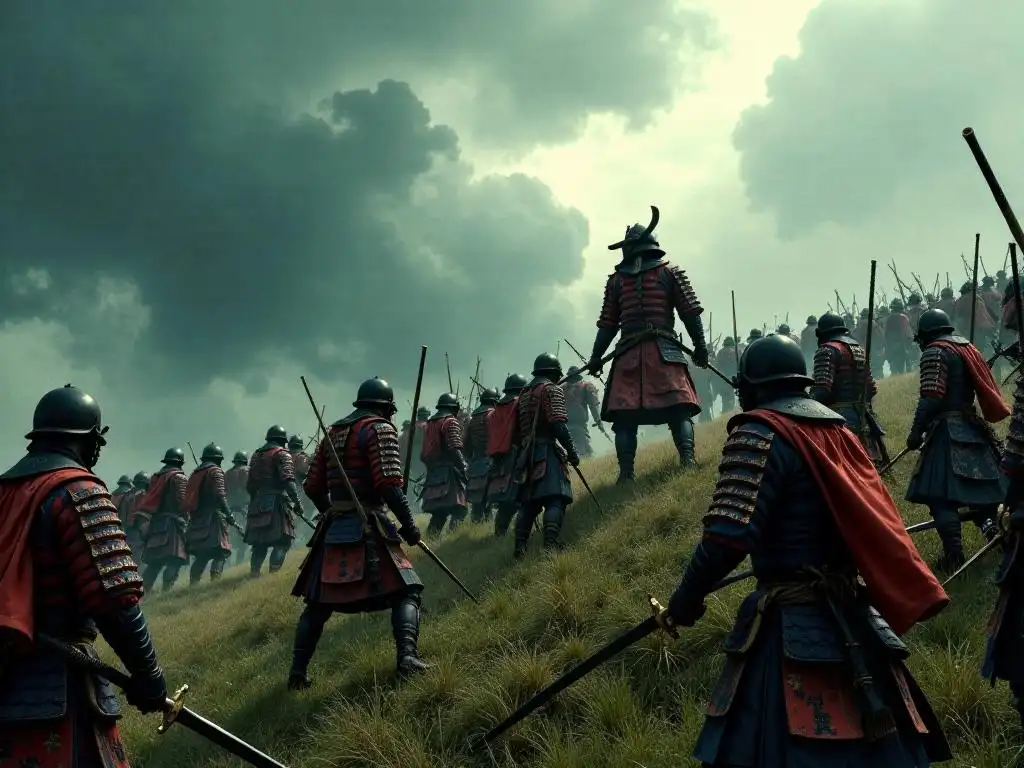
Overview of the Sengoku Period and Its Challenges
The Sengoku Period, spanning from the mid-15th to the early 17th century, is characterized by social upheaval, political intrigue, and constant military conflict among various feudal lords, known as daimyōs. This era, often referred to as the "Age of Warring States," emerged after the decline of the Ashikaga shogunate, leading to a fragmented Japan where power was contested among regional lords. Each daimyō sought to expand their territory and influence, resulting in a chaotic landscape filled with shifting alliances and betrayals.
The challenges during this period were immense. The lack of a centralized authority led to widespread violence and instability, with warlords employing mercenaries and samurai to secure their domains. Additionally, the populace faced hardships due to the constant state of warfare, leading to famine and displacement. Despite these challenges, the Sengoku Period also set the stage for significant cultural developments and the eventual emergence of a unified Japan.
Key Events: Major Battles and Their Outcomes
The Sengoku Period was marked by numerous battles that shaped the trajectory of Japan's unification. Some of the major conflicts include:
- The Battle of Okehazama (1560): Oda Nobunaga's surprise attack against the much larger army of Imagawa Yoshimoto, leading to a decisive victory that catapulted Nobunaga to prominence.
- The Battle of Nagashino (1575): This battle showcased the effectiveness of firearms in warfare, as Nobunaga's forces defeated Takeda Katsuyori, marking a significant shift in military tactics.
- The Siege of Osaka (1614-1615): A critical conflict that saw Tokugawa Ieyasu's forces besiege the Toyotomi stronghold, ultimately leading to the downfall of the Toyotomi clan.
These battles not only exemplified the strategic genius of the leaders involved but also illustrated the evolving nature of warfare during this tumultuous time.
Influential Leaders: Oda Nobunaga, Toyotomi Hideyoshi, and Tokugawa Ieyasu
Three pivotal figures emerged during the Sengoku Period, each playing a crucial role in Japan's unification:
- Oda Nobunaga: Often regarded as the first unifier of Japan, Nobunaga was known for his ruthless tactics and innovative use of firearms. His ability to forge alliances and decisively defeat his rivals laid the groundwork for the unification process.
- Toyotomi Hideyoshi: A former farmer who rose to power under Nobunaga, Hideyoshi completed the work of unification after Nobunaga's death. He implemented key reforms in land taxation and social structure, promoting stability throughout Japan.
- Tokugawa Ieyasu: The founder of the Tokugawa shogunate, Ieyasu established a lasting peace following the tumultuous Sengoku Period. His victory at the Battle of Sekigahara solidified his power and initiated a new era of stability known as the Edo Period.
Together, these leaders transformed Japan's political landscape, leading to the eventual unification of the country.
The Unification of Japan: Key Events and Turning Points
The Battle of Okehazama: Nobunaga’s Rise to Power
The Battle of Okehazama, fought in 1560, is often seen as a defining moment in Oda Nobunaga's quest for power. Facing the formidable forces of Imagawa Yoshimoto, Nobunaga's army was vastly outnumbered. However, through tactical surprise and the element of stealth, Nobunaga launched a sudden attack during a rainstorm, catching Yoshimoto's forces off guard.
The battle resulted in a decisive victory for Nobunaga, effectively eliminating a major rival and establishing him as a key player in the quest for unification. This victory not only bolstered Nobunaga's reputation but also served as a catalyst for his subsequent campaigns against other daimyōs.
The Siege of Osaka: The End of the Toyotomi Clan
The Siege of Osaka, occurring in two main phases between 1614 and 1615, marked the final conflict between the Tokugawa shogunate and the Toyotomi clan. Following the death of Toyotomi Hideyoshi, the remnants of his clan sought to challenge Tokugawa Ieyasu's dominance. The siege culminated in a series of battles, as Ieyasu aimed to eliminate the threat posed by the Toyotomi stronghold in Osaka Castle.
Ultimately, the Tokugawa forces prevailed, leading to the destruction of the castle and the end of the Toyotomi clan's influence. This victory solidified Tokugawa Ieyasu's control over Japan and paved the way for over two centuries of peace under the Edo Period.
The Battle of Sekigahara: Establishing Tokugawa Rule
The Battle of Sekigahara, fought in 1600, is often heralded as the decisive turning point in the unification of Japan. This battle saw Tokugawa Ieyasu's forces face off against a coalition of rival daimyōs opposed to his ambitions. Through strategic alliances and an understanding of battlefield tactics, Ieyasu secured a resounding victory.
The outcome of this battle effectively established Tokugawa rule over Japan and laid the foundation for the Tokugawa shogunate. The victory not only marked the end of the Sengoku Period but also initiated a prolonged era of peace and stability, allowing Japan to flourish culturally and economically for generations to come.
The Tokugawa Shogunate: Consolidating Power and Unification
The Tokugawa Shogunate, which reigned from 1603 to 1868, marked a significant era in Japan's history characterized by the unification of the country under a centralized military government. Established by Tokugawa Ieyasu after his victory at the Battle of Sekigahara in 1600, this shogunate effectively ended the period of civil war known as the Sengoku period.
Ieyasu and his successors implemented a series of strategies that not only solidified their own power but also fostered a stable and unified Japan. The shogunate enforced strict social hierarchies, implemented land reforms, and maintained peace through a complex system of control over the daimyō (feudal lords), ultimately leading to over two centuries of relative peace known as the Edo period.
The Tokugawa regime was characterized by a focus on isolationism, particularly through the Sakoku policy, which limited foreign influence and trade. This allowed for the development of a uniquely Japanese culture, while also maintaining stability. The consolidation of power by the Tokugawa Shogunate was instrumental in shaping the future of Japan, establishing a legacy that would influence the nation's political and social structures for generations to come.
The Role of Tokugawa Ieyasu in Unifying Japan
Tokugawa Ieyasu played a pivotal role in the unification of Japan, emerging as one of the most powerful figures during the tumultuous Sengoku period. After years of conflict among rival clans, Ieyasu's strategic brilliance culminated in his victory at the Battle of Sekigahara in 1600, which effectively set the stage for his ascension as shōgun. His adeptness in forming alliances and his pragmatic approach to governance allowed him to consolidate power rapidly.
As shōgun, Ieyasu implemented policies that ensured loyalty among the daimyō, including the sankin-kōtai system, which required feudal lords to spend alternating years in the capital, Edo (modern-day Tokyo). This practice not only curtailed the power of the daimyō but also helped to establish a sense of national identity among the samurai class. Ieyasu's vision of a unified Japan was not merely political; it encompassed social, economic, and cultural dimensions that would contribute to the stability of the nation.
Key Policies and Practices that Strengthened Central Authority
The Tokugawa Shogunate established several key policies that significantly strengthened central authority and facilitated the unification of Japan.
- Land Redistribution: The shogunate implemented a system of land surveys that allowed them to consolidate power over agriculture and taxation. This ensured that revenue flowed directly to the central government, reducing the financial independence of the daimyō.
- Strict Social Hierarchy: The Tokugawa regime enforced a rigid social structure, categorizing society into four distinct classes—samurai, farmers, artisans, and merchants. This hierarchy limited social mobility but ensured stability and order, as each class had defined roles and responsibilities.
- Control of the Samurai Class: By limiting the number of samurai and integrating them into bureaucratic roles, the shogunate reduced the potential for rebellion. The samurai were conditioned to serve the shogunate, fostering loyalty and discipline.
- Isolationist Policies (Sakoku): The isolationist foreign policy restricted trade and contact with foreign nations, effectively minimizing external influences that could disrupt internal unity. This allowed for the cultivation of a distinct Japanese culture.
These policies not only strengthened the shogunate's grip on power but also laid the groundwork for a stable society that thrived over the next two centuries.
The Legacy of the Unification of Japan
The unification of Japan under the Tokugawa Shogunate left a profound legacy that shaped the nation in various aspects. The centralized government established by Ieyasu and his successors provided a framework for governance that would influence Japanese political thought for generations.
Cultural and Societal Changes Post-Unification
Post-unification, Japan experienced significant cultural and societal transformations. The Edo period became a time of relative peace and prosperity, allowing for the flourishing of arts, literature, and philosophy.
- Cultural Developments: The rise of kabuki theater, ukiyo-e woodblock printing, and the tea ceremony are just a few examples of the rich cultural landscape that emerged during this time. These arts not only reflected the social norms of the era but also helped to unify the populace under a shared cultural identity.
- Economic Growth: The establishment of a stable society fostered economic growth, leading to the rise of urban centers and a merchant class. Trade routes flourished, and cities like Edo became bustling metropolises, showcasing the prosperity of a unified Japan.
- Education: The Tokugawa regime promoted education, leading to the establishment of schools and a literate populace. This emphasis on knowledge and learning helped cultivate a sense of civic responsibility among the samurai and commoners alike.
The Long-term Impact on Japanese Political Structure
The unification of Japan under the Tokugawa Shogunate set a precedent for Japan’s political structure that would resonate through history.
- Centralized Governance: The framework established during this period influenced the structure of modern Japanese governance. Even after the fall of the Tokugawa Shogunate in 1868, the centralization of power became a hallmark of Japanese political systems.
- Resistance and Reform: The legacy of the Tokugawa era also included a resistance to foreign influence, which would later lead to significant reforms during the Meiji Restoration. The desire to maintain national integrity became a driving force in Japan's transformation into a modern state.
- National Identity: The unification fostered a sense of national identity among the Japanese populace, which would be crucial in the face of external pressures and during the tumultuous changes of the late 19th and early 20th centuries.
The unification of Japan during the Tokugawa Shogunate was a complex process that involved strategic governance, cultural flourishing, and the establishment of a stable society. Its legacy continues to shape Japan's political, cultural, and social landscapes to this day.
Conclusion: Reflections on Japan's Feudal Era Unification Timeline

The unification of Japan during the feudal era stands as a pivotal moment in the nation’s history, transforming a fragmented collection of warring states into a cohesive political entity. This timeline not only highlights the significant battles and figures but also underscores the socio-political changes that took place, such as the establishment of a centralized government and the emergence of the samurai class as a dominant force. The unification process, culminating in the late 16th century, set the stage for the Edo period, which would bring about peace, stability, and cultural flourishing.
Reflecting on this timeline, one can appreciate the intricate interplay of military strategy, diplomacy, and cultural evolution that characterized the era. The figures who played crucial roles, such as Oda Nobunaga, Toyotomi Hideyoshi, and Tokugawa Ieyasu, were not merely warriors but also visionaries who understood the necessity of unifying the nation for the sake of its future. Their legacies continue to influence Japan’s identity and political landscape today.
Summary of Key Events and Figures in the Unification Process
The journey toward unification involved several key events and figures that shaped the course of Japan's history:
- Onin War (1467-1477): This conflict marked the beginning of the Sengoku period, leading to widespread chaos and the rise of local warlords.
- Oda Nobunaga (1534-1582): A significant figure in the unification effort, he initiated a series of military campaigns that dismantled the power of rival clans and laid the groundwork for a unified Japan.
- Battle of Nagashino (1575): This battle showcased the effective use of firearms by Nobunaga's army, marking a turning point in military tactics.
- Toyotomi Hideyoshi (1537-1598): Following Nobunaga’s death, Hideyoshi continued the unification efforts, achieving significant territorial expansions and social reforms.
- Battle of Sekigahara (1600): A decisive battle that led to Tokugawa Ieyasu's dominance, solidifying the Tokugawa shogunate and establishing a long period of peace known as the Edo period.
These events and figures represent the dynamic and often violent transition from disunity to a centralized state, setting the foundation for modern Japan.
Significance of the Unification of Japan in Historical Context
The unification of Japan during the feudal era is significant for several reasons:
- Political Stability: The unification ended centuries of conflict and instability. It allowed for the establishment of a centralized government under the Tokugawa shogunate, which maintained peace for over 250 years.
- Cultural Flourishing: With peace came cultural development. The Edo period saw the rise of arts, literature, and the development of a unique Japanese culture that blended traditional and foreign influences.
- Economic Growth: The unification fostered trade and economic stability. Infrastructure improvements, such as roads and communication systems, enhanced commerce and interaction among regions.
- Formation of National Identity: The unification process contributed to a sense of national identity among the Japanese people, moving from loyalty to local lords to a more unified allegiance to the shogunate.
In essence, the unification of Japan not only shaped its political landscape but also laid the groundwork for its cultural and economic advancements, influencing the course of Japanese history in profound ways.
Additional Resources on Japan's Feudal Era
To deepen your understanding of Japan's feudal era and its unification, a variety of resources are available, including books, articles, and online platforms. These materials provide insights into both the historical events and the cultural context of the time.
Recommended Reading and Research Materials
- "Samurai: The World of the Warrior" by Stephen Turnbull: This book offers an in-depth look at the samurai class and their role in Japan's unification.
- "The Making of Modern Japan" by Herbert P. Bix: A comprehensive exploration of Japan's transition from a feudal society to a modern state.
- "Japan: A History" by John W. Dower: This book provides a broad overview of Japanese history, including the feudal period and the unification process.
- Online databases like JSTOR and Project MUSE: These platforms have scholarly articles and papers on specific events and figures from Japan's feudal era.
Historical Sites and Museums Related to Japan's Unification
Exploring historical sites and museums can offer tangible connections to Japan's unification process:
- Himeji Castle: A UNESCO World Heritage site, this castle symbolizes the power and grandeur of the samurai era.
- Nijo Castle in Kyoto: This castle served as the residence of Tokugawa Ieyasu and is a prime example of the political power during the unification.
- The Toyotomi Hideyoshi Museum: Located in Osaka, this museum is dedicated to the life and achievements of Hideyoshi, one of the key figures in the unification.
- The National Museum of Japanese History: This museum in Chiba offers extensive exhibits on Japanese history, including the Sengoku period and the unification efforts.
Visiting these sites and engaging with the recommended readings can provide a deeper appreciation of the complexities and significance of Japan's feudal era unification timeline.
Final Thoughts on the Unification of Japan
The unification of Japan during the feudal era stands as a pivotal moment in the nation's history. This period, marked by intense conflict and significant political maneuvering, ultimately led to the establishment of a cohesive state that shaped the cultural and societal landscape of Japan. The efforts of key figures such as Oda Nobunaga, Toyotomi Hideyoshi, and Tokugawa Ieyasu were instrumental in this transformative process. Their strategic alliances, military campaigns, and administrative reforms laid the groundwork for a centralized government, which would endure for centuries.
Understanding the unification of Japan is crucial not only for grasping the political developments of the time but also for appreciating the cultural and social implications that followed. The consolidation of power led to the rise of the samurai class, the flourishing of arts and culture, and the establishment of a rigid social hierarchy that defined the feudal system. As we reflect on this era, it becomes evident that the unification process was not merely a series of battles; it was a complex interplay of ambition, ideology, and governance that continues to influence Japan's identity today.
The Importance of Understanding Japan's Feudal History
Understanding Japan's feudal history is vital for several reasons. Firstly, it provides insight into the political structures that governed Japan for centuries. The feudal system established a framework where loyalty and service were paramount, shaping not only political relations but also social dynamics. The relationships between lords (daimyōs) and vassals (samurai) were characterized by reciprocal obligations, which created a unique social fabric that defined Japanese society.
Secondly, this historical context allows us to appreciate the cultural developments that emerged during this period. The unification led to a flourishing of arts, literature, and philosophy, as peace allowed for the patronage of culture. Understanding these aspects gives us a deeper appreciation of Japan's rich cultural heritage, including the development of tea ceremonies, Noh theater, and the visual arts that characterized the Edo period.
Finally, a grasp of feudal history enables us to draw parallels between past and contemporary Japan. The legacies of feudalism, such as the emphasis on hierarchy, loyalty, and honor, still resonate in modern Japanese society. By studying this period, we can gain insights into contemporary issues, including governance, social relations, and cultural identity.
Encouragement for Further Exploration of the Topic
For those intrigued by Japan's feudal era and its unification, further exploration is highly encouraged. Numerous resources, including historical texts, documentaries, and art exhibitions, provide a wealth of information on the subject. Delving into specific events, such as the Battle of Sekigahara or the policies of the Tokugawa shogunate, can offer a more nuanced understanding of the complexities involved in Japan's path to unification.
Moreover, engaging with scholarly works and historical analyses can enhance your knowledge of the socio-political landscapes of feudal Japan. Visiting historical sites, such as castles and museums, can also provide a tangible connection to this fascinating period. Online forums and discussion groups dedicated to Japanese history can serve as platforms for sharing insights and fostering dialogue with fellow enthusiasts.
The unification of Japan is a rich and multifaceted topic that merits thorough exploration. By diving deeper into this era, you can uncover the layers of history that have shaped Japan into the nation it is today.
- Introduction to the Japan Feudal Era Unification Timeline
- Early Feudal Japan: The Prelude to Unification
- The Kamakura Shogunate: The First Step Toward Unity
- The Muromachi Period: Struggles and Conflicts
- The Sengoku Period: The Age of Warring States
- The Unification of Japan: Key Events and Turning Points
- The Tokugawa Shogunate: Consolidating Power and Unification
- The Legacy of the Unification of Japan
- Conclusion: Reflections on Japan's Feudal Era Unification Timeline
- Additional Resources on Japan's Feudal Era
- Final Thoughts on the Unification of Japan
Frequently Asked Questions
What was the significance of the Japan feudal era unification timeline?
The unification timeline marks critical events that led to the end of feudal conflicts and the establishment of centralized power, shaping Japan’s political landscape.
Who were the key figures in the unification of Japan?
Prominent figures include Oda Nobunaga, Toyotomi Hideyoshi, and Tokugawa Ieyasu, who played crucial roles in consolidating power and bringing stability to the feudal era.
What were the major events in the unification timeline?
Key events include the Battle of Okehazama (1560), the unification campaigns of Hideyoshi in the late 16th century, and the Battle of Sekigahara (1600), which established Tokugawa rule.
How did the feudal era influence Japanese culture?
The feudal era fostered unique cultural developments, including samurai ethics, tea ceremonies, and the rise of Noh and Kabuki theater, reflecting the values of that time.
When did the Japan feudal era officially end?
The feudal era officially ended in 1868 with the Meiji Restoration, which initiated Japan’s transformation into a modern state and dismantled the feudal system.
Final Reflection: The Enduring Legacy of Japan's Unification
The unification of Japan during the feudal era is not just a historical narrative; it is a testament to the resilience and adaptability of a nation. As we explore the key events and figures that shaped this transformative period, we recognize how these moments continue to resonate in contemporary Japan. The journey from fragmented clans to a centralized state illustrates the power of unity in overcoming adversity, a lesson that remains relevant in today's increasingly divided world.
Cultural and social landscapes are profoundly influenced by the events of the past, and Japan's unification serves as a powerful example. The consolidation of power under leaders like Oda Nobunaga, Toyotomi Hideyoshi, and Tokugawa Ieyasu not only established political stability but also fostered a rich cultural renaissance. History is not just about the past; it is a guide for the future.
This quote encapsulates the ongoing impact of Japan's unification, reminding us that the lessons learned from this era can inspire current and future generations to seek harmony and collaboration.
As we reflect on the unification of Japan, I invite you to consider how the themes of unity and resilience can be applied in your own life. What lessons can you draw from this historical timeline to navigate the challenges you face today? Embrace the spirit of collaboration and understanding that emerged from Japan's feudal era, and let it guide you in fostering connections within your community. Together, we can create a more unified and harmonious future, inspired by the rich tapestry of history that shapes our present.
Unleash Your Curiosity About Japan's History!
Thank you for taking the time to explore the fascinating journey of Japan's unification! You’ve uncovered key events and remarkable figures that shaped this incredible nation. Now, it’s your turn to dive deeper and engage with Japan's rich history.
Here’s how you can continue your exploration:
- Start a conversation! Share your thoughts or questions in the comments below about which figure or event intrigued you the most.
- Dive deeper! Check out our in-depth articles on specific eras or prominent personalities from Japan's past.
- Share the knowledge! Pass on what you’ve learned by sharing this article with friends or on social media.
What aspect of Japan's unification would you like to explore further next?