
The Influence of European Trade on Tokugawa Economic Development


Welcome to Feudal Japan History, where we embark on a fascinating journey through the intricate tapestry of Japan’s feudal era. Dive into our latest article, “The Influence of European Trade on Tokugawa Economic Development,” and uncover how foreign exchanges shaped the economic landscape of this remarkable period. What role did European merchants play in transforming Japan's economic practices? Join us as we unravel these compelling narratives and explore the societal shifts that accompanied this dynamic era. Your adventure through history begins here—let's delve deeper!
Introduction to European Trade and the Tokugawa Economy
The Tokugawa period, spanning from 1603 to 1868, marked a significant transformation in Japan's economic landscape, influenced heavily by the interactions with European traders. This era was characterized by a closed-off domestic policy known as sakoku, yet paradoxically, it also saw a selective engagement with foreign powers that shaped the economic framework of the time.
Understanding the dynamics of European trade and its impact on the Tokugawa economy requires an exploration of historical contexts, trade routes, and the socio-cultural implications of these interactions. This article delves deep into these facets, illustrating how European trade not only stimulated economic growth but also contributed to broader societal changes within feudal Japan.
Overview of the Tokugawa Era
The Tokugawa shogunate established a rigid social hierarchy and a centralized feudal system that maintained peace and stability, known as the Pax Tokugawa. During this time, agriculture remained the backbone of the economy, but trade—both domestic and international—began to flourish. The policy of isolation effectively limited Japan's engagement with the outside world, yet select European nations were allowed access, leading to a unique economic environment that blended local practices with foreign influences.
- Key Features of the Tokugawa Era:
- Centralized feudal governance
- Strict social classes: samurai, farmers, artisans, merchants
- Economic policies promoting agricultural productivity
- Limited foreign trade primarily with the Dutch and Portuguese
The Role of Trade in Feudal Japan
Trade during the Tokugawa period was pivotal to the economy and greatly influenced societal structures. The expansion of merchant classes, known as chōnin, played a crucial role in facilitating trade networks that connected various regions within Japan and with foreign entities. This economic dynamism contributed to urban growth and cultural exchange, leading to the emergence of a consumer society.
- Significant Aspects of Trade:
- Domestic trade routes connecting provinces
- Development of markets in urban centers
- Exchange of goods such as rice, textiles, and ceramics
- Cultural exchanges that influenced art and literature
Historical Context of European Trade in Japan
Early Contact with European Traders
The arrival of the Portuguese in the 1540s marked the beginning of European trade in Japan. Initially, European traders brought firearms and Christianity, impacting Japanese warfare and culture. However, it was the Dutch who later became the primary trading partner during the Tokugawa period, navigating the restrictive policies of sakoku to establish a foothold in Nagasaki.
Key European Nations Involved in Trade
The two main European nations that influenced trade with Japan during the Tokugawa era were:
- Portugal: Introduced firearms, Christianity, and new agricultural techniques.
- The Netherlands: Focused on trade of silk, spices, and other goods, and maintained a monopoly on foreign trade through the Dutch East India Company.
This selective engagement allowed Japan to benefit from European goods while controlling the cultural and religious influences that accompanied them.
The Impact of Trade on Japanese Society and Culture
The influx of European goods and ideas had profound effects on Japanese society and culture. The introduction of new technologies, such as Western-style shipbuilding and navigation, enhanced Japan's maritime capabilities. Additionally, the exchange of cultural practices enriched Japanese art, cuisine, and philosophy.
- Cultural Impacts:
- Adoption of Western technologies
- Influence on Japanese art and literature
- Introduction of new agricultural products and methods
- Changes in social dynamics due to the rise of the merchant class
The interplay between European trade and the Tokugawa economy illustrates a complex relationship that shaped Japan's historical trajectory, laying the groundwork for future modernization. As we explore this topic further, we'll uncover the intricate details of how these interactions molded the economic policies and societal structures of feudal Japan.
Mechanisms of European Trade in Tokugawa Japan
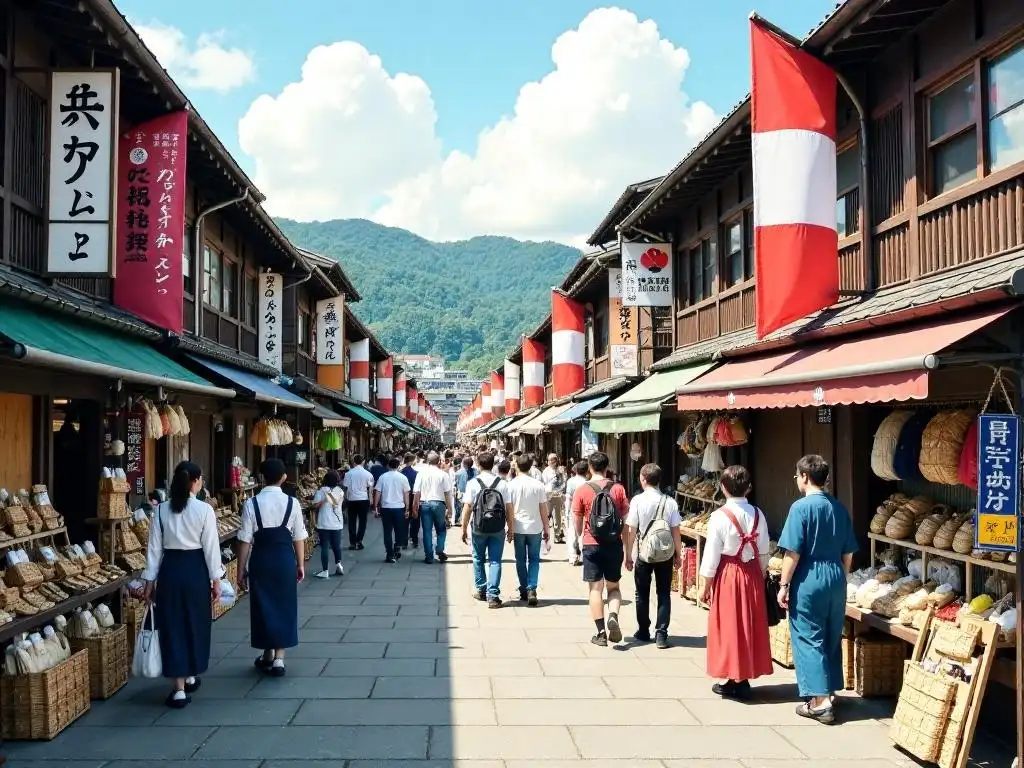
The Tokugawa period (1603-1868) marked a time of significant transformation in Japan, particularly in its economic landscape, influenced heavily by European trade. European powers, primarily the Portuguese and the Dutch, established trade networks that facilitated the exchange of goods, ideas, and technologies with Japan. This section delves into the specific mechanisms through which European trade operated during this era, highlighting trade routes, the dynamics of goods exchanged, and the regulatory frameworks that governed these interactions.
Trade Routes and Networks
European trade with Tokugawa Japan was primarily conducted through coastal ports. The Portuguese, who arrived first in the 1540s, initially used the routes that connected Japan to the growing maritime networks of Asia. The most notable port for this trade was Nagasaki, which became a hub for foreign merchants. By the early 17th century, the Dutch had also established a significant presence, leading to the development of the following key trade routes:
- Maritime Routes: The journey from Europe to Japan typically involved sailing around the Cape of Good Hope, followed by routes through Southeast Asia, where goods were exchanged or acquired.
- Nagasaki as a Trade Center: Under the Tokugawa shogunate's strict regulations, Nagasaki became the only port through which Europeans could conduct trade, effectively controlling foreign influence.
- Trade Networks: The establishment of trading companies, such as the Dutch East India Company, enabled a more structured approach to trade, with regular shipments and defined commercial practices.
These trade routes not only facilitated the exchange of goods but also allowed for the transfer of knowledge and the introduction of new technologies that would impact Japanese society.
Goods Traded: Import and Export Dynamics
The trade between European nations and Tokugawa Japan was characterized by a unique exchange of goods, reflecting both the desires of Japanese consumers and the supply from European traders. Key dynamics included:
- Imports: European traders introduced a variety of goods to Japan, including:
- Firearms and military technology, which had a profound impact on Japanese warfare.
- Textiles, particularly cotton and wool, which were highly sought after.
- Precious metals and gemstones, enhancing the wealth of traders and local samurai.
- Exports: Conversely, Japan exported several items to Europe:
- Silk, which was prized in European markets for its quality.
- Porcelain and lacquerware, which became fashionable among European elites.
- Spices and other agricultural products, which were in demand for culinary uses.
This exchange significantly influenced consumer patterns and economic development within Japan, as local artisans began to create goods tailored to European tastes.
Currency and Trade Regulations
The Tokugawa government implemented strict regulations regarding trade to control the influence of European powers and maintain stability within Japan. Key aspects of these regulations included:
- Monetary System: The use of silver and gold as primary currencies facilitated trade. However, the shogunate also issued copper coins to regulate local markets.
- Trade Licenses: Foreign traders were required to obtain licenses to conduct business, and their activities were closely monitored by Tokugawa officials.
- Bans on Christianity: In an effort to curb the influence of European missionaries, the shogunate imposed restrictions on the spread of Christianity, which had significant implications for trade relations.
These regulations helped maintain a balance between benefiting from European trade while preventing foreign domination and cultural influence.
The Economic Impact of European Trade on Tokugawa Policies
The influence of European trade during the Tokugawa period extended beyond mere commerce; it shaped the shogunate's economic policies and societal structures. This influence manifested in several ways, particularly affecting agriculture, industry, and market practices.
Influence on Agricultural Production
European trade introduced new agricultural techniques and crops to Japan, which had lasting effects on local production. Key influences included:
- Crop Diversification: New crops, such as sweet potatoes and corn, were introduced, which contributed to food security and varied diets.
- Agricultural Techniques: European methods of farming, including crop rotation and fertilization techniques, were adopted by Japanese farmers, improving yield and efficiency.
- Market Orientation: With the burgeoning demand for food products, especially in urban areas, farmers began to shift their production to meet market needs rather than solely subsistence, leading to increased commercialization of agriculture.
These changes not only improved Japan's agricultural output but also integrated it more deeply into a market economy.
Effects on Industry and Craftsmanship
The introduction of European goods and technologies had a profound impact on Japanese industry and craftsmanship:
- Industrial Growth: The demand for European goods spurred local industries to adapt and innovate, particularly in textiles and metalwork.
- Craftsmanship Evolution: Traditional crafts evolved as artisans incorporated new techniques and designs. The influx of European silverware and porcelain spurred local artisans to refine their skills and produce higher-quality goods.
- Emergence of Specialized Crafts: The market for European goods led to the rise of specialized crafts and industries, which contributed to economic diversification.
This evolution not only enhanced the quality of Japanese products but also positioned them competitively in international markets.
Changes in Market Structures and Trade Practices
European trade significantly altered market structures and practices within Japan, leading to a more dynamic economy:
- Rise of Merchant Class: The flourishing trade created a new class of merchants who gained wealth and influence, challenging the traditional samurai class's dominance.
- Market Integration: Increased trade led to greater market integration across Japan, with goods moving more freely between regions, facilitated by improved transportation networks.
- Commercial Practices: European trade practices introduced concepts such as credit, bills of exchange, and joint-stock companies, which began to influence local commerce and trade practices.
These changes set the stage for a more complex economic landscape, paving the way for Japan's eventual modernization in the late 19th century.
Comparison of European Trade and Domestic Trade in Tokugawa Japan
The Tokugawa period (1603-1868) marked a significant era in Japan's history, characterized by the establishment of a stable government under the Tokugawa shogunate. During this time, the influence of European trade began to reshape the existing domestic trade framework. Understanding the differences between these two trade systems provides insight into the broader implications for the Tokugawa economy.
Differences in Trade Practices
European trade in Tokugawa Japan was largely conducted through regulated channels, primarily involving specific foreign entities such as the Dutch and the Portuguese. Unlike the more fluid domestic trade, which involved local merchants and a variety of goods exchanged across regional markets, European trade was heavily monitored by the shogunate.
- Regulation and Control: The Tokugawa shogunate imposed strict regulations on foreign trade to maintain control over external influences. This included limited trading posts and designated trade ports, such as Dejima.
- Types of Goods: European traders introduced unique products, including firearms, textiles, and new agricultural techniques, which contrasted with Japan’s local goods, such as rice, silk, and pottery.
- Cultural Exchange: The interaction with European traders also facilitated a cultural exchange unlike the domestic market, where traditional practices dominated. This exchange included the introduction of Western scientific knowledge and Christianity, although the latter was eventually suppressed.
Economic Benefits and Challenges
The influx of European trade brought about both economic benefits and challenges for the Tokugawa economy.
- Benefits:
- Access to New Markets: European trade opened new markets for Japanese goods, stimulating certain sectors of the economy.
- Increased Revenue: The shogunate profited from tariffs and taxes imposed on foreign trade, providing a financial boost to the government.
- Technological Advancements: European innovations in agriculture and industry began to influence Japanese practices.
- Challenges:
- Dependence on Foreign Goods: The Tokugawa economy began to experience a level of dependency on imported European products, which could disrupt local industries.
- Cultural and Social Tensions: The introduction of foreign ideas and goods often led to tensions within Japanese society, as traditional values clashed with new influences.
Long-term Implications for Tokugawa Economy
The influence of European trade during the Tokugawa period had lasting implications for Japan's economic landscape.
- Shift in Economic Paradigms: The engagement with European traders signaled a shift towards a more globalized economy, which would eventually set the stage for Japan’s modernization in the Meiji Restoration.
- Transition of Trade Practices: As European goods became more integrated into Japanese markets, traditional trade practices began to evolve, blending local and foreign methods.
- Foundation for Future Relations: The experiences and lessons learned from European trade interactions laid the groundwork for Japan’s later foreign relations, influencing its approach to globalization in the 19th and 20th centuries.
Case Studies of Key Trade Interactions

Several case studies illustrate the complex dynamics of European trade interactions during the Tokugawa period, highlighting the significance of these exchanges on economic development.
The Dutch Trading Post in Dejima
Dejima, a small artificial island in Nagasaki Bay, served as the only official gateway for Dutch trade in Japan during the Tokugawa shogunate. The Dutch East India Company (VOC) operated here under stringent regulations, allowing for a controlled exchange of goods and ideas.
- Economic Impact: The VOC's activities in Dejima facilitated the flow of silver from Japan to Europe, while also introducing European goods, such as wool and glassware, to Japanese consumers.
- Cultural Exchange: This trading post became a center for knowledge transfer, where Western scientific and medical knowledge began to permeate Japanese society, impacting fields like medicine and astronomy.
The Role of Portuguese Merchants
Initially, Portuguese traders were among the first Europeans to establish trade relations with Japan, focusing on commodities like silk, spices, and firearms.
- Early Influence: Their introduction of firearms significantly changed the military landscape in Japan, influencing feudal conflicts and the power dynamics among samurai clans.
- Religious Context: The Portuguese also played a critical role in the spread of Christianity, although this would later lead to conflict and suppression as the Tokugawa shogunate sought to eliminate foreign influence.
Analysis of Trade Agreements and Treaties
The Tokugawa shogunate engaged in several treaties and agreements with European powers that shaped the nature of trade and economic interactions.
- Regulatory Framework: These agreements established a regulatory framework that balanced the interests of the shogunate with those of European traders, ensuring that Japan retained control over its resources.
- Impact on Domestic Policies: The necessity to engage with foreign powers led to shifts in domestic economic policies, as the shogunate sought to modernize certain practices while safeguarding national interests.
- Long-term Effects: The precedents set during this period influenced Japan's later trade negotiations and foreign policy, particularly during the opening of Japan in the mid-19th century.
Through these case studies, it is clear that European trade played a pivotal role in shaping the economic landscape of Tokugawa Japan, affecting both immediate trade practices and long-term economic development.
Conclusion: The Legacy of European Trade on the Tokugawa Economy
The influence of European trade on the Tokugawa economy is a complex tapestry woven from the threads of commerce, cultural exchange, and economic policy. The Tokugawa shogunate, which ruled Japan from 1603 to 1868, witnessed the advent of European traders, primarily the Portuguese and Dutch, who brought with them not only goods but also new ideas and technologies. This interaction had profound effects on Japan's economic development, leading to significant shifts in trade practices, agricultural production, and even social structures.
European trade introduced Japan to a global market system, encouraging the development of regional trade networks and the exchange of commodities such as silk, rice, and metals. The influx of foreign goods created a demand that stimulated domestic production and innovation. However, the Tokugawa shogunate also recognized the need to control this influence to maintain social order and political stability, which led to the implementation of strict trade regulations and the eventual isolationist policies that characterized the later years of the regime.
The legacy of European trade during the Tokugawa period is one of both enrichment and restraint. While it opened new avenues for economic growth and diversification, it also prompted a reactionary stance that sought to protect Japanese culture and sovereignty. This duality continues to resonate in Japan's economic narrative and its approach to foreign relations.
Summary of Key Points
- Trade Dynamics: The Tokugawa economy was significantly shaped by European traders, particularly the Portuguese and Dutch, who engaged in lucrative exchanges of goods.
- Economic Growth: The introduction of new commodities and ideas galvanized domestic production and trade, fostering a more complex economic structure.
- Government Regulation: The shogunate implemented strict regulations to manage foreign influence, leading to policies that favored a controlled and stable economic environment.
- Lasting Impact: The interactions with European traders set the stage for Japan's later economic transformations and its eventual emergence as a modern nation-state.
Reflection on the Broader Impact on Japanese Economic History
European trade during the Tokugawa era played a crucial role in the broader context of Japanese economic history. The initial influx of foreign goods and ideas laid the groundwork for Japan's transition from a feudal economy to a more integrated market system. This period of contact not only diversified Japan's economic base but also introduced concepts of capitalism that would later influence the Meiji Restoration.
The Tokugawa period's cautious approach to European influence reflects a pivotal moment in Japan's journey towards modernization. The legacy of this era can be seen in the subsequent economic policies implemented during the Meiji period, which sought to embrace Western technologies while preserving Japanese cultural identity. Thus, the Tokugawa engagement with European trade can be viewed as a foundational chapter in Japan's economic evolution, balancing the pressures of globalization with the imperatives of national integrity.
Further Reading and Resources on Tokugawa Economic Policies
Recommended Books and Articles
- "The Tokugawa World" by James L. McClain: This comprehensive text explores various aspects of Tokugawa society and economy, shedding light on the era's complexities.
- "Japan and the Dutch 1600-1850" by R. J. Smith: An insightful examination of the Dutch trade's impact on Japan, focusing on the economic and cultural exchanges that ensued.
- "Economic History of Japan: 1600-1990" by Takafusa Nakamura: This book provides a detailed analysis of Japan's economic development, including the influence of foreign trade during the Tokugawa period.
Online Resources for In-depth Exploration
- National Diet Library of Japan: Offers a wealth of historical documents and articles related to Japan’s feudal history and economic policies.
- Japan Society: Features a range of resources, including lectures and articles that delve into Japan's Tokugawa era and its economic implications.
- The Tokugawa Institute for the Humanities: An academic resource offering research papers and publications focusing on the Tokugawa period, including economic studies and trade relations.
By exploring these resources, readers can gain a deeper understanding of how European trade influenced the Tokugawa economy and shaped the trajectory of Japanese economic history.
- Introduction to European Trade and the Tokugawa Economy
- Overview of the Tokugawa Era
- The Role of Trade in Feudal Japan
- Historical Context of European Trade in Japan
- Mechanisms of European Trade in Tokugawa Japan
- The Economic Impact of European Trade on Tokugawa Policies
- Comparison of European Trade and Domestic Trade in Tokugawa Japan
- Case Studies of Key Trade Interactions
- Conclusion: The Legacy of European Trade on the Tokugawa Economy
- Further Reading and Resources on Tokugawa Economic Policies
- What was the role of European trade in the Tokugawa economy?
- How did European trade affect Japanese culture during the Tokugawa period?
- What were the main goods traded between Europe and Japan during the Tokugawa period?
- Did European trade impact the political landscape of Tokugawa Japan?
- How did the Tokugawa shogunate regulate European trade?
Frequently Asked Questions
What was the role of European trade in the Tokugawa economy?
European trade played a crucial role in the Tokugawa economy by introducing new goods and ideas, which stimulated economic growth and diversification in Japan during the feudal era.
How did European trade affect Japanese culture during the Tokugawa period?
The influx of European goods and ideas influenced Japanese culture, leading to the emergence of new art forms, fashion, and even changes in social customs that reflected global trends.
What were the main goods traded between Europe and Japan during the Tokugawa period?
Key goods included silk, spices, and other luxury items from Japan, while Europeans exported textiles, weapons, and pottery, which enriched the Tokugawa economy and trade networks.
Did European trade impact the political landscape of Tokugawa Japan?
Yes, European trade contributed to shifts in the political landscape by fostering relationships between Japanese leaders and foreign traders, which influenced internal policies and diplomatic strategies.
How did the Tokugawa shogunate regulate European trade?
The Tokugawa shogunate implemented strict regulations on European trade, allowing limited foreign contact to maintain control over economic influences and prevent potential disruptions to their authority.
Final Reflection: The Lasting Impact of European Trade on Tokugawa Economic Development
The intricate relationship between European trade and the Tokugawa economy remains profoundly relevant today, as it highlights the transformative power of global commerce. The historical exchanges between Europe and Japan during the Tokugawa period not only shaped economic structures but also laid the groundwork for cultural interactions that resonate in our modern world. This dynamic illustrates how trade can be a catalyst for change, bridging diverse societies and fostering innovation.
The legacy of European trade during the Tokugawa era continues to influence our cultural and social landscapes, reminding us of the interconnectedness of economies across the globe. The exchanges of goods, ideas, and technologies during this period were pivotal in shaping Japan's economic trajectory and its eventual emergence as a global player. As historian John W. Hall noted, The Tokugawa period was a time of profound change, where external influences reshaped internal dynamics.
This observation underscores the importance of understanding historical trade relationships as we navigate our increasingly globalized economy today.
As we reflect on the lessons from the Tokugawa period, I invite you to consider how the principles of trade and cultural exchange can be applied in your own life. Think about the ways in which you can foster connections across cultures, embrace diversity, and contribute to a more interconnected world. By recognizing the historical significance of European trade in shaping the Tokugawa economy, we can draw inspiration to engage in meaningful exchanges that enrich our communities and promote mutual understanding in our contemporary society.
Unveil the Secrets of Global Commerce in Feudal Japan!
Thank you for exploring the fascinating impact of European trade on the economic development of Tokugawa Japan! Your interest in this pivotal era not only enriches your understanding but also empowers you to engage with the complexities of history. Now, let’s take that newfound knowledge and turn it into action!
- Dive deeper: Read our detailed articles on key European traders of the era to discover how they influenced local economies.
- Join the community: Share your thoughts and insights on our forums or social media—discuss how trade influenced cultural exchange during the Tokugawa period!
- Experience history: Create a virtual timeline of significant trade events in Japan and challenge your friends to enhance their historical knowledge.
What aspect of European trade do you find most intriguing in shaping the future of Tokugawa Japan?