
The Decline of Samurai Warfare: From Feudal Battles to Modern Conflicts

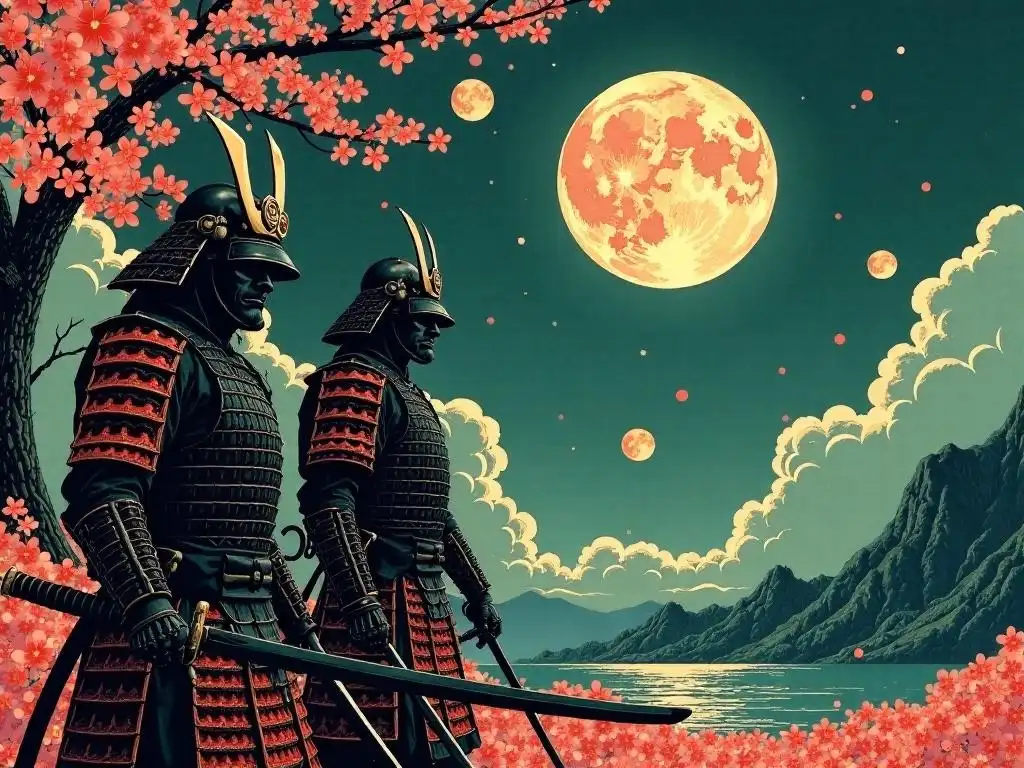
Welcome to Feudal Japan History, where we embark on a captivating journey through the intricate tapestry of Japan's feudal era. Here, we delve into the decline of samurai warfare, a pivotal transformation that reshaped the nation’s military landscape and societal structure. As you navigate through our expertly crafted articles, prepare to uncover the rich cultural nuances and historical shifts that led to the end of an age defined by valor and honor.
What prompted this remarkable evolution, and how did it pave the way for modern conflicts? Join us as we unravel these questions and more, igniting your curiosity and deepening your understanding of this fascinating chapter in military history.
Introduction to Samurai Warfare
The decline of samurai warfare marks a significant transition in Japan's military history, reflecting broader changes in society, technology, and politics. The samurai, once the epitome of martial prowess and noble conduct, found their relevance challenged as Japan moved towards modernization.
This article delves into the intricate details of this decline, tracing the trajectory from the feudal battles that defined an era to modern conflicts that rendered traditional samurai warfare obsolete. Through a comprehensive exploration of historical events, sociopolitical structures, and the evolving nature of warfare, we aim to shed light on the factors that contributed to the diminishing role of samurai in Japan's military landscape.
Understanding the Samurai's Role in Feudal Japan
The samurai were not just warriors; they were a pivotal element of Japan's feudal system. Emerging during the Heian period (794-1185), they served as the military nobility who upheld the interests of their lords, known as daimyōs. Their role was intricately tied to the concept of loyalty and honor, embodying the values of bushido, which dictated their conduct both on and off the battlefield. The samurai's influence extended beyond warfare; they were also landowners, administrators, and cultural custodians, contributing significantly to the political and social fabric of feudal Japan.
- Key aspects of the samurai's role included:
- Military Service: Acting as elite warriors in service to their lords.
- Land Ownership: Managing estates and collecting taxes.
- Cultural Patronage: Supporting arts, poetry, and philosophy.
The Evolution of Samurai Tactics and Strategies
As Japan's conflicts evolved, so too did the tactics and strategies employed by the samurai. Initially, battles were characterized by individual combat and honor-driven duels. However, as warfare progressed, there was a notable shift towards organized troop formations and the use of more advanced weaponry. The introduction of firearms in the 16th century, for instance, revolutionized samurai combat, leading to the development of new strategies that integrated gunpowder alongside traditional swordsmanship.
- Notable changes in tactics included:
- From Individual Combat to Group Strategy: Emphasis on teamwork and formations.
- Adoption of Firearms: Incorporating muskets and cannons into battle strategies.
- Use of Terrain: Leveraging geographical advantages for tactical superiority.
The Historical Context of Samurai Warfare
Understanding the decline of samurai warfare requires a thorough examination of the historical context in which these warriors operated. The samurai era, marked by numerous feudal conflicts and shifting allegiances, laid the groundwork for their eventual decline. Key battles and events not only shaped military tactics but also influenced the sociopolitical landscape of Japan.
Key Battles and Events in the Samurai Era
Throughout the samurai era, several pivotal battles defined the course of Japanese history. Events such as the Genpei War (1180-1185) and the Sengoku period (1467-1603) were instrumental in establishing the dominance of the samurai. These conflicts not only illustrated their martial capabilities but also revealed the limitations of their warfare as Japan transitioned towards centralized power under the Tokugawa shogunate.
- Significant battles include:
- The Battle of Dan-no-ura: A decisive naval battle that concluded the Genpei War.
- The Battle of Sekigahara: A turning point that established Tokugawa Ieyasu's rule and marked the start of a new era.
- The Siege of Osaka: A final stand of the Toyotomi clan against Tokugawa forces.
The Socio-Political Structure of Feudal Japan
The samurai were deeply embedded within the feudal structure of Japan, which was characterized by a hierarchy of power and land ownership. The daimyōs controlled vast territories, while the samurai served as their loyal retainers. This system fostered a culture of loyalty and service, but it also created vulnerabilities, particularly as centralized governance began to take precedence over feudal allegiances.
- Key elements of the socio-political structure included:
- Daimyōs: Powerful feudal lords who commanded loyalty from samurai.
- Vassalage: The relationship between samurai and their lords, rooted in mutual obligation.
- Centralization of Power: The rise of the shogunate diminished the influence of individual samurai.
The Influence of Bushido on Samurai Warfare
Bushido, the way of the warrior, was a code of conduct that shaped the samurai's approach to warfare and life. This ethical framework emphasized virtues such as loyalty, honor, and courage, guiding samurai behavior on and off the battlefield. However, as Japan modernized and new military ideologies emerged, the rigid adherence to bushido began to clash with the demands of contemporary warfare.
- Core principles of bushido included:
- Loyalty: Deep allegiance to one’s lord.
- Honor: The pursuit of personal and familial honor.
- Courage: Bravery in the face of adversity, both in battle and in life challenges.
As we explore the decline of samurai warfare, it is essential to understand these complex layers of history, culture, and societal change that led to the transformation of Japan's military traditions.
Factors Contributing to the Decline of Samurai Warfare
The decline of samurai warfare was influenced by various interrelated factors that reshaped the Japanese military landscape during the late feudal era. One of the most significant factors was the transformation of warfare tactics, which evolved from individual combat to more organized and strategic military operations. This shift demanded a different kind of soldier—one that was less about personal honor and more about collective efficiency and discipline.
Changing Warfare Tactics: From Feudal to Modern
As Japan transitioned from the feudal period, the nature of warfare changed dramatically. Traditional samurai warfare, characterized by individual valor and hand-to-hand combat, began to give way to tactics that emphasized formations, artillery, and coordination among troops. Battles became less about personal duels and more about large-scale engagements, where the effectiveness of a unit was paramount. This change required soldiers to be trained in new strategies and tactics, rendering the classical samurai fighting style increasingly obsolete.
The Impact of Western Influence on Japanese Military
The arrival of Western powers in the 19th century introduced new military technologies and strategies that drastically altered Japan’s approach to warfare. The incorporation of Western firearms, naval technology, and military organization led to the modernization of the Japanese military. The adoption of these new methods diminished the traditional samurai's role, as they were ill-equipped to compete with modern armies that utilized rifles, cannons, and advanced naval vessels. Moreover, exposure to Western military thought prompted Japanese leaders to reevaluate their own practices and integrate more systematic training and discipline into their forces.
The Rise of the Tokugawa Shogunate and Its Effects
The consolidation of power under the Tokugawa Shogunate (1603-1868) created a long period of relative peace known as the Edo period. During this time, the need for constant military engagement diminished significantly. As a result, many samurai found themselves without the opportunities for combat that had previously defined their class.
The shogunate's emphasis on internal peace and stability led to a bureaucratic system that prioritized governance over warfare, further reducing the samurai's role as warriors. The growing bureaucracy and the establishment of a standing army marked a shift in military focus that contributed to the decline of the samurai class.
Economic Changes and Their Impact on Samurai Class
Economic transformations during the Edo period also played a crucial role in the decline of samurai warfare. The rise of commerce and the merchant class led to a shift in wealth distribution, undermining the traditional feudal structure that supported the samurai. As many samurai became dependent on stipends from their lords, fluctuations in the economy made it increasingly difficult for them to maintain their status and lifestyle. Additionally, as the economy diversified, the samurai's reliance on warfare as a means of livelihood weakened, making way for a more commercially driven society.
The Transition from Samurai Warfare to Modern Conflicts
The transition from samurai warfare to modern conflicts was marked by significant societal and military reforms, particularly during the late 19th century. This period saw the dismantling of the traditional samurai class and the reorganization of Japan's military capabilities.
The Meiji Restoration and Military Reforms
The Meiji Restoration (1868) was a turning point that initiated the modernization of Japan, including its military. The new government recognized the need to build a modern army that could compete with Western powers. Reforms were implemented to create a conscripted army, which replaced the samurai's role as the primary military force. This shift not only dissolved the traditional samurai warrior ethos but also embraced a more inclusive approach to military service, drawing recruits from across the social spectrum.
The Abolition of the Samurai Class
In the wake of the Meiji Restoration, the samurai class was officially abolished in 1876, leading to the loss of their special privileges and status. This transition was part of a broader effort to create a unified and modern nation-state. The government introduced laws that stripped former samurai of their right to carry swords and engage in warfare, effectively ending their historical role as warriors. While some former samurai adapted to new roles in government or business, many struggled to find their place in a rapidly changing society.
New Technologies in Warfare and Their Implications
The introduction of new technologies, such as rifles, machine guns, and artillery, fundamentally altered the nature of conflict. Unlike the traditional samurai battles, which emphasized skill and honor, modern warfare relied on mass production, logistics, and technology. This shift rendered the samurai's combat skills obsolete, as the focus moved towards coordinated efforts and technological superiority. The implications of these advancements were profound, leading to a military that was more efficient and deadly, and one that marked the definitive end of the samurai era in Japan.
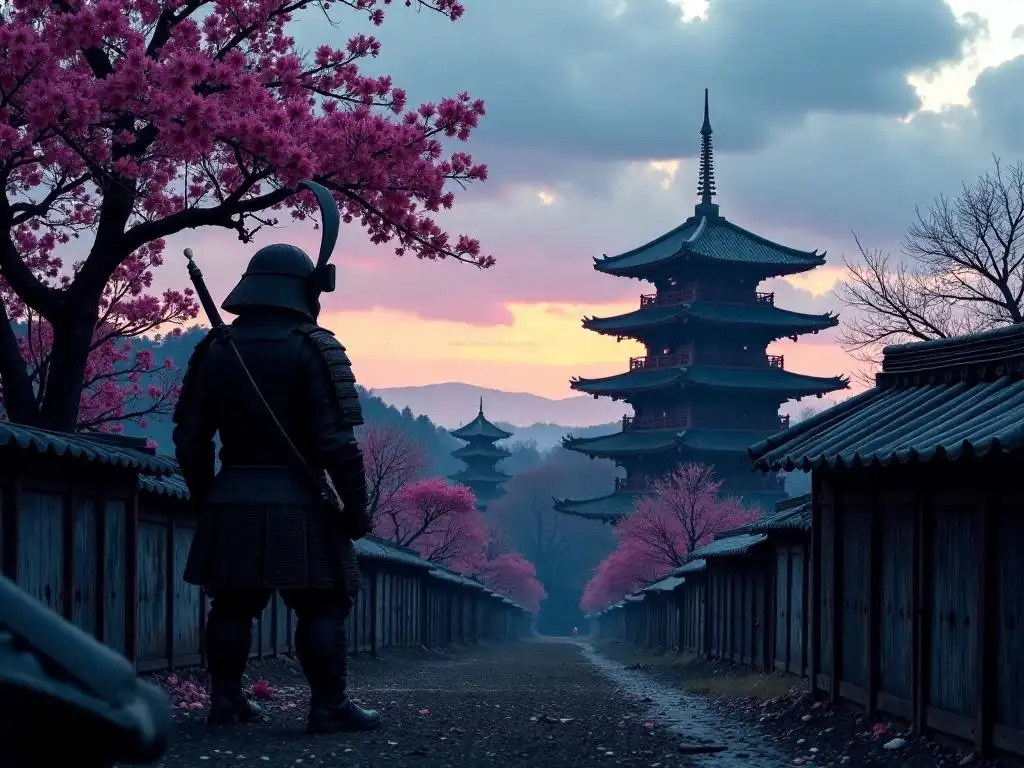
As Japan transitioned from the feudal era into the modern age, the decline of samurai warfare was accompanied by profound cultural and societal shifts. The end of the samurai's military dominance was not merely a matter of changing tactics or weaponry; it marked a significant transformation in the societal structure and the roles individuals played within it.
The samurai class, which had once held power and influence, began to lose its status as Japan moved towards a more centralized government and modernized military. This transition led to the erosion of the traditional values associated with the samurai ethos, such as bushido (the way of the warrior), which emphasized loyalty, honor, and personal sacrifice.
Moreover, with the advent of the Meiji Restoration in 1868, Japan embraced Western ideas and technologies, further diminishing the relevance of the samurai in warfare. As the government sought to build a modern nation-state, the samurai’s role as the elite military class was replaced by a conscript army that reflected new ideals of citizenship and service. This shift not only altered the military landscape but also influenced the general populace's perception of martial honor and the samurai's place in society.
The Changing Perception of Samurai in Japanese Society
The samurai's perception in Japanese society underwent significant changes during the decline of their traditional warfare role. Initially revered as noble warriors, samurai began to be viewed through a more critical lens as their military relevance waned. The rise of a national army diminished the samurai's exclusive rights to bear arms, leading to a societal reevaluation of their status. This shift was accentuated by the portrayal of samurai in literature and popular culture, where they were often depicted as tragic figures struggling to adapt to a rapidly changing world.
As Japan modernized, the samurai's image evolved from that of a fierce warrior to a symbol of an idyllic past. The romanticization of samurai culture became prominent in the late 19th and early 20th centuries, with literature and films celebrating their values. However, the reality was that the samurai's practical influence in military and political matters had diminished considerably, leading to a complex legacy that combined admiration with nostalgia.
The Legacy of Samurai Values in Modern Japan
Despite the decline of their military power, the values and ethics associated with the samurai have left a lasting imprint on modern Japanese society. Concepts derived from bushido, such as loyalty, honor, and discipline, continue to resonate in various aspects of contemporary life, from business practices to personal conduct. The samurai ethos has been integrated into the national identity, influencing everything from martial arts to corporate culture.
Moreover, the aesthetic elements of samurai culture, such as traditional arts, architecture, and ritual practices, persist in modern Japan. Festivals celebrating samurai history and martial arts competitions reflect a continued reverence for this unique heritage. Today, while the samurai class no longer exists, their values and the cultural significance of their legacy remain embedded in the fabric of Japanese society.
Conclusion: The End of an Era
The decline of samurai warfare marked the conclusion of a significant chapter in Japan's military history. It was an era characterized by honor, valor, and a distinct warrior code that shaped not only the battlefield but also the cultural landscape of the nation. As Japan moved towards modernization, the samurai's role transformed from that of a warrior elite to a figure of historical significance, representing both the glory and the burdens of a bygone era.
Reflections on the Decline of Samurai Warfare
Reflecting on the decline of samurai warfare provides insights into how societies evolve and adapt to changing circumstances. The transition from a feudal military system to a modern army illustrates a broader theme of transformation that can be seen in many cultures throughout history. The decline of the samurai was not merely a loss of power but also a necessary step towards the establishment of a unified and modern Japan, capable of engaging with the global community.
In considering this decline, it is essential to recognize the complexities of historical narratives. The samurai's legacy is not one of simple defeat; rather, it is a multifaceted story of adaptation, cultural evolution, and the interplay between tradition and modernity.
The Lasting Impact of Samurai Culture on Modern Military Practices
Although the samurai as a military force have long since vanished, their influence persists in modern military practices, both in Japan and beyond. Elements of strategy, discipline, and leadership derived from samurai traditions have been integrated into modern military training and doctrine. The emphasis on honor and ethical conduct in the armed forces can be traced back to samurai values, which continue to inspire contemporary military personnel.
Additionally, the samurai's tactical innovations and approaches to warfare have been studied and adapted within modern military academies, highlighting the enduring relevance of their experiences in the face of evolving combat scenarios. The legacy of samurai culture thus continues to inform and shape military ethos and practices, ensuring that the lessons learned from this storied past remain vital to the present and future of military operations.
Additional Resources and Further Reading
To gain a deeper understanding of the decline of samurai warfare and its implications on Japanese society, there are numerous resources available. These resources encompass a variety of formats, from books to online archives and documentaries, providing a comprehensive view of the historical context, cultural significance, and the evolution of military strategies during and after the samurai era. Below, we have curated a selection of recommended books and online resources to enhance your exploration of this fascinating topic.
Recommended Books on Samurai Warfare
-
"Samurai Warfare: The Strategy, Tactics, and Philosophy of the Samurai" by Stephen Turnbull
This book offers an insightful analysis of the military strategies and tactics employed by samurai warriors throughout the feudal period. Turnbull provides rich historical context and examines how these approaches evolved over time, contributing to the decline of traditional samurai warfare.
-
"The Last Samurai: The Life and Battles of Saigo Takamori" by Mark Ravina
Focusing on one of the most prominent figures of the samurai era, this biography highlights Saigo Takamori's pivotal role during the Meiji Restoration and how his life symbolizes the transition from samurai to modern warfare.
-
"Bushido: The Soul of Japan" by Inazo Nitobe
Although not strictly a military history, this classic work delves into the ethical code of the samurai, exploring how the values and principles of bushido influenced samurai conduct in warfare and contributed to their eventual decline as a dominant force.
-
"The Samurai: A Military History" by John M. Koller
Koller presents a comprehensive overview of samurai history, focusing on their military roles within feudal Japan. The book provides valuable insights into the societal structures that supported samurai warfare, as well as the factors leading to its decline.
-
"Warriors of Japan as Portrayed in the War Tales" by Thomas D. Conlan
This examination of war tales offers a unique perspective on the samurai's role in warfare, shedding light on the narratives that shaped their identity and the subsequent transformation in military practices.
Online Archives and Documentaries on Feudal Japan
-
National Diet Library Digital Collections
This extensive online archive features a wealth of primary sources, including historical documents, photographs, and texts related to samurai warfare and the broader feudal era in Japan. Scholars and enthusiasts can access rare materials that illuminate the military practices of the time.
-
"The Samurai: A History" (Documentary)
This documentary provides an engaging overview of the samurai's rise and fall, examining key battles, cultural shifts, and the eventual transformation of Japan's military landscape. It serves as an excellent visual resource for understanding the decline of samurai warfare.
-
"Feudal Japan: The Age of the Samurai" (Online Course)
Offered by various educational platforms, this course explores the intricacies of feudal Japan, including the military strategies of the samurai. It includes lectures, discussions, and multimedia resources, making it a valuable tool for those seeking an in-depth academic perspective.
-
"Secrets of the Samurai" (BBC Documentary)
This documentary series delves into the lives of samurai warriors, exploring their training, battles, and the cultural significance of their code of honor. It highlights the factors that contributed to the decline of samurai warfare in an accessible format.
These resources will not only enhance your understanding of the decline of samurai warfare but also provide a broader context for appreciating the complexities of Japan's feudal history.
- Introduction to Samurai Warfare
- The Historical Context of Samurai Warfare
- Factors Contributing to the Decline of Samurai Warfare
- The Transition from Samurai Warfare to Modern Conflicts
- Cultural and Societal Shifts Related to the Decline of Samurai Warfare
- Conclusion: The End of an Era
- Additional Resources and Further Reading
- What were the main factors contributing to the decline of samurai warfare?
- How did the Meiji Restoration affect samurai practices?
- In what ways did modern warfare differ from samurai battles?
- What cultural impacts did the decline of samurai warfare have on Japan?
- Are there remnants of samurai culture in contemporary Japan?
Frequently Asked Questions
What were the main factors contributing to the decline of samurai warfare?
The decline of samurai warfare was influenced by several factors, including the rise of centralized power, the introduction of modern military technologies, and changes in political structures during the Meiji Restoration.
How did the Meiji Restoration affect samurai practices?
The Meiji Restoration marked a significant shift, as it aimed to modernize Japan and diminish the power of the samurai class, leading to the abolishment of their privileges and the transition to a conscript army.
In what ways did modern warfare differ from samurai battles?
Modern warfare introduced industrial techniques, advanced weaponry, and strategic tactics that contrasted sharply with the honor-based combat and personal duels characteristic of samurai battles.
What cultural impacts did the decline of samurai warfare have on Japan?
The decline of samurai warfare led to a transformation in Japanese culture, influencing literature, art, and the perception of honor, shifting from martial valor to themes of modern citizenship and national identity.
Are there remnants of samurai culture in contemporary Japan?
Yes, remnants of samurai culture persist in contemporary Japan through practices such as kendo, historical reenactments, and the continued reverence for bushido principles, reflecting a blended identity of past and present.
Final Reflection: Embracing the Legacy of Samurai Warfare
The decline of samurai warfare marks not just a shift in military tactics but a profound transformation in cultural identity and societal values. As we navigate the complexities of modern conflicts, it is essential to recognize how the principles and philosophies of the samurai continue to resonate today. The lessons learned from their disciplined approach to honor, loyalty, and strategy remain relevant in our contemporary world, reminding us that the essence of warfare transcends mere physical combat.
Culture is an ever-evolving tapestry, woven from the threads of history, tradition, and innovation. The decline of samurai warfare has left an indelible mark on Japanese society and beyond, influencing everything from literature and film to martial arts and ethical frameworks. The samurai's commitment to bushido, or the way of the warrior, serves as a guiding principle for many, emphasizing integrity and respect in all aspects of life. The ultimate aim of the martial arts is not having to use them.
This quote encapsulates the enduring philosophy that the true strength of a warrior lies not in their ability to fight, but in their capacity for restraint and wisdom.
As we reflect on the decline of samurai warfare, let us consider how we can embody the virtues of the samurai in our daily lives. Each of us has the opportunity to cultivate resilience, honor our commitments, and approach challenges with a sense of purpose. I invite you to explore how the lessons of the past can inform your present and shape a more compassionate future. By embracing the legacy of the samurai, we can foster a world where understanding and respect prevail over conflict and division.
Unveil the Legacy of Samurai Warfare!
Thank you for diving into the fascinating journey of samurai warfare and its evolution from feudal battles to contemporary conflicts. You've gained a deeper understanding of how historical shifts influence modern martial practices and cultural identities. Now it’s time to take that knowledge and explore further!
Here’s how you can continue your journey:
- Explore local museums or online exhibitions showcasing samurai artifacts and their historical significance.
- Share this article with friends and fellow history enthusiasts to ignite discussions on the impact of samurai culture in today's world.
- Join a community or forum dedicated to Japanese history to connect with others who share your passion and interests!
What aspect of samurai warfare intrigues you the most, and how do you think it has shaped modern cultural narratives?