
Preserving History: How Feudal Japan Figurines Tell the Story of the Past

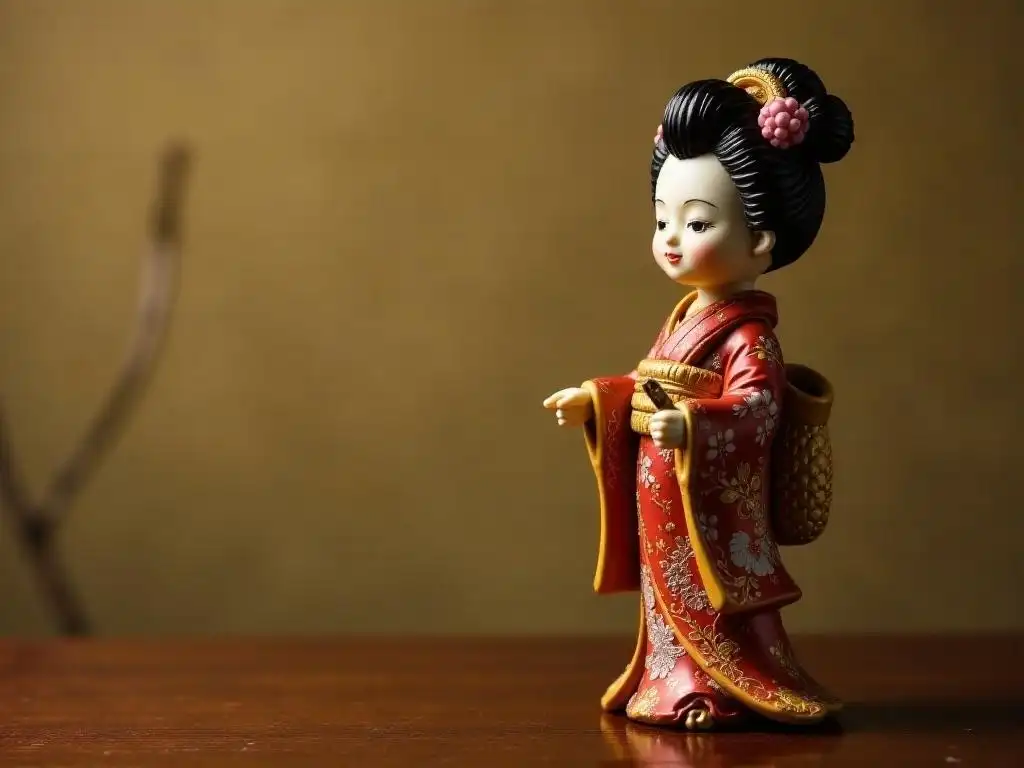
Welcome to Feudal Japan History, where we embark on a captivating journey through the intricate tapestry of Japan’s feudal era. Here, we delve into the rich history, culture, and societal dynamics that shaped this fascinating period. In our spotlight article, "Preserving History: How Feudal Japan Figurines Tell the Story of the Past," we uncover the profound significance of Feudal Japan figurines and their role in preserving the cultural legacy of the time. Are you ready to discover the stories that these remarkable artifacts hold? Let the exploration begin!
Feudal Japan, a period marked by samurai, shoguns, and a rigid social hierarchy, has left an indelible mark on the cultural landscape of Japan. Among the artifacts that encapsulate this rich history are the figurines that depict the various facets of life during this era. These Feudal Japan figurines serve as more than mere collectibles; they are historical narratives carved in wood, clay, and other materials, reflecting the customs, beliefs, and artistry of the time.
This article will delve into the intricate history of these figurines, exploring their significance, the socio-political context in which they emerged, and their evolution as artistic expressions. By understanding the story behind these collectibles, we can appreciate the cultural heritage they embody and the insights they provide into Japan's feudal past.
Introduction to Feudal Japan Figurines History
Feudal Japan figurines are not just decorative items; they are windows into the past. These meticulously crafted pieces showcase the diverse roles of samurai, farmers, and merchants, as well as mythical creatures and deities that played a role in the daily lives of people during the feudal period. Each figurine tells a story, representing the values, aesthetics, and social structures of the time.
In this section, we will explore the origins of these figurines, their cultural significance, and how they have been preserved through generations. By tracing the lineage of these collectibles, we can gain a deeper appreciation for the artistry and craftsmanship involved in their creation.
The Historical Context of Feudal Japan
To fully understand the history of Feudal Japan figurines, it is crucial to first grasp the broader historical context of the feudal era itself. This period, stretching from the 12th to the 19th centuries, was characterized by a decentralized political structure, where power was held by local lords (daimyōs) and their vassals (samurai). The societal framework was hierarchical, influencing not only governance but also cultural expressions, including art and collectibles.
Understanding the Feudal System in Japan
The feudal system in Japan was a complex network of loyalty and service. The samurai, as the warrior class, served the daimyōs, who in return granted them land and protection. This relationship was foundational to the era's social structure, dictating the roles of various classes and influencing the themes depicted in figurines.
Key elements of the feudal system include:
- Daimyōs: Powerful lords who owned vast lands and commanded armies of samurai.
- Samurai: The warrior class, known for their code of honor, loyalty, and martial skills.
- Peasants: The majority of the population, who worked the land and supported the economy.
- Artisans and Merchants: Though often looked down upon, these classes played essential roles in the economy and cultural production.
Understanding these dynamics is essential to appreciating how they influenced the creation and symbolism of Feudal Japan figurines.
The Artistic Evolution of Figurines in Feudal Japan
The artistry of figurines in Feudal Japan evolved alongside the shifting political and cultural landscapes. Initially, these artifacts were simple representations of deities and warriors, but over time, they became more elaborate, reflecting the sophistication of craftsmanship and the changing tastes of society.
Key phases in the artistic evolution include:
- Early Religious Figurines: Simple wood and clay figures used in rituals and worship.
- Samurai Representations: Detailed portrayals of samurai, showcasing their armor and weapons, symbolizing valor and loyalty.
- Cultural Themes: Incorporation of folklore, mythology, and daily life, reflecting the diverse aspects of feudal society.
As we explore these themes further, we will uncover how these figurines not only serve as collectibles but also as significant historical documents that preserve the essence of an era long past.
Cultural Significance of Feudal Japan Figurines
Feudal Japan figurines serve as a remarkable window into the cultural heritage of Japan during its feudal period, which lasted from the 12th to the 19th century. These figurines encapsulate the essence of various social classes, professions, and even spiritual beliefs that were prevalent during this time. Crafted with meticulous attention to detail, they not only reflect artistic styles but also provide insights into the daily lives of the people who inhabited this era.
The cultural significance of these figurines can be seen in their varied representations—from samurai warriors and noblewomen to common folk and mythical creatures. Each figurine tells a story, often embodying virtues such as bravery, loyalty, and honor, which were highly esteemed in feudal society. In addition, many figurines were used in religious practices, symbolizing deities or spiritual beings, thus bridging the gap between the material and spiritual worlds.
Furthermore, these artifacts have played a crucial role in preserving the historical narratives of Japan. They offer a tangible connection to the past, allowing current and future generations to appreciate the rich tapestry of Japanese culture and history. Collectors and historians alike value these figurines not only for their aesthetic appeal but also for their significance as educational tools that can help to convey the complexities of feudal Japan.
Symbolism in Figurine Designs
The designs of Feudal Japan figurines are imbued with symbolism that speaks volumes about the era's cultural norms and values. For instance, samurai figurines often feature intricate armor and weapons, symbolizing the warrior's status and the importance of martial prowess. The inclusion of specific motifs, such as family crests or seasonal elements, further enhances the figurine's narrative, linking it to the broader themes of honor and tradition.
In contrast, figurines depicting women frequently highlight aspects of grace and domesticity, reflecting the societal roles expected of women in feudal society. The use of vibrant colors and delicate details in these figurines indicates the artistic skill of the craftspeople while also serving to immortalize the beauty and elegance of the female form in a historical context.
Moreover, mythical and folkloric figurines, such as those representing spirits or deities, embody the spiritual beliefs held by the people of that time. These designs often incorporate elements that denote protection, prosperity, or good fortune, showcasing how deeply intertwined spirituality was with daily life in feudal Japan.
The Role of Figurines in Folklore and Mythology
Figurines from feudal Japan are not merely decorative objects; they are deeply rooted in the folklore and mythology of the time. Many figurines represent characters from famous legends and stories that have been passed down through generations. For instance, figurines of the heroic figure Momotaro (Peach Boy) exemplify the values of courage and friendship, often depicted alongside his animal companions, each serving roles that reflect moral lessons significant to Japanese culture.
Additionally, these figurines frequently portray supernatural beings, such as tengu and kitsune, which are integral to Japanese mythology. The tengu, often depicted with a red face and long nose, symbolizes the spirit of the mountains and the protective nature of the samurai, while the kitsune embodies cunning and intelligence, often associated with the deity Inari. These mythological figures not only enrich the aesthetic appeal of the figurines but also serve as conduits for storytelling, offering insights into the beliefs and fears of the people during the feudal era.
The enduring presence of these figures in modern Japanese culture further illustrates their importance. They are often used in festivals, rituals, and as talismans, demonstrating how the stories they represent continue to resonate with contemporary society.
Collecting Feudal Japan Figurines: A Guide
Collecting Feudal Japan figurines can be a rewarding and enriching pursuit, blending history, art, and culture into a single passion. For enthusiasts and newcomers alike, understanding what to look for when starting or expanding a collection is vital. This guide outlines key features to consider and recommends notable examples that encapsulate the essence of this fascinating collectible category.
Key Features to Look for in Collectible Figurines
When evaluating Feudal Japan figurines for collection, several key features should be taken into account:
- Material: Traditional figurines are often made from materials such as wood, porcelain, or ceramic. Each material has its unique appeal, and the quality of craftsmanship can significantly affect value.
- Detailing and Craftsmanship: High-quality figurines will exhibit intricate detailing, from facial expressions to clothing textures. Look for signs of expert artistry, which can indicate the figurine's origin and age.
- Condition: Assess the condition of the figurine meticulously. Chips, cracks, or repairs can diminish both aesthetic and monetary value. Original, unaltered pieces are typically more desirable.
- Provenance: Documentation of a figurine’s history or previous ownership can enhance its value. Look for pieces that come with certificates of authenticity or have recognized historical significance.
- Symbolism: Understanding the symbolism behind a figurine can enrich your appreciation of it. Figurines that embody well-known cultural or historical narratives may be more sought after.
Recommended Collectible Feudal Japan Figurines
Here are some notable examples of collectible Feudal Japan figurines that exemplify the rich heritage and artistry of the era:
- Samurai Figurines: Often made from wood or bronze, these figures reflect the warrior code of bushido and symbolize honor and bravery. Look for detailed armor and weaponry.
- Kokeshi Dolls: Originating from the Tohoku region, these handcrafted wooden dolls are characterized by their simple shapes and vibrant designs, representing traditional Japanese craftsmanship.
- Noh Theater Figurines: These figurines represent characters from Noh plays, capturing the dramatic expressions and intricate costumes associated with this traditional performance art.
- Shishi (Lion-dog) Figurines: Often used as guardians in Shinto shrines, these figurines symbolize protection and are a popular choice among collectors interested in spiritual artifacts.
- Hina Matsuri Dolls: These ornate dolls are displayed during the Hina Matsuri (Doll Festival) and represent the imperial court, showcasing the cultural significance of tradition and festivity in Japanese society.
Collecting Feudal Japan figurines is not only about acquiring beautiful artifacts; it’s also about preserving and celebrating a rich cultural legacy that continues to inspire and educate.
Preserving and Displaying Your Collection
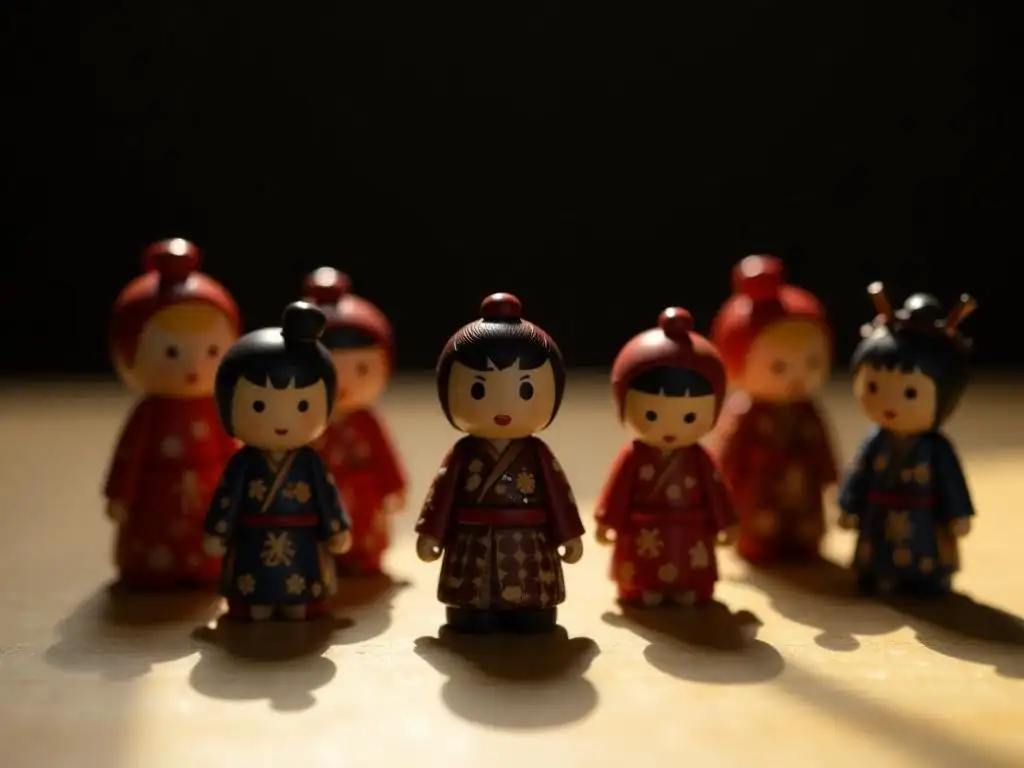
Caring for and showcasing your collection of Feudal Japan figurines is essential not only for maintaining their condition but also for enhancing their aesthetic appeal. Proper preservation involves a combination of environmental controls and careful handling practices, ensuring that these intricate pieces of history are protected from damage while being displayed for enjoyment.
When displaying your figurines, consider using display cases made of glass or acrylic to protect them from dust, humidity, and direct sunlight. These cases can also deter accidental knocks that might occur in a more open display. Position your figurines away from sources of heat or moisture, such as radiators or windows, to prevent warping or fading.
Best Practices for Care and Maintenance of Figurines
Maintaining the condition of your figurines requires a thoughtful approach. Here are some best practices to ensure they remain in excellent shape:
- Dust Regularly: Use a soft, dry microfiber cloth to gently dust your figurines. Avoid using cleaning solutions, which can damage the finish.
- Avoid Direct Sunlight: Prolonged exposure to sunlight can cause colors to fade. Position your display away from windows or use UV-filtering glass in your display cases.
- Control Humidity: High humidity can lead to mold growth, while low humidity can cause cracking. Aim to keep the humidity levels between 40-60%.
- Handle with Care: Always handle your figurines with clean hands and avoid touching painted surfaces to prevent oils from your skin from causing damage.
By following these practices, collectors can ensure that their Feudal Japan figurines maintain their historical and artistic integrity for years to come.
Where to Buy Authentic Feudal Japan Figurines
Finding authentic Feudal Japan figurines can be a rewarding but challenging endeavor. Here are some reliable sources to consider:
- Specialty Collectible Stores: Many cities have stores that specialize in Asian art and collectibles. These shops often have knowledgeable staff who can help authenticate pieces.
- Online Auctions and Marketplaces: Websites like eBay or specialized auction sites can offer a wide range of figurines. Always check the seller's ratings and reviews to ensure credibility.
- Art Galleries and Exhibitions: Attend art fairs or exhibitions focused on Japanese art. These events often feature vendors selling authentic collectibles.
- Estate Sales and Auctions: Sometimes, private collections come up for sale through estate sales. These can be excellent opportunities to find unique pieces.
Researching the provenance of any figurine before purchasing is crucial to ensure you're acquiring a genuine piece of history.
Myths and Realities of Collecting Feudal Japan Figurines
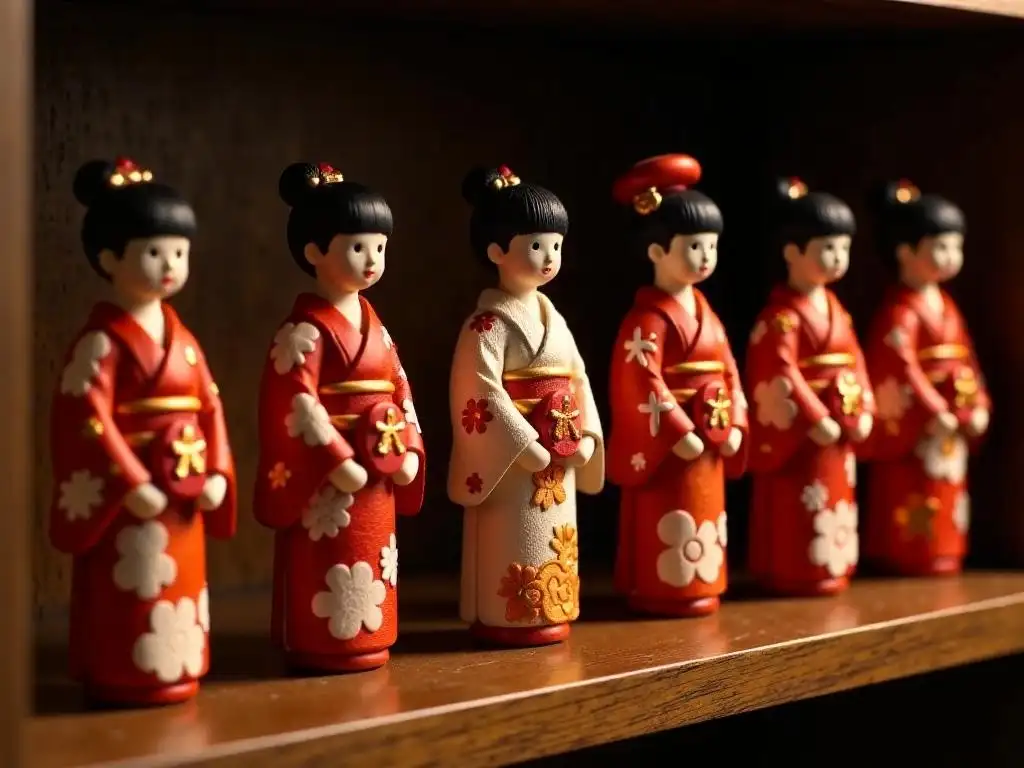
Collecting Feudal Japan figurines is often surrounded by myths that can mislead potential collectors. Understanding these misconceptions is vital for making informed decisions within the collectible market.
Common Misconceptions About Figurine Collecting
One common myth is that all figurines are valuable and appreciate over time. In reality, the value of figurines can vary significantly based on factors like rarity, condition, and market demand. Not every piece will see an increase in value, and some may even decline in worth.
Another misconception is that collecting requires a large financial investment. While some figurines can be expensive, many affordable options are available, allowing collectors to start their journey without breaking the bank.
Additionally, there is a belief that figurine collecting is only for a niche group of enthusiasts. In fact, the hobby has grown significantly, appealing to a broader audience interested in the cultural history and artistry of Feudal Japan.
Understanding the Market: Investment Potential of Figurines
The market for Feudal Japan figurines can be both fascinating and complex. Collectors looking at these items as investments should consider several factors:
- Rarity: Limited edition or one-of-a-kind pieces tend to hold or increase in value better than mass-produced items.
- Condition: The preservation state of a figurine is crucial. Pieces that show signs of wear and tear are often less valuable than those in mint condition.
- Provenance: A documented history of ownership can enhance a figurine's value. Items that were previously owned by notable collectors or displayed in exhibitions can command higher prices.
- Market Trends: Like any collectible market, trends can shift. Staying informed about the current demands and preferences can help collectors make savvy investment choices.
Understanding these elements can help collectors not only enjoy their figurines but also make informed decisions about their potential as investments in the future.
Conclusion: The Importance of Preserving Feudal Japan’s Heritage
The heritage of Feudal Japan is a tapestry woven with rich traditions, intricate craftsmanship, and significant historical narratives. Feudal Japan figurines, in particular, serve as vital artifacts that encapsulate the essence of this era. They are not mere collectibles; they are storytellers that bridge the past to the present, providing insight into the cultural values, social structures, and artistic expressions of the time.
Preserving these figurines is essential not just for collectors but for society as a whole. They embody the unique aesthetic and functional aspects of Feudal Japan, reflecting the artistry of master craftsmen who poured their soul into every piece. By safeguarding these artifacts, we ensure that future generations can appreciate the beauty and complexity of a society that shaped modern Japan.
Moreover, these figurines can serve as educational tools, sparking interest and curiosity about Japan's historical timeline. They invite discussions about the samurai class, the role of women, and the influences of religion and philosophy during the feudal period. In this way, they contribute to a broader understanding of cultural heritage and identity.
In an age where globalization often dilutes local cultures, preserving the history of Feudal Japan through its figurines is a way to honor and celebrate the uniqueness of this period. As we cherish these artifacts, we also acknowledge the stories, struggles, and triumphs of those who came before us.
Call to Action
Are you intrigued by the history and artistry behind Feudal Japan figurines? Join us in the journey of preserving this rich heritage! Whether you are a collector, a history enthusiast, or someone who simply appreciates fine craftsmanship, you can make a difference.
- Start your own collection: Seek out reputable dealers and artisan markets to find authentic Feudal Japan figurines that resonate with you.
- Educate others: Share what you learn about these historical treasures with friends, family, and local communities. Host discussions or workshops to raise awareness about the significance of Feudal Japan's cultural products.
- Support preservation efforts: Contribute to museums, cultural organizations, or initiatives that focus on the conservation of historical artifacts. Your support can help ensure these stories continue to be told.
Together, we can ensure that the legacy of Feudal Japan lives on through its remarkable figurines, preserving the past for future generations to explore and admire. 🌸
- Introduction to Feudal Japan Figurines History
- The Historical Context of Feudal Japan
- Cultural Significance of Feudal Japan Figurines
- Collecting Feudal Japan Figurines: A Guide
- Preserving and Displaying Your Collection
- Best Practices for Care and Maintenance of Figurines
- Where to Buy Authentic Feudal Japan Figurines
- Myths and Realities of Collecting Feudal Japan Figurines
- Conclusion: The Importance of Preserving Feudal Japan’s Heritage
- Call to Action
Frequently Asked Questions
What are Feudal Japan figurines?
Feudal Japan figurines are artistic representations that reflect the cultural and societal aspects of Japan's feudal era. They often depict warriors, deities, and everyday life, serving as a historical record.
How do Feudal Japan figurines contribute to our understanding of history?
These figurines provide valuable insights into the customs, beliefs, and social structures of the time. They serve as a visual narrative, helping to preserve and convey the rich history of Feudal Japan.
What materials were used to create Feudal Japan figurines?
Historically, figurines were made from various materials like wood, clay, and metal. Each material reflects different crafting techniques and artistic styles prevalent during Feudal Japan.
Are there any notable examples of Feudal Japan figurines?
Yes, notable examples include Samurai figurines, Noh theater masks, and Buddhist deities. Each of these figurines holds cultural significance and tells a unique story about life in Feudal Japan.
How can one start collecting Feudal Japan figurines?
To start collecting, research authentic sources and reputable dealers. Understanding the historical context and identifying key features can aid collectors in finding valuable pieces that reflect the history of Feudal Japan.
Final Reflection: The Timeless Legacy of Feudal Japan Figurines
In an age where rapid technological advancements often overshadow our historical roots, the significance of Feudal Japan figurines remains profoundly relevant today. These intricate artifacts not only serve as artistic representations but also as vital storytellers of a rich cultural heritage. They remind us that understanding our past is essential for shaping our future, as the lessons embedded in history can guide us in navigating contemporary challenges.
The influence of Feudal Japan figurines extends beyond mere aesthetics; they are a bridge connecting us to a complex social fabric that defined an era. These figurines encapsulate the values, beliefs, and struggles of a society that has much to teach us. As we admire their craftsmanship, we are invited to reflect on the stories they tell—stories of honor, duty, and resilience. History is not a burden on the memory but an illumination of the soul.
This quote resonates deeply as we consider how these artifacts illuminate our understanding of identity and culture, encouraging us to appreciate the nuances of our own histories.
As we conclude this exploration, I invite you to reflect on the lessons that Feudal Japan figurines impart. Consider how the values they represent can inspire your own life and actions. Whether through preserving your cultural heritage or embracing the stories of those who came before you, let these figurines serve as a reminder that history is not just a series of events but a living narrative that continues to shape our identities. Embrace the opportunity to learn from the past and carry its wisdom into the future.
Unveil the Rich Tapestry of Feudal Japan!
Thank you for taking the time to explore the fascinating world of feudal Japan through the lens of its captivating figurines. You've gained insights into how these remarkable pieces serve as gateways to understanding a vibrant period in history. Now, let's transform your newfound knowledge into action!
- Start your collection! Begin your journey by researching local galleries or online marketplaces to find authentic figurines from feudal Japan that resonate with you.
- Share the story! Discuss your favorite aspects of feudal Japanese culture with friends or family to spark deeper conversations about history within your community.
- Join the conversation! Engage with online forums or social media groups dedicated to feudal Japan to connect with fellow enthusiasts and further enrich your understanding.
What aspect of feudal Japan intrigues you the most, and how will you share that passion with others?