
Weapons of the Shogun: How Political Power Influenced Military Armament

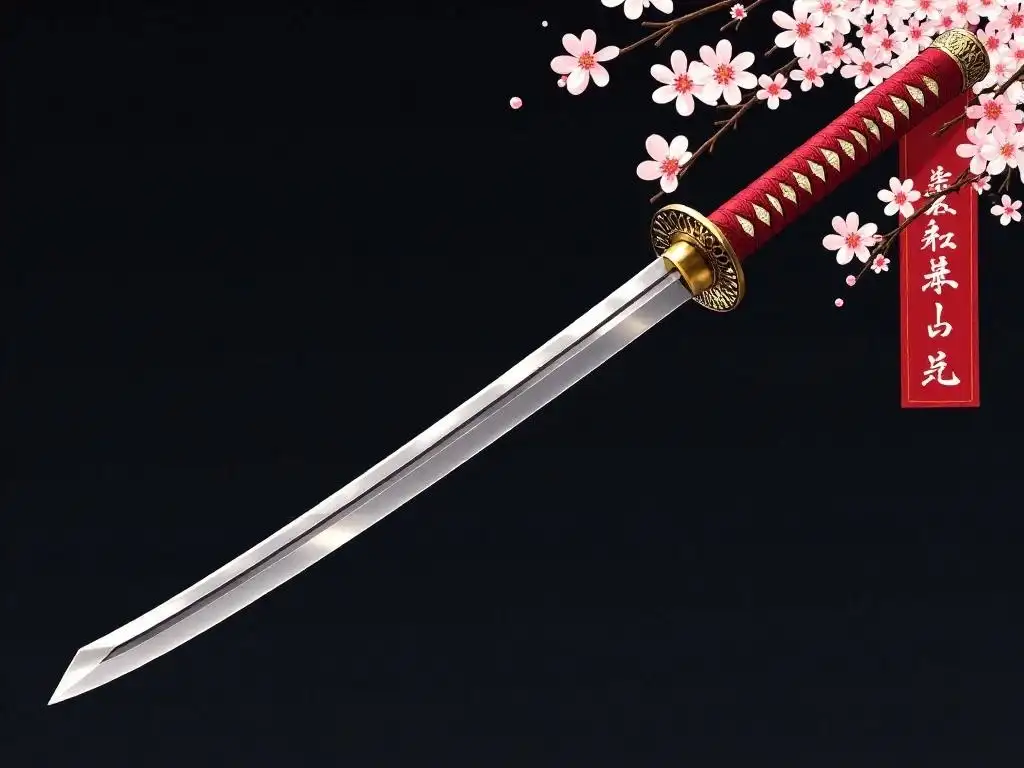
Welcome to Feudal Japan History, where we invite you to embark on an intriguing journey through the captivating world of Japan's feudal era. Our deep dive into the history of Shogun military weapons will unravel the complex relationship between political power and military armament, revealing how these formidable tools shaped the very fabric of Japanese society. Prepare to be fascinated as we explore the evolution of weaponry that defined an era, and discover the stories behind the steel that forged empires. Join us as we uncover the secrets of the past and ignite your curiosity!
- Introduction to Shogun Military Weapons History
- The Evolution of Weapons Under the Shogunate
- Key Types of Shogun Military Weapons
- Political Influence on Military Armament
- Cultural Significance of Shogun Military Weapons
- The Decline of Traditional Shogun Military Weapons
- Conclusion: The Legacy of Shogun Military Weapons in Japanese History
- Further Reading and Resources on Shogun Military Weapons History
-
Frequently Asked Questions
- What were the primary weapons used by the Shogun in feudal Japan?
- How did political power affect the development of military armament?
- What role did samurai play in the weapons used during the Shogunate?
- Were there any significant advancements in military technology during the Shogunate?
- How does the study of Shogun military weapons history contribute to our understanding of feudal Japan?
- Final Reflection: The Enduring Legacy of Shogun Military Weapons
- Unveil the Power of Weapons in Feudal Japan!
Introduction to Shogun Military Weapons History
The Shogun military weapons history is a fascinating lens through which we can examine the complex interplay between power, politics, and warfare during Japan's feudal era. The Shogunate, a military government that ruled Japan from the late 12th century to the mid-19th century, not only shaped the nation’s political landscape but also heavily influenced the development and use of military armament. Understanding the weapons of the Shogun provides insight into how military technology and strategy were intertwined with the political ambitions of the era.
As we delve into this topic, we will explore the evolution of weaponry used by the Shogun and their armies, the significance of these weapons in the context of Japan’s feudal society, and how the political dynamics of the time dictated both military innovations and the overall structure of power. This exploration will not only highlight specific types of weapons but also illustrate their broader implications on warfare and governance in feudal Japan.
Overview of Shogun Era and Its Significance
The Shogun era, spanning several centuries, is marked by a series of military leaders known as shoguns who wielded significant authority over Japan. This period began with the Kamakura Shogunate in 1185 and continued through various dynasties, including the Ashikaga and Tokugawa Shogunates, until the Meiji Restoration in 1868. Each of these shogunates contributed to the evolution of military tactics, societal structures, and the development of weaponry.
Key characteristics of the Shogun era include:
- Decentralized Power: While the emperor was the nominal ruler, real power lay with the shogun, who controlled the military and the samurai class.
- Feudal System: The society was organized around a feudal system where loyalty and land ownership were crucial, leading to frequent conflicts among rival factions.
- Cultural Flourishing: Despite the constant warfare, this era also saw the development of Japanese culture, including art, literature, and philosophy, which were often influenced by military themes.
The significance of the Shogun era lies not only in its historical impact but also in how it laid the groundwork for modern Japan. The military strategies and weapons developed during this time have had lasting influences on Japanese culture and identity.
Importance of Military Armament in Political Power
Military armament during the Shogun era was not merely a means of warfare; it was a crucial element of political power and control. The types of weapons wielded by the samurai and the shogunate reflected their status and authority, often serving as symbols of power.
Several factors underscore the importance of military armament in this context:
- Symbol of Authority: Weapons such as the katana became iconic representations of the samurai’s honor and status, symbolizing their loyalty to the shogun.
- Tactical Innovations: The evolution of weaponry, from traditional swords to the introduction of gunpowder weapons, significantly altered military tactics and strategies.
- Control of Territory: The possession and advancement of military technology often determined territorial disputes, shaping alliances and enmities among feudal lords.
The relationship between political power and military armament is a central theme in understanding the Shogun military weapons history. The weapons utilized during this era were not only tools of warfare; they were intrinsic to the social and political fabric of feudal Japan, highlighting the profound connection between military might and governance.
The Evolution of Weapons Under the Shogunate
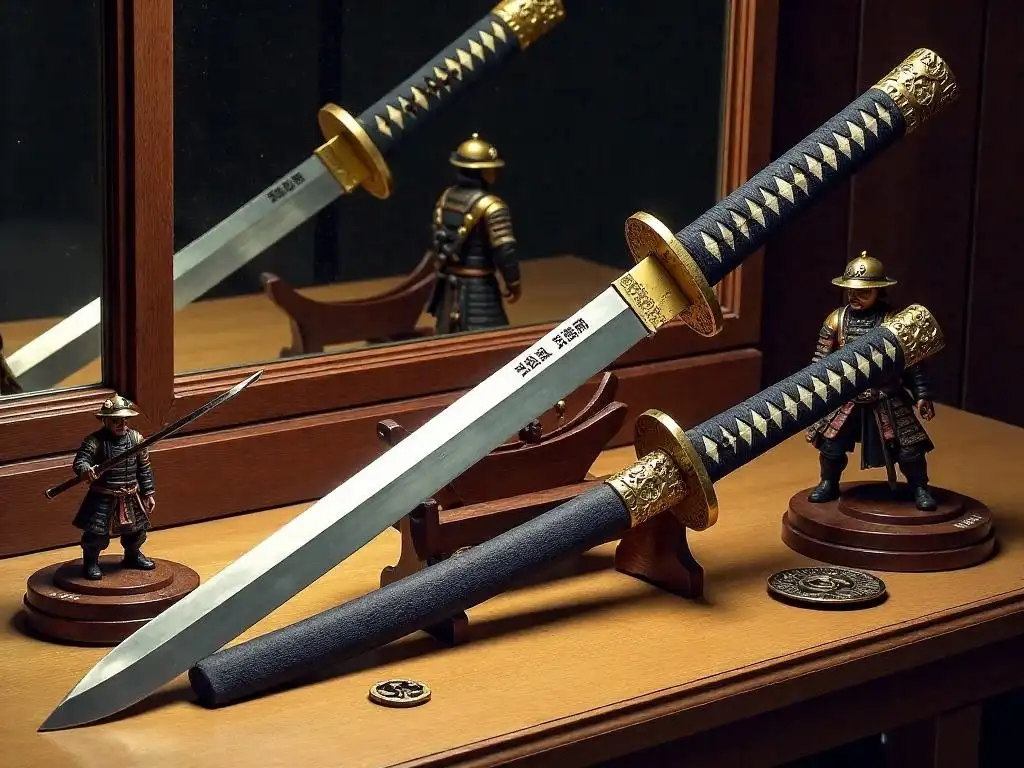
The evolution of weapons during the Shogunate period in Japan reflects the dynamic interplay between military needs, political power, and technological advancements. This era, marked by the rule of powerful shoguns, saw significant changes in weaponry that not only influenced combat but also symbolized the authority and prestige of the ruling class.
During the feudal era, weapon development was heavily influenced by the ongoing conflicts among samurai clans. The need for effective armaments led to innovations in design and materials, often dictated by the outcomes of battles. As the shoguns consolidated power, the standardization of weaponry became essential, leading to the production of arms that were not only practical but also served as status symbols for the samurai.
Early Weaponry of the Samurai
The early samurai were equipped with a variety of weapons, each serving distinct purposes in warfare. The primary armament was the katana, a curved, single-edged sword renowned for its sharpness and craftsmanship. The katana was more than a weapon; it was a symbol of the samurai's honor and status.
Key features of early samurai weaponry included:
- Tanto: A small dagger used for close combat and as a tool for seppuku (ritual suicide).
- Yari: A spear that became increasingly popular in battles, allowing for effective thrusting attacks against cavalry.
- Naginata: A polearm that combined the features of a sword and a spear, ideal for mounted combat and foot soldiers alike.
- Bows: The yumi (longbow) was crucial for ranged attacks, especially during the early periods of samurai warfare.
The craftsmanship involved in producing these weapons was exceptional, with blacksmiths employing techniques passed down through generations. The quality of the metal and the artistry in the decoration often reflected the owner's rank and wealth.
Influences of Warfare on Weapon Development
As warfare evolved in feudal Japan, so did the weapons used by the samurai. The constant power struggles among clans necessitated innovations in military technology and tactics.
Key Influences on Weapon Development:
- Battle Tactics: The shift from individual combat to mass warfare influenced the design and use of weapons. Weapons that could be used effectively in larger formations, such as the yari, gained prominence.
- Gunpowder Introduction: The arrival of firearms in the 16th century, particularly matchlocks known as tanegashima, revolutionized Japanese warfare. The integration of gunpowder weapons altered traditional tactics and prompted adaptations in armor and close combat techniques.
- Armor Adaptation: As weaponry evolved, so did the need for protective gear. Samurai armor designs were modified to accommodate firearms and new melee weapons, leading to lightweight and more flexible armor, enhancing mobility in battle.
- Political Influence: The shogunate's political landscape dictated military strategies and, consequently, weapon designs. The need to maintain control over territories led to the development of weapons that could suppress uprisings and enforce the shogun's rule.
Transition from Traditional to Modern Weaponry
The transition from traditional samurai weaponry to modern firearms marked a significant turning point in Japan's military history. By the late 19th century, as Japan began to modernize, the influence of Western military technology became apparent.
Key Aspects of the Transition:
- Westernization of the Military: The Meiji Restoration (1868) prompted an overhaul of Japan's military forces, with a strong emphasis on adopting Western weaponry and tactics. This included the introduction of rifles and artillery, which replaced the traditional swords and spears.
- Decline of the Samurai Class: As the modern military emerged, the samurai class began to lose its political power and relevance. Traditional weapons like the katana, while still revered, became more symbolic than practical in warfare.
- Industrialization: The rise of industrial production allowed for mass manufacturing of weapons, leading to standardized military equipment that could be produced efficiently. This shift dramatically changed the landscape of warfare in Japan.
- Cultural Integration: Despite the transition to modern weapons, the cultural significance of traditional weapons remained. The katana, for example, continued to be celebrated in Japanese culture, symbolizing the spirit of the samurai.
The Shogun military weapons history is characterized by a rich evolution influenced by various factors, including warfare dynamics, technological advancements, and political changes. This evolution illustrates how weaponry not only served as tools of combat but also as reflections of the sociopolitical landscape of feudal Japan.
Key Types of Shogun Military Weapons
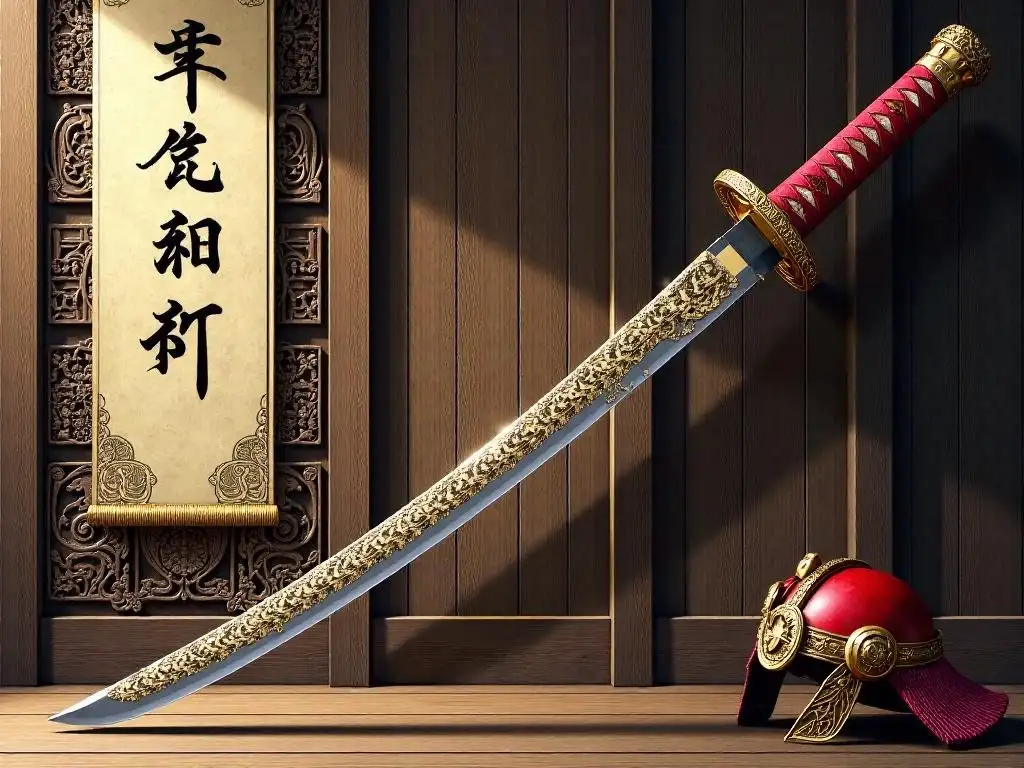
The shogunate era in Japan was marked by a distinct evolution of military weaponry that not only reflected the technological advancements of the time but also the political power dynamics inherent in the feudal system. The following sections will delve into the key types of military weapons used by the Shogun and their significance in both warfare and the assertion of authority.
Swords: The Iconic Katana and Its Variants
The katana stands as the most emblematic weapon of the samurai, serving not only as a tool of war but also as a symbol of status and honor. Crafted through a meticulous process involving multiple layers of steel, the katana was designed for efficiency in combat, combining strength and flexibility.
- Production Techniques: The katana's creation involved traditional methods such as folding the steel to remove impurities and enhance its strength. The process often included:
- Tamahagane Steel: High-quality steel produced from iron sand.
- Differential Hardening: The blade is quenched in water, creating a hard edge and a softer spine for shock absorption.
- Variants of the Katana: Various forms of swords emerged from the katana design, each fulfilling specific roles:
- Tanto: A short blade carried by samurai as a secondary weapon.
- Wakizashi: A companion sword to the katana, worn by samurai for close combat and ritualistic purposes.
The katana's design not only facilitated quick strikes but also embodied the samurai's philosophy of life and death, making it a central piece of the Shogun's arsenal.
Polearms: The Role of Yari and Naginata
Polearms played a critical role in the Shogun's military strategy, providing versatility and reach in battle. Two of the most prominent types of polearms were the yari (spear) and the naginata (polearm with a curved blade).
- Yari: This spear was a favored weapon among foot soldiers and cavalry alike. It was effective for both thrusting and throwing, allowing for:
- Tactical Flexibility: Soldiers could engage enemies at a distance while maintaining a defensive posture.
- Massed Formation Fighting: Yari were used in large infantry formations, creating a formidable wall of spears.
- Naginata: With its long, curved blade, the naginata was favored by both samurai and warrior monks. Its design allowed for:
- Slashing and Swinging Attacks: The naginata could deliver powerful blows while keeping the user out of reach of swords.
- Cavalry Versatility: Riders could effectively wield the naginata from horseback, adding to its tactical value.
Both the yari and naginata were crucial in shaping the battlefield dynamics of feudal Japan, demonstrating the Shogun's command over military innovation and strategy.
Projectile Weapons: Arrows and Firearms
As warfare evolved, so did the weapons employed by the Shogunate, particularly with the introduction of projectile weapons. Arrows and firearms became essential components of the military arsenal.
- Arrows and Bows: The traditional yumi (Japanese longbow) was integral to samurai warfare, known for its:
- Range and Power: The yumi could shoot arrows over long distances, providing a strategic advantage in battles.
- Cultural Significance: Archery was not just a military skill but also a revered art form, with schools dedicated to its practice.
- Firearms: The arrival of firearms in the 16th century marked a significant turning point in Japanese combat strategies. By the time of the Tokugawa shogunate:
- Matchlock Guns: These firearms allowed for more effective ranged attacks, changing the nature of engagements.
- Tactics Adaptation: The use of firearms necessitated new tactics, including the development of formations that could protect gunmen while maximizing their firepower.
The integration of projectile weapons into the Shogun's military arsenal illustrated the adaptability of Japanese warfare and the ongoing evolution of combat techniques throughout the feudal era.
The Shogun military weapons history is marked by a rich tapestry of weaponry that reflects both technological advancements and the intricate political landscape of feudal Japan. Each weapon type served a distinct purpose, shaping the nature of warfare and the power dynamics of the time.
Political Influence on Military Armament
The political landscape of feudal Japan had a profound impact on the development and distribution of military armament. The shogunate, as the ruling military government, wielded significant influence over the types of weapons produced, their availability, and the strategies employed in warfare. This section examines the role of the shogun and the broader political environment in shaping the history of shogun military weapons.
The Role of the Shogun in Weapon Production
The shogun not only commanded military forces but also controlled the production and distribution of weapons. This centralized power allowed the shogunate to dictate the types of military armament that were prioritized. Key aspects include:
- Establishment of Weapon Standards: The shogunate set regulations regarding the quality and types of weapons that could be produced. This ensured a uniformity of armament among the samurai and minimized the risks of inferior weaponry on the battlefield.
- Control Over Blacksmiths: In feudal Japan, skilled blacksmiths were crucial for producing weapons. The shogunate often regulated blacksmithing activities, granting licenses to certain artisans while restricting others. This monopoly not only reinforced political power but also ensured that the shogunate could procure high-quality weapons for its armies.
- Innovations in Weaponry: The shogun's interest in maintaining military superiority led to investments in technological advancements. For instance, the introduction of the matchlock firearm (tanegashima) in the 16th century revolutionized warfare. The shogunate encouraged local artisans to adopt new techniques, leading to the production of more effective weapons.
Alliances and Rivalries: Impact on Arms Development
The complex web of alliances and rivalries among feudal lords (daimyōs) significantly influenced the development of military armament. The need to maintain power and defend territories led to innovations and adaptations in weaponry.
- Inter-Daimyō Rivalries: Feuds between rival daimyōs prompted constant advancements in military technology. For example, during the Sengoku period, the competition for dominance led to the proliferation of firearms as daimyōs sought to gain an edge in battles. The result was a rapid evolution of tactics and weapon designs.
- Strategic Alliances: Alliances between different factions often involved sharing resources, including weaponry. For instance, the Tokugawa shogunate established peace after the tumultuous Sengoku period, which led to a decrease in the need for advanced weaponry as a sense of stability emerged. However, the shogunate still maintained a strong military arsenal to deter potential threats from rival daimyōs.
- Cultural Exchange: The interactions with foreign powers, such as the Portuguese and Dutch, also influenced arms development. The introduction of European firearms and military tactics brought about changes in how Japanese forces approached warfare. This cultural exchange led to hybridization in weapon design, combining traditional Japanese styles with new technologies.
Economic Factors and Their Influence on Weaponry
Economic conditions played a crucial role in the production and availability of military armament during feudal Japan. The relationship between the economy and weaponry is multifaceted and includes several key elements:
- Resource Availability: The types of weapons that could be produced were often limited by available resources. Regions rich in iron ore, for instance, became centers for sword production. The geographical distribution of resources directly impacted the local economies and their capacity to manufacture weapons.
- War Taxes and Funding: The shogunate relied on taxes collected from the peasantry to fund military campaigns and the production of arms. Economic stability allowed for the accumulation of wealth, which in turn enabled the procurement of better weaponry. Conversely, during times of economic strife, weapon production often suffered, leading to a decline in military efficiency.
- Market Demand: The demand for weapons fluctuated based on the political climate. During periods of war, there was a surge in demand for arms, prompting increased production. In contrast, peacetime saw a decline in military expenditure, affecting the innovation and availability of new weaponry.
The history of shogun military weapons is intricately tied to the political, economic, and social dynamics of feudal Japan. The interplay between the shogunate's authority, regional rivalries, and economic factors shaped the development of military armament, influencing the very nature of warfare in Japan.
Cultural Significance of Shogun Military Weapons
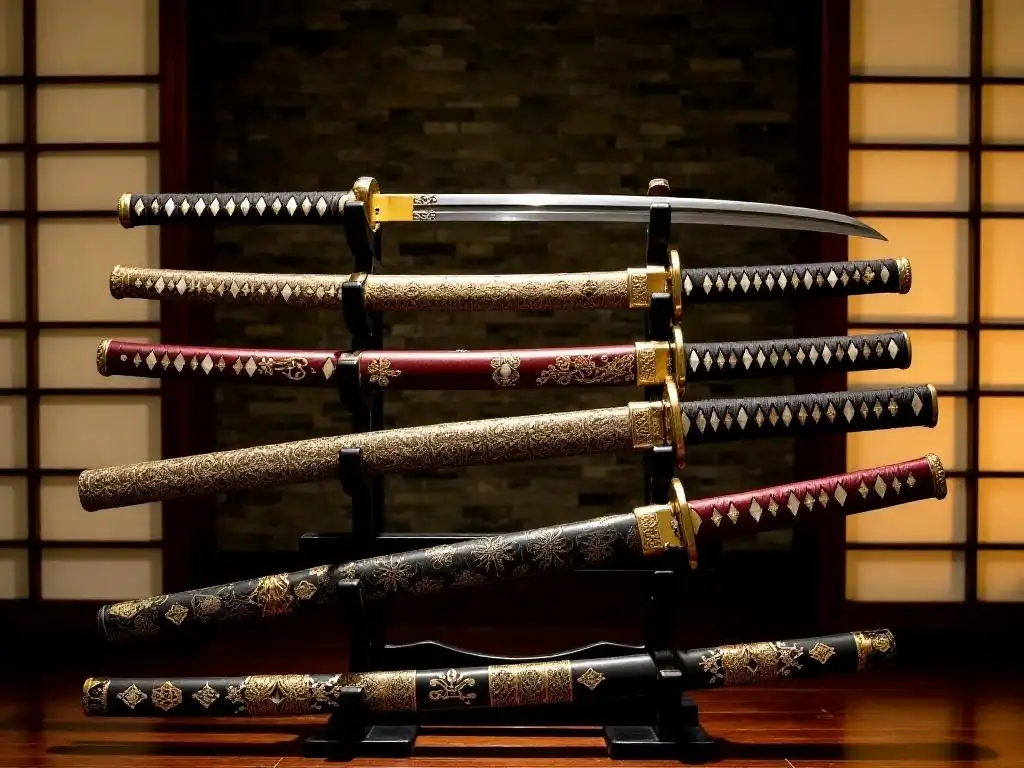
Symbolism of Weapons in Samurai Culture
In the intricate tapestry of samurai culture, weapons were not merely tools of war; they were emblematic of honor, status, and identity. The katana, often regarded as the quintessential samurai weapon, embodied the spirit of the warrior class. Its curved blade, meticulously crafted, represented more than just a means of defense; it was a symbol of the samurai's dedication to bushido, the way of the warrior. The act of drawing a katana was steeped in ritual, signifying a readiness to uphold one's duty and values.
The tachi, an earlier form of the katana, also held significant cultural weight. It was often used in ceremonial contexts, showcasing the samurai's status and lineage. The differences in weaponry were not just functional but also reflected the social hierarchy within the samurai class. For instance, a lord's weapon would often be adorned with intricate designs and materials, highlighting the wealth and prestige associated with their position.
Moreover, weapons served as a means of communication among the samurai. Different styles of swordplay, or kenjutsu, could indicate a warrior's background, training, and allegiances, giving insight into the complex world of feudal politics. Thus, the symbolism of weapons in samurai culture is a profound narrative of power, identity, and societal values.
The Aesthetic Evolution of Weapon Design
The design of shogun military weapons evolved significantly over centuries, influenced by changes in warfare, technology, and cultural aesthetics. Initially, weapons like the tachi were long and curved, optimized for mounted combat. As warfare transitioned to foot soldiers, the katana emerged as the preferred weapon, characterized by its shorter length and refined balance.
Key Design Elements:
- Blade Shape: The transition from tachi to katana marked a shift towards practicality, with the katana's blade allowing for quicker draw and thrust techniques.
- Materials: Traditional samurai swords were forged from high-quality steel (tamahagane) and often included layers of different metals to enhance durability and flexibility. This craftsmanship not only improved functionality but also created aesthetically pleasing patterns on the blade.
- Tsuba (Handguard): The tsuba evolved from simple designs to elaborate artworks, often depicting historical motifs, nature, or mythological scenes, serving both protective and ornamental purposes.
The aesthetics of weapon design were not limited to swords. Other weapons, such as yari (spears) and naginata (polearms), also underwent design changes, reflecting the artistic sensibilities of the time. The incorporation of intricate carvings and lacquer work on weapon handles showcased the samurai's connection to artistry and craftsmanship, merging the martial with the beautiful.
Weapons in Rituals and Ceremonies
In feudal Japan, weapons transcended their martial purpose, playing a pivotal role in rituals and ceremonies. The presentation of a newly forged sword often involved a Kita no Kaze ceremony, where the sword was blessed and its significance as a protector acknowledged. This ritual reinforced the belief that a sword was not merely a weapon but a living entity with its own spirit or kami.
Notable Ceremonial Aspects:
- The Oath of Loyalty: Upon receiving a new sword, a samurai would often pledge loyalty to their lord, solidifying feudal ties and reinforcing social hierarchies.
- The Use of Weapons in Ceremonial Battles: During certain festivals, mock battles were staged using weapons, allowing samurai to display their skills while commemorating historical events and legends.
- Death and Legacy: The kakejiku, or scroll, often depicted a samurai and their weapons, symbolizing their legacy and the importance of their martial prowess even after death.
These rituals encapsulated the multifaceted role of weapons in samurai society, illustrating their importance beyond combat and highlighting the deep cultural reverence for the martial arts as a reflection of one's honor and duty. Thus, shogun military weapons history is not only a tale of warfare but also a narrative woven with threads of spirituality, aesthetics, and social cohesion.
The Decline of Traditional Shogun Military Weapons
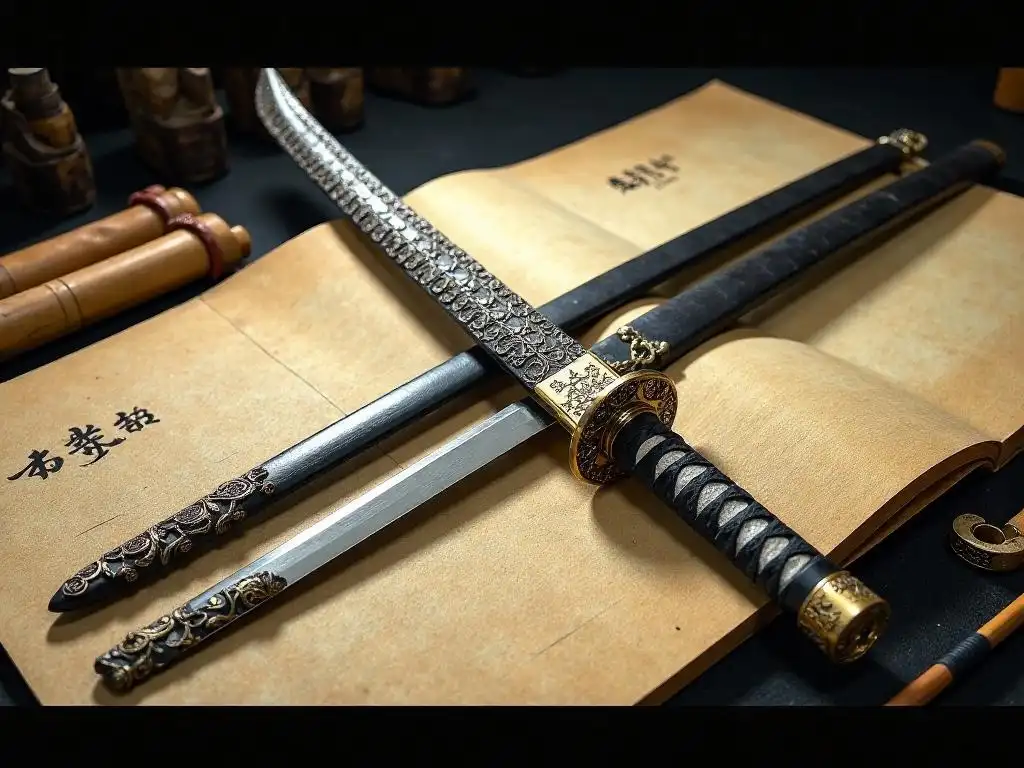
The decline of traditional Shogun military weapons marks a significant turning point in Japan's military history, reflecting broader societal changes and the influence of external forces. During the feudal era, Shoguns wielded immense power, and their choice of weaponry was closely tied to their authority and the military strategies of the time. However, as Japan began to open its doors to Western influences in the 19th century, the traditional armament used by the Shoguns underwent profound transformations.
The Impact of Western Influence on Japanese Armament
The arrival of Commodore Matthew Perry in 1853 and the subsequent signing of the Treaty of Kanagawa in 1854 marked the beginning of Japan's forced engagement with Western powers. This engagement prompted a critical reassessment of Japanese military capabilities, particularly in the context of the weaponry used by the Shogunate.
- Introduction of Firearms:
- The traditional weaponry of the Samurai, primarily consisting of swords and bows, began to incorporate Western firearms.
- By the mid-19th century, the Japanese military saw an influx of modern rifles, cannons, and artillery, which were far more effective in warfare than traditional weapons.
- Military Modernization Efforts:
- The Shogunate initiated reforms to modernize its army, leading to the establishment of the Kōbu Gattai (which means "the unity of the military") to foster a more cohesive military structure.
- These reforms included the establishment of military academies and the adoption of Western military tactics, which necessitated a shift in armament.
- Cultural Repercussions:
- The adoption of Western weapons led to a decline in the status and usage of traditional Samurai weapons, such as the katana.
- As Western influence permeated Japanese society, there was a cultural shift that questioned the romanticism surrounding the Samurai and their weaponry.
- Economic Factors:
- The cost of maintaining traditional weapons versus modern armament also played a role in this decline. The production of Western-style rifles and artillery became a priority due to their efficacy in combat.
The Meiji Restoration and Its Effects on Military Weapons
The Meiji Restoration of 1868 was a watershed moment in Japan's history, ushering in an era of rapid modernization and industrialization. This period profoundly affected the military weapons landscape in Japan, culminating in the complete transformation of the armed forces.
- Dissolution of the Samurai Class:
- The abolition of the Samurai class and the banning of their traditional weapons were pivotal in this transition. The government sought to centralize military power and eliminate the feudal loyalties that had characterized the Shogunate.
- Establishment of a National Army:
- With the formation of the Imperial Japanese Army in 1871, the Meiji government invested heavily in modern weaponry. This included the procurement of rifles, machine guns, and artillery from Western nations.
- Japan established domestic arms manufacturing to produce these modern weapons, leading to a significant technological leap.
- Military Doctrine Changes:
- The shift to a modern military doctrine necessitated a complete overhaul of training and tactics. The focus shifted from individual combat skills to coordinated unit tactics, which were supported by the firepower of modern weapons.
- Legacy of Military Modernization:
- The consequences of these changes extended beyond the battlefield. The modernization of military weapons and tactics helped Japan emerge as a significant military power by the early 20th century, culminating in victories during conflicts such as the First Sino-Japanese War and the Russo-Japanese War.
The decline of traditional Shogun military weapons was a complex process influenced by Western interactions and the Meiji Restoration. These changes not only transformed Japan's military capabilities but also reshaped its societal structures and cultural values, marking the end of an era defined by the Samurai's martial prowess.
Conclusion: The Legacy of Shogun Military Weapons in Japanese History
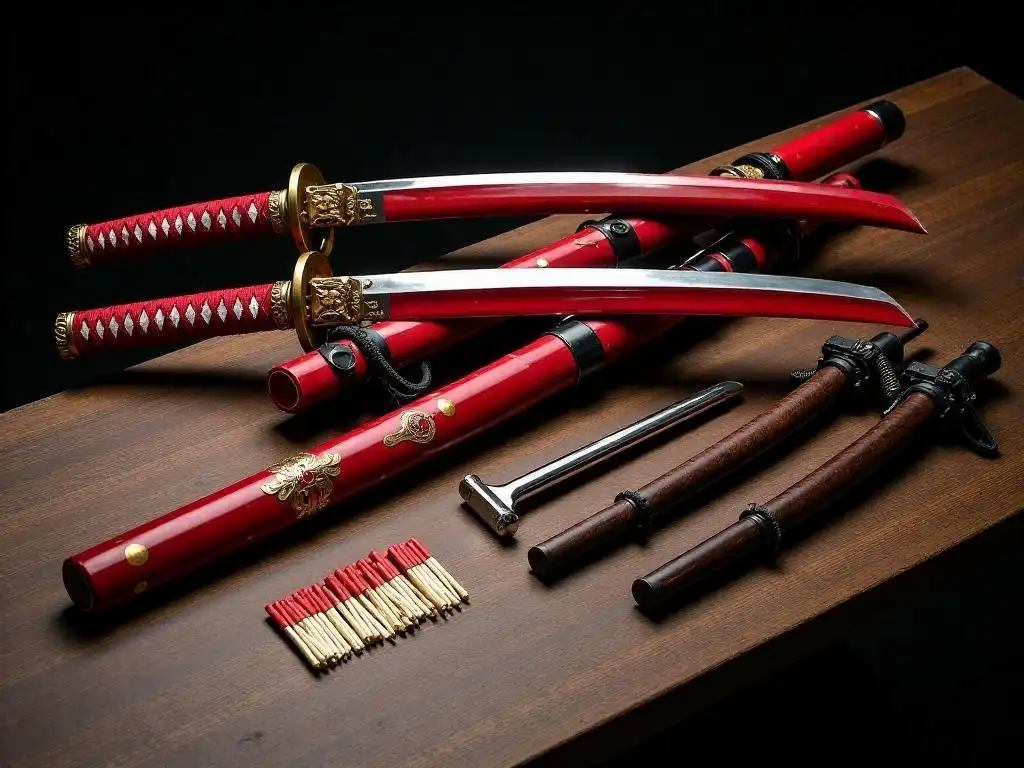
Summary of Political Power and Military Armament
The interplay between political power and military armament during the feudal era of Japan is exemplified by the evolution of Shogun military weapons. The Shogunate, as the de facto ruling authority, wielded significant influence over the types of weapons utilized by samurai and other military factions. This influence was not merely a matter of preference but was deeply intertwined with the political landscape of the time.
The centralization of power under the Shogun led to standardization in weaponry, which ensured that the Shogunate's military forces were not only well-equipped but also unified in their approach to warfare. For instance, the introduction of the katana, a weapon that became synonymous with the samurai, was both a reflection of practical combat needs and a symbol of the samurai's loyalty to their lord. The katana's design evolved to meet the demands of battlefield tactics, influenced by the Shogunate's military strategies.
Moreover, the relationship between the Shogunate and regional daimyos (feudal lords) influenced the distribution and innovation of military armament. The Shogun's ability to grant or revoke military titles and resources meant that weaponry was often used as a political tool. Armaments not only served practical purposes in warfare but also acted as status symbols within feudal society, reflecting the rank and power of their wielders.
Reflections on the Historical Impact of Shogun Weapons
The historical impact of Shogun military weapons extends beyond the battlefield; it has shaped cultural perceptions of honor, loyalty, and power in Japan. The weapons used by samurai during the feudal period have become iconic representations of Japanese heritage. The craftsmanship of swords, such as the katana, is celebrated to this day, influencing modern interpretations of Japanese culture and art.
Shogun military weapons also played a crucial role in the development of martial arts in Japan. The techniques and philosophies surrounding the use of these weapons have been preserved through centuries, evolving into various schools of martial arts that are practiced globally. The legacy of these weapons continues to resonate in contemporary Japanese society, where the values associated with the samurai ethos—courage, discipline, and respect—remain significant.
Furthermore, the historical narratives surrounding Shogun military weapons have been instrumental in shaping Japan's national identity. The glorification of samurai and their armaments in literature, film, and popular culture reflects a deep-seated admiration for the martial traditions of the past. This reverence is evident in the ongoing interest in the history of Shogun military weapons and their role in the broader context of Japanese history.
The Shogun military weapons history encapsulates the intricate relationship between politics, culture, and warfare in feudal Japan. Understanding this legacy offers valuable insights into how military armament influenced not only the outcomes of conflicts but also the very fabric of Japanese society.
Further Reading and Resources on Shogun Military Weapons History
Recommended Books and Articles
To deepen your understanding of Shogun military weapons history, several key texts and articles provide valuable insights into the evolution of weaponry during the feudal era in Japan. Below is a curated list of recommended readings:
-
"Samurai Arms and Armor" by John M. Yumoto
This book offers a detailed examination of the arms and armor used by samurai, highlighting the craftsmanship and cultural significance behind each piece. It delves into different weapon types, including katana and yari, and their roles in warfare.
-
"Japanese Sword: A Comprehensive Guide" by Yoshindo Yoshihara
This comprehensive guide explores the history, production, and significance of the Japanese sword. It covers traditional forging techniques and the evolution of sword design, enriching the reader’s understanding of these iconic weapons.
-
"The Samurai: A Military History" by Stephen Turnbull
Turnbull provides a narrative that traces the development of the samurai class and their military strategies. The book includes discussions on various military weapons and tactics, making it a great resource for understanding the broader context of Shogun military history.
-
"Warriors of Japan as Portrayed in the War Tales" by Thomas Donaldson
This book analyzes historical texts and literature to reveal how military weapons were perceived and utilized in Japanese warfare, offering a cultural perspective that complements the technical aspects of weaponry.
Documentaries and Educational Resources
For those who prefer visual learning, there are several documentaries and educational resources that explore Shogun military weapons history in detail:
-
"The Samurai: Behind the Blade" (Documentary)
This documentary provides a vivid portrayal of the samurai's life, including a focus on their weapons and armor. It features interviews with historians and showcases various types of military armament used throughout the feudal era.
-
"Secrets of the Samurai Sword" (PBS Documentary)
This documentary delves into the art of sword-making, illustrating the intricate process of creating a katana. It also discusses the weapon's importance in samurai culture and its lasting legacy in Japanese history.
-
Online Courses on Japanese History
Platforms such as Coursera and edX offer courses related to Japanese history that often include modules on military history and weaponry. These courses typically feature lectures by experts in the field and provide a comprehensive overview of the topics discussed.
-
YouTube Channels: "History Time" and "The Armchair Historian"
Both channels feature engaging videos on various aspects of Japanese history, including the samurai and their weaponry. The content is well-researched and visually appealing, making complex historical topics more accessible.
By utilizing these resources, readers can gain a more profound understanding of the intricate relationship between military power and the evolution of weapons during Japan's feudal era.
Frequently Asked Questions
What were the primary weapons used by the Shogun in feudal Japan?
The primary weapons included the katana, yari (spear), and naginata. Each weapon reflected the military strategy and social hierarchy of the time.
How did political power affect the development of military armament?
Political power directly influenced the types of military armament produced, as the Shogun sought to maintain control and assert dominance over rival clans through superior weaponry.
What role did samurai play in the weapons used during the Shogunate?
Samurai were the elite warriors who wielded these weapons, embodying the Bushido code and serving as both military leaders and protectors of the Shogun's interests.
Were there any significant advancements in military technology during the Shogunate?
Yes, the Shogunate saw advancements like the introduction of gunpowder weapons, which gradually transformed traditional combat methods and military strategies.
How does the study of Shogun military weapons history contribute to our understanding of feudal Japan?
Studying Shogun military weapons history provides insight into the political dynamics, cultural values, and social structures that defined feudal Japan, shaping its historical narrative.
Final Reflection: The Enduring Legacy of Shogun Military Weapons
The intricate relationship between political power and military armament during the Shogunate era remains profoundly relevant today. As we navigate a world where the dynamics of power continue to shape military capabilities, understanding the historical context of the Shogun's influence on weaponry provides invaluable insights. The evolution of Shogun military weapons history not only reflects the strategies of the past but also serves as a reminder of how political motivations can dictate the course of warfare.
Culture and society are inextricably linked to the advancements in military technology, and the Shogunate exemplifies this connection. The weapons developed during this period were not merely tools of war; they were symbols of authority and control that shaped the very fabric of Japanese society. As we reflect on this legacy, we are reminded of the words of historian John W. Hall: The history of Japan is a history of its military, and the military is a reflection of its society.
This observation underscores the importance of understanding how the Shogun's political power influenced not just the battlefield, but also the cultural identity of Japan.
As we look to the future, let us take a moment to reflect on how the lessons from the Shogun military weapons history can inform our understanding of contemporary issues. Consider how the interplay of power and technology continues to evolve in our own societies.
I invite you to engage with this history, to explore how the past informs our present, and to recognize the responsibility we hold in shaping a future where military advancements are guided by ethical considerations and a commitment to peace. By doing so, we honor the complexities of our history while striving for a more harmonious world.
Unveil the Power of Weapons in Feudal Japan!
Thank you for exploring the intricate relationship between political power and military armament in Feudal Japan! You've just delved into a fascinating world where **influence and innovation** shaped history. Now, let’s take these insights further and explore the legacy of these powerful weapons.
Here’s how you can engage with this compelling history:
- Dive Deeper into the Artifacts of the Era: Visit a local museum or explore online exhibits showcasing samurai armor and weapons.
- Share Your Insights: Discuss the impact of political power on military strategies with friends or on social media using the hashtag #ShogunWeapons.
- Join a Community: Connect with fellow history enthusiasts by participating in forums or groups dedicated to Feudal Japan to exchange ideas and stories.
What do you think was the most influential weapon of the **Shogunate**, and how do you believe it shaped the course of history? Share your thoughts!