
The Samurai and the Concept of Victory in Battle

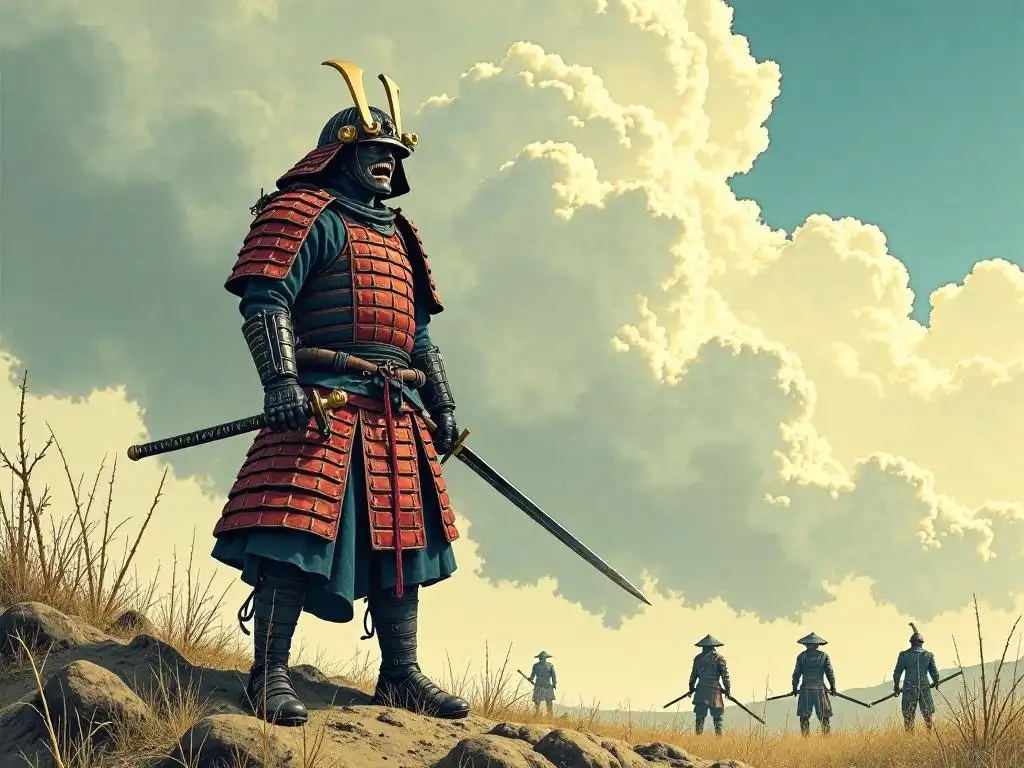
Welcome to Feudal Japan History, where we invite you to embark on a captivating journey through the intricate tapestry of Japan’s feudal era. Here, you’ll uncover the profound concepts of victory in battle that defined the legendary Samurai, warriors whose ethos and strategies continue to inspire. Are you ready to delve into the mindset that shaped epic confrontations and forged a unique warrior culture? Join us as we explore the depths of military history and unravel the secrets behind the Samurai's triumphs. Your adventure begins now!
Introduction to Samurai Victory Concepts in Battle
The samurai, an iconic symbol of Japan’s feudal era, were not merely warriors; they embodied a complex ethos that intertwined martial prowess with a profound philosophical understanding of victory in battle. The concept of victory for the samurai went beyond mere triumph over an opponent; it was a multifaceted ideology that encompassed honor, loyalty, and the moral implications of warfare.
In this article, we will delve into the samurai victory concepts in battle, exploring how these principles shaped their identity, influenced their strategies, and defined their legacy in Japanese history. Through a comprehensive examination of samurai warfare, we will uncover the intricate relationship between the samurai and the ideals of victory that governed their actions on the battlefield.
Overview of Samurai Warfare in Feudal Japan
Samurai warfare during the feudal period of Japan was characterized by a blend of strategy, skill, and strict codes of conduct. The samurai were not only trained in the art of combat but also educated in the ways of bushido, the "way of the warrior." This code emphasized virtues such as loyalty, honor, and self-discipline, which were pivotal in shaping their understanding of victory. The samurai's approach to warfare was deeply rooted in a strategic mindset, where understanding one’s opponent and maintaining moral superiority played crucial roles.
- Key Elements of Samurai Warfare:
- Bushido Code: The ethical framework guiding samurai behavior.
- Tactics and Strategy: Emphasis on planning, deception, and psychological warfare.
- Weaponry: Mastery of the katana and other traditional weapons.
The nuances of samurai warfare are essential to grasping their concepts of victory, as these elements influenced their decisions and actions during conflicts.
Importance of Victory in Samurai Culture
Victory held immense significance in samurai culture, serving as a reflection of personal honor and the honor of one’s clan or lord. The samurai believed that achieving victory in battle was not just about defeating an enemy; it was about doing so with grace and integrity. The consequences of victory or defeat could reverberate through generations, affecting not only the samurai but also their families and the broader community.
- Cultural Implications of Victory:
- Honor and Prestige: Victorious samurai gained respect and status within society.
- Rituals and Commemoration: Victories were often celebrated through rituals that reinforced the samurai's legacy.
- Moral Considerations: The manner of achieving victory was as important as the outcome itself.
Understanding the cultural weight of victory within samurai society provides insight into their motivations and the underlying principles that guided their actions in battle.
Historical Context of Samurai and Warfare
The Evolution of the Samurai Class
The samurai class evolved significantly throughout Japan’s feudal period, transitioning from provincial warriors to powerful military elites. This evolution was marked by changes in social structure, warfare technology, and political dynamics. Understanding this transformation is crucial to appreciating the development of their concepts of victory.
- Key Phases in Samurai Evolution:
- Early Samurai (Heian Period): Initially, samurai served as local militia.
- Rise of the Shogunate: The establishment of military governments further solidified their power.
- Edo Period: A time of peace that shifted samurai roles towards governance and cultural pursuits.
Each phase contributed to the samurai's understanding of victory, shaping their practices and philosophies in warfare.
Key Historical Battles Influencing Samurai Victory Concepts
Throughout history, several pivotal battles have profoundly influenced samurai victory concepts. These battles not only tested their martial abilities but also challenged their ethical frameworks and strategic thinking.
- Notable Battles:
- The Battle of Dan-no-ura (1185): A decisive naval battle that marked the end of the Genpei War.
- The Battle of Nagashino (1575): A turning point in which gunpowder weaponry changed traditional samurai tactics.
- The Siege of Osaka (1614-1615): A culmination of samurai warfare strategies and the impact of political intrigue.
These battles serve as case studies for understanding how the samurai's concept of victory evolved in response to changing circumstances and challenges in warfare.
Philosophical Underpinnings of Victory in Battle
The concept of victory in battle for the samurai is deeply rooted in a rich philosophical framework that emphasizes not just the outcome of warfare but also the moral and ethical dimensions of combat. This framework is largely shaped by various schools of thought, particularly Zen Buddhism and Confucianism, which together create a complex understanding of honor, duty, and the nature of conflict.
For the samurai, victory was not merely about defeating an enemy but also about achieving a state of personal and collective honor. This included the idea of fighting with integrity and ensuring that one's actions upheld the values of bushido, the samurai code of conduct. The philosophical underpinnings of victory thus extend beyond the battlefield, influencing how samurai viewed themselves and their roles within society.
Moreover, the notion of victory was often intertwined with the concept of self-sacrifice. Many samurai believed that true victory could be achieved through the willingness to die for one's lord or cause, with the understanding that such acts of bravery would elevate their status in the afterlife. This profound belief system created a unique perspective on warfare, where the samurai sought glory not just in winning but in the manner of their struggle.
Bushido: The Way of the Warrior
Bushido, meaning "the way of the warrior," serves as the foundational code guiding the samurai's actions in both life and battle. This ethical framework emphasizes virtues such as loyalty, courage, veracity, and compassion. Adherence to bushido was essential for samurai, shaping their approach to victory in war and their interactions with allies and enemies alike.
The principles of bushido dictated that a true samurai must conduct himself with honor, regardless of the circumstances. This meant that the samurai would often prefer a noble death in battle over a dishonorable retreat or surrender. The concept of victory, therefore, was not solely about defeating an opponent but also about maintaining one's moral integrity and the respect of peers.
In battle, bushido influenced strategic decisions, often leading samurai to engage in combat that would not only ensure victory but also enhance their honor and reputation. The samurai's commitment to this code often led to a form of psychological warfare, where the fear of dishonor could be as powerful as the threat of physical defeat.
Honor and Victory: The Samurai's Perspective
For the samurai, the relationship between honor and victory was paramount. Achieving victory in battle was seen as a means to uphold one’s honor and that of one’s family and clan. This cultural emphasis on honor meant that samurai victories were celebrated not just for their tactical success but for the dignity with which they were achieved.
The samurai often viewed battles as opportunities to demonstrate their worth and loyalty. Each victory was an affirmation of their skills and adherence to bushido, reinforcing their place in a rigid social hierarchy. Conversely, losing a battle could lead to a tarnished reputation, not only affecting the individual samurai but also bringing shame upon their entire clan.
Samurai victories were also marked by rituals that reinforced their honor. The act of presenting severed enemy heads as trophies was common and symbolized not just a physical defeat of the enemy but also the triumph of virtue and skill over chaos and disorder. This practice served a dual purpose: it was a demonstration of martial prowess and a way to secure the samurai's standing in society.
Strategies and Tactics Leading to Samurai Victory
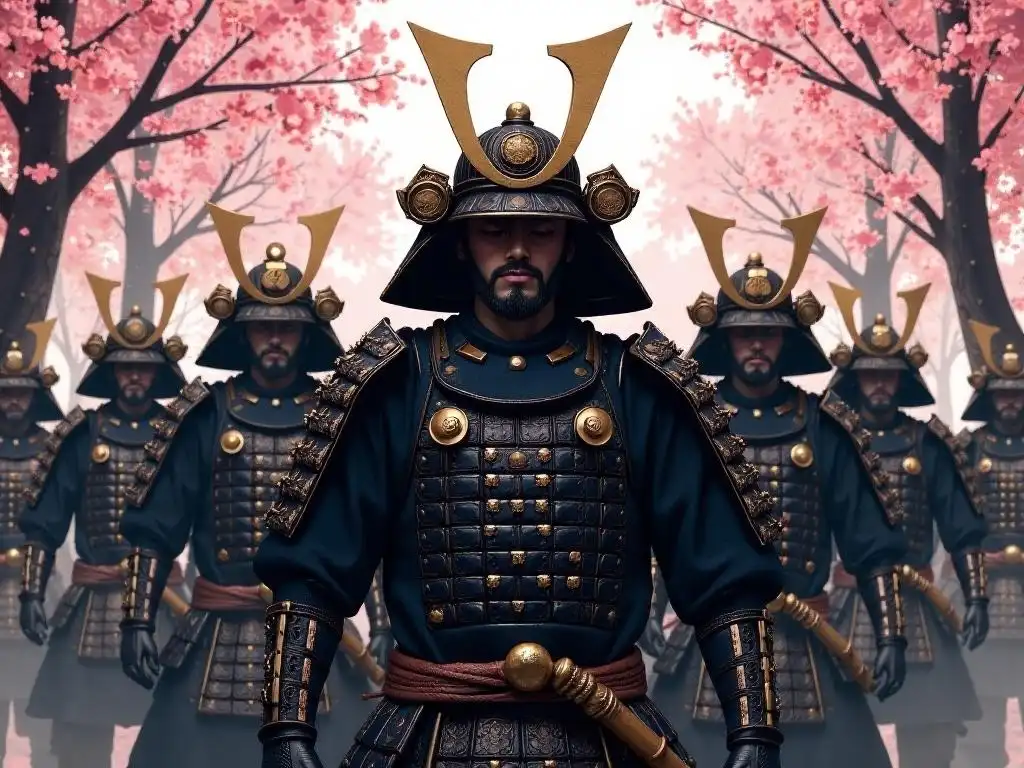
The samurai were renowned for their strategic and tactical prowess in warfare. Their approach to achieving victory was multifaceted, relying on a combination of personal combat skills, psychological tactics, and sophisticated battlefield strategies. The effectiveness of samurai warfare can be attributed to their ability to adapt to changing circumstances and exploit vulnerabilities in enemy formations.
Samurai warfare was characterized by a deep understanding of the terrain, allowing warriors to choose battle sites that provided strategic advantages. They also utilized the element of surprise, often launching ambushes or feigned retreats to lure opponents into traps. This tactical flexibility was key to many samurai victories, enabling them to overcome larger or better-equipped forces.
Additionally, the samurai placed great emphasis on training and discipline. Mastery of martial arts, particularly kenjutsu (swordsmanship), was critical to their success. Samurai engaged in rigorous training regimens that prepared them for the rigors of battle, fostering not only physical capabilities but also mental resilience.
Key Tactical Approaches in Samurai Warfare
The tactical approaches employed by samurai warriors evolved over centuries, reflecting changes in warfare and the socio-political landscape of Japan. Several key strategies stand out:
- Flanking Maneuvers: Samurai often used flanking attacks to encircle their enemies, disrupting their formations and creating chaos within enemy ranks.
- Ambushes: Utilizing the element of surprise, samurai would often set ambushes in natural chokepoints, maximizing their chances of victory.
- Psychological Warfare: The samurai recognized the power of fear and uncertainty. They often employed tactics to intimidate opponents, such as elaborate war cries or the display of fearsome armor.
- Use of Cavalry: Samurai cavalry played a crucial role in mobility and rapid assaults, allowing for quick strikes and retreats as necessary.
These tactical approaches were not just about physical combat; they reflected a broader understanding of warfare that integrated strategy, psychology, and the cultural significance of honor and valor.
Notable Samurai Generals and Their Victory Strategies
Throughout Japan's feudal history, several samurai generals distinguished themselves through their innovative strategies and remarkable victories. Notable figures include:
- Minamoto no Yoshitsune: Renowned for his brilliant tactics during the Genpei War, he is best known for his use of speed and surprise, particularly at the Battle of Dan-no-ura, where he defeated the Taira clan.
- Oda Nobunaga: A pioneer in the use of firearms on the battlefield, Nobunaga employed innovative tactics that transformed samurai warfare. His victory at the Battle of Okehazama is a testament to his strategic genius, as he defeated a much larger force through audacity and surprise.
- Toyotomi Hideyoshi: Known for his ability to unify Japan, Hideyoshi's strategies involved both military might and diplomatic skill. His successful invasions of Korea showcased his capacity for large-scale military campaigns and intricate planning.
These generals exemplified the synthesis of martial skill and strategic acumen, demonstrating how a deep understanding of both tactics and the underlying philosophical concepts of victory could lead to remarkable success in battle. Their legacies continue to influence the perception of samurai warfare today.
The Role of Training and Discipline in Achieving Victory
The path to victory for the samurai was paved with rigorous training and unwavering discipline. Samurai warriors were not merely skilled fighters; they embodied a philosophy that emphasized mental fortitude, physical prowess, and ethical conduct. Training encompassed various martial arts, including kenjutsu (swordsmanship), iaijutsu (the art of drawing the sword), and sojutsu (spear techniques), among others. This multifaceted approach ensured that a samurai was well-rounded in combat, able to adapt to different situations and opponents.
Discipline was equally crucial. Samurai adhered to a strict code of conduct known as Bushido, the "Way of the Warrior," which instilled values such as loyalty, honor, and courage. This code not only shaped their behavior on the battlefield but also dictated their actions in daily life. The fusion of intense training and the principles of Bushido created a warrior class that sought not just victory in battle, but also a deeper understanding of their purpose and existence. The combination of physical skill and ethical grounding ultimately led to their reputation as formidable opponents and respected leaders.
Samurai Training Regimen: Techniques and Skills
The training regimen of a samurai was comprehensive and rigorous, designed to prepare them for the realities of warfare. Early in life, samurai began their training, often starting with basic exercises to build strength and agility. As they progressed, they mastered various weapons, including the katana, tanto, and naginata.
Key components of their training included:
- Kenjutsu: The art of sword fighting, focusing on techniques, footwork, and timing. Samurai practiced kata (pre-arranged forms) to refine their skills.
- Bojutsu: The technique of fighting with a long staff, which enhanced their reach and control.
- Sojutsu: Training with spears, which was vital for battlefield tactics, especially in formations.
- Naginatajutsu: The art of wielding the naginata, a versatile weapon that combined the reach of a spear with the slashing ability of a sword.
Beyond physical skills, samurai also engaged in mental training, which included meditation and strategic games like Go. This mental discipline was essential for maintaining focus during the chaos of battle, enabling samurai to make quick decisions and adapt to changing circumstances.
The Impact of Zen Buddhism on Samurai Warfare
Zen Buddhism had a profound influence on the samurai's approach to warfare and the concept of victory. It introduced principles of mindfulness, concentration, and the importance of living in the present moment. Samurai warriors incorporated these teachings into their combat philosophy, leading to a mindset that prioritized clarity and calmness over aggression and chaos.
The practice of Zen meditation fostered a sense of inner peace, enabling samurai to face the horrors of battle with equanimity. This mental state was crucial for achieving victory, as it allowed them to remain focused, make decisive actions, and respond effectively to threats. Furthermore, Zen’s emphasis on discipline complemented the samurai's rigorous training, reinforcing their commitment to mastering their skills and embodying the ideals of Bushido.
Cultural Representations of Samurai Victory
Cultural representations of samurai victories have played a significant role in shaping Japan's historical narrative and national identity. These depictions often highlight not only the physical prowess of the samurai but also their moral and ethical considerations, reinforcing the notion that true victory goes beyond mere success in battle.
Literature and Art Highlighting Samurai Victories
Samurai victories have been immortalized in various forms of literature and art throughout Japanese history. Epic tales such as "The Tale of the Heike" and "The Tale of the 47 Ronin" celebrate the valor and sacrifice of samurai, illustrating their triumphs and the philosophical underpinnings of their actions. These narratives often emphasize themes of loyalty, honor, and the consequences of victory, providing moral lessons that resonate with audiences.
In art, ukiyo-e woodblock prints often depicted famous battles and heroic samurai, capturing the essence of their victories and the beauty of their martial skills. Artists like Katsushika Hokusai and Utagawa Kuniyoshi created striking images that not only celebrated samurai achievements but also reflected the cultural values of the time.
The Legacy of Samurai Victories in Modern Japanese Culture
The legacy of samurai victories continues to influence modern Japanese culture, permeating various aspects of society, from literature and film to martial arts and national identity. The samurai ethos, characterized by honor, discipline, and courage, remains a source of inspiration for contemporary Japan.
In popular culture, samurai stories are prominent in films such as Akira Kurosawa's "Seven Samurai," which showcases the themes of sacrifice and heroism. The principles of Bushido are also evident in modern martial arts, where practitioners strive to embody the same values upheld by the samurai.
Moreover, the fascination with samurai history and their victories has led to a revival of traditional martial arts and cultural events celebrating samurai heritage. This enduring legacy ensures that the concepts of victory in battle, as understood by the samurai, continue to resonate in the hearts and minds of people today, bridging the past with the present.
Comparing Samurai Victory Concepts with Other Warrior Cultures
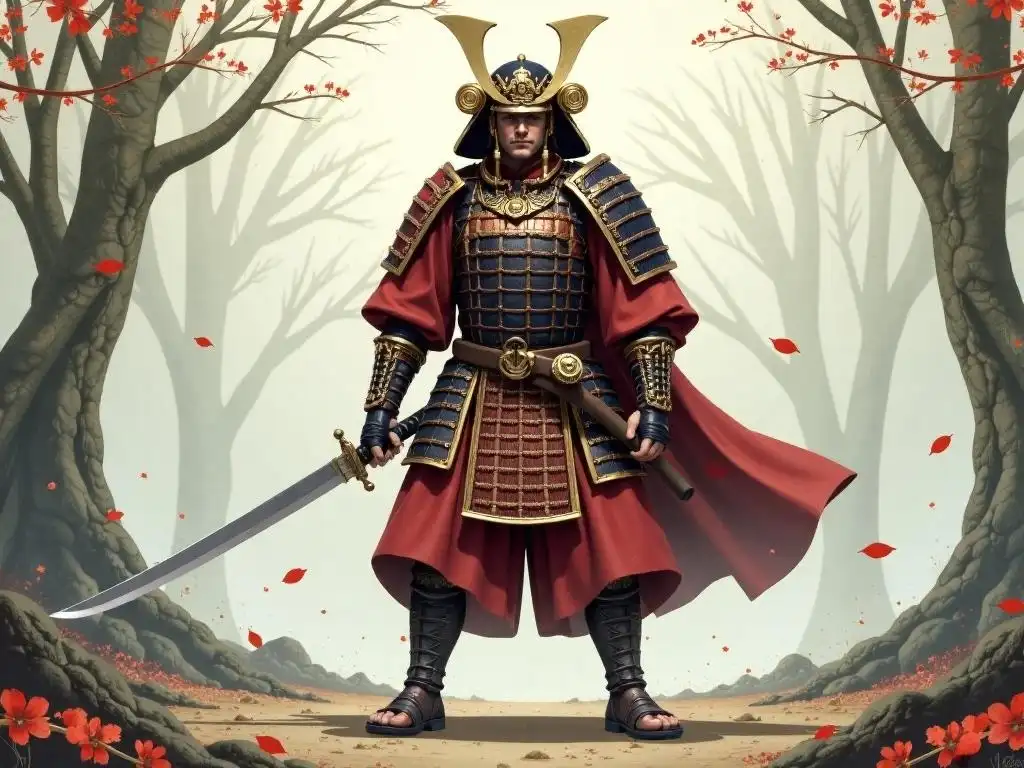
The concept of victory in battle has been interpreted and valued differently across various cultures, with the samurai's perspective being particularly nuanced and deeply rooted in their code of ethics, known as Bushido. Unlike many Western warrior societies that often celebrated outright conquest and territorial expansion, samurai victory concepts were closely tied to honor, loyalty, and personal growth. This multifaceted understanding of victory emphasizes strategic prowess and moral integrity rather than mere military success.
The samurai viewed victory as a harmonious balance between martial skill and moral rectitude. They believed that true victory transcended the battlefield; it included the ability to maintain one's honor and uphold one's principles, regardless of the outcome of a fight. This stands in contrast to the often more individualistic and competitive outlook found in other warrior cultures, where personal glory and accolades were paramount.
Samurai vs. European Knights: Concepts of Victory
The samurai and European knights both held chivalric codes, but their interpretations of victory diverged significantly. For samurai, victory was not solely about defeating an opponent. It was also about demonstrating strength through restraint and upholding the values of loyalty and honor. Engaging in combat was often seen as a last resort; thus, a samurai might consider themselves victorious even in defeat if they maintained their composure and honor.
In contrast, European knights often measured victory by tangible achievements such as capturing territory or defeating an enemy. The ideals of knighthood emphasized valor in battle and the pursuit of glory on the battlefield, leading to a more aggressive pursuit of victory. The concept of courtly love also influenced their view, where personal valor and reputation played significant roles in determining success.
This fundamental difference showcases how cultural values shape the understanding of victory. Samurai prioritized moral triumph alongside martial success, while European knights emphasized personal glory and physical conquest.
Insights from Other Asian Warrior Traditions on Victory
Other Asian cultures, such as the Mongols and the Chinese, also had unique concepts of victory that resonate with or contrast against those of the samurai. For instance, the Mongol warriors, known for their highly mobile warfare tactics, defined victory in terms of strategic advantage and territory gained. Their focus was often on overwhelming strength and rapid movement, which led to a different set of values regarding honor and defeat.
In contrast, Chinese military philosophy, particularly during the Warring States period, emphasized the use of strategy and psychological warfare. Thinkers like Sun Tzu articulated that the best victory is one that is achieved without fighting, suggesting a preference for cunning and strategy over brute force. This aspect aligns with samurai ideals of achieving victory through strategic wisdom and moral superiority, albeit expressed in different philosophical terms.
These insights highlight the spectrum of victory concepts across Asia, suggesting a shared understanding of the importance of strategy, but varying significantly in execution and cultural implications.
Conclusion: The Enduring Legacy of Samurai Victory Concepts in Battle
The samurai's approach to victory in battle leaves an enduring legacy that continues to influence modern perspectives on warfare and ethics. Their blend of martial prowess, strategic acumen, and a deep commitment to personal honor has created a framework that resonates with contemporary military strategies and ethical considerations in conflict situations.
The Influence on Modern Warfare and Military Strategy
Modern military strategies often reflect the samurai's emphasis on honor, restraint, and strategic thinking. The psychological aspects of warfare—such as morale, leadership, and the ethical implications of combat—can be traced back to samurai principles. Military leaders today recognize that the psychological state of troops and the moral justification for conflict can be as crucial as tactical advantages on the battlefield.
Furthermore, the samurai's understanding that true victory can come from avoiding conflict altogether informs contemporary strategies that prioritize negotiation and diplomacy. This approach has been adopted in various military doctrines that advocate for the minimization of conflict through strategic alliances and peaceful resolutions.
Reflections on Samurai Values in Contemporary Society
In contemporary society, the values espoused by the samurai—such as loyalty, honor, and discipline—continue to resonate in various fields beyond the military. Business leaders often draw parallels between samurai ethics and corporate leadership, emphasizing integrity and the importance of building trust in professional relationships.
Moreover, the cultural fascination with samurai history and philosophy has fostered a resurgence of interest in martial arts, where practitioners are encouraged to embody the samurai spirit of self-discipline and respect. This cultural legacy reinforces that the samurai's concepts of victory extend far beyond the battlefield, influencing personal development and ethical standards in various aspects of modern life.
The samurai's unique interpretation of victory in battle offers a profound perspective that continues to inspire and inform contemporary values and practices across diverse domains.
Further Reading on Samurai and Military History
For those interested in delving deeper into the intriguing world of samurai warfare and the intricate concepts of victory in battle, there are numerous resources available. These encompass a range of books, articles, and academic papers that explore various aspects of samurai culture, tactics, and historical context. The following sections provide recommendations that will enrich your understanding of samurai and their military practices.
Recommended Books and Resources on Samurai Warfare
-
"Hagakure: The Book of the Samurai" by Yamamoto Tsunetomo
This classic text offers insights into the samurai code of conduct and philosophy, emphasizing the importance of loyalty and honor over mere victory. Tsunetomo's reflections are foundational to understanding the samurai mindset.
-
"The Samurai: A Military History" by Stephen Turnbull
Turnbull provides a comprehensive overview of samurai warfare, detailing their tactics, weapons, and the evolution of their military practices throughout Japan's feudal era. This book is essential for understanding the strategic approaches of samurai in battle.
-
"Samurai Warfare" by Anthony J. Bryant
This resource dives into the various aspects of samurai combat, including the development of strategies, the role of the battlefield, and the cultural significance of victory. Bryant's work is rich with illustrations and maps that help visualize the samurai's military history.
-
"The Book of Five Rings" by Miyamoto Musashi
Written by one of Japan's most famous swordsmen, this text is not only a treatise on martial arts but also a philosophical exploration of strategy and victory. Musashi's insights into combat can be applied beyond the battlefield, making it a vital read for understanding samurai victory concepts.
-
"Samurai: The Last Warrior" by John Man
This engaging narrative chronicles the life and times of the samurai, portraying their evolution from noble warriors to agents of change within Japanese society. Man's storytelling brings historical events and figures to life, providing a captivating context for the samurai's concept of victory.
Suggested Articles for Deeper Understanding of Samurai Victory Concepts
-
"The Ethics of Warfare in the Samurai Tradition"
This article examines how the samurai's ethical beliefs influenced their approach to battle and victory. It discusses the relationship between honor and success, exploring the philosophical underpinnings of samurai warfare.
-
"Tactics and Techniques: How Samurai Won Battles"
A detailed analysis of the specific tactics employed by samurai in various historical battles, this piece highlights the strategic innovations that led to victories and the lessons learned from defeats.
-
"The Role of Bushido in Defining Samurai Victory"
This article investigates the Bushido code and its impact on the samurai's perception of victory. It discusses how this ethical framework shaped their actions in battle and their understanding of what it meant to be victorious.
-
"Famous Samurai Battles: Strategies and Outcomes"
Focusing on key battles throughout samurai history, this resource breaks down the strategies employed and the factors that led to triumph or defeat, providing valuable insights into the samurai's military effectiveness.
-
"The Concept of Honor in Samurai Warfare"
This exploration delves into the idea of honor as a crucial element of victory for the samurai. It discusses how the pursuit of honor often influenced decisions in battle and the sacrifices made in the name of honor.
By engaging with these recommended books and articles, readers can gain a comprehensive understanding of samurai victory concepts in battle, enriching both their knowledge and appreciation of this fascinating aspect of feudal Japan.
- Introduction to Samurai Victory Concepts in Battle
- Historical Context of Samurai and Warfare
- Philosophical Underpinnings of Victory in Battle
- Strategies and Tactics Leading to Samurai Victory
- The Role of Training and Discipline in Achieving Victory
- Cultural Representations of Samurai Victory
- Comparing Samurai Victory Concepts with Other Warrior Cultures
- Conclusion: The Enduring Legacy of Samurai Victory Concepts in Battle
- Further Reading on Samurai and Military History
- What were the key principles of Samurai victory in battle?
- How did the philosophy of victory influence Samurai tactics?
- What role did training play in achieving victory for the Samurai?
- How did the cultural context shape the Samurai's view on victory?
- Were there any notable battles that exemplify Samurai victory concepts?
Frequently Asked Questions
What were the key principles of Samurai victory in battle?
The Samurai adhered to a code of Bushido, which emphasized honor, loyalty, and courage. These principles guided their strategies and actions in combat, shaping their approach to achieving victory.
How did the philosophy of victory influence Samurai tactics?
The philosophy surrounding victory was integral to Samurai tactics, promoting not just physical prowess but also mental discipline and strategic planning. This holistic approach often determined their success in battles.
What role did training play in achieving victory for the Samurai?
Rigorous training was crucial for the Samurai, ensuring they mastered various weapons and techniques. This preparation allowed them to execute their battle strategies effectively and secure victories.
How did the cultural context shape the Samurai's view on victory?
The cultural context of feudal Japan emphasized the importance of honor and glory in warfare. The Samurai viewed victory not only as a military achievement but also as a means to uphold their reputation and status.
Were there any notable battles that exemplify Samurai victory concepts?
Yes, battles such as the Battle of Sekigahara and the Siege of Osaka highlight the strategies and principles of Samurai warfare, showcasing how their concepts of victory influenced the outcomes and shaped Japan’s history.
Final Reflection: Embracing the Spirit of Samurai Victory
The concept of victory in battle, as explored through the lens of the Samurai, remains profoundly relevant today. In a world where conflicts are not only fought on the battlefield but also in our daily lives, understanding the principles that guided these noble warriors can offer invaluable insights. The Samurai's approach to victory transcends mere physical triumph; it embodies a philosophy of honor, discipline, and resilience that resonates deeply in our contemporary struggles.
The enduring legacy of the Samurai continues to shape our cultural and social landscape, reminding us that true victory lies not just in winning but in the manner in which we engage with challenges. The principles of strategy, respect, and self-improvement that defined the Samurai's approach to battle can be applied to our personal and professional lives. As the renowned Samurai Miyamoto Musashi once stated, "> The ultimate aim of martial arts is not having to use them." This sentiment encapsulates the idea that victory is not solely about defeating an opponent but about mastering oneself and one’s circumstances.
As we reflect on the lessons of the Samurai, let us strive to embody their spirit in our own lives. Consider how you can apply the Samurai's concepts of victory to your challenges, whether they be personal, professional, or societal. Embrace the journey of self-discovery and growth, and remember that every battle fought with honor and integrity is a victory in itself. Take a moment to reflect on your own path and ask yourself: How can I channel the wisdom of the Samurai to achieve my own victories?
Embrace the Spirit of the Samurai: Take Action Today!
Thank you for exploring the fascinating world of the samurai and their unique perspective on victory in battle! Your interest in this rich history offers a deeper understanding of the values that shaped feudal Japan. Now, let's channel that inspiration into actions you can take to further engage with this incredible legacy.
- Dive Deeper: Read an acclaimed book about samurai philosophy or strategy, such as Hagakure: The Book of the Samurai, to expand your knowledge.
- Share Your Insights: Join our community forum and discuss how the samurai concept of victory can apply to modern challenges.
- Experience the Culture: Attend a local martial arts class or workshop that practices traditional samurai techniques to connect with their discipline and spirit.
How can the samurai's understanding of victory influence your personal challenges today?