
Ashigaru and the Changing Face of Japanese Military Strategy


Welcome to Feudal Japan History, where we invite you to embark on an engaging journey through the captivating tapestry of Japan's feudal era. Delve into the evolution of Japanese military strategy, as we unravel the fascinating role of the ashigaru—the foot soldiers who transformed warfare in this tumultuous period.
In our featured article, "Ashigaru and the Changing Face of Japanese Military Strategy," you'll discover how these soldiers not only shaped the battlefield but also reflected the broader shifts in society and culture. Prepare to explore the intricate layers of history that have defined Japan, and let your curiosity guide you deeper into the past!
- Introduction to Ashigaru and Japanese Military Strategy Evolution
- Historical Context of Ashigaru in Japanese Warfare
- The Transformation of Japanese Military Strategy
- Tactical Innovations Introduced by Ashigaru
- The Role of Ashigaru in Major Battles
- Societal Implications of Ashigaru in Feudal Japan
- Conclusion: The Lasting Impact of Ashigaru on Japanese Military Strategy Evolution
- Frequently Asked Questions
- Final Reflection: The Evolution of Japanese Military Strategy Through the Lens of Ashigaru
- Embrace the Evolution of Military Strategy!
Introduction to Ashigaru and Japanese Military Strategy Evolution
The evolution of Japanese military strategy during the feudal era is a captivating journey that reflects the dynamic interplay of social structure, cultural values, and technological advancements. Central to this evolution was the role of the ashigaru, a class of foot soldiers who emerged as pivotal figures in the changing landscape of warfare in Japan. This article delves into the intricacies of how ashigaru not only adapted to but also influenced Japanese military strategy, highlighting their significance in the broader context of feudal Japan's tumultuous history.
As we explore the Japanese military strategy evolution, we will uncover how these warrior peasants transitioned from mere support troops to integral components of military campaigns, shaping tactics, formations, and the very fabric of feudal warfare. By examining the historical backdrop and the socio-political conditions that fostered the rise of the ashigaru, we aim to provide a comprehensive understanding of their enduring legacy in the annals of Japanese military history.
Overview of Japanese Military Strategy Evolution
The evolution of Japanese military strategy can be traced back to the early periods of warfare, where samurai warriors dominated the battlefield. However, as Japan transitioned into the feudal era around the 12th century, the emergence of new military tactics and troop compositions marked a significant shift.
- Early Samurai Warfare: Initially, samurai were the elite warriors, engaging in battles characterized by individual combat and honor. Their strategies were heavily dependent on personal skill and the use of cavalry.
- Rise of Ashigaru: By the 15th century, the demand for more soldiers led to the recruitment of ashigaru, who were often commoners equipped with simple weapons. This shift was significant as it allowed for larger armies and the implementation of new tactics, such as mass infantry formations.
- Gunpowder and Firearms: The introduction of firearms in the 16th century further transformed military strategies. Ashigaru became essential in utilizing these new weapons, leading to changes in battlefield dynamics.
- Unification of Japan: The unification efforts of leaders like Oda Nobunaga and Toyotomi Hideyoshi highlighted the strategic importance of ashigaru. They utilized these soldiers in large numbers to execute complex maneuvers, showcasing the evolution from traditional samurai-centric warfare to a more organized and strategic military approach.
The evolution of these strategies not only reflects advancements in military technology but also the changing socio-political landscape of Japan, where the ashigaru played a crucial role in the rise and fall of powerful clans.
Significance of Ashigaru in Feudal Japan
The ashigaru were not merely foot soldiers; they represented a significant shift in the military paradigm of feudal Japan. Their importance can be understood through several key aspects:
- Increased Accessibility: The recruitment of ashigaru allowed broader societal participation in warfare, breaking down the rigid class barriers that had previously defined the samurai class.
- Strategic Flexibility: Ashigaru provided commanders with greater flexibility on the battlefield. Their ability to adapt to various combat situations, from skirmishes to large-scale battles, made them invaluable assets in military campaigns.
- Formation of New Tactics: The integration of ashigaru into military strategies led to the development of new formations and tactics. Their presence allowed for innovative approaches to warfare, such as the use of combined arms, where infantry, cavalry, and artillery worked in unison.
- Cultural Impact: The rise of the ashigaru also had cultural ramifications. As they gained prominence, the perception of warfare shifted, emphasizing collective effort over individual valor. This marked a significant change in the ethos of Japanese warfare.
The ashigaru were instrumental in the evolution of Japanese military strategy, reflecting broader historical changes and highlighting the importance of adaptability and innovation in warfare. Their legacy is a testament to the changing face of feudal Japan's military landscape, making them a focal point in the study of military history during this era.
Historical Context of Ashigaru in Japanese Warfare
The Emergence of Ashigaru in the 15th Century
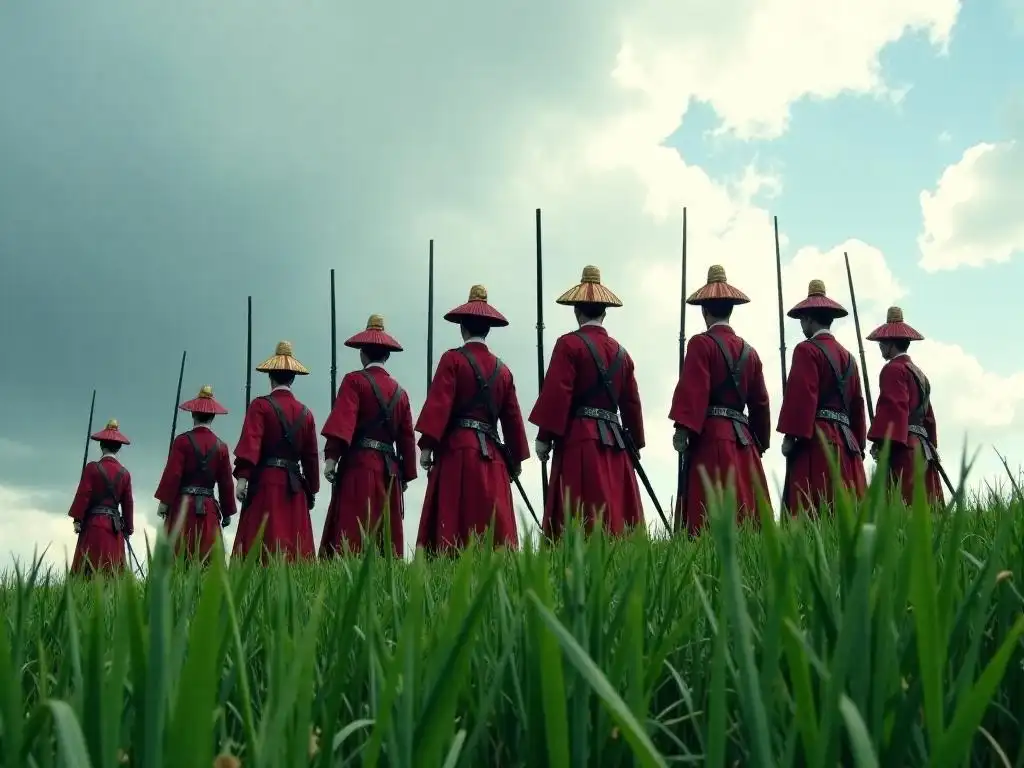
The emergence of ashigaru, foot soldiers in feudal Japan, marked a significant shift in military organization and strategy during the 15th century. Traditionally, the Japanese military relied heavily on samurai, who were predominantly mounted warriors and part of the nobility. However, as regional conflicts intensified and the need for larger armies arose, the samurai class began to incorporate ashigaru into their ranks to bolster their forces.
Key Factors Influencing Emergence:
- Cost-Effectiveness: Samurai were expensive to maintain due to their noble status and the need for extensive training. In contrast, ashigaru were recruited from the common populace, providing a less costly alternative.
- Technological Advancements: The introduction of firearms, particularly during the late 16th century, required a different tactical approach. Ashigaru could be trained more quickly to operate these weapons than their samurai counterparts, who typically focused on traditional martial skills.
- Political Instability: The rise of powerful daimyos (feudal lords) led to increased competition for territory. This urgency necessitated the development of mass infantry forces, enabling daimyos to mobilize large numbers of ashigaru swiftly.
The formation of organized ashigaru units allowed for greater flexibility in battle formations and tactics, helping to lay the groundwork for the evolution of Japanese military strategy.
Role of Ashigaru in the Sengoku Period
During the Sengoku period (1467-1603), ashigaru played a crucial role in the evolving landscape of Japanese warfare. This era, characterized by constant civil war and the fragmentation of power, saw the professionalization and tactical integration of ashigaru within armies.
Key Contributions of Ashigaru:
- Mass Infantry Tactics: Ashigaru units were often deployed in large formations, utilizing pike and firearm tactics to overwhelm enemy forces. This approach contrasted sharply with traditional samurai-on-samurai combat.
- Versatility: The ashigaru were not limited to one type of combat. They could be equipped with various weapons, including spears (yari) and matchlock guns (tanegashima), allowing for flexible strategies depending on battlefield requirements.
- Integration with Samurai: Rather than existing in opposition to samurai, ashigaru units complemented samurai cavalry. Samurai would typically engage in direct combat, while ashigaru provided support through ranged attacks and flanking maneuvers.
The success of ashigaru on the battlefield contributed to the decline of the samurai's exclusive dominion over warfare, demonstrating a shift towards a more inclusive and tactical military structure.
Comparison with Samurai and Other Warrior Classes
The role of ashigaru in Japanese military strategy evolution can be better understood by comparing them with samurai and other warrior classes of the time. Each class had distinct roles, training, and societal implications.
| Aspect | Ashigaru | Samurai | Other Warrior Classes |
|---|---|---|---|
| Social Status | Commoners, often conscripted or hired | Nobility, part of the warrior elite | Varied (e.g., monks, peasants) |
| Training | Basic training, often rapid | Extensive training in martial arts | Varied, often specialized in specific skills |
| Combat Role | Infantry, firearms, and pike tactics | Cavalry, direct combat, honor in duels | Support roles, specialized functions |
| Equipment | Simple armor, varied weaponry | Elaborate armor, swords (katana) | Mostly traditional weapons, depending on class |
Key Takeaways:
- Military Functionality: While samurai were the elite warriors of their time, ashigaru provided the backbone of the military force, showcasing an evolution in strategy that emphasized numbers and adaptability.
- Cultural Significance: The rise of ashigaru illustrated a democratization of military service, as commoners could gain honor and status through battlefield success, a shift away from the aristocratic monopoly on warfare.
- Strategic Evolution: The integration of ashigaru into the military framework represented a pivotal moment in Japanese military strategy evolution, where tactical innovation began to take precedence over traditional noble warfare.
The evolution of Japanese military strategy during this time demonstrated a response to the changing dynamics of warfare, with ashigaru playing an indispensable role in shaping the future of Japan's military landscape.
The Transformation of Japanese Military Strategy
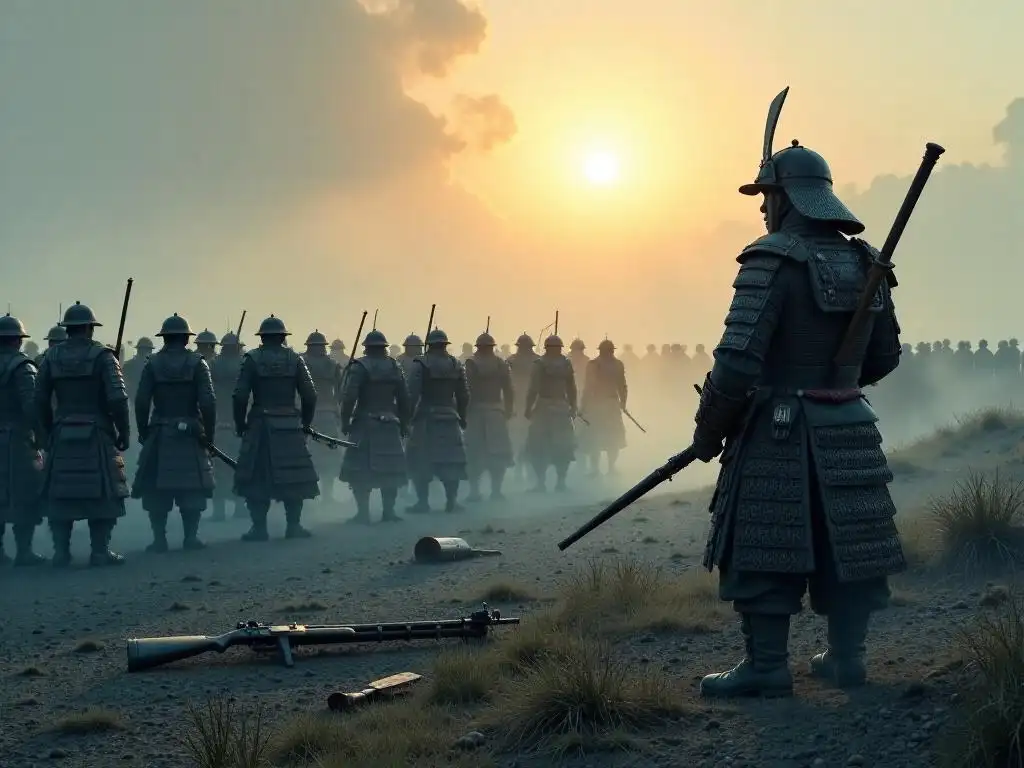
The transformation of Japanese military strategy during the feudal era was characterized by a gradual but profound shift from traditional samurai-led warfare to a more diverse and inclusive military structure that incorporated the ashigaru. This evolution marked a significant departure from the elite, often individualistic combat styles of the samurai to a strategy that emphasized mass mobilization, tactical flexibility, and the integration of various military units.
The rise of ashigaru, foot soldiers primarily composed of commoners, played a crucial role in this transformation. As the demand for larger fighting forces increased due to the ongoing conflicts among feudal lords, military leaders recognized that the samurai alone were insufficient to meet these needs. Consequently, the incorporation of ashigaru into the military hierarchy allowed for the development of new strategies that capitalized on their numbers and versatility.
Factors Influencing Military Strategy Evolution
Several factors contributed to the evolution of Japanese military strategy during this period. Understanding these influences provides a clearer picture of how the role of ashigaru emerged and transformed the battlefield dynamics.
Political Changes and Feudalism
The political landscape of feudal Japan was marked by fragmentation and power struggles among regional daimyōs (feudal lords). This environment necessitated a shift in military tactics. Key aspects of political changes include:
- Decentralization of Power: With no single ruler, local daimyōs sought to expand their territories, leading to constant warfare. This situation required a larger pool of soldiers, prompting the integration of ashigaru into military campaigns.
- Emergence of New Leadership: As certain daimyōs rose to prominence, they often relied on ashigaru to supplement their samurai forces, thereby encouraging a shift toward more inclusive military strategies.
- Alliances and Coalitions: Political alliances often dictated military strategy, with ashigaru being mobilized quickly to support or oppose rival factions.
Technological Advancements in Warfare
Technological innovations also played a vital role in altering Japanese military strategy. Key advancements included:
- Firearms Introduction: The arrival of matchlock firearms (tanegashima) in the 16th century revolutionized combat. Ashigaru, trained to use these weapons, became essential in battle formations, allowing for coordinated volleys that could disrupt traditional samurai tactics.
- Fortification Techniques: The development of castle fortifications changed the dynamics of siege warfare. Ashigaru could be utilized effectively in defensive roles, protecting these strongholds and contributing to prolonged engagements.
- Logistical Improvements: Advances in supply chains and communication enabled larger armies to operate more efficiently, further solidifying the ashigaru's role in military campaigns.
The Shift from Elite Samurai to Massed Ashigaru Forces
The evolving military strategy in feudal Japan saw a marked shift from reliance on elite samurai warriors to the mass mobilization of ashigaru forces.
The Rise of Ashigaru
As the need for greater numbers became apparent, the ashigaru evolved from a mere auxiliary force into a central component of military structure. Their rise can be attributed to several factors:
- Increased Recruitment: Many samurai began to recruit ashigaru from lower socio-economic backgrounds, providing them with basic training and arms, thus expanding the military's manpower.
- Tactical Flexibility: Unlike the rigid formations of samurai, ashigaru units could adapt more easily to changing battlefield conditions, making them valuable assets during warfare.
- Promotion Opportunities: Successful ashigaru could rise through the ranks, gaining status and influence, which contributed to their commitment and effectiveness on the battlefield.
Tactical Implications
The integration of ashigaru into military strategies had profound implications:
- Formation Strategies: The use of large formations of ashigaru allowed for new tactics, such as the "ashigaru line," which maximized the effectiveness of ranged weapons and created a formidable front line against charging samurai.
- Psychological Warfare: The sheer number of ashigaru could intimidate enemy forces, shifting the psychological dynamics of battles. Their presence often forced opponents to reconsider direct confrontations.
- Diverse Combat Scenarios: Ashigaru were not only armed with firearms but also equipped with spears, swords, and other weapons, allowing for versatile combat strategies that could adapt to various scenarios.
The evolution of Japanese military strategy during the feudal era was significantly shaped by the rise of the ashigaru. As political and technological changes reshaped the landscape, military leaders increasingly relied on these foot soldiers to create a more dynamic and effective fighting force, ultimately transforming the nature of warfare in feudal Japan.
Tactical Innovations Introduced by Ashigaru
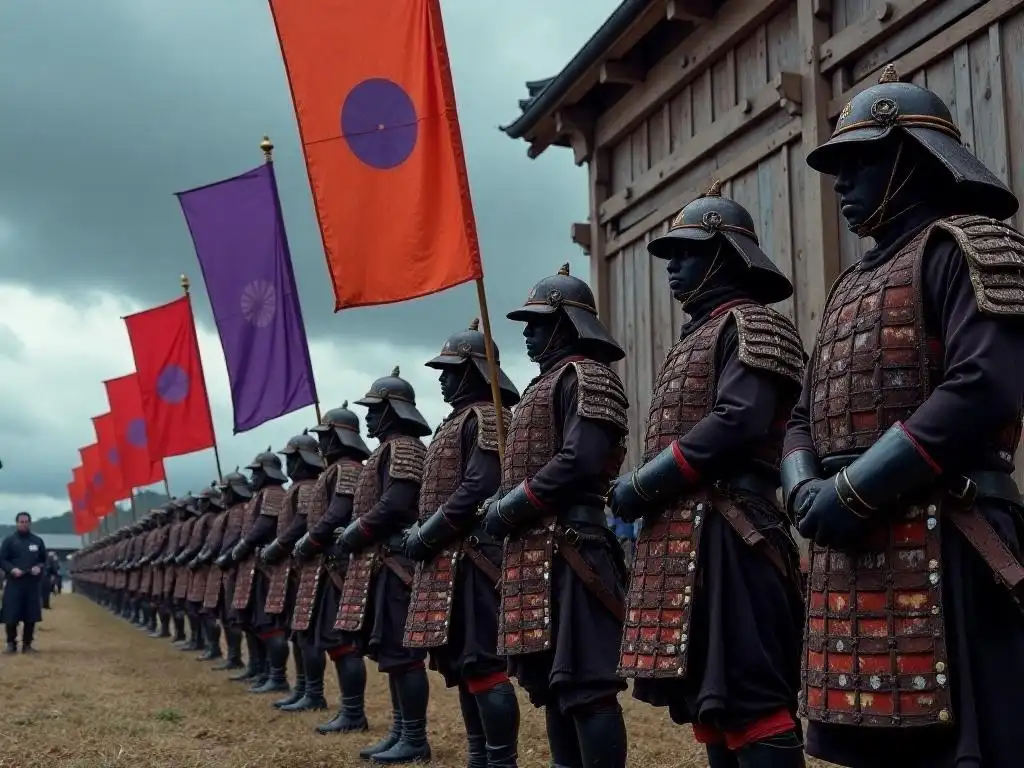
The evolution of Japanese military strategy during the feudal era is significantly marked by the introduction of the ashigaru, the foot soldiers who played a vital role in transforming warfare in Japan. As warfare became more complex, the need for tactical innovations became apparent, and the ashigaru were at the forefront of these changes.
The Use of Firearms and Ashigaru
The introduction of firearms in the 16th century revolutionized Japanese military tactics. Initially brought to Japan by Portuguese traders, these weapons were quickly adopted by the ashigaru, who played a crucial role in their deployment on the battlefield.
- Adoption of Gunpowder Weapons:
- The tanegashima, a type of matchlock firearm, was embraced by the ashigaru. This weapon allowed soldiers to engage enemies from a distance, reducing the reliance on traditional melee combat.
- The effectiveness of firearms led to tactical formations that emphasized ranged engagement, shifting the focus from heavily armored samurai to more versatile foot soldiers.
- Impact on Battle Dynamics:
- The presence of ashigaru armed with firearms changed the landscape of battles. They could inflict significant damage before the enemy reached close combat range, effectively reshaping strategies.
- Battles such as the Battle of Nagashino (1575) demonstrated the effectiveness of ashigaru in combined arms tactics, where they used firearms in unison with cavalry and samurai, leading to decisive victories.
- Training and Organization:
- The ashigaru were trained not only in the use of firearms but also in maintaining them, which was crucial for sustaining their effectiveness in prolonged engagements.
- This shift necessitated a more structured approach to military organization, where ashigaru units were trained and deployed in coordinated groups, further enhancing their impact on the battlefield.
Formation Strategies and Battlefield Tactics
With the ashigaru's integration into the military, innovative formation strategies emerged that emphasized the strengths of these foot soldiers.
- Deployment in Lines and Squares:
- Traditional battle formations began to evolve as ashigaru units were deployed in lines or squares, allowing for overlapping fields of fire. This tactic maximized the effectiveness of their firearms while providing mutual support and protection.
- Such formations were particularly effective in countering cavalry charges, as the ashigaru could fire in volleys to disrupt enemy formations.
- Mobility and Flexibility:
- Ashigaru units were generally lighter and more mobile than their samurai counterparts. This mobility allowed for quick repositioning on the battlefield, enabling commanders to exploit weaknesses in enemy formations.
- The use of skirmishers became more prevalent, as ashigaru could engage in hit-and-run tactics, harassing enemy troops while avoiding direct engagement.
- Transition from Individual Valor to Collective Strategy:
- The emphasis on individual samurai valor began to shift towards a more collective approach to warfare, where strategy and tactics were determined by the unit's capabilities rather than the prowess of individual warriors.
- This transition reflected a changing military culture that valued coordination and discipline, which were essential in the increasingly complex battles of the period.
Integration of Ashigaru into Samurai Armies
The integration of ashigaru into samurai armies marked a pivotal shift in Japanese military strategy, blurring the lines between the traditional warrior class and common foot soldiers.
- Role in Feudal Warfare:
- Ashigaru often formed the backbone of samurai armies, providing essential manpower that allowed for larger and more diverse forces. This integration meant that samurai could rely on a steady stream of foot soldiers to support their campaigns.
- The hierarchy within armies began to adapt to include ashigaru, allowing for greater flexibility in command structures and operational strategies.
- Promotion and Meritocracy:
- The rise of the ashigaru also introduced the concept of meritocracy within feudal armies. Successful ashigaru might be promoted to higher ranks, gaining recognition and status that was previously reserved for samurai.
- This shift encouraged a more inclusive military culture and fostered loyalty among the ranks, as ashigaru could envision pathways to advancement based on their performance.
- Cultural Impact:
- The integration of ashigaru into samurai armies contributed to a broader cultural shift within Japan. It challenged the rigid social hierarchies of the time and began to blur the lines between the elite samurai class and the lower classes.
- This evolution not only affected military strategy but also influenced societal perceptions of honor, loyalty, and the nature of warfare in Japan.
The tactical innovations introduced by ashigaru during Japan's feudal era not only transformed military strategies but also reshaped the very fabric of Japanese society. Their contributions to the evolution of Japanese military strategy are a testament to their significance in this transformative period.
The Role of Ashigaru in Major Battles
Key Battles Featuring Ashigaru Forces
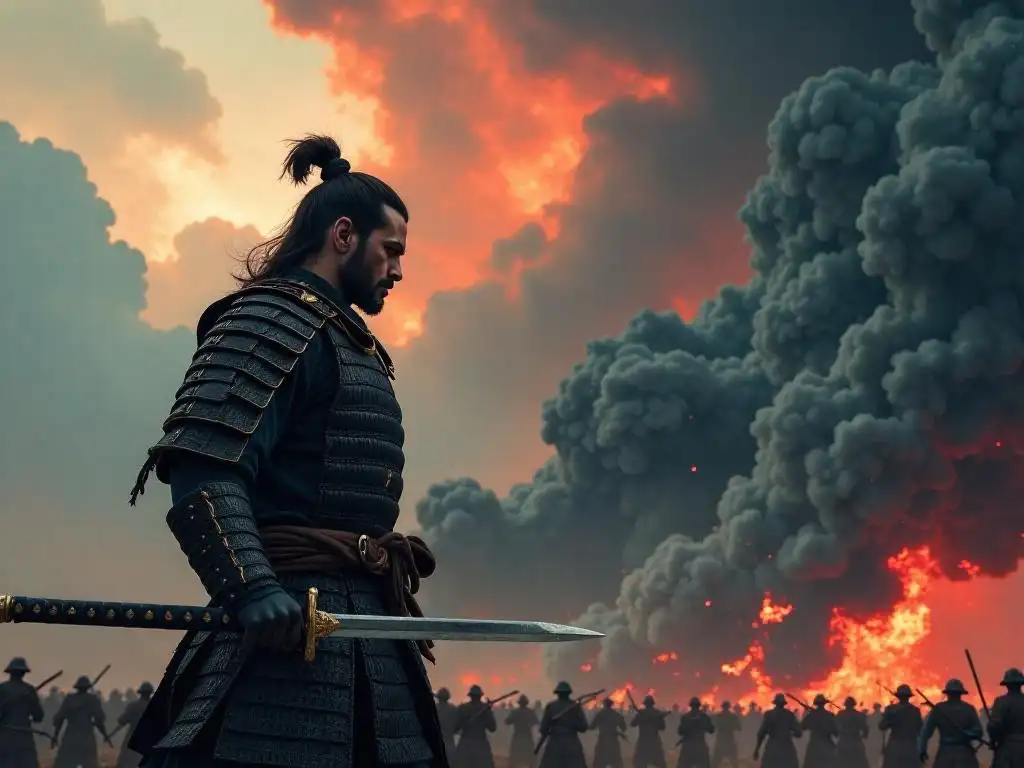
The Ashigaru, originally peasant foot soldiers, evolved into a crucial component of Japan's military during the feudal era. Their role in major battles not only highlights their combat capabilities but also signifies the broader evolution of Japanese military strategy. Below are key battles where Ashigaru forces played pivotal roles:
- The Battle of Nagashino (1575)
- The Siege of Osaka (1614-1615)
- The Battle of Sekigahara (1600)
- The Battle of Kawanakajima (1561)
Each of these battles showcases the Ashigaru's transformation from mere support troops to essential frontline fighters, reflecting the changing dynamics of Japanese military strategy.
The Battle of Nagashino and Its Impact
The Battle of Nagashino stands as a landmark event in the evolution of Japanese military tactics, particularly for the use of Ashigaru. Fought between the forces of Tokugawa Ieyasu and the Takeda clan, this battle saw the effective deployment of Ashigaru armed with firearms.
- Tactical Innovations: The Tokugawa forces utilized a revolutionary strategy, employing Ashigaru in a volley fire formation. This allowed them to maximize the effectiveness of their matchlocks against the heavily armored cavalry of the Takeda.
- Outcome and Significance: The decisive victory for Tokugawa not only diminished the power of the Takeda clan but also demonstrated the potential of Ashigaru as a formidable fighting force. As a result, the battle marked a shift in military strategy, emphasizing the importance of gunpowder weapons and disciplined infantry formations.
The Siege of Osaka: Ashigaru's Contribution
The Siege of Osaka is another critical example of Ashigaru's role in military operations. During this protracted conflict, which involved the forces of Tokugawa Ieyasu and the remnants of the Toyotomi clan, Ashigaru troops were instrumental in various capacities.
- Defensive Strategies: Ashigaru were employed in defensive positions, utilizing fortifications effectively to withstand prolonged assaults. Their ability to hold strategic points reflected the evolving military doctrine that emphasized combined arms and defensive tactics.
- Morale and Resource Management: The Ashigaru also played a role in maintaining morale among the ranks and managing the resources necessary for sustaining a siege. Their presence bolstered the overall effectiveness of the Tokugawa forces during this critical period.
Analysis of Ashigaru's Effectiveness in Combat
The effectiveness of Ashigaru in combat can be attributed to several factors that highlight their significance in the realm of Japanese military strategy:
- Adaptability to Evolving Warfare: As warfare in Japan transitioned from traditional samurai engagements to more complex battles involving firearms and large formations, the Ashigaru adapted quickly. Their training and integration into new tactics allowed them to excel in various combat situations.
- Increased Numbers and Logistics: The Ashigaru constituted a large portion of the fighting force, making it feasible for warlords to mobilize substantial infantry. This numerical superiority often tipped the scales in favor of those who effectively integrated Ashigaru into their strategies.
- Integration of Firearms: With the introduction of firearms, Ashigaru were no longer merely support troops. Their ability to operate matchlocks and engage in coordinated firing formations significantly altered battle outcomes, allowing for greater firepower on the battlefield.
- Social Mobility and Loyalty: The Ashigaru's status as commoners who could rise through the ranks fostered loyalty and a sense of purpose. This loyalty often translated into fierce combat effectiveness, as they fought not only for their lords but also for their own social advancement.
The role of Ashigaru in major battles represents a significant chapter in the evolution of Japanese military strategy. Their effectiveness and adaptability illustrate how the feudal Japanese military landscape transformed to meet the challenges of warfare during this era. The Ashigaru not only changed the face of combat but also paved the way for the future of Japanese military organization.
Societal Implications of Ashigaru in Feudal Japan

The emergence of the ashigaru class in feudal Japan marked a significant transformation not only in military tactics but also in the social fabric of the era. As foot soldiers who were often drawn from the lower classes, ashigaru played a crucial role in the shifting dynamics of power and social structure during Japan's feudal period. Their existence and evolution brought about notable societal implications that reshaped both the perception of warriors and the hierarchical order of Japanese society.
The ashigaru were primarily composed of commoners, including farmers and laborers, who were recruited to serve as foot soldiers. This marked a notable shift in the traditional samurai-centric military structure, which had long been dominated by the bushi, or warrior class.
- Opportunities for Advancement:
- The rise of the ashigaru provided opportunities for social mobility that were previously unattainable for lower-class individuals. Successful ashigaru could earn land, titles, and even the right to bear arms.
- Notable examples include figures like Kato Kiyomasa, who began as an ashigaru and rose to become a renowned samurai lord.
- Impact on Social Structure:
- The acceptance of ashigaru into the military fold blurred the strict class boundaries of the time. This incorporation allowed for a more fluid social structure, where merit and bravery could lead to upward mobility.
- The presence of ashigaru in battle formations also prompted regional daimyō (feudal lords) to rethink their recruitment strategies, drawing more from the peasant classes to bolster their forces.
- Economic Contributions:
- Ashigaru served as a vital economic resource for their lords. As they were primarily drawn from the agricultural population, their military service also meant that they maintained ties to their lands, which remained productive during peacetime.
Cultural Perceptions of Ashigaru Warriors
The cultural perception of ashigaru warriors evolved throughout the feudal era, reflecting broader changes in Japanese society's values and military needs.
- From Disdain to Respect:
- Initially, ashigaru were viewed with a degree of disdain by the samurai class, seen as inferior due to their common origins. However, their crucial role in battles during the Sengoku period (Warring States period) led to a gradual shift in perception.
- Notable military successes, such as during the Battle of Nagashino in 1575, showcased the effectiveness of ashigaru in coordinated warfare, leading to increased respect for their contributions.
- Representation in Culture:
- Ashigaru also began to appear in literature, art, and folklore, symbolizing the changing nature of war and the democratization of military service. Their representation in kabuki and other forms of performance art helped to humanize them and celebrate their bravery.
- These cultural depictions often emphasized themes of loyalty and valor, aligning ashigaru with the samurai ideals of bushido but acknowledging their unique status and contributions.
- Symbol of Change:
- Ashigaru came to symbolize the evolution of Japanese military strategy, reflecting the need for a more versatile and adaptive force. Their experience marked a departure from the traditional samurai warfare, which relied heavily on cavalry tactics.
The Legacy of Ashigaru in Japanese Society
The legacy of ashigaru extends beyond their military contributions, influencing Japanese society in various profound ways.
- Foundation for Modern Military:
- The organizational strategies developed through the use of ashigaru laid important groundwork for Japan’s later military systems. Their integration into feudal armies highlighted the importance of infantry, which would be further refined in later periods.
- This evolution set the stage for the modernization of Japan’s military in the late 19th century, where lessons learned from the ashigaru experience were adapted to contemporary warfare.
- Cultural Memory and Historical Perspective:
- In modern Japan, the ashigaru are often remembered as a symbol of the common man’s potential to achieve greatness. Their story is celebrated in various forms of media, influencing how history is taught and understood.
- The narrative of the ashigaru serves as a reminder of the potential within all classes of society to contribute to national identity and pride.
- Social Equity and Class Dynamics:
- The rise of the ashigaru prompted discussions about class dynamics and social equity that resonate in contemporary Japanese society. Their legacy continues to inspire debates around social mobility and the importance of recognizing merit over birthright.
The ashigaru class not only transformed Japanese military strategy but also reshaped societal structures and cultural perceptions, leaving a lasting legacy that continues to influence Japan today. Their journey from commoners to respected warriors illustrates the dynamic interplay between military needs and social evolution throughout Japan’s feudal history.
Conclusion: The Lasting Impact of Ashigaru on Japanese Military Strategy Evolution
The evolution of Japanese military strategy during the feudal era cannot be discussed without acknowledging the significant role played by the ashigaru. As foot soldiers of the samurai, they represented a crucial shift in military composition and tactics, marking a transition from a purely elite warrior class to a more diversified and strategically flexible military force. By examining their contributions, we gain insights into the broader implications for military strategy in Japan.
Summary of Key Points
- Origins and Development of the Ashigaru:
- Initially, ashigaru were commoners who provided support to samurai armies.
- Over time, they evolved into a distinct military force, equipped with weapons like spears and later, firearms.
- Impact on Military Organization:
- The integration of ashigaru allowed for larger armies and more complex battlefield maneuvers.
- Command structures changed, incorporating ashigaru into tactical decisions, which led to innovative strategies that leveraged their numbers.
- Technological Advancements:
- The introduction of firearms in the late 16th century drastically altered battlefield tactics.
- Ashigaru were often the frontline soldiers utilizing these weapons, showcasing how their role adapted to new technologies.
- Social Implications:
- The rise of ashigaru signaled a shift in social dynamics, as commoners gained military importance and influence.
- This evolution promoted a more meritocratic view within the military sphere, where skill and loyalty gained precedence over noble birth.
- Strategic Flexibility:
- Ashigaru units provided commanders with greater operational flexibility, allowing for rapid responses to battlefield conditions.
- Their adaptability contributed to the success of various clans during Japan’s unification under leaders like Oda Nobunaga and Toyotomi Hideyoshi.
Future Directions in the Study of Ashigaru and Military History
The study of ashigaru and their role in the evolution of Japanese military strategy is still ripe for exploration. Future research could focus on several areas:
- Comparative Studies: Analyzing the role of foot soldiers in other cultures and how they impacted military strategies globally could provide a broader context for understanding ashigaru.
- Detailed Tactical Analysis: Further examination of specific battles where ashigaru played a pivotal role can yield insights into tactical innovations and their implications for modern warfare.
- Socio-Economic Factors: Investigating how the socio-economic background of ashigaru influenced their military effectiveness and societal status could reveal deeper connections between military and social history.
- Cultural Representations: Analyzing how ashigaru have been portrayed in literature, art, and popular culture can shed light on their legacy and the evolving perception of military service in Japan.
The lasting impact of ashigaru on Japanese military strategy evolution is multifaceted, influencing not only military tactics but also social structures and cultural representations. Understanding this impact is crucial for a comprehensive grasp of Japan’s feudal history and its military transformations.
Frequently Asked Questions
What were Ashigaru in Feudal Japan?
Ashigaru were foot soldiers who played a crucial role in the Japanese military during the feudal era. Initially, they were peasant soldiers but evolved into a more structured part of the samurai army.
How did Ashigaru influence Japanese military strategy?
The presence of Ashigaru marked a significant shift in military strategy, allowing for greater flexibility and larger armies. This shift emphasized the importance of infantry tactics in addition to traditional samurai cavalry.
What changes occurred in military organization due to Ashigaru?
With the integration of Ashigaru, military organization became more hierarchical and strategically diverse. This included the establishment of specialized roles and the use of mass formations in battles.
How did the role of Ashigaru change over time?
Over time, Ashigaru transitioned from primarily untrained militia to professional soldiers. Their training and equipment improved, reflecting the evolution of Japanese military strategy toward more organized and disciplined forces.
What is the significance of Ashigaru in understanding Japanese military history?
Studying Ashigaru provides insight into the evolution of Japanese military strategy and the broader cultural shifts in feudal society. They exemplify how social status and military necessity shaped Japan's warfare tactics.
Final Reflection: The Evolution of Japanese Military Strategy Through the Lens of Ashigaru
The evolution of Japanese military strategy is not just a historical narrative; it is a testament to the adaptability and resilience of a culture shaped by centuries of conflict and innovation. The role of the Ashigaru, once mere foot soldiers, illustrates how tactical shifts can redefine an entire military framework. Today, as we face complex global challenges, understanding these historical transformations can provide valuable insights into modern military and strategic thinking.
The legacy of the Ashigaru serves as a reminder of the profound impact that even the most humble contributors can have on the broader cultural and social landscape. Their evolution from peasants to pivotal military figures reflects a society in flux, constantly adapting to new realities. As historian John W. Hall noted, The history of Japan is a history of adaptation, where the old meets the new in a dance of survival.
This observation resonates today as nations grapple with the need for innovation in their military strategies, emphasizing the importance of learning from the past.
As you reflect on the lessons of the Ashigaru and their role in shaping Japanese military strategy, consider how these principles can be applied in your own life. Embrace adaptability, seek continuous learning, and recognize the value of every contribution, no matter how small. By doing so, you not only honor the legacy of those who came before but also equip yourself to navigate the complexities of the future with wisdom and resilience.
Embrace the Evolution of Military Strategy!
Thank you for diving into the fascinating world of **Ashigaru** and their pivotal role in shaping **Japanese military history**! Your curiosity has uncovered the intricate ways in which military tactics have evolved over time. Now, let’s take a step further in exploring these transformations!
Here’s how you can immerse yourself even deeper:
- Engage with your community: Share your thoughts on how **Ashigaru tactics** could apply to modern strategies on social media or in online history forums.
- Explore further: Read more about related topics, such as the impact of **Ashigaru** in key battles during the **Sengoku period** to gain a broader perspective.
- Participate in discussions: Join a local history club or an online group focused on **Feudal Japan** to exchange ideas and insights!
Which aspects of **Ashigaru strategy** do you believe are most relevant to today’s military practices? Share your insights below!