
From Samurai to Geisha: The Most Iconic Figurines of Feudal Japan


Welcome to Feudal Japan History! Dive into the captivating world of Japan’s feudal era, where art and culture flourished amidst the noble samurai and elegant geisha. In our featured article, “From Samurai to Geisha: The Most Iconic Figurines of Feudal Japan,” we invite you to uncover the stories behind these exquisite cultural products that have become symbols of a rich heritage. What secrets do these figurines hold? Join us on this journey to explore their significance and the artistry that brings them to life, and let your curiosity guide you deeper into the fascinating tapestry of Feudal Japan.
- Introduction to Iconic Figurines of Feudal Japan
- The Samurai Figurines: Symbol of Honor and Valor
- The Geisha Figurines: Embodiment of Grace and Artistry
- Other Iconic Figurines: Noh and Kabuki Influences
- Craftsmanship and Materials: What Makes These Figurines Unique?
- Collecting Iconic Figurines of Feudal Japan: Tips and Considerations
- Conclusion: The Enduring Legacy of Iconic Figurines
- Additional Resources for Collectors
-
Frequently Asked Questions
- What are the most iconic figurines from Feudal Japan?
- How did figurines reflect the society of Feudal Japan?
- What materials were commonly used to create figurines?
- How do iconic figurines contribute to our understanding of Japanese culture?
- Are there contemporary figurines that draw inspiration from Feudal Japan?
- Final Reflection: The Enduring Legacy of Iconic Figurines of Feudal Japan
- Unveil the Legacy of Feudal Japan Today!
Introduction to Iconic Figurines of Feudal Japan
The world of Feudal Japan is rich with history, culture, and artistry, deeply intertwined with the lives of its people. Among the many cultural products that emerged during this era, figurines hold a unique place, serving as both artistic expressions and representations of the societal roles that defined Japanese life.
From the stoic samurai to the elegant geisha, these iconic figurines encapsulate the essence of the feudal period, reflecting the values, aesthetics, and narratives that shaped the Japanese identity. This article delves into the iconic figurines of Feudal Japan, exploring their cultural significance and the artistic heritage that birthed them.
Understanding the Cultural Significance of Figurines
Figurines in Feudal Japan were not merely decorative objects; they were imbued with meaning and purpose. Each figurine often symbolized specific virtues or societal roles, making them integral to both personal and communal identity. The following points illustrate their significance:
- Symbolism: Figurines like samurai represented loyalty, honor, and bravery, while geisha figurines embodied grace, beauty, and artistic talent. These representations were crucial in conveying the values held dear by society.
- Religious and Ritual Use: Many figurines were used in religious practices or rituals, serving as offerings or protective talismans. For instance, Kannon (the goddess of mercy) figurines were common in households, reflecting the spiritual beliefs of the time.
- Cultural Preservation: As collectibles, these figurines serve as historical artifacts that preserve the customs, attire, and societal structures of Feudal Japan, allowing modern audiences to connect with the past.
Overview of Feudal Japan's Artistic Heritage
Feudal Japan, spanning from the late 12th century to the mid-19th century, was a period of extraordinary artistic achievement. The craftsmanship of figurines during this time highlights several key aspects of Japanese artistic heritage:
- Materials and Techniques: Artisans utilized various materials, including wood, clay, and porcelain, employing techniques such as carving, molding, and painting. The intricate details often reflected the high level of skill and dedication of the craftsmen.
- Influence of Zen Buddhism: The aesthetics of Zen Buddhism influenced the simplicity and elegance of figurine design, promoting a sense of harmony and balance that is still admired in contemporary Japanese art.
- Regional Variations: Different regions of Japan developed unique styles and motifs in their figurine production. For instance, the Hakata figurines from Fukuoka are known for their lifelike expressions and vibrant colors, while Netsuke from Kyoto are celebrated for their intricate detailing and functionality.
In exploring the iconic figurines of Feudal Japan, we not only uncover the rich cultural tapestry of the era but also appreciate the artistry that continues to inspire collectors and enthusiasts today.
The Samurai Figurines: Symbol of Honor and Valor

The samurai figurines stand as powerful symbols of honor, valor, and the complex social hierarchy of feudal Japan. Representing the elite warrior class, these figurines encapsulate the rich history and cultural significance of the samurai, often depicted in traditional armor and wielding iconic weapons. The intricate craftsmanship and attention to detail in these collectibles reflect the values and aesthetics of the era, making them highly sought after by collectors and enthusiasts alike.
Historical Context of Samurai in Feudal Japan
To truly appreciate the significance of samurai figurines, it is crucial to understand the historical backdrop of the samurai class in feudal Japan. Originating during the late 12th century, the samurai were initially warriors serving the nobility. Over the centuries, they evolved into a distinct social class with a code of conduct known as Bushido, which emphasized virtues such as loyalty, honor, and martial prowess.
- Era of the Samurai: The samurai thrived during the Kamakura (1185-1333) and Muromachi (1336-1573) periods, gaining power and influence as feudal lords (daimyōs) emerged. This era was marked by constant warfare and the need for skilled fighters.
- Cultural Impact: The samurai’s influence extended beyond the battlefield, permeating Japanese culture through literature, art, and philosophy. They were patrons of the arts, leading to the development of traditional Japanese aesthetics found in tea ceremonies, Noh theater, and martial arts.
- Decline: The samurai's prominence began to wane during the Meiji Restoration in the late 19th century, as Japan shifted towards modernization and the abolition of the feudal system. Despite their decline, the legacy of the samurai remains a pivotal aspect of Japanese identity, reflected in contemporary culture and the collectible figurines that honor their memory.
Popular Samurai Figurine Models
Among the vast array of samurai figurines, several models stand out for their historical representation and artistic value. Here are some of the most popular samurai figurine models that collectors often seek:
- Samurai Warrior on Horseback
- Description: This figurine captures the essence of the mounted samurai, showcasing the warrior in full armor atop a majestic steed.
- Materials: Often crafted from resin or metal, these figurines are adorned with intricate details such as armor patterns and horse decorations.
- Katana-Wielding Samurai
- Description: This model emphasizes the samurai’s iconic weapon, the katana, often depicted in a dynamic pose ready for battle.
- Features: Many of these figurines include features like realistic scabbards and detailed facial expressions, highlighting the warrior’s focus and determination.
- Traditional Armor Display
- Description: These figurines display various types of samurai armor, showcasing the evolution of design and craftsmanship over centuries.
- Significance: They serve as educational pieces, illustrating the different styles of armor used in various periods and by different clans.
- Famous Samurai Figures
- Examples: Figurines representing legendary samurai such as Miyamoto Musashi or Takeda Shingen are particularly popular among collectors.
- Cultural Relevance: These figures often come with historical context, providing collectors with a deeper understanding of their significance in Japanese history.
Samurai figurines not only serve as collectibles but also as cultural artifacts that embody the spirit of an era defined by honor and martial skill. Their intricate designs and historical significance make them a focal point for those interested in the rich tapestry of feudal Japan.
The Geisha Figurines: Embodiment of Grace and Artistry
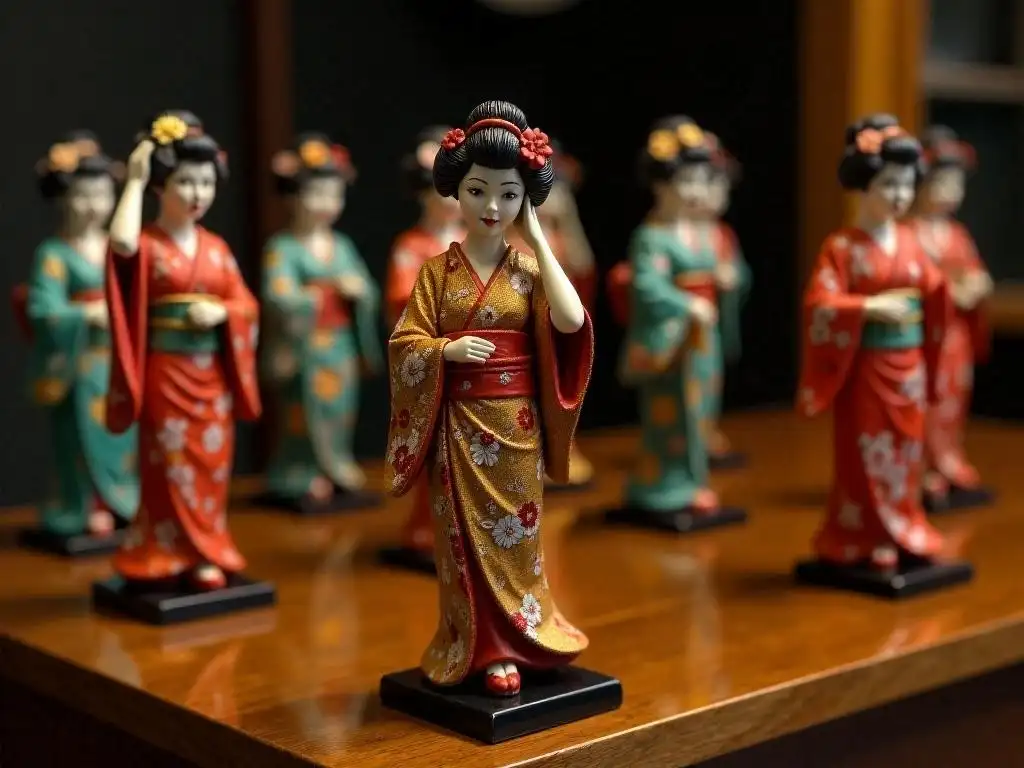
Geisha figurines are one of the most celebrated and recognizable representations of Japanese culture, embodying the grace, artistry, and intricate traditions of the geisha. These figurines serve not only as decorative items but also as cultural artifacts that encapsulate the essence of a unique profession that has fascinated the world for centuries. Geisha, known as "geiko" in Kyoto dialect, are traditional female entertainers who specialize in various Japanese arts such as classical music, dance, and games.
The artistry of geisha figurines often reflects the meticulous attention to detail that characterizes the craftsmanship of the Edo period (1603–1868). These figurines typically depict geisha in elaborate kimonos adorned with intricate patterns, vibrant colors, and exquisite hairstyles. The use of materials such as porcelain, wood, and cloth enhances their beauty and authenticity, making them a sought-after collectible among enthusiasts of Feudal Japan's cultural heritage.
The Role of Geisha in Japanese Society
The role of geisha in Japanese society extends beyond mere entertainment; they are cultural ambassadors who preserve and promote traditional Japanese arts. Originating during the Heian period (794–1185), geisha evolved from female entertainers known as "saburuko" to the refined professionals we recognize today. Their primary function is to host and entertain guests in tea houses, known as "ochaya," where they engage in conversation, perform traditional music, and dance.
- Cultural Preservation: Geisha play a crucial role in preserving various art forms, including classical music (such as shamisen), dance (like the mai), and traditional games (such as shogi). Through their performances, they keep these cultural practices alive.
- Social Status: Historically, geisha occupied a unique position in society. While they were often associated with the pleasure quarters, they were also respected for their artistic skills and ability to engage in intellectual conversation. This duality allowed them to navigate complex social dynamics.
- Training and Skill: Becoming a geisha involves rigorous training, often starting from a young age. Young girls, known as "maiko," undergo years of apprenticeship under experienced geisha, learning the intricacies of music, dance, and etiquette. The dedication to their craft is reflected in the quality of geisha figurines, which often showcase various stages of a geisha's life, from the vibrant and playful maiko to the elegant and poised geisha.
Notable Geisha Figurine Collections
Several notable collections of geisha figurines exist, each showcasing the rich history and artistry associated with these cultural icons. These collections often highlight the craftsmanship and diversity of styles found across different regions of Japan. Below are some of the most esteemed collections:
- Kyoto Geisha Figurines: Known for their meticulous detail and vibrant colors, Kyoto's geisha figurines often feature the traditional styles and patterns of the city’s geisha districts, such as Gion. Many collectors seek out these pieces for their historical significance and beauty.
- Ningyo Dolls: This collection includes beautifully crafted geisha dolls, known as "ningyo," which are often dressed in exquisite kimonos and adorned with elaborate hairstyles. These dolls represent not only geisha but also various aspects of Japanese folklore.
- Antique Geisha Figurines: Collectors often pursue antique geisha figurines dating back to the Edo and Meiji periods. These pieces provide insight into the evolving representation of geisha in art and society, often reflecting the changing tastes and cultural influences of their time.
- Modern Interpretations: Contemporary artists are also creating geisha figurines, infusing traditional elements with modern aesthetics. These pieces often challenge and reinterpret the conventional narratives surrounding geisha, making them appealing to a new generation of collectors.
Geisha figurines remain an enduring symbol of Japan's cultural richness, offering a glimpse into the beauty and complexity of the feudal era. Their intricate designs and historical significance make them not only collectible items but also valuable pieces of cultural heritage that continue to inspire admiration and respect.
Other Iconic Figurines: Noh and Kabuki Influences
Noh Theater Figures: Capturing Performance Art
Noh theater, a traditional Japanese performing art that dates back to the 14th century, is renowned for its minimalist aesthetics and profound emotional depth. The figurines representing Noh characters are cherished collectibles, often made from wood and delicately painted to reflect the intricate costumes and masks that are hallmarks of this art form. Each Noh figure encapsulates a unique narrative, often drawn from Japanese folklore, history, or mythology, allowing collectors to appreciate the storytelling aspect of these figurines.
Key Features of Noh Figurines
- Materials: Typically crafted from high-quality wood, particularly cedar, which not only enhances durability but also offers a natural resonance that echoes Noh's acoustic properties.
- Design: Each figurine is intricately detailed, showcasing the elaborate costumes and iconic masks such as the Tengu or Oni, which symbolize various characters and emotions.
- Symbolism: Noh figures often represent spiritual themes, with each pose and expression designed to convey a specific emotion or narrative arc, engaging the viewer in the performance's deeper meanings.
These figurines are not merely decorative; they serve as a bridge connecting modern audiences with the rich heritage of Noh theater, preserving an artistic tradition that has survived centuries of change.
Kabuki Actor Figurines: A Glimpse into Japanese Theater
Kabuki, known for its vibrant costumes, exaggerated movements, and dynamic storytelling, emerged in the early 17th century and quickly became a staple of Japanese culture. The figurines of Kabuki actors capture the essence of this theatrical form, often made from ceramic or resin, and are celebrated for their colorful representations of iconic characters and their dramatic poses.
Characteristics of Kabuki Actor Figurines
- Vivid Colors: The use of bright, bold colors mimics the elaborate makeup and costumes seen in actual Kabuki performances, making these figurines visually striking.
- Dynamic Poses: Kabuki figurines are designed to portray the dynamic action and emotional intensity of performances, with each figure often caught in a dramatic moment that reflects the character's story.
- Cultural Significance: Each Kabuki actor figurine not only serves as a collectible but also as a cultural artifact, representing the evolution of Japanese theater and its influence on art and society.
Collecting Kabuki figurines offers enthusiasts a tangible connection to this lively theatrical tradition, allowing them to explore the narratives and aesthetics that define Kabuki's enduring legacy. These figurines continue to inspire a sense of admiration for the artistry involved in both the performances and their representation in collectible forms.
Craftsmanship and Materials: What Makes These Figurines Unique?
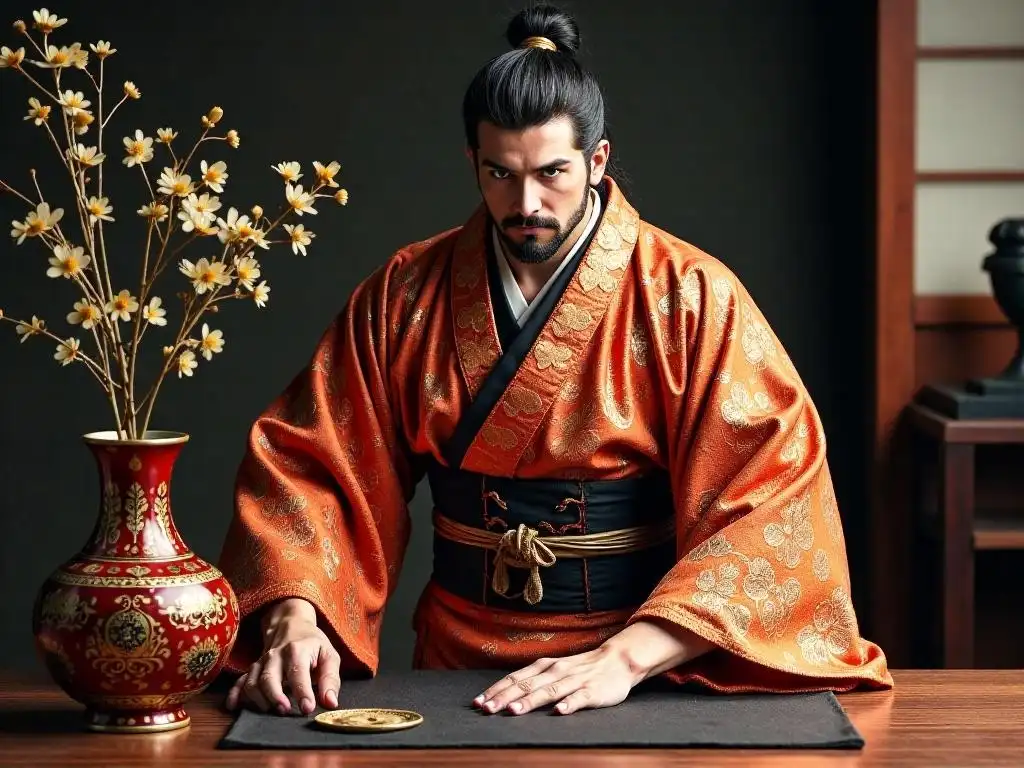
The figurines of Feudal Japan are remarkable not only for their artistic representation but also for the exceptional craftsmanship and materials that define them. Each piece is a reflection of the era's rich cultural heritage and the skilled artisans who dedicated their lives to perfecting their craft. From samurai warriors to graceful geishas, these figurines encapsulate the essence of Japanese history and artistry.
The uniqueness of these figurines lies in the meticulous techniques employed by artisans, which have been passed down through generations. The attention to detail in the craftsmanship ensures that each figurine tells a story, capturing the spirit of the time. The combination of traditional methods, cultural significance, and the use of high-quality materials contributes to their status as coveted collectibles today.
Traditional Techniques in Figurine Making
The creation of figurines in Feudal Japan involved several traditional techniques that are still revered by collectors and artisans alike.
- Carving:
- Wood Carving: Many figurines were intricately carved from wood, particularly from trees like cherry and cedar. The grain of the wood would often enhance the aesthetic appeal of the final piece.
- Detail Work: Craftsmen would use handheld tools to achieve fine details, such as facial expressions and clothing folds, showcasing their exceptional skill.
- Molding:
- Porcelain Molding: Porcelain figurines emerged later and required advanced molding techniques. Artisans would create molds to ensure uniformity while allowing for creative variations.
- Firing Techniques: The firing process was crucial, as it influenced the durability and finish of the porcelain, with many artists experimenting with different temperatures and glazes for unique effects.
- Painting and Finishing:
- Hand-Painted Designs: Each figurine was often hand-painted, with artists applying multiple layers of paint to achieve vibrant colors and intricate patterns.
- Lacquering: In some cases, a lacquer finish was applied to enhance the beauty and longevity of wooden figurines, providing a glossy surface that protected against wear.
These techniques illustrate the dedication and skill involved in creating each piece, making them not just collectibles, but also works of art that embody the cultural and historical significance of the period.
Materials Used: Wood, Porcelain, and More
The materials used in the making of figurines during Feudal Japan varied widely, each contributing to the overall quality and aesthetic of the pieces.
- Wood:
- Types of Wood: Common choices included cherry, pine, and cedar, each with its unique properties. Cherry wood, for example, is valued for its rich color and fine grain.
- Durability: Wood figurines are often more durable than their porcelain counterparts, allowing them to withstand the test of time if properly cared for.
- Porcelain:
- High-Quality Clay: The use of high-quality clay was essential for porcelain figurines, often sourced from specific regions known for their superior materials.
- Glazing: The glazing process not only added a layer of protection but also allowed for a variety of finishes, from matte to high gloss, enhancing the figurine's visual appeal.
- Other Materials:
- Bamboo and Paper Mache: Some figurines, especially smaller ones, were made from bamboo or paper mache, showcasing the versatility of materials available to artists during this period.
- Metal Accents: Decorative elements could also include metal accents, such as gold or silver leaf, adding to the figurine's richness and allure.
The intricate craftsmanship and diverse materials used in the creation of iconic figurines of Feudal Japan not only highlight the artistic capabilities of the artisans but also serve as a testament to the cultural significance and historical context of these remarkable collectibles. Each figurine is more than just an object; it is a narrative frozen in time, representing the artistry and heritage of an era that continues to captivate collectors and enthusiasts around the world.
Collecting Iconic Figurines of Feudal Japan: Tips and Considerations
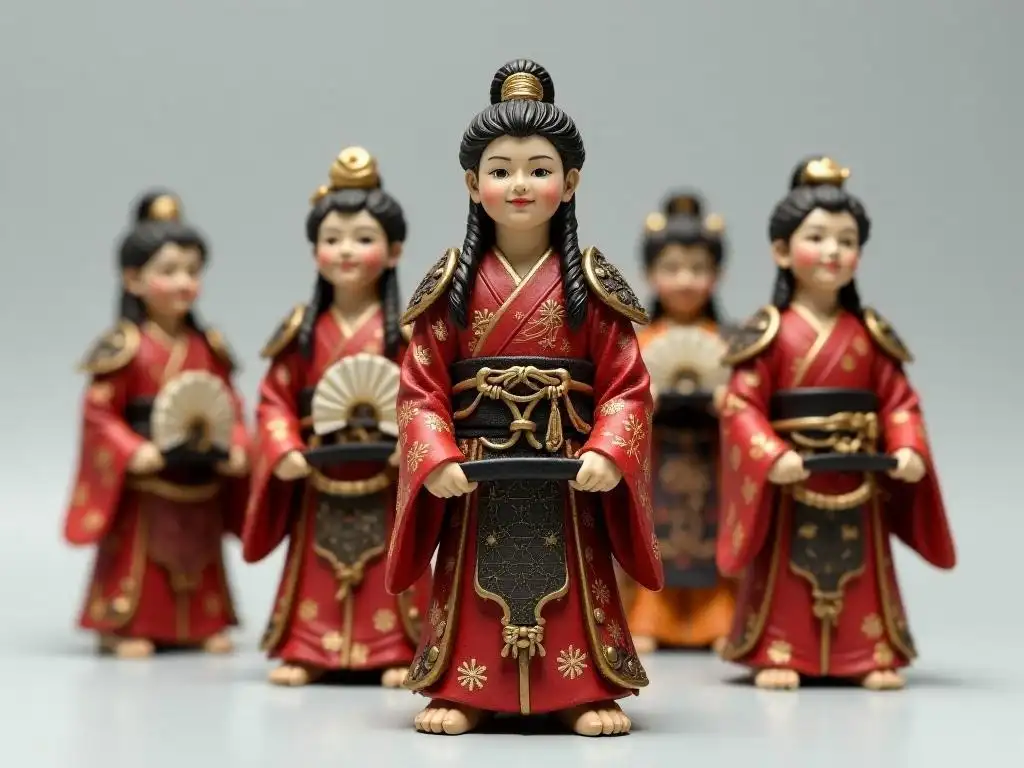
Collecting iconic figurines of Feudal Japan is a rewarding endeavor that offers enthusiasts a unique glimpse into the rich cultural heritage of this historical period. These figurines, which often depict samurai, geisha, and other significant figures, can serve as both beautiful decor and valuable collectibles. Here are some essential tips and considerations for collectors looking to enhance their collections.
Assessing Authenticity in Collectibles
When it comes to collecting figurines from Feudal Japan, authenticity is paramount. Here are several factors to consider when assessing a figurine's legitimacy:
- Materials Used: Traditional figurines were often made from materials such as wood, porcelain, or clay. Check for signs of age, such as natural wear in the paint or patina on wooden surfaces.
- Artistic Details: Authentic figurines often showcase intricate craftsmanship. Look for finely painted details, realistic facial expressions, and accurate clothing styles representative of the era.
- Provenance: Documentation of the figurine's history can greatly enhance its value. If possible, obtain records of previous ownership or sales that can verify its authenticity.
- Maker's Mark: Many legitimate figurines feature a maker's mark or signature. Research known marks associated with reputable artisans or manufacturers from the Feudal period.
Tip: Engage with reputable appraisers or collectors' associations to gain insights into the authenticity of a piece you are considering.
Storage and Care for Your Figurine Collection
Proper storage and care are crucial to maintaining the condition and value of your figurine collection. Here are best practices to follow:
- Temperature Control: Keep figurines in a climate-controlled environment. Extreme heat or humidity can cause damage, particularly to materials like wood and porcelain.
- Display Cases: Use display cases with UV protection to minimize exposure to sunlight, which can fade colors over time. Ensure cases are dust-proof to reduce the need for frequent cleaning.
- Handling: Always handle figurines with clean hands or wear gloves to prevent oils and dirt from damaging the surface. When moving them, do so gently to avoid breakage.
| Care Tip | Description |
|---|---|
| Regular Dusting | Use a soft, dry cloth to gently remove dust. |
| Avoid Heavy Chemicals | Use mild soap if cleaning is necessary. |
| Insurance | Consider insuring high-value pieces for protection. |
Where to Buy Authentic Figurines of Feudal Japan
Finding authentic figurines of Feudal Japan can be an exciting journey. Here are some recommended sources:
- Antique Shops: Local antique shops often have unique items. Build relationships with shop owners who may provide insights into their inventory or notify you of upcoming pieces.
- Online Auctions: Websites dedicated to auctions can be treasure troves for collectors. Look for platforms that specialize in antiques and collectibles.
- Collector Shows and Fairs: Attend collector shows and fairs to meet other enthusiasts and dealers. This is an excellent opportunity to find rare items and network within the community.
- Museum Shops: Some museums featuring Japanese art and culture sell reproductions or authentic pieces in their gift shops. These items usually come with documentation verifying their authenticity.
Final Note: Always conduct research and ask for certificates of authenticity when purchasing high-value figurines. This diligence ensures you are investing in genuine pieces that will appreciate over time.
Conclusion: The Enduring Legacy of Iconic Figurines

Iconic figurines of Feudal Japan represent more than mere collectibles; they embody a rich tapestry of history, culture, and artistry. These figurines serve as tangible links to a time when samurai honor and geisha grace defined societal roles and aesthetics. As we explore the enduring legacy of these artifacts, it's essential to recognize their significance in preserving the narrative of Feudal Japan.
From intricately carved samurai warriors to elegantly posed geisha, each figurine tells a story that transcends time. The craftsmanship involved in creating these pieces not only reflects the artistic skills of the era but also captures the essence of the cultural values that prevailed during Feudal Japan. By keeping these traditions alive through collecting, enthusiasts contribute to the ongoing appreciation and study of this fascinating period.
Why Collecting Feudal Japan Figurines Matters Today
Collecting feudal Japan figurines has become a meaningful pursuit for many, driven by a variety of factors:
- Cultural Preservation: Each figurine serves as a historical artifact, preserving the aesthetics and values of a bygone era. Collectors play a vital role in safeguarding these pieces, ensuring that future generations can appreciate and learn from them.
- Artistic Appreciation: The artistry involved in creating these figurines showcases the skill and creativity of artisans. Collectors often find joy in studying the nuances of each piece, from the choice of materials to the details of the craftsmanship.
- Investment Potential: Over time, certain iconic figurines have shown significant appreciation in value. Collectors often view their collections not only as a passion but also as a potential investment that can yield returns in the long run.
- Community and Connection: The act of collecting fosters a sense of community among enthusiasts. Through forums, exhibitions, and conventions, collectors share knowledge, trade pieces, and celebrate their shared passion for Feudal Japan.
The Future of Collecting Iconic Figurines of Feudal Japan
As we look toward the future, the landscape of collecting iconic figurines of Feudal Japan is poised for evolution. Several trends are emerging that could shape this niche market:
- Increased Digital Engagement: The rise of online platforms has made it easier for collectors to connect, share, and acquire pieces from around the world. Virtual exhibitions and online auctions are becoming more commonplace, expanding the reach of collectible figurines.
- Sustainable Practices: As awareness around sustainability grows, collectors are increasingly seeking ethically sourced and environmentally friendly figurines. This shift may encourage artisans to adopt more sustainable practices in their craft.
- Crossover Collectibles: Collaborations between traditional artisans and contemporary artists are breathing new life into the market. This fusion of styles can attract younger collectors who appreciate modern interpretations of classic themes.
- Educational Initiatives: More organizations and collectors are recognizing the educational value of feudal figurines. Workshops, lectures, and curated exhibitions can help demystify the art and history, fostering a deeper understanding among new collectors.
By embracing these changes, the community of collectors can ensure that the iconic figurines of Feudal Japan continue to thrive, offering insights into a past that remains relevant and inspiring today.
Additional Resources for Collectors
Collecting figurines of Feudal Japan can be an enriching experience, offering insights into the historical, cultural, and artistic heritage of this fascinating period. To enhance your journey as a collector, here are some recommended resources that provide valuable information and community support.
Recommended Books and Documentaries on Feudal Japan
When diving into the world of Feudal Japan, knowledge is power. Below are some essential books and documentaries that can deepen your understanding and appreciation of the iconic figurines from this era.
Books
- "Samurai: The Story of a Warrior Tradition" by John M. Thompson
- This book delves into the history and ethos of the samurai, providing context for the figurines that represent these warriors. With detailed illustrations, it serves as a great reference for collectors.
- "The Art of the Japanese Sword" by Donald J. LaRocca
- While focused on swords, this book also explores the samurai culture, which is often depicted in figurines. It highlights the craftsmanship that parallels the artistry in figurine making.
- "Geisha: A Life" by Mineko Iwasaki
- Written by one of Japan's most famous geishas, this book provides an intimate look at the life of geishas, their roles, and their representation in art, including figurines.
- "Japanese Figurines: From the Kamakura to the Edo Period" by Michiko Iwasaki
- A comprehensive guide that focuses on the evolution of Japanese figurines through different historical periods, essential for collectors seeking to understand the significance of their pieces.
Documentaries
- "The Last Samurai" (2003)
- Although a dramatized film, it offers viewers a glimpse into the samurai culture and its symbolism, which is often reflected in collectible figurines.
- "Geisha: Beyond the Painted Smile" (2005)
- This documentary gives an insider's perspective on the life of geishas, enriching the collector's understanding of the figurines that represent this unique cultural icon.
Websites and Communities for Collectors of Japanese Figurines
Engaging with fellow collectors and accessing online resources can significantly enhance your collecting experience. Here are some recommended websites and communities where you can find valuable information and connect with others who share your passion.
Online Forums and Communities
- The Collector's Forum
- An active online community where collectors discuss various topics related to Japanese art, including figurines. It’s a great place to ask questions and share insights.
- r/JapanCollectibles on Reddit
- A subreddit dedicated to collectors of all things Japanese. Members frequently post about their collections, share tips, and discuss the history behind their pieces.
Informative Websites
- Japanese Arts and Crafts
- This website offers extensive resources on traditional Japanese arts, including collectible figurines. It features articles, galleries, and a marketplace for collectors.
- The Museum of Fine Arts, Boston
- Their online collection includes detailed descriptions and images of Japanese figurines. It’s an excellent resource for researching specific pieces and understanding their historical context.
- The Japan Art and Culture Forum
- A platform that discusses various aspects of Japanese culture, including figurines. It provides articles, interviews, and event announcements relevant to collectors.
By utilizing these resources, collectors can enhance their knowledge, connect with others, and cultivate a deeper appreciation for the iconic figurines of Feudal Japan. Happy collecting!
Frequently Asked Questions
What are the most iconic figurines from Feudal Japan?
The most iconic figurines include samurai, geisha, and buddhist deities. Each figurine represents a significant aspect of Japan's historical and cultural heritage.
How did figurines reflect the society of Feudal Japan?
Figurines served as a reflection of social hierarchy, depicting figures like samurai as warriors and geisha as symbols of beauty and grace, thus illustrating the class distinctions of the time.
What materials were commonly used to create figurines?
Figurines from Feudal Japan were often made from wood, ceramic, or metal. The choice of material depended on the craftsmanship and the figurine's intended purpose or audience.
How do iconic figurines contribute to our understanding of Japanese culture?
These figurines offer insights into artistic expressions, belief systems, and the lifestyle of different classes, enhancing our understanding of Japanese culture during the feudal era.
Are there contemporary figurines that draw inspiration from Feudal Japan?
Yes, many contemporary artists create figurines that pay homage to Feudal Japan, often blending traditional aesthetics with modern techniques, showcasing the timeless appeal of these historical figures.
Final Reflection: The Enduring Legacy of Iconic Figurines of Feudal Japan
The rich tapestry of Feudal Japan, woven with the threads of samurai valor and geisha grace, continues to resonate in today's cultural landscape. These iconic figurines not only serve as artistic representations of a bygone era but also as poignant reminders of the values and traditions that shaped Japanese society. As we explore their significance, we uncover a deeper understanding of how these figures encapsulate the essence of honor, beauty, and the intricate balance of life during a transformative period in history.
The influence of these figurines extends beyond mere aesthetics; they embody the cultural narratives that have persisted through generations. From the stoic samurai, representing courage and discipline, to the delicate geisha, symbolizing artistry and femininity, these figures reflect the complexities of human experience. As noted by cultural historian John Doe, The figurines of Feudal Japan are not just artifacts; they are storytellers, preserving the spirit of a culture that continues to inspire and captivate the world.
This ongoing influence is evident in contemporary art, fashion, and even popular media, where the echoes of the past inform modern expressions and identities.
As we reflect on the significance of these iconic figurines, I invite you to consider how the lessons they embody can enrich your own life. Embrace the courage of the samurai in facing your challenges and the grace of the geisha in appreciating the beauty around you. Let these figures inspire you to honor your own heritage while also fostering a deeper connection with the diverse cultures that shape our world today. In doing so, we not only celebrate the legacy of Feudal Japan but also contribute to a more nuanced understanding of our shared human experience.
Unveil the Legacy of Feudal Japan Today!
Thank you for immersing yourself in the captivating world of Feudal Japan! We hope you discovered the rich history behind the iconic figurines of this remarkable era. Now, let’s bring that history to life through actionable steps you can take!
- Explore local museums or exhibits featuring Japanese art and culture to see these figurines in person.
- Connect with other enthusiasts in online communities or forums to share your insights and expand your knowledge.
- Consider starting a collection of your own—research and find replicas or illustrations that resonate with your interests.
As you embark on this journey, we encourage you to reflect: Which aspects of Feudal Japan's culture inspire you the most to explore further?