
Ritual and Spirituality: The Role of Zen in Japanese Festivals and Ceremonies

Welcome to Feudal Japan History, where we embark on a captivating journey through the intricate tapestry of Japan's feudal era. As you delve into our exploration of Ritual and Spirituality: The Role of Zen in Japanese Festivals and Ceremonies, prepare to uncover how the serene philosophy of Zen intertwines with vibrant traditions, shaping the cultural landscape of the time. What secrets do these festivals hold about the spiritual life of feudal Japan? Join us as we unveil the profound connections between ritual and spirituality, inviting you to discover the harmony that resonates through history.
- Introduction to Zen in Japanese Festivals
- Historical Context of Zen in Japanese Festivals
- The Role of Zen in Major Japanese Festivals
- Zen Ceremonies and Their Cultural Significance
- The Impact of Zen on Japanese Art and Aesthetics
- Zen and Community in Japanese Festivals
- Conclusion: The Lasting Legacy of Zen in Japanese Festivals
- References and Further Reading on Zen in Japanese Festivals
-
Frequently Asked Questions
- What is the significance of Zen in Japanese festivals?
- How do Zen principles influence festival ceremonies?
- Are there specific festivals that highlight Zen practices?
- How does Zen enhance the cultural experience of festivals in Japan?
- Can anyone participate in Zen-inspired festivals, or are they exclusive?
- Final Reflection: Embracing Zen in the Heart of Japanese Festivals
- Embrace the Spirit of Zen: Transform Your Understanding of Japanese Festivals!
Introduction to Zen in Japanese Festivals
The influence of Zen Buddhism permeates various aspects of Japanese culture, particularly in the rituals and festivals that are integral to the nation's heritage. This article delves into the profound role Zen plays in shaping the spiritual and cultural dimensions of Japanese festivals, revealing how its principles merge with traditional practices to create a unique experience for participants and observers alike. By exploring the intricacies of Zen in Japanese festivals, we can better appreciate the deeper meanings behind these vibrant celebrations and their significance within the societal framework of feudal Japan.
Overview of Zen Buddhism
Zen Buddhism, a school of Mahayana Buddhism, emphasizes meditation and direct experience as pathways to enlightenment. Originating from the teachings of Siddhartha Gautama, it flourished in Japan during the Kamakura period (1185-1333) and has since been a critical component of Japanese spirituality.
Key aspects of Zen include:
- Meditation (Zazen): The practice of sitting meditation, which fosters mindfulness and self-awareness.
- Simplicity: Aesthetic principles that value minimalism, evident in art, architecture, and ceremonies.
- Nature: A deep appreciation for the natural world, often reflected in Zen gardens and tea ceremonies.
Zen's impact on Japanese culture is profound, influencing not only spiritual practices but also arts, literature, and social customs.
Significance of Rituals in Japanese Culture
Rituals hold a vital place in Japanese culture, serving as a bridge between the sacred and the mundane. They are essential for:
- Preservation of Tradition: Rituals ensure the continuity of cultural heritage, passed down through generations.
- Community Building: Festivals and ceremonies foster a sense of belonging and unity among participants.
- Spiritual Connection: Engaging in rituals allows individuals to connect with their spiritual beliefs and practices.
In the context of Zen, rituals are often infused with mindfulness, transforming them into acts of devotion that deepen one's awareness and connection to the present moment.
Connection Between Zen and Spirituality
The relationship between Zen and spirituality is intricate, woven into the fabric of Japanese festivals and ceremonies.
Zen teachings encourage participants to:
- Be Present: Focusing on the here and now enhances the experience of rituals, making them more meaningful.
- Embrace Impermanence: Understanding the transient nature of life allows for a deeper appreciation of the beauty found in fleeting moments.
- Cultivate Inner Peace: The meditative practices associated with Zen help individuals maintain tranquility amidst the chaos of festivities.
By integrating these principles, Japanese festivals not only celebrate cultural heritage but also provide a space for spiritual reflection and growth, demonstrating the enduring influence of Zen in shaping the collective consciousness of Japan.
Historical Context of Zen in Japanese Festivals
The Evolution of Zen Buddhism in Japan
Zen Buddhism, originating from the Chinese Chan tradition, made its way to Japan in the late 12th century. It rapidly evolved, intertwining with Japanese culture, aesthetics, and spirituality. The Kamakura period (1185-1333) was pivotal as it marked the establishment of Zen as a dominant school of thought, particularly among the samurai class. This era saw the emergence of significant Zen temples, such as Engaku-ji and Kencho-ji, which became centers for spiritual practice and enlightenment.
The essence of Zen lies in its emphasis on direct experience and meditation (zazen), rather than reliance on scriptures. This approach resonated well with the Japanese ethos, leading to the integration of Zen principles into various aspects of life, including art, tea ceremonies, and, importantly, festivals. By the Muromachi period (1336-1573), Zen had not only influenced religious practices but had also permeated the cultural fabric of Japanese society, fostering a unique blend of spirituality and festivity.
Influence of Feudal Era on Spiritual Practices
The feudal era in Japan brought about significant changes in social structure, governance, and spirituality. During this period, the samurai class sought ways to cultivate discipline and inner peace, which led to a deeper embrace of Zen Buddhism. This shift influenced various traditional practices, and festivals became a vital expression of this spirituality.
Zen's impact on spiritual practices was twofold. On one hand, it encouraged a more ascetic lifestyle, focusing on simplicity and mindfulness. On the other hand, it infused festivals with profound spiritual significance, where rituals became avenues for community bonding and expression of gratitude to deities. Festivals such as Obon and Setsubun incorporated Zen elements, reflecting the belief in interconnectedness and the cycle of life and death.
The rituals during these festivals were often accompanied by Zen-inspired aesthetics, such as the use of natural elements, simplicity in design, and a focus on the present moment. This alignment of Zen philosophy with communal celebrations exemplifies how deeply rooted Zen became in the spiritual practices of feudal Japan.
Key Historical Festivals Incorporating Zen Elements
Several historical festivals in Japan prominently feature Zen elements, showcasing the seamless integration of spirituality and communal celebration. Here are some key festivals:
- Obon Festival:
- Celebrated to honor the spirits of ancestors, Obon features lantern lighting, dance, and offerings. Zen principles of mindfulness and reflection are central to this festival, promoting a deep sense of gratitude and remembrance.
- Gion Matsuri:
- A major festival in Kyoto, Gion Matsuri includes processions of floats and rituals to appease the gods. The festival is infused with Zen aesthetics, emphasizing harmony with nature and the transient beauty of life.
- Setsubun:
- Known for the practice of throwing beans to drive away evil spirits, Setsubun also serves as a time for purification. Zen teachings encourage participants to reflect on their inner demons, making the festival a blend of fun and spiritual introspection.
- Hanami (Cherry Blossom Viewing):
- While not a traditional festival in the strictest sense, hanami has become a cultural phenomenon celebrated across Japan. The practice of enjoying the fleeting beauty of cherry blossoms resonates with Zen’s embrace of impermanence, encouraging participants to appreciate the present moment.
These festivals illustrate how Zen in Japanese festivals has cultivated a deeper spiritual connection among communities, transforming mere celebrations into profound expressions of cultural identity and collective spirituality. The enduring legacy of Zen continues to shape these practices, fostering a lasting relationship between spirituality, tradition, and community.
The Role of Zen in Major Japanese Festivals
Cherry Blossom Festivals (Hanami) and Zen Principles
The Cherry Blossom Festivals, or Hanami, are celebrated across Japan each spring, marking the transient beauty of cherry blossoms as a poignant metaphor for life itself. Zen principles are intricately woven into the fabric of these festivals, emphasizing mindfulness and the appreciation of the present moment.
During Hanami, individuals gather in parks under blooming cherry trees to partake in picnics and reflect on the fleeting beauty of the blossoms. This practice embodies key Zen concepts such as mono no aware, the awareness of the impermanence of things, prompting participants to embrace the moment's beauty while accepting its ephemeral nature.
The aesthetic of Hanami is also influenced by Zen art, particularly the simplicity and naturalness celebrated in Zen gardens. Participants often engage in rituals that promote a sense of peace and harmony, aligning their inner experience with the external beauty surrounding them. The act of sharing food and drink under the cherry trees fosters community, creating a shared space for mindfulness and reflection.
Gion Matsuri: A Blend of Shinto and Zen Traditions
The Gion Matsuri, held in Kyoto every July, showcases a rich tapestry of Shinto and Zen influences. Originally a purification ritual to appease the deities during an epidemic, the festival has evolved into a month-long celebration featuring parades, floats, and traditional performances.
At the heart of the Gion Matsuri is the Yamaboko Junko, a procession of elaborately decorated floats, which are often adorned with symbols reflecting Zen philosophy. For instance, the use of natural elements like flowers and bamboo in the float designs symbolizes harmony with nature, a core tenet of Zen.
Zen practices manifest in various aspects of the festival, including the meticulous preparation and crafting of the floats. Artisans engage in focused, mindful work, reflecting Zen values through their craftsmanship. Additionally, ceremonies conducted during the festival, such as purification rites, emphasize the importance of spiritual cleanliness and preparation, resonating with Zen's focus on inner purity and enlightenment.
Obon Festival: Zen Practices in Honoring Ancestors
The Obon Festival, celebrated in mid-August, serves as a time for honoring ancestors and reconnecting with family. Zen Buddhism significantly influences the rituals associated with Obon, particularly in the context of ancestor worship and the meditation practices embedded within the festival.
During Obon, families create altars with offerings for their ancestors, which is a practice steeped in mindfulness. The act of arranging offerings and lighting lanterns is not merely ritualistic but also encourages a meditative state, allowing participants to reflect on the legacy of their ancestors and the interconnectedness of life and death—key concepts in Zen thought.
The festival also features Bon Odori, traditional dances that are performed as a means of welcoming ancestral spirits. These dances embody Zen principles by encouraging participants to be fully present in the moment, celebrating life while acknowledging the presence of the past. As families gather to share stories and memories, the festival fosters a sense of community and continuity, which resonates deeply with the Zen focus on harmony and interconnectedness.
The integration of Zen practices within major Japanese festivals illustrates the profound impact of Zen Buddhism on Japan's cultural landscape. Through mindfulness, reflection, and community, these festivals not only celebrate life but also honor the spiritual dimensions of existence, reinforcing the enduring legacy of Zen in Japanese festivals.
Zen Ceremonies and Their Cultural Significance
Zen ceremonies hold a profound significance within Japanese culture, intertwining spirituality with the celebration of communal and seasonal events. The practice of Zen Buddhism permeates various aspects of life in Japan, influencing not only individual meditation practices but also the collective rituals that characterize numerous festivals. These ceremonies serve as a bridge between the spiritual and the social, fostering a sense of community and providing participants with an opportunity for spiritual reflection.
The impact of Zen on Japanese festivals can be observed in the way rituals are structured and the values they promote. Central to these celebrations are themes of mindfulness, simplicity, and connection to nature—principles deeply rooted in Zen philosophy. By engaging in ceremonial practices, participants can experience a heightened awareness of the present moment, allowing for a deeper appreciation of the festivities and the surrounding environment.
Zen Meditation Practices in Festival Contexts
Zen meditation, or zazen, plays a critical role in the context of Japanese festivals, offering a foundation for participants to connect with their inner selves amidst the external celebrations. Traditionally, festivals can be bustling and chaotic, but incorporating moments of meditation allows individuals to ground themselves and cultivate a sense of inner peace.
- Mindfulness in Motion: During festivals, Zen meditation practices can be incorporated into parades or processions. Participants may pause for short meditative breaks, focusing on their breath and the sensations around them. This practice encourages a sense of presence and awareness, enhancing the overall experience of the festival.
- Collective Meditation: Some festivals organize communal meditation sessions, where attendees gather to practice zazen together. This collective aspect not only fosters a sense of community but also reinforces the values of Zen, such as unity and harmony.
- Integration with Rituals: Many festivals integrate meditation into their rituals. For instance, before engaging in traditional dances or performances, participants might partake in a brief meditation session to center themselves, ensuring they approach the performance with clarity and intention.
In these ways, Zen meditation practices enrich the festival experience, allowing individuals to celebrate while maintaining a connection to deeper spiritual principles.
Tea Ceremony (Chanoyu) as a Spiritual Ritual
The tea ceremony, known as Chanoyu, is one of the most revered expressions of Zen in Japanese culture, encapsulating the essence of mindfulness and simplicity. This spiritual ritual goes beyond mere beverage preparation; it is a meditative practice that reflects the values of Zen Buddhism.
- Philosophical Foundations: Chanoyu embodies key Zen principles such as wabi-sabi, the appreciation of imperfection and transience. The aesthetics of the tea ceremony encourage participants to embrace simplicity and find beauty in the fleeting moments of life.
- Ritualistic Precision: Every aspect of the tea ceremony, from the choice of utensils to the movements of the host, is executed with intentionality and grace. This precision allows participants to fully immerse themselves in the experience, promoting mindfulness and presence.
- Symbolism in Action: The act of preparing and serving tea is laden with symbolism. The host’s meticulous attention to detail signifies respect for the guests and the environment, reinforcing the interconnectedness central to Zen philosophy.
The tea ceremony serves as a spiritual ritual during various festivals, where it is often featured as a highlight. By engaging in Chanoyu, participants not only partake in a cultural tradition but also experience a profound connection to Zen practices, making the event a celebration of both heritage and spirituality.
The Role of Zen Gardens in Festival Celebrations
Zen gardens, or karesansui, play an essential role in enhancing the atmosphere of Japanese festivals, providing serene backdrops that reflect the principles of Zen. These meticulously designed spaces promote contemplation and appreciation of nature, aligning beautifully with the celebratory spirit of festivals.
- Space for Reflection: During festivals, Zen gardens often serve as tranquil spaces for attendees to retreat from the hustle and bustle. Visitors can engage in quiet reflection, allowing the serene environment to foster a sense of peace and grounding amidst the festivities.
- Symbolic Landscapes: The elements within a Zen garden—stones, gravel, and plants—are often arranged to symbolize natural landscapes. This artistic representation encourages participants to contemplate the deeper meanings of nature and existence, resonating with the Zen belief in the interconnectedness of all things.
- Integration with Rituals: Some festivals incorporate rituals performed within Zen gardens, such as flower arranging or guided meditations amidst the garden's beauty. These activities emphasize the harmony between human creativity and the natural world, reinforcing Zen's core teachings.
Zen gardens not only provide an aesthetic appeal during festivals but also serve as spaces for spiritual engagement and reflection, further enriching the cultural significance of these celebrations in Japanese society.
The Impact of Zen on Japanese Art and Aesthetics
The influence of Zen Buddhism on Japanese art and aesthetics is profound, shaping not only the visual aspects of artistic expression but also the underlying philosophies that guide these creations. Zen emphasizes simplicity, naturalness, and a deep connection to nature, which are integral to various forms of Japanese art, including painting, pottery, and architecture. This aesthetic philosophy prioritizes the essence of objects over their ornamentation, leading to an appreciation of the beauty found in imperfection and transience.
One of the most striking manifestations of Zen influence is seen in the art of sumi-e (ink wash painting), where artists aim to convey the spirit of the subject rather than creating a detailed representation. This art form captures the essence of Zen through its minimalist approach, often depicting serene landscapes, bamboo, or flowers with few strokes. The deliberate simplicity in sumi-e reflects Zen's belief in reducing distractions to highlight the essence of beauty.
Zen Influence on Traditional Japanese Crafts
Zen principles have notably impacted traditional Japanese crafts, such as pottery, textiles, and woodworking. In ceramics, the concept of wabi-sabi—an appreciation for the beauty of imperfection—is a direct reflection of Zen thought. Potters often embrace irregular shapes and natural textures, which convey a sense of authenticity and connection to nature.
Key Traditional Crafts Influenced by Zen:
- Ceramics: The Raku pottery technique embodies Zen's emphasis on spontaneity and imperfection. Each piece is unique, often featuring a crackled surface that tells a story of the firing process.
- Textiles: In kasuri (ikat) weaving, the blurred patterns arise from the unpredictability of the dyeing process, celebrating the beauty in imperfection and the natural flow of creativity.
- Woodworking: Zen-inspired woodworking often emphasizes natural materials and simple forms, reflecting harmony with the environment. The minimalist aesthetic is designed to evoke tranquility and mindfulness.
Zen's influence in these crafts not only enhances their aesthetic appeal but also imbues them with spiritual significance, encouraging practitioners to engage in a meditative process that deepens their connection to the art form.
Spirituality Reflected in Festival Decorations
Japanese festivals, or matsuri, are vibrant celebrations that often integrate Zen principles into their decorations and rituals. The use of natural materials, simplicity, and harmony with the environment reflects a deep-seated spirituality rooted in Zen.
During festivals, decorations frequently include elements such as:
- Bamboo: Symbolizing strength and flexibility, bamboo is often used to create structures and decorations. Its ephemeral nature aligns with Zen's appreciation for the transient aspects of life.
- Flowers: Seasonal blooms adorn festival spaces, embodying the Zen idea of mono no aware—the awareness of the beauty of fleeting moments. Arrangements are often simple yet elegant, emphasizing natural beauty.
- Lanterns: Traditional paper lanterns illuminate festival spaces, creating an inviting atmosphere while symbolizing enlightenment and the guiding light of Zen.
These decorations not only enhance the visual appeal of festivals but also serve to remind participants of the deeper spiritual connections and the beauty of the present moment.
The Aesthetic Principles of Zen in Festival Design
The design of Japanese festivals embodies key aesthetic principles derived from Zen philosophy, focusing on simplicity, naturalness, and harmony. These principles guide the overall atmosphere of festivals, creating a space that fosters mindfulness and reflection.
Core Aesthetic Principles in Festival Design:
- Simplicity: Festival designs often favor minimalistic elements that allow the natural beauty of the surroundings to shine. This approach encourages participants to engage fully with the experience rather than being distracted by excessive ornamentation.
- Harmony with Nature: Festivals are designed to blend seamlessly with the environment, using materials that reflect the local landscape. This connection emphasizes the importance of nature in Zen philosophy and fosters a sense of belonging.
- Transience: The acknowledgment of impermanence is a fundamental aspect of Zen, and festival designs often incorporate ephemeral elements, such as seasonal flowers or temporary structures. This reinforces the idea that beauty exists in the moment and is to be cherished before it fades.
Incorporating these aesthetic principles not only enhances the visual experience of festivals but also invites participants to engage in a deeper reflection on the essence of life and the beauty found within it. Through the lens of Zen, Japanese festivals transform into profound expressions of spirituality and cultural heritage.
Zen and Community in Japanese Festivals
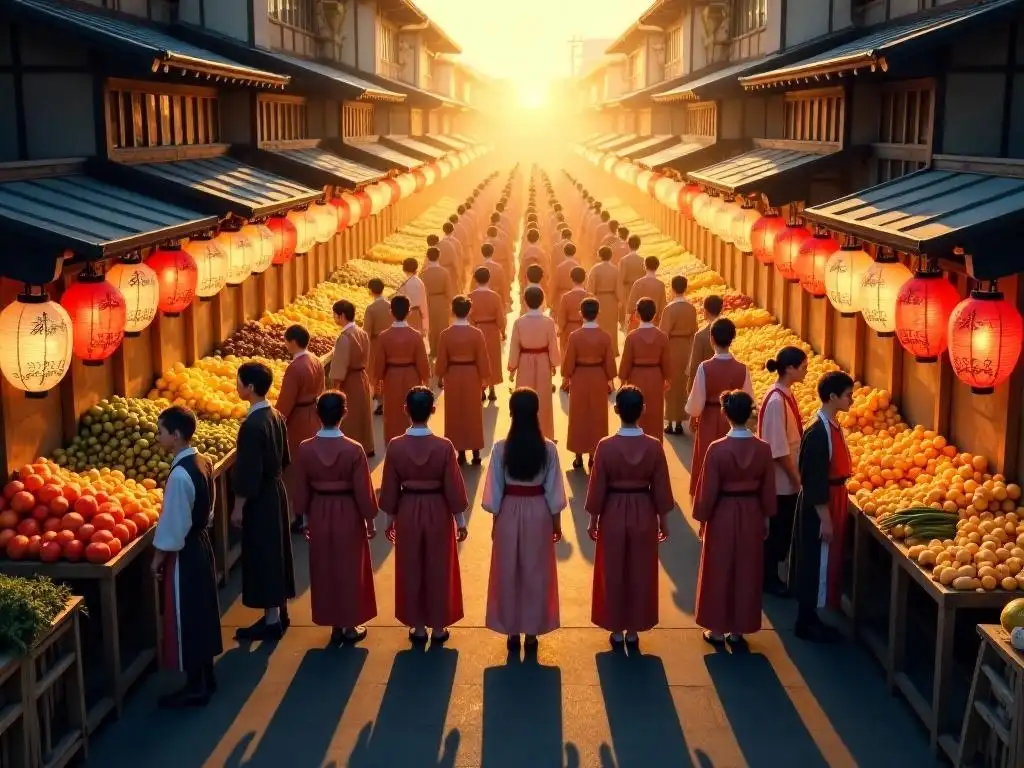
Zen Buddhism has significantly influenced the communal aspects of Japanese festivals, shaping not only individual spirituality but also collective experiences. Festivals in Japan are often characterized by rituals that reflect the essence of Zen, where community bonding and shared spirituality come to the forefront. This section explores how Zen is interwoven with the communal fabric of Japanese festivals, highlighting the importance of these gatherings in fostering a sense of unity and spiritual growth.
The Communal Aspect of Rituals and Spirituality
In Zen-influenced Japanese festivals, rituals serve as a means of bringing communities together, promoting a shared sense of purpose and belonging. These gatherings often involve communal activities that draw on Zen principles, such as mindfulness and simplicity. Festivals like Hanami (flower viewing) and Matsuri (traditional festivals) showcase the importance of collective participation in rituals that honor nature and ancestral spirits.
- Collective Meditation: Many festivals begin with a communal meditation session, allowing participants to center their thoughts and intentions. This practice not only enhances individual mindfulness but also strengthens the collective spirit of the community.
- Shared Offerings: Rituals often include making offerings to deities or spirits, symbolizing gratitude and respect. These offerings, whether food, flowers, or prayers, reinforce communal ties as everyone contributes to the shared goal.
- Cultural Performances: Traditional music, dance, and other performances during festivals serve as expressions of collective identity. Participants engage in these activities, fostering a sense of togetherness and continuity of cultural heritage.
Zen-Inspired Practices for Community Bonding
Zen practices that emphasize simplicity, harmony, and mindfulness play a vital role in community bonding during Japanese festivals. These practices encourage individuals to connect not only with their surroundings but also with each other, creating a supportive environment.
- Zazen (Seated Meditation):
- During festivals, zazen sessions provide an opportunity for participants to engage in silent meditation together. This practice cultivates inner peace and enhances the collective energy of the group.
- Tea Ceremonies (Chanoyu):
- The tradition of the tea ceremony embodies Zen principles and serves as a communal activity during festivals. Participants take part in the meticulous preparation and sharing of tea, fostering connection and appreciation for the present moment.
- Collaborative Arts and Crafts:
- Workshops held during festivals encourage community members to create art together, whether through calligraphy, flower arrangement, or pottery. These activities promote teamwork and the sharing of skills, reinforcing community bonds.
The Role of Monasteries and Zen Masters in Festivals
Monasteries and Zen masters play a crucial role in shaping the spiritual landscape of Japanese festivals, often acting as facilitators and guides for community rituals. Their involvement ensures that the essence of Zen permeates the festivities, enhancing the overall experience for participants.
- Guidance in Rituals: Zen masters often lead ceremonies, offering teachings that deepen the understanding of the rituals. Their presence can inspire attendees to reflect on the spiritual significance of their participation.
- Hosting Festivals: Many monasteries serve as venues for festivals, providing a serene environment for communal gatherings. These locations are often imbued with historical and spiritual significance, enriching the festival experience.
- Interfaith Harmony: Zen masters frequently emphasize the importance of inclusivity, encouraging participation from diverse spiritual backgrounds. This approach fosters a sense of unity and mutual respect within the community.
The integration of Zen in Japanese festivals highlights the importance of community, spirituality, and shared experiences. Through communal rituals, Zen-inspired practices, and the guidance of Zen masters, these celebrations foster a deep sense of connection among participants, reflecting the enduring influence of Zen in Japanese culture.
Conclusion: The Lasting Legacy of Zen in Japanese Festivals
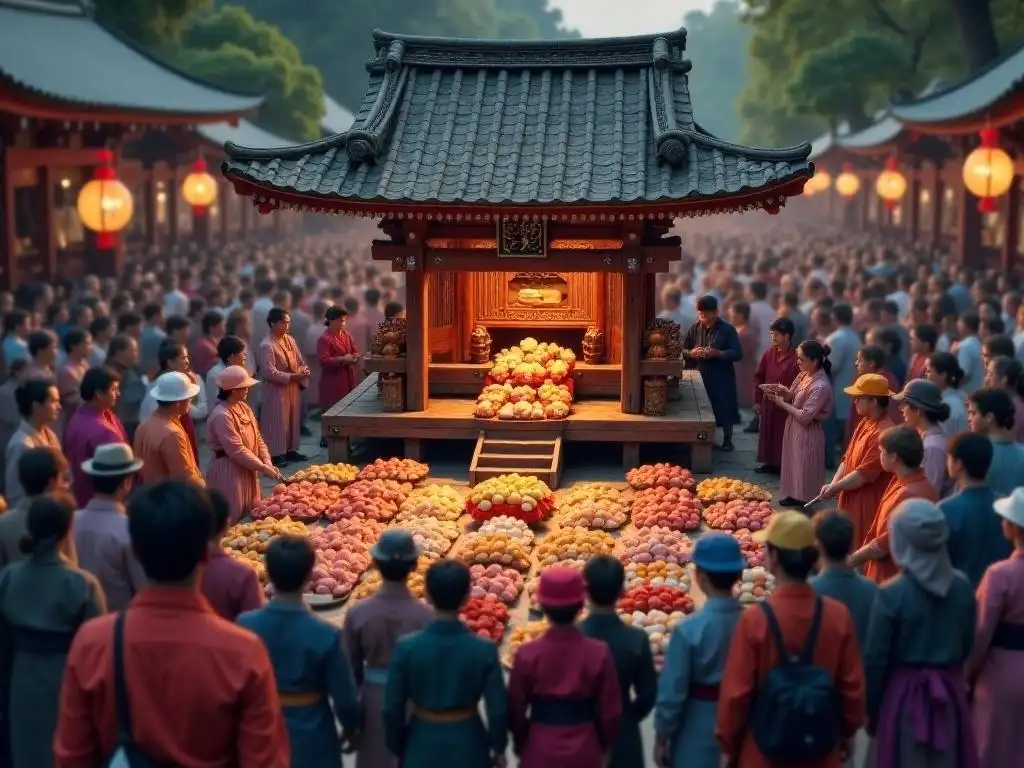
The influence of Zen in Japanese festivals has profoundly shaped the cultural landscape of Japan, creating a unique interplay between spirituality and community celebration. The principles of Zen Buddhism, emphasizing mindfulness, simplicity, and a deep connection to nature, weave through various festivals, enriching their significance and transforming them into profound spiritual experiences.
Throughout history, festivals like Hanami (cherry blossom viewing) and Obon (a festival honoring ancestors) have not only served as occasions for communal gathering but have also functioned as opportunities for introspection and spiritual renewal. The Zen aesthetic of wabi-sabi—the beauty found in imperfection and transience—can be observed in the ephemeral nature of these celebrations.
Moreover, rituals such as zazen (sitting meditation) integrated into these festivities encourage participants to pause, reflect, and connect with their inner selves, fostering a deeper appreciation of the moment. In this way, Zen has not merely influenced the structure of Japanese festivals but has also embedded itself within the very essence of these cultural traditions.
Reflection on the Spiritual Journey of Festivals
Japanese festivals serve as a canvas for Zen teachings, offering an opportunity for individuals to embark on a spiritual journey through various rituals and practices. The cyclical nature of these festivals aligns with the Zen understanding of impermanence, reminding participants that each moment is fleeting and precious. This reflection encourages a mindful approach to life, where individuals are invited to deeply engage with their surroundings and the people within them.
In many festivals, the preparation can be seen as a meditative practice in itself. For instance, during the tea ceremony, which is often part of larger celebrations, participants engage in a meticulous process that emphasizes attention to detail and presence. This aligns with Zen ideals, where every action, no matter how small, holds significance.
Additionally, various rites associated with purification, such as the misogi (purification ritual), highlight the importance of cleansing the mind and body before participating in communal festivities. These rituals serve as a reminder that spiritual readiness enhances the experience of celebration, creating a deeper connection to both the community and the divine.
The Future of Zen Practices in Contemporary Celebrations
As Japan continues to modernize, the role of Zen in festivals faces both challenges and opportunities. Contemporary celebrations often blend traditional practices with modern influences, leading to a potential dilution of Zen's spiritual essence. However, there is a growing movement among communities and practitioners to preserve the core values of Zen within these festivities.
Future festivals may see a resurgence in mindfulness practices, such as meditation workshops or Zen-inspired art installations, aimed at fostering a deeper connection among participants. The ongoing interest in wellness and spirituality in modern society presents a unique opportunity for Zen to re-establish its presence within contemporary celebrations.
Moreover, as globalization introduces new cultural elements into Japanese festivals, the adaptability of Zen principles—such as harmony, balance, and simplicity—can offer a refreshing perspective. By integrating Zen into the evolving landscape of festivals, there is potential for a richer, more spiritually fulfilling experience that resonates with both traditional values and contemporary sensibilities.
The legacy of Zen in Japanese festivals is not merely a remnant of the past but a living, breathing aspect of cultural identity that continues to evolve. As we look to the future, the challenge will be to maintain the integrity of these spiritual practices while embracing the changes that modernity brings. The journey of Zen in Japanese festivals remains a testament to the resilience of cultural traditions and their capacity to adapt and thrive in an ever-changing world.
References and Further Reading on Zen in Japanese Festivals
Suggested Books and Articles
-
Zen and Japanese Culture by D.T. Suzuki
This seminal work explores the profound influence of Zen Buddhism on various aspects of Japanese culture, including festivals. Suzuki delves into the connection between Zen practices and the aesthetics of Japanese rituals.
-
The Zen Way to the Martial Arts by Taisen Deshimaru
While primarily focused on martial arts, this book discusses the Zen principles that permeate various traditional Japanese ceremonies and festivals, highlighting their spiritual significance.
-
The Book of Tea by Okakura Kakuzō
This classic text not only covers the art of tea but also illustrates how Zen philosophy shapes the cultural practices surrounding tea ceremonies, which are often central to many Japanese festivals.
-
Zen Traditions: A History by Philip Kapleau
This comprehensive resource examines the historical context of Zen in Japan and its integration into societal practices, including the ceremonies that celebrate the changing seasons and significant life events.
-
Japanese Festivals: A Cultural History by David A. Hall
Hall provides a detailed analysis of various Japanese festivals, emphasizing the role of Zen in shaping their rituals and spiritual aspects.
Notable Documentaries and Scholarly Works
-
Zen in the Art of Japanese Festivals
This documentary offers a visual exploration of how Zen practices are embedded within traditional Japanese festivals, showcasing interviews with practitioners and festival organizers.
-
The Spirit of Zen (PBS Documentary)
A thoughtful examination of Zen Buddhism's influence in Japan, this documentary includes segments on how Zen principles manifest during festivals and ceremonies, connecting the spiritual with the communal.
-
Ritual and Revival: The Festivals of Japan by Rachael A. McMahon
This scholarly work investigates the revival of traditional Japanese festivals and how Zen spirituality plays a role in their modern adaptations, providing a contemporary perspective on age-old rituals.
-
Zen Gardens and Festivals: A Cultural Interplay by Kenji Yamamoto
This article discusses the relationship between Zen gardens and the aesthetics of Japanese festivals, illustrating how both are expressions of spiritual tranquility and communal celebration.
These references provide a rich foundation for understanding the deep connections between Zen in Japanese festivals and their cultural significance, offering insights for both casual readers and scholars.
Frequently Asked Questions
What is the significance of Zen in Japanese festivals?
Zen plays a crucial role in Japanese festivals by promoting mindfulness and spiritual reflection. It enhances the overall experience by encouraging participants to connect with their surroundings and embrace the moment.
How do Zen principles influence festival ceremonies?
Zen principles emphasize simplicity, harmony, and nature, which are reflected in festival ceremonies. These principles guide the design of rituals and activities, fostering a deeper spiritual connection among participants.
Are there specific festivals that highlight Zen practices?
Yes, many festivals such as the Obon and Hanami incorporate Zen practices. These events often include elements of meditation and appreciation for nature, aligning with Zen's core teachings of mindfulness.
How does Zen enhance the cultural experience of festivals in Japan?
Zen enhances the cultural experience by integrating art, music, and ceremony into festivals. This fusion creates a unique atmosphere that resonates with the spiritual essence of Japanese culture.
Can anyone participate in Zen-inspired festivals, or are they exclusive?
Zen-inspired festivals are generally open to everyone. They encourage participation from people of all backgrounds, promoting a sense of community and shared spirituality through collective experiences.
Final Reflection: Embracing Zen in the Heart of Japanese Festivals
The essence of Zen in Japanese festivals is not merely a historical curiosity; it is a living practice that resonates deeply with our contemporary lives. As we navigate a world often filled with chaos and distraction, the principles of Zen remind us to pause, reflect, and find harmony in our surroundings. The rituals and ceremonies that embody Zen philosophy serve as a powerful reminder of the beauty of simplicity and mindfulness, urging us to reconnect with ourselves and our communities.
The influence of Zen extends far beyond the confines of traditional ceremonies; it permeates the cultural fabric of Japan and inspires a global audience seeking tranquility and purpose. Festivals such as Hanami and Obon illustrate how these practices foster a sense of belonging and appreciation for nature, while also encouraging personal introspection. As the renowned Zen master Thich Nhat Hanh once said, "> The present moment is filled with joy and happiness.
If you are attentive, you will see it." This sentiment encapsulates the transformative power of embracing Zen, inviting us to cultivate awareness and gratitude in our daily lives.
As you reflect on the role of Zen in Japanese festivals, consider how these lessons can be woven into your own life. Take a moment to embrace mindfulness in your daily routines, celebrate the beauty of simplicity, and foster connections with those around you. By integrating the teachings of Zen, you can create a more meaningful existence, not just for yourself, but for your community as well. Let the spirit of these festivals inspire you to find peace and joy in the present moment, and carry that essence forward into the future.
Embrace the Spirit of Zen: Transform Your Understanding of Japanese Festivals!
Thank you for joining us on this fascinating journey through the rich interplay of Zen and spirituality in Japanese festivals and ceremonies. Your engagement brings the tradition to life, and we hope you're feeling inspired to deepen your connection to these practices. Now is the perfect time to take the next steps in your exploration!
- Immerse Yourself: Explore local events or festivals celebrating Japanese culture. Check community boards or online calendars to engage in a live experience that resonates with what you’ve learned.
- Share Your Insights: Discuss this article with friends or on social media. Spark conversations about the beauty of Zen in our daily lives and the importance of mindfulness in our celebrations.
- Deepen Your Practice: Consider incorporating Zen principles into your own rituals. Spend a few minutes each day in meditation, reflecting on how serenity can enhance your life's celebrations.
What steps will you take today to infuse more Zen into your life or community gatherings? Your journey toward a more mindful existence begins now!