
The Stories Behind Famous Feudal Japanese Castles and Their Structures


Welcome to Feudal Japan History, where we invite you on an enthralling journey through the captivating tales of famous feudal Japanese castles! Discover the intricate stories behind these majestic structures that once stood as symbols of power and protection during Japan's feudal era. With expert-driven insights and in-depth articles, we unravel the historical significance and cultural nuances of these architectural marvels. What secrets do these castles hold? Join us as we delve into their fascinating pasts, and prepare to be inspired to explore the rich tapestry of daily life and society in feudal Japan!
Introduction to Famous Feudal Japanese Castles
The feudal period in Japan, spanning from the late 12th to the early 17th century, was a time of significant social, political, and military transformation. One of the most enduring symbols of this era is the castle—not merely fortifications but architectural masterpieces embodying the power and culture of their time.
Famous feudal Japanese castles, such as Himeji, Matsumoto, and Kumamoto, reveal not only the military strategies of their builders but also the artistic and cultural ethos of Japan's past. As we delve into the stories behind these iconic structures, we will explore their architectural features, historical significance, and the legends that have emerged around them.
The Significance of Castles in Feudal Japan
Feudal Japanese castles served multiple purposes, deeply intertwined with the social and political fabric of the era. They were:
- Military Strongholds: Castles were strategically located to defend against rival clans and external threats. Their designs often included moats, walls, and watchtowers to enhance security.
- Centers of Governance: Beyond their military functions, castles were administrative hubs where lords ruled their territories and managed local affairs, thus playing a vital role in the governance of the region.
- Cultural Symbols: Many castles were adorned with intricate architecture and beautiful gardens, symbolizing the cultural sophistication of the samurai class. They served as venues for political meetings, celebrations, and cultural activities, reflecting the aesthetics of the time.
Through these roles, castles became more than just buildings; they symbolized the strength and artistry of feudal Japan.
Overview of Feudal Japanese Castle Architecture
The architecture of feudal Japanese castles is a rich tapestry of design elements that reflect both functionality and beauty. Key characteristics include:
- Tenshu (Main Keep): The focal point of any castle, often multi-storied and constructed with a distinctive curved roof. It served both as a lookout point and a residence for the lord.
- Bailey (Kuruwa): These enclosed areas surrounded the main keep and provided space for troops, servants, and essential facilities.
- Moats and Walls: Water-filled moats and high stone walls were common, designed to deter attackers and protect inhabitants. The layout often included angled walls to deflect projectiles.
- Gardens and Aesthetics: Many castles featured beautifully landscaped gardens that not only enhanced the aesthetic appeal but also served as a peaceful retreat for the samurai class.
The combination of these architectural elements illustrates the ingenuity and skill of Japanese builders during the feudal era, making these castles not only fortresses but also works of art that continue to captivate visitors today.
- Introduction to Famous Feudal Japanese Castles
- The Significance of Castles in Feudal Japan
- Overview of Feudal Japanese Castle Architecture
- What are some famous feudal Japanese castles mentioned in the article?
- Why were feudal Japanese castles important during the Edo period?
- What architectural styles are prevalent in famous feudal Japanese castles?
- How have feudal Japanese castles influenced modern architecture in Japan?
- Are there any preservation efforts for famous feudal Japanese castles today?
Key Features of Famous Feudal Japanese Castles
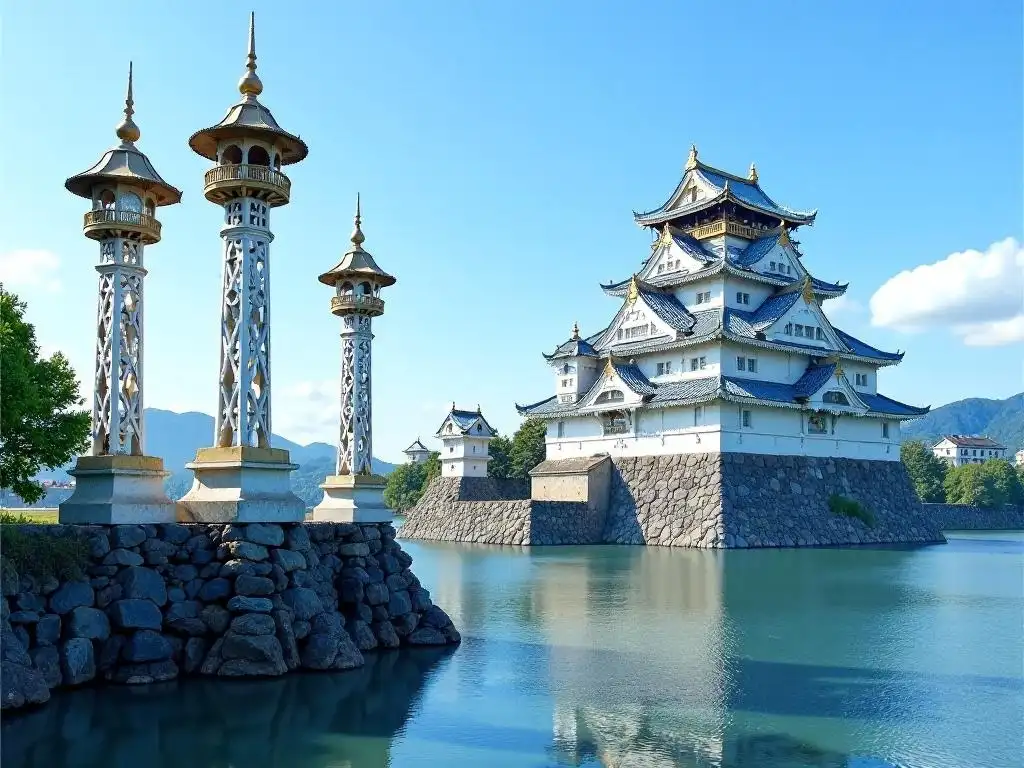
Famous feudal Japanese castles are not merely structures of stone and wood; they embody the architectural ingenuity and strategic military thinking of their time. Each castle was designed with specific features that served both defensive and symbolic purposes. Below are some of the key characteristics that define these remarkable edifices.
Moats and Defensive Structures
Moats were a fundamental aspect of feudal Japanese castle architecture, serving as the first line of defense against invading forces. These water-filled ditches were often designed to prevent easy access to the castle walls. Many famous feudal Japanese castles, such as Himeji Castle and Matsumoto Castle, feature expansive moats that not only deterred attackers but also enhanced the aesthetic appeal of the structures.
- Types of Moats:
- Water Moats: Filled with water, these moats created a formidable barrier.
- Dry Moats: Constructed without water, often lined with sharp stakes or other hazards to impede invasion.
In addition to moats, castles were equipped with various defensive structures:
- Watchtowers (Tenshu): Elevated structures provided vantage points for spotting enemy movements.
- Stone Walls: Thick and tall walls were built using stones or earthen materials to withstand sieges.
- Bastions: Protrusions in the castle walls allowed for better defense against attackers, facilitating crossfire between defending archers.
Castle Keep: The Heart of the Fortress
The castle keep, or tenshu, is arguably the most iconic feature of famous feudal Japanese castles. This central tower served multiple purposes – it was a residence for the lord, a storehouse for weapons and supplies, and a military command center. The design of the keep varied significantly from castle to castle, often reflecting the power and wealth of the ruling lord.
- Architectural Styles:
- Multi-storied Structures: Many keeps featured multiple levels, with the highest floors reserved for the lord and his family. For instance, Himeji Castle’s keep has six levels, showcasing an impressive wooden framework with intricate designs.
- Curved Roofs: The characteristic curved roofs, often adorned with ornate tiles, not only added beauty but also served to divert rainwater.
Furthermore, the keeps were often strategically placed to maximize visibility over the surrounding landscape. This allowed castle inhabitants to monitor movements and prepare for potential threats.
Walls and Gates: Symbols of Power
The walls and gates of famous feudal Japanese castles served as both protective barriers and potent symbols of authority. The design and construction of these elements were thoughtfully executed to project strength and dominance.
- Walls:
- Stone and Earth: The combination of stone and earthen walls provided significant defense against siege weapons. For example, the walls of Nagoya Castle were constructed using large stones, making them formidable.
- Kakuzuke (Battering Walls): These walls were built with a slight outward angle to better absorb the impact of attacks.
- Gates:
- Main Gates (Karamon): Often elaborately decorated, these gates were not just entrances but also statements of power. They were the first point of contact for visitors and potential attackers.
- Secondary Gates: Smaller gates provided access to less critical areas and were often more utilitarian in design.
The combination of robust walls and impressive gates exemplified the feudal lord's strength and helped to instill a sense of awe and respect in both subjects and enemies alike.
The architectural features of famous feudal Japanese castles reflect the complex interplay of defense, aesthetics, and power. Each castle stands as a testament to the skill of its builders and the historical context of its time.
Historical Context of Famous Feudal Japanese Castles
The Rise of Feudalism in Japan
The emergence of feudalism in Japan during the late 12th century marked a significant shift in the socio-political landscape of the nation. This period was characterized by the decline of imperial power and the rise of military governance, particularly under the shogunate. The Kamakura period (1185–1333) saw the establishment of the first shogunate, which laid the groundwork for the feudal system.
Feudalism in Japan was defined by a hierarchical structure, where the emperor was at the top, followed by the shogun, daimyō (feudal lords), samurai (warriors), and peasants. This system was crucial for maintaining order in a time of constant warfare and instability. As daimyō sought to consolidate their power, they began constructing fortified castles, which would serve both as military strongholds and administrative centers.
The architectural style of these castles was heavily influenced by the need for defense. The early castles, known as "yamajiro," were often built on hillsides, making them difficult to attack. These fortifications evolved over time, leading to more sophisticated structures that incorporated stone walls, moats, and watchtowers.
Key Historical Events Shaping Castle Development
Several key historical events significantly influenced the development of famous feudal Japanese castles.
- The Genpei War (1180–1185): This conflict between the Taira and Minamoto clans not only marked the end of the Heian period but also led to the rise of the Minamoto clan and the establishment of the Kamakura shogunate. Castles like Hiraizumi and Kamakura became essential centers of power during this time.
- The Onin War (1467–1477): This civil war resulted in the breakdown of central authority and the rise of powerful daimyō, leading to increased competition and the construction of more elaborate castles. Notably, castles like Azuchi and Nijo were built during this tumultuous period, showcasing advanced architectural techniques and aesthetics.
- The Unification of Japan (16th Century): The efforts of Oda Nobunaga, Toyotomi Hideyoshi, and Tokugawa Ieyasu to unify Japan led to a surge in castle construction. Famous castles such as Osaka Castle and Edo Castle were built as symbols of power and stability. These structures not only served military purposes but also embodied the administrative and cultural aspirations of their builders.
The Role of Samurai in Castle Construction
The samurai class played a pivotal role in the construction and maintenance of feudal Japanese castles. As the military aristocracy, samurai were both the builders and defenders of these fortifications. Their expertise in warfare directly influenced castle design, emphasizing defensive strategies and military functionality.
Responsibilities of Samurai in Castle Construction:
- Architectural Design: Many samurai were involved in the planning and design of castles. They collaborated with skilled artisans and builders to ensure that the fortifications met both aesthetic and functional requirements.
- Resource Management: Samurai often oversaw the acquisition of materials needed for construction, including timber, stone, and clay. This involved negotiation with local clans and management of labor forces.
- Defense Strategy: The layout of castles was heavily influenced by samurai combat strategies. Features such as high walls, narrow entry points, and moats were designed to thwart enemy attacks and protect the inhabitants.
- Cultural Influence: Beyond their military role, samurai also contributed to the cultural aspects of castle life. Many castles included gardens, tea houses, and living quarters that reflected the samurai's appreciation for aesthetics and tranquility.
The historical context surrounding famous feudal Japanese castles is deeply intertwined with the rise of feudalism, key historical events, and the influential role of the samurai. These factors not only shaped the architectural styles and functions of castles but also contributed to the rich tapestry of Japan's feudal history.
Notable Examples of Famous Feudal Japanese Castles
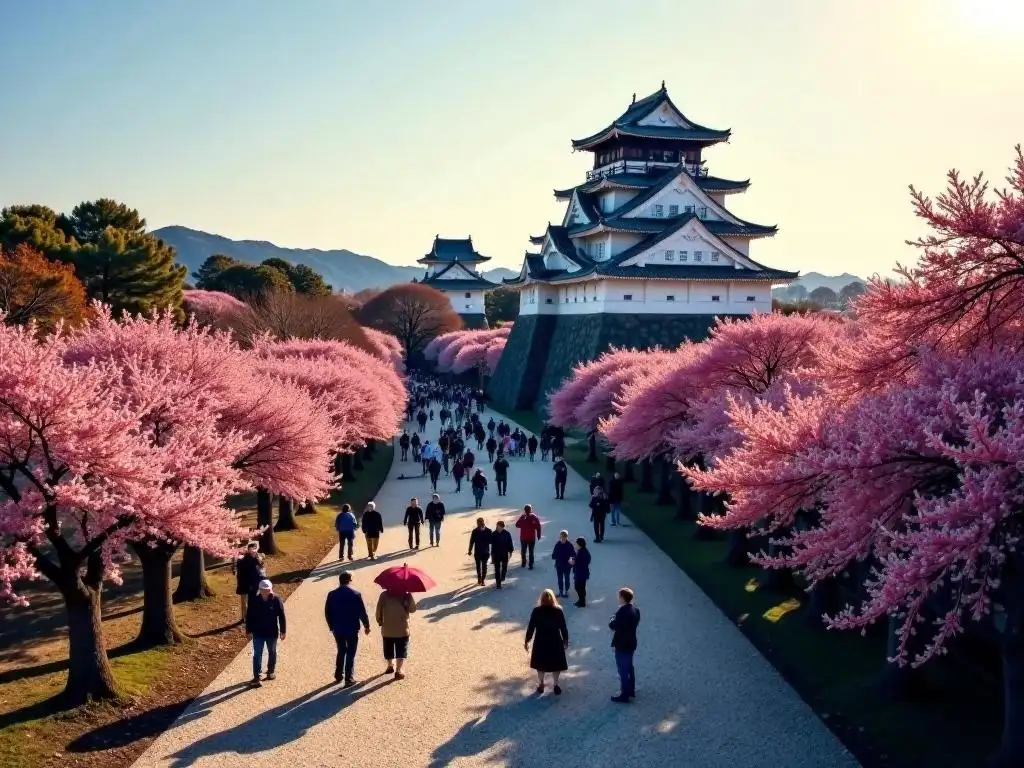
Himeji Castle: The White Heron Castle
Himeji Castle, known as Shirasagijo or the White Heron Castle, stands as one of the most well-preserved examples of feudal Japanese architecture. Recognized as a UNESCO World Heritage Site, this castle has captured the imagination of visitors for centuries with its stunning aesthetic and strategic design. Constructed in the early 17th century, Himeji Castle exemplifies the beauty and functionality of feudal Japanese castles.
Architectural Marvels of Himeji Castle
The architectural brilliance of Himeji Castle lies in its complex layout and defensive features. The castle is characterized by:
- Multi-tiered roofs: The elegant white exterior and intricate rooflines create the illusion of a heron in flight.
- Stone walls: Built from local stones, the walls are designed to withstand sieges and natural disasters, showcasing the engineering prowess of the time.
- Moats and gates: Surrounding the castle are deep moats that serve as both a defense mechanism and a stunning visual element. The main gate features a unique design that ensures controlled access.
The castle's interior is equally impressive, with numerous rooms and halls that were used for various functions, including administrative tasks and military strategy meetings. The use of tatami mats and sliding doors reflects the traditional Japanese aesthetic, further enhancing the experience of stepping into this historical site.
Historical Significance and Legends
Himeji Castle has played a pivotal role in Japan's feudal history. Originally constructed in the 14th century, it underwent significant renovations in the 1600s under the rule of Ikeda Terumasa, the first lord of the Himeji Domain. The castle is often associated with various legends, including tales of ghostly apparitions and historical figures who have walked its halls.
One notable legend is that of Princess Sen, a tragic figure believed to have been a victim of unrequited love. Her spirit is said to haunt the castle, adding an air of mystique to this already enchanting structure. Himeji Castle not only served as a military stronghold but also as a symbol of power and prestige among feudal lords.
Matsumoto Castle: The Crow Castle
Matsumoto Castle, also known as Karasu-jo or the Crow Castle, is another iconic example of feudal Japanese architecture. Its distinct black exterior and unique design have earned it the nickname “Crow Castle,” as it resembles a crow taking flight. This castle, built during the late 16th century, reflects the strategic importance of fortifications during the tumultuous Sengoku period.
Unique Features of Matsumoto Castle
Matsumoto Castle stands out due to its:
- Moat and stone walls: Like Himeji, Matsumoto Castle is surrounded by a deep moat, which not only served as a defense mechanism but also enhanced its visual appeal.
- Five-story main keep: The castle's main keep is notable for its asymmetrical design, which was a strategic choice to allow for better defense and visibility.
- Interior layout: The interior features wooden beams and traditional tatami flooring, offering a glimpse into the lifestyle of feudal lords and samurai.
The castle's design incorporates elements that allow for strong defensive capabilities, such as arrow slits and hidden compartments for storing weapons.
Cultural Importance and Preservation Efforts
Matsumoto Castle holds significant cultural importance as it represents the architectural ingenuity of the feudal period. It attracts thousands of visitors each year, who come to admire its beauty and learn about its storied past.
Preservation efforts for Matsumoto Castle have been robust, with ongoing restoration projects to maintain its original structure and appearance. The castle is an important representation of Japan’s cultural heritage, and initiatives are in place to ensure that future generations can appreciate its historical significance.
Both Himeji and Matsumoto Castles are quintessential examples of famous feudal Japanese castles, each telling unique stories through their architectural features and historical significance. They provide invaluable insight into Japan's feudal era, serving as testaments to the rich cultural tapestry that defines this period.
Nagoya Castle: A Symbol of Power
Nagoya Castle, located in the heart of Aichi Prefecture, stands as a monumental representation of power and prestige during Japan's feudal era. Originally constructed in the early 17th century under the orders of Tokugawa Ieyasu, the castle was strategically built to assert dominance over the region and protect the important trade routes between Kyoto and Edo (modern-day Tokyo). The castle's imposing structure and grand design reflect the wealth and influence of the Tokugawa shogunate.
The original Nagoya Castle was completed in 1612 and featured a unique blend of traditional Japanese castle architecture and defensive features. Its construction marked a significant advancement in Japanese military architecture, showcasing the use of stone foundations and wooden structures. Although the castle was destroyed during World War II, it was meticulously reconstructed and reopened to the public, allowing visitors to appreciate its historical significance and architectural beauty.
Distinct Architectural Elements of Nagoya Castle

Nagoya Castle is renowned for its distinct architectural features that epitomize the grandeur of feudal Japan. One of the most notable elements is the donjon, or main keep, which towers at approximately 48 meters. This multi-story structure is characterized by its ornate roof adorned with shachihoko, mythical creatures believed to protect the castle from fire. The shachihoko, with the head of a tiger and the body of a carp, is a symbol of power and protection, making it an iconic aspect of Nagoya Castle's silhouette.
Another remarkable feature is the use of masugata, a unique defensive design element that consists of a zigzag pathway leading to the entrance. This design not only served as a physical barrier against attackers but also allowed defenders to control the flow of enemies entering the castle. The castle complex is surrounded by impressive stone walls and moats, enhancing its fortification and providing an aesthetically pleasing landscape.
Inside the castle, the interior decor showcases traditional Japanese aesthetics, with sliding doors (fusuma) adorned with intricate paintings, tatami mat flooring, and a series of beautifully designed alcoves (tokonoma). These elements highlight the cultural richness and artistic sensibilities of the era, making Nagoya Castle a significant architectural marvel.
The Influence of Nagoya Castle on Japanese Culture
Nagoya Castle has left an indelible mark on Japanese culture, serving not only as a military stronghold but also as a symbol of resilience and regional identity. The castle has inspired countless works of art, literature, and folklore, becoming a focal point in the cultural narrative of Nagoya and Japan as a whole.
The castle's historical significance is celebrated in various festivals, such as the Nagoya Castle Matsuri, which showcases traditional performances and activities that honor the castle's legacy. Additionally, its distinctive architecture has influenced the design of subsequent castles and structures across Japan, embodying the essence of feudal Japanese architecture.
Moreover, Nagoya Castle has become a vital educational site, attracting scholars and history enthusiasts who seek to understand the complexities of Japan's feudal past. The castle's role as a cultural hub fosters a sense of community and pride among the residents of Nagoya, reinforcing its status as a national treasure. Through exhibitions and preservation efforts, Nagoya Castle continues to educate future generations about the rich history and cultural heritage of feudal Japan, ensuring that its stories and significance endure.
The Evolution of Castle Designs in Feudal Japan
The evolution of castle designs in feudal Japan reflects significant changes in military strategy, societal needs, and cultural influences from the 12th century to the 17th century. The transition from rudimentary fortifications to grandiose structures illustrates the complexity of Japanese feudal society and its architectural ingenuity.
Early Designs vs. Later Developments
In the early periods of feudal Japan, castles were primarily simple wooden fortifications constructed on elevated terrains, known as yashiki. These early designs often consisted of:
- Earthen mounds for defense
- Wooden palisades surrounding the perimeter
- Basic watchtowers to observe enemy movement
As the need for more robust defensive structures grew, particularly during the Sengoku period (1467-1603), castle designs began to evolve significantly. The introduction of stone and the strategic use of natural landscapes became prominent. Key features of later developments included:
- Stone walls (ishi no shiro) for enhanced defense
- Multi-storied donjons (tenshu), which served both as strongholds and symbols of power
- Complex layouts, often with multiple baileys (inclosed areas) and moats
For example, Himeji Castle, constructed in the early 17th century, showcases this evolution with its impressive stone base, intricate wooden frameworks, and a strategic design that maximized defense while also reflecting aesthetics.
Regional Variations in Castle Architecture
The architectural style of famous feudal Japanese castles varied significantly across different regions, influenced by local materials, climate, and cultural practices. Here are some notable regional distinctions:
- Kanto Region: Castles in this area, such as Kamakura Castle, often featured extensive wooden structures supported by earthen embankments, reflecting the area's abundant timber resources.
- Chubu Region: The Takeda clan's castles, like Kofu Castle, utilized local granite for their stone walls, showcasing a unique blend of natural landscape and architectural prowess.
- Kyushu Region: Castles like Kumamoto Castle illustrate the use of volcanic stone, which provided both structural integrity and aesthetic appeal, characterized by their distinctive black and white contrast.
Each region’s unique environmental conditions necessitated adaptations in castle architecture, leading to a diverse range of designs that collectively contribute to the legacy of famous feudal Japanese castles.
Influence of Zen Buddhism on Castle Aesthetics
Zen Buddhism significantly influenced the aesthetics of feudal Japanese castles, merging spiritual philosophy with architectural design. This influence is evident in several key aspects:
- Simplicity and Naturalness: Zen principles emphasize minimalism and a connection to nature. This manifested in castle gardens and surrounding landscapes that were designed to be serene and harmonious.
- Use of Space: The layout of many castles incorporated open spaces and viewed gardens (shakkei), allowing for peaceful contemplation while also serving defensive purposes.
- Symbolism: Elements like the tenshu not only served a military function but also symbolized the harmony between power and nature, often adorned with motifs and designs reflecting Buddhist teachings.
A prime example can be seen in Nijo Castle, where the architectural design harmonizes with its gardens, reflecting the Zen ideal of balance between aesthetics and functionality. This philosophical approach not only shaped the visual appeal of famous feudal Japanese castles but also underscored the cultural significance of these structures in their historical context.
The evolution of castle designs in feudal Japan, characterized by early wooden structures transitioning to sophisticated stone fortifications, alongside regional variations and the influence of Zen Buddhism, provides a comprehensive understanding of the architectural legacy that defines Japan's feudal era.
The Cultural Impact of Famous Feudal Japanese Castles
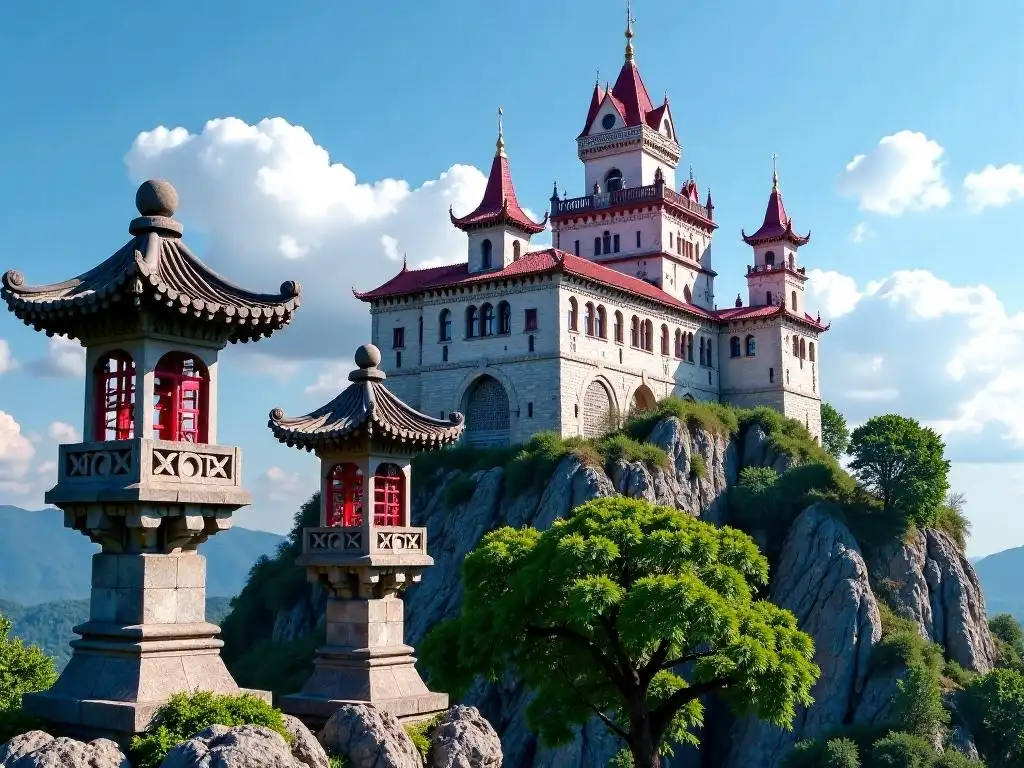
Famous feudal Japanese castles are not merely architectural feats; they represent intricate layers of culture, governance, and community life in Japan's historical context. Their designs, purposes, and the events that unfolded within their walls have left an indelible mark on Japanese society and culture.
Castles as Centers of Governance and Society
Throughout the feudal period, castles served as pivotal centers of governance and social interaction. Each castle was not just a military stronghold; it was a hub where political, economic, and cultural activities converged. The following points illustrate their multifaceted roles:
- Political Authority: Castles were the residences of daimyō (feudal lords) and their families, symbolizing their power and influence. The strategic placement of a castle often reflected the political landscape, with many built in areas that allowed for control over vital trade routes and agricultural lands. For instance, Himeji Castle, recognized as one of Japan's most beautiful castles, was a crucial site for the governance of the Harima Province.
- Military Significance: The architectural designs of these castles were primarily for defense. Features such as moats, stone walls, and watchtowers not only showcased the aesthetic qualities but also provided significant military advantages. For example, Nagoya Castle was fortified with imposing walls and unique gate designs that enhanced its defensive capabilities.
- Economic Hubs: Castles were bustling centers of commerce. Markets sprang up around them, where villagers would trade goods and services, fostering economic growth. The presence of a castle often led to the development of surrounding towns, as seen in Kumamoto Castle, which played a crucial role in local trade networks.
Artistic Representations of Castles in Japanese Culture
The influence of famous feudal Japanese castles extends into the realm of art and literature, where they have been celebrated and romanticized. Various forms of artistic expression have depicted these structures, reflecting their significance in Japanese culture:
- Ukiyo-e Woodblock Prints: During the Edo period, ukiyo-e artists produced stunning woodblock prints featuring famous castles. Artists like Hiroshige and Hokusai captured the beauty and grandeur of these structures, often incorporating seasonal changes and historical events. For instance, Hiroshige's "Fifty-Three Stations of the Tōkaidō" series included representations of castles, highlighting their picturesque qualities.
- Literature and Poetry: Castles have been prominent subjects in Japanese literature, from classic tales to modern narratives. They symbolize not only power but also the transient nature of life, as seen in works like "The Tale of the Heike," which reflects on the rise and fall of samurai clans and their fortresses.
- Film and Television: In contemporary media, castles continue to inspire filmmakers and storytellers. Numerous films and anime series depict these iconic structures, enhancing their allure and cultural significance. The castle scenes in Hayao Miyazaki’s "Spirited Away" and "Castle in the Sky" showcase a blend of fantasy and historical homage.
Festivals and Events Celebrated at Castles
Famous feudal Japanese castles are often at the heart of vibrant festivals and cultural events, serving as venues for celebrations that connect people to their history and traditions. These gatherings reflect the enduring legacy of these structures:
- Cherry Blossom Festivals: Many castles, such as Hirosaki Castle, host hanami (flower viewing) festivals during the cherry blossom season, attracting thousands of visitors. These events celebrate the fleeting beauty of sakura, fostering community spirit and appreciation for nature.
- Historical Reenactments: Some castles, like Matsumoto Castle, feature reenactments of historical battles and samurai life. These events provide educational experiences that immerse participants in the feudal era, offering insights into the martial culture and daily life of the time.
- Cultural Performances: Castles often serve as venues for traditional performances, including Noh and Kabuki theater. The grand settings complement these artistic expressions, making events like the Nihonmatsu Lantern Festival a unique blend of history, art, and community engagement.
The cultural impact of famous feudal Japanese castles is profound, influencing governance, artistic expression, and societal events. Their stories continue to resonate, enriching Japan's historical narrative and fostering a deep appreciation for this unique architectural heritage.
Preservation and Restoration of Feudal Japanese Castles
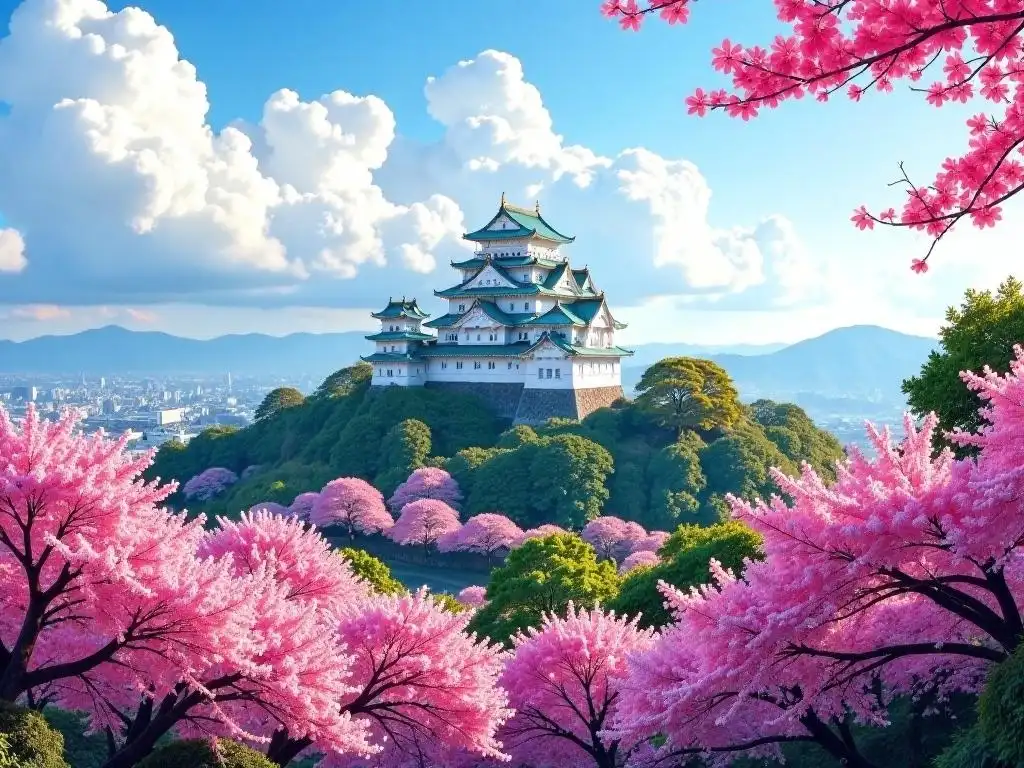
The preservation and restoration of famous feudal Japanese castles are critical not only for cultural heritage but also for educational purposes. These structures serve as physical reminders of Japan’s rich history, showcasing architectural innovation and the socio-political dynamics of the feudal era. As symbols of power and defense, they represent the craftsmanship and artistry of their time. Therefore, their conservation is paramount in maintaining Japan’s historical narrative.
Importance of Conservation Efforts
Conservation efforts for famous feudal Japanese castles play a significant role in:
- Cultural Heritage: These castles are invaluable assets that reflect the historical identity of Japan. They provide insights into the lifestyle, military strategies, and governance of the feudal period.
- Tourism: Castles like Himeji, Matsumoto, and Kumamoto attract millions of visitors each year, contributing to the local economy. Preservation ensures that future generations can enjoy and learn from these iconic structures.
- Educating Future Generations: Restored castles serve as outdoor classrooms, where visitors can engage with history in a tangible way. This educational aspect fosters a deeper understanding of Japan's past.
Moreover, conservation efforts often involve advanced techniques and materials to ensure structural integrity, while also respecting the original designs and historical accuracy.
Challenges in Restoring Historical Structures
Restoring famous feudal Japanese castles presents several challenges, including:
- Funding and Resources: Securing sufficient funds for restoration projects can be challenging, especially in a country where many castles require extensive work.
- Authenticity and Accuracy: Restorers face the dilemma of balancing modern construction techniques with the need to maintain historical authenticity. This often requires in-depth research and expert consultation.
- Natural Disasters: Japan is prone to earthquakes and typhoons, which can cause significant damage to historical structures. Restoration efforts must incorporate modern engineering solutions to withstand these threats while preserving the original aesthetics.
- Public Awareness and Engagement: Engaging the local community and raising awareness about the importance of these structures can be difficult, yet it is essential for garnering support for preservation initiatives.
Successful Restoration Projects of Famous Castles
Numerous successful restoration projects have underscored the dedication to preserving feudal Japanese castles:
- Himeji Castle: After extensive restoration completed in 2015, Himeji Castle has maintained its status as a UNESCO World Heritage Site. The project included repairing the roof and walls using traditional methods, ensuring that the castle’s historic integrity was preserved.
- Matsumoto Castle: Known for its unique black exterior, Matsumoto Castle underwent restoration in the late 20th century that focused on repairing the wooden structures while enhancing seismic resistance.
- Kumamoto Castle: Following the devastating earthquakes in 2016, the restoration efforts at Kumamoto Castle have been extensive. The project aims not only to restore the castle to its former glory but also to incorporate modern safety measures.
These restoration projects highlight the commitment to preserving famous feudal Japanese castles, ensuring that they remain vital links to Japan’s historical and cultural legacy. By overcoming challenges and employing thoughtful strategies, these castles continue to inspire awe and respect for Japan’s feudal past.
Conclusion: The Legacy of Famous Feudal Japanese Castles
The legacy of famous feudal Japanese castles extends far beyond their architectural grandeur. These structures symbolize the historical power dynamics, military strategies, and cultural practices of Japan's feudal era. Castles such as Himeji, Matsumoto, and Kumamoto stand as testaments to the ingenuity of Japanese craftsmanship, showcasing unique designs that merged practicality with aesthetic beauty. Their preservation and restoration have become crucial in maintaining not only the physical structure but also the stories and traditions associated with them.
These castles have evolved into vital cultural landmarks that draw millions of visitors each year, serving as a bridge between the past and present. The ongoing efforts to preserve these historical sites illustrate a collective commitment to honoring Japan's heritage. Through educational programs, guided tours, and cultural events, the castles can impart their historical significance to future generations, ensuring that the lessons of feudal Japan remain relevant in the contemporary world.
In essence, the legacy of these castles lies in their ability to inspire awe and curiosity. They encapsulate a period marked by intricate social hierarchies, strategic military architecture, and the artistic pursuits of their time. As custodians of this legacy, it is imperative that we continue to support preservation and restoration efforts, allowing these magnificent structures to endure as symbols of Japan's rich history.
Reflections on the Cultural Heritage of Feudal Japan
The cultural heritage of feudal Japan is intricately woven into the fabric of its famous castles. Each castle reflects not only the architectural styles of the time but also the societal values, artistic expressions, and spiritual beliefs that shaped the nation. The intricate woodwork, the use of natural materials, and the strategic placement of elements like moats and stone walls demonstrate a deep understanding of both aesthetics and functionality, merging beauty with defensive strategy.
Moreover, the castles served as centers of governance and culture, where samurai would convene, and local traditions were upheld. Festivals, tea ceremonies, and martial arts demonstrations often took place within their walls, fostering a vibrant cultural life. The art of calligraphy, ink painting, and flower arranging (ikebana) thrived in the shadow of these fortifications, illustrating the interconnection between military power and cultural refinement.
Today, as we reflect on this heritage, it is essential to recognize the role these castles play in fostering national pride and identity. They are not merely relics of the past but living monuments that continue to evoke a sense of belonging among the Japanese people. The preservation of these sites is a testament to the resilience of cultural heritage, emphasizing the importance of historical awareness and appreciation in a rapidly modernizing world.
The castles of feudal Japan are more than just architectural feats; they are vital cultural icons that encapsulate a rich tapestry of history, art, and tradition. Reflecting on their significance enables us to appreciate the complexities of Japanese history and the enduring legacy of its feudal past.
Frequently Asked Questions
What are some famous feudal Japanese castles mentioned in the article?
The article highlights several iconic castles such as Himeji Castle, Matsumoto Castle, and Nagoya Castle, each with unique architectural features and historical significance.
Why were feudal Japanese castles important during the Edo period?
These castles served as military strongholds, administrative centers, and symbols of power for daimyos, reflecting the political landscape of feudal Japan.
What architectural styles are prevalent in famous feudal Japanese castles?
The castles often feature a blend of Japanese and Chinese architectural styles, showcasing multi-tiered roofs and intricate wooden structures designed for both defense and aesthetics.
How have feudal Japanese castles influenced modern architecture in Japan?
Many modern Japanese buildings draw inspiration from the design and aesthetics of feudal castles, incorporating elements such as natural materials and harmonious gardens.
Are there any preservation efforts for famous feudal Japanese castles today?
Yes, numerous restoration projects are underway to preserve these historical sites, ensuring that their cultural heritage and architectural beauty are maintained for future generations.
Final Reflection: The Enduring Legacy of Famous Feudal Japanese Castles
The stories behind famous feudal Japanese castles are not just tales of architectural grandeur; they are profound narratives that echo the resilience and ingenuity of a bygone era. Today, as we navigate a rapidly changing world, these castles serve as powerful symbols of cultural heritage and historical significance. They remind us of the intricate tapestry of human experience, where every stone and structure tells a story of power, conflict, and artistry.
Castles like Himeji and Matsumoto have not only shaped Japan's historical landscape but continue to influence modern culture and identity. Their majestic presence inspires countless visitors, fostering a deep appreciation for Japan's rich history. As noted by historian John W. Hall, The castles of Japan are more than mere fortifications; they are the embodiment of a society's values, aspirations, and struggles.
This ongoing fascination with feudal castles reflects our collective desire to connect with the past and understand the forces that have shaped our present.
As you reflect on the tales and structures of these famous feudal Japanese castles, consider how their lessons can resonate in your own life. Embrace the spirit of resilience and creativity that these castles symbolize. Whether through preserving cultural heritage, exploring your own history, or simply finding inspiration in the stories of those who came before us, let the legacy of these magnificent structures guide you toward a deeper understanding of your own journey.
Unveil the Legacy of Feudal Japan's Castles!
Thank you for diving into the fascinating world of feudal Japanese castles! By exploring their stories, you've uncovered the architectural marvels that shaped a pivotal era in history. Now, let's take your knowledge a step further and engage with this rich heritage!
Here’s how you can continue your journey:
- Visit a local museum or participate in a virtual exhibition featuring artifacts from feudal Japan to get an up-close look at the culture and craftsmanship.
- Share your favorite castle story on social media and invite friends to discover the amazing histories behind these incredible structures.
- Join an online community or forum focused on Japanese history to connect with fellow enthusiasts – exchange insights and deepen your understanding!
What castle story resonates most with you, and how has it inspired your view of Japan’s rich historical tapestry?