
The Art of Sushi: Ancient Techniques from Feudal Japan


Welcome to Feudal Japan History, your gateway to the rich tapestry of Japan's feudal era! Here, we invite you to embark on a fascinating journey through time, as we explore the intricate cultural and societal aspects that shaped this remarkable period. In our featured article, "The Art of Sushi: Ancient Techniques from Feudal Japan," we delve into the culinary masterpieces that emerged during this era, unveiling the secrets behind ancient sushi techniques that continue to influence modern cuisine. Prepare to satisfy your curiosity and uncover the flavors of history—let’s dive deeper into the delectable world of feudal Japan!
Introduction to Ancient Sushi Techniques in Feudal Japan
The art of sushi is not just a modern culinary trend; it is deeply rooted in Japan's rich history, particularly during the feudal era. This period, spanning from the 12th to the 19th century, was marked by significant developments in Japanese society, culture, and cuisine. Understanding ancient sushi techniques from feudal Japan provides valuable insight into how food practices evolved, reflecting the values, traditions, and innovations of the time. As we delve into the intricate world of sushi, we will explore its historical significance, evolution, and the cultural context that shaped its development.
Overview of Sushi's Historical Significance
Sushi, originally a method of preserving fish in fermented rice, has its origins that trace back to ancient Japan. During the feudal era, sushi evolved from a simple preservation technique into a celebrated dish, symbolizing culinary sophistication. The transition from narezushi (fermented sushi) to edomae-zushi (modern sushi) showcases the craftsmanship and creativity of sushi chefs, reflecting the changing tastes and economic conditions of the time. The rise of urban centers, particularly Edo (modern-day Tokyo), played a pivotal role in popularizing sushi, making it a staple of daily life.
The Evolution of Sushi During the Feudal Era
The evolution of sushi throughout the feudal era can be categorized into distinct phases:
- Early Preservation Techniques: Initially, fish was preserved using fermented rice, which acted as both a source of nutrition and a means of food preservation.
- Introduction of Vinegar: The introduction of vinegar in the preparation of sushi rice marked a significant shift, allowing for quicker preparation and a more palatable flavor.
- Street Food Culture: By the late Edo period, sushi transitioned into a popular street food, served by vendors, which made it accessible to the masses and contributed to its cultural significance.
These changes not only highlight the culinary innovations of the time but also illustrate the social dynamics at play, as sushi became intertwined with the daily lives of ordinary people.
The Cultural Context of Sushi in Feudal Japan
Understanding the cultural context surrounding sushi during the feudal era is crucial to appreciating its significance in Japanese society. Sushi was not merely food; it represented a blend of art, tradition, and communal values.
The Role of Sushi in Daily Life and Society
Sushi played a vital role in the daily life of feudal Japan, serving various functions:
- Communal Dining: Sushi was often enjoyed during communal meals, fostering social bonds and a sense of community.
- Celebratory Dishes: Certain types of sushi were reserved for special occasions, symbolizing prosperity and good fortune.
- Economic Impact: The sushi trade supported local economies, with fishermen, rice farmers, and sushi chefs forming a vital network within society.
Influences of Religion and Tradition on Sushi Preparation
Religion and tradition significantly influenced sushi preparation, as demonstrated by:
- Shinto Beliefs: The reverence for nature and its bounty reflected in sushi preparation emphasized seasonal ingredients.
- Ceremonial Practices: Sushi was often featured in religious festivals and ceremonies, symbolizing abundance and gratitude.
These influences not only shaped the preparation and presentation of sushi but also embedded it within the cultural fabric of feudal Japan, ensuring its legacy in Japan's culinary heritage.
Key Ancient Sushi Techniques from Feudal Japan
The ancient sushi techniques developed during feudal Japan laid the groundwork for what we know today as sushi. These methods were not merely culinary practices; they were deeply intertwined with the culture, economy, and geography of the era. Understanding these techniques provides insight into the evolution of sushi, from preservation methods to flavor balance, and highlights the ingenuity of Japanese cuisine.
One of the most significant elements was the use of fermented fish, which was an essential preservation method before refrigeration. This technique allowed for the storage and transport of fish over long distances, enabling the development of various sushi forms that could cater to local tastes. As trade routes expanded, so did access to different fish species, which diversified sushi offerings.
Additionally, the meticulous craftsmanship involved in sushi preparation was evident in the selection and treatment of ingredients. Chefs employed techniques that emphasized the natural flavors of the fish and rice, showcasing their commitment to quality and artistry. These practices fostered a respect for seasonal ingredients, leading to the concept of shun, or the peak season of freshness, which is still significant in modern sushi-making.
Shari: The Foundation of Sushi Rice
At the heart of sushi lies shari, the vinegared rice that serves as the foundation for the dish. In feudal Japan, the preparation of shari was a revered art form that required precision and skill. The rice was often short-grain, which provided the perfect texture and stickiness needed to hold the sushi together.
To prepare shari, the rice was washed and soaked to achieve the desired consistency. After cooking, it was seasoned with a blend of vinegar, sugar, and salt, which not only enhanced the flavor but also played a role in preservation. This mixture was carefully folded into the rice, ensuring that each grain was evenly coated while maintaining the delicate structure necessary for sushi.
The importance of shari cannot be overstated; it was regarded as a reflection of the chef's expertise. The balance of flavors in the rice was crucial, as it complemented the toppings, or neta, creating a harmonious overall taste. Mastery of shari was seen as a rite of passage for sushi chefs, who spent years perfecting this foundational component.
Neta: Selection and Preparation of Toppings
The selection and preparation of neta, or the toppings for sushi, played a critical role in the sushi-making process during feudal Japan. The choice of fish and other ingredients was influenced by local availability, seasonal changes, and the preservation methods employed at the time.
Chefs would often rely on freshly caught fish, such as tuna, mackerel, and eel, which were prepared with great care. Techniques like slicing, marinating, and grilling were common, allowing chefs to highlight the unique qualities of each ingredient. For instance, neta could be lightly seared or cured, enhancing its flavor profile while ensuring food safety.
Fermentation was another important technique that impacted the selection of neta. Fish would sometimes be fermented to achieve a distinct taste, allowing chefs to create a range of flavors that were both complex and satisfying. This method not only preserved the fish but also added a unique umami quality that became a hallmark of traditional sushi.
The artistry involved in selecting and preparing neta was a reflection of the chef's skill and creativity, contributing significantly to the overall dining experience.
The Art of Fermentation in Sushi Making
Fermentation was a pivotal technique in the making of sushi during feudal Japan, providing essential methods for preserving fish and enhancing flavors. This process involved utilizing natural bacteria and yeasts to develop complex flavors and textures, distinguishing various types of sushi.
One of the most notable forms of fermented sushi was narezushi, where fish was packed in rice and allowed to ferment for several months. This method not only preserved the fish but also imparted a rich, tangy flavor to it. As the fish matured, the rice would also ferment, becoming increasingly sour. The rice was often discarded after fermentation, with the fish being consumed, showcasing a practical approach to food preservation.
The art of fermentation extended beyond just fish; vegetable pickling techniques were also common. Ingredients like cucumbers and daikon radish were pickled to accompany sushi, adding a refreshing contrast to the rich flavors of seafood. This practice highlighted the Japanese emphasis on seasonal ingredients and the importance of balance in cuisine.
The fermentation techniques used in feudal Japan laid the groundwork for contemporary sushi practices, influencing the diverse range of flavors and textures that sushi enthusiasts enjoy today.
Regional Variations of Sushi Techniques in Feudal Japan
As sushi evolved in feudal Japan, regional variations emerged that reflected local ingredients, cultural preferences, and historical influences. These differences contributed to the rich tapestry of sushi styles, each with its unique characteristics and techniques.
Edomae-zushi: Tokyo's Sushi Tradition
Edomae-zushi, originating from the Edo period in Tokyo, is one of the most recognized styles of sushi today. This method emphasized the use of fresh, local fish from Tokyo Bay, which was often prepared using techniques such as marinating, grilling, or curing. The combination of fresh fish and vinegared rice created a delightful balance of flavors.
Chefs in Edo developed innovative methods to enhance the freshness and taste of their fish, including the use of soy sauce and wasabi. The presentation of edomae-zushi was also an art form, with chefs focusing on aesthetics and the overall dining experience. This style of sushi laid the foundation for modern sushi bars, emphasizing simplicity and quality.
Kansai-style Sushi: A Unique Approach to Fermentation
Kansai-style sushi, prevalent in the Osaka region, offers a distinctive approach that focuses heavily on fermentation. Unlike the faster preparations seen in Edomae-zushi, Kansai sushi often utilizes narezushi techniques, where fish is allowed to ferment longer, resulting in unique flavors and textures.
In Kansai, sushi was often served as oshizushi, or pressed sushi, where ingredients were layered and compacted in a mold. This method allowed for a beautiful presentation and made it easier to serve at gatherings. The emphasis on fermentation not only preserved the fish but also highlighted the region's culinary heritage and the importance of traditional techniques.
The Influence of Local Ingredients on Sushi Techniques
The availability of local ingredients played a crucial role in shaping the various sushi techniques throughout feudal Japan. Different regions had access to unique fish species, vegetables, and condiments, which significantly influenced the types of sushi prepared.
For example, coastal areas had abundant seafood, leading to a focus on fresh fish preparations. In contrast, inland regions relied more on preserved ingredients and pickling techniques. Local condiments, such as yuzu and shiso, also found their way into sushi recipes, adding distinctive flavors that reflected regional identities.
These variations not only enriched the sushi experience but also fostered a sense of pride in local culinary traditions, ensuring that each region's sushi techniques were celebrated and preserved for generations to come.
Tools and Equipment Used in Ancient Sushi Preparation
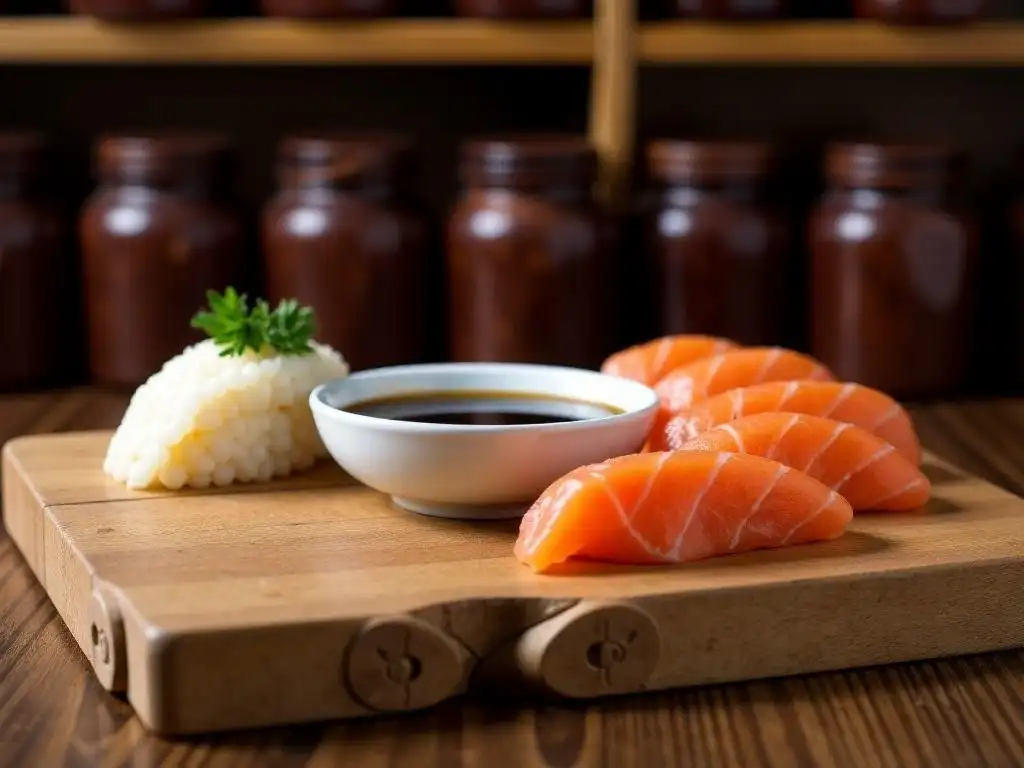
The preparation of sushi in ancient Japan involved a range of specialized tools and equipment that played a crucial role in ensuring the final product was both delicious and aesthetically pleasing. These tools not only aided in the preparation but also reflected the cultural significance of sushi as a culinary art form. Understanding the tools and equipment used in ancient sushi preparation provides insight into the meticulous craftsmanship that defines this traditional dish.
Traditional Knives: The Essential Tools of Sushi Chefs
In feudal Japan, sushi chefs utilized a variety of traditional knives, each designed for specific tasks in the sushi-making process. The most notable among these are:
- Yanagiba: This long, thin knife is essential for slicing raw fish. Its sharp blade allows for precision cuts, ensuring that the texture and flavor of the fish are preserved.
- Deba: A heavier knife used for butchering fish and cutting through bones. The weight and sturdiness of the deba make it ideal for preparing larger fish.
- Usuba: A vegetable knife used for cutting vegetables into precise shapes, which enhances the visual presentation of sushi.
The craftsmanship of these knives is rooted in centuries of tradition, with skilled artisans hand-forging them using high-quality steel. The importance of maintaining these knives cannot be overstated, as their sharpness and condition directly impact the quality of the sushi.
The Importance of Bamboo Mats in Sushi Rolling
Bamboo mats, known as makisu, have been an integral part of sushi preparation since ancient times. These mats are composed of tightly woven bamboo strips, which allow chefs to roll sushi rice and fillings into perfect cylindrical shapes. The use of bamboo mats offers several advantages:
- Even Pressure: The flexibility of bamboo allows for even pressure when rolling, resulting in tightly packed sushi rolls that hold together well.
- Texture and Flavor: The natural fibers of the bamboo can impart a subtle flavor to the sushi, enhancing the overall taste experience.
- Versatility: In addition to sushi, bamboo mats can be used for rolling other dishes, such as maki or even desserts.
The technique of using bamboo mats has been passed down through generations, showcasing the importance of this tool in maintaining the authenticity and quality of sushi.
Storage and Preservation Techniques for Fresh Ingredients
In feudal Japan, the preservation of fresh ingredients was crucial in a time before refrigeration. Sushi chefs employed several techniques to ensure the freshness and quality of their ingredients:
- Salting and Curing: Fish was often salted or cured to extend its shelf life. This method not only preserved the fish but also enhanced its flavor.
- Vinegar Preservation: Vinegar played a significant role in sushi preservation. Sushi rice was often seasoned with vinegar, which helped inhibit bacterial growth and provided a distinctive tangy flavor.
- Cooling and Ice: Access to ice, especially during warmer months, allowed chefs to keep their ingredients cool, maintaining freshness until they were ready to be prepared.
These preservation techniques reflect the ingenuity of ancient sushi chefs in maximizing the quality of their ingredients, setting the foundation for the sushi we enjoy today.
The Legacy of Ancient Sushi Techniques in Modern Cuisine
The influence of ancient sushi techniques extends far beyond the feudal era, leaving a lasting imprint on contemporary sushi practices. While modern sushi has evolved and diversified, the core principles established during feudal Japan remain integral to the craft.
How Feudal Techniques Influence Contemporary Sushi
Many of the ancient techniques utilized in feudal Japan are still prevalent in modern sushi-making. For instance:
- Knife Skills: The precision and artistry of traditional knife techniques continue to be a hallmark of sushi chefs today, with many culinary schools emphasizing the importance of mastering these skills.
- Ingredient Quality: The focus on using fresh, high-quality ingredients, as practiced by ancient sushi chefs, has become a standard in contemporary sushi bars, where sourcing local and seasonal products is prioritized.
- Presentation: The aesthetic aspect of sushi, which was cultivated in feudal Japan, remains a significant consideration in modern cuisine, with chefs often arranging sushi in visually appealing ways.
These enduring practices highlight the respect for tradition that characterizes the sushi-making process, ensuring that the essence of ancient techniques is preserved in contemporary dishes.
Preservation of Traditional Sushi Techniques Today
The preservation of traditional sushi techniques is a concerted effort among chefs, culinary schools, and sushi enthusiasts worldwide. Several initiatives contribute to maintaining these ancient practices:
- Culinary Schools: Institutions that specialize in Japanese cuisine often include courses focused on traditional sushi techniques, ensuring that new generations of chefs are trained in the art of sushi-making.
- Cultural Festivals: Events celebrating Japanese culture often feature sushi-making demonstrations, allowing participants to learn about ancient techniques firsthand.
- Sushi Associations: Organizations dedicated to promoting sushi culture often advocate for the preservation of traditional methods, providing resources and training for aspiring sushi chefs.
By fostering an appreciation for ancient sushi techniques, these efforts help keep the rich history of sushi alive, enabling it to thrive in modern culinary landscapes.
Conclusion: The Timeless Art of Sushi from Feudal Japan
The art of sushi, deeply rooted in the traditions of feudal Japan, reflects a culinary evolution that has transcended time and geography. From its humble beginnings as a method of preserving fish to the intricate and diverse forms we enjoy today, sushi showcases the ingenuity and adaptability of Japanese cuisine. The techniques developed during the feudal era—such as fermentation, vinegared rice preparation, and careful sourcing of ingredients—continue to influence modern sushi-making practices.
Sushi is not merely a dish; it represents a cultural heritage that embodies the values of feudal society, where respect for nature, precision, and artistry were paramount. The meticulous attention to detail in the preparation and presentation of sushi is a testament to the skills and philosophies developed by artisans of the past. As we savor sushi today, we partake in a rich tapestry of history, enjoying flavors that have been refined through centuries.
Reflecting on the Cultural Importance of Sushi Techniques
The techniques surrounding sushi preparation are more than just culinary skills; they are a reflection of Japan's cultural and social history. In feudal Japan, sushi was closely connected to the rhythms of nature and the changing seasons, with different types of fish and ingredients celebrated at various times of the year. This seasonal approach not only ensured freshness but also fostered a deep appreciation for the environment and its resources.
Moreover, the craft of sushi-making was often passed down through generations, emphasizing the importance of lineage and tradition in Japanese society. Each technique, from the precise cut of the fish to the careful balance of flavors, was infused with the knowledge and experiences of those who came before. This cultural significance continues today, as sushi chefs honor their predecessors by adhering to traditional methods while also embracing innovation.
Future of Sushi: Bridging Past and Present
As we look to the future, the art of sushi is poised to evolve while honoring its ancient roots. The global popularity of sushi has led to an increased interest in traditional techniques, prompting chefs worldwide to explore the authenticity of flavors and preparations from feudal Japan. This resurgence of interest serves as a bridge between the past and the present, as contemporary chefs experiment with new ingredients and styles while respecting traditional methods.
Sustainability is also becoming a crucial aspect of sushi's future. As the world faces challenges related to overfishing and environmental degradation, many sushi chefs are now prioritizing sustainable sourcing of fish and other ingredients. This mindful approach not only preserves the delicate ecosystems that support sushi-making but also resonates with the feudal Japanese philosophy of living in harmony with nature.
The art of sushi is an enduring reflection of Japan's rich history, cultural values, and societal evolution. By preserving ancient techniques while adapting to contemporary challenges, sushi continues to thrive as a culinary art form, ensuring that its legacy endures for generations to come.
- Introduction to Ancient Sushi Techniques in Feudal Japan
- The Cultural Context of Sushi in Feudal Japan
- Key Ancient Sushi Techniques from Feudal Japan
- Regional Variations of Sushi Techniques in Feudal Japan
- Tools and Equipment Used in Ancient Sushi Preparation
- The Legacy of Ancient Sushi Techniques in Modern Cuisine
- Conclusion: The Timeless Art of Sushi from Feudal Japan
- What are the ancient sushi techniques used in Feudal Japan?
- How did sushi evolve during the feudal era?
- What role did cultural exchanges play in sushi development in Feudal Japan?
- Why is the study of ancient sushi techniques important for understanding Feudal Japan's culture?
- Where can I learn more about sushi and its historical significance in Feudal Japan?
Frequently Asked Questions
What are the ancient sushi techniques used in Feudal Japan?
The ancient sushi techniques from Feudal Japan involved the use of fermented rice for preservation and flavoring fish. These methods laid the groundwork for modern sushi practices.
How did sushi evolve during the feudal era?
During the feudal era, sushi evolved from simple preservation methods to a more refined dish, integrating various ingredients and techniques influenced by regional availability and cultural exchanges.
What role did cultural exchanges play in sushi development in Feudal Japan?
Cultural exchanges during Feudal Japan introduced new ingredients and cooking techniques, enriching the sushi experience and fostering a variety of regional styles that are still celebrated today.
Why is the study of ancient sushi techniques important for understanding Feudal Japan's culture?
Studying ancient sushi techniques provides insight into the culinary practices, social structures, and the significance of food preservation in the daily lives of people during Feudal Japan.
Where can I learn more about sushi and its historical significance in Feudal Japan?
You can explore in-depth articles on Feudal Japan History, where expert-driven content covers the historical, cultural, and societal aspects of sushi and its evolution through the ages.
Final Reflection: Embracing the Legacy of Ancient Sushi Techniques
The art of sushi, rooted in the ancient techniques of feudal Japan, remains profoundly relevant today as we navigate a world increasingly obsessed with culinary innovation and authenticity. The meticulous craftsmanship that defines traditional sushi-making not only honors the past but also serves as a reminder of the cultural heritage that shapes our contemporary dining experiences. In an era where fast food often overshadows artisanal practices, the reverence for these ancient techniques is a striking testament to the enduring power of tradition.
Sushi is more than just a meal; it is a cultural narrative that continues to influence our social landscape. The intricate methods passed down through generations reflect a deep respect for nature, ingredients, and the artistry of preparation. As we savor each bite, we participate in a ritual that connects us to the artisans of feudal Japan who perfected these skills. Food is not just what we eat; it’s a reflection of who we are.
This quote encapsulates the essence of sushi, reminding us that every roll tells a story, and every flavor evokes a memory.
As you reflect on the lessons embedded in the art of sushi, consider how you can incorporate these ancient techniques into your own culinary practices or daily life. Embrace the patience, precision, and respect for ingredients that define this craft. Whether you are preparing a meal at home or simply enjoying sushi at a restaurant, take a moment to appreciate the history and artistry behind it. Let this reflection inspire you to honor tradition while exploring your own creative expressions in the kitchen and beyond.
Elevate Your Culinary Skills: Master the Art of Sushi!
Thank you for diving into the rich world of sushi and the ancient techniques from feudal Japan! We hope you've gained valuable insights into this exquisite art form and its historical significance. Now, it’s time to take your passion for sushi to the next level. Here’s how you can embark on your sushi-making journey:
- Start your own sushi creations: Gather fresh ingredients and experiment with various types of sushi at home. Whether you're trying your hand at nigiri, maki, or sashimi, let your creativity shine!
- Join a sushi-making class: Connect with fellow sushi enthusiasts, learn from experienced chefs, and immerse yourself in an authentic culinary experience, either locally or through online platforms.
- Share your experience: Document your sushi creations on social media or host a sushi night with friends. Let others discover the beauty and tradition behind each roll!
What unique sushi creation will you attempt first, and how will you put your personal twist on it? Share your thoughts in the comments below!