
Discovering Noren: Traditional Dishes of Feudal Japan You Can Cook Now

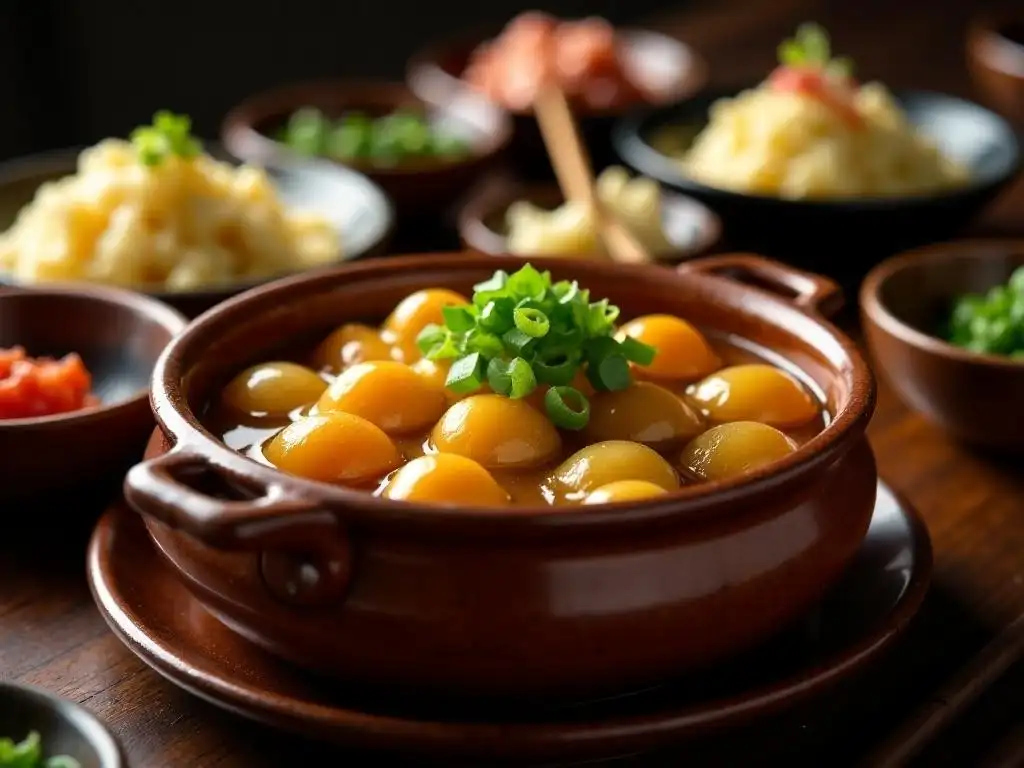
Welcome to Feudal Japan History! Immerse yourself in the rich tapestry of Japan's feudal era, where history, culture, and cuisine intertwine to create a vibrant narrative. In our featured article, "Discovering Noren: Traditional Dishes of Feudal Japan You Can Cook Now," we invite you to uncover the secrets of traditional feudal Japan recipes that have stood the test of time. What flavors and stories lie behind these age-old dishes? Join us as we explore the culinary heritage that shaped a nation, and let your curiosity guide you deeper into the fascinating world of feudal Japan!
Introduction to Traditional Feudal Japan Recipes
The culinary landscape of feudal Japan, a period spanning from the 12th to the 19th centuries, is rich with history and tradition, reflecting the societal values and agricultural practices of the time. This era saw the emergence of distinctive cooking styles and recipes that not only catered to the tastes of the samurai class but also to the common populace. Understanding these traditional feudal Japan recipes provides a fascinating glimpse into the past, revealing how food was intertwined with culture, religion, and daily life.
As we explore these recipes, we will uncover the ingredients and methods that defined feudal Japanese cuisine and how they can be adapted for modern cooking. From hearty stews to delicate rice dishes, these meals offer a window into a world where gastronomy was deeply influenced by seasonal produce and local customs. In this article, we will delve into the historical context of these dishes and provide practical recipes that you can recreate in your own kitchen, allowing you to experience a taste of Japan's feudal era.
Historical Context of Feudal Japanese Cuisine
Feudal Japan was characterized by a rigid social hierarchy and a predominantly agrarian society. The food produced during this time was largely influenced by regional availability, agricultural practices, and the cultural significance of certain ingredients. The samurai class, which held significant power, often enjoyed more elaborate meals compared to farmers and artisans.
- Staple Ingredients:
- Rice: Central to Japanese cuisine, rice was not only a staple food but also a symbol of wealth and prosperity.
- Fish and Seafood: Given Japan's geographical location, fish became a primary protein source, with various preservation techniques such as drying and fermenting.
- Vegetables: Seasonal vegetables played a crucial role in daily meals, often pickled or served in soups and stews.
- Culinary Techniques:
- Grilling and Steaming: Techniques like yakimono (grilled dishes) and mushimono (steamed dishes) were popular, showcasing the natural flavors of the ingredients.
- Fermentation: The use of miso and soy sauce, both fermented products, added depth and umami to dishes.
- Cultural Significance:
- Ceremonial Dishes: Certain meals were prepared for festivals and rituals, reflecting the spiritual beliefs of the time. For instance, mochi (rice cakes) were often made during New Year celebrations.
- Seasonal Eating: The concept of shun emphasized eating foods in their peak season, which greatly influenced meal preparation and ingredient choice.
By integrating these elements, we can better appreciate the traditional feudal Japan recipes that will be explored in the following sections. Each recipe serves not only as a culinary delight but also as a connection to the rich tapestry of history and culture that defines Japan's feudal era.
Essential Ingredients in Traditional Feudal Japan Recipes
Traditional feudal Japan recipes are deeply rooted in the country's agricultural practices, local produce, and culinary traditions. The essential ingredients that characterize this cuisine reflect a harmonious relationship with nature and a reliance on seasonal availability. Understanding these ingredients not only serves to enhance the authenticity of the dishes but also offers insight into the cultural significance of food in feudal Japan.
Rice: The Staple of Japanese Cuisine
Rice, known as "kome" in Japanese, is the cornerstone of traditional Japanese cuisine. During the feudal era, rice was not just a staple food; it was a symbol of wealth and status. The cultivation of rice was labor-intensive and often dictated social structures, making it a crucial part of agricultural society.
Key Points:
- Varieties: The most common types of rice used include short-grain Japonica rice, which is sticky and ideal for sushi, and other varieties suitable for different dishes.
- Cooking Techniques: Traditionally, rice was steamed or boiled, and it often accompanied various side dishes, serving as a foundation for meals.
- Cultural Significance: Rice is deeply embedded in Japanese rituals and festivals, often used in ceremonies as an offering to deities.
Seasonal Vegetables: Embracing Nature's Bounty
In feudal Japan, the use of seasonal vegetables was paramount. Farmers relied on the changing seasons to dictate what vegetables were available, leading to a diverse array of ingredients in traditional recipes. The emphasis on fresh, local produce not only contributed to the flavor but also ensured nutritional value.
Notable Vegetables:
- Daikon Radish: A versatile root vegetable used in salads and soups.
- Napa Cabbage: Commonly pickled or used in stews.
- Mizuna Greens: Often featured in salads and stir-fries.
Culinary Practice:
- Preservation Methods: Techniques such as pickling and fermenting were employed to extend the shelf life of vegetables, allowing for year-round consumption.
- Seasonal Cooking: Recipes often varied with the seasons, showcasing the freshest ingredients available at the time.
Fish and Seafood: Coastal Influences
Japan's extensive coastline has profoundly influenced its culinary culture, particularly in the use of fish and seafood. In feudal times, fishing was a vital part of life, providing a rich source of protein for many communities.
Types of Seafood:
- Sardines and Mackerel: Popular choices due to their abundance along the coasts.
- Seaweed: Varieties like nori and kombu were not only used in cooking but also as flavor enhancers in broths and soups.
Recipe Impact:
- Preservation Techniques: Methods such as salting and drying were common, allowing for long-term storage of fish, especially during winter months.
- Culinary Traditions: Fish was often prepared in simple yet flavorful ways, such as grilling or simmering in soy sauce, emphasizing the natural tastes of the ingredients.
Classic Traditional Feudal Japan Recipes You Can Try at Home
Venturing into the culinary delights of feudal Japan can be both an educational and delicious experience. The following classic recipes have stood the test of time and can easily be recreated in modern kitchens.
Sushi: The Art of Sushi Making
Sushi, while often associated with modern Japan, has roots that trace back to feudal times. Originally, it was a method of preserving fish in fermented rice, which has since evolved into the diverse sushi styles we know today.
Sushi Components:
- Sushi Rice: Prepared with vinegar, sugar, and salt to achieve a slightly tangy flavor.
- Fresh Fish: Quality ingredients are essential; consider using tuna or salmon for traditional nigiri.
- Vegetables: Often accompanied by cucumber or avocado for added texture.
Making Sushi:
- Cook the rice and season it.
- Prepare your fillings by slicing fish and vegetables.
- Roll or shape the sushi according to your chosen style, whether it be nigiri, maki, or temaki.
Tempura: A Feudal Era Favorite
Tempura is another iconic dish that originated during the feudal period, believed to have been influenced by Portuguese cooking techniques. This dish consists of seafood and vegetables that are battered and deep-fried to create a light, crispy texture.
Ingredients:
- Batter: Typically made from cold water and flour to achieve a light consistency.
- Vegetables: Common choices include sweet potatoes, bell peppers, and green beans.
- Seafood: Shrimp and white fish are popular options.
Cooking Tempura:
- Prepare the batter by mixing flour and water.
- Heat oil in a deep frying pan.
- Dip ingredients in the batter and fry until golden brown, serving with a dipping sauce.
Miso Soup: Nourishing Broth of Feudal Japan
Miso soup is a comforting staple in Japanese cuisine, with its origins dating back to the feudal era. This versatile soup can be adapted with various ingredients based on what is available seasonally.
Key Ingredients:
- Miso Paste: Fermented soybean paste that provides depth of flavor.
- Dashi Broth: A simple broth traditionally made from kelp and bonito flakes.
- Tofu and Seaweed: Common additions for protein and texture.
Preparing Miso Soup:
- Make the dashi by simmering kelp and bonito flakes in water.
- Add miso paste to the broth, stirring to dissolve.
- Incorporate tofu and seaweed, and allow to heat through before serving.
By embracing these traditional feudal Japan recipes, modern cooks can not only savor the rich flavors of the past but also connect with the historical and cultural tapestry that defines Japanese cuisine. Enjoy experimenting with these dishes in your kitchen! 🍣🍜
Cooking Techniques from Feudal Japan
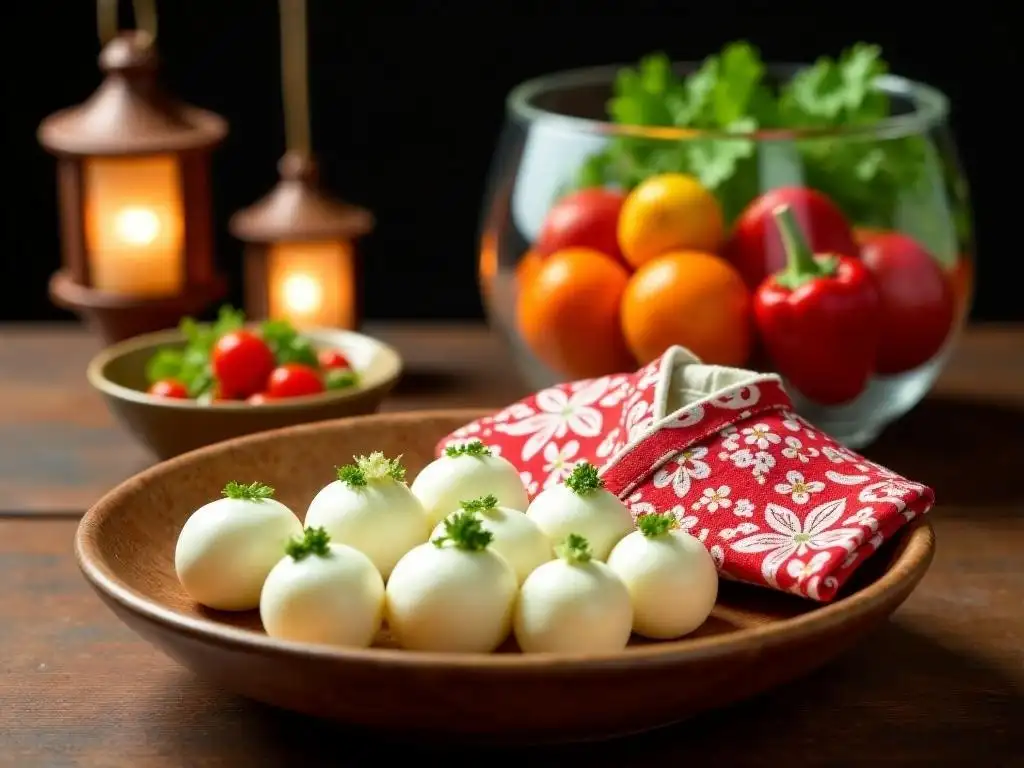
The culinary practices of feudal Japan were heavily influenced by the available resources, climate, and cultural exchanges. Techniques developed during this era not only reflect the Japanese ethos of simplicity and harmony with nature but also emphasize the importance of preserving flavors and nutrition. Understanding these traditional cooking methods is essential for recreating authentic dishes from feudal Japan today.
The primary cooking techniques included steaming, grilling, boiling, and frying, each offering different textures and flavors. These methods were often used in conjunction with seasonal ingredients, resulting in a cuisine that was both diverse and deeply connected to the land. As we delve into specific techniques, we’ll see how they shaped the dishes that continue to be beloved in contemporary Japanese cuisine.
Steaming: A Healthier Cooking Option
Steaming is one of the oldest and healthiest cooking techniques used in feudal Japan. This method involves cooking food using steam generated from boiling water, allowing for the retention of nutrients and flavors. Steamed dishes were common in feudal households and often included rice, vegetables, and fish.
One of the most notable steamed dishes is Chawanmushi, a savory egg custard that is delicately flavored with dashi and filled with ingredients like shiitake mushrooms, shrimp, and ginkgo nuts. The gentle cooking process preserves the custard's silky texture while enhancing the natural flavors of the ingredients.
Another popular steamed dish is Nikujaga, which combines sliced meat and potatoes, simmered until tender. This method not only highlights the natural sweetness of the vegetables but also minimizes the need for excessive seasoning. In modern kitchens, bamboo steamers and electric steamers can easily replicate these traditional techniques, making it accessible for anyone looking to cook feudal Japanese dishes today.
Grilling: The Charcoal Influence
Grilling, particularly over charcoal, was a favored cooking method during feudal Japan. Known as yakitori when applied to skewered chicken, this technique imparts a distinct smoky flavor that is both savory and aromatic. Charcoal grilling was revered for its ability to create a crispy exterior while maintaining tenderness inside, making it ideal for various meats and vegetables.
Another traditional dish that showcases this technique is yaki onigiri, or grilled rice balls. These are formed from seasoned rice, shaped into triangles or balls, and grilled until the exterior is crispy, often brushed with soy sauce or miso for added flavor.
The influence of charcoal grilling extends into modern Japanese cuisine, with many restaurants specializing in this method. Home cooks can recreate these dishes using a grill, stovetop grill pan, or even an oven broiler, allowing the flavors of feudal Japan to be enjoyed in contemporary settings.
Modern Adaptations of Traditional Feudal Japan Recipes
As culinary practices evolve, so do recipes. Modern adaptations of traditional feudal Japan recipes not only preserve the essence of these dishes but also incorporate contemporary ingredients and cooking techniques. This fusion allows for a broader appreciation of Japanese cuisine while maintaining a connection to its rich history.
Fusion Dishes: Bridging the Past and Present
Fusion dishes blend traditional feudal Japanese recipes with influences from other cuisines, creating innovative and exciting flavors. For instance, sushi burritos combine the concept of sushi with a burrito format, using nori as the wrap and filling it with various ingredients, including sashimi-grade fish, vegetables, and even spicy sauces.
Another example is ramen burgers, which take elements from the classic ramen noodle dish and form them into patties, creating a unique twist on the traditional hamburger. These adaptations maintain the core flavors of the original dishes while appealing to modern palates.
The rise of global culinary trends has encouraged chefs and home cooks alike to experiment with traditional feudal Japan recipes, leading to a culinary landscape that honors the past yet embraces innovation. This creative approach ensures that the rich flavors and techniques of feudal Japan continue to thrive in today's kitchens.
Conclusion: Embracing the Legacy of Feudal Japan in Your Kitchen
Incorporating traditional feudal Japan recipes into your culinary repertoire is not just about cooking; it's about connecting with a rich historical and cultural legacy. Each dish tells a story, reflecting the environment, resources, and traditions of the era. By preparing these recipes, you are participating in a time-honored practice that honors the ingenuity and creativity of the people who lived in feudal Japan.
Cooking these dishes at home allows you to experience the flavors and ingredients that shaped Japanese cuisine. From the delicate balance of umami in miso soup to the heartiness of soba noodles, each recipe offers a glimpse into the daily lives and customs of a society that valued harmony with nature and community. Moreover, as you explore these recipes, you can share them with family and friends, fostering connections and conversations about Japan's fascinating history.
As you embrace the legacy of feudal Japan in your kitchen, consider experimenting with local ingredients and adapting traditional techniques. This fusion of old and new not only enriches your cooking experience but also keeps the spirit of feudal Japan alive in the modern culinary landscape. So, roll up your sleeves, gather your ingredients, and embark on a delicious journey through history!
Resources for Traditional Feudal Japan Recipes
To aid you in your culinary explorations, here are some valuable resources that provide authentic traditional feudal Japan recipes:
- Cookbooks: Look for titles that focus specifically on historical Japanese cuisine. Books like "Japanese Cooking: A Simple Art" by Shizuo Tsuji and "The Book of Miso" by William Shurtleff can offer insights into traditional cooking methods and recipes.
- Online Recipe Databases: Websites dedicated to Japanese cooking often have sections for historical recipes. Explore platforms like NHK World or Japanese cooking blogs that delve into regional specialties and feudal-era dishes.
- Culinary Classes: Consider enrolling in a cooking class focused on Japanese cuisine. Many cultural centers and culinary schools offer sessions that emphasize traditional cooking techniques and ingredients used in feudal Japan.
- Historical Documentaries: Watching documentaries about feudal Japan can provide context and enhance your understanding of the dishes you are preparing. Look for programs that showcase the lifestyle, culture, and culinary practices of the time.
- Local Japanese Markets: Visiting local Japanese grocery stores can help you source authentic ingredients that are pivotal in traditional recipes. Engaging with knowledgeable staff can also lead to discovering unique items used in feudal-era cooking.
By utilizing these resources, you can deepen your understanding of traditional feudal Japan recipes and enhance your ability to recreate these historical dishes in your own kitchen. Happy cooking!
- Introduction to Traditional Feudal Japan Recipes
- Historical Context of Feudal Japanese Cuisine
- Essential Ingredients in Traditional Feudal Japan Recipes
- Classic Traditional Feudal Japan Recipes You Can Try at Home
- Cooking Techniques from Feudal Japan
- Modern Adaptations of Traditional Feudal Japan Recipes
- Conclusion: Embracing the Legacy of Feudal Japan in Your Kitchen
- Resources for Traditional Feudal Japan Recipes
- What are some traditional feudal Japan recipes mentioned in the article?
- Why is the concept of noren significant in feudal Japan?
- How can I incorporate feudal Japan recipes into my cooking?
- Are there specific cooking techniques unique to feudal Japan dishes?
- What cultural aspects influenced the cuisine of feudal Japan?
Frequently Asked Questions
What are some traditional feudal Japan recipes mentioned in the article?
The article highlights several traditional dishes, including soba, nabe, and sushi, which were staples during the feudal era and can be easily recreated today.
Why is the concept of noren significant in feudal Japan?
Noren refers to a traditional fabric divider hung in doorways, symbolizing hospitality and cultural heritage, often associated with restaurants and homes serving traditional cuisine.
How can I incorporate feudal Japan recipes into my cooking?
To embrace traditional feudal Japan recipes, focus on using fresh ingredients and techniques such as fermentation and seasoning, which reflect the culinary practices of that era.
Are there specific cooking techniques unique to feudal Japan dishes?
Yes, techniques like grilling, steaming, and braising were commonly used in feudal Japan, emphasizing simplicity and the natural flavors of the ingredients.
What cultural aspects influenced the cuisine of feudal Japan?
The cuisine was shaped by Buddhist dietary restrictions, the availability of local ingredients, and the influence of regional customs, all contributing to a rich culinary tradition that continues today.
Final Reflection: Embracing the Culinary Heritage of Feudal Japan
The exploration of traditional feudal Japan recipes not only connects us with a rich culinary history but also highlights the importance of preserving cultural heritage in our modern lives. As we navigate a fast-paced world filled with fleeting trends, the timeless flavors and techniques of feudal Japan remind us of the value in tradition and the stories behind each dish. These recipes serve as a bridge to the past, allowing us to savor the essence of a culture that has shaped the culinary landscape for centuries.
The influence of these traditional dishes extends beyond mere sustenance; they embody the spirit of community, family, and the artistry of cooking. Each recipe tells a story, reflecting the values and practices of a time long gone yet still relevant today. As we gather around the table to share these meals, we not only nourish our bodies but also foster connections with our loved ones and our heritage. Food is not just what we eat; it is a reflection of who we are.
This sentiment resonates deeply as we embrace the flavors and techniques of our ancestors, reminding us of the importance of cultural continuity.
As you reflect on the recipes and traditions explored in this article, I invite you to take action by incorporating these dishes into your own cooking repertoire. Consider how each meal can be a celebration of history, a moment of mindfulness, and an opportunity to connect with those around you. Let the culinary practices of feudal Japan inspire you to explore your own heritage and share it with others, creating a tapestry of flavors that honors the past while enriching the present.
Unleash Your Inner Chef with Feudal Japan's Delights!
Thank you for taking the time to explore the fascinating world of traditional Japanese cuisine! You've gained insights into the unique dishes cherished during the feudal era, and now it’s time to bring those flavors into your own kitchen.
Here’s how you can get started on your culinary adventure:
- Choose your favorite recipe from our selection to recreate a traditional dish and savor the rich history behind it.
- Share your cooking journey on social media with #FeudalJapanFlavors to inspire others to explore these delicious recipes.
- Join a local cooking class focused on Japanese cuisine to deepen your knowledge and enhance your techniques in preparing these traditional dishes.
Which dish from feudal Japan are you most excited to try cooking, and what draws you to it? Share your thoughts in the comments below!