
The Role of the Yamamoto Clan in the Battle of Taira: History’s Unsung Heroes

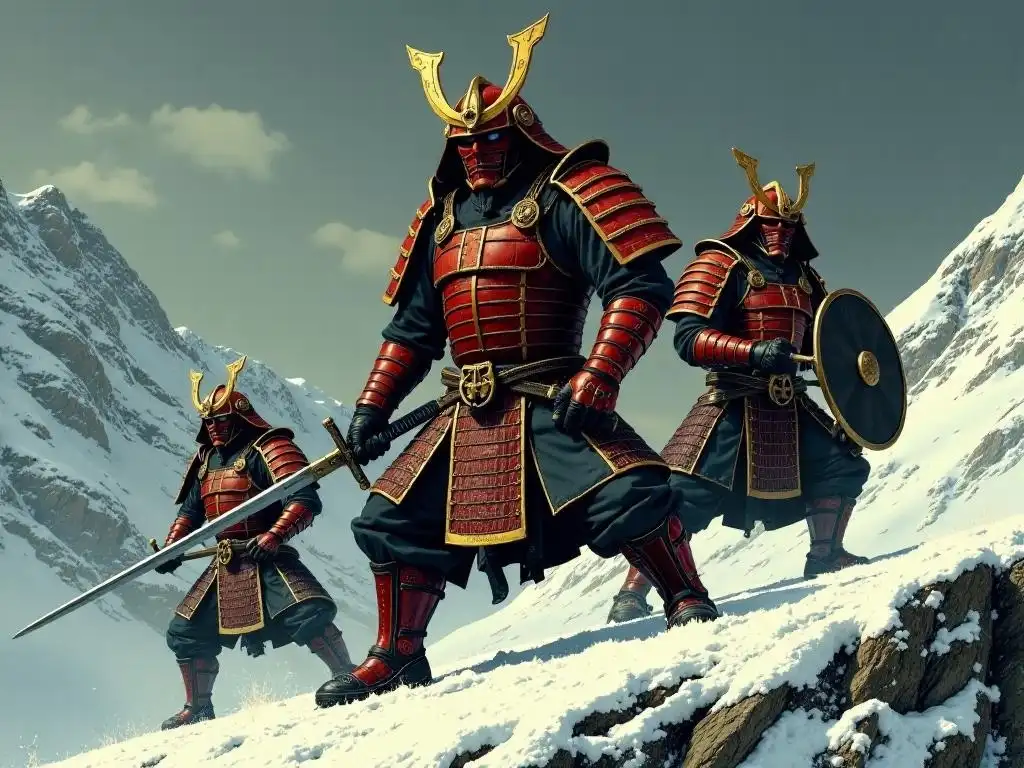
Welcome to Feudal Japan History, where we invite you to embark on a captivating journey through the intricate tapestry of Japan's feudal era. In our featured article, “The Role of the Yamamoto Clan in the Battle of Taira: History’s Unsung Heroes,” we delve into the lesser-known yet pivotal contributions of the Yamamoto Clan during one of the most significant military conflicts of their time. What fierce battles were fought, and what legacy did these unsung heroes leave behind?
As you explore our expert-driven insights, prepare to uncover the compelling stories that shaped a nation and its culture. Your adventure into the depths of military history begins here!
Introduction to the Yamamoto Clan and the Battle of Taira
The Yamamoto Clan is often overlooked in the grand narratives of Japan's feudal conflicts, yet their contributions during the Battle of Taira highlight their significance in shaping the course of Japanese history. This battle, which unfolded in the late 12th century, was not merely a struggle for power but a pivotal moment that defined the relationships between the various clans of the era.
The Yamamoto Clan played a crucial role in this conflict, embodying the complexities of loyalty, strategy, and martial prowess that characterized feudal Japan. Understanding their involvement offers a richer perspective on the dynamics of power during this tumultuous period and unveils the stories of those who fought valiantly, yet remain largely unsung in the annals of history.
Overview of the Yamamoto Clan’s Historical Significance
The Yamamoto Clan emerged as a notable force during Japan's feudal era, tracing their lineage back to the Heian period. Known for their adept military strategies and alliances, the clan's influence extended across various regions. Their participation in the Battle of Taira not only showcased their military capabilities but also signified their commitment to the broader conflict between the Taira and Minamoto clans.
This battle was a turning point in the Genpei War (1180-1185), a series of conflicts that ultimately led to the establishment of the Kamakura shogunate. The Yamamoto Clan's contributions, though often overshadowed by more prominent clans, were instrumental in the shifting tides of power and laid the groundwork for future developments in Japanese history.
Context of the Battle of Taira in Feudal Japan
The Battle of Taira was a culmination of longstanding rivalries between the Taira and Minamoto clans, rooted deeply in Japan's feudal society. As the power struggle intensified, various clans, including the Yamamoto, were drawn into the fray. The battle, fought in 1184, was marked by fierce combat and strategic maneuvers, reflecting the martial culture of the time.
The implications of this conflict were profound, leading to significant shifts in allegiances and territorial control. Understanding the context of the battle within the larger framework of feudal Japan is essential in appreciating the role that the Yamamoto Clan and other lesser-known factions played in this epic saga.
Background: The Feudal Era of Japan
The feudal era of Japan, spanning from the late 12th century to the 19th century, was characterized by a complex social structure and a series of military conflicts that defined the nation’s history. During this time, power was decentralized, and local lords (daimyō) wielded significant authority over their territories. This period witnessed the rise of samurai culture, the establishment of shogunates, and the intricate web of alliances and betrayals that shaped Japanese society.
Key Characteristics of Feudal Japan
Feudal Japan was marked by several key characteristics:
- Decentralized Power: Local lords held dominion over their regions, leading to fragmented governance.
- Samurai Culture: The samurai class emerged as the warrior elite, bound by a code of honor (bushidō) and loyalty.
- Agrarian Economy: The economy was predominantly agrarian, with land ownership being a primary source of wealth and power.
- Cultural Developments: This period also saw significant advancements in art, literature, and philosophy, influenced by the samurai ethos.
Major Clans and Their Influence During the Period
Several major clans shaped the feudal landscape of Japan, each vying for dominance:
- Minamoto Clan: Key players in the Genpei War, they ultimately emerged victorious, leading to the Kamakura shogunate.
- Taira Clan: A formidable rival to the Minamoto, their defeat at the Battle of Taira marked a significant turning point in Japanese history.
- Fujiwara Clan: While not directly involved in the battles, their political maneuvers influenced the power dynamics of the era.
The interplay between these clans, including the unsung efforts of the Yamamoto Clan, is essential to understanding the complexities of Japan's feudal history and the legacy of the Battle of Taira.
The Prelude to the Battle of Taira
The Battle of Taira, a significant conflict during Japan’s feudal era, was not an isolated event but rather the culmination of longstanding tensions and rivalries among powerful clans. Understanding the context leading up to this battle is crucial for appreciating the role of the Yamamoto Clan and their contributions as unsung heroes. The political landscape of Japan during this period was marked by shifting alliances, territorial disputes, and the struggle for power among the various samurai clans.
Tensions Leading Up to the Battle
The late 12th century was characterized by intense rivalry between the Taira and Minamoto clans, two of the most powerful families in Japan. The Taira clan, led by Taira no Kiyomori, had established itself as a formidable force, controlling vital resources and territories. Their rise to power, however, bred resentment and opposition, particularly from the Minamoto clan, who sought to reclaim their lost influence.
As tensions escalated, the Yamamoto Clan found itself entangled in these conflicts, aligning with the Minamoto faction. The Yamamoto's commitment to the Minamoto cause was fueled not only by historical grievances against the Taira but also by the desire to restore balance and justice in the face of Taira’s growing dominance.
The situation was further complicated by the involvement of various regional lords and minor clans, each pursuing their own interests. This web of alliances and animosities created a volatile atmosphere, setting the stage for the impending battle and highlighting the strategic importance of the Yamamoto Clan's involvement.
The Strategic Importance of the Taira Conflict
The Taira conflict was not merely a struggle for supremacy between two clans; it represented a critical juncture in Japanese history that would shape the future of the nation. Control over key waterways, trade routes, and fertile lands made this conflict vital for regional dominance. The outcome would not only determine the fate of the Taira and Minamoto clans but also influence the political landscape of Japan for generations.
Moreover, the Battle of Taira was emblematic of the larger societal shifts occurring throughout feudal Japan. As the power of the imperial court waned, regional clans began to exert more influence, leading to a new era of military governance. The Yamamoto Clan’s role in this conflict underscored their importance as a military power and their potential to sway the tide of battle in favor of the Minamoto.
The Yamamoto Clan: Key Players in the Battle of Taira
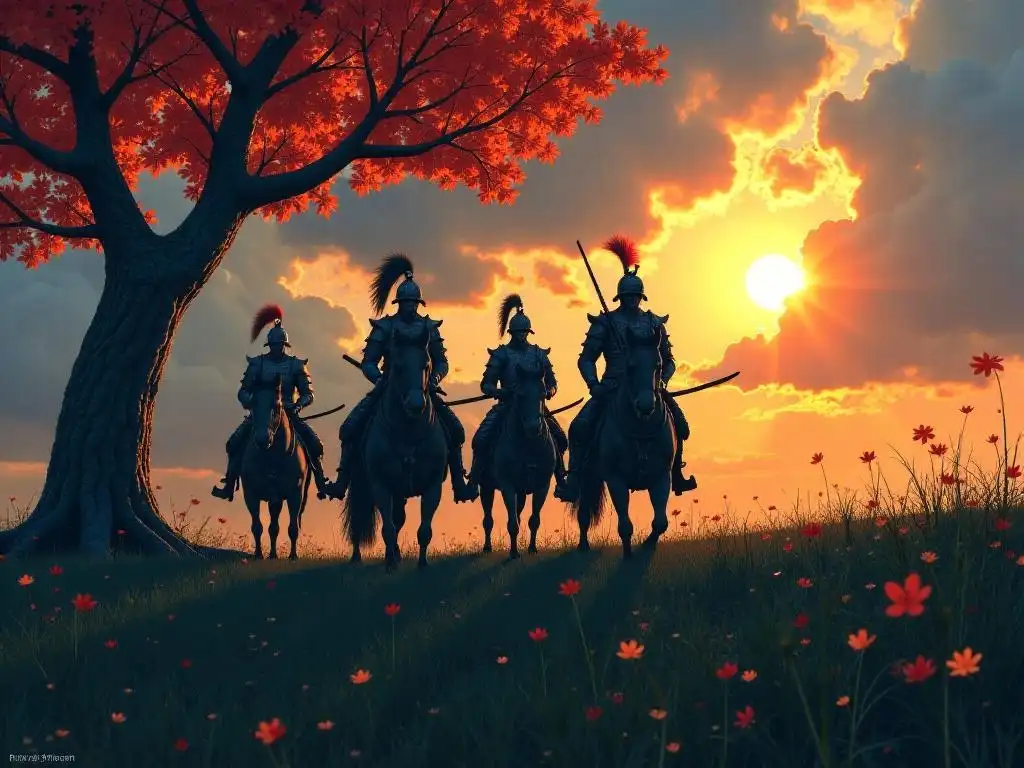
The Yamamoto Clan, though often overlooked in historical narratives, played a crucial role in the Battle of Taira. Their strategic decisions, military expertise, and alliances significantly influenced the battle's outcome. Understanding the clan's lineage and the key figures who emerged during this conflict sheds light on their contributions to this pivotal moment in Japanese history.
Lineage and Legacy of the Yamamoto Clan
The Yamamoto Clan's lineage can be traced back to the early samurai period, known for their loyalty and martial prowess. Originating from the mountainous regions of Japan, the clan developed a reputation for their skilled warriors, often serving as vassals to more prominent clans. Over time, they established a legacy of bravery and commitment, which would be crucial during the Battle of Taira.
The clan’s strategic positioning allowed them to act as intermediaries between the larger clans, and their alliances were pivotal in shaping the dynamics of power. Despite their smaller size compared to the Taira and Minamoto clans, the Yamamoto Clan's tactical acumen and local knowledge of the terrain provided them with distinct advantages in battle scenarios.
Key Figures from the Yamamoto Clan Involved in the Battle
Several key figures from the Yamamoto Clan emerged as pivotal players in the Battle of Taira. Among them, Yamamoto Yoshimura stands out as a notable commander. His leadership skills and tactical insights were instrumental in coordinating the Yamamoto forces alongside the Minamoto troops. Yoshimura's understanding of guerrilla tactics and terrain navigation enabled the allied forces to execute surprise maneuvers against the Taira, tipping the balance in favor of the Minamoto.
Another significant figure was Yamamoto Tsunetaka, known for his courage and fierce loyalty. His commitment to the Minamoto cause inspired his fellow warriors and solidified the Yamamoto Clan's reputation as reliable allies. Tsunetaka's valor during critical moments of the battle not only showcased the clan's military capabilities but also left a lasting impact on the morale of the allied forces.
Together, these figures exemplify the vital contributions of the Yamamoto Clan in the Battle of Taira, highlighting their essential role as unsung heroes in this pivotal conflict of feudal Japan.
The Battle of Taira: A Detailed Account
The Battle of Taira, which took place in the late 12th century, was a pivotal conflict in the Genpei War, a struggle between two powerful clans: the Taira and the Minamoto. This battle not only marked a significant power shift in Japan but also showcased the contributions of various lesser-known clans, including the Yamamoto Clan. The Yamamoto Clan played a crucial role, often overshadowed by the larger clans, yet their strategic involvement was instrumental in shaping the battle's outcome.
The backdrop of the Battle of Taira involves the rise of the Taira Clan, led by Taira no Kiyomori, who had gained immense power and influence in the imperial court. In response, the Minamoto Clan, led by Minamoto no Yoritomo, sought to challenge Taira dominance. The Yamamoto Clan, allied with the Minamoto, offered both military support and local knowledge, which proved invaluable during the conflict.
The battle unfolded through a series of skirmishes and full-scale confrontations, where both sides displayed remarkable bravery and tactical ingenuity. The Yamamoto Clan's involvement was characterized by strategic positioning and guerilla warfare tactics, utilizing their intimate knowledge of the terrain to ambush Taira forces. This approach not only disrupted Taira strategies but also boosted the morale of the Minamoto troops, illustrating the Yamamoto Clan's essential role in the battle.
Timeline of Events During the Battle
- Early Preparations (1180): As tensions escalated, the Yamamoto Clan aligned themselves with the Minamoto Clan, preparing for an inevitable confrontation against the Taira forces.
- Initial Engagements (1181): The first skirmishes occurred, where the Yamamoto Clan employed ambush tactics, capitalizing on their knowledge of the landscape to inflict damage on Taira patrols.
- Major Confrontation (1182): The pivotal clash of the battle took place, with both clans engaging in fierce combat. The Yamamoto warriors, strategically positioned, played a key role in flanking the Taira forces.
- Turning Point (1183): As the battle raged on, the Yamamoto Clan's leadership in coordinating surprise attacks turned the tide in favor of the Minamoto Clan, ultimately leading to significant Taira losses.
- Aftermath and Consolidation (1184): Following the battle, the Yamamoto Clan's contributions were recognized, solidifying their reputation as brave warriors in the ongoing conflict of the Genpei War.
Strategic Tactics Employed by the Yamamoto Clan
The strategic prowess of the Yamamoto Clan during the Battle of Taira was characterized by several key tactics:
- Terrain Utilization: The clan's deep understanding of the local geography allowed them to set traps and ambushes effectively. They took advantage of the natural landscape to hide their forces and launch surprise attacks on Taira troops.
- Guerrilla Warfare: Instead of engaging in direct confrontation, the Yamamoto Clan utilized guerrilla tactics, striking swiftly and retreating before the Taira could mount a counterattack. This strategy not only conserved their forces but also demoralized the enemy.
- Intelligence Gathering: The Yamamoto Clan excelled in gathering intelligence about Taira movements and strategies. Their ability to relay timely information to Minamoto commanders gave them a crucial edge in planning their own maneuvers.
- Alliances and Coordination: Working closely with the Minamoto forces, the Yamamoto Clan was instrumental in coordinating joint attacks, ensuring that their efforts complemented each other during the battle.
The Impact of the Yamamoto Clan in the Battle of Taira
The impact of the Yamamoto Clan in the Battle of Taira extends beyond their immediate military contributions; their involvement significantly shaped the broader narrative of the Genpei War.
Contributions of the Yamamoto Clan to the Outcome
The contributions of the Yamamoto Clan were vital in determining the outcome of the Battle of Taira. Their strategic ambushes and guerilla tactics led to critical victories against the Taira forces, which were larger but less agile. The clan’s ability to disrupt Taira supply lines and communications created confusion and disarray among their ranks. This culminated in a decisive victory for the Minamoto Clan, with the Yamamoto Clan recognized as key contributors to this triumph.
The battle showcased the bravery and tactical acumen of the Yamamoto warriors, who fought alongside their allies with relentless determination. Their actions not only shifted the momentum of the Genpei War but also established a legacy of valor that would be remembered in Japanese history.
Influence on Subsequent Battles and Feudal Japan’s History
The successful tactics and strategies employed by the Yamamoto Clan during the Battle of Taira had lasting effects on subsequent battles in the Genpei War. Their innovative approaches to warfare influenced other clans, leading to a shift in how battles were fought in feudal Japan.
The victory at Taira paved the way for the Minamoto Clan to eventually establish the Kamakura Shogunate, marking the beginning of a new era in Japanese governance. The Yamamoto Clan’s legacy continued as their tactics became a reference point for future generations of samurai and military leaders. Their impact resonated through the transformation of Japanese military strategy and the evolution of feudal warfare, securing their place in the annals of history as unsung heroes of the Battle of Taira.
The Legacy of the Yamamoto Clan Post-Battle
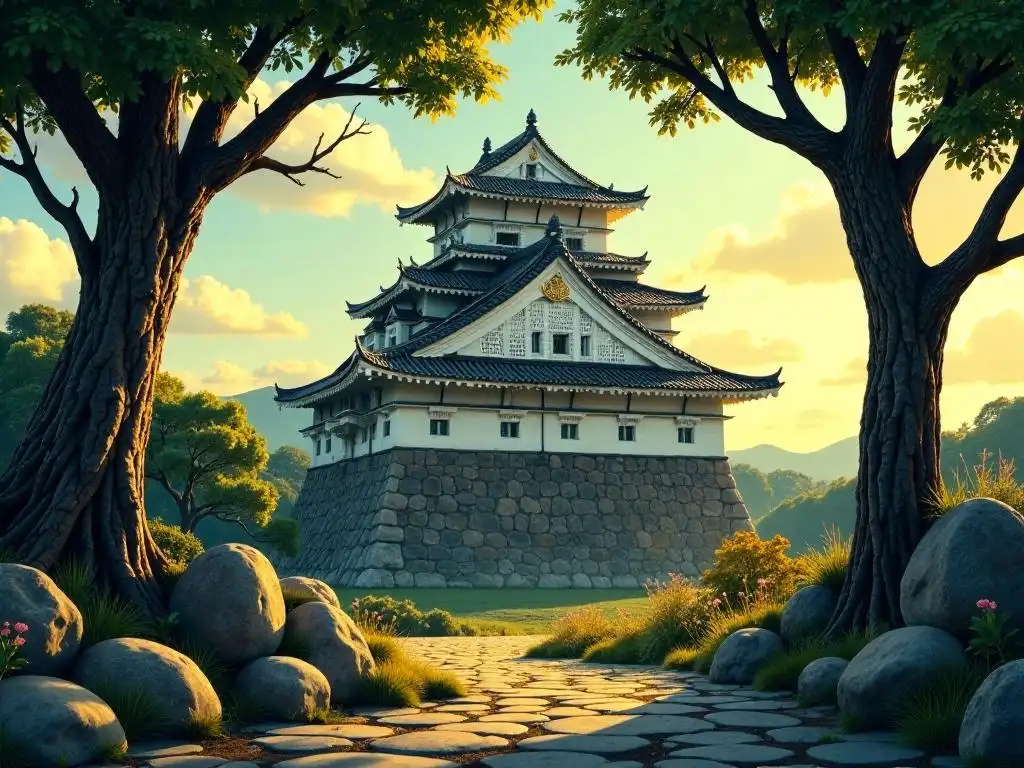
The aftermath of the Battle of Taira marked a significant turning point for the Yamamoto Clan, shaping its legacy in ways that would resonate throughout Japanese history. While the clan may not have achieved the same level of notoriety as their more prominent contemporaries, their contributions and sacrifices during the conflict laid the groundwork for future military and political developments in Japan. The clan's commitment to their cause, marked by valor and strategic acumen, earned them a place in the annals of history, though often overshadowed by larger clans.
In the years following the battle, the Yamamoto Clan's reputation grew as they navigated the shifting alliances and power dynamics of feudal Japan. Their ability to adapt to changing circumstances and forge strategic partnerships allowed them to maintain their influence and secure their place within the broader tapestry of Japanese history. The clan's legacy is characterized by their resilience and determination, which would inspire future generations of warriors.
Recognition and Commemoration of the Yamamoto Clan
Despite their crucial role in the Battle of Taira, recognition of the Yamamoto Clan has been limited in historical narratives. However, in recent years, there has been a resurgence of interest in their contributions. Local historians and cultural organizations have worked to shed light on the clan's achievements, organizing events and commemorations that honor their memory.
In various regions, memorials and monuments have been erected, celebrating the bravery of the Yamamoto warriors. These acts of commemoration serve not only to acknowledge their sacrifices but also to educate the public about their significant yet often overlooked role in feudal Japan. Schools and cultural institutions have also begun incorporating the story of the Yamamoto Clan into their curricula, ensuring that their legacy continues to be passed down through the generations.
The Clan's Role in Shaping Future Military Strategies
The military strategies employed by the Yamamoto Clan during the Battle of Taira had lasting implications for future conflicts in feudal Japan. Their innovative tactics, which emphasized mobility and adaptability, became a template for subsequent generations of samurai and military leaders. The clan's understanding of terrain and their ability to leverage the strengths of their forces played a crucial role in their successes, influencing how battles were approached in the years to come.
As the Yamamoto Clan continued to engage in various skirmishes and alliances, their strategic principles were integrated into the broader military doctrine of Japan. This influence can be seen in the rise of the Ashikaga and Tokugawa shogunates, which adopted similar tactics to consolidate power and expand their realms. The Yamamoto Clan’s legacy in military strategy is a testament to their foresight and adaptability in a rapidly changing landscape.
Conclusion: Reassessing the Yamamoto Clan's Role in History
The narrative surrounding the Yamamoto Clan and the Battle of Taira invites a reevaluation of their contributions to Japan's feudal history. While they may not have achieved the fame of other clans, their strategic prowess and dedication to their cause highlight the importance of recognizing all figures in historical conflicts. The clan's legacy is a reminder that even those who remain in the shadows can play pivotal roles in shaping the course of history.
The Importance of Honoring Unsung Heroes in Feudal Japan
Honoring unsung heroes like the Yamamoto Clan is essential for a comprehensive understanding of feudal Japan's military history. These figures often operated behind the scenes, yet their actions influenced significant events and outcomes. Acknowledging their contributions helps create a more nuanced depiction of the past, allowing modern audiences to appreciate the complexities of historical narratives and the diverse cast of characters that shaped them.
Furthermore, recognizing these unsung heroes fosters a greater appreciation for the values of loyalty, bravery, and sacrifice that defined the samurai ethos. By commemorating their stories, we ensure that the lessons learned from their experiences continue to resonate, enriching our understanding of Japanese heritage.
Final Thoughts on the Yamamoto Clan and the Battle of Taira
The Yamamoto Clan's involvement in the Battle of Taira illustrates the profound impact that lesser-known figures can have on significant historical events. Their legacy, though often overlooked, serves as a powerful reminder of the intricate web of alliances and actions that characterize feudal Japan. As interest in this period of history continues to grow, it is crucial to highlight the stories of clans like the Yamamoto, ensuring that their contributions are recognized and celebrated.
In reassessing the role of the Yamamoto Clan, we not only honor their sacrifices but also enrich our understanding of the military history of Japan. Their enduring legacy serves as an inspiration, urging us to delve deeper into the narratives of those who bravely fought, yet remain unsung heroes of their time.
References and Further Reading on the Yamamoto Clan and Military History
The Yamamoto Clan, while often overshadowed by larger clans during the tumultuous times of the Battle of Taira, played a significant role that warrants further exploration. Understanding their contributions requires delving into both historical texts and modern analyses. Below are some curated suggestions that provide a deep dive into the military history of feudal Japan, specifically focusing on the Yamamoto Clan and their involvement in key battles.
Suggested Books and Articles
- "The Samurai: A Military History" by Stephen Turnbull
- This comprehensive work details the evolution of the samurai class, including insights into the various clans involved in significant battles, such as the Taira. Turnbull’s analysis helps contextualize the Yamamoto Clan within the broader military strategies of the time.
- "The Rise and Fall of the Samurai: Japan's Age of Glory 500-1300" by John M. Manley
- Manley’s book provides a thorough examination of the feudal era, including the dynamics between clans like the Yamamoto and Taira. This text offers valuable context for understanding the societal structures that influenced the battle.
- "Yamamoto Clan: Legacy of Warriors" by Takashi Fujimoto
- A focused study on the Yamamoto Clan, this book examines their lineage, military tactics, and participation in the Battle of Taira. It includes primary sources and accounts from the era, making it a vital resource for enthusiasts and scholars alike.
- "The Genpei War: The Conflict Between the Taira and Minamoto Clans" by David A. Hinton
- This article provides an in-depth analysis of the Genpei War, where the Taira and Minamoto clans clashed. It highlights the strategic importance of various lesser-known clans, including the Yamamoto, in shaping the outcome of the conflict.
- "Feudal Japan: The History of the Samurai Era" by Richard J. Overy
- Overy’s work explores the intricacies of feudal Japan, including the military tactics and political maneuvers of various clans. The discussions surrounding the Yamamoto Clan's strategies during the Battle of Taira are particularly insightful.
Online Resources for Further Exploration
- The Japan Society
- This website offers a plethora of resources related to Japanese history, including articles and databases that touch on the feudal era and key battles. The archives may contain specific mentions of the Yamamoto Clan.
- The Samurai Archives
- An invaluable online repository of information about samurai history, this platform features detailed entries on various clans. Users can find discussions about the Yamamoto Clan and their role in historical battles, including the Taira conflict.
- National Diet Library of Japan
- The National Diet Library provides access to a wealth of historical texts, documents, and articles on feudal Japan. Researchers can access primary sources related to the Yamamoto Clan and the Battle of Taira.
- Google Scholar
- For those seeking academic papers and theses, Google Scholar is an excellent resource. Searching for "Yamamoto Clan Battle of Taira" yields scholarly articles that delve into the clan's military strategies and historical significance.
- Japanese Historical Society
- This online community provides forums, articles, and discussions that focus on Japanese history. Engaging with other history enthusiasts can lead to discovering lesser-known facts about the Yamamoto Clan and their contributions to military history.
By exploring these resources, readers can gain a deeper understanding of the Yamamoto Clan's role in the Battle of Taira and the broader context of military history in feudal Japan.
- Introduction to the Yamamoto Clan and the Battle of Taira
- Background: The Feudal Era of Japan
- The Prelude to the Battle of Taira
- The Yamamoto Clan: Key Players in the Battle of Taira
- The Battle of Taira: A Detailed Account
- The Impact of the Yamamoto Clan in the Battle of Taira
- The Legacy of the Yamamoto Clan Post-Battle
- Conclusion: Reassessing the Yamamoto Clan's Role in History
- References and Further Reading on the Yamamoto Clan and Military History
- What was the significance of the Yamamoto Clan in the Battle of Taira?
- How did the Yamamoto Clan impact the feudal era of Japan?
- What were the main strategies employed by the Yamamoto Clan during the battle?
- Are there any notable figures from the Yamamoto Clan associated with the battle?
- How does the Yamamoto Clan's legacy influence modern Japanese culture?
Frequently Asked Questions
What was the significance of the Yamamoto Clan in the Battle of Taira?
The Yamamoto Clan played a crucial role as strategic allies during the Battle of Taira, contributing to the outcome of this pivotal conflict in feudal Japan.
How did the Yamamoto Clan impact the feudal era of Japan?
The Yamamoto Clan influenced the political landscape of the feudal era, shaping alliances and rivalries that affected the balance of power among clans.
What were the main strategies employed by the Yamamoto Clan during the battle?
The Yamamoto Clan utilized tactical maneuvers and intelligence gathering, which helped them exploit the weaknesses of their opponents during the Battle of Taira.
Are there any notable figures from the Yamamoto Clan associated with the battle?
Yes, prominent figures such as Yamamoto Tadayuki emerged as key leaders, showcasing remarkable leadership and courage during the conflict.
How does the Yamamoto Clan's legacy influence modern Japanese culture?
The legacy of the Yamamoto Clan continues to be recognized in Japanese culture, particularly in literature and historical studies, highlighting their role as unsung heroes of the Battle of Taira.
Final Reflection: Honoring the Unsung Heroes of the Yamamoto Clan
The legacy of the Yamamoto Clan in the Battle of Taira serves as a poignant reminder of the intricate tapestry of history that often goes unnoticed. In a world where narratives are frequently dominated by the loudest voices, the quiet yet impactful contributions of clans like Yamamoto remind us that every story has layers waiting to be uncovered. Their bravery and strategic prowess during the Battle of Taira not only shaped the course of the conflict but also laid the groundwork for future generations to learn from their sacrifices.
The influence of the Yamamoto Clan extends beyond the battlefield; it resonates within our cultural consciousness, urging us to recognize the importance of every individual's role in shaping history. As we reflect on the sacrifices made by these unsung heroes, we are reminded of the interconnectedness of our past and present. History is not just what happened; it is also what we choose to remember.
This quote encapsulates the essence of our responsibility to honor those who fought valiantly, often without recognition, and to ensure their stories are woven into the larger narrative of our heritage.
As we move forward, let us take a moment to reflect on our own roles in the stories we create every day. Consider how you can honor the legacy of the Yamamoto Clan by recognizing the unsung heroes in your life. Whether it's through acts of kindness, standing up for those who may not have a voice, or simply sharing the stories of those who have shaped your own journey, every action counts. Together, we can ensure that the contributions of all heroes, both celebrated and unsung, are remembered and cherished for generations to come.
Explore the Legacy of the Yamamoto Clan Today!
Thank you for diving into the fascinating history of the Yamamoto Clan and their pivotal role in the Battle of Taira! Your interest not only enriches your understanding of Feudal Japan but also honors the legacy of these unsung heroes. Now, let’s take your newfound knowledge further and keep the conversation going!
Here are some steps you can take:
- Dive deeper: Read more about other influential clans of the time and discover their impact on Japan’s history. Explore our articles on the Minamoto and Fujiwara clans!
- Join the conversation: Share your thoughts on how the Yamamoto Clan has shaped your understanding of feudal dynamics in Japan in our community forum.
- Spread the word: Share this article with friends and family who have a passion for history! Encourage them to delve into the rich tapestry of Feudal Japan.
What new insights about the Yamamoto Clan have you discovered that change your perspective on historical narratives?