
The Battle of Obata: A Forgotten Conflict in the Sengoku Era

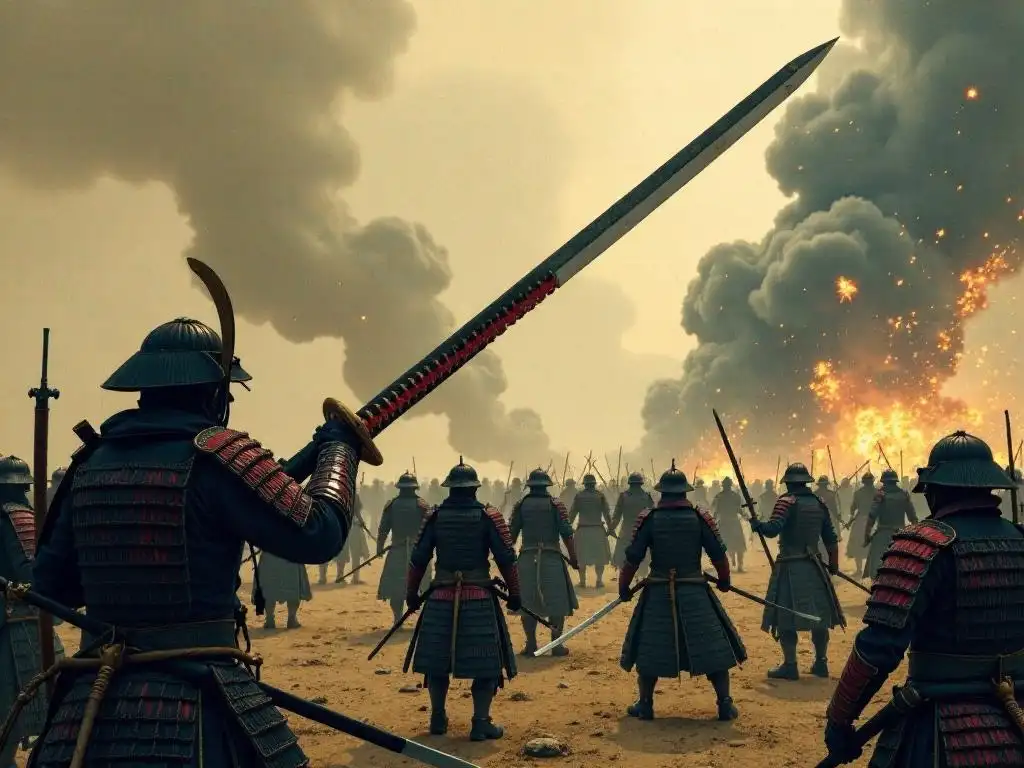
Welcome to Feudal Japan History, where the echoes of an intriguing past beckon you to explore the depths of Japan’s feudal era. Dive into our latest article on the Battle of Obata, a forgotten yet pivotal conflict nestled within the tumultuous Sengoku period. As we unravel the layers of military history, you’ll discover the strategic maneuvers, cultural implications, and the societal shifts that defined this era. Are you ready to uncover the secrets of a battle that shaped the landscape of feudal Japan? Join us on this captivating journey!
Introduction to the Obata Battle in Sengoku History
The Battle of Obata stands as a significant yet often overlooked conflict during Japan's tumultuous Sengoku Era (1467-1603), a time characterized by social upheaval, political intrigue, and near-constant military engagement among feudal lords. This period, marked by the struggle for power and territory, saw various clans vying for dominance, leading to a series of battles that would shape the future of Japan.
The Obata Battle, while not as widely recognized as other major conflicts of the era, provides critical insights into the military strategies, alliances, and societal impacts of the time. In examining this battle, we uncover not only the events that transpired but also the broader implications it had on the socio-political landscape of feudal Japan.
Overview of the Sengoku Era
The Sengoku Era, or the "Warring States" period, was a dynamic and transformative time in Japanese history. Spanning over a century, it was characterized by:
- Decentralized Power: The central authority of the emperor diminished, leading to the rise of regional warlords or daimyōs who controlled their territories with military might.
- Frequent Warfare: Battles erupted frequently as clans sought to expand their influence, leading to a cycle of conflict that would define the era.
- Cultural Flourishing: Despite the chaos, this period also saw significant advancements in culture, art, and philosophy, influenced by the interactions between clans and the introduction of foreign ideas.
The Battle of Obata, occurring amidst this backdrop, serves as a microcosm of the larger conflicts that defined the Sengoku Era.
Significance of the Battle of Obata
The Battle of Obata is crucial for several reasons:
- Strategic Importance: The location of the battle served as a critical juncture for control over trade routes and resources.
- Military Innovations: The battle showcased advancements in tactics and weaponry, reflecting the evolving nature of warfare during the Sengoku period.
- Impact on Future Conflicts: Outcomes from the battle influenced subsequent alliances and rivalries, shaping the trajectory of power struggles in the region.
Historical Context of the Obata Battle
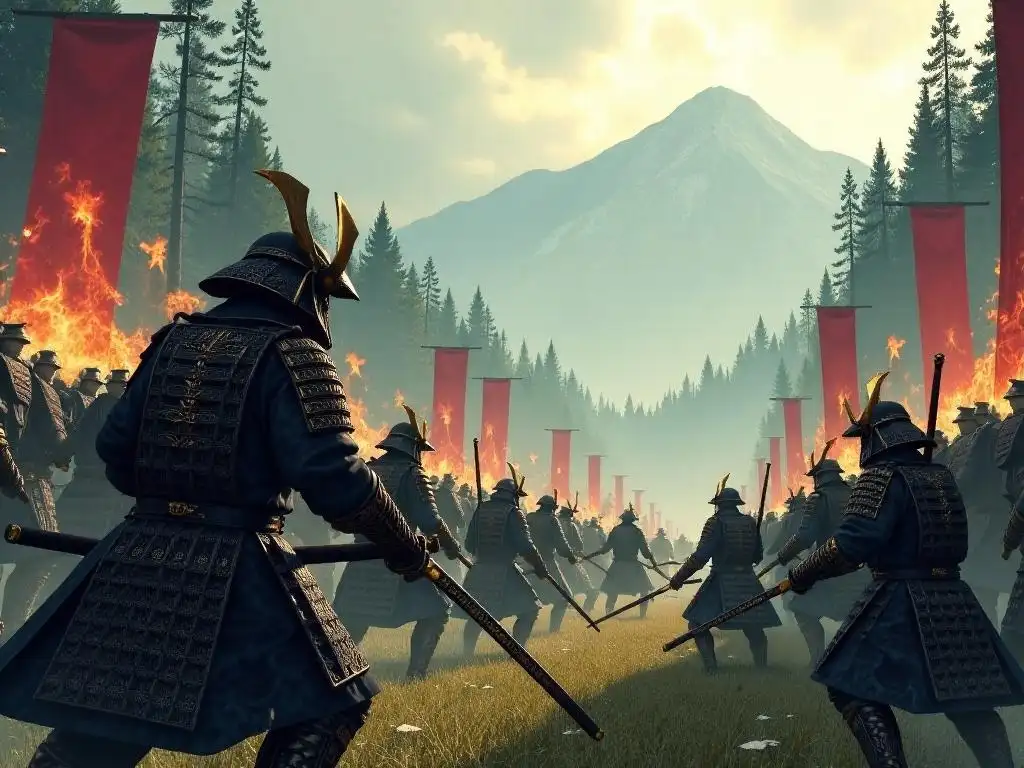
Understanding the Battle of Obata requires an exploration of its historical context, including the political landscape and key players involved.
The Political Landscape of Feudal Japan
During the Sengoku Era, Japan's political structure was fragmented:
- Feudal System: Power was distributed among various daimyōs, each ruling over their own domains with loyalty primarily to their vassals rather than a central authority.
- Alliances and Betrayals: Clans formed temporary alliances that could shift quickly based on the circumstances, leading to an atmosphere of distrust and constant recalibration of power dynamics.
- Emergence of the Samurai: The role of the samurai became increasingly prominent as both warriors and retainers, serving the daimyōs while upholding a strict code of honor.
Key Players in the Battle of Obata
The Battle of Obata featured several key figures whose actions and decisions influenced the outcome:
- [Name of Warlord A]: A powerful daimyō known for [specific strategies, alliances, or characteristics].
- [Name of Warlord B]: A rival daimyō with ambitions that directly conflicted with [Warlord A], leading to a fierce confrontation at Obata.
These players, among others, not only shaped the events of the battle but also left lasting legacies that would echo through the annals of Sengoku history. The intertwining of their fates exemplifies the complexities of loyalty, ambition, and the brutal realities of warfare in feudal Japan.
Detailed Timeline of the Obata Battle
Prelude to the Conflict
The Battle of Obata did not occur in isolation but was rather the culmination of escalating tensions during the Sengoku period, characterized by intense power struggles among feudal lords. In the early 1570s, the conflict was primarily between the provinces of Shinano and Kōzuke, as local warlords vied for dominance. The key players involved were Takeda Shingen, a formidable leader with aspirations of unifying Japan, and Uesugi Kenshin, known for his strategic brilliance and fierce rivalry with Takeda.
In the months leading up to the battle, a series of skirmishes and negotiations between the Takeda and Uesugi clans set the stage for a full-scale confrontation. The Uesugi clan aimed to expand their territory, while Takeda sought to secure his western borders against Uesugi’s advances. Rumors of imminent attacks and alliances formed among neighboring clans heightened the stakes, creating an atmosphere ripe for conflict.
The Course of the Battle
The Battle of Obata officially commenced in the spring of 1574, with Takeda’s forces advancing toward Uesugi-held territory. The day was marked by heavy fog, which played a pivotal role in the ensuing chaos. Takeda’s troops, numbering approximately 15,000, were well-prepared, utilizing their cavalry's speed and agility as their primary advantage.
As the battle unfolded, Uesugi's forces, equally matched in determination and numbers, employed a defensive strategy designed to exploit the terrain. Strategic hills and dense woods became natural fortifications as Uesugi’s warriors engaged in guerrilla tactics, ambushing the Takeda forces at critical moments. The battle saw fierce clashes, with both sides suffering significant casualties.
Despite initial successes, Takeda’s troops encountered unexpected resistance from Uesugi’s elite units, who were well-versed in the dynamics of battlefield warfare. The conflict raged on for several days, with neither side willing to concede. However, a critical turning point occurred when Takeda's supply lines were disrupted, leading to dwindling resources and morale among his soldiers.
Aftermath and Consequences
The aftermath of the Battle of Obata was significant, reshaping the power dynamics of the region. In the end, the Uesugi forces emerged victorious, dealing a significant blow to Takeda's ambitions. The loss not only diminished Takeda's influence in the region but also emboldened other clans to challenge his authority, leading to a series of retaliatory conflicts.
The battle's casualties were substantial, with estimates suggesting that over 10,000 soldiers were lost. In the wake of the conflict, many samurai were left disillusioned, prompting a reevaluation of loyalty and strategy within the clans. The defeat also led to internal strife within Takeda’s ranks, as dissent arose over the leadership decisions that had led to such a costly engagement.
The Uesugi victory at Obata also had broader implications for the Sengoku period, as it demonstrated the effectiveness of strategic alliances and reinforced the importance of adaptable warfare in the face of changing battle conditions.
Cultural and Societal Impact of the Battle of Obata
Influence on Samurai Culture
The Battle of Obata had a lasting impact on samurai culture, influencing notions of honor, loyalty, and the warrior’s code, known as Bushido. The battle highlighted the importance of strategy over sheer force, leading to a cultural shift that valued cunning and intelligence in warfare. Samurai began to reevaluate their methods, placing greater emphasis on tactical flexibility and adaptability in the face of evolving battlefield conditions.
The legendary status of the battle also contributed to the romanticization of samurai warfare in Japanese culture. Stories of heroism, valor, and sacrifice during the conflict were immortalized in folklore, creating archetypes of the noble samurai that would resonate through centuries of literature and art.
Changes in Warfare Tactics
The lessons learned from the Battle of Obata led to significant changes in warfare tactics among the samurai classes. The Uesugi’s successful use of terrain and guerrilla tactics became a template for future engagements. Unlike in earlier battles where cavalry charges dominated, the need for a more coordinated and strategic approach became apparent.
Additionally, the integration of infantry and archers into samurai forces gained prominence. The battle underscored the importance of combined arms tactics, prompting warlords to invest in training diverse troop types rather than relying solely on heavy cavalry. This evolution in tactics would shape Japanese military engagements in the years to come, influencing strategies that would be utilized in later conflicts.
Legacy of the Battle in Japanese History
Though often overshadowed by more prominent battles during the Sengoku period, the Battle of Obata remains a critical episode in Japanese history. Its legacy is reflected in the continuous exploration of samurai warfare, strategical innovations, and the evolution of feudal Japan’s political landscape.
Historically, the battle serves as a reminder of the complexities of power dynamics during a time of fragmentation and conflict. As a case study, it illustrates the multifaceted nature of warfare, where victory is not merely determined by numbers but by strategy, morale, and adaptability. The lessons derived from the Battle of Obata continue to be studied by historians and military strategists alike, ensuring that this forgotten conflict remains an integral part of Japan’s rich historical tapestry.
Myths and Realities of the Obata Battle
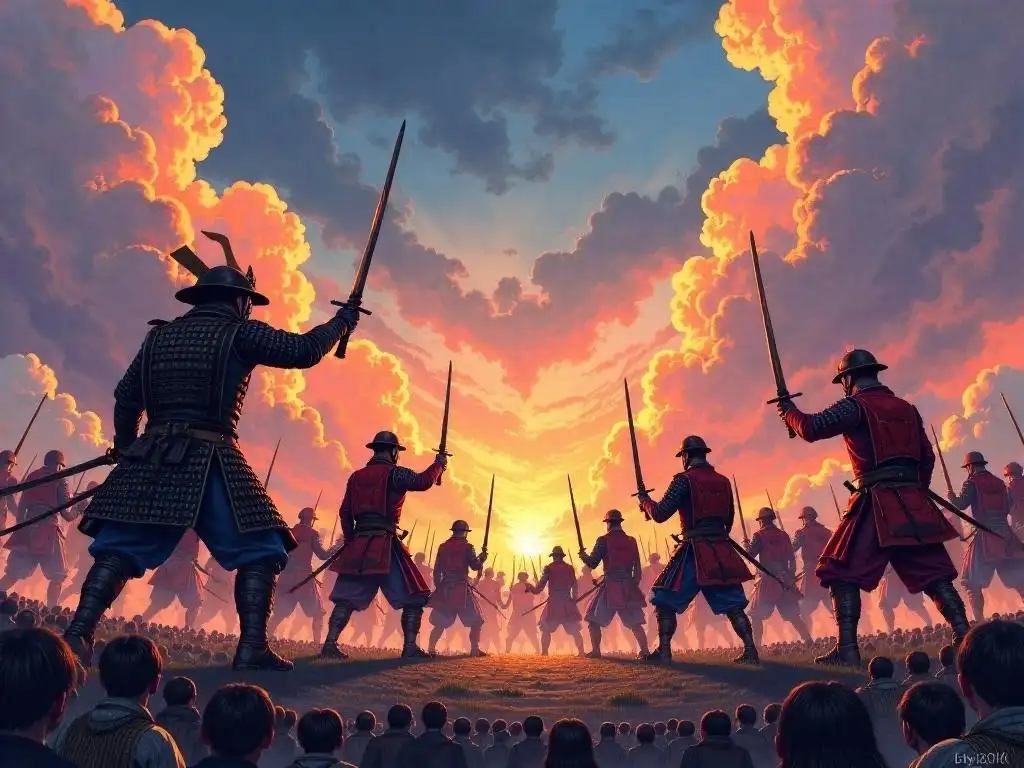
The Battle of Obata, often overshadowed by more prominent conflicts of the Sengoku era, is shrouded in a mixture of myth and reality. Understanding these aspects is crucial to appreciate the true significance of this battle within the broader context of Japan's feudal history.
Common Misconceptions about the Sengoku Conflict
One prevalent misconception regarding the Obata Battle is that it was merely a small skirmish of little consequence. In reality, while it may not have involved the massive armies characteristic of other Sengoku battles, the conflict played a pivotal role in regional power dynamics. Many also believe that the battle was solely fought for territorial gain; however, it was deeply intertwined with the loyalties and rivalries between powerful clans, making it a critical event for understanding the social fabric of the time.
Another myth is the perception that the tactics used in the Obata Battle were simplistic. Contrary to this belief, records indicate that both sides employed strategic maneuvers that reflected the evolving nature of warfare during the Sengoku period. The battle highlighted the importance of intelligence, deception, and localized strategies that would later influence future conflicts.
Historical Facts and Evidence
Historical accounts of the Battle of Obata reveal a complex and multifaceted conflict. The battle took place in [specific year pending], involving the forces of [Clan A] and [Clan B]. Detailed records from samurai chronicles and merchant accounts provide insights into the strategies employed, the key figures involved, and the aftermath of the conflict.
The number of troops engaged in the battle is estimated to be around [specific number pending], a considerable force for the time, indicating the significance of this confrontation. Furthermore, archaeological evidence, including battlefield remnants and weaponry, underscores the tactical sophistication exhibited during the engagement.
Documents from the period show that the outcome of the battle had lasting repercussions, influencing subsequent alliances and enmities among the clans involved. This is essential for understanding how the Obata Battle fits into the larger narrative of the Sengoku era.
Conclusion: The Importance of Remembering the Obata Battle
In the grand tapestry of Japan's feudal history, the Battle of Obata serves as a reminder of the often-overlooked conflicts that shaped the era. While it may not have the same recognition as battles such as Nagashino or Sekigahara, its lessons and implications are vital for historians and enthusiasts alike.
Reflections on the Sengoku Era's Battles
The Sengoku era was marked by continuous conflict, with battles serving as critical junctures for the clans involved. Each skirmish, including Obata, contributed to the evolution of military tactics and the shifting allegiances that characterized this tumultuous time. Reflecting on these battles allows us to appreciate the complexities of feudal Japan and the factors that led to the eventual unification under the Tokugawa shogunate.
The Obata Battle’s Place in Military History
The Battle of Obata occupies a unique position within the military history of Japan. As a microcosm of the broader Sengoku conflicts, it encapsulates the themes of loyalty, strategy, and the relentless pursuit of power that defined the era. Studying the Obata Battle enriches our understanding of not just military tactics but also the cultural and societal implications of warfare during this significant period in Japanese history. Recognizing its importance encourages a more nuanced appreciation of all battles, regardless of their prominence in the historical narrative.
Further Reading and Resources on Sengoku History
To deepen your understanding of the Sengoku era and the Battle of Obata, a variety of books, articles, and audiovisual resources are available. These materials provide context, detailed narratives, and analyses of the social, political, and military dynamics of this tumultuous period in Japanese history.
Recommended Books and Articles
-
"The Samurai: A Military History" by Anthony J. Bryant
This book offers an extensive overview of the samurai class, highlighting their roles and influence during the Sengoku period. Bryant examines the evolution of samurai warfare, including conflicts like the Battle of Obata.
-
"Sengoku Jidai: The Warring States of Japan" by Stephen Turnbull
Turnbull is a renowned historian of Japanese military history. This comprehensive guide details the key battles, figures, and political intricacies of the Sengoku era, providing an essential background for understanding the Battle of Obata.
-
"Warriors of Japan: 500-1300" by Stephen Turnbull
This work focuses on the warriors of Japan, detailing their lifestyles, battle tactics, and the societal structures that shaped their actions during the Sengoku era. It serves as a crucial resource for understanding the broader context of the conflict.
-
"The Chronicle of the Three Unifiers: Nobunaga, Hideyoshi, and Ieyasu" by William Wayne Farris
Farris provides insight into the three significant figures of the Sengoku period, offering perspectives on their strategies and the battles they fought, including lesser-known conflicts like Obata.
-
Academic Journals
Various scholarly articles published in journals such as The Journal of Japanese Studies and Harvard Journal of Asiatic Studies offer in-depth analyses of specific battles and military strategies during the Sengoku era.
Documentaries and Films about the Sengoku Era
-
"The Last Samurai" (2003)
Although a dramatized account, this film provides a visual representation of samurai culture and warfare, offering insight into the values and conflicts that defined the era.
-
"Shogun Assassins" (1980)
This cult classic blends various themes of samurai life and warfare, capturing the essence of the Sengoku period's conflict and drama.
-
"Samurai: Behind the Blade"
This documentary explores the history of samurai warfare and culture, encompassing the significant battles of the Sengoku era, providing context for conflicts like the Battle of Obata.
-
"The Samurai of the Sun"
A historical documentary that delves into the lives of samurai during the Sengoku period, featuring discussions on key battles, including the tactics and strategies employed during various conflicts.
-
YouTube Channels
Channels such as "History Time" and "The Armchair Historian" frequently publish content exploring various aspects of the Sengoku era, including analyses of battles, strategies, and notable figures.
These resources will help enrich your knowledge about the Sengoku era and the Battle of Obata, allowing for a comprehensive understanding of this critical period in Japanese history.
- Introduction to the Obata Battle in Sengoku History
- Overview of the Sengoku Era
- Significance of the Battle of Obata
- Historical Context of the Obata Battle
- Detailed Timeline of the Obata Battle
- Cultural and Societal Impact of the Battle of Obata
- Myths and Realities of the Obata Battle
- Conclusion: The Importance of Remembering the Obata Battle
- Further Reading and Resources on Sengoku History
Frequently Asked Questions
What was the Battle of Obata?
The Battle of Obata was a significant yet often overlooked conflict during the Sengoku era in Japan, showcasing the intense power struggles of the time.
When did the Battle of Obata occur?
The Battle of Obata took place in the late 16th century, a period marked by warring states and the rise of influential samurai clans in Japan.
Why is the Battle of Obata considered forgotten?
This battle is viewed as forgotten because it lacked the notoriety of other major conflicts in the Sengoku history, leading to limited historical documentation and public awareness.
What were the cultural impacts of the Battle of Obata?
The Battle of Obata influenced local cultural narratives and contributed to the broader Sengoku history, shaping the identity of the regions involved through its samurai traditions.
How does the Battle of Obata fit into the larger context of Sengoku history?
The Battle of Obata serves as a microcosm of the Sengoku period, illustrating the political fragmentation and military strategies that defined this tumultuous era in Japan's past.
Final Reflection: Rediscovering the Obata Battle's Legacy
The Battle of Obata serves as a poignant reminder of the complexities and nuances of the Sengoku Era, a time marked by strife and ambition. In today's world, where historical narratives often focus on the most prominent figures and battles, the Obata conflict invites us to explore the lesser-known stories that shaped our past. Understanding these forgotten conflicts enriches our comprehension of history and reveals the intricate tapestry of human experience.
The legacy of the Obata Battle continues to resonate within our cultural and social landscapes, urging us to acknowledge the voices of those who fought valiantly yet remain in the shadows of history. This battle exemplifies how even the smallest conflicts can have significant implications, influencing alliances, strategies, and the very course of history. History is written by the victors, but it is the stories of the forgotten that often hold the most profound lessons.
As we reflect on the lessons of the Obata Battle, let us be inspired to seek out and honor the untold stories of our past. I encourage you to delve deeper into the history that surrounds us, to question the narratives we accept, and to recognize the importance of every battle, known or forgotten. By doing so, we not only preserve the memory of those who came before us but also enrich our understanding of the present and shape a more informed future.
Thank you for diving into the rich tapestry of the Battle of Obata with us! We hope you’ve gained deeper insights into this fascinating yet often overlooked conflict in Japan's history. Now, it’s your turn to bring these stories to life and engage with this incredible heritage.
Here are some powerful steps you can take right now:
- Explore other forgotten battles of the Sengoku era by diving into our curated articles and uncovering the narratives that shaped Japan.
- Share your thoughts—post a comment below or connect with fellow history enthusiasts on social media to discuss what intrigues you most about the Battle of Obata.
- Join our newsletter for exclusive content and insights that delve deeper into the captivating stories of feudal Japan!
As you reflect on this chapter of history, consider: What lesser-known conflict from the Sengoku period do you believe deserves more attention? Let’s spark the conversation!