
The Role of Religion in the Formation of the Samurai Class

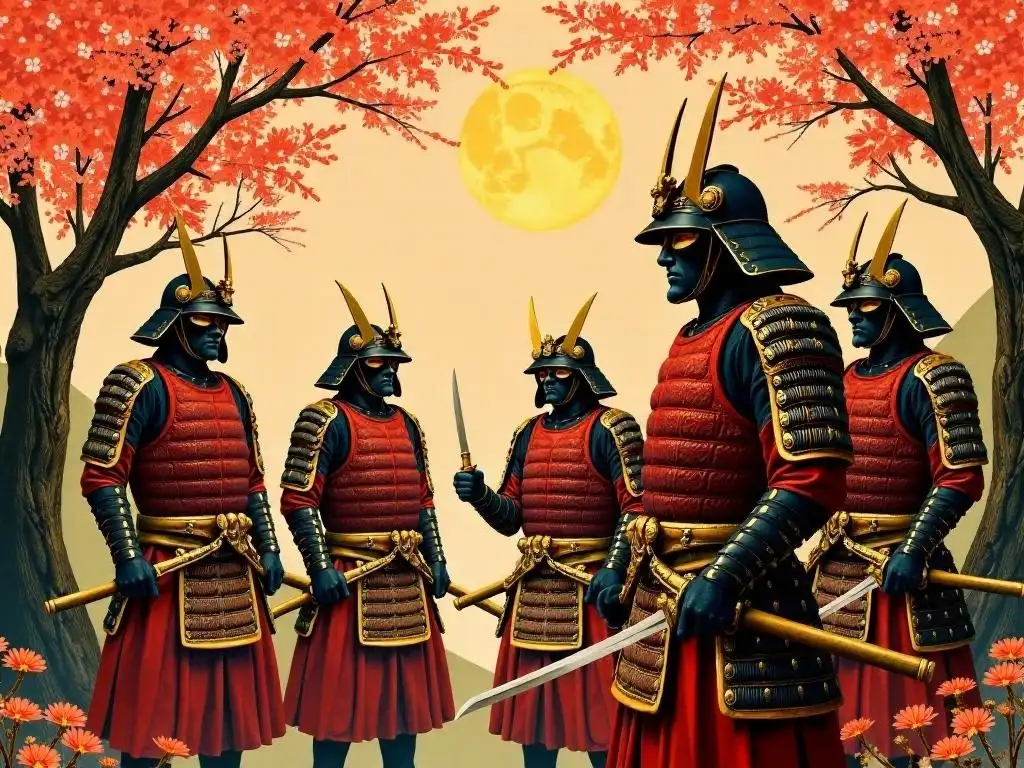
Welcome to Feudal Japan History, where we invite you to embark on a captivating journey through the intricate tapestry of Japan’s feudal era. Dive deep into the profound influence of religion on the samurai class in our featured article, "The Role of Religion in the Formation of the Samurai Class." Discover how spiritual beliefs intertwined with the warrior ethos, shaping the very foundation of a powerful societal group.
As you explore the rich historical, cultural, and societal dimensions of this remarkable period, prepare to unveil the secrets that forged a legacy still felt today. Your adventure into the past begins now—are you ready to uncover the pivotal role of faith in the world of the samurai?
Introduction to Religion's Impact on Samurai Class
The formation of the samurai class in feudal Japan is a multifaceted narrative that intertwines with the religious beliefs and practices of the time. Religion's impact on the samurai class is profound, shaping their values, ethics, and societal roles. As Japan transitioned from a fragmented political landscape to a more unified state, the samurai emerged not just as warriors but as custodians of a unique cultural identity deeply rooted in spirituality. This article delves into how various religious traditions influenced the samurai, informing their code of conduct, loyalty, and sense of duty, ultimately solidifying their position within Japanese society.
Overview of the Samurai Class in Feudal Japan
The samurai class, often romanticized in popular culture, was far more than just a group of elite warriors. Emerging in the late 12th century, they became the ruling military class of Japan, serving both as protectors of the realm and as local lords. Their Bushido code, which emphasized values such as honor, loyalty, and discipline, was heavily influenced by the religious ideologies of the time.
- Key Characteristics of the Samurai Class:
- Warriors and Nobility: The samurai were trained fighters, skilled in various forms of combat and martial arts.
- Political Power: Many samurai held significant political power, often governing lands and collecting taxes.
- Cultural Patrons: They also served as patrons of the arts, contributing to Japan's cultural legacy.
Importance of Religion in Japanese Society
Religion in Japan has played a central role in shaping societal structures and cultural norms. With a rich tapestry of beliefs, both indigenous and imported, religion provided the moral and ethical framework within which the samurai operated.
- Key Religious Influences:
- Shintoism: The native belief system centered around kami (spirits) and nature.
- Buddhism: Introduced from China and Korea, it provided philosophical insights and practices that complemented Shinto beliefs.
- Confucianism: Its teachings on social hierarchy and loyalty further influenced samurai ethics.
Historical Context of Religion in Japan
The historical context of religion in Japan is essential for understanding its impact on the samurai class. From the indigenous Shinto beliefs to the later arrival of Buddhism, each religious tradition contributed to the formation of a unique spiritual landscape.
Shintoism: The Indigenous Belief System
Shintoism, Japan's original religion, revolves around the worship of kami, which are spirits associated with natural phenomena, ancestors, and sacred places. This belief system instilled a profound sense of respect for nature and the divine, which became integral to the samurai's worldview.
- Shinto Practices:
- Rituals and Festivals: Important for community bonding and cultural identity.
- Shrines: Places of worship that served as spiritual centers for samurai clans.
Buddhism's Arrival and Influence on Japanese Culture
Buddhism, introduced to Japan in the 6th century, brought new philosophical concepts and practices that reshaped the spiritual landscape. Its emphasis on enlightenment, compassion, and the impermanence of life resonated with the samurai class, offering deeper insights into the nature of existence and death.
- Key Buddhist Concepts:
- Zen Buddhism: Focused on meditation and mindfulness, influencing samurai training and mental discipline.
- Compassion and Duty: Reinforced the samurai's sense of loyalty and obligation to their lords and families.
The Synthesis of Shinto and Buddhism in Samurai Ideology
Over time, a synthesis of Shinto and Buddhism emerged, creating a unique spiritual ideology for the samurai. This blending of beliefs allowed the samurai to navigate their roles as warriors while also embracing a deeper spiritual existence.
- Integrated Beliefs:
- Rituals: Samurai often participated in both Shinto and Buddhist rituals, seeking favor from kami and enlightenment from Buddhist teachings.
- Philosophy: The combination of Shinto's reverence for nature and Buddhism's contemplative practices provided a balanced philosophical foundation for the samurai's way of life.
The interplay between religion and the samurai class was crucial in shaping not only their identity but also the broader societal norms of feudal Japan, making it a topic worthy of comprehensive exploration.
The Role of Religion in Shaping Samurai Values
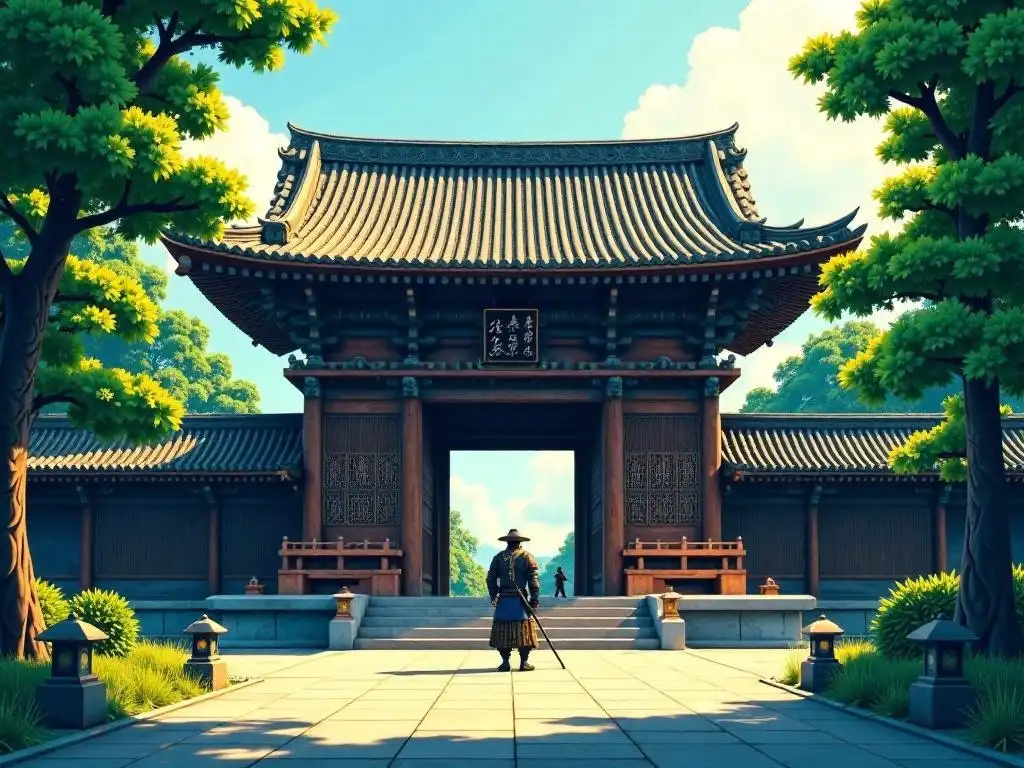
Religion played a pivotal role in shaping the values and identity of the samurai class during Japan's feudal era. The samurai, originally warriors serving noble families, developed a code of conduct influenced by various religious and philosophical traditions, particularly Shintoism and Buddhism. These belief systems instilled a sense of duty, discipline, and moral integrity, which became central to the samurai ethos.
Shinto, the indigenous spirituality of Japan, emphasized the importance of kami (spirits) and rituals, fostering a deep connection to ancestry and nature. This connection encouraged samurai to see themselves as protectors of their land and its spiritual heritage. On the other hand, Buddhism, particularly Zen Buddhism, contributed significantly to the samurai's mental discipline and focus. The practice of meditation and the pursuit of enlightenment helped the samurai cultivate calmness and resilience in the face of battle, further solidifying their warrior identity.
The interplay between these religious beliefs and the samurai's warrior code, known as Bushido, created a complex moral framework that guided their actions, decisions, and interactions with others, deeply embedding spirituality into the fabric of samurai life.
Bushido: The Way of the Warrior
Bushido, often translated as "The Way of the Warrior," is the ethical code that guided samurai behavior throughout Japan's feudal period. Heavily influenced by Confucianism, Shinto, and Zen Buddhism, Bushido emphasized virtues such as loyalty, honor, courage, and self-discipline. These principles were not merely ideals but were ingrained in the samurai's daily life and practices.
The concept of loyalty, for instance, was paramount, reflecting a samurai's obligation to serve their lord with unwavering fidelity. This loyalty was often seen as a sacred duty, rooted in religious beliefs that valued commitment and hierarchy. Additionally, the samurai were expected to uphold their honor, which was intricately tied to their reputation and family legacy. The notion of dying with honor rather than living in shame was a powerful motivator, leading many samurai to choose seppuku (ritual suicide) over dishonor.
Bushido also fostered a sense of self-discipline through rigorous training and moral reflection, echoing Buddhist teachings on mindfulness and self-control. This code not only defined the samurai's conduct in warfare but also shaped their interactions within society, establishing them as both warriors and stewards of cultural and spiritual values.
Loyalty and Honor: Religious Underpinnings
Loyalty and honor are fundamental tenets of samurai culture, deeply rooted in religious beliefs that shaped their worldview. The samurai's loyalty to their lord was often viewed as a divine obligation, influenced by the Shinto concept of kami, which imbued their leaders with spiritual significance. This belief fostered a sense of duty that transcended personal interests, compelling samurai to prioritize their lord's well-being above their own.
Honor, closely linked to loyalty, was another critical aspect of samurai identity. In a society where reputation was paramount, maintaining honor was not only a personal concern but also a reflection of one's family and clan. The religious undertones of honor can be traced back to Buddhist principles that emphasized ethical conduct and the consequences of one's actions. The fear of dishonor was so profound that many samurai chose to take their lives rather than live with the shame of failure or betrayal.
These religious underpinnings reinforced the samurai's commitment to their values, creating a warrior culture that revered loyalty and honor as sacred virtues essential to their identity and societal role.
Religious Institutions and the Samurai Class
Religious institutions played a significant role in the lives of the samurai, serving as centers of power, influence, and spiritual guidance. Temples and shrines were not only places of worship but also hubs of community and governance, where samurai could seek counsel, partake in rituals, and solidify their status in society.
Temples and Shrines: Centers of Power and Influence
Temples and shrines were vital in shaping the samurai class's social and political landscape. Shinto shrines, dedicated to kami, served as places of worship and community gathering, reinforcing local identities and traditions. These sacred sites often became focal points for samurai families, who would seek blessings and guidance from the deities, thereby intertwining their fates with the spiritual world.
Buddhist temples, particularly those associated with Zen Buddhism, flourished during the samurai era and became influential centers of learning and culture. Many samurai sought spiritual solace and enlightenment through Buddhist teachings, which offered a framework for understanding life and death. The powerful influence of these religious institutions extended beyond the spiritual realm, as they often acted as mediators in political conflicts and played crucial roles in local governance.
Moreover, samurai patronage of temples and shrines was common, leading to a symbiotic relationship where religious leaders supported the samurai in return for protection and resources. This alliance not only fortified the samurai's status but also reinforced the significance of religion in their lives and the broader societal structure.
The Role of Monks in Samurai Society
Monks played a multifaceted role in samurai society, acting as spiritual guides, educators, and political influencers. Many samurai turned to Buddhist monks for guidance in their spiritual journeys, seeking wisdom on how to navigate the complexities of their roles as warriors. The teachings of Zen Buddhism, in particular, resonated with samurai ideals, promoting mindfulness and composure—qualities essential for success in battle.
Monks often served as mediators during conflicts, using their spiritual authority to promote peace and reconciliation. Their positions within the community allowed them to wield considerable influence, and many samurai respected their counsel, viewing them as intermediaries between the material and spiritual realms. Additionally, monks contributed to the education of samurai, imparting knowledge of philosophy, ethics, and military strategy, thus enriching the samurai's understanding of their responsibilities.
Furthermore, the relationship between samurai and monks evolved over time, with some samurai becoming patrons of Buddhist temples, providing protection and financial support in exchange for spiritual services. This dynamic further illustrated the interconnectedness of religion and the samurai class, highlighting how spiritual beliefs influenced the warriors' lives, values, and societal roles.
Religious Patronage: Samurai and Buddhism
The relationship between the samurai and Buddhism was characterized by mutual patronage and support, which played a crucial role in the evolution of both entities. Many samurai, especially during the Kamakura period, adopted Buddhism as their spiritual practice, integrating its teachings into their lives and the samurai code of conduct. This adoption was not merely personal; it had broader implications for the cultural landscape of feudal Japan.
Samurai patronage of Buddhist temples allowed these institutions to flourish, enabling them to become centers of learning and cultural exchange. Wealthy samurai would often endow temples with land, resources, and financial support, reinforcing their power and influence within society. In return, temples provided spiritual services, rituals, and education, fostering a sense of community among the samurai class.
The intertwining of samurai and Buddhist values also led to the establishment of a unique warrior ethos that combined martial prowess with spiritual mindfulness. This blend of duty and spirituality became a defining characteristic of the samurai, shaping their identity and reinforcing their roles as both warriors and guardians of Japan's spiritual heritage. Through this patronage system, the samurai class not only solidified their status in the social hierarchy but also ensured the continued relevance of Buddhism in Japanese culture.
Case Studies of Prominent Samurai and Their Religious Beliefs
The development of the samurai class in feudal Japan was not only shaped by martial prowess and political maneuvering but also significantly influenced by the religious beliefs of its key figures. Understanding the spiritual convictions of prominent samurai provides insight into how religion intertwined with their identities, motivations, and the broader societal framework. Below are notable examples that illustrate this relationship.
Minamoto no Yoritomo: The Founding Samurai's Spirituality
Minamoto no Yoritomo, the founder of the Kamakura shogunate, is a pivotal figure in samurai history. His spirituality was deeply rooted in Shintoism, the indigenous spirituality of Japan, which emphasized the worship of kami (deities or spirits). Yoritomo's connection to the divine was not merely personal; it also served a political purpose. He positioned himself as a direct descendant of the sun goddess Amaterasu, which legitimized his authority and bolstered his status among his followers.
Moreover, Yoritomo's spiritual practices included the establishment of shrines and the promotion of Shinto rituals, which reinforced the divine right of the samurai to rule. His belief in the protective power of the kami helped cultivate loyalty among samurai warriors, as they viewed their military endeavors as sacred missions guided by divine will. Thus, Yoritomo's spirituality played an integral role in the formation of the samurai class, intertwining religious devotion with the exercise of political power.
Oda Nobunaga and the Clash with Buddhist Institutions
Oda Nobunaga, one of Japan's most infamous warlords, had a complex and often confrontational relationship with Buddhism. While he initially sought to align himself with Buddhist institutions, his growing ambition led to a dramatic clash with powerful Buddhist sects like the Ikko-ikki. Nobunaga viewed these sects as threats to his authority, especially as they wielded significant political and military influence during his campaign to unify Japan.
In 1571, Nobunaga ordered the destruction of the Enryaku-ji temple on Mount Hiei, a significant center of Buddhist power. This act was not only a military strategy but also a symbolic rejection of theocratic power that could challenge samurai authority. Nobunaga's actions reflected a pragmatic approach to religion, utilizing the conflict to both eliminate rivals and consolidate his power. His legacy illustrates the tensions between samurai and religious institutions, showcasing how religious beliefs could be manipulated in the pursuit of political ends.
Tokugawa Ieyasu's Syncretism of Shinto and Buddhism
Tokugawa Ieyasu, the founder of the Tokugawa shogunate, exemplified a syncretic approach to religion that sought to unify the diverse spiritual landscape of Japan. Ieyasu was deeply influenced by both Shinto and Buddhism, recognizing the importance of maintaining harmony between these two faiths. His policies promoted the idea of coexistence, allowing both religious traditions to flourish while ensuring loyalty to the shogunate.
Ieyasu established the Toshogu Shrine in Nikko to enshrine his spirit after his death, linking his legacy to the Shinto tradition. At the same time, he supported Buddhist institutions, integrating Buddhist teachings into the samurai ethos. This duality served to legitimize his rule and promote stability across Japan. By fostering a religious environment that combined elements of Shinto and Buddhism, Ieyasu effectively secured the loyalty of his subjects, demonstrating how religion could function as a unifying force in a politically fragmented society.
Religion as a Tool for Political Control
The relationship between religion and politics in feudal Japan was intricate, with religious beliefs serving as both a foundation for governance and a means of exerting control over the samurai class. Various strategies were employed by samurai leaders to manipulate religious sentiment, ensuring their dominance and solidifying their authority.
The Use of Religion in Justifying Samurai Rule
Throughout the rise of the samurai, leaders often invoked religious tenets to justify their rule. By aligning themselves with divine will, they presented their authority as not only political but also sacred. This was especially prominent during the Kamakura period, where rulers like Yoritomo claimed divine favor and lineage from Shinto deities.
The concept of shinken — the belief that the samurai's actions were guided by divine intervention — further reinforced this idea. Samurai warriors were encouraged to see their battles as righteous causes, sanctioned by the gods. Such beliefs not only legitimized their actions but also inspired loyalty among their ranks, effectively intertwining religious conviction with martial duty.
Religious Conflicts and Their Impact on Samurai Politics
Religious conflicts had profound implications for samurai politics during feudal Japan. The tensions between competing Buddhist sects, as seen in the struggles between the Ikko-ikki and the ruling samurai, often resulted in violent confrontations. These conflicts were not solely about religious beliefs; they were also power struggles that shaped the political landscape.
For instance, the Ikko-ikki revolts challenged the authority of samurai leaders, compelling them to respond with military force. As a result, the samurai class was often embroiled in religious warfare, which, in turn, influenced their political strategies. The outcomes of these conflicts played a crucial role in determining the balance of power among the samurai, demonstrating how religious affiliations could directly impact political dynamics.
The Role of Religious Festivals in Solidifying Power
Religious festivals in feudal Japan served as vital instruments for samurai leaders to solidify their power and cultivate loyalty among their followers. These festivals often involved elaborate rituals, processions, and communal activities that drew large crowds and fostered a sense of unity. Leaders would utilize these occasions to showcase their patronage of religious institutions, reinforcing their status as divine rulers.
By sponsoring festivals and participating in rituals, samurai leaders demonstrated their commitment to the gods and their people. This not only bolstered their legitimacy but also allowed them to weave a stronger bond with the samurai class and the common folk. Festivals, therefore, were not merely religious observances but strategic opportunities for samurai to reinforce their political authority and foster social cohesion within their domains.
The Decline of Religion's Influence on the Samurai Class
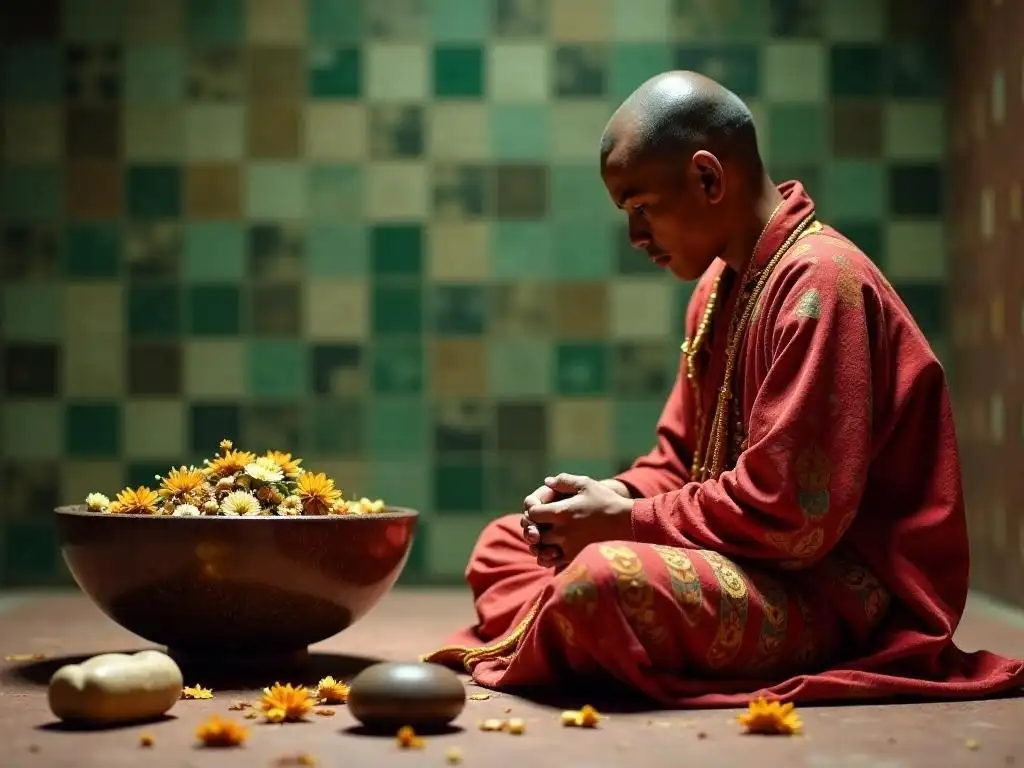
As Japan transitioned from the feudal era to modernization in the late 19th century, the influence of religion on the samurai class significantly declined. The samurai, once viewed as the spiritual and military backbone of Japanese society, found their traditional roles and values challenged by sociopolitical changes. The rise of new ideologies, particularly during the Edo period, began to erode the samurai's reliance on religious frameworks such as Shinto and Buddhism.
The Meiji Restoration (1868) marked a pivotal moment, as the government sought to modernize Japan and diminish the power of the samurai. This period saw a concerted effort to separate religion from state affairs, which led to the disbanding of many religious practices that had previously underpinned samurai identity. The samurai were encouraged to adopt Western ideals and values, leading to a cultural shift that prioritized secular governance over religious affiliation.
Additionally, the introduction of conscription and the establishment of a modern military further diminished the samurai's unique status. As the samurai class transitioned into a new societal role, the spiritual and ethical frameworks provided by religion became less relevant, paving the way for a more nationalistic and militaristic identity devoid of its traditional religious roots.
The Meiji Restoration and the Separation of Religion and State
The Meiji Restoration was a watershed moment in Japanese history, heralding profound changes that reshaped the nation’s political and social landscape. One of the most significant shifts was the separation of religion and state, a move designed to modernize Japan and align it with Western nations. This separation had direct implications for the samurai class, whose identity had been intricately linked to religious practices and beliefs.
During this period, the government enacted policies that reduced the power of religious institutions and promoted a secular national identity. The concept of State Shinto was developed, which emphasized the role of the emperor and the nation over traditional religious practices. This reformation aimed to create a unified national spirit that could support the state’s modernization efforts, effectively sidelining the samurai’s religious influences.
Furthermore, the abolition of the samurai class in 1876 stripped away their privileges, including the right to wear swords, which were symbols of their martial and religious heritage. As the samurai were integrated into the new military and bureaucratic structures, their once distinct identity began to dissolve. The religious tenets that had guided their conduct and ethics were overshadowed by new ideologies focused on nationalism and modernity.
The Transformation of Samurai Identity in Modern Japan
With the decline of religious influence following the Meiji Restoration, the identity of the samurai underwent significant transformation. As Japan embraced modernization, the samurai class had to reconcile their traditional values with the rapidly changing society. This period marked a shift from a feudal warrior ethos to a more inclusive national identity.
The samurai's focus on honor, loyalty, and martial skill was reinterpreted in the context of a modern nation-state. They began to embody the ideals of service and sacrifice for the emperor and country, which aligned with the militaristic nationalism that the government promoted. This transformation was evident in the way samurai literature and arts evolved, where themes of loyalty and honor were adapted to reflect the new societal values.
Moreover, as some former samurai entered new professions, they contributed to the burgeoning fields of education, politics, and commerce, further diluting their traditional roles. The samurai’s martial prowess became romanticized in popular culture, leading to a nostalgic view of their past that emphasized their spiritual connections, even as their actual influence waned in contemporary society.
Conclusion: The Lasting Legacy of Religion on the Samurai Class
Despite the decline of religion's direct influence on the samurai class, the legacy of religious teachings and values continues to resonate within Japanese culture. The principles of loyalty, honor, and discipline that were once rooted in religious doctrine have persisted as cultural touchstones, informing the moral fabric of modern Japanese society.
Reflection on Religion's Impact on Samurai Values Today
Today, the impact of religion on samurai values is reflected in the ethical standards upheld in various aspects of Japanese life. Concepts such as bushido (the way of the warrior), which emphasizes virtues like integrity, honor, and respect, can trace their origins back to the religious teachings that once guided samurai conduct. Even in a secular context, these values remain integral to the Japanese ethos, influencing personal conduct and societal expectations.
In contemporary discussions around ethics and leadership, the samurai legacy often serves as a reference point, illustrating how deeply ingrained these values are in Japan’s cultural consciousness. Thus, while the direct religious ties may have weakened, the philosophical underpinnings continue to shape and inspire modern Japanese society.
The Enduring Influence of Samurai Ideals in Contemporary Japan
The ideals of the samurai persist in various forms throughout contemporary Japan, manifesting in arts, literature, and even corporate culture. The samurai’s emphasis on discipline, loyalty, and perseverance can be seen in the dedication and work ethic prevalent in Japanese society today.
Moreover, popular culture has embraced samurai themes, with films, literature, and anime frequently exploring the samurai’s complex relationship with honor and morality. These portrayals not only celebrate the historical significance of the samurai but also reflect the enduring relevance of their ideals.
While the direct influence of religion on the samurai class has declined, the values and principles that emerged from this relationship continue to resonate within Japanese society, demonstrating a lasting legacy that transcends time and change.
References and Further Reading on Religion's Impact on Samurai Class
Understanding the intricacies of how religion influenced the formation of the samurai class in feudal Japan requires delving into a variety of scholarly resources. Below is a compilation of suggested books, articles, and online resources that provide valuable insights into the intersection of religion and the samurai ethos.
Suggested Books and Articles
-
"Warriors of Japan as Portrayed in the War Tales" by Thomas D. Conlan
This book explores the historical narratives surrounding samurai and their deep-rooted beliefs, highlighting the influence of Shinto and Buddhism on their warrior culture.
-
"The Samurai: A Military History" by Stephen Turnbull
Turnbull provides an extensive overview of the samurai's evolution and the religious beliefs that shaped their identity and code of conduct.
-
"Zen and the Art of the Samurai: The Influence of Zen Buddhism on the Samurai Code" by John M. McCullough
This work discusses the profound impact of Zen Buddhism on samurai philosophy, ethics, and daily practices, illustrating how spiritual beliefs intertwined with martial discipline.
-
"Buddhism and the Samurai: The Spiritual Path of the Warrior" by Derek A. F. H. Leong
This article examines the role of Buddhist teachings in forming the samurai's moral framework and how these beliefs affected their actions in battle and governance.
-
"Shinto and the Samurai: The Sacred Roots of Warrior Culture" by Hiroshi Shimizu
Shimizu's analysis focuses on Shinto's integral role in the samurai's sense of duty and honor, providing a deeper understanding of their motivations and societal status.
Online Resources for Further Exploration
-
The Japan Society
This organization offers a variety of articles and resources about Japan’s history, including the samurai class and the religious influences on their culture.
-
The Metropolitan Museum of Art's Heilbrunn Timeline of Art History
This online resource provides essays and timelines that elaborate on the intersection of art, culture, and religion in feudal Japan, highlighting the samurai's role.
-
The Japan Times
The Japan Times features numerous articles that explore Japan's historical context, including discussions on the samurai and their religious influences.
-
Stanford University's "The Samurai: A Brief History"
This educational resource outlines the historical development of the samurai class, including the role of religion in shaping their principles and behaviors.
-
The National Museum of Asian Art
This museum's website offers insights into various artifacts related to samurai culture, often discussing their spiritual significance and the religious contexts of feudal Japan.
By exploring these resources, readers can gain a comprehensive understanding of how religion influenced the formation and evolution of the samurai class, providing a nuanced view of their historical and cultural significance.
- Introduction to Religion's Impact on Samurai Class
- Overview of the Samurai Class in Feudal Japan
- Importance of Religion in Japanese Society
- Historical Context of Religion in Japan
- The Role of Religion in Shaping Samurai Values
- Religious Institutions and the Samurai Class
- Case Studies of Prominent Samurai and Their Religious Beliefs
- Religion as a Tool for Political Control
- The Decline of Religion's Influence on the Samurai Class
- Conclusion: The Lasting Legacy of Religion on the Samurai Class
- References and Further Reading on Religion's Impact on Samurai Class
- What role did religion play in the formation of the samurai class?
- How did Buddhism influence the samurai's ethics and values?
- What was the significance of Shinto beliefs for the samurai?
- Did religious ceremonies play a role in samurai culture?
- How did the interactions between different religions affect the samurai class?
Frequently Asked Questions
What role did religion play in the formation of the samurai class?
Religion provided a moral framework for the samurai, influencing their code of conduct and social responsibilities, making it integral to their identity.
How did Buddhism influence the samurai's ethics and values?
Buddhism introduced concepts such as detachment and compassion, which shaped the samurai’s understanding of life, death, and their duty to serve.
What was the significance of Shinto beliefs for the samurai?
Shinto beliefs emphasized the importance of ancestry and loyalty, reinforcing the samurai's commitment to their clans and emperors.
Did religious ceremonies play a role in samurai culture?
Yes, religious ceremonies were essential, providing a means for samurai to seek divine favor, enhance their spiritual strength, and solidify their social status.
How did the interactions between different religions affect the samurai class?
The interactions between Buddhism, Shinto, and later Confucianism created a complex spiritual landscape that allowed samurai to adopt diverse beliefs and practices, enriching their cultural identity.
Final Reflection: The Enduring Legacy of Religion's Impact on the Samurai Class
The intricate relationship between religion and the formation of the samurai class remains profoundly relevant today. As we navigate a world that often grapples with identity and purpose, the historical interplay of belief systems and societal structures offers valuable insights into how we define honor, loyalty, and duty. The samurai, as both warriors and stewards of cultural values, exemplified the profound influence of religious tenets on their way of life, illustrating that the essence of one's beliefs can shape not only individual character but also the very fabric of society.
Cultural narratives are often woven from the threads of belief, and the samurai class serves as a testament to this truth. The values instilled by Shintoism and Buddhism not only guided the samurai in their martial pursuits but also in their ethical and philosophical outlook on life. This duality of purpose—both as warriors and as moral exemplars—continues to resonate in contemporary discussions about the role of spirituality in leadership and community. The samurai's way was not just about the sword; it was about the spirit.
This quote encapsulates the ongoing influence of these historical figures as we seek to understand how personal beliefs can inform our actions and responsibilities in the modern world.
As you reflect on the lessons drawn from the samurai's relationship with religion, consider how these principles can be applied in your own life. Embrace the opportunity to explore your own beliefs and values, recognizing their potential to shape your character and influence those around you. In a time when the world often feels fragmented, let the legacy of the samurai inspire you to cultivate a sense of purpose and integrity that transcends mere existence. The path of the samurai invites us all to honor our convictions and strive for a life of meaning and commitment.
Embrace the Spirit of the Samurai: Take Action Now!
Thank you for investing your time in exploring the profound connections between spirituality and the samurai class! You’ve uncovered insights into how their beliefs shaped their lives and values. Now, it’s time to delve deeper and enrich your understanding even further.
Here’s how you can continue your journey:
- Explore further: Read more about specific religious practices that influenced the samurai by checking out our related articles on Zen Buddhism and Shintoism.
- Join the conversation: Share your thoughts on the influence of spirituality in modern warrior cultures. Comment below or engage with fellow history enthusiasts on our social media platforms.
- Uncover hidden gems: Discover lesser-known samurai stories and their spiritual practices by browsing our archives for unique insights that might surprise you!
What aspects of the samurai's spiritual journey resonate most with you, and how do you think those principles apply to today's world?