
Ancient Weapons: A Look at the Tools of Feudal Japanese Warriors


Welcome to Feudal Japan History, where we invite you to journey back in time to explore the rich tapestry of Japan's feudal era. In this captivating realm, ancient weapons wielded by valiant warriors tell stories of honor, strategy, and cultural significance. Our featured article, "Ancient Weapons: A Look at the Tools of Feudal Japanese Warriors," delves deep into the fascinating world of these formidable tools, igniting your curiosity about how they shaped battles and societies alike. Prepare to uncover the secrets behind the craftsmanship and legacy of these historic artifacts, and let the adventure begin!
The feudal era of Japan, stretching from the late 12th century to the mid-19th century, was not only a time of political intrigue and social stratification but also an epoch characterized by the evolution and refinement of weaponry. At the heart of this period were the samurai, Japan's warrior class, who wielded a diverse array of weapons that reflected their cultural values, martial traditions, and the technological advancements of their time.
This comprehensive exploration of feudal Japan ancient weapons delves into the various tools these formidable warriors used, examining their design, functionality, and the impact they had on Japan's military history. From the iconic katana to the lesser-known yari and naginata, each weapon tells a story of honor, skill, and the relentless pursuit of mastery in the art of combat.
The Katana: Symbol of the Samurai’s Honor
The katana, often regarded as the quintessential samurai sword, symbolizes the ideals of the warrior class. With its distinctive curved blade and intricate craftsmanship, the katana was not just a weapon but also a work of art.
- Design and Craftsmanship: The katana features a single-edged blade, typically around 2 to 3 feet in length, made through a complex forging process that includes folding steel multiple times. This technique enhances the blade's strength and flexibility.
- Cultural Significance: Beyond its practical use in battle, the katana embodies the samurai's code of honor (Bushido), representing discipline, loyalty, and the spirit of the warrior.
The Yari: The Versatile Spear
The yari, or spear, was another critical weapon in the arsenal of feudal Japanese warriors.
- Types of Yari: There are various styles of yari, including the naginata (a polearm with a curved blade) and the tanto (a shorter blade). Each type catered to different combat scenarios, whether in formations or one-on-one duels.
- Battlefield Role: The yari was particularly effective for its reach and versatility, allowing warriors to engage enemies from a distance while also being useful for close combat.
The Naginata: The Women Warriors' Choice
The naginata, characterized by its long blade mounted on a wooden shaft, held a unique place in feudal Japan, often associated with women warriors known as Onna-bugeisha.
- Design Features: With a blade that could exceed 3 feet in length, the naginata combined the techniques of both swordsmanship and spear fighting, making it a formidable weapon for those trained to wield it.
- Historical Context: The naginata was not only a weapon of choice for women but also gained prominence among samurai during the Muromachi period, showcasing its adaptability across genders and classes.
Conclusion
The weapons of feudal Japan were more than mere tools of war; they were deeply intertwined with the fabric of Japanese culture and society. Understanding these ancient weapons provides insight into the martial traditions of the samurai and the historical context in which they thrived. As we continue to explore the intricacies of these tools, we uncover the stories of valor, skill, and the relentless pursuit of mastery that defined an era.
- The Katana: Symbol of the Samurai’s Honor
- The Yari: The Versatile Spear
- The Naginata: The Women Warriors' Choice
- Conclusion
- What types of ancient weapons were commonly used by feudal Japanese warriors?
- How did the design of feudal Japan's weapons evolve over time?
- What role did armor play in conjunction with ancient weapons during battles?
- Were there any ceremonial weapons in feudal Japan?
- How did feudal Japan's warfare influence the development of its weapons?
Introduction to Feudal Japan Ancient Weapons
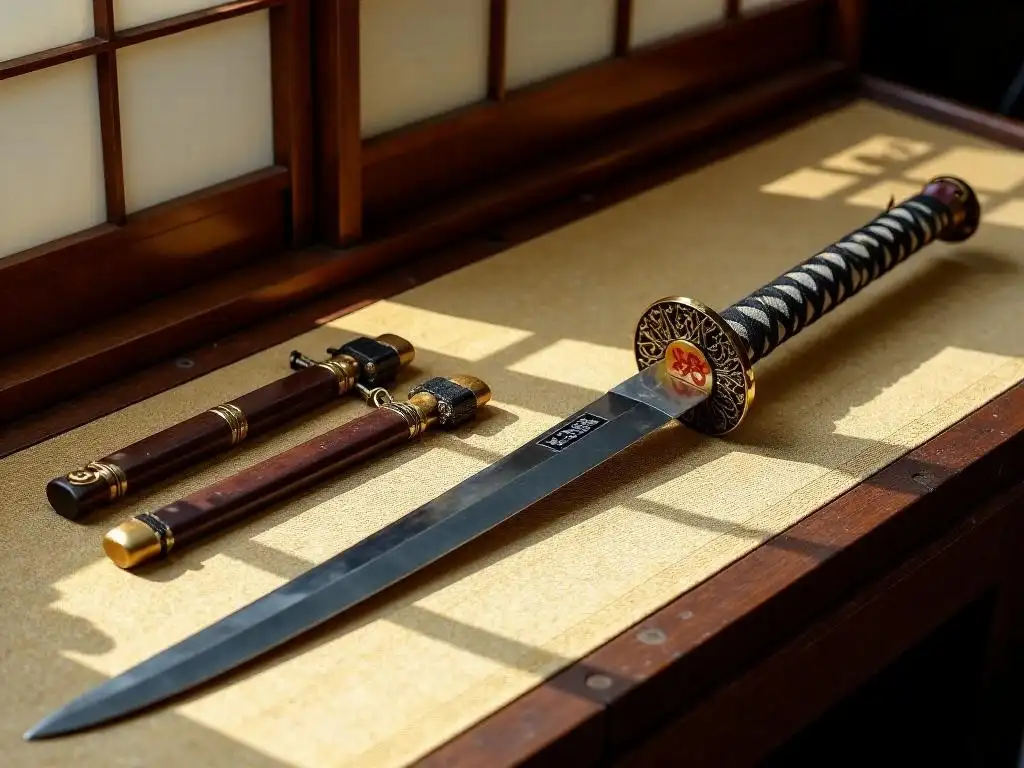
The era of feudal Japan, spanning from the 12th to the 19th centuries, was marked by a distinct warrior culture where ancient weapons played a crucial role in both warfare and societal structure. The samurai, as the ruling military class, heavily influenced the historical narrative of this period, and their weaponry reflects not only the martial needs of the time but also the intricate social hierarchies and cultural values of feudal Japan. This section delves into the significance of these ancient weapons, exploring their evolution and impact on the feudal society.
Overview of Feudal Japan and Its Military Context
Feudal Japan emerged in the late 12th century when the power shifted from the imperial court to military leaders, known as shoguns. This transformation laid the foundation for a complex social system where loyalty and honor defined relationships among the samurai, their lords, and the peasantry.
The military context of feudal Japan was characterized by:
- Decentralized Power: Local lords, or daimyō, controlled their territories and maintained private armies of samurai.
- Continuous Warfare: Frequent conflicts, including battles for territory and power among rival clans, necessitated advanced weaponry and tactical innovations.
- Cultural Influence: The samurai code of conduct, known as Bushido, emphasized honor, loyalty, and martial skills, shaping the development and use of weapons.
The primary ancient weapons of this era included:
- Katana: The iconic curved sword symbolizing the samurai's status and skill.
- Tanto: A dagger used for close combat and as a utility tool.
- Yari: A spear effective in both infantry and cavalry roles.
- Naginata: A polearm combining the features of a sword and spear, often wielded by warrior monks and women of the samurai class.
These weapons were not only tools of war but also symbols of prestige and identity, reflecting the martial ethos of the time.
Importance of Weapons in Shaping Feudal Society
The weapons used by feudal Japanese warriors were pivotal in shaping the social dynamics and cultural identity of the period. Their significance can be examined through several lenses:
- Symbol of Status:
- The possession of weapons, particularly the katana, was a mark of nobility and samurai status.
- The craftsmanship of weapons was highly regarded, with famous swordsmiths gaining renown for their skills.
- Cultural Artifacts:
- Weapons were often adorned with intricate designs and inscriptions, showcasing the artistry of the period.
- Rituals surrounding the use and care of weapons, such as the practice of tameshigiri (test cutting), underscored their cultural importance.
- Military Strategy:
- The development of different weapon types influenced battle tactics and formations, such as the use of archers and cavalry alongside infantry.
- The strategic implementation of weapons led to the rise and fall of clans, significantly impacting the political landscape of feudal Japan.
- Legacy and Influence:
- The legacy of feudal Japan's ancient weapons continues to influence modern martial arts and weaponry.
- The philosophical and ethical considerations surrounding the use of these weapons have permeated Japanese culture, evidenced in literature, art, and film.
Weapons in feudal Japan were far more than mere tools for combat; they were integral to the identity, culture, and social structure of the time, shaping the very essence of Japanese history and its martial traditions.
Types of Feudal Japan Ancient Weapons
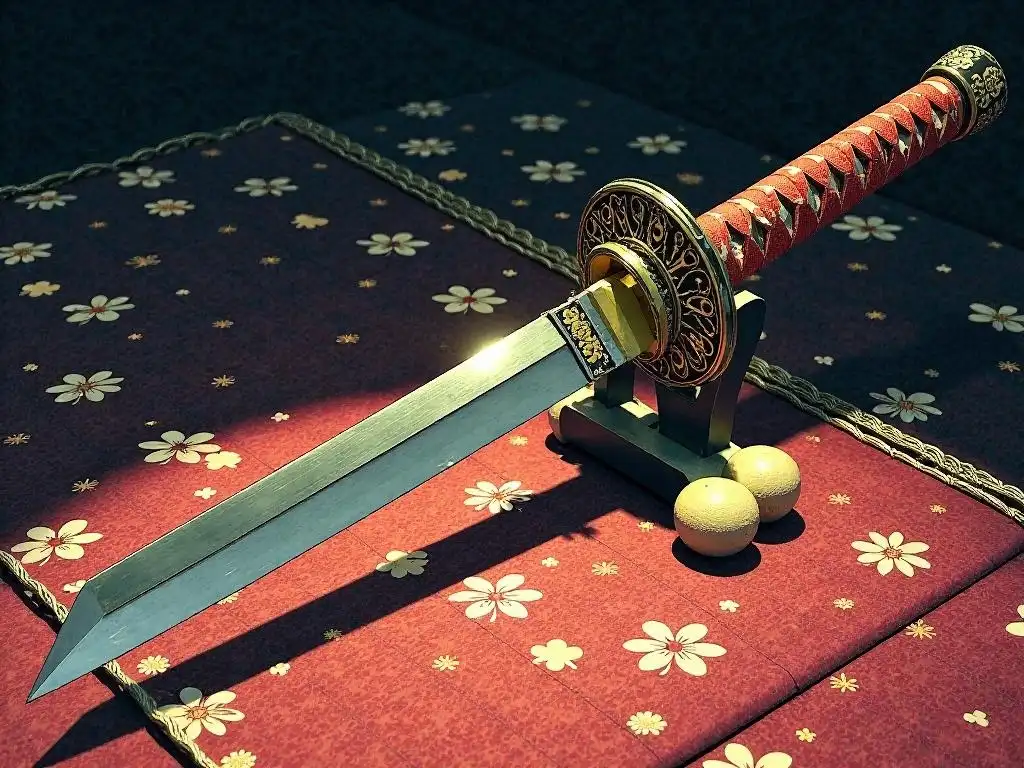
Feudal Japan, a period marked by samurai culture and military prowess, saw the evolution of various weapons that were essential for warfare and combat. The ancient weapons of this era were not merely tools of battle; they were symbols of status, craftsmanship, and tradition. Here, we explore the primary categories of these weapons, delving into their significance and unique attributes.
Swords: The Katana and Its Significance
The katana stands as the most iconic weapon of feudal Japan, renowned for its distinctive curved blade, its sharpness, and its craftsmanship. Traditionally made from high-carbon steel, the katana underwent a sophisticated forging process involving multiple layers of metal, which enhanced both its strength and flexibility.
- Cultural Importance: Beyond its functionality, the katana represented the soul of the samurai. It was often regarded as a status symbol, with ornate designs reflecting the owner's rank and heritage. The katana was not just a weapon but a work of art, often passed down through generations.
- Combat Efficiency: The design of the katana allowed for quick, controlled movements, making it highly effective in close-quarter combat. Its length and weight made it ideal for swift strikes, which was pivotal during the fast-paced battles of the era.
Notable Features of the Katana
| Feature | Description |
|---|---|
| Blade Length | Typically ranges from 60 to 80 cm |
| Tsuba (Guard) | Often intricately designed, serving both function and aesthetics |
| Tsuka (Handle) | Wrapped in silk or leather for a secure grip |
Polearms: The Naginata and Yari
Polearms played a crucial role in the battlefield tactics of feudal Japan, with weapons like the naginata and yari proving essential for various combat scenarios.
- Naginata: Featuring a curved blade mounted on a long shaft, the naginata was versatile and effective for both slashing and thrusting. It combined the reach of a spear with the cutting power of a sword, making it a favored weapon among both samurai and warrior monks (sohei).
- Tactical Use: The naginata was particularly effective against cavalry, allowing foot soldiers to counter mounted opponents by targeting their horses or striking from a distance.
- Yari: The yari, or spear, was another vital weapon of the feudal era, known for its versatility in combat.
- Design Variations: Yari came in various lengths and styles, including the tate-yari (standing spear) and naginata-yari (a spear with a naginata blade), catering to different combat strategies.
- Group Tactics: Yari were often used in formations, where soldiers could thrust towards advancing enemies, creating a formidable wall of spears.
Comparison of Polearms
| Weapon | Length | Usage |
|---|---|---|
| Naginata | 2 to 3 meters | Versatile for slashing and thrusting |
| Yari | 2 to 4 meters | Effective for thrusting and group tactics |
Projectile Weapons: Bows and Crossbows in Feudal Japan
Projectile weapons were vital for expanding tactical options in feudal Japan, with bows (yumi) and crossbows (tezutsu-yumi) playing key roles in warfare and hunting.
- Bows (Yumi): The yumi is notable for its asymmetrical design, which allowed for powerful shots even when drawn from horseback.
- Shooting Technique: Samurai archers employed a unique technique, often shooting arrows from a kneeling position, using their legs to stabilize the bow for accuracy.
- Cultural Significance: Archery was not only a martial skill but also an art form, with training in kyudo (the way of the bow) emphasizing discipline and precision.
- Crossbows (Tezutsu-Yumi): While less common than bows, crossbows gained prominence for their ease of use and the ability to deliver powerful shots with less training.
- Mechanics: The tezutsu-yumi utilized a mechanical system to draw the string, allowing soldiers to fire projectiles with significant force.
- Strategic Advantage: Their ability to pierce armor made them a valuable asset on the battlefield, providing ranged support to infantry units.
Overview of Projectile Weapons
| Weapon Type | Range | Advantages |
|---|---|---|
| Yumi | Up to 300 m | High rate of fire, effective in close and long-range |
| Tezutsu-Yumi | Up to 200 m | Powerful shots, easier to use with less training |
The diverse array of ancient weapons in feudal Japan reflects not only the martial capabilities of the samurai but also the cultural and historical significance embedded in each weapon. From the elegance of the katana to the strategic versatility of polearms and projectile weapons, these tools were fundamental in shaping the warfare and society of the time.
Armor and Defensive Weapons: Shields and Helmets
In the tumultuous landscape of feudal Japan, where samurai and rival clans frequently clashed, the importance of armor and defensive weapons cannot be overstated. The design and function of these protective gear pieces evolved significantly throughout the era, reflecting both technological advancements and the changing nature of warfare.
Shields in Feudal Japan
While the use of shields was less prominent in feudal Japan compared to other cultures, they still played a role in certain contexts. Samurai typically favored mobility and speed, which led to a preference for lighter armor and weapons. However, during certain battles or when engaging in a defensive stance, warriors would utilize tate, a type of small shield.
- Construction: Often made from wood and reinforced with leather or iron, these shields were designed to block arrows and strikes effectively.
- Design: The tate varied in shape, commonly being rectangular or oval, and could feature decorative elements to signify rank or clan.
- Usage: Shields were more commonly employed by foot soldiers than samurai, who relied on their agility and other defensive techniques.
Helmets: Kabuto
The helmet, or kabuto, is one of the most iconic symbols of samurai armor. Not only did it provide protection, but it also served as a visual representation of a warrior's status and identity.
- Materials: Kabuto were typically crafted from iron or lacquered metal, combining durability with style. Higher-ranking samurai often wore helmets adorned with intricate designs and motifs.
- Design Variations: There were several styles of kabuto, each with unique features. For example, the hachi refers to the bowl-shaped top part of the helmet, while fukigaeshi are the decorative flaps on the sides that often displayed clan symbols.
- Functionality: Helmets were designed with a visor to protect the face, while ventilation holes allowed for breathability during combat. Many kabuto also included a neck guard, or shikoro, to protect the back of the head and neck.
The Role of Armor in Samurai Culture
Armor and defensive weapons were not merely practical; they held significant cultural value. The craftsmanship involved in creating armor was highly esteemed, with many artisans dedicating their lives to perfecting their skills.
- Symbol of Status: For samurai, the type and quality of armor they wore were indicators of their social standing and prowess on the battlefield. Elaborate designs and high-quality materials were sought after, with some armor being passed down through generations as family heirlooms.
- Ceremonial Use: Beyond the battlefield, armor also played a role in ceremonial contexts. Samurai would often don their armor during important events, reinforcing their warrior identity and honoring their heritage.
Armor and defensive weapons such as shields and helmets were vital components of a samurai's arsenal in feudal Japan. Their evolution not only reflects advancements in military technology but also highlights the cultural significance of these items in a society where honor and status were paramount. As we delve deeper into the various types of weapons and armor used during this era, we gain a greater appreciation for the intricate relationship between form, function, and identity in the tumultuous world of feudal Japan.
The Evolution of Weaponry in Feudal Japan
The evolution of weaponry during the feudal era of Japan is a fascinating reflection of the technological, cultural, and military changes that influenced the nation. From the early influences of neighboring powers to the innovations born out of necessity during periods of conflict, the development of weapons was pivotal in shaping the martial landscape of Japan. This evolution not only illustrates the functionality of weapons but also highlights the artistry and tradition behind their craftsmanship.
Early Weapons: Influences from China and Korea
In the early stages of feudal Japan, the weapons used by warriors were significantly influenced by Chinese and Korean designs, primarily as a result of trade and cultural exchanges.
- Swords and Blades: The introduction of the straight sword, known as the tachi, derived from Chinese models and established the foundation for later Japanese sword-making techniques. The art of forging swords became a revered craft, with the legendary katana evolving from these early designs.
- Spears and Polearms: The naginata, a halberd-like weapon, was also influenced by Chinese and Korean weaponry. It featured a curved blade on a long wooden shaft, allowing for both slashing and thrusting attacks. The naginata became popular among the samurai and was often associated with female warriors known as onna-bugeisha.
- Bows: The yumi (Japanese longbow) showcased unique construction techniques influenced by Korean bows. The yumi's asymmetrical design allowed for greater power and accuracy, making it a staple in the arsenal of the samurai.
The craftsmanship of these early weapons was characterized by intricate designs and the use of high-quality materials, setting the stage for future innovations in weaponry.
The Sengoku Period: Advancements in Military Technology
The Sengoku period (1467-1603), often referred to as the "Warring States" era, was marked by intense military conflict and the quest for power among various feudal lords (daimyō). This tumultuous time catalyzed significant advancements in military technology and weaponry.
- Swordsmithing Techniques: The demand for effective weaponry led to the refinement of sword-making techniques. The katana became a symbol of the samurai's status and skill, with master swordsmiths creating blades that were not only functional but also aesthetically pleasing.
- Battlefield Innovations: The introduction of armor such as the dō (chest armor) and the kabuto (helmet) improved the survivability of warriors on the battlefield. These armors were designed to accommodate the movements of samurai while providing maximum protection.
- Siege Weapons: The Sengoku period also saw the use of siege weapons, such as catapults and tortoise formations, which allowed for more strategic approaches to warfare. These innovations changed the dynamics of battles, emphasizing the importance of tactical planning.
- Increased Use of Cavalry: As battles evolved, the integration of cavalry became more prominent. Weapons like the tanto (dagger) and tachi were adapted for mounted combat, demonstrating the versatility required of warriors during this period.
The Sengoku period laid the groundwork for Japan's transition into a more organized military structure, where weaponry played a crucial role in the success of feudal lords.
The Impact of Firearms on Traditional Weaponry
The introduction of firearms to Japan in the mid-16th century marked a revolutionary change in the landscape of warfare and weaponry. Portuguese traders brought arquebuses to Japan, which had a profound impact on traditional combat methods.
- Firearms and Tactics: The use of firearms necessitated new tactics on the battlefield. Samurai began to incorporate gunpowder weapons into their strategies, leading to the development of organized infantry units. This shift altered the traditional samurai combat style, which had previously emphasized close-quarters fighting.
- Decline of Traditional Weapons: As firearms gained prominence, the effectiveness of traditional weapons like the bow and sword began to wane. While the katana remained a symbol of the samurai's honor, the arquebus became the weapon of choice for many battles, particularly during the late Sengoku period.
- Hybrid Warfare: The integration of firearms with traditional weapons led to a hybrid form of combat. Samurai adapted their techniques, blending swordsmanship with firearms training to create a more versatile fighting style. This evolution is evident in the formation of teppō (gun) units, which complemented the existing ranks of archers and cavalry.
- Cultural Impact: The introduction of firearms influenced not only military tactics but also the cultural perception of warfare. The samurai's role as elite warriors began to shift, as new militaristic ideals emerged in response to the changing technologies.
The impact of firearms during the feudal era of Japan was immense, ultimately reshaping the way warfare was conducted and altering the very fabric of samurai culture. The evolution of weaponry in feudal Japan is a testament to the adaptability and innovation of its warriors, reflecting the complex interplay of tradition and technology throughout the centuries.
The Role of Weapons in Samurai Culture
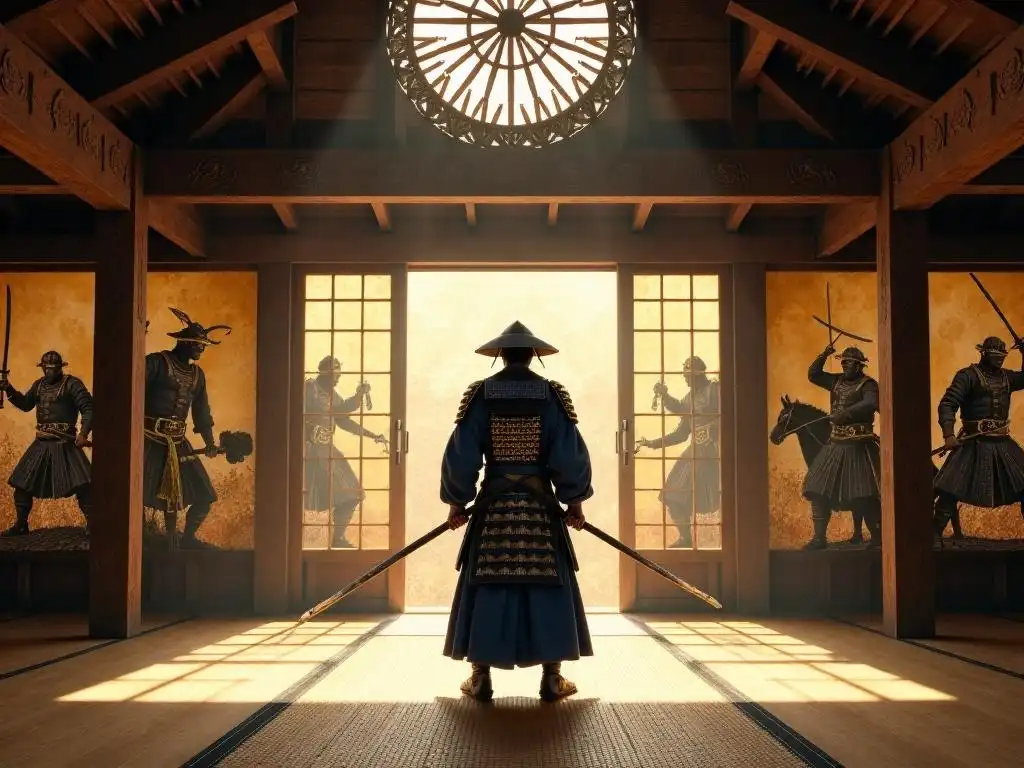
The role of weapons in Samurai culture transcended mere utility; they were integral to the identity, honor, and social standing of the Samurai class. In feudal Japan, ancient weapons such as the katana, tanto, and yari were more than tools for combat; they embodied the spirit and ethos of the Samurai. Each weapon carried significant symbolism and was often associated with the virtues upheld by the Samurai, including loyalty, courage, and respect.
The Code of Bushido and Its Relation to Weaponry
The Code of Bushido, or "the way of the warrior," was a moral and ethical code that governed the behavior of the Samurai. This code emphasized values such as honor, loyalty, and discipline, which were directly reflected in their approach to weaponry.
- Honor and Respect for Weapons: Samurai believed that their weapons, particularly the katana, were sacred. They referred to the katana as "Tachi" and treated it with the utmost respect. The act of drawing the sword was often accompanied by a ritualistic ceremony that underscored its significance.
- Training and Mastery: Mastery of weaponry was essential for a Samurai. The rigorous training in martial arts, particularly Kenjutsu (the art of swordsmanship), was not only about physical prowess but also spiritual development. The Samurai honed their skills through discipline, which aligned with the principles of Bushido.
- Weapons as Extensions of Self: In Bushido, weapons were seen as extensions of the Samurai's body and spirit. A well-crafted sword could reflect the Samurai's character and virtues. The relationship between a Samurai and their weapon was deeply personal, often leading to a strong bond that transcended the physical realm.
Rituals and Ceremonies Surrounding Weapons
Rituals and ceremonies played a crucial role in the lives of Samurai, particularly in relation to their ancient weapons. These customs were steeped in tradition and served to reinforce the reverence with which they regarded their tools of warfare.
- The Oath of Loyalty: Upon receiving a new weapon, a Samurai would often partake in a ceremony to pledge loyalty to their lord. This ritual solidified their commitment to serve and protect, further embedding the weapon into their identity as a warrior.
- The Tamashii (Spirit) Activation: A common belief was that the sword possessed a spirit. To activate the sword's tamashii, a ritualistic purification was performed, often involving offerings and prayers. This practice emphasized the spiritual connection between the Samurai and their weapon.
- Ceremonial Display: Samurai often displayed their weapons during significant events, such as the Seppuku ritual or during formal gatherings. This showcased their status and honor, reinforcing the cultural importance of ancient weapons in feudal Japan.
The Craftsmanship Behind Feudal Japan Ancient Weapons
The craftsmanship of feudal Japan ancient weapons is renowned for its meticulous attention to detail and the blend of artistry with functionality. The creation of these weapons was a sacred art form, involving skilled artisans known as Tōkō (swordsmiths).
- Materials and Techniques: Traditional Japanese swords were crafted from high-carbon steel, allowing for a fine edge while maintaining durability. The forging process involved folding the steel multiple times, a technique that not only enhanced strength but also created unique patterns known as Hada.
- Symbolism in Design: Each element of a Samurai's weapon bore significance. The tsuba (guard) often featured intricate designs that conveyed personal or familial symbolism. The choice of materials for the hilt and scabbard also reflected the warrior’s status and aesthetic preferences.
- Legacy of Craftsmanship: The legacy of feudal Japan's weaponry craftsmanship endures today, with many modern artisans striving to replicate the techniques of their ancestors. The continued appreciation of these ancient weapons serves as a testament to their cultural and historical importance, showcasing the mastery and dedication of the craftsmen who created them.
The role of weapons in Samurai culture was multifaceted, intertwined with the ethical framework of Bushido, enriched by rituals that honored their significance, and celebrated through extraordinary craftsmanship. The legacy of feudal Japan ancient weapons continues to resonate within the realms of martial arts and military history.
Comparison of Feudal Japan Ancient Weapons with Other Cultures
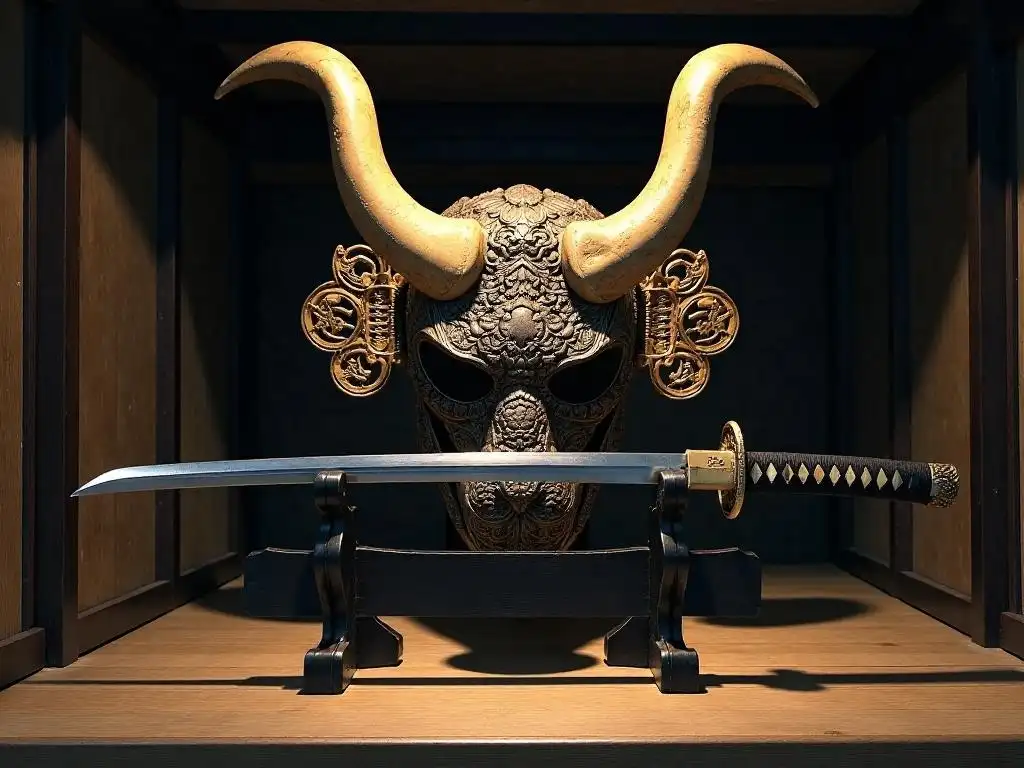
Samurai Weapons vs. European Knights' Weapons
The weaponry of feudal Japan, particularly that of the samurai, is often compared to the arms used by European knights during the medieval period. While both cultures developed formidable weapons systems, their designs, purposes, and cultural significance varied greatly.
- Sword Design and Functionality
- Katana: The katana, a curved, single-edged sword, is perhaps the most iconic weapon of the samurai. Crafted with high-carbon steel, its design allowed for swift, slashing attacks. The katana's aesthetics and craftsmanship were deeply rooted in Japanese culture, symbolizing honor and status.
- Longsword: In contrast, the European longsword, typically straight and double-edged, was designed for both cutting and thrusting. Its versatility allowed knights to engage in various combat scenarios, from mounted charges to ground combat.
- Materials and Techniques
- Japanese Metallurgy: Samurai weapons were often made using traditional techniques such as folding and differential hardening. The result was a blade that was incredibly strong yet flexible, ideal for the rigors of combat.
- European Blacksmithing: European knights’ weapons were forged using different techniques, resulting in heavier, more robust blades. The focus was on durability and the ability to withstand the brutalities of armor-clad combat.
- Additional Weapons
- Naginata and Yari: Samurai also utilized the naginata (a polearm) and yari (spear), which provided reach and versatility in battle. These weapons were essential for different combat situations, allowing samurai to fight effectively against multiple foes.
- Polearms in Europe: European knights also employed a variety of polearms, such as halberds and pikes, which were crucial during formations and battles, especially against cavalry.
While both samurai and European knights wielded advanced weaponry for their times, their design, usage, and cultural significance reflected the unique martial traditions of their respective societies. The samurai’s focus on individual combat skills and the spiritual aspects of the katana contrasted with the knight’s emphasis on heavy armor and battlefield formations.
The Role of Weaponry in Different Feudal Societies
Weaponry played a pivotal role in shaping the social and political landscapes of feudal societies around the world. In feudal Japan, ancient weapons were not just tools of war; they represented status, tradition, and the samurai’s way of life.
- Symbol of Status and Identity
- The Samurai Code: The katana was viewed as an extension of the samurai's soul. The practice of wearing two swords (daisho) symbolized the samurai's social status and adherence to bushido, the way of the warrior.
- Knightly Honor: In Europe, a knight's armament, including their sword and armor, was a marker of nobility. The ceremonial presentation of a sword during a knight's investiture underscored the importance of weaponry in their social identity.
- Cultural Influences on Warfare
- Feudal Japan: The samurai’s martial arts evolved alongside their weaponry, emphasizing precision, discipline, and technique. The training was not solely about combat; it also fostered a sense of honor and loyalty to one's lord.
- Medieval Europe: Knights trained in chivalric codes and martial skills, reflecting a society where warfare was often tied to land ownership and feudal obligations. This relationship between warrior and landowner was central to the medieval social structure.
- Impact on Warfare Tactics
- Japanese Warfare: Samurai weapons influenced unique strategies, such as ambush tactics and individual combat prowess. The emphasis on mobility and adaptability in battle was crucial for the samurai, especially in the dense forests of Japan.
- European Tactics: Knights typically fought in formation, utilizing heavy cavalry charges and the coordinated use of infantry. The evolution of weaponry such as the crossbow and longbow also shifted strategies significantly, demonstrating the interdependence of technology and tactics.
The role of weaponry in feudal Japan and other feudal societies was multifaceted, deeply intertwined with cultural values, social structures, and military strategies. Understanding these aspects provides valuable insight into the evolution of martial arts and warfare during this pivotal era in history.
Conclusion: The Legacy of Feudal Japan Ancient Weapons
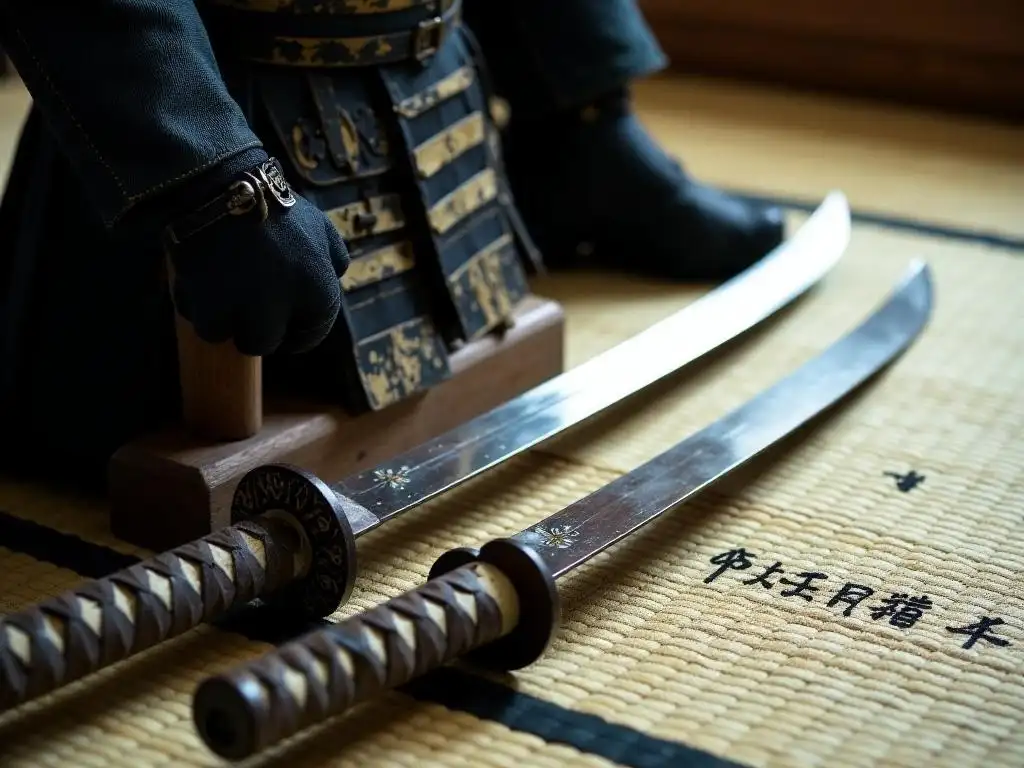
The legacy of feudal Japan's ancient weapons extends far beyond the battlefield; they have profoundly influenced various aspects of Japanese culture, martial arts, and even global perceptions of Japanese history. The intricate craftsmanship, strategic importance, and symbolic significance of these weapons reflect the complex societal structures and values of the time. As we explore this legacy, it becomes evident that these ancient tools were not just instruments of war but also embodiments of artistry and philosophy.
Lasting Influence on Modern Martial Arts
The weapons used by feudal Japanese warriors, such as the katana, naginata, and yumi, have left a lasting imprint on modern martial arts. Many contemporary Japanese martial arts, collectively known as Budo, draw heavily from the techniques and philosophies developed during the feudal era.
- Katana (刀): The katana remains a symbol of the samurai spirit and is prominently featured in various martial arts forms, including Kendo and Iaido. Practitioners study the historical techniques of drawing and cutting, honing their skills in both physical and mental discipline.
- Naginata (薙刀): This polearm, once a weapon for foot soldiers and women in the samurai class, is practiced today in Naginatajutsu. The art emphasizes fluid movement and the combination of striking and sweeping techniques, showcasing the weapon’s versatility.
- Yumi (弓): The traditional Japanese bow has evolved into Kyudo, a modern martial art that emphasizes precision, form, and mindfulness. Practitioners of Kyudo engage in a meditative process that reflects the spiritual connection between the archer and the bow.
Through these martial arts, the techniques, philosophies, and aesthetics of feudal Japan ancient weapons continue to thrive, preserving the historical context and cultural significance in modern society.
Preservation of Historical Weapons in Japanese Culture
In Japan, the preservation of historical weapons is not only a matter of cultural heritage but also a testament to the craftsmanship of the artisans who created them. The following aspects highlight how these ancient weapons are revered and maintained in contemporary culture:
- Museums and Exhibitions: Numerous museums across Japan, such as the Tokyo National Museum and the Samurai and Japanese Weapons Museum, showcase an extensive collection of ancient weapons. These institutions play a crucial role in educating the public about the historical context and significance of these artifacts.
- Traditional Craftsmanship: The art of sword-making, particularly the forging of katanas, is recognized as a UNESCO Intangible Cultural Heritage. Master craftsmen, known as Tōkō, continue to practice this ancient art, adhering to traditional methods passed down through generations. Their work not only preserves the techniques but also ensures the quality and authenticity of these weapons.
- Cultural Events and Festivals: Various cultural events, such as the Kanto Matsuri and Buddhist ceremonies, often feature ancient weapons as part of their rituals and displays. These events serve to honor the martial traditions and keep the spirit of the samurai alive in the collective memory of the Japanese people.
The ancient weapons of feudal Japan hold a significant place in the nation's history and culture. Their influence on modern martial arts and the dedicated efforts to preserve these historical artifacts ensure that the legacy of feudal Japan's ancient weapons continues to resonate with future generations.
References and Further Reading on Feudal Japan Ancient Weapons
Recommended Books and Articles for In-Depth Study
For those keen on delving deeper into the intricate world of feudal Japan ancient weapons, a selection of comprehensive books and articles can provide invaluable insights. Here are some highly recommended readings:
- "Samurai Weapons: A Modern Study of the Ancient Art of the Samurai" by John M. Koller
- This book offers an in-depth analysis of the weapons used by samurai, detailing their construction, usage, and historical significance.
- "The Book of Five Rings" by Miyamoto Musashi
- Although primarily a philosophical text, Musashi’s treatise on strategy includes valuable insights into the martial practices and weaponry of the samurai era.
- "Japanese Swordsmanship: Technique and Practice" by Donn F. Draeger
- Draeger’s work explores various forms of Japanese swordsmanship, including the evolution of the katana and its use in combat.
- "The Samurai: A Military History" by Stephen Turnbull
- This book provides a broader historical context of the samurai, including their weapons, battles, and the evolution of martial techniques.
- "Warriors of Japan as Portrayed in the War Tales" by Thomas D. Conlan
- Conlan examines historical texts and narratives to uncover the realities of warfare in feudal Japan, highlighting the weapons and strategies employed.
Online Resources for Exploring Feudal Japan’s Military History
The digital realm also offers a plethora of resources for enthusiasts eager to explore feudal Japan ancient weapons. Here are some notable online platforms:
- The Samurai Archives
- A comprehensive database of articles and essays focused on samurai history, including discussions on various weapons and their tactical uses.
- The Japan Times: Military History
- This publication frequently features articles on Japan's military past, providing insights into weaponry and combat tactics of the feudal era.
- National Museum of Japanese History
- The museum's website includes a section dedicated to the history of arms and armor in Japan, showcasing artifacts and offering educational resources.
- Kenshi 24/7
- An online community and resource hub for martial arts enthusiasts, featuring articles and forums discussing traditional Japanese weapons and their techniques.
- YouTube Channels: Historical Martial Arts
- Channels like "Kenshi: The Art of the Sword" and "Martial Arts Journey" often explore historical weapon techniques and the significance of various arms in feudal Japan.
By utilizing these resources, readers can gain a comprehensive understanding of the feudal Japan ancient weapons and their roles in shaping the martial landscape of the era.
Frequently Asked Questions
What types of ancient weapons were commonly used by feudal Japanese warriors?
Feudal Japanese warriors primarily utilized katanas, naginatas, and yari (spears). Each weapon had its own purpose, with the katana being especially renowned for its craftsmanship and effectiveness in close combat.
How did the design of feudal Japan's weapons evolve over time?
The design of weapons in feudal Japan evolved significantly due to advancements in metallurgy and warfare techniques. This led to more effective and durable weapons, reflecting changes in tactics and the needs of the samurai class.
What role did armor play in conjunction with ancient weapons during battles?
Armor was crucial for protection in battle, complementing ancient weapons by allowing warriors to engage more effectively while minimizing injury. The combination of armor and weapons dictated combat strategies and influenced the outcome of conflicts.
Were there any ceremonial weapons in feudal Japan?
Yes, ceremonial weapons existed, often used in rituals or as symbols of status. These weapons, like the daisho (the paired katana and wakizashi), were significant in demonstrating a samurai's rank and commitment to the bushido code.
How did feudal Japan's warfare influence the development of its weapons?
Feudal Japan's warfare drove the need for more efficient and specialized weapons, leading to innovations such as the tanto and tachi. The constant state of conflict spurred technological advancements that shaped the military landscape of Japan.
Final Reflection: The Enduring Legacy of Feudal Japan's Ancient Weapons
The exploration of feudal Japan's ancient weapons reveals not only the ingenuity of their design but also the profound cultural significance they held in shaping the values and identity of a society. Today, as we navigate a world increasingly defined by technology and modern warfare, the lessons learned from these ancient tools resonate more than ever. The craftsmanship and strategic thinking behind these weapons remind us of the importance of understanding our history and the legacies that continue to influence contemporary martial practices and philosophies.
Cultural narratives surrounding feudal Japan's ancient weapons have left an indelible mark on our collective consciousness, influencing everything from modern martial arts to popular media. The stories of samurai honor and the artistry of weapon-making serve as a bridge connecting us to a time when honor, discipline, and skill were paramount. As the renowned philosopher Miyamoto Musashi once said, The ultimate aim of martial arts is not having to use them.
This quote encapsulates the essence of these ancient weapons, highlighting their role not just as tools of war, but as symbols of a deeper understanding of conflict and resolution.
As we reflect on the significance of feudal Japan's ancient weapons, I invite you to consider how these lessons can be applied in your own life. Embrace the discipline, respect, and honor that these warriors embodied, and let them inspire you to navigate your own challenges with grace and skill. Whether in personal endeavors or professional pursuits, the spirit of the samurai can guide us to become more thoughtful and intentional in our actions, reminding us that true strength lies not in the weapons we wield, but in the values we uphold.
Unveil the Spirit of the Samurai!
Thank you for journeying with us through the fascinating world of ancient Japanese weapons. We hope you've discovered the rich history behind these remarkable tools of the feudal warriors that shaped Japan's legacy. Now, it's time to take action and deepen your connection with this captivating culture!
Here are some steps you can take to further explore this world:
- Dive deeper into the craftsmanship of various weapons by visiting a local museum or exploring virtual exhibitions online.
- Share your newfound knowledge by inviting friends to join you in a discussion or posting on social media about your favorite weapon and its significance.
- Participate in a historical reenactment group or class to experience the martial arts that honor these ancient skills and techniques.
How do you plan to incorporate what you've learned about these fascinating tools into your understanding of Japanese history? Let's share our thoughts in the comments below!