
The Culinary Influence of the Samurai: Dishes to Bring History to Your Kitchen

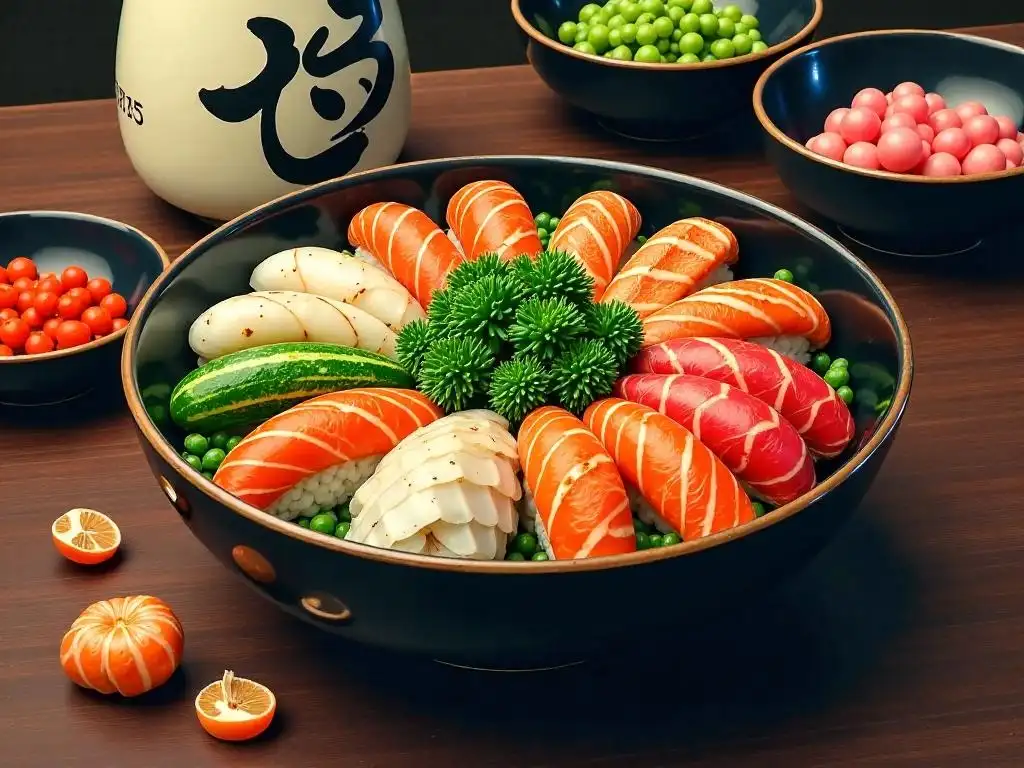
Welcome to Feudal Japan History, where we invite you to embark on a captivating journey through the intricate tapestry of Japan’s feudal era. As you delve into our latest article, “The Culinary Influence of the Samurai: Dishes to Bring History to Your Kitchen,” prepare to uncover the unique samurai culinary traditions that not only shaped the palate of a nation but also tell the story of its rich cultural heritage. What secrets lie behind the recipes that have stood the test of time?
Join us as we explore the intersection of history and cuisine, and discover how the legacy of the samurai continues to inspire modern Japanese cooking. Your adventure in flavor and history awaits!
Introduction to Samurai Culinary Traditions in Japan
The samurai, often romanticized as noble warriors of Japan's feudal era, played a pivotal role not only in warfare but also in shaping the culinary landscape of the nation. Their eating habits, food preferences, and cooking techniques reflect a fascinating interplay of cultural values and historical circumstances.
In this article, we will embark on a journey to explore samurai culinary traditions in Japan, uncovering the dishes that can bring a taste of history into your modern kitchen. Through a comprehensive examination of their food practices, we will highlight how these traditions influenced contemporary Japanese cuisine and offer practical recipes that allow you to experience a slice of the samurai lifestyle.
Understanding Samurai Culinary Traditions
Samurai culinary traditions are deeply rooted in the social, political, and economic fabric of feudal Japan. They embody not just what was consumed, but the very essence of samurai culture, including their discipline, aesthetics, and connection to nature.
Historical Context of Samurai Food Practices
The samurai emerged during the late Heian period (794-1185) and became prominent by the Kamakura period (1185-1333). The rise of this warrior class coincided with significant changes in agriculture and trade, which directly influenced their dietary habits. Samurai were often landowners and had access to high-quality ingredients, allowing them to enjoy a diverse diet.
- Staples: Rice was the primary staple, symbolizing prosperity and status.
- Proteins: Fish, game, and domesticated animals featured prominently, reflecting their martial lifestyle and hunting skills.
- Seasonal Influences: The samurai's diet varied with the seasons, emphasizing fresh and local produce.
This historical context sets the foundation for understanding the intricate relationship between samurai and their food, revealing how their culinary choices were influenced by their societal roles and the natural environment.
The Philosophy Behind Samurai Cooking
At the heart of samurai culinary traditions lies a philosophy that extends beyond mere sustenance. The preparation and presentation of food were seen as an art form, embodying principles of wabi-sabi, which celebrates simplicity and impermanence.
- Mindfulness: Cooking was considered an act of meditation, where attention to detail was paramount.
- Aesthetic Presentation: The visual appeal of a dish was as important as its taste, reflecting the samurai's appreciation for beauty in all forms.
- Connection to Nature: Ingredients were often chosen based on their seasonal availability, promoting harmony with nature.
This philosophical approach not only enriched the samurai's dining experience but also laid the groundwork for the culinary practices that continue to influence Japanese cuisine today.
In the following sections, we will delve deeper into specific samurai dishes that you can recreate at home, allowing you to connect with this rich historical tradition through the flavors of feudal Japan.
Essential Samurai-Inspired Dishes to Cook Today
The culinary traditions of the samurai are rich and varied, reflecting the values and lifestyle of these noble warriors. From hearty hot pots to delicate sushi, these dishes not only offer a taste of history but also provide an opportunity to bring the flavors of feudal Japan into your modern kitchen. Here are some essential samurai-inspired dishes to recreate at home:
1. Shabu-Shabu: The Art of Hot Pot
Shabu-shabu is a traditional Japanese hot pot dish that embodies the communal spirit of dining, which was important among samurai families. Originating in the 20th century but drawing on centuries of similar cooking techniques, shabu-shabu features thinly sliced beef or pork, cooked quickly in a pot of simmering broth.
To prepare shabu-shabu:
- Ingredients:
- Thinly sliced meat (beef or pork)
- A variety of vegetables (napa cabbage, mushrooms, carrots)
- Tofu and udon noodles
- Dipping sauces (ponzu or sesame sauce)
- Method:
- Heat a pot of dashi (Japanese soup stock) on the stove.
- Each diner cooks their meat and vegetables by swishing them in the hot broth until done.
- Serve with dipping sauces for a flavorful experience reminiscent of samurai gatherings.
This dish reflects the samurai's appreciation for simplicity and quality, with fresh ingredients taking center stage.
2. Sushi: A Delicacy of the Samurai
Sushi has evolved significantly from its origins as a method of preserving fish in fermented rice. During the Edo period, sushi became a popular street food in Japan, with variations that catered to the samurai's refined palate.
To make basic sushi at home:
- Ingredients:
- Sushi rice
- Fresh fish (like salmon, tuna, or eel)
- Nori (seaweed sheets)
- Vegetables (cucumber, avocado)
- Soy sauce for serving
- Method:
- Cook sushi rice and season with rice vinegar, sugar, and salt.
- Place a sheet of nori on a bamboo mat, spread rice evenly, and layer fish and vegetables.
- Roll tightly and slice into pieces.
This dish offers a glimpse into the samurai's sophisticated culinary tastes and their appreciation for aesthetics in food presentation.
3. Soba Noodles: The Samurai's Favorite
Soba noodles, made from buckwheat, were a staple in the samurai diet due to their nutritional benefits and versatility. They are often served chilled with dipping sauce in the summer or hot in a broth during winter months.
To prepare soba noodles:
- Ingredients:
- Soba noodles
- Dashi broth
- Green onions, tempura, or seaweed for garnish
- Method:
- Boil the soba noodles according to package instructions, rinse under cold water if serving chilled.
- For hot soba, prepare a dashi broth and add the noodles.
- Garnish with green onions and serve.
Soba reflects the samurai's connection to nature and the importance of seasonal ingredients, making it a beloved dish throughout the ages.
4. Tataki: The Samurai's Quick-seared Meat
Tataki is a style of preparing meat that involves briefly searing it over high heat and then slicing it thinly. This technique was favored by samurai due to its quick cooking method, preserving the meat’s natural flavors.
To create tataki at home:
- Ingredients:
- A cut of beef (like tenderloin)
- Soy sauce, mirin, and vinegar for marinade
- Green onions, ginger, and garlic for garnish
- Method:
- Marinate the meat for a few hours.
- Sear the meat quickly on all sides in a hot pan, then let it rest.
- Slice thinly and serve with dipping sauce and garnishes.
Tataki not only highlights the samurai's skill in the kitchen but also their appreciation for high-quality ingredients and bold flavors.
The Influence of Samurai on Modern Japanese Cuisine
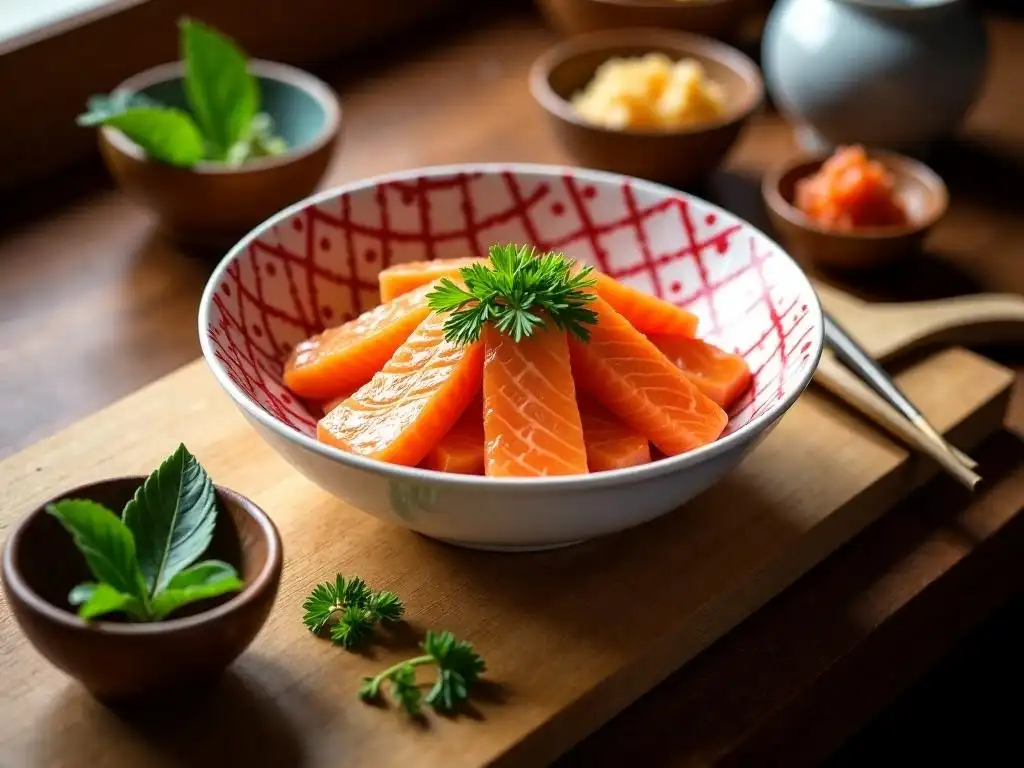
The culinary traditions of the samurai have left an indelible mark on modern Japanese cuisine. Their emphasis on seasonality, quality ingredients, and presentation continues to influence chefs and home cooks alike.
How Samurai Culinary Traditions Shape Contemporary Dishes
Today, many contemporary Japanese dishes are rooted in samurai culinary practices. For instance, the use of fresh, seasonal ingredients and simple yet elegant preparation techniques can be traced back to these warriors’ kitchens. The samurai's influence is evident in:
- Cooking Techniques: Methods like tataki and the hot pot style of shabu-shabu remain popular, showcasing a blend of tradition and innovation.
- Presentation: The samurai's attention to aesthetics is mirrored in modern sushi and kaiseki (multi-course) meals, where visual appeal is as important as taste.
- Dietary Preferences: The focus on balance and nutrition in samurai meals informs modern dietary trends that prioritize whole foods and balanced diets.
The culinary legacy of the samurai continues to inspire and shape the way we experience Japanese cuisine today, making it a fascinating journey from the past to the present. 🍣🍜
Conclusion: Bringing Samurai Culinary Traditions to Your Kitchen
The culinary traditions of the samurai offer a fascinating glimpse into the intersection of culture, history, and cuisine in feudal Japan. By exploring these dishes, you not only get to savor the flavors that once fueled the warriors of the past but also connect with the rich heritage that shaped modern Japanese cuisine. Embracing samurai culinary traditions allows you to recreate meals that are steeped in history, providing a unique dining experience that honors these noble figures.
To successfully bring samurai culinary traditions into your kitchen, consider focusing on the essential ingredients and techniques that defined their cooking. Emphasize fresh, seasonal produce, local grains, and protein sources like fish and game. Incorporating traditional cooking methods such as grilling, simmering, and fermenting can elevate your dishes, allowing you to experience the authenticity of samurai meals.
In addition, don't hesitate to experiment with presentation. The samurai valued aesthetics in their meals, reflecting their disciplined way of life. Create visually appealing plates that showcase the beauty of the ingredients, and remember to use your dining space as an extension of the meal itself. Through this approach, you’ll not only enjoy a historical culinary journey but also gain insight into the values and philosophies that guided the samurai.
Additional Resources for Samurai Culinary Exploration
To further delve into the world of samurai culinary traditions, consider exploring the following resources that provide insights, recipes, and historical context:
- Books:
- The Samurai Cookbook: Recipes from Japan's Warrior Class - A deep dive into recipes and cooking techniques used by samurai.
- Japanese Cooking: A Simple Art by Shizuo Tsuji - An excellent resource for understanding fundamental Japanese cooking techniques and ingredients.
- Online Courses:
- Websites like Udemy and MasterClass offer courses on Japanese cooking, including traditional dishes that have samurai roots.
- Documentaries and Shows:
- Jiro Dreams of Sushi - While focused on sushi, this documentary gives an insight into the meticulous techniques that mirror samurai discipline.
- Cooked (Netflix) - This series explores food through the lens of culture and tradition, featuring episodes that touch upon Japanese culinary practices.
- Culinary Workshops:
- Look for local cooking classes that specialize in Japanese cuisine. Many chefs emphasize traditional methods that can enhance your understanding of samurai culinary practices.
By utilizing these additional resources, you can expand your knowledge and skills, immersing yourself fully in the rich culinary tapestry that the samurai contributed to Japan’s cultural heritage. Happy cooking! 🥢🍚
- Introduction to Samurai Culinary Traditions in Japan
- Understanding Samurai Culinary Traditions
- Essential Samurai-Inspired Dishes to Cook Today
- The Influence of Samurai on Modern Japanese Cuisine
- Conclusion: Bringing Samurai Culinary Traditions to Your Kitchen
- Additional Resources for Samurai Culinary Exploration
Frequently Asked Questions
What are samurai culinary traditions in Japan?
Samurai culinary traditions refer to the unique cooking styles and dishes developed during Japan's feudal era, influenced by the values of honor, discipline, and aesthetic appreciation of the samurai class.
How did samurai culture influence Japanese cuisine?
The samurai culture emphasized simplicity and seasonality in food, leading to the development of dishes that reflect nature's bounty and elegance, incorporating seasonal ingredients and artistic presentation.
What are some traditional dishes associated with samurai?
Traditional dishes include soba noodles, dashi broth, and pickled vegetables, which were not only nutritious but also aligned with the samurai's lifestyle and values, promoting health and strength.
Are there modern interpretations of samurai cuisine?
Yes, many modern chefs draw inspiration from samurai culinary traditions, creating fusion dishes that combine historical recipes with contemporary techniques while maintaining the spirit of simplicity and balance.
How can I incorporate samurai culinary traditions into my cooking?
To bring samurai culinary traditions into your kitchen, focus on using seasonal ingredients, embrace minimalist presentation, and explore traditional recipes to create a dining experience that honors the heritage and philosophy of the samurai.
Final Reflection: Embracing the Culinary Legacy of the Samurai
The culinary traditions of the samurai are not merely relics of the past; they are vibrant threads that weave through the fabric of modern Japanese cuisine. Today, as we explore the rich history of samurai culinary practices, we uncover a profound connection between food, culture, and identity. The dishes that once nourished warriors now invite us to experience a deeper understanding of Japan's heritage and the values that shaped it. In a world increasingly disconnected from its roots, the samurai's culinary legacy serves as a reminder of the importance of honoring tradition while embracing innovation.
Culinary practices are a reflection of society's evolution, and the samurai's influence continues to resonate in contemporary Japanese cooking. The meticulous attention to detail, the emphasis on seasonal ingredients, and the artistry of presentation are all hallmarks of samurai traditions that have transcended time. As we savor these dishes, we are reminded of the words of renowned chef Masaharu Morimoto: Food is not just about nourishment; it is about culture, history, and the stories we tell.
This sentiment encapsulates the ongoing impact of samurai culinary traditions, which continue to inspire chefs and home cooks alike to create dishes that honor the past while celebrating the present.
As you reflect on the culinary influence of the samurai, consider how you can incorporate these timeless traditions into your own kitchen. Challenge yourself to explore new flavors, techniques, and presentations that pay homage to this rich history. By doing so, you not only enrich your culinary repertoire but also forge a deeper connection with the cultural narratives that shape our world. Let the samurai's legacy inspire you to create meals that tell a story, bridging the gap between the past and the future, one dish at a time.
Unleash Your Inner Samurai in the Kitchen!
Thank you for diving into the fascinating world of samurai culinary traditions! We've explored how their rich heritage and unique flavors can transcend time and bring a taste of history right to your table. Now it's your turn to take action and transform your cooking experience!
- Recreate a traditional samurai dish at home. Try your hand at making miso soup or a classic rice dish that reflects the simplicity and depth of samurai cuisine.
- Explore local Japanese markets to find authentic ingredients. Connect with your community and discover rare spices, sauces, or vegetables that can elevate your dishes.
- Share your creations with fellow food enthusiasts! Post your culinary masterpieces on social media or invite friends for a themed dinner night to celebrate samurai culture together.
What dish will you prepare first to embark on your culinary adventure inspired by the samurai?