
Women in Power: The Hidden Figures of Kamakura Governance

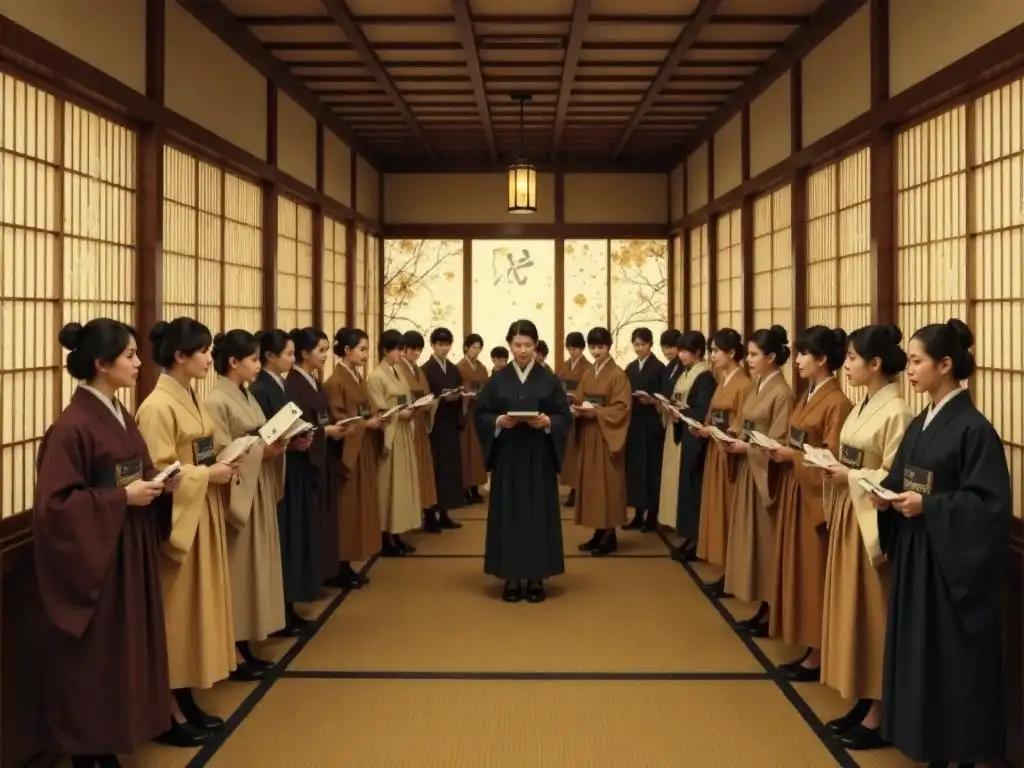
Welcome to Feudal Japan History, where we unravel the intricate tapestry of Japan’s feudal era, revealing the compelling stories that shaped its past. In our featured article, “Women in Power: The Hidden Figures of Kamakura Governance,” we delve into the often-overlooked influence of women during a pivotal time in history. Who were these remarkable figures, and how did they navigate the complexities of power in a male-dominated society?
Join us as we explore the nuanced roles that women played in Kamakura governance, and uncover the secrets that lie within this fascinating chapter of political history. Your journey into the depths of feudal Japan awaits—let's dive in!
-
Women in Kamakura Governance: The Hidden Figures of Kamakura Governance
- Introduction to Women in Kamakura Governance
- Historical Context of Kamakura Governance
- Prominent Women in Kamakura Governance
- Women as Advisors and Strategists
- Societal Perceptions of Women in Governance
- The Legacy of Women in Kamakura Governance
- Conclusion: The Importance of Acknowledging Women in Kamakura Governance
-
Frequently Asked Questions
- What role did women play in Kamakura Governance?
- How did the societal norms of the Kamakura period affect women?
- Can you name any notable women from the Kamakura era?
- What were the barriers to women's participation in government during this time?
- How has the perception of women in Kamakura Governance changed over time?
- Final Reflection: Unveiling the Strength of Women in Kamakura Governance
- Unveil the Legacy of Women in Governance!
The Kamakura period (1185-1333) marks a significant chapter in Japanese history, characterized by the establishment of the Kamakura Shogunate and the emergence of a new political structure that influenced the social fabric of the era. While much emphasis has traditionally been placed on the male-dominated figures of this time, such as Minamoto no Yoritomo and his successors, a closer examination reveals that women played a crucial yet often overlooked role in governance and political maneuvering.
This article delves into the multifaceted roles of women in Kamakura governance, exploring their influence and contributions within a patriarchal society. By highlighting the hidden figures of this period, we aim to shed light on how these women navigated the intricacies of power, thus enriching our understanding of political history during the Kamakura era.
Introduction to Women in Kamakura Governance
Women in Kamakura governance were not merely passive figures; they wielded significant influence in various capacities. Their contributions ranged from managing family estates to participating in political alliances through marriage and diplomacy. This section will explore the distinct roles and impacts of women within the governance framework of the Kamakura period, illustrating how they shaped political landscapes from behind the scenes.
Historical Context of Kamakura Governance
The Kamakura period emerged after the Genpei War, a conflict that established the Minamoto clan's dominance over Japan. This era saw the rise of the samurai class and a shift from imperial rule to a feudal system, where power was decentralized. The Kamakura Shogunate established a new governance structure that prioritized military strength and loyalty. Understanding this historical context is vital to comprehending the roles women played in this transformative period.
The Role of Women in Feudal Japan
Women in feudal Japan, particularly during the Kamakura period, often held positions of power and influence that were not formally recognized. They managed household affairs, acted as regents, and sometimes even led military campaigns in the absence of male counterparts. Notable figures such as Hojo Masako, the wife of the first shogun, exemplify how women could navigate the complexities of power. By engaging in political alliances and influencing key decisions, women often became pivotal players in the governance of their clans and the broader political arena.
Governance Structure of the Kamakura Shogunate
The governance structure of the Kamakura Shogunate was characterized by a blend of military and administrative elements. At its core were the shogun and the samurai class, who maintained control over land and resources. However, women often played a significant role in mediating conflicts and ensuring the loyalty of vassals through familial ties. The interplay between male and female roles within this structure reveals a nuanced understanding of power dynamics, where women could exert influence despite societal constraints.
In this article, we will explore these themes in detail, providing a comprehensive understanding of the vital yet often unacknowledged contributions of women in Kamakura governance.
Prominent Women in Kamakura Governance
The Kamakura period (1185-1333) marked a significant shift in Japan's political landscape, characterized by the rise of the samurai class and the establishment of the shogunate. While primarily male-dominated, this era also witnessed the emergence of influential women who played crucial roles in governance, shaping policies and influencing key decisions. These women, often overlooked in historical narratives, contributed to the political fabric of feudal Japan as members of noble families, empresses, and strategic advisors. Their actions not only affected their immediate surroundings but also had lasting impacts on governance practices throughout the period.
Empresses and Political Influence
Empresses during the Kamakura period were not merely symbolic figures; they wielded considerable political power and influence. Figures like Empress Dowager Kōmyō (d. 1247) exemplified the political engagement of women in this era. As the mother of the reigning emperor, she played a pivotal role in the politics of the court, often acting as a mediator in disputes among noble factions. Her influence extended to the selection of powerful regents and advisors, thereby shaping the political landscape of the time.
Additionally, the concept of nyōbō (court ladies) was essential, as these women often acted as confidants and advisors to their male counterparts. Their proximity to power allowed them to sway decisions and offer counsel on governance matters. Though their roles were not formally recognized, the political maneuvering of empresses and court ladies underscored the importance of women's contributions to Kamakura governance.
Women in Samurai Families
Women in samurai families also played a vital role in governance and societal structure during the Kamakura period. As guardians of their family’s honor and legacy, these women were responsible for managing household affairs, which included overseeing land and resources. Marriages among samurai families were often strategic, aimed at forging alliances and strengthening political power. Women were integral to these alliances, as their familial ties could significantly influence the balance of power.
Moreover, samurai women were sometimes directly involved in military affairs, especially during times of conflict. They were trained in the arts of warfare and could defend their homes and families when necessary. This dual role of managing domestic responsibilities while being prepared for combat illustrates the multifaceted nature of women’s roles in the governance of feudal Japan.
Women as Advisors and Strategists
Women in the Kamakura period often served as advisors and strategists, contributing to the political decision-making process at various levels. Their insights, derived from their unique perspectives and experiences, provided valuable guidance to the male leaders of the time. The presence of female advisors in the court and among samurai families was a testament to their capabilities and the respect they commanded within their communities.
The Importance of Female Advisors
The significance of female advisors cannot be understated. Women like nyōbō and noble women possessed a wealth of knowledge about court politics and familial dynamics. Their ability to navigate the complex social hierarchies of the time enabled them to offer strategic advice that was often overlooked by their male counterparts. These women acted as intermediaries, facilitating communication between factions and helping to diffuse tensions in an era rife with power struggles.
The inclusion of women in advisory roles also reflects a broader understanding of governance that transcended gender norms. It highlights a recognition that wisdom and strategy were not exclusive to men, and that women could significantly enhance decision-making processes within the governance framework of the Kamakura shogunate.
Case Study: Shoni Kiyoko
One of the most notable female figures in Kamakura governance is Shoni Kiyoko, a member of the prominent Shoni clan. Kiyoko’s influence extended beyond conventional expectations of women at the time. She was not only a skilled diplomat but also an astute strategist. After the death of her husband, she took on a leadership role within her clan, managing its affairs and maintaining its political standing amidst the tumultuous power dynamics of the period.
Kiyoko’s contributions to governance included negotiating alliances and fostering relationships with other clans, which were essential for the stability of her family’s power. Her ability to navigate the male-dominated political landscape exemplified how women could leverage their familial connections and personal skills to impact governance.
The hidden figures of Kamakura governance reveal a rich tapestry of women's roles that went beyond traditional confines. Their influence as empresses, samurai women, advisors, and strategists played a critical part in shaping the political history of feudal Japan. Recognizing these contributions is essential for a comprehensive understanding of the complexities of governance during the Kamakura period.
Societal Perceptions of Women in Governance
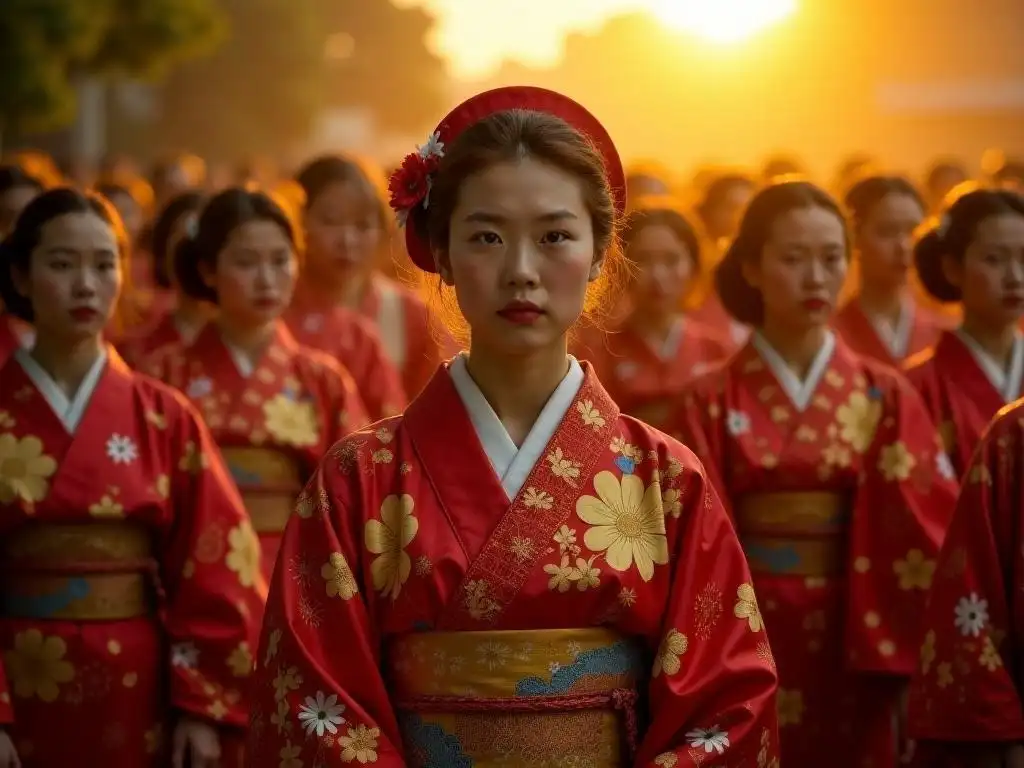
During the Kamakura period (1185-1333), societal perceptions of women in governance were complex and often contradictory. While the samurai class predominantly viewed women as caretakers of the home and family, some women wielded significant influence behind the scenes. The patriarchal structure of Japanese society emphasized male authority, yet women's roles were not entirely limited to domestic spheres. Women from noble families could exert power through marriage alliances and familial connections, often acting as intermediaries in political negotiations.
In the context of governance, women were sometimes seen as symbols of loyalty and virtue, embodying the ideals of the family unit. This perception allowed certain women to transcend their expected roles, particularly if they belonged to prominent lineages. For example, the wife of a shogun or a powerful lord could command respect and influence decisions, although their power was largely indirect.
Additionally, women were responsible for managing household affairs, which included overseeing the family's finances and maintaining relationships with vassals and allies. This management role, though not formal governance, was essential in maintaining stability and support within the feudal hierarchy.
Cultural Attitudes Toward Women in Power
The cultural attitudes towards women in power during the Kamakura period were heavily influenced by prevailing Confucian ideals, which emphasized male dominance and female submissiveness. However, there were notable exceptions in certain contexts. Women like Hojo Masako, a prominent figure in Kamakura governance, challenged these norms through their actions. Masako, the wife of the first shogun, Minamoto Yoritomo, played a crucial role in political affairs, especially during the regency of her son, Yoriie.
Literature and arts from the period also provide insights into the cultural narratives surrounding women. While many tales reinforced the subservient role of women, others celebrated strong female figures who were capable of leadership and influence. The duality of these portrayals highlights the tension between traditional gender roles and the realities of women's capabilities in governance. Moreover, historical texts often reflected the biases of their authors, leading to a skewed understanding of women's contributions during this era.
Challenges Faced by Women in Kamakura Governance
Despite the potential for influence, women in Kamakura governance faced numerous challenges that limited their power. The primary obstacle was the deeply ingrained patriarchal structure of society, which often relegated women to secondary roles. Even those who held significant positions, such as regents or advisors, were frequently overshadowed by their male counterparts. This dynamic was evident in the political machinations of the Hojo clan, where women like Masako had to navigate a male-dominated political landscape while asserting their authority.
Additionally, the expectation to conform to societal norms meant that women often had to sacrifice their personal ambitions for the sake of family loyalty and stability. Marriages were commonly arranged for political advantage, shifting women's roles from potential leaders to pawns in larger power games. This lack of autonomy was a significant barrier to achieving formal governance roles. Furthermore, the threat of violence and conflict during the period posed risks, especially for women who sought to exert influence in turbulent times.
The Legacy of Women in Kamakura Governance
The legacy of women in Kamakura governance, while often overlooked, is significant in understanding the complexities of political power during this era. Women like Hojo Masako not only shaped the political landscape of their time but also set precedents for future generations. Their involvement in governance demonstrated that women could wield power and influence, albeit in subtle and often indirect ways.
Historical Impact on Subsequent Eras
The influence of women in Kamakura governance had lasting repercussions on Japanese political history. Their roles paved the way for future female figures who would emerge in later periods, such as empresses and shogunesses. The recognition of women’s capabilities in political maneuvering began to shift societal attitudes in subsequent eras, allowing for more visibility and acknowledgment of women's contributions. This gradual change laid the groundwork for the evolving roles of women in Japanese history, where they continued to assert influence despite systemic challenges.
Recognition in Modern Historical Discourse
In contemporary historical discourse, the contributions of women in Kamakura governance are gaining increased attention as scholars reevaluate the narratives of the past. Feminist historians are particularly interested in uncovering the hidden figures of history, bringing to light the stories of women who played significant roles in governance. As more research emerges, the complexity of women's experiences and their impact on political structures during the Kamakura period is being recognized and celebrated. This shift in historical perspective not only honors the legacy of these women but also encourages a more nuanced understanding of gender dynamics in feudal Japan.
Conclusion: The Importance of Acknowledging Women in Kamakura Governance
In the study of feudal Japan, particularly during the Kamakura period, it is crucial to recognize the significant yet often overlooked roles that women played in governance. While historical narratives frequently focus on male figures such as shoguns and samurai, the influence of women in political and social spheres cannot be dismissed. Their contributions shaped policies, influenced decisions, and often provided stability during turbulent times.
Women in Kamakura governance were not merely passive participants; they engaged actively in the political landscape. Figures such as Hojo Masako exemplify how women could wield power effectively, navigating the complexities of governance and familial alliances. This recognition challenges the conventional perspectives on power dynamics during the period, illustrating that authority was not solely a male domain.
By acknowledging the roles of women in Kamakura governance, historians can gain a more nuanced understanding of the era's political intricacies. It emphasizes the need to explore diverse narratives that include women's voices and experiences, enriching the historical discourse. Furthermore, it highlights the importance of examining social structures that allowed women to ascend to positions of influence, providing insights into the broader implications of gender roles in feudal Japan.
Ultimately, recognizing these hidden figures not only honors their contributions but also encourages a reevaluation of historical narratives. It fosters a more inclusive approach to understanding the governance of the Kamakura period, paving the way for future research that continues to uncover the layers of complexity within Japan's feudal history. Through this lens, we can appreciate the collaborative nature of governance and the interconnectedness of gender and power, which remains relevant in contemporary discussions about leadership and representation.
Frequently Asked Questions
What role did women play in Kamakura Governance?
Women in Kamakura Governance held significant, yet often overlooked roles, influencing political decisions and social dynamics through family connections and informal power structures.
How did the societal norms of the Kamakura period affect women?
During the Kamakura period, societal norms often limited women's public participation, but many women exerted influence through inheritance and marriage alliances, shaping the political landscape from behind the scenes.
Can you name any notable women from the Kamakura era?
Yes, figures like Hojo Masako and Kanzaki no Tsubone were influential in Kamakura governance, playing pivotal roles in both politics and the preservation of power within their families.
What were the barriers to women's participation in government during this time?
Barriers included patriarchal structures, limited access to formal education, and societal expectations that emphasized women's roles in the domestic sphere over political engagement.
How has the perception of women in Kamakura Governance changed over time?
Modern scholarship has increasingly recognized the impact of women in Kamakura Governance, shifting the narrative from a male-dominated view to acknowledging the critical roles women played in shaping history.
Final Reflection: Unveiling the Strength of Women in Kamakura Governance
The exploration of Women in Kamakura Governance reveals a profound truth about the often-overlooked contributions of women in shaping political landscapes. Today, as we navigate a world still grappling with gender inequality, the stories of these hidden figures resonate more than ever. Their resilience and influence remind us that the past is not merely a backdrop but a powerful force that continues to shape our present and future.
The impact of women in Kamakura governance extends far beyond historical accounts; it has woven itself into the fabric of our cultural and social identity. Their stories challenge the traditional narratives of power and authority, highlighting the essential roles women have played throughout history. As we reflect on their contributions, we can echo the words of historian Joan Wallach Scott: Gender is a primary way of signifying relationships of power.
This insight encourages us to recognize that the dynamics of power are not solely defined by gender, but rather by the intricate interplay of various identities and experiences.
As we conclude this exploration, I invite you to reflect on the lessons learned from the women of Kamakura governance. Consider how their courage and determination can inspire us to advocate for equality and representation in our own lives. Let their stories ignite a passion within you to challenge the status quo and uplift the voices of those who have been silenced. Together, we can honor their legacy by fostering a future where every individual, regardless of gender, has the opportunity to lead and influence the world around them.
Unveil the Legacy of Women in Governance!
Thank you for exploring the fascinating world of women in Kamakura governance with us! We hope you gained valuable insights into the remarkable yet often overlooked roles women played in shaping feudal Japan. Now, it’s time to take what you’ve learned and make it count!
Here are some actionable steps to deepen your connection to this intriguing historical narrative:
- Dive Deeper: Research a specific woman from Kamakura history and share her story on social media to highlight her contributions.
- Join the Conversation: Engage with local history groups or online forums to discuss how the roles of women in governance can inspire modern leadership.
- Create Awareness: Start a blog or vlog that focuses on pivotal historical figures, especially women, and their profound impact on society.
What insights have you uncovered about women's contributions to governance, and how might they inspire today’s leaders?