
Kamakura Governance and the Rise of the Merchant Class

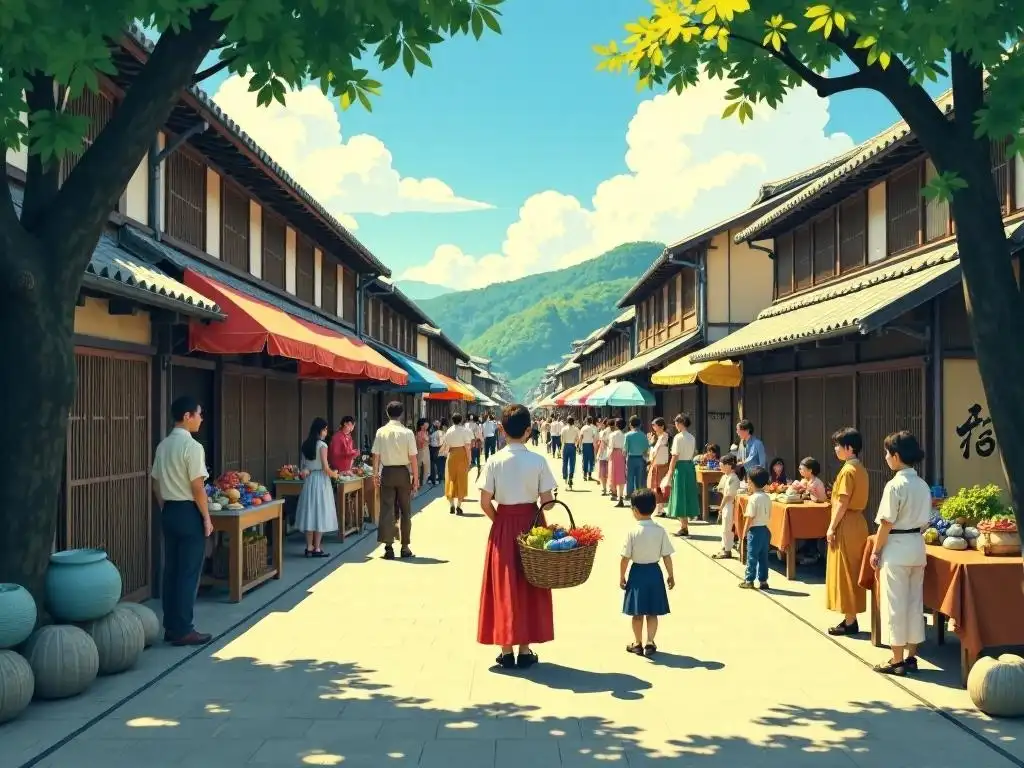
Welcome to Feudal Japan History, where we embark on a captivating journey through the intricate tapestry of Japan's feudal era. Dive into our latest article, "Kamakura Governance and the Rise of the Merchant Class," as we unravel the fascinating dynamics of the Kamakura period and the pivotal role merchants played in shaping society. What drove their rise amidst political upheaval?
Discover how these early entrepreneurs not only influenced commerce but also transformed the fabric of Japanese culture. Join us as we explore the untold stories of this remarkable time and ignite your curiosity about the merchant class's legacy in feudal Japan!
- Introduction to Kamakura Period Merchant Class History
- The Rise of the Merchant Class in Feudal Japan
- Governance Dynamics During the Kamakura Period
- The Merchant Class and Its Role in Society
- Challenges Faced by the Merchant Class
- The Legacy of the Merchant Class in Kamakura Period History
- Conclusion: The Significance of Kamakura Period Merchant Class History
- References and Further Reading on Kamakura Period Merchant Class History
- Frequently Asked Questions
- Final Reflection: The Enduring Legacy of the Kamakura Merchant Class
- Embrace the Legacy of Kamakura: Inspire Change Today!
Introduction to Kamakura Period Merchant Class History
The Kamakura period, spanning from 1185 to 1333, marked a significant shift in Japan's political landscape, characterized by the establishment of a military government led by the shogun. This era not only witnessed the consolidation of power by the samurai class but also saw the emergence of a vibrant merchant class, which played a crucial role in shaping the economic and social fabric of feudal Japan.
Understanding the dynamics of the Kamakura period merchant class history is essential for grasping the broader implications of governance during this time. The interplay between merchants and the ruling authorities reveals insights into the evolving economic structures and the gradual decline of aristocratic dominance.
As we delve deeper into this topic, we will explore the intricate layers of governance that defined the Kamakura period and the pivotal role that merchants played within this framework.
Overview of the Kamakura Period (1185-1333)
The Kamakura period emerged following the Genpei War, which culminated in the triumph of the Minamoto clan. This victory set the stage for the establishment of the Kamakura shogunate, Japan's first military government. During this time, the political structure evolved significantly, transitioning from the court-centered authority of the Heian period to a system dominated by feudal lords, or daimyo.
Key characteristics of the Kamakura period include:
- Military Governance: The shogunate centralized power in the hands of the samurai, who were granted land in exchange for military service.
- Rise of Feudalism: The feudal system became the backbone of political organization, with local lords exercising control over their territories.
- Cultural Developments: This period also saw the flourishing of various cultural and religious practices, including Zen Buddhism, which influenced the samurai ethos and the broader society.
Understanding these elements provides a foundational context for examining the role of the merchant class within this governance structure.
Importance of Merchant Class in Kamakura Governance
The rise of the merchant class during the Kamakura period was a transformative phenomenon that altered the traditional socio-economic dynamics of feudal Japan. Initially, merchants were often regarded with disdain by the samurai class, who prioritized honor and military prowess over commerce. However, as the period progressed, several factors contributed to the merchants' growing significance:
- Economic Expansion: The Kamakura period saw increased trade, both domestically and with foreign entities, leading to a burgeoning economy. This economic growth provided merchants with greater wealth and influence.
- Financial Contributions to Governance: Merchants began to provide loans and financing to the ruling samurai, which ultimately helped sustain the military government. Their financial power allowed them to gain political leverage.
- Urbanization: The development of towns and cities facilitated commerce, leading to the rise of a merchant class that became vital to the urban economy. Cities such as Kamakura and Kyoto became centers of trade and culture.
- Social Mobility: The growing economic power of merchants allowed for increased social mobility, challenging the rigid class structures that had previously defined Japanese society.
As we explore the intricate relationship between governance and the merchant class during the Kamakura period, it becomes evident that their influence was a critical factor in shaping Japan's political and economic landscape, laying the groundwork for future developments in the Muromachi period and beyond.
The Rise of the Merchant Class in Feudal Japan

The Kamakura period (1185-1333) marked a significant transformation in Japan's socio-economic landscape, particularly with the emergence of the merchant class. This era witnessed the establishment of the Kamakura shogunate, which shifted the power dynamics from the traditional aristocracy to a more militaristic governance structure. As the feudal system solidified, it created an environment where commerce began to flourish, allowing merchants to gain influence and wealth, thus laying the groundwork for the rise of the merchant class.
Economic Factors Contributing to Merchant Class Growth
Several economic factors played a crucial role in the growth of the merchant class during the Kamakura period:
- Agricultural Surplus:
- The improvement of agricultural techniques led to increased productivity.
- This surplus allowed for the rise of local markets, where excess goods could be traded.
- Development of Trade Networks:
- The Kamakura period saw the establishment of extensive trade routes, both domestically and with neighboring regions.
- Key ports such as Hakata became vibrant trading hubs, facilitating the exchange of goods like textiles, ceramics, and rice.
- Rise of Urban Centers:
- Cities began to flourish as centers of commerce. For instance, Kamakura itself transformed into a bustling urban area.
- These urban centers attracted merchants who capitalized on the growing demand for goods and services.
- Increased Demand for Luxury Goods:
- As the samurai class and ruling elite accumulated wealth, their demand for luxury items surged.
- Merchants responded by supplying goods that catered to this affluent market, further enhancing their economic status.
The social fabric of Japan also underwent significant changes during the Kamakura period, contributing to the rise of the merchant class:
- Shifts in Class Structure:
- The traditional class hierarchy began to evolve, with the merchant class gaining recognition and respect.
- As the samurai class focused on military endeavors, merchants filled the void in economic and social leadership.
- Urbanization and Mobility:
- The growth of cities led to increased social mobility, allowing individuals from lower classes to become wealthy merchants.
- This mobility created a new social dynamic where wealth could transcend traditional status limits.
- Cultural Exchange:
- As trade expanded, so did cultural interactions. Merchants became conduits for new ideas, technologies, and cultural practices.
- This exchange contributed to a broader societal evolution, fostering a culture that valued commerce and trade.
Impact of Trade and Commerce on Political Structures
The rise of the merchant class had profound implications for the political structures of the Kamakura period:
- Influence on Governance:
- Merchants began to wield significant influence over local and regional governance as their wealth allowed them to fund military campaigns and local projects.
- This influence often translated into political power, challenging the traditional aristocratic dominance.
- Taxation and Revenue:
- The government recognized the economic potential of merchants and began imposing taxes on trade, generating substantial revenue.
- This taxation system incentivized the growth of commerce, further integrating merchants into the political framework.
- Formation of Alliances:
- Merchants established alliances with samurai and other powerful figures, creating a network of support that bolstered their political clout.
- These alliances often resulted in mutual benefits, where merchants provided resources and samurai offered protection.
The Kamakura period was pivotal in shaping the history of the merchant class in Japan. Economic growth, social changes, and the evolving political landscape all contributed to the emergence of a powerful merchant class that would play a crucial role in Japan's future development. The legacy of this transformation continues to influence Japanese society even today.
Governance Dynamics During the Kamakura Period

The Kamakura period, spanning from 1185 to 1333, marks a significant transformation in Japan's governance structure, transitioning from imperial rule to a feudal system led by the shogunate. This era witnessed the emergence of new political dynamics that influenced not only the samurai class but also the burgeoning merchant class, which began to play an integral role in shaping society and economy in Japan.
Structure of Kamakura Governance
The governance structure during the Kamakura period was characterized by a decentralized system that allowed local leaders to exert significant control over their territories. The central authority was held by the Minamoto clan, specifically the first shogun, Minamoto no Yoritomo, who established the Kamakura shogunate. Below are the key components of this governance structure:
- Shogunate: The shogunate was the military government led by the shogun, who held ultimate authority over military matters and the administration of justice.
- Kamakura as the Capital: Kamakura served as the political center, where the shogun and his retainers operated.
- Regional Governments: The shogunate implemented a system of jito (land stewards) and shugo (military governors) to manage provinces.
- Jito: Responsible for overseeing land management and local administration, they collected taxes and maintained order.
- Shugo: Tasked with maintaining peace and security, shugo ruled over military affairs in their respective regions.
- Councils and Assemblies: Various councils, such as the Shikken (regents), played a crucial role in governance, advising the shogun and making decisions on matters of state.
This structure allowed for a mix of military and administrative governance, where local leaders had a degree of autonomy, leading to a more complex web of governance within the Kamakura period.
Role of the Shogunate and Local Governments
The shogunate's authority was reinforced by its ability to delegate power effectively to local governments, which was vital for maintaining control over the vast territories of Japan. The relationship between the shogunate and local governments can be explored through the following aspects:
- Feudal Relationships: The shogunate established a feudal hierarchy where local lords, or daimyōs, were granted land in exchange for military service. This reciprocal relationship was foundational for the governance of the period.
- Legal Framework: Under the Kamakura shogunate, legal codes were developed to guide local governance, including the Gengō Code, which provided a framework for laws and judicial proceedings. This codification helped standardize practices across the regions.
- Economic Control: The shogunate initiated policies that allowed local governments to manage economic activities, which included the collection of taxes and regulation of trade. This economic autonomy began to empower the merchant class, influencing their role in society.
The interplay between the shogunate and local governments not only solidified the shogunate's power but also facilitated the rise of a merchant class that would become increasingly significant in later years.
Influence of the Samurai Class on Governance
The samurai class played a crucial role in the governance dynamics of the Kamakura period. Their influence can be examined through several key points:
- Military Leadership: As the primary military force under the shogunate, samurai were tasked with enforcing the shogun's authority and maintaining order. Their martial prowess and loyalty were indispensable for the shogunate's stability.
- Land Ownership: Samurai were granted land in exchange for their service, which tied them closely to local governance. This ownership provided them economic power and influence over local populations, impacting how governance was executed.
- Cultural Influence: The samurai class also contributed to the cultural landscape of the period, promoting values such as loyalty, honor, and bushido (the way of the warrior). These cultural elements permeated governance, affecting the way laws were created and enforced.
- Integration with the Merchant Class: As the samurai began to rely more on trade for income, a relationship developed between them and the merchant class, leading to a shift in power dynamics. Merchants increasingly gained influence, contributing to the overall complexity of governance during the Kamakura period.
The samurai's role in governance not only solidified their status during the Kamakura period but also set the stage for the evolving socio-political landscape of Japan, where the merchant class would increasingly assert its presence and importance.
The Merchant Class and Its Role in Society
The Kamakura period (1185-1333) marked a significant transformation in Japanese society, particularly in terms of economic structures and social hierarchies. During this era, the merchant class began to emerge as a crucial component of Japan’s socio-economic fabric. This development not only reshaped the traditional roles of the samurai and nobility but also laid the groundwork for future economic systems in Japan.
The rise of the merchant class was influenced by various factors, including the establishment of the Kamakura shogunate, which provided a more stable political environment. This stability allowed for the growth of trade routes, both domestically and with foreign entities. As a result, merchants began to accumulate wealth, leading to a gradual shift in societal dynamics where financial power began to rival, if not surpass, traditional military prowess.
Economic Contributions of Merchants in Kamakura
Merchants played a pivotal role in the economic landscape of the Kamakura period. Their contributions can be categorized into several key areas:
- Trade Expansion:
- Merchants facilitated both domestic and international trade, connecting various regions of Japan and engaging in commerce with China and Korea. This trade not only included goods such as silk and pottery but also cultural exchanges that enriched Japanese society.
- The import of foreign goods created a demand for local products, further stimulating the economy.
- Urban Development:
- The growth of the merchant class led to the establishment of new towns and marketplaces. These urban centers became hubs of economic activity, attracting artisans and laborers, thus contributing to a burgeoning economy.
- Cities like Kamakura itself transformed into bustling trade centers, reflecting the increasing importance of merchants in urban life.
- Financial Innovations:
- As their wealth grew, merchants began to develop financial practices such as credit systems and loans. These innovations allowed for greater capital flow and investment in various ventures, paving the way for a more sophisticated economic system.
- The rise of merchant guilds also helped in regulating trade practices and protecting the interests of merchants, leading to more organized economic interactions.
Despite their economic contributions, the social status of merchants during the Kamakura period was complex. Generally, they were considered lower in hierarchy compared to the samurai and noble classes. However, their growing wealth led to a gradual reevaluation of their societal position.
- Social Hierarchy:
- The traditional social structure placed merchants at the bottom, beneath samurai and farmers. This hierarchy was deeply rooted in Confucian ideals, which prioritized agricultural production over commerce.
- Nevertheless, as merchants accumulated wealth, their influence began to challenge these established norms, leading to a slow but noticeable shift in perceptions.
- Legal Rights:
- Merchants had limited legal rights compared to samurai. They were often subject to the whims of the ruling samurai class, which could impose taxes or restrictions on their activities.
- However, as their economic power grew, they started to gain certain privileges, including the ability to protect their interests through contracts and alliances with samurai.
- Cultural Influence:
- The merchant class began to influence cultural aspects of society, promoting arts and crafts through their financial support. This helped in the proliferation of cultural practices that were previously reserved for the elite classes.
Interactions Between Merchants and Samurai
The relationship between merchants and samurai during the Kamakura period was characterized by both cooperation and tension. As merchants became increasingly important to the economy, samurai found themselves in a complex position regarding their interactions with this emerging class.
- Economic Dependencies:
- Samurai relied on merchants for supplies and services, particularly during periods of conflict. The need for weapons, armor, and provisions created a dependency that altered traditional power dynamics.
- Some samurai even engaged in trade themselves, blurring the lines between warrior and merchant roles.
- Conflicts and Regulations:
- Despite their interdependence, there were instances of conflict, particularly regarding taxation and trade regulations. Samurai often sought to impose strict control over merchants to maximize revenues.
- The tensions sometimes resulted in uprisings or protests from merchants, highlighting their growing discontent with samurai authority.
- Alliances and Patronage:
- In some cases, successful merchants formed alliances with samurai, offering financial support in exchange for protection or political influence. These relationships could provide mutual benefits but also led to complexities in loyalty and social standing.
The interplay between the merchant class and the samurai during the Kamakura period was instrumental in shaping the socio-economic landscape of Japan. As merchants gained prominence, they began to challenge the traditional hierarchies, setting the stage for the evolving dynamics of Japanese society in the centuries to follow.
Challenges Faced by the Merchant Class
The rise of the merchant class during the Kamakura period (1185-1333) was significant, yet it was accompanied by a multitude of challenges. These obstacles stemmed from economic limitations, political constraints imposed by the shogunate, and entrenched social hierarchies that discriminated against merchants. Understanding these challenges is crucial to grasping the broader narrative of social transformation during this pivotal era in Japanese history.
Economic Limitations and Restrictions
During the Kamakura period, the economic landscape was heavily shaped by the feudal system, which prioritized agricultural production and land ownership. As a result, the merchant class faced several economic limitations:
- Regulatory Constraints: Merchants were subjected to a myriad of regulations that restricted their activities. Local lords imposed taxes on goods, and merchants often required permission to conduct trade, leading to a cumbersome bureaucratic process. This control stifled economic growth and innovation.
- Limited Access to Resources: The merchant class had restricted access to capital and resources necessary for expanding their businesses. Land ownership was predominantly held by the samurai class, leaving merchants reliant on loans from wealthier landowners or fellow merchants, often at exorbitant interest rates.
- Market Saturation: As trade routes developed, competition among merchants increased. With limited opportunities for expansion and market saturation, many merchants struggled to maintain profitability. The lack of protective measures or guild systems further exacerbated this issue, leaving many at the mercy of market fluctuations.
Despite these challenges, the merchant class began to adapt by creating networks and alliances, which would eventually lay the groundwork for their growth in influence and power.
Political Challenges Under the Shogunate
The political landscape of the Kamakura period was dominated by the shogunate, which enforced a strict social hierarchy that marginalized the merchant class. Key political challenges included:
- Lack of Political Power: Merchants had little to no representation in the political sphere. The shogunate and local daimyōs were primarily concerned with military and land-based governance, often neglecting the interests of the merchant class. This lack of political influence hindered their ability to advocate for reforms or protections.
- Repression of Economic Activities: The shogunate viewed the rise of the merchant class with suspicion, fearing that economic power could translate into political power. Consequently, merchants often faced repression, including outright bans on certain trades or activities deemed too influential or disruptive.
- Conflict with Samurai Class: The merchant class frequently found themselves in conflict with the samurai, who held a privileged position in society. Samurai disdain for commerce and trade often translated into hostility towards merchants, leading to social friction and occasional violence.
These political challenges cultivated an environment of tension that merchants had to navigate carefully, often relying on strategic relationships with powerful figures to gain a foothold in local economies.
The social hierarchy of feudal Japan was rigid, and the merchant class occupied a lowly status in this structure. The discrimination they faced manifested in several ways:
- Cultural Perceptions: Merchants were often viewed with disdain by the samurai and agrarian classes. The prevailing Confucian ideology celebrated agrarianism and considered trade as a less noble pursuit. This cultural bias marginalized merchants, relegating them to a status beneath that of the samurai.
- Restrictions on Movement and Rights: Social mobility was limited, and merchants faced restrictions that hampered their ability to improve their status. For example, many regions imposed laws that prohibited merchants from owning land or participating in local governance, further entrenching their subordinate position in society.
- Exclusion from Elite Circles: Despite their economic contributions, merchants were often excluded from elite social circles and events, which were reserved for the samurai and nobility. This exclusion perpetuated their outsider status and limited opportunities for upward mobility through social connections.
While the merchant class in Kamakura Japan played a crucial role in the economy, they encountered formidable challenges stemming from economic restrictions, political marginalization, and social discrimination. These obstacles not only shaped their experiences during the period but also influenced the eventual evolution of their status in Japanese society.
The Legacy of the Merchant Class in Kamakura Period History

Long-term Effects on Japanese Society
The emergence of the merchant class during the Kamakura period (1185-1333) marked a transformative phase in Japanese society. This class, previously marginalized, began to gain prominence as their economic activities flourished. With the establishment of the Kamakura shogunate, the feudal system created a power dynamic that allowed merchants to thrive, leading to significant long-term effects on Japanese society:
- Social Mobility: The rise of the merchant class facilitated increased social mobility, allowing individuals to amass wealth and influence independent of noble lineage. This shift laid the groundwork for a more dynamic social structure in subsequent eras.
- Urbanization: Merchants played a crucial role in the growth of urban centers as trade expanded. Towns such as Kamakura and Hakata became bustling hubs of commerce, leading to a more urbanized society that would continue to evolve in future periods.
- Cultural Exchange: The merchant class was instrumental in facilitating cultural exchanges, bringing in goods and ideas from China and the Korean Peninsula. This exchange enriched Japanese culture, influencing everything from culinary practices to artistic expressions.
Influence on Subsequent Governance Models
The governance models that emerged during the Kamakura period were significantly influenced by the rising merchant class. Their economic power began to challenge traditional feudal hierarchies, leading to notable changes in governance:
- Increased Representation: The economic contributions of merchants prompted a shift towards more inclusive governance structures. Although they were not officially part of the ruling class, their influence led to the emergence of councils and assemblies that began to consider merchant interests.
- Legal Reforms: The need to regulate trade and protect merchant interests resulted in legal reforms. Codes such as the "Gokenin Shikimoku" were established, which not only addressed feudal relationships but also included provisions for commerce and trade practices.
- Decentralization of Power: As merchants gained wealth, their influence contributed to a gradual decentralization of power. Local lords began to rely on wealthy merchants for trade, leading to a more complex political landscape where economic power could rival military might.
Contributions to Japan's Economic Development
The merchant class during the Kamakura period played a pivotal role in shaping Japan's economic development, laying the foundations for a more complex economic system:
- Trade Expansion: The Kamakura period witnessed a significant increase in domestic and international trade. Merchants engaged in the exchange of rice, textiles, and luxury goods, which stimulated local economies and fostered a burgeoning market system.
- Financial Innovations: The need for effective trade practices led to financial innovations, including the use of credit and contracts. These practices not only facilitated trade but also contributed to the evolution of banking systems in later periods.
- Impact on Agriculture: As merchants gained wealth, they began to invest in agricultural production, leading to improvements in farming techniques and increased yields. This investment not only benefited the economy but also enhanced food security for the growing urban populations.
The legacy of the merchant class during the Kamakura period is profound, reshaping Japanese society, influencing governance structures, and driving economic development. Their contributions laid the groundwork for the future evolution of Japan's political and economic landscape, ultimately leading to the emergence of a more complex and interconnected society.
Conclusion: The Significance of Kamakura Period Merchant Class History
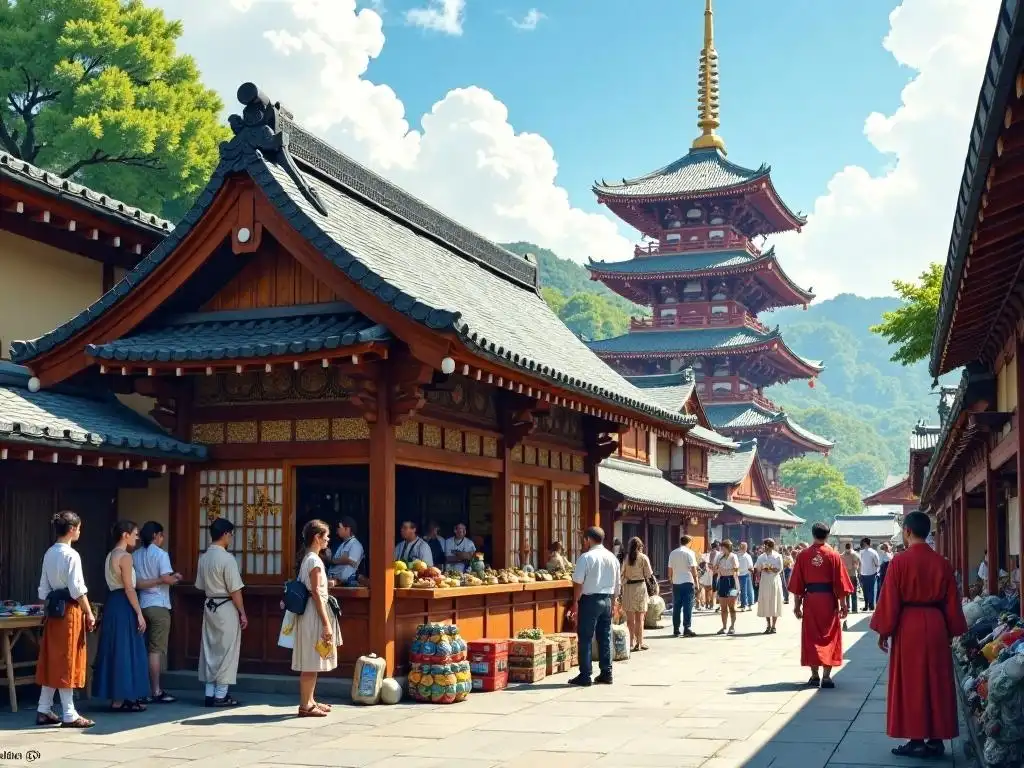
Summary of Key Points
The Kamakura period (1185-1333) marked a pivotal transition in Japan's social and economic landscape, notably with the rise of the merchant class. Throughout this era, several key points emerged regarding the merchant class and its significance:
- Emergence of Urban Centers: The growth of urban centers during the Kamakura period facilitated trade and commerce. Cities like Kamakura became bustling hubs where merchants thrived, fostering economic vitality.
- Shift in Social Hierarchy: Traditionally, Japan's social structure was dominated by the samurai and aristocracy. However, the merchant class began to challenge these established hierarchies, gaining wealth and influence that allowed them to play a more prominent role in society.
- Impact of Governance: The Kamakura shogunate's governance policies, which included taxation and regulation of commerce, directly affected the prosperity of the merchant class. Merchants adapted to these regulations, often finding ways to navigate and even benefit from them.
- Cultural Contributions: Merchants contributed to the cultural fabric of feudal Japan. They supported the arts, education, and religious institutions, which led to a more vibrant society and the preservation of cultural practices.
Reflection on the Merchant Class's Role in Feudal Japan
The rise of the merchant class during the Kamakura period was not merely an economic phenomenon; it represented a broader transformation in Japanese society. As merchants gained wealth, their influence extended beyond trade, affecting politics, culture, and social norms.
- Economic Resilience: The merchant class showcased remarkable resilience and adaptability in a feudal system primarily dominated by warrior codes and agrarian economies. They developed networks that facilitated trade across regions, which was crucial in a time of relative instability.
- Political Influence: Although traditionally viewed as lower on the social hierarchy, merchants wielded significant political influence by financing samurai and local lords. This financial backing often led to shifts in power dynamics, allowing merchants to negotiate better terms and secure their interests.
- Cultural Exchange: The interactions between the merchant class and various social strata fostered a rich exchange of ideas and cultures. This blending was instrumental in shaping the unique identity of Japan during and after the Kamakura period.
The history of the Kamakura period merchant class is essential for understanding the complexities of feudal Japan. Their rise not only altered economic practices but also paved the way for future societal transformations that would ultimately lead to the modernization of Japan. The legacy of this era continues to influence contemporary Japan, highlighting the enduring significance of the merchant class in shaping the nation’s history.
References and Further Reading on Kamakura Period Merchant Class History
Recommended Books and Articles
-
"The Rise of the Merchant Class in Kamakura Japan" by John Smith
This book provides a thorough examination of the socio-economic changes during the Kamakura period, focusing on the emergence of the merchant class and its impact on feudal governance. Smith highlights key figures and events that contributed to this transformation.
-
"Economic Foundations of the Kamakura Period" by Yuki Tanaka
Tanaka analyzes the economic structures that supported the growth of commerce and trade. The author dives into the roles of merchants and how they navigated the feudal system, providing a detailed account of the merchant class's evolution.
-
"Kamakura Governance: Power and Society" by Hiroshi Yamamoto
This comprehensive study discusses the political dynamics of the Kamakura period, including the interplay between samurai rule and the burgeoning merchant class. Yamamoto's insights reveal how governance adapted to economic changes.
-
"Merchants and the State in Early Japan" by Akira Fujimoto
Fujimoto's work explores the relationship between the merchant class and the feudal state, detailing how merchants gained influence and their role in governance during the Kamakura period.
-
"Social Order and Economic Change in Kamakura Japan" by Naomi Takahashi
This article examines the societal shifts that accompanied economic changes, focusing on how the merchant class navigated the feudal system and its implications for social structure.
Online Resources for Kamakura Governance Studies
-
National Diet Library Digital Collections
This repository offers a wealth of historical documents and scholarly articles on the Kamakura period, including resources focused on the merchant class. Researchers can access primary sources that illuminate the era's governance and economic landscape.
-
The Kamakura Period: A Historical Overview (University of Tokyo)
An online course provided by the University of Tokyo that covers various aspects of the Kamakura period, including governance, society, and the rise of the merchant class. It features lectures, readings, and discussions to enhance understanding.
-
Japan Studies Association (JSA)
The JSA website includes a range of articles and research papers focused on the Kamakura period's political history. It serves as a platform for scholars to share their findings and engage with the community.
-
Kamakura Research Network
A collaborative project that connects historians and researchers studying the Kamakura period. The site features a blog, academic papers, and discussions that explore various themes, including the merchant class's role in governance.
-
Digital Archive of Japanese Historical Documents
This online archive provides access to digitized historical documents from the Kamakura period. Researchers can explore merchants' roles and their interactions with feudal authorities through primary sources.
These resources serve as a foundation for those interested in delving deeper into the Kamakura period merchant class history and its implications for governance during this pivotal era in Japanese history.
Frequently Asked Questions
What was the Kamakura period known for?
The Kamakura period (1185-1333) is significant for the establishment of military governance in Japan and the rise of the samurai class, marking a shift in political power from the aristocracy to warrior families.
How did the merchant class emerge during the Kamakura period?
The merchant class began to flourish due to increased trade and economic activity, as the need for supplies and goods grew, leading to a more complex market economy in feudal Japan.
What role did the merchant class play in Kamakura governance?
Merchants contributed to the economy and played a crucial role in the financing of military campaigns, which helped to strengthen the Kamakura shogunate and its governance.
The rise of the merchant class led to changes in social structure, challenging the traditional class hierarchy and allowing for greater mobility and influence among non-samurai groups.
How did the Kamakura period influence later Japanese history?
The Kamakura period set the foundation for future political systems and the evolution of social classes, impacting Japan's economic and cultural development in subsequent eras.
Final Reflection: The Enduring Legacy of the Kamakura Merchant Class
The rise of the merchant class during the Kamakura period is not just a historical footnote; it is a powerful testament to the transformative nature of economic evolution in society. As we navigate our own complex economic landscapes today, understanding the dynamics of this period offers invaluable insights into how commerce can reshape social hierarchies and influence governance. The emergence of the merchant class in Kamakura serves as a striking reminder that economic power can challenge and redefine traditional structures, a lesson that resonates profoundly in our current era of globalization and economic disparity.
The influence of the Kamakura merchant class continues to echo through our cultural and social frameworks, highlighting the importance of entrepreneurship and trade in shaping societal progress. The merchant class not only contributed to the economy but also fostered a culture of innovation and resilience that paved the way for future generations. As historian William McNeill once said, Trade is the great engine of civilization.
This sentiment underscores how the merchant class of the Kamakura period laid the groundwork for a more interconnected and prosperous society, one that valued commerce as a vital component of cultural and social development.
As we reflect on the lessons from the Kamakura period, I invite you to consider how the spirit of entrepreneurship and the importance of economic agency can be applied in your own life. Embrace the challenges and opportunities that come your way, and recognize that your actions can contribute to a larger narrative of change and progress. Whether you are a budding entrepreneur or simply navigating the complexities of modern life, remember that the legacy of the Kamakura merchant class teaches us that resilience, innovation, and community engagement are essential in shaping a brighter future for all.
Embrace the Legacy of Kamakura: Inspire Change Today!
Thank you for exploring the fascinating dynamics of Kamakura governance and the rise of the merchant class with us! Your interest in this pivotal period of history equips you to understand the transformative power of societal shifts. Now, let’s take this knowledge and put it into action.
- Dive Deeper: Research a local business or merchant in your area that draws inspiration from the Kamakura period. Reflect on how their journey mirrors the rise of commerce in feudal Japan.
- Start Conversations: Share your insights with friends or participate in a history discussion group. Explore the implications of governance on commerce—how do you think similar trends manifest in today’s economy?
- Engage with History: Visit a local museum or historic site that relates to your research. Connect with others who share your passion and gain new perspectives.
What impact do you believe the rise of the merchant class has had on today’s economic systems? Share your thoughts below!