
A Gastronomic Journey Through Feudal Japan: Recipes You Can Cook Today

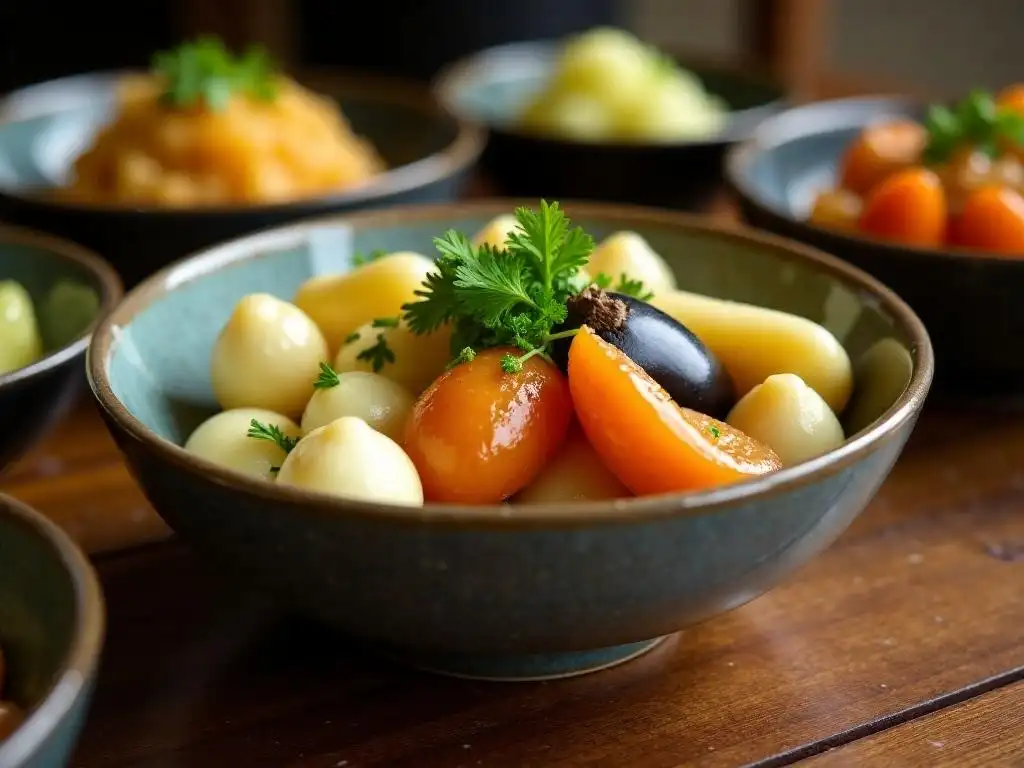
Welcome to Feudal Japan History, where we invite you to embark on a fascinating journey through the rich tapestry of Japan’s feudal era. Our latest article, “A Gastronomic Journey Through Feudal Japan: Recipes You Can Cook Today,” uncovers the culinary traditions that shaped a society steeped in honor, art, and resilience. Prepare to tantalize your taste buds as we delve into Feudal Japan traditional recipes that not only reflect the flavors of the past but also offer a unique glimpse into the cultural heritage of this remarkable period.
Are you ready to discover how history can be savored? Dive in and let the exploration begin!
Embarking on a culinary exploration of Feudal Japan offers a unique opportunity to connect with the rich tapestry of history, culture, and tradition that has shaped this fascinating era. The feudal period, spanning from the late 12th century to the mid-19th century, was marked by a distinct social hierarchy, with samurai warriors, feudal lords, and farmers playing pivotal roles in the development of Japanese society.
As we delve into this gastronomic journey, we will uncover Feudal Japan traditional recipes that not only reflect the ingredients and techniques of the time but also reveal insights into the daily lives and customs of its people. This article aims to bridge the past with the present, bringing forth dishes that can be recreated in modern kitchens, allowing you to savor the flavors of an era long gone while appreciating its historical significance.
Introduction to Feudal Japan Traditional Recipes
Feudal Japan's culinary landscape was profoundly influenced by its social structure, geography, and the availability of seasonal ingredients. The samurai class, with its emphasis on discipline and honor, often enjoyed refined dishes that showcased their status, while the peasantry relied on simpler fare, primarily composed of rice, vegetables, and fish.
-
Key Ingredients:
Some staple ingredients of Feudal Japan included:
- Rice: The cornerstone of Japanese meals, often served plain or as sushi.
- Soy Sauce: A fermented condiment that added depth and umami to dishes.
- Miso: A fermented soybean paste used for soups and marinades.
- Seasonal Vegetables: Such as daikon, burdock, and various greens, which varied by region.
-
Cooking Techniques:
Techniques such as grilling, steaming, and simmering were prevalent, allowing for a variety of textures and flavors to be achieved.
-
Cultural Significance:
Meals were often seen as communal affairs, highlighting the importance of family and social bonds, while seasonal festivals celebrated the harvest and showcased regional specialties.
Historical Context of Feudal Japan Cuisine
The cuisine of Feudal Japan is a reflection of its complex history, intertwining with significant events, social transformations, and cultural exchanges. The arrival of Buddhism in the 6th century played a crucial role in shaping dietary habits, leading to the development of vegetarian dishes and the avoidance of meat among certain classes.
The Influence of the Samurai
The samurai, as the ruling military class, not only influenced governance but also the culinary arts. Their strict code of conduct extended to their dining practices, where presentation and etiquette were paramount. Meals were often served in lacquerware, and dishes were arranged artfully to please the eye as much as the palate.
Agricultural Practices and Regional Variations
The agricultural advancements during this period, such as improved rice cultivation techniques and the introduction of irrigation systems, allowed for greater food production and diversity. This led to the emergence of regional cuisines, each showcasing local ingredients and traditional cooking methods. For example:
- Kanto Region: Known for its use of seafood, particularly in dishes like sushi.
- Kansai Region: Famous for its rich flavors and use of miso in various applications.
Cultural Exchange and Trade
Trade routes established during the feudal era facilitated cultural exchange, introducing new ingredients such as sugar and spices to Japanese cuisine. This blending of flavors and techniques not only enriched the culinary landscape but also laid the groundwork for the diverse cuisine we enjoy today.
As we continue on this gastronomic journey, prepare to discover authentic recipes from Feudal Japan that you can recreate in your own kitchen, allowing you to savor the essence of this remarkable period in Japanese history.
Essential Ingredients for Feudal Japan Traditional Recipes
In exploring the culinary landscape of Feudal Japan, one must first understand the essential ingredients that shaped the traditional recipes of that era. These ingredients not only reflect the agricultural practices of the time but also the cultural exchanges that influenced Japanese gastronomy. The staples and unique components of Feudal Japanese cuisine offer a glimpse into the flavors and techniques that can be replicated in modern kitchens.
Staples of Feudal Japanese Cooking
The foundation of Feudal Japanese cooking was built on several core staples that provided nourishment and flavor.
- Rice: Rice, or gohan, was the cornerstone of the Japanese diet. It was not only a staple food but also a symbol of wealth and status. The cultivation of rice was labor-intensive, and its preparation often involved steaming rather than boiling, which is common today.
- Soy Sauce: Known as shoyu, soy sauce was a crucial condiment that added depth of flavor to many dishes. It was made from fermented soybeans and was used to enhance the umami taste in various recipes.
- Miso: This fermented soybean paste was a primary source of protein and flavoring. It was used in soups, marinades, and dressings, providing a rich, savory taste.
- Fish and Seafood: Given Japan's island geography, seafood played a significant role in daily meals. Fresh fish was often grilled or preserved, while shellfish and seaweed were also commonly consumed.
- Vegetables: Seasonal vegetables such as daikon, burdock root, and various greens were staples in the Feudal diet. They were often pickled, steamed, or stir-fried to complement rice and fish dishes.
Unique Ingredients for Authentic Recipes
To achieve authenticity in recreating Feudal Japan traditional recipes, it's essential to incorporate unique ingredients that were prevalent during that period.
- Sake: This rice wine was not only enjoyed as a beverage but was also used in cooking to enhance flavors and tenderize meats.
- Mirin: A sweet rice wine, mirin was often used in glazes and sauces, contributing a subtle sweetness to dishes.
- Nattō: Fermented soybeans, nattō offers a distinct flavor and texture, and it was a popular health food during the feudal era.
- Yuzu: This citrus fruit, known for its fragrant and tart flavor, was used in various sauces and dressings, adding brightness to many dishes.
- Shiso: This aromatic herb, with its unique flavor profile, was used both as a garnish and as an ingredient in numerous dishes, providing a fresh and slightly minty taste.
Iconic Dishes from Feudal Japan You Can Cook Today
The culinary traditions of Feudal Japan produced several iconic dishes that can still be appreciated and recreated in contemporary kitchens. Here are a few recipes that reflect the essence of that era while being accessible to modern cooks.
1. Sushi: A Historical Perspective and Modern Recipe
Sushi, while often associated with modern Japan, has roots that trace back to the feudal period. Originally, it involved fermenting fish with rice to preserve it. Today, we can recreate a simple version at home:
Ingredients:
- Sushi rice
- Seaweed sheets (nori)
- Fresh fish (like salmon or tuna)
- Vegetables (cucumber, avocado)
- Soy sauce and wasabi for serving
Instructions:
- Cook sushi rice according to package instructions and let it cool.
- On a bamboo mat, place a sheet of nori and spread rice evenly on top.
- Arrange thin slices of fish and vegetables in the center.
- Roll tightly and slice into pieces. Serve with soy sauce and wasabi.
2. Soba Noodles: Crafting Traditional Buckwheat Noodles
Soba noodles made from buckwheat flour are a staple in Japanese cuisine, dating back to the feudal era. Making them from scratch is a rewarding experience.
Ingredients:
- Buckwheat flour
- All-purpose flour
- Water
Instructions:
- Mix buckwheat and all-purpose flour in a bowl (70% buckwheat to 30% all-purpose).
- Gradually add water, kneading until a smooth dough forms.
- Roll out the dough thinly and cut it into noodles.
- Cook in boiling water for 3-4 minutes and serve with dipping sauce or in soup.
3. Nasu Dengaku: Grilled Eggplant with Miso
Nasu dengaku is a dish that highlights the flavors of miso and the sweetness of eggplant, a popular vegetable during feudal times.
Ingredients:
- Eggplant
- Miso paste
- Sugar
- Mirin
- Sesame seeds
Instructions:
- Cut eggplants in half and score the flesh.
- Mix miso paste with sugar and mirin to create a glaze.
- Grill the eggplants until soft, then brush with the miso glaze.
- Broil until caramelized and sprinkle with sesame seeds before serving.
4. Tempura: A Culinary Fusion of Feudal Japan
Tempura, although influenced by Portuguese cooking, became a beloved dish in Japan. It consists of lightly battered and fried vegetables or seafood.
Ingredients:
- Vegetables (sweet potato, bell pepper, green beans)
- Shrimp or white fish
- Tempura batter mix (or flour, cornstarch, and cold water)
Instructions:
- Heat oil in a deep pan.
- Prepare the batter by mixing tempura batter mix with cold water until just combined.
- Dip vegetables and seafood into the batter and fry until golden brown.
- Serve with a dipping sauce made from soy sauce, mirin, and grated daikon.
These recipes not only allow you to taste the flavors of Feudal Japan but also connect you to the rich history and culture of this remarkable era. Enjoy your culinary journey!
Cooking Techniques from Feudal Japan

The culinary landscape of Feudal Japan was shaped by a variety of cooking techniques that reflected both the cultural values and the available resources of the time. These methods were not only practical but also deeply intertwined with rituals and traditions that emphasized harmony with nature and seasonal ingredients. Understanding these techniques can enrich our appreciation of Feudal Japan traditional recipes and provide insights into how they can be adapted for modern kitchens.
Traditional Cooking Methods
Feudal Japan employed several distinctive cooking methods that have influenced Japanese cuisine to this day. Here are some of the most notable techniques:
- Grilling (Yakitori and Robatayaki): This method involved cooking skewered meat or fish over an open flame. Ingredients were often seasoned simply with salt or dipped in a soy-based sauce, highlighting the natural flavors of the ingredients.
- Steaming (Mushi): Steaming was a common technique for cooking rice and vegetables. This method preserved the nutrients and flavors, allowing for a delicate taste that is still appreciated in modern dishes like chawanmushi (savory egg custard).
- Simmering (Nitsuke): This technique involved slowly cooking ingredients in a flavorful broth, often made from dashi (a type of fish stock), soy sauce, and mirin. Dishes like nikujaga (meat and potato stew) exemplify this method, showcasing how flavors meld over time.
- Fermentation: Essential to preserving food, fermentation was utilized for making miso, soy sauce, and pickles. These ingredients not only added depth to dishes but also played a key role in the health and nutrition of the diet.
- Raw Preparation (Sashimi and Sushi): The practice of serving raw fish, known as sashimi, was refined during the feudal era. Sushi also began to emerge, showcasing the balance of flavors and presentation that would become central to Japanese cuisine.
These traditional cooking methods not only highlight the ingenuity of Feudal Japan's culinary practices but also serve as a foundation for many contemporary Japanese dishes.
Modern Adaptations of Ancient Techniques
As we delve into the culinary heritage of Feudal Japan, it’s important to recognize how these ancient techniques have been adapted for modern-day cooking. Here are some ways in which these methods have evolved:
- Grilling: While traditional yakitori is often cooked over charcoal, modern adaptations may use gas grills or stovetop grilling pans, making it more accessible for home cooks. Marinades have also evolved, incorporating various international flavors while still respecting the essence of the original dish.
- Steaming: Today, steaming can be accomplished using electric steamers or microwaves, offering convenience without sacrificing the health benefits associated with this technique. Dishes like dumplings and buns have also seen global influences, resulting in exciting new flavor combinations.
- Simmering: The art of simmering has been embraced by many cultures, leading to fusion dishes that incorporate ingredients from various cuisines. Modern home cooks might experiment with using slow cookers or pressure cookers to replicate the slow-cooked flavors of traditional nitsuke.
- Fermentation: The rise in interest in fermented foods has led to a resurgence of traditional methods. Home fermentation kits are available, allowing enthusiasts to create their own miso or pickles, bringing a piece of Feudal Japan to their kitchen.
- Raw Preparation: The sushi trend has exploded worldwide, with many variations that adapt to local tastes. While traditional sushi is revered, contemporary interpretations often include creative ingredients and presentations that reflect globalization.
Through these modern adaptations, the essence of Feudal Japan’s culinary techniques remains alive, inviting home cooks to explore and innovate while retaining a connection to the past.
Conclusion: Embracing Feudal Japan Traditional Recipes Today
The culinary heritage of Feudal Japan offers a rich tapestry of techniques and flavors that can be embraced in today’s kitchens. By understanding and adapting traditional cooking methods, we can recreate authentic meals that honor this fascinating era while also incorporating modern conveniences.
Whether it’s grilling yakitori on a weeknight or simmering a comforting bowl of nikujaga, these Feudal Japan traditional recipes provide an opportunity to connect with history through the universal language of food. As we explore these ancient techniques, we celebrate not only the flavors but also the cultural significance behind each dish, enriching our culinary experiences and deepening our appreciation for Japan’s remarkable feudal past.
So gather your ingredients, embrace the techniques of yesteryear, and embark on a gastronomic journey that pays homage to the roots of Japanese cuisine! 🍣🍜
Additional Resources for Feudal Japan Cuisine
To further enhance your culinary journey through the flavors of Feudal Japan, there are several resources available that provide deeper insights into traditional recipes, cooking techniques, and the cultural significance of various dishes. Here’s a curated list of valuable resources:
- Cookbooks:
- "The Japanese Kitchen" by Hiroko Shimbo: This book delves into the history and essence of Japanese cooking, featuring traditional recipes that can be adapted for modern kitchens.
- "Washoku: Recipes from the Japanese Home Kitchen" by Elizabeth Andoh: A comprehensive guide to authentic Japanese home-cooking that emphasizes seasonal ingredients and traditional cooking methods.
- Online Platforms:
- YouTube Channels: Channels like "Cooking with Dog" and "Just One Cookbook" offer visual step-by-step guides to making traditional Japanese dishes, making it easier to understand techniques that have been passed down through generations.
- Food Blogs: Websites such as "Just One Cookbook" and "Nami’s Kitchen" provide not only recipes but also cultural context, tips, and variations that can make the dishes more accessible to a Western audience.
- Documentaries and Shows:
- "Jiro Dreams of Sushi" explores the artistry behind sushi-making and highlights the importance of tradition in Japanese cuisine.
- "Noma Japan" showcases the fusion of traditional Japanese ingredients and modern culinary techniques, offering a unique perspective on the evolution of Japanese gastronomy.
- Historical Texts:
- "The Book of Tea" by Okakura Kakuzō: While not a recipe book, this classic text explores the cultural significance of tea in Japan, which offers insights into the feudal era's social fabric.
These resources not only provide recipes but also enrich your understanding of the historical and cultural context behind the food of Feudal Japan, allowing you to appreciate each dish on a deeper level.
Call to Action
Ready to embark on your culinary adventure through Feudal Japan? Gather your ingredients, roll up your sleeves, and start experimenting with these traditional recipes today! Whether you're preparing a simple miso soup or a more elaborate kaiseki meal, each dish brings with it a story and a taste of history.
Don’t forget to share your cooking experiences and outcomes! Join our community by posting your creations on social media, using the hashtag #FeudalJapanCuisine, or leave a comment below to let us know how your dishes turned out. Your journey through the flavors of Feudal Japan is just beginning, and we can’t wait to see how you bring these traditional recipes to life! 🍣🍜
- Introduction to Feudal Japan Traditional Recipes
- Historical Context of Feudal Japan Cuisine
- Essential Ingredients for Feudal Japan Traditional Recipes
- Iconic Dishes from Feudal Japan You Can Cook Today
- Cooking Techniques from Feudal Japan
- Conclusion: Embracing Feudal Japan Traditional Recipes Today
- Additional Resources for Feudal Japan Cuisine
- Call to Action
Frequently Asked Questions
What are some traditional recipes from Feudal Japan?
Many traditional recipes from Feudal Japan include dishes like soba noodles, miso soup, and sushi, which reflect the dietary customs of that era. These recipes often utilize seasonal ingredients and simple techniques.
How did feudal society influence Japanese cuisine?
The hierarchical structure of feudal society shaped culinary practices, with samurai enjoying more elaborate meals, while peasants focused on simpler, more accessible foods. This led to a diverse range of culinary traditions.
What ingredients were commonly used in Feudal Japan?
Common ingredients included rice, fish, seaweed, and various vegetables. These ingredients were often preserved through methods like fermentation and pickling, reflecting the resourcefulness of the time.
How can I recreate Feudal Japan traditional recipes at home?
You can recreate these recipes by sourcing authentic ingredients like rice vinegar and mirin, and following step-by-step guides that emphasize traditional cooking methods to maintain the historical authenticity of the dishes.
Why is it important to explore Feudal Japan's culinary history?
Exploring Feudal Japan's culinary history offers insights into cultural values, social hierarchy, and the regional diversity of Japan. It enriches our understanding of how food plays a vital role in cultural identity and heritage.
Final Reflection: Reviving the Flavors of Feudal Japan
In exploring the culinary traditions of Feudal Japan, we uncover not only a rich tapestry of flavors but also a profound connection to history and culture that resonates with us today. The recipes we have discussed serve as a bridge to the past, allowing us to experience the artistry and simplicity of a time when food was both sustenance and a reflection of societal values. By embracing these traditional recipes, we not only honor our culinary heritage but also enrich our contemporary dining experiences.
The influence of Feudal Japan's culinary practices extends far beyond the kitchen; it shapes our cultural identity and social interactions. As we gather around the table to share these dishes, we foster a sense of community and connection that transcends time. The act of cooking and sharing meals rooted in tradition reminds us of the importance of preserving our cultural narratives. Food is our common ground, a universal experience.
– James Beard. This sentiment encapsulates the essence of our gastronomic journey, highlighting how food can unite us across generations and cultures.
As you reflect on the recipes and stories shared in this article, I invite you to take action by incorporating these traditional dishes into your own culinary repertoire. Challenge yourself to explore the flavors of Feudal Japan in your kitchen, and in doing so, create new memories and connections with those around you. Let the lessons of history inspire your cooking, and may the flavors of the past enrich your present and future. Embrace this journey, and allow the spirit of Feudal Japan to awaken your culinary creativity.
Cook Up Your Own Culinary Adventure Today!
Thank you for joining us on this delicious journey through feudal Japan! We hope you’ve discovered the rich flavors and cultural significance behind these ancient recipes. Now it's your turn to bring a taste of history into your kitchen.
Here are some exciting ways to take action:
- Try your hand at making one of the featured recipes—start with a simple yet iconic dish like miso soup or sushi rolls to impress your friends and family!
- Join our community on social media to share your culinary creations and exchange tips with fellow food enthusiasts. Don’t forget to tag us!
- Explore further by learning more about the culinary techniques and ingredients of feudal Japan—visit our website for deeper insights and additional recipes.
What dish are you most excited to recreate, and who will you share it with? Let’s inspire each other in the kitchen!