
Understanding the Treaty of Kanagawa: Perry's Diplomatic Triumph


Welcome to Feudal Japan History, where we embark on a compelling journey through the rich tapestry of Japan’s feudal era. Here, you'll uncover the intricate dynamics of historical, cultural, and societal developments that shaped this fascinating period. In our featured article, “Understanding the Treaty of Kanagawa: Perry's Diplomatic Triumph,” we delve into the pivotal moments of foreign relations that forever altered Japan’s trajectory.
What were the underlying forces that led to this groundbreaking treaty? Join us as we unravel the threads of diplomacy and explore the profound impact of the Treaty of Kanagawa—your adventure into the depths of feudal Japan begins now!
Introduction to the Treaty of Kanagawa
The Treaty of Kanagawa, signed on March 31, 1854, marked a pivotal shift in Japan's foreign relations, transitioning the nation from a period of self-imposed isolation to increased engagement with the global community. This treaty, largely facilitated by American Commodore Matthew Perry, served as a catalyst for Japan's modernization and opened the doors to Western influence in a realm that had remained largely closed for over two centuries.
In this article, we will delve into the specifics of the Treaty of Kanagawa, exploring its core elements, historical significance, and the broader context of Commodore Perry's mission that led to this diplomatic triumph.
Overview of the Treaty of Kanagawa Explained
The Treaty of Kanagawa is often characterized as a landmark agreement that established diplomatic relations between the United States and Japan. Key provisions of the treaty included:
- Opening of Ports: The treaty allowed American ships to access two Japanese ports—Shimoda and Hakodate—for supplies and repairs.
- Protection of American Citizens: It ensured that American citizens in Japan would be treated fairly and receive protection under Japanese law.
- Facilitation of Trade: The agreement laid the groundwork for future trade relations, thereby initiating a series of similar treaties with other Western nations.
The implications of this treaty were profound, as it represented not just a bilateral agreement but also the beginning of Japan's transformation into a modern state, ultimately culminating in its emergence as a global power.
Significance of the Treaty in Japanese History
The Treaty of Kanagawa stands as a significant milestone in Japanese history for several reasons:
- End of Isolation: It effectively ended Japan's isolationist policies, which had been in place since the early 17th century under the Tokugawa shogunate.
- Modernization: The treaty set the stage for the Meiji Restoration, a period of rapid modernization and industrialization in Japan, as leaders recognized the need to compete with Western powers.
- Cultural Exchange: It opened avenues for cultural exchange, introducing Western ideas, technology, and practices that would significantly shape modern Japanese society.
The treaty's significance extends beyond mere diplomatic relations; it symbolizes Japan's initial steps towards engaging with the wider world, a transformation that would profoundly impact its history.
Background Context of the Treaty of Kanagawa
Japan’s Isolationist Policies Prior to 1853
For over two centuries, Japan had embraced a policy of sakoku, or "locked country," which severely restricted foreign relations and trade. This isolationist stance was rooted in a desire to maintain social order and protect the country from external influences, particularly from the West. During this period, Japan allowed only limited contact with the Dutch and Chinese, ensuring that the bulk of its population remained unaware of global developments.
As tensions grew between Western powers seeking trade and Japan's steadfast isolation, it became clear that this policy could not withstand the pressures of a changing world. The arrival of Commodore Perry in 1853 was a direct challenge to this long-standing isolation.
Commodore Perry’s Mission and Objectives
Commodore Matthew Perry, leading a fleet of "black ships," arrived in Japan in July 1853 with the primary objective of opening Japan to American trade. His mission was underscored by several key objectives:
- Diplomatic Engagement: Perry sought to establish formal diplomatic relations with Japan, advocating for the humane treatment of shipwrecked sailors and the protection of American interests.
- Trade Opportunities: By opening Japanese ports, he aimed to secure trading privileges for the United States, thereby enhancing American economic interests in the Pacific.
- Strategic Positioning: Recognizing Japan's strategic location, Perry intended to use Japan as a coaling station for American whaling ships and naval vessels traveling across the Pacific.
Perry's resolute approach and the display of naval power ultimately compelled Japanese leaders to reconsider their isolationist policies, leading to the historic Treaty of Kanagawa.
The Events Leading to the Treaty of Kanagawa
The Treaty of Kanagawa, signed in 1854, was a pivotal moment in Japan's history, marking the end of over two centuries of self-imposed isolation under the Sakoku policy. This period saw Japan restricting foreign relations and trade almost entirely, which created a unique insular culture but also left the country vulnerable to international pressures. The events leading to the treaty were fueled by the changing geopolitical landscape, particularly the expansionist policies of Western powers and the need for access to new markets.
In the early 1850s, the United States was eager to establish trade relations with Japan to support its growing economy and to provide a coaling station for American whaling ships. Under the leadership of President Millard Fillmore, the U.S. government dispatched Commodore Matthew Perry to Japan, armed with a clear mandate to open Japanese ports to American trade, thus beginning a series of diplomatic engagements that would culminate in the Treaty of Kanagawa.
Arrival of Commodore Perry in Japan
Commodore Matthew Perry arrived in Japan on July 8, 1853, leading a fleet of four warships, known as the "Black Ships" due to their dark hulls. Perry's arrival was unprecedented; it marked the first time a Western power had directly approached Japan in over 200 years. The Japanese were taken aback by the sight of these massive ships and their modern technology.
Perry's mission was not only to establish trade but also to demand humane treatment for shipwrecked American sailors and to secure provisions for American ships. His arrival was timed strategically, as he intended to catch the Japanese government unprepared. The show of military might, including the display of cannons and steam power, left a significant impression on Japanese officials and highlighted the technological gap between Japan and the Western powers.
Initial Reactions from the Japanese Government
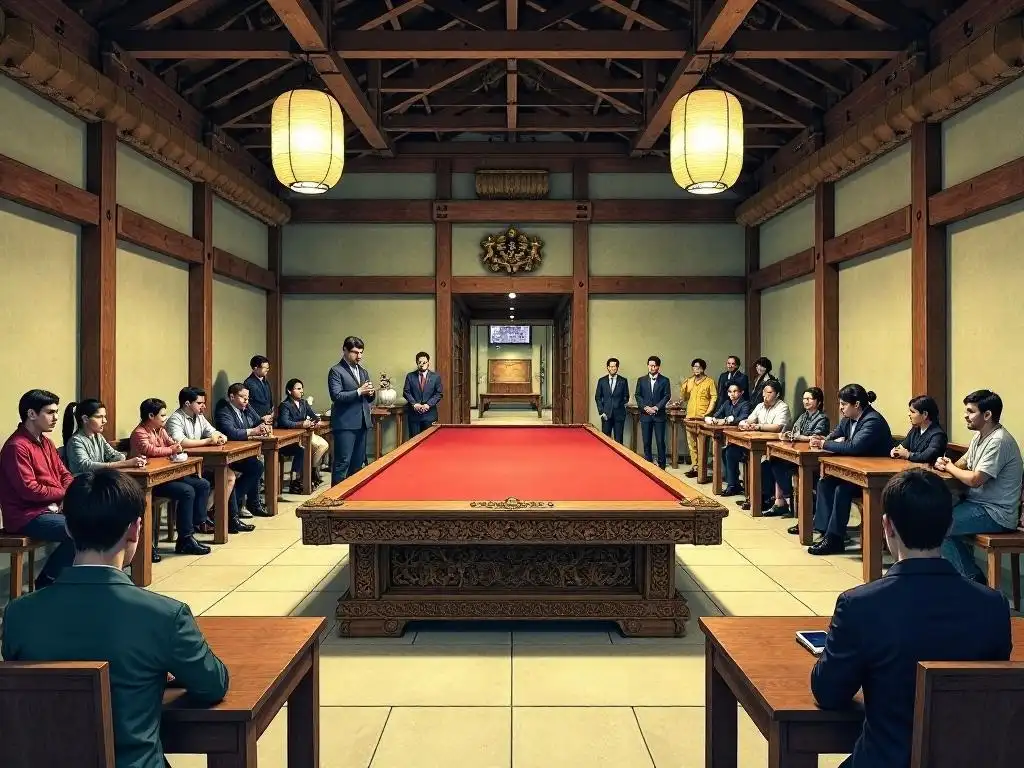
The initial reactions from the Japanese government were a mix of intrigue and apprehension. The Tokugawa shogunate, which governed Japan, was deeply concerned about the implications of Perry's arrival. While some officials recognized the need for modernization and engagement with the West, others feared that opening Japan to foreign influence would undermine their authority and disrupt the social order.
The shogunate deliberated extensively on how to respond to Perry's demands. Ultimately, they sought to buy time and initially attempted to negotiate while maintaining their isolationist stance. However, the pressure from Perry, combined with the growing awareness of the Western powers' intentions, forced the Japanese to reconsider their position.
The Role of Gunboat Diplomacy in Negotiations
Gunboat diplomacy played a crucial role in the negotiations surrounding the Treaty of Kanagawa. Perry's fleet was not just a display of power; it was a strategic tool used to compel the Japanese to agree to his demands. The presence of heavily armed warships in Tokyo Bay sent a clear message that the United States was willing to use military force to achieve its objectives if necessary.
Perry skillfully combined threats and diplomacy, presenting the Japanese with a letter from President Fillmore that outlined his expectations. The forceful approach of gunboat diplomacy contrasted sharply with Japan's traditional diplomatic practices, which were based on negotiation and mutual respect. This tactic ultimately pressured the Tokugawa shogunate into recognizing that resistance could lead to military conflict, which they were ill-prepared to handle.
Key Provisions of the Treaty of Kanagawa
The Treaty of Kanagawa, signed on March 31, 1854, formalized Japan's opening to the West and established a framework for future foreign relations. The key provisions of the treaty included the opening of the ports of Shimoda and Hakodate to American vessels, allowing for trade and the refueling of ships. The treaty also stipulated that the United States would have the right to appoint a consul in Japan, thus establishing a formal diplomatic presence.
Another significant provision was the promise of safe harbor for shipwrecked American sailors, which marked a shift in Japan's approach to foreign nationals. The agreement laid the groundwork for subsequent treaties with other Western nations, fundamentally altering Japan's international standing.
Detailed Explanation of the Treaty Terms
The Treaty of Kanagawa consisted of several specific terms that aimed to create a framework for U.S.-Japan relations:
- Port Openings: The treaty mandated the opening of Shimoda and Hakodate to American ships, allowing for commerce and trade.
- Consular Rights: The United States was granted the right to establish a consulate in Japan, facilitating diplomatic interactions and legal representation for American citizens.
- Protection of Shipwrecked Sailors: Japan committed to provide assistance and safety to American sailors who might find themselves shipwrecked on Japanese shores.
- Trade Terms: The treaty included provisions for trade tariffs and regulations, which were to be agreed upon later.
These terms represented a significant departure from Japan's previous isolationist policies and marked the beginning of its integration into the global economy.
Impact of the Treaty on Japan’s Foreign Relations
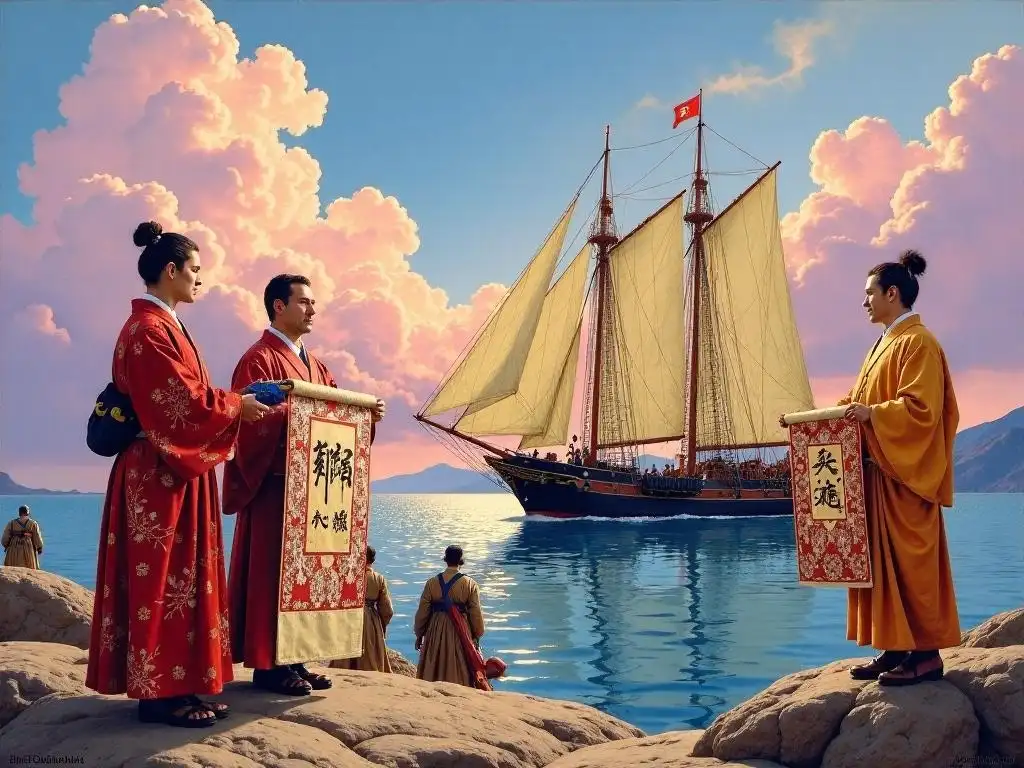
The Treaty of Kanagawa had profound implications for Japan's foreign relations. It effectively ended Japan's isolationist policies and opened the country to trade with the United States and, subsequently, other Western nations. The treaty set a precedent for future agreements, leading to similar treaties with Britain, France, and Russia, which often contained unequal provisions favoring the Western powers.
As a result, Japan began to modernize rapidly in response to the pressures of foreign engagement, adopting Western technologies and practices to strengthen its economy and military. This period of transformation would eventually lead to Japan emerging as a significant global power by the early 20th century.
Comparison with Previous Treaties in Japanese History
The Treaty of Kanagawa is often compared to earlier treaties in Japanese history, particularly those established during the Edo period. Unlike earlier agreements, which were limited and often involved small-scale trade with a few foreign merchants, the Treaty of Kanagawa represented a substantial shift toward formalized diplomatic relations and broader international engagement.
Previous treaties, such as those with the Portuguese and Dutch during the 16th and 17th centuries, were characterized by strict limitations and were often conducted under very controlled circumstances. In contrast, the Treaty of Kanagawa opened the doors to a more extensive and less restricted form of commerce.
This treaty marked a turning point, signaling Japan's transition from a feudal society to a more modern state, as it began to navigate its place within the rapidly changing international landscape of the 19th century.
The Aftermath of the Treaty of Kanagawa
The Treaty of Kanagawa, signed on March 31, 1854, marked a significant turning point in Japanese history. It not only opened Japan to foreign trade but also initiated a series of profound changes that affected the country's society, economy, and foreign relations. Understanding the aftermath of this treaty is essential to grasp the broader implications of Commodore Perry's expedition and the subsequent modernization of Japan.
Immediate Effects on Japan’s Society and Economy
The immediate effects of the Treaty of Kanagawa on Japanese society and economy were profound. By allowing American ships to dock at the ports of Shimoda and Hakodate, the treaty opened the floodgates for foreign influence and trade. This led to several key changes:
- Economic Transformation: The introduction of Western goods and technologies began to alter the traditional Japanese economy. Commodities such as textiles, machinery, and even food items started to enter the market, impacting local producers and altering consumption patterns.
- Social Upheaval: The sudden influx of foreign ideas and people created significant friction within Japanese society. Traditionalists, alarmed by the changes, began to resist Western influence, while others embraced it, leading to a culture clash that would shape Japan's social fabric for decades.
- Urbanization: The ports opened to foreign trade became bustling centers of activity, leading to increased urbanization as people flocked to cities for employment and economic opportunities.
Long-term Consequences for Japanese Foreign Policy
The Treaty of Kanagawa set a precedent for Japan's foreign policy that would evolve over the following decades. The long-term consequences included:
- Shift from Isolationism to Engagement: The treaty effectively ended Japan's period of sakoku (self-imposed isolation), leading to increased diplomatic engagement with Western powers. This shift would lay the groundwork for subsequent treaties with other nations.
- Formation of Unequal Treaties: Following the Treaty of Kanagawa, Japan entered into similar agreements with other Western nations, often under pressure. These treaties were typically unequal, favoring foreign interests and leading to significant concessions in trade and territory.
- Emergence of Nationalism: As Japan faced external pressure and perceived humiliation from unequal treaties, a sense of nationalism began to grow. This sentiment would eventually fuel movements aimed at modernization and reform, culminating in the Meiji Restoration.
Reactions from Other Nations Following the Treaty
The signing of the Treaty of Kanagawa elicited varied reactions from other nations, reflecting the geopolitical dynamics of the time:
- Heightened Interest from Western Powers: The success of Commodore Perry's mission sparked interest from other nations, including Britain, France, and Russia. They sought to capitalize on Japan's opening by negotiating their own treaties.
- Concerns Over Regional Stability: Neighboring countries, particularly China and Korea, monitored Japan's transformation with concern. They feared that Japan's newfound engagement with the West could destabilize the region and embolden Western imperial ambitions.
- Cautious Diplomacy: Some nations adopted a cautious approach, recognizing the potential for conflict while simultaneously seeking to establish their foothold in Japan. This led to a series of diplomatic maneuvers aimed at balancing interests and securing favorable terms.
The Treaty of Kanagawa in Historical Perspective
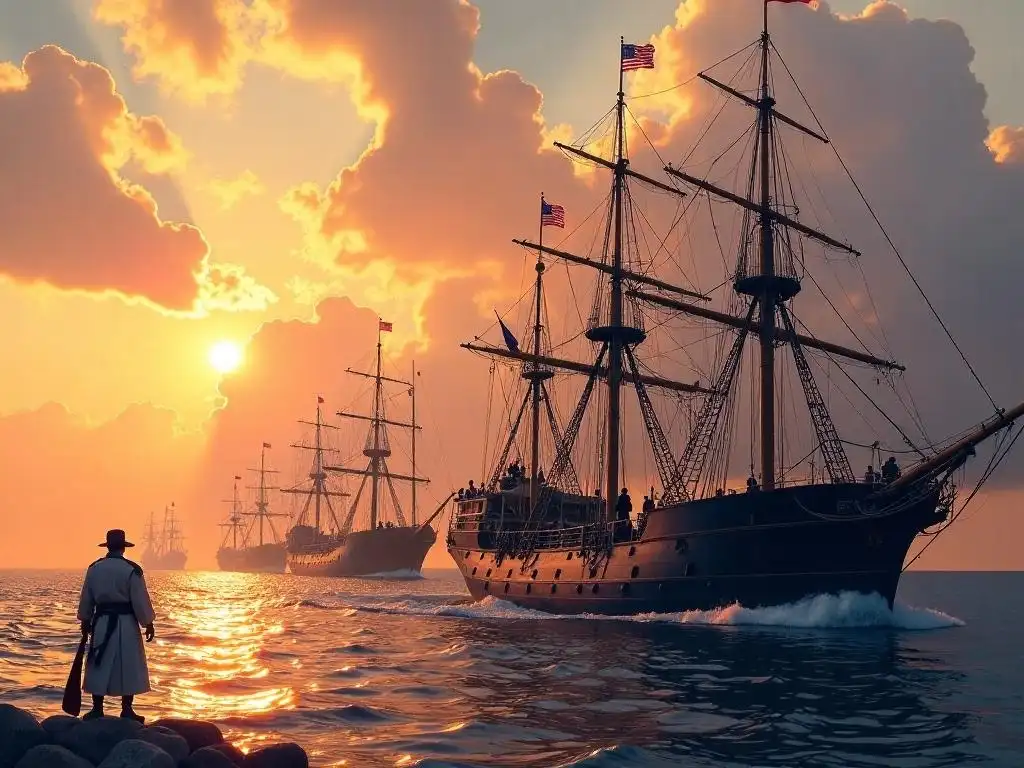
Placing the Treaty of Kanagawa within the broader historical context reveals its significance in shaping Japan's trajectory in the modern era.
Analysis of Perry’s Diplomatic Approach
Commodore Perry's diplomatic approach was marked by a combination of military might and strategic negotiation. His arrival in Japan with a fleet of "black ships" was both a display of power and a calculated move to compel Japan to open its borders. Key elements of his strategy included:
- Demonstration of Strength: Perry understood that showing military capability was essential to gaining respect and compliance from the Japanese, who had been isolated for centuries. The sight of his steam-powered ships was awe-inspiring and intimidating.
- Cultural Sensitivity: Despite his aggressive tactics, Perry also demonstrated a degree of cultural sensitivity. He recognized the importance of Japanese customs and traditions, which helped facilitate negotiations and establish a rapport with Japanese officials.
- Clear Objectives: Perry's objectives were clear: to secure trade rights and establish a consular presence in Japan. This focused approach ultimately led to the successful negotiation of the treaty, though it was not without resistance.
How the Treaty Changed Japan’s Position in the World
The Treaty of Kanagawa fundamentally altered Japan's position on the global stage:
- From Isolation to Engagement: The treaty marked Japan's transition from a secluded nation to an active participant in global affairs. It opened the door for international trade and diplomacy, allowing Japan to engage with the world in unprecedented ways.
- Catalyst for Modernization: The exposure to Western technologies and ideas propelled Japan towards rapid modernization. This transition would set the stage for Japan's emergence as a formidable power in the early 20th century.
- Influence on Regional Dynamics: Japan's newfound engagement with the West shifted the balance of power in East Asia. As Japan modernized, it began to assert itself regionally, impacting neighboring countries and challenging existing power structures.
Legacy of the Treaty in Modern Japan
The legacy of the Treaty of Kanagawa is evident in modern Japan's identity and international relations:
- Foundations of Modern Diplomacy: The treaty established the framework for Japan's modern diplomatic relationships. It paved the way for Japan to become a significant player on the global stage, participating in international organizations and treaties.
- Cultural Exchange: The opening of Japan to foreign influences led to rich cultural exchanges that continue to shape Japanese society today. From culinary traditions to fashion, the blending of Eastern and Western cultures remains a defining characteristic of modern Japan.
- Continued Reflection on National Identity: The treaty's legacy prompts ongoing discussions about Japan's national identity, its relationship with the West, and the balance between tradition and modernization. This reflection is crucial as Japan navigates its role in an increasingly interconnected world.
Conclusion
The Treaty of Kanagawa marked a pivotal moment in Japan's history, effectively ending over two centuries of self-imposed isolation and opening the country to foreign influence. This treaty not only signified the beginning of formal diplomatic relations between Japan and the United States but also set the stage for Japan's rapid modernization and emergence as a global power.
Commodore Matthew Perry's adept negotiation skills and the strategic use of military presence demonstrated the changing dynamics of power in the mid-19th century. Analyzing the implications of this treaty provides a deeper understanding of Japan's transition from feudal isolation to a more modern state.
Summary of Key Points about the Treaty of Kanagawa
- Date and Context: The Treaty of Kanagawa was signed on March 31, 1854, following Commodore Perry's arrival in Japan in 1853. The backdrop of this event was characterized by Japan's policy of isolation (sakoku), which had been in place since the early 17th century.
- Key Provisions: The treaty established two ports, Shimoda and Hakodate, for American ships to refuel and restock, marking Japan's first steps toward trade with the West. It also included provisions for the protection of shipwrecked sailors and the establishment of a U.S. consulate in Japan.
- Impact on Japan: The treaty was instrumental in dismantling the sakoku policy, leading to further treaties with other Western powers. This opened the floodgates for foreign influence that would subsequently challenge traditional Japanese society and governance.
- Long-term Consequences: The Treaty of Kanagawa laid the groundwork for Japan's modernization efforts during the Meiji Restoration, significantly altering its social, political, and economic landscape.
Final Thoughts on Perry’s Diplomatic Triumph
Perry's diplomatic success through the Treaty of Kanagawa was not merely an American victory but a transformative moment for Japan. It symbolized the end of isolation and the beginning of engagement with the world, showcasing the complexities of international relations during the period. While some viewed the treaty as a coercive act, others recognized it as a necessary step for Japan to adapt to the rapidly changing global landscape. Ultimately, Perry's expedition and the subsequent treaty catalyzed profound changes in Japan and set the stage for its emergence as a modern nation-state.
Additional Resources
For those looking to delve deeper into the significance of the Treaty of Kanagawa and its implications for U.S.-Japan relations, the following resources provide valuable insights and context.
Recommended Readings on the Treaty of Kanagawa and U.S.-Japan Relations
- "The Treaty of Kanagawa: A Historical Perspective": - This book offers an in-depth analysis of the treaty's significance in the context of Japan's foreign relations.
- "Commodore Perry in the Land of the Shogun" by Rhoda Blumberg - A captivating narrative that chronicles Perry's journey and the diplomatic negotiations that followed.
- "The Open Door Policy: The United States and Japan": - This text examines the broader implications of the Treaty of Kanagawa and its role in shaping U.S.-Japan relations.
Related Topics in Feudal Japan History
- The Meiji Restoration: Explore how the Treaty of Kanagawa and subsequent treaties influenced Japan's rapid modernization in the late 19th century.
- Sakoku Policy: Understand the historical context of Japan's isolationist policy and the factors leading to its eventual dissolution.
- Western Influence on Japanese Culture: Investigate how foreign interactions began to reshape Japanese art, education, and societal norms following the treaty.
- Introduction to the Treaty of Kanagawa
- Background Context of the Treaty of Kanagawa
- The Events Leading to the Treaty of Kanagawa
- Arrival of Commodore Perry in Japan
- Initial Reactions from the Japanese Government
- The Role of Gunboat Diplomacy in Negotiations
- Key Provisions of the Treaty of Kanagawa
- Detailed Explanation of the Treaty Terms
- Impact of the Treaty on Japan’s Foreign Relations
- Comparison with Previous Treaties in Japanese History
- The Aftermath of the Treaty of Kanagawa
- The Treaty of Kanagawa in Historical Perspective
- Conclusion
- Additional Resources
Frequently Asked Questions
What was the Treaty of Kanagawa?
The Treaty of Kanagawa was a pivotal agreement signed in 1854 between the United States and Japan, marking the end of Japan's isolationist policies and opening the country to foreign trade.
Who was Commodore Matthew Perry?
Commodore Matthew Perry was a U.S. naval officer who led the expedition to Japan, famously using gunboat diplomacy to persuade Japan to sign the Treaty of Kanagawa.
What were the main terms of the Treaty of Kanagawa?
The treaty established two ports for American ships, granted the U.S. consular rights, and set the stage for future treaties that would further open Japan to Western influence.
How did the Treaty of Kanagawa impact Japan?
The signing of the Treaty of Kanagawa marked the beginning of the Meiji Restoration, leading to significant political, economic, and social changes in Japan as it modernized and engaged with the world.
Why is the Treaty of Kanagawa significant in world history?
The Treaty of Kanagawa is significant as it represents a turning point in Japan's history, transitioning from feudal isolation to becoming a major player on the global stage, influencing international relations in Asia.
Final Reflection: The Enduring Legacy of the Treaty of Kanagawa
The Treaty of Kanagawa remains a pivotal moment in history, illustrating the complexities of diplomacy and the profound impact of international relations. As we navigate an increasingly interconnected world, the lessons learned from Perry's diplomatic triumph resonate more than ever. The treaty not only marked Japan's emergence from isolation but also set a precedent for how nations engage with one another, emphasizing the importance of dialogue and understanding in a globalized society.
The Treaty of Kanagawa has significantly shaped the cultural and social landscape, influencing Japan's modernization and its role on the world stage. This historical event serves as a reminder of the power dynamics at play in international relations and the necessity for nations to adapt to changing circumstances. As historian John W. Dower aptly stated, The opening of Japan was not merely a matter of trade; it was a profound transformation of identity and perception.
This transformation continues to echo today, as countries grapple with their identities in the face of globalization and shifting power structures.
As you reflect on the themes presented in this article, consider how the principles of diplomacy and cooperation can be applied in your own life. Embrace the spirit of understanding and open dialogue in your interactions, recognizing that each conversation has the potential to bridge divides and foster mutual respect. The legacy of the Treaty of Kanagawa invites us to engage thoughtfully with others, reminding us that the path to progress often lies in our willingness to listen and learn from one another.
Unveil the Legacy of the Treaty of Kanagawa!
Thank you for diving into the fascinating world of the Treaty of Kanagawa and its impact on Japan’s history! Your journey through Perry's diplomatic triumph has not only illuminated a pivotal moment in history but also equipped you with insights that resonate today. Now, let’s take meaningful steps to further explore and share this extraordinary legacy.
- Delve Deeper: Read about the lasting effects of the Treaty on Japan’s modernization and its engagement with the Western world. Explore the resources in our recommended reading section to broaden your understanding.
- Engage with Others: Share your thoughts and insights about the Treaty of Kanagawa in our community forum. Join the conversation and connect with fellow history enthusiasts!
- Reflect and Act: Consider how the lessons from this historical event can inspire today’s diplomatic efforts. What parallels can you draw with current international relations?
What do you believe is the most significant impact of the Treaty of Kanagawa on Japan’s journey into modernity? Share your thoughts below!