
The Impact of Bushido on Samurai Battle Tactics

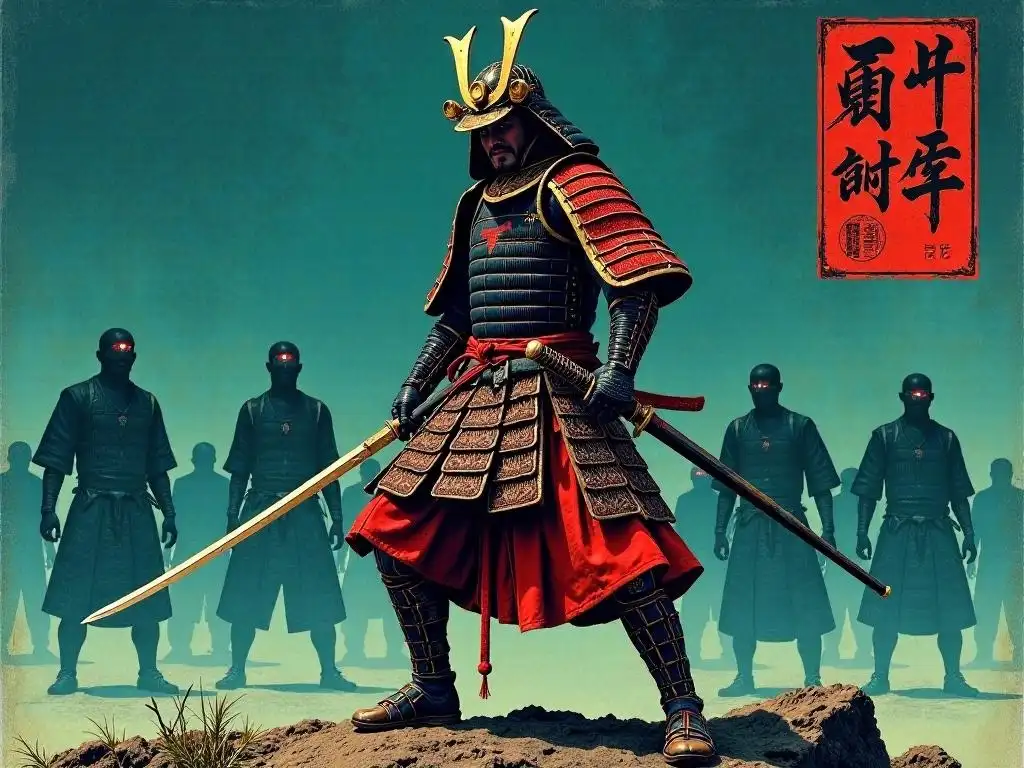
Welcome to Feudal Japan History, where we embark on an intriguing journey through the captivating era of the samurai. In this section, we delve into the profound influence of Bushido on samurai tactics, a topic that not only reveals the essence of warrior ethics but also uncovers the strategic prowess that shaped Japan's military landscape. Prepare to be fascinated as we explore how these principles molded the battlefield decisions of the legendary samurai. Join us as we unravel the threads of history, culture, and society that define this remarkable period!
Bushido, often referred to as the "Way of the Warrior," is a significant code of conduct that shaped not only the lives of the samurai but also the very fabric of Japanese society during the feudal era. This article delves into the profound influence of Bushido on samurai battle tactics, exploring how its principles guided warriors in combat and shaped their strategic approaches on the battlefield. Understanding the relationship between Bushido and samurai tactics provides invaluable insight into the military history of Japan, illustrating how cultural and ethical considerations intertwined with martial prowess.
Introduction to Bushido
Definition of Bushido
Bushido is defined as a complex ethical system that governs the behavior and mindset of the samurai. It encompasses virtues such as honor, courage, compassion, and loyalty, which were deemed essential for a warrior's conduct. The term itself translates to "the way of the warrior," highlighting its focus on the ideals and values that samurai were expected to uphold in both life and battle.
Historical Origins of Bushido
The historical origins of Bushido can be traced back to the Heian period (794-1185), when the samurai emerged as a distinct warrior class. Influenced by various philosophical schools, including Confucianism, Zen Buddhism, and Shinto beliefs, Bushido evolved over centuries, solidifying its principles during the Kamakura period (1185-1333). As samurai began to play a more prominent role in governance and warfare, their ethical code became increasingly codified, reflecting the values of the feudal society in which they lived.
Core Principles of Bushido
The core principles of Bushido include:
- Honor (Meiyo): A samurai's reputation and integrity were paramount, guiding their actions in battle and beyond.
- Courage (Yū): The courage to face adversity and death was essential, with warriors often embracing the inevitability of their fate.
- Compassion (Jin): Despite their martial role, samurai were encouraged to show empathy and kindness, reflecting a balance of strength and humanity.
- Loyalty (Chū): Loyalty to one's lord and comrades was non-negotiable, often leading to acts of self-sacrifice in the name of duty.
The Role of Bushido in Samurai Culture
Bushido as a Code of Conduct
Bushido served as a comprehensive code of conduct that dictated not only how samurai fought but also how they lived. This code emphasized discipline and self-control, requiring warriors to train rigorously and adhere to a moral compass that guided their choices on and off the battlefield. The principles of Bushido were ingrained in samurai training, influencing their methods and tactics during combat.
The Influence of Bushido on Samurai Identity
The influence of Bushido on samurai identity cannot be overstated. It shaped their self-perception and societal role, reinforcing the notion of the samurai as not merely warriors but as noble defenders of their lords and the realm. This elevated sense of purpose imbued samurai with the confidence to engage in battle, as they believed they fought not just for victory, but for the honor of their families and clans.
Bushido and Loyalty in Feudal Japan
Loyalty, a cornerstone of Bushido, played a critical role in samurai battle tactics. This unwavering allegiance often dictated strategic alliances and the willingness to engage in combat on behalf of their lords. Samurai were trained to view their loyalty as a sacred duty, influencing their tactical decisions in warfare. The concept of loyalty fostered a sense of unity among samurai, encouraging them to fight valiantly and support one another in battle, ultimately impacting the outcomes of numerous conflicts throughout feudal Japan.
By examining the impact of Bushido on samurai battle tactics, we can gain a deeper understanding of how the ethical principles of this warrior code shaped not only individual samurai but also the broader landscape of military history in Japan.
Bushido Influence on Samurai Tactics
The concept of Bushido, often referred to as the "Way of the Warrior," profoundly shaped the tactics and strategies employed by samurai during Japan's feudal era. This ethical code emphasized virtues such as loyalty, honor, courage, and self-discipline, which not only guided samurai behavior on and off the battlefield but also directly influenced their approach to warfare.
Samurai were not merely fighters; they were warriors who adhered to a strict moral code, affecting their tactical decisions and overall military conduct. The Bushido ethos encouraged samurai to engage in honorable combat, impacting their choice of tactics, their interactions with enemies, and their reactions to evolving battlefield dynamics.
The principles of Bushido fostered a unique approach to combat that prioritized not only victory but also the honor associated with how that victory was achieved. This led to the development of specific tactics that reflected the samurai's commitment to their values. For instance, in battle, samurai often preferred direct confrontations over ambush tactics, as they believed that facing an opponent in honorable combat exemplified their courage and integrity.
Tactical Adaptations Inspired by Bushido
The influence of Bushido on samurai tactics is evident in several key adaptations that emerged during the feudal period. One prominent adaptation was the emphasis on individual skill and personal honor. Samurai were trained to be proficient in various weapons, particularly the katana, which became a symbol of their status and skill. The Bushido code encouraged a focus on mastering these weapons, leading to highly individualized combat styles that prioritized agility and precision.
Furthermore, the concept of "kiai," or the spirit shout, played a significant role in samurai tactics. This technique involved focusing one’s energy and communicating determination through a loud shout during combat, often intended to intimidate opponents or bolster one’s own morale. This psychological aspect of combat was deeply rooted in the Bushido ethos, which sought to instill a sense of fearlessness and resolve in samurai warriors.
Additionally, battlefield tactics were often influenced by the samurai's understanding of honor and dishonor. For example, during sieges or prolonged engagements, samurai would prefer to conduct themselves with integrity, avoiding tactics that could be perceived as cowardly or deceitful, such as poisoning wells or employing overwhelming numbers against a smaller force.
The Psychological Impact of Bushido on Samurai Warfare
The psychological aspects of Bushido significantly influenced samurai warfare, fostering a mindset that valued courage, loyalty, and perseverance. The samurai believed that their actions in battle were not only a reflection of their skills but also a demonstration of their adherence to Bushido principles. This mindset created a unique psychological framework that governed their responses to adversity and shaped their collective morale.
The fear of dishonor was a powerful motivator for samurai on the battlefield. Many samurai would rather face death than retreat or be captured, as doing so would bring shame to themselves and their families. This psychological pressure often resulted in fierce, determined fighting, as samurai sought to uphold their honor at all costs. The commitment to Bushido also meant that samurai were often willing to sacrifice their lives for their lord, further solidifying the bond between warrior and leader and creating a sense of unity that could enhance their effectiveness in battle.
Moreover, the psychological impact of Bushido extended to the way samurai viewed their enemies. Many samurai believed that their opponents should also adhere to a code of honor, which led to expectations of fair play during combat. This belief influenced their tactics, as they often sought to engage in direct, honorable confrontations rather than relying on underhanded strategies.
Decision-Making in Battle: The Bushido Perspective
Decision-making on the battlefield was heavily influenced by the tenets of Bushido. Samurai leaders were expected to demonstrate wisdom and foresight, making strategic choices that reflected both tactical acumen and ethical considerations. The importance of honor meant that decisions could not be made solely based on military advantage; they also had to align with the values of Bushido.
In practice, this often led to complex strategic considerations. Samurai commanders would weigh the potential outcomes of their decisions not just in terms of victory, but also in how those decisions would be perceived by their peers and subordinates. Decisions that could lead to dishonor, even if they resulted in a tactical advantage, were typically avoided. This created a unique dynamic in samurai warfare, where the moral implications of a choice were as significant as the tactical ones.
The influence of Bushido also manifested in the concept of "kachi" (victory) and "shinjitsu" (truth). Samurai believed that true victory came not only from defeating the enemy but also from doing so in a manner that reflected their ethical standards. This perspective often led to tactics that prioritized honorable engagement over sheer brute force, fostering a distinctive approach to warfare that set the samurai apart from other military traditions.
Key Samurai Battles Reflecting Bushido Principles
The Battle of Sekigahara: A Case Study
The Battle of Sekigahara, fought in 1600, serves as a pivotal example of Bushido's influence on samurai tactics. This battle marked the decisive conflict that led to the establishment of the Tokugawa shogunate. The samurai involved in this struggle displayed a range of tactical maneuvers intertwined with their adherence to Bushido principles.
One significant aspect of this battle was the importance of loyalty among the samurai. Many warriors chose to side with the Tokugawa clan due to their loyalty to their leader, Tokugawa Ieyasu, reflecting the Bushido emphasis on fidelity. The tactical decisions made during the battle were heavily influenced by this loyalty, as many samurai engaged in battle with a fierce determination to protect their lord's interests.
Moreover, the battle showcased the strategic use of terrain and formations that aligned with samurai values. The positioning of troops and the use of ambush tactics by both sides illustrated the blend of strategic thinking and adherence to Bushido principles, as commanders sought to achieve victory while maintaining their honor.
The Siege of Osaka: Tactics and Bushido Influence
The Siege of Osaka, occurring in the early 17th century, further exemplifies the impact of Bushido on samurai tactics. This conflict involved a protracted siege against the Toyotomi clan, which sought to reclaim power from the Tokugawa shogunate. The samurai engaged in this siege were faced with difficult decisions that tested their commitment to Bushido.
During the siege, the defenders employed various tactics that highlighted their valor and adherence to Bushido, such as conducting daring nighttime raids and engaging in direct confrontations rather than resorting to deceitful strategies. The samurai's willingness to fight bravely, even in the face of overwhelming odds, was a testament to their dedication to the Bushido code.
Additionally, the siege highlighted the psychological aspects of warfare influenced by Bushido. As the conflict dragged on, the morale of the samurai became crucial. Leaders encouraged their warriors to remain steadfast and uphold their honor, even as resources dwindled. The commitment to Bushido ensured that the samurai fought until the end, demonstrating the profound influence of this code on their tactical decisions.
The Battle of Nagashino: Strategic Implementation of Bushido
The Battle of Nagashino, fought in 1575, stands out as a significant example of how Bushido principles were strategically implemented in battle. This engagement saw the innovative use of firearms by the Takeda clan, yet the samurai's adherence to Bushido influenced the tactics employed by both sides.
In this battle, the Oda and Tokugawa forces faced the Takeda cavalry, known for their speed and ferocity. The samurai commanders, guided by Bushido, recognized the need to adapt their tactics to counter the Takeda's strengths. Rather than relying solely on traditional cavalry charges, the Oda and Tokugawa forces employed defensive positions, leveraging their firearms to create an effective counter-strategy.
The outcome of the battle was not only a testament to tactical innovation but also reflected the samurai's commitment to Bushido principles. The Oda and Tokugawa forces fought with honor, demonstrating courage and resilience in the face of a formidable opponent. This battle exemplified how the influence of Bushido could guide tactical decisions, leading to a victory that resonated with the ethical standards upheld by samurai warriors.
Comparisons of Bushido and Other Military Philosophies
Bushido, the code of conduct for samurai warriors, is uniquely intertwined with Japan's feudal history, yet it shares several similarities and differences with various military philosophies around the world. Understanding these aspects helps elucidate how Bushido influenced samurai battle tactics and decisions on the battlefield.
One of the primary comparisons is between Bushido and the European chivalric code. Both systems emphasize honor, loyalty, and bravery among their warriors, yet their interpretations and applications varied significantly. While chivalry was often tied to the ideals of courtly love and feudal loyalty to a lord, Bushido focused more on personal honor and martial skill, often leading to self-sacrifice in battle.
Additionally, while Bushido incorporates elements of Zen Buddhism, emphasizing mindfulness and a clear state of mind during combat, European chivalry was more influenced by Christianity, promoting virtues like mercy and compassion. This divergence reflects the underlying cultural values of Japan and Europe during their respective feudal periods.
Bushido vs. European Chivalry: Similarities and Differences
Bushido and European chivalry both served as moral frameworks guiding the conduct of warriors. However, their core philosophies exhibited distinct characteristics.
Similarities:
- Honor and Loyalty: Both codes placed a high value on honor and loyalty to one's lord or leader.
- Martial Prowess: Skill in battle was essential to both Bushido and chivalry, with warriors expected to demonstrate bravery and competence in combat.
- Ethical Conduct: Each philosophy encouraged ethical behavior, seeking to cultivate virtuous leaders and soldiers.
Differences:
- Cultural Context: Bushido arose in a context of constant military conflict and societal upheaval in Japan, while chivalry developed within a more structured feudal society in Europe.
- Religious Influence: Bushido was influenced by Zen Buddhism, focusing on inner peace and acceptance of death, whereas chivalric values were deeply rooted in Christian teachings about compassion and humility.
- Role of Women: European chivalry romanticized the role of women to some extent, while Bushido emphasized the samurai's duties and responsibilities, often sidelining women's roles in the military hierarchy.
Influence of Zen Buddhism on Samurai Tactics
Zen Buddhism played a pivotal role in shaping samurai tactics and overall mindset in combat. The principles of Zen—such as mindfulness, focus, and the acceptance of impermanence—allowed samurai to cultivate a state of mental clarity crucial for effective decision-making in battle.
- Mindfulness in Combat: Samurai trained to remain present and focused, reducing the impact of fear and distraction during battles. This mental discipline enabled them to react with precision and agility in the face of adversity.
- Acceptance of Death: Zen teachings encouraged the acceptance of death as a natural part of life, fostering a fearlessness that was essential for samurai. This mindset often led to more aggressive and decisive actions during combat.
- Meditative Practices: Samurai incorporated meditation into their training regimens, helping them to calm their minds and hone their skills, making them formidable opponents on the battlefield.
How Confucianism Shaped Samurai Ethics and Warfare
Confucianism significantly influenced samurai ethics, intertwining moral philosophy with military conduct. The emphasis on hierarchy, loyalty, and duty in Confucian thought resonated deeply with the samurai's understanding of social order and personal responsibility.
- Loyalty to Sovereign: Confucian ideals reinforced the importance of loyalty to one’s lord, which was a cornerstone of Bushido. Samurai viewed their loyalty not just as a duty but as a virtue that shaped their identity.
- Hierarchy and Order: The Confucian emphasis on a structured society complemented the feudal hierarchy in Japan, guiding samurai behavior towards respect for authority and social roles.
- Ethical Warfare: Confucianism also introduced ethical considerations in warfare, promoting the idea that military actions should be just and honorable, thereby influencing samurai tactics that emphasized honor in battle.
The Legacy of Bushido in Modern Military Tactics
The principles of Bushido continue to resonate in modern military tactics, both in Japan and globally. The legacy of this ancient code has shaped the ethical and strategic frameworks within which contemporary military organizations operate.
- Leadership and Discipline: Modern military leaders often draw on the Bushido ideal of discipline and respect, fostering environments where honor and responsibility guide actions.
- Strategic Mindset: The samurai's emphasis on strategic thinking and adaptability in warfare finds parallels in contemporary military strategies, where flexibility and quick decision-making are crucial.
- Training Regimens: Many modern training programs incorporate elements of Bushido, emphasizing mental resilience and ethical conduct in soldiers.
Continued Influence of Bushido on Japanese Military
Bushido's influence on the Japanese military has been profound and enduring, shaping the ethos and operational strategies of Japan's armed forces even in the post-feudal era.
- Cultural Identity: The principles of Bushido remain a source of national pride and identity for the Japanese military, influencing how soldiers view their roles and responsibilities.
- Honor in Service: The concept of honor continues to play a crucial role in the conduct of Japanese armed forces, driving soldiers to uphold their values and commitments.
- Training Philosophies: Modern military training often echoes Bushido's focus on discipline, loyalty, and strategic thinking, ensuring that the legacy of the samurai endures in contemporary practices.
Bushido Principles in Contemporary Martial Arts
Bushido has left an indelible mark on contemporary martial arts, where its principles are integrated into various disciplines practiced worldwide.
- Respect and Etiquette: Martial arts training often includes rituals that reflect the Bushido values of respect and honor towards instructors and fellow practitioners.
- Mental Discipline: The focus on mental clarity and mindfulness in martial arts mirrors the Zen influence on samurai training, promoting self-awareness and control.
- Ethics in Practice: Many martial arts schools teach the importance of ethical behavior, echoing the samurai's commitment to honor and integrity in their actions.
The Relevance of Bushido in Modern Warfare Strategies
In today's complex geopolitical landscape, the relevance of Bushido can still be observed in modern military strategies, influencing how nations approach warfare and conflict resolution.
- Strategic Ethics: The ethical considerations inherent in Bushido find relevance in contemporary discussions about the morality of warfare, guiding military leaders in making decisions that consider the broader implications of their actions.
- Leadership Principles: The emphasis on courage, loyalty, and self-discipline in Bushido informs modern leadership training, reinforcing the need for strong moral character in military leaders.
- Adapting to Change: The adaptability and resilience that Bushido encourages are critical in modern warfare, where the ability to respond swiftly and effectively to changing circumstances is vital for success.
Conclusion
The exploration of Bushido's influence on samurai battle tactics reveals a rich tapestry of values, principles, and practices that shaped Japan's military history during the feudal era. Far beyond mere combat techniques, Bushido interwove ethical considerations, loyalty, and honor into the very fabric of samurai warfare. This framework not only guided individual behavior on the battlefield but also influenced broader military strategies and the collective ethos of samurai clans.
Summary of Bushido's Impact on Samurai Tactics
Bushido, often translated as "the way of the warrior," served as a moral compass for samurai, dictating their conduct in both life and death. In terms of battle tactics, the principles of Bushido emphasized:
- Honor and Loyalty: Samurai were driven to fight not only for personal glory but to uphold the honor of their lord and clan. This loyalty instilled a sense of duty that directed tactical decisions, often favoring honorable engagements over deceitful tactics.
- Discipline and Training: The rigorous training routines rooted in Bushido fostered exceptional skill and discipline among samurai. This commitment to mastery allowed for the execution of complex maneuvers and strategies in combat.
- Spiritual Preparedness: The Bushido code encouraged a warrior's mental fortitude, enabling samurai to maintain composure in the heat of battle. This psychological aspect affected their tactical decisions, as a calm mind could assess situations more effectively.
Overall, Bushido shaped not only the ethical framework of samurai warriors but also their tactical approaches, promoting a style of combat that prioritized honor and discipline alongside martial prowess.
The Enduring Legacy of Bushido in Military History
The legacy of Bushido extends beyond the samurai era, influencing military thought and practices in Japan and beyond. Its principles have been integrated into various aspects of Japanese culture, including literature, arts, and modern military training. The impact of Bushido can be observed in:
- Modern Military Ethics: Contemporary Japanese military practices still reflect the ideals of honor and loyalty, echoing Bushido's influence in training and conduct.
- Cultural Representation: Literature, film, and other media often romanticize the samurai code, perpetuating the values of Bushido and its representation of the ideal warrior.
- Global Military Studies: The study of Bushido has attracted interest from military historians and strategists worldwide, highlighting its relevance in discussions about ethics in warfare and leadership.
This enduring legacy underscores the significance of Bushido as not just a historical concept but as a living influence on military ethics and practices.
Final Thoughts on the Evolution of Samurai Warfare
The evolution of samurai warfare, significantly shaped by Bushido, reflects a dynamic interplay between martial skill and ethical conduct. As Japan transitioned through various periods of conflict and peace, the samurai adapted their tactics while remaining rooted in the Bushido code. The resilience of these principles ensured that even as warfare evolved—embracing new technologies and strategies—the core values of honor, loyalty, and discipline persisted.
Understanding the intricate relationship between Bushido and samurai battle tactics offers valuable insights into the complexities of feudal Japan. It highlights how cultural and ethical frameworks can profoundly impact military strategies, creating a legacy that continues to resonate in both historical studies and contemporary discussions on warfare. The samurai's journey through the ages serves as a testament to the enduring power of principles like Bushido, illustrating how they can shape not only the battlefield but the very identity of a warrior class.
- Introduction to Bushido
- The Role of Bushido in Samurai Culture
- Bushido Influence on Samurai Tactics
- Key Samurai Battles Reflecting Bushido Principles
- Comparisons of Bushido and Other Military Philosophies
- Bushido vs. European Chivalry: Similarities and Differences
- Influence of Zen Buddhism on Samurai Tactics
- How Confucianism Shaped Samurai Ethics and Warfare
- The Legacy of Bushido in Modern Military Tactics
- Continued Influence of Bushido on Japanese Military
- Bushido Principles in Contemporary Martial Arts
- The Relevance of Bushido in Modern Warfare Strategies
- Conclusion
Frequently Asked Questions
What is Bushido?
Bushido is the code of conduct followed by the samurai, emphasizing honor, loyalty, and bravery. It shaped their ethical and moral framework during feudal Japan.
How did Bushido influence samurai tactics?
Bushido greatly influenced samurai tactics by instilling a sense of discipline and strategic thinking. This code encouraged samurai to engage in battle with a focus on honor and loyalty to their lords.
Were there specific tactics developed from Bushido?
Yes, many samurai tactics were developed from the principles of Bushido, emphasizing direct engagement, courage, and the importance of individual skill in combat.
How did Bushido affect samurai training?
Bushido was integral to samurai training, promoting rigorous physical training and the study of martial arts, along with the cultivation of mental fortitude and ethical decision-making in warfare.
What cultural aspects did Bushido influence beyond combat?
Beyond combat, Bushido influenced various aspects of Japanese culture, including art, literature, and social hierarchy, reinforcing values like loyalty and self-discipline throughout society.
Final Reflection: The Enduring Legacy of Bushido on Samurai Tactics
The principles of Bushido not only shaped the battlefield strategies of the samurai but continue to resonate in modern martial arts and ethical frameworks. The unwavering commitment to honor, loyalty, and discipline that defined the samurai's approach to combat is as relevant today as it was centuries ago. In a world where the chaos of conflict often overshadows the ideals of integrity and respect, the influence of Bushido serves as a guiding light, reminding us of the profound connection between ethics and effectiveness in any endeavor.
The impact of Bushido on samurai tactics extends beyond mere historical significance; it has woven itself into the fabric of contemporary culture, influencing everything from leadership styles to personal development philosophies. The values of Bushido encourage individuals to strive for excellence while maintaining a sense of duty to others. As the philosopher Yamamoto Tsunetomo once said, The way of the samurai is found in death.
This poignant reflection on the samurai's acceptance of mortality underscores the importance of living with purpose and honor, principles that continue to inspire countless individuals in their personal and professional lives.
As you reflect on the lessons of Bushido and its influence on samurai tactics, consider how these timeless principles can be applied in your own life. Embrace the spirit of Bushido by cultivating discipline, loyalty, and honor in your daily actions. Whether in your career, relationships, or personal growth, let the legacy of the samurai guide you toward a path of integrity and purpose. The journey of self-improvement and ethical living is one that can transform not only your own life but also the lives of those around you.
Unleash Your Inner Warrior: Embrace the Spirit of Bushido!
Thank you for exploring the profound influence of Bushido on Samurai battle tactics! We hope you’ve gained valuable insights into the disciplined mindset and strategies that defined these legendary warriors. Now, it’s time to take that knowledge further and delve into the rich legacy of the Samurai.
Here are a few ways you can act on what you've learned:
- Immerse Yourself in Bushido: Read a book that explores the philosophy of Bushido in-depth. **Consider works by renowned authors to deepen your understanding of this ancient code. **
- Join a Martial Arts Class: Seek out your local dojo to practice a form of martial arts that embodies the Samurai spirit, such as Kendo or Iaido.
- Share Your Insights: Start a conversation! **Engage with others on social media about the relevance of Bushido principles in today’s world, or discuss your thoughts with friends who share an interest in history. **
As you reflect on the tactical brilliance of the Samurai, what aspect of their philosophy do you believe could benefit modern life the most? **We invite you to share your thoughts below! **