
The Hidden Masters: Discovering Japan's Top Martial Arts Schools

Welcome to Feudal Japan History, where the echoes of samurai and the whispers of ancient traditions come to life! Dive into our latest article, "The Hidden Masters: Discovering Japan's Top Martial Arts Schools," and unlock the secrets of the legendary institutions that shaped the warriors of yore. What makes these schools the epitome of martial excellence? Prepare to embark on a captivating journey through the rich tapestry of Japan's feudal era, as we unveil the cultural and societal intricacies that continue to influence martial arts today. Your exploration begins now—are you ready to uncover the hidden masters?
- Introduction to Japan's Top Martial Arts Schools
- Historical Context of Martial Arts in Japan
- Understanding Different Martial Arts Styles in Japan
- Top Martial Arts Schools in Japan
- The Role of Modern Technology in Martial Arts Training
- How to Choose the Right Martial Arts School in Japan
- Conclusion: The Future of Martial Arts Schools in Japan
- Call to Action
-
Frequently Asked Questions
- What are Japan's top martial arts schools known for?
- How can I find a martial arts school in Japan?
- Are there any specific martial arts styles that are emphasized in these schools?
- What is the significance of martial arts in Japanese culture?
- Can foreigners study at these martial arts schools in Japan?
- Final Reflection: Embracing the Legacy of Japan's Martial Arts Schools
- Unleash Your Inner Warrior Today!
Introduction to Japan's Top Martial Arts Schools
Martial arts have long been an integral part of Japan’s cultural heritage, deeply rooted in the nation's feudal past and evolving through centuries of tradition. This article delves into Japan's top martial arts schools, exploring their historical significance, cultural impact, and the modern-day practices that continue to shape martial arts in Japan. From the disciplined training of samurai warriors to contemporary dojos, these schools represent a profound legacy that transcends mere combat skills.
They embody the philosophies, ethics, and arts that have influenced Japanese society at large. As we uncover the hidden masters behind this rich tradition, we will highlight the significance of these schools and how they continue to thrive in today’s world.
The Significance of Martial Arts in Japan's Feudal Era
During Japan's feudal era, martial arts were not just a means of combat; they were a way of life. The samurai class, bound by a strict code of honor known as Bushido, practiced various martial disciplines to prepare for the battlefield and to cultivate personal virtues such as loyalty, courage, and self-discipline.
The following points illustrate the importance of martial arts during this time:
- Training for Warfare: Samurai engaged in rigorous training in various forms of martial arts, including kenjutsu (swordsmanship) and kyujutsu (archery), to hone their skills for warfare.
- Cultural Expression: Martial arts served as a vehicle for expressing cultural values and aesthetics, emphasizing discipline, respect, and harmony.
- Spiritual Development: Practices such as zen meditation were integrated into martial training, encouraging mental clarity and spiritual growth among practitioners.
- Legacy of Schools: Many renowned martial arts schools, or koryu, were established during this era, laying the groundwork for the styles practiced today.
In essence, the martial arts of feudal Japan were a reflection of the societal structure and values that defined the era, influencing not only warriors but also the common populace.
Overview of Japan's Top Martial Arts Schools Today
In contemporary Japan, martial arts schools continue to flourish, each with its unique heritage and focus. While many schools remain true to their traditional roots, others have adapted to modern practices, appealing to a wider audience both domestically and internationally.
Here's a brief overview of some of the top martial arts schools in Japan today:
- Kodokan Judo: Founded by Jigoro Kano, this school is renowned for its systematic approach to judo, emphasizing both physical and mental training.
- Hombu Dojo (Aikido): The central dojo for Aikido, founded by Morihei Ueshiba, focuses on harmony and blending with opponents rather than confrontation.
- Yoshinkan Aikido: Known for its practical approach, it is widely recognized for its efficiency in self-defense.
- Kashima Shinto-ryu: One of the oldest koryu schools, specializing in kenjutsu and other traditional weapons, it preserves ancient martial techniques and philosophies.
These schools not only teach martial arts but also serve as cultural ambassadors, promoting Japanese traditions worldwide. As we explore further, we will delve deeper into the histories, training methodologies, and contributions of these esteemed institutions to the martial arts landscape.
Historical Context of Martial Arts in Japan
Martial arts in Japan have a rich and intricate history that intertwines with the country's feudal past. The evolution of these disciplines reflects the societal changes, warfare techniques, and cultural philosophies that have shaped Japan over centuries. Understanding this historical context is crucial to appreciating the significance of Japan's top martial arts schools today.
The Evolution of Martial Arts During Feudal Japan
The roots of Japanese martial arts can be traced back to the ancient samurai class, which emerged during the Heian period (794-1185). The samurai were not only warriors but also held esteemed positions in society, serving as protectors of their lords and embodying values such as honor and discipline. This era marked the beginning of formalized training in combat techniques, which would evolve into various schools of martial arts.
During the feudal era, particularly in the Kamakura period (1185-1333), the need for effective martial training became paramount. With the rise of the samurai, several distinct styles of combat began to develop, each focusing on different weapons and techniques:
- Kenjutsu: The art of swordsmanship centered around the katana, emphasizing precision and timing.
- Bojutsu: This discipline involved the use of the long staff, or bo, and focused on distance management and striking techniques.
- Ninjutsu: Developed by the ninja, this art included stealth, espionage, and unconventional warfare tactics.
As Japan transitioned into the Muromachi period (1336-1573), martial arts schools began to formalize their teachings, leading to the establishment of koryu (old school) martial arts. These schools were often family-operated and preserved specific techniques, philosophies, and lineages. Notable examples include the Tenshin Shoden Katori Shinto-ryu, one of the oldest martial arts traditions, and the Muso Jikiden Eishin-ryu, known for its emphasis on iaijutsu (the art of drawing the sword).
The Edo period (1603-1868) further solidified the structure of martial arts schools, as the need for military engagement diminished due to prolonged peace. This led to a shift in focus from battlefield techniques to personal development and spiritual growth within martial arts. New styles emerged, such as judo and kendo, which emphasized not only physical prowess but also moral and ethical training.
Key Figures in Japanese Martial Arts History
Throughout the history of martial arts in Japan, several key figures have played pivotal roles in shaping the traditions and philosophies of their respective schools. These masters have not only contributed to the technical aspects of martial arts but have also influenced their cultural significance.
-
Miyamoto Musashi (1584-1645)
A legendary swordsman and strategist, Musashi authored "The Book of Five Rings," a treatise on strategy, tactics, and philosophy. He established his own school, Niten Ichi-ryu, which focused on dual-wielding swords and emphasized adaptability in combat.
-
Yamabujin (Various)
The Yamabujin were ascetic mountain priests who practiced martial arts as a means of spiritual discipline. They contributed to the development of ninjutsu and influenced the incorporation of spiritual elements into martial training.
-
Jigoro Kano (1860-1938)
The founder of judo, Kano sought to create a martial art that emphasized not only physical skill but also mental and moral education. His work led to the global dissemination of judo and the establishment of the first martial arts Olympic event.
-
Kata Developers
Many martial arts schools emphasize kata (pre-arranged forms) in their training. These movements encapsulate the principles of combat and have been meticulously refined by various masters throughout history, ensuring the preservation of techniques and strategies.
The historical context and evolution of martial arts in Japan showcase a profound journey from battlefield necessity to a cultural and spiritual discipline. The contributions of key figures have left an indelible mark on Japan's top martial arts schools, shaping them into revered institutions that continue to thrive today.
Understanding Different Martial Arts Styles in Japan
Overview of Traditional Martial Arts Styles
Japan is renowned for its rich history of martial arts, each offering unique philosophies, techniques, and training methods. Traditional martial arts in Japan can be broadly categorized into two main types: Koryū (classical schools) and Gendai (modern schools).
- Koryū encompasses martial arts that were developed before the Meiji Restoration in 1868. These schools emphasize the historical context of combat and often include weaponry techniques. Examples include:
- Kendo: The way of the sword, focusing on the katana.
- Iaido: The art of drawing the sword and cutting in one motion.
- Naginatajutsu: Techniques using the naginata, a polearm weapon.
- Gendai refers to martial arts that emerged after the Meiji Restoration. These schools often emphasize competition and sport. Prominent examples include:
- Judo: A sport that focuses on throws and grappling techniques.
- Karate: A striking art that emphasizes punches, kicks, and knee strikes.
- Aikido: A defensive art that uses an opponent's force against them.
Each martial art not only offers physical training but also instills values such as discipline, respect, and perseverance, which are essential in the broader context of Japanese culture.
Unique Features of Each Martial Art
Each of Japan's top martial arts schools is distinguished by unique features that reflect their philosophies and training methodologies. Here’s a closer look at some of the most notable martial arts:
| Martial Art | Unique Features |
|---|---|
| Kendo | - Emphasizes mental discipline and spiritual growth. - Training involves sparring with bamboo swords (shinai). - Practitioners wear protective gear (bōgu). |
| Iaido | - Focuses on the smooth, controlled movements of drawing the sword. - Practitioners often train solo using kata (forms). - Emphasizes mindfulness and precision. |
| Judo | - Basis in grappling techniques and throws. - Incorporates a competitive aspect with points awarded for throws and holds. - Emphasizes the principle of maximum efficiency with minimum effort (seiryoku zen'yō). |
| Karate | - Utilizes a variety of strikes, including punches, kicks, and knee strikes. - Training includes kata (forms) and kumite (sparring). - Focus on developing both physical and mental strength. |
| Aikido | - Centers on harmony and blending with an opponent's movements. - Techniques often involve joint locks and throws. - Emphasizes peace and non-violence. |
Each of these martial arts not only provides physical training but also fosters a deep sense of community among practitioners. The schools often uphold traditions that have been passed down through generations, making them an integral part of Japan's cultural identity.
Understanding these unique features allows enthusiasts and newcomers alike to appreciate the depth and diversity of Japan's top martial arts schools. Whether through the disciplined practice of Kendo or the fluid movements of Aikido, each style offers a pathway to personal development and mastery.
Top Martial Arts Schools in Japan
Japan is renowned for its rich martial arts heritage, showcasing a variety of disciplines that have evolved over centuries. Each school represents not just a style of fighting but a unique philosophy and cultural significance. Understanding the top martial arts schools in Japan provides insight into the history and practice of these revered arts. Below, we delve into the criteria for ranking these schools and provide detailed profiles of the most influential institutions.
Criteria for Ranking Japan's Top Martial Arts Schools
When evaluating Japan's top martial arts schools, several criteria are considered to ensure a comprehensive and fair ranking. These include:
- Historical Significance: The school's influence on martial arts culture and history.
- Training Quality: The expertise and qualifications of instructors, along with the training methodologies employed.
- Facilities: The quality and availability of training spaces and equipment.
- Student Success: Achievements of students in competitions and their contributions to the martial arts community.
- Cultural Impact: The school's role in promoting Japanese culture and traditions both domestically and internationally.
By analyzing these factors, we can identify which martial arts schools stand out in Japan’s feudal and modern contexts.
Detailed Profiles of Leading Schools
1. Kodokan Judo Institute
Established in 1882 by Jigoro Kano, the Kodokan Judo Institute is the birthplace of Judo. Recognized as one of Japan's top martial arts schools, it has played a pivotal role in the development and global spread of Judo. The institute emphasizes both physical prowess and moral development, aligning with Kano's philosophy of "maximum efficiency, minimum effort."
- Location: Tokyo
- Notable Achievements:
- Home to many Olympic champions.
- Hosts international competitions, fostering global Judo connections.
2. Hombu Dojo (Aikido)
The Hombu Dojo in Tokyo serves as the headquarters for Aikido, founded by Morihei Ueshiba in the early 20th century. This dojo is a center for Aikido practitioners worldwide, teaching the principles of harmony and self-defense without aggression.
- Location: Tokyo
- Notable Achievements:
- Attracts students from around the globe.
- Offers seminars and training camps led by top instructors.
3. Musashigawa Stable (Sumo)
Musashigawa Stable is one of the leading sumo stables in Japan, known for its rigorous training regimen and successful wrestlers. Sumo is deeply rooted in Japanese culture, and this stable has produced numerous champions, contributing to the sport's prestige.
- Location: Tokyo
- Notable Achievements:
- Home to several Yokozuna (grand champions).
- Known for its traditional training environment and dietary practices.
4. Shudokan Karate Dojo
Founded by the renowned martial artist Tsuyoshi Chitose in 1946, Shudokan Karate Dojo is a prominent institution for traditional Karate. The dojo focuses on the development of both technique and character, with a strong emphasis on respect and discipline.
- Location: Okinawa
- Notable Achievements:
- Has produced numerous champions in national and international Karate tournaments.
- Offers a unique blend of Okinawan Karate techniques and philosophies.
5. Katori Shinto-ryu
Katori Shinto-ryu is one of the oldest and most prestigious koryu (classical) martial arts schools in Japan. Founded in the 15th century, it encompasses various weapons techniques and strategies, emphasizing the warrior's mindset and ethical conduct.
- Location: Chiba Prefecture
- Notable Achievements:
- Influenced many modern martial arts schools.
- Maintains traditional practices while adapting to contemporary training needs.
These martial arts schools not only preserve Japan's rich cultural heritage but also continue to shape the future of martial arts practice globally. Understanding their history and contributions allows enthusiasts and practitioners to appreciate the depth and breadth of martial arts in Japan.
The Role of Modern Technology in Martial Arts Training
In the contemporary landscape of martial arts, technology has become an integral part of training and development. With the rise of digital platforms and advanced training tools, practitioners of all levels can enhance their skills, connect with instructors, and access a wealth of resources from anywhere in the world. This section delves into the significant advancements in technology that are shaping the future of martial arts training, particularly focusing on online classes and virtual training options as well as the top apps and tools available for martial artists.
Online Classes and Virtual Training Options
The advent of online classes has revolutionized how martial arts are taught and learned. Many traditional schools and instructors have embraced virtual platforms to reach a broader audience. Here are some key benefits and features of online martial arts training:
- Accessibility: Practitioners can access classes from the comfort of their homes, eliminating geographical barriers. This is particularly beneficial for individuals living in remote areas or those with busy schedules.
- Variety of Styles: Online platforms offer a diverse range of martial arts styles, from Karate and Judo to Brazilian Jiu-Jitsu and Taekwondo. Students can explore different disciplines without the need to switch schools.
- On-Demand Learning: Many online classes are pre-recorded, allowing students to learn at their own pace. This flexibility helps in accommodating varying skill levels and personal schedules.
- Interactive Features: Some virtual training options include live-streamed classes, where students can interact with instructors in real-time. This fosters a sense of community and allows for immediate feedback.
- Cost-Effectiveness: Online classes often come at a lower price point compared to in-person training. Additionally, students can save on commuting costs and time.
For beginners looking to start their martial arts journey, virtual training provides a valuable entry point. More experienced practitioners can also benefit by supplementing their in-person training with online resources.
Top Apps and Tools for Martial Arts Practitioners
In addition to online classes, various apps and tools have emerged to support martial artists in their training. Here are some of the top-rated options that can enhance practice and performance:
- Martial Arts Training Apps:
- My Martial Arts: This app allows users to track their training progress, set goals, and access instructional videos. It’s designed for various martial arts styles, making it versatile for practitioners.
- Budo: Focused on traditional martial arts, Budo offers training guides, techniques, and a community forum for sharing experiences and tips.
- Technique Videos:
- YouTube: Numerous channels provide free video tutorials and demonstrations from skilled practitioners. Channels like “FightTips” and “Shihan’s Dojo” offer valuable insights into different techniques and training methods.
- MasterClass: While not specifically martial arts-focused, MasterClass features sessions from renowned martial artists that can inspire and educate practitioners.
- Fitness and Conditioning Apps:
- Fitbod: Martial arts training requires strong physical conditioning. Fitbod generates personalized strength training workouts that can complement martial arts practice.
- Nike Training Club: This app offers a variety of workouts that enhance agility, strength, and flexibility—critical components of martial arts training.
- Virtual Sparring Tools:
- Sparring Partner: This app simulates sparring sessions, allowing practitioners to practice techniques and strategies. It’s particularly useful for those who may not have a training partner available.
- Community Platforms:
- Facebook Groups and Forums: Various online communities exist where martial artists can discuss techniques, share experiences, and seek advice. Engaging in these communities can provide motivation and support.
By leveraging these technologies, martial artists can optimize their training, stay connected with their peers, and continue to grow in their practice, regardless of their physical location or schedule constraints. Embracing modern technology ensures that enthusiasts of Japan's top martial arts schools can maintain their skills and knowledge in an ever-evolving landscape.
How to Choose the Right Martial Arts School in Japan
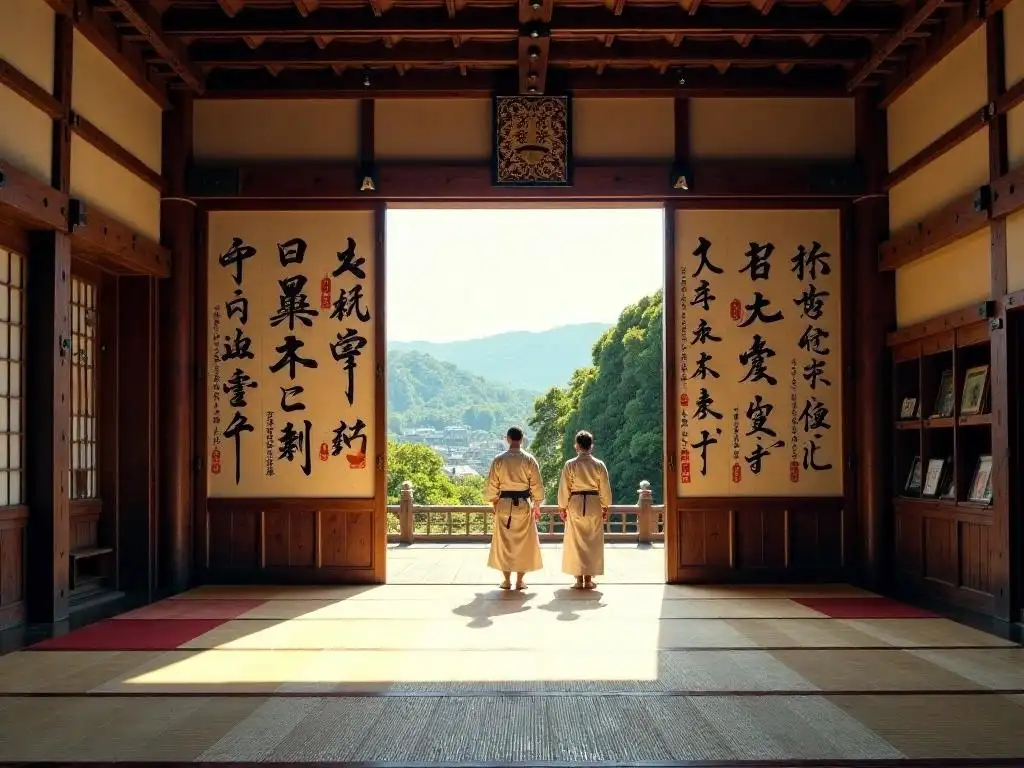
Choosing the right martial arts school in Japan can be a pivotal decision for anyone looking to train in this rich and diverse tradition. With a myriad of options available, it's crucial to assess what each school offers and how it aligns with your personal goals and preferences. Here are some key aspects to consider:
Factors to Consider When Selecting a School
- Martial Arts Style
- Determine which style of martial arts interests you the most. Japan is home to various disciplines such as:
- Karate: Known for its striking techniques.
- Judo: Focuses on throws and grappling.
- Aikido: Emphasizes joint locks and throws.
- Kendo: The art of Japanese fencing.
- Each style has its unique philosophy and techniques, so it's essential to explore which resonates with you.
- Determine which style of martial arts interests you the most. Japan is home to various disciplines such as:
- Instructor Qualifications
- Research the credentials and experience of the instructors. A qualified sensei (teacher) will have:
- Years of training and experience in their respective martial art.
- A history of teaching that demonstrates their ability to convey techniques effectively.
- Research the credentials and experience of the instructors. A qualified sensei (teacher) will have:
- School Environment
- Visit the school to get a feel for the atmosphere. A supportive and respectful environment is crucial for learning. Consider:
- The decor and cleanliness of the dojo (training hall).
- The demeanor of students and instructors.
- Class sizes, as smaller classes often allow for more personalized instruction.
- Visit the school to get a feel for the atmosphere. A supportive and respectful environment is crucial for learning. Consider:
- Class Structure and Schedule
- Ensure that the class schedule fits your lifestyle. Look for:
- Flexibility in class times, including evenings and weekends.
- The structure of classes, whether they focus on fundamentals, sparring, or kata (forms).
- Ensure that the class schedule fits your lifestyle. Look for:
- Cost and Membership
- Understand the financial commitment involved. Factors to consider include:
- Monthly tuition fees.
- Additional costs for uniforms, equipment, and testing fees.
- Any available discounts for long-term commitments or family memberships.
- Understand the financial commitment involved. Factors to consider include:
- Location
- The school's location can affect your ability to attend classes consistently. Consider:
- Proximity to your home or workplace.
- Accessibility via public transportation.
- The school's location can affect your ability to attend classes consistently. Consider:
Tips for Beginners in Martial Arts
Starting your martial arts journey can be both exciting and intimidating. Here are some tips to help you navigate your new path:
- Start with a Trial Class
- Many schools offer trial classes. This allows you to experience the training environment without a long-term commitment.
- Set Realistic Goals
- Define what you hope to achieve, whether it’s fitness, self-defense, or competition. Setting clear goals will guide your training.
- Be Open to Learning
- Approach your training with humility. Martial arts require time and patience, so be prepared to learn from both successes and mistakes.
- Practice Consistently
- Regular practice is key to progression. Aim to attend classes consistently and supplement your training with home practice when possible.
- Engage with the Community
- Building relationships with fellow students and instructors can enhance your experience. Participate in events, tournaments, or social gatherings organized by the school.
- Stay Physically Fit
- While martial arts training will improve your fitness, maintaining a balanced regimen of exercise, nutrition, and rest is important for overall health.
By carefully considering these factors and following these tips, you can find a martial arts school in Japan that aligns with your interests and goals, setting the stage for a rewarding journey in the world of martial arts.
Conclusion: The Future of Martial Arts Schools in Japan
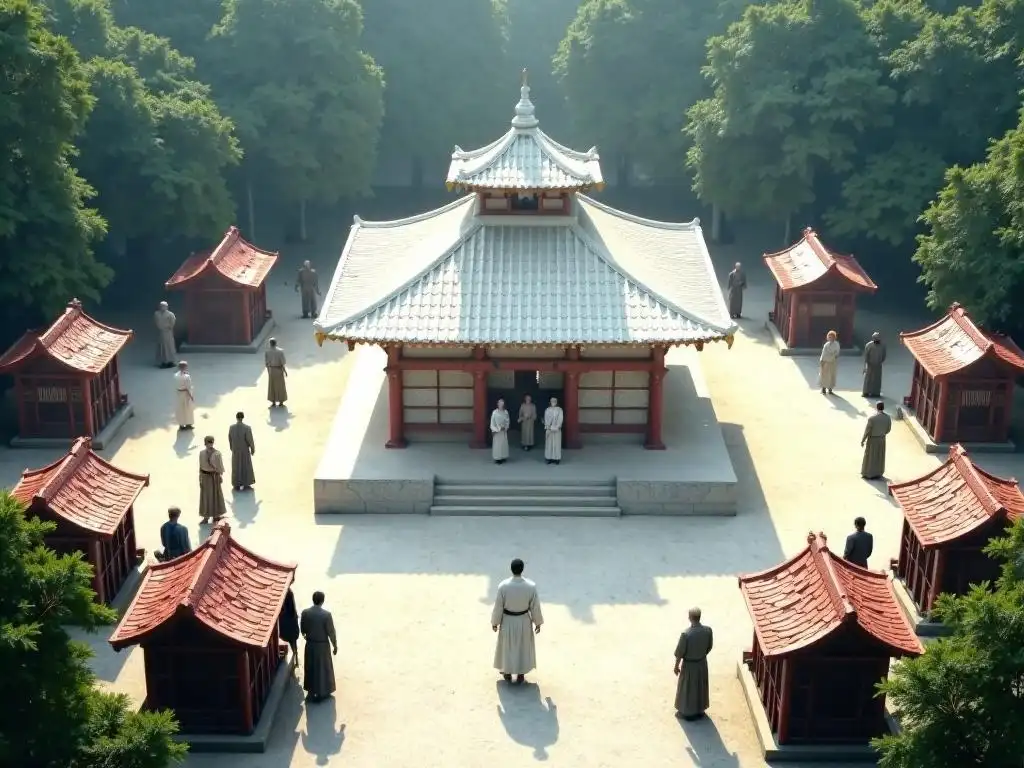
As we look into the future of martial arts schools in Japan, it becomes evident that these institutions serve not only as training grounds for physical prowess but also as cultural sanctuaries that encapsulate centuries of history, philosophy, and tradition. The evolution of martial arts schools must balance modern influences while maintaining the integrity of their ancient practices. This ongoing challenge is critical to ensuring that the foundational principles of respect, discipline, and honor are preserved for future generations.
The landscape of martial arts education is changing rapidly, influenced by globalization and technological advancements. Online training platforms and digital resources are becoming more prevalent, providing access to martial arts instruction beyond geographical boundaries. However, the essence of training within a traditional dojo, guided by experienced masters, remains unparalleled. The future will likely see a hybrid model, blending the best of both worlds to attract a diverse group of practitioners.
The Importance of Preserving Martial Arts Traditions
Preserving martial arts traditions is crucial for several reasons:
- Cultural Heritage: Martial arts are deeply rooted in Japanese culture, reflecting historical practices and beliefs. Each school carries unique traditions that contribute to Japan's rich cultural tapestry. By preserving these traditions, we honor the past and maintain a link to our ancestors.
- Philosophical Teachings: Beyond self-defense, martial arts teach valuable life lessons, such as perseverance, humility, and respect for others. The philosophical underpinnings of these practices encourage personal growth and character development, essential qualities in today's fast-paced world.
- Community Building: Martial arts schools foster a sense of community among practitioners. They create environments where individuals can connect, share experiences, and support each other in their journeys. Maintaining these schools ensures that these social bonds remain strong and vibrant.
- Skill Development: Mastery of any martial art requires dedication and practice. Traditional training methods, often passed down through generations, are vital for developing skills that cannot be replicated through online courses alone. The commitment to rigorous training under skilled instructors is indispensable for true mastery.
- Cultural Exchange: Japan's martial arts have gained global recognition, leading to cultural exchange that enriches both Japanese and foreign practitioners. Preserving traditional practices allows for a respectful sharing of knowledge and techniques, fostering mutual understanding and appreciation.
Encouraging Participation in Japan's Top Martial Arts Schools
To ensure the vitality of Japan's top martial arts schools, it is essential to encourage participation from various demographics. Here are some strategies to promote engagement:
- Community Outreach Programs: Schools can establish outreach initiatives to introduce martial arts to younger audiences through workshops, demonstrations, and school partnerships. This approach can spark interest and cultivate the next generation of practitioners.
- Inclusive Training Opportunities: Creating programs that cater to individuals of all ages, abilities, and backgrounds can help broaden participation. Offering beginner classes, women's only sessions, and adaptive training for individuals with disabilities can make martial arts more accessible.
- Events and Competitions: Organizing local, national, and international competitions not only showcases talent but also raises awareness about the value of martial arts training. Events can draw spectators and participants, fostering a sense of community and excitement around martial arts.
- Collaborative Initiatives: Partnering with other cultural organizations, schools, and community centers can help promote martial arts as part of a broader cultural education. Such collaborations can enhance visibility and appreciation for the unique aspects of martial arts.
- Utilizing Digital Platforms: Leveraging social media and online content can attract younger audiences. Engaging videos that highlight training, philosophies, and success stories can inspire potential practitioners to join a dojo.
As we move forward, it is vital to recognize the significance of martial arts schools in Japan. By preserving traditions and encouraging broader participation, we can ensure that these institutions continue to thrive, providing invaluable benefits to individuals and society alike.
Call to Action
Join the Journey to Mastery in Japan's Top Martial Arts Schools
Embarking on a journey to master martial arts in Japan is more than just a physical endeavor; it is a profound cultural experience that connects practitioners with centuries of tradition and discipline. Here are some compelling reasons to consider immersing yourself in the training offered by Japan's top martial arts schools:
- Authentic Training: Gain insights from seasoned masters who have dedicated their lives to the art, ensuring that you learn not just the techniques but also the philosophy behind them.
- Cultural Immersion: Experience the rich history and culture of Japan firsthand, as many schools incorporate traditional practices, rituals, and language into their curriculum.
- Community: Become part of a vibrant community that shares your passion for martial arts. Lifelong friendships and networks often form within these schools, providing support and camaraderie.
- Diverse Styles: Explore various martial arts disciplines, including Judo, Kendo, Aikido, and Karate, each offering unique techniques, training methods, and philosophies.
The Path to Mastery
Training in Japan's top martial arts schools can be an intense yet rewarding journey. To make the most of your experience, consider the following steps:
- Research Schools: Investigate the different styles and schools available. Each school has its unique approach and strengths, so finding one that aligns with your goals is crucial.
- Plan Your Visit: Consider the duration of your stay and the intensity of the training program. Many schools offer short-term programs for beginners as well as long-term training opportunities for advanced practitioners.
- Embrace the Culture: Be open to learning about the customs and traditions associated with each martial art. This cultural appreciation can enrich your training experience.
- Stay Committed: Mastery in martial arts requires dedication and discipline. Embrace the challenges and setbacks as part of your growth as a martial artist.
| Step              | Action                                  |
|-------------------|-----------------------------------------|
| Research          | Explore various martial arts schools    |
| Plan              | Decide on the duration and intensity    |
| Embrace           | Learn about the culture and traditions  |
| Commit            | Dedicate yourself to the training       |
Final Thoughts
Engaging with Japan's top martial arts schools presents a unique opportunity to cultivate not only physical skills but also mental resilience and cultural understanding. Whether you are a novice or an experienced martial artist, the journey promises personal growth and unforgettable memories.
Martial arts are not about fighting; they are about building character.
- Anonymous
As you consider your path, remember that the journey to mastery is as important as the destination. Each training session, every lesson learned, and the friendships forged along the way will contribute to your evolution as a martial artist. So take the leap—join the journey to mastery in Japan's top martial arts schools! 🥋
Frequently Asked Questions
What are Japan's top martial arts schools known for?
Japan's top martial arts schools are renowned for their traditional training methods, expert instructors, and a deep-rooted cultural heritage that shapes their teaching philosophies and practices.
How can I find a martial arts school in Japan?
To find a martial arts school in Japan, you can research local dojos, check online directories, or connect with martial arts communities that provide insights and recommendations based on your specific interests.
Are there any specific martial arts styles that are emphasized in these schools?
Yes, many of Japan's top martial arts schools focus on styles such as Karate, Judo, Aikido, and Kendo, each emphasizing different techniques and philosophies that reflect Japan's rich martial arts tradition.
What is the significance of martial arts in Japanese culture?
Martial arts in Japan hold significant cultural importance, representing values such as discipline, respect, and self-improvement. They are not just physical practices but also a way to cultivate mental strength and spiritual growth.
Can foreigners study at these martial arts schools in Japan?
Yes, many martial arts schools in Japan welcome foreign students and often offer programs tailored to non-Japanese speakers, promoting an inclusive environment for those interested in experiencing Japanese martial arts firsthand.
Final Reflection: Embracing the Legacy of Japan's Martial Arts Schools
In an age where the fast-paced world often overshadows tradition, the exploration of Japan's top martial arts schools serves as a vital reminder of the enduring power of discipline, respect, and cultural heritage. These institutions are not merely places of physical training; they embody centuries of wisdom and philosophy that continue to resonate in our modern lives. The commitment to mastery and the pursuit of self-improvement found within these schools is a striking testament to the human spirit's resilience and dedication.
The influence of these martial arts schools extends far beyond the dojo, shaping cultural narratives and social dynamics both in Japan and around the globe. As we witness the rise of martial arts in popular culture, from films to fitness trends, the essence of these practices remains rooted in their rich history. Martial arts is not about fighting; it’s about building character.
This quote encapsulates the profound impact that these schools have on individuals, fostering values such as humility, perseverance, and community. The teachings of these hidden masters continue to inspire countless practitioners, encouraging them to embrace the journey of personal growth and self-discovery.
As you reflect on the insights shared in this article, I invite you to consider how the principles of martial arts can be woven into your own life. Whether it's through physical practice, mental discipline, or the cultivation of respect for others, there are lessons to be learned from these esteemed institutions. Take a moment to explore your own path—what hidden masters can you discover within yourself? Embrace the challenge, honor the tradition, and let the spirit of Japan's martial arts schools guide you toward a more fulfilling and purposeful life.
Unleash Your Inner Warrior Today!
Thank you for diving into the fascinating world of Japan’s martial arts schools! We hope you feel inspired by the rich history and dedication behind these incredible practices. Now, it’s time to take what you've learned and put it into action!
- Begin your martial arts journey by researching local dojos or online classes that focus on your preferred discipline.
- Connect with fellow enthusiasts by joining online forums or social media groups dedicated to Japanese martial arts.
- Plan a visit to a traditional martial arts school in Japan during your next trip to experience their teachings firsthand.
What aspect of martial arts excites you the most, and how will you take the first step on your journey today?