
The Spirit of Bushido: Exploring Japan's Top Martial Arts Institutions

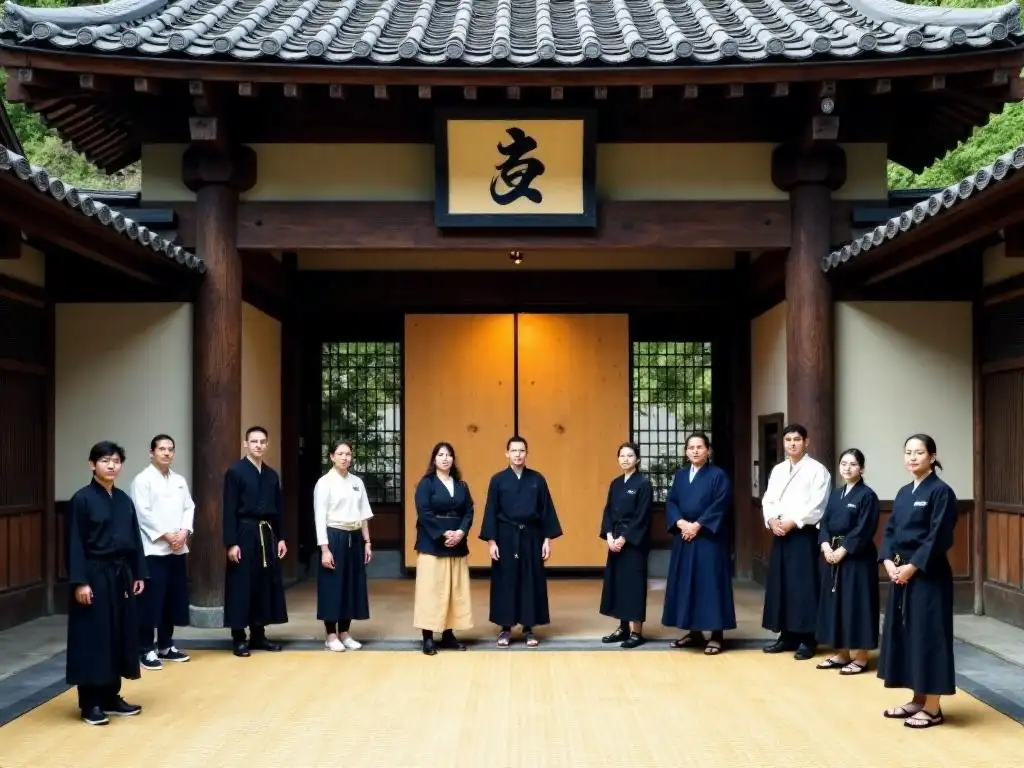
Welcome to Feudal Japan History, where we invite you to delve into the captivating world of Japan's feudal era. Our site offers a comprehensive exploration of historical, cultural, and societal aspects that shaped this fascinating time. In our featured article, “ The Spirit of Bushido: Exploring Japan's Top Martial Arts Institutions,” we uncover the profound influence of Bushido on Japanese martial arts and the institutions that uphold this noble tradition.
Join us as we unravel the mystery and mastery behind these ancient practices, igniting your curiosity to learn more about the values, techniques, and history that define this rich heritage. Are you ready to embark on this journey?
The essence of Bushido, the "Way of the Warrior," is deeply embedded in Japan's historical and cultural fabric. This code of conduct not only shaped the lives of the samurai but also profoundly influenced the development of martial arts across the nation. As we delve into the spirit of Bushido, we uncover the intricate relationship between this warrior ethos and the various martial arts institutions that emerged during Japan's feudal era.
This exploration will not only highlight the historical significance of Bushido but also illustrate how its principles continue to resonate in contemporary martial arts practices. By examining traditional schools and their teachings, we aim to provide a comprehensive understanding of how Bushido and Japanese martial arts intertwine, offering insights into their enduring legacy.
Introduction to Bushido and Japanese Martial Arts
Bushido has long been celebrated as the guiding philosophy for the samurai, emphasizing virtues such as honor, loyalty, courage, and discipline. This ethical framework served as a moral compass, guiding samurai in their duties and interactions with others. The principles of Bushido are reflected in various Japanese martial arts, which were not only means of combat but also pathways to personal development and spiritual growth.
- Key Principles of Bushido:
- Honor (Meiyo): Maintaining one's dignity and reputation.
- Loyalty (Chūgi): Devotion to one’s lord and comrades.
- Courage (Yū): The bravery to face challenges head-on.
- Respect (Sonkei): Acknowledging the worth of others.
- Integrity (Seijitsu): Upholding truth and righteousness.
Japanese martial arts encompass a wide array of disciplines, each with its own unique history, techniques, and philosophies. From Kendo, the way of the sword, to Judo, the gentle way, these arts are not merely physical activities but are infused with the spirit of Bushido. Understanding this connection is crucial for appreciating the depth and richness of Japan's martial heritage.
Historical Context of Bushido in Feudal Japan
The emergence of Bushido can be traced back to the Kamakura period (1185-1333), a time when the samurai class began to solidify its status as a distinct and powerful social group. As feudal Japan became increasingly militarized, the samurai developed a unique culture characterized by their martial prowess and adherence to Bushido.
- Key Historical Developments:
- Kamakura Period (1185-1333): Establishment of the first shogunate and the rise of samurai power.
- Muromachi Period (1336-1573): Flourishing of the samurai culture and arts, including the refinement of martial practices.
- Edo Period (1603-1868): A time of peace that allowed for the codification of martial arts and the philosophical underpinnings of Bushido.
During these periods, various martial arts schools emerged, each contributing to the evolution of techniques and training methodologies. The teachings of notable figures, such as Miyamoto Musashi and his dual swordsmanship, laid the groundwork for future generations. The philosophical aspects of Bushido were further integrated into these practices, ensuring that martial arts were not just about physical combat but also about fostering a warrior's spirit.
The spirit of Bushido remains a vital aspect of Japan's martial arts landscape, influencing both practitioners and the institutions that teach these ancient arts. As we continue our exploration, we will delve deeper into the most prominent martial arts schools in Japan and their contributions to the legacy of Bushido.
Top Martial Arts Institutions in Japan
Japan is home to several prestigious martial arts institutions that embody the spirit of Bushido, the way of the warrior. These schools not only preserve traditional techniques but also adapt them to modern practices, ensuring that the essence of Bushido continues to thrive. Below are some of the top martial arts institutions in Japan that exemplify this legacy.
1. Kodokan Judo Institute
Founded in 1882 by Jigoro Kano, the Kodokan Judo Institute is the birthplace of judo and has played a pivotal role in spreading this martial art worldwide. The institute emphasizes the principles of mutual benefit and respect, which are core tenets of Bushido.
At Kodokan, students learn a variety of techniques, including throws, pins, and submissions, all while adhering to a strict moral code. The dojo hosts numerous competitions and training sessions, welcoming judokas from around the globe.
Notable features of the Kodokan include:
- Comprehensive Curriculum: Students can progress through various belts, each symbolizing a deeper understanding of judo.
- International Influence: Kodokan has produced numerous champions who have represented Japan in the Olympics and other prestigious tournaments.
- Cultural Exchange: The institute promotes judo as a means of cultural exchange, hosting seminars and workshops internationally.
2. Hombu Dojo – Aikido
The Hombu Dojo, located in Tokyo, is the headquarters of Aikido and serves as a sanctuary for practitioners of this martial art. Founded by Morihei Ueshiba in the early 20th century, the dojo embodies the principles of harmony, flexibility, and self-defense.
Aikido practitioners learn to neutralize aggression while maintaining a state of peace, reflecting the ideals of Bushido. The dojo provides a serene environment where students can train under the guidance of experienced instructors.
Key aspects of Hombu Dojo include:
- Traditional Training: Classes focus on techniques that emphasize blending with an opponent's movements rather than opposing them.
- Global Reach: Hombu Dojo attracts students from various countries, fostering a sense of community and shared learning.
- Philosophical Depth: Training at Hombu also involves exploring the philosophical aspects of Aikido, encouraging students to develop a deeper understanding of self and others.
3. Katori Shinto-ryu
Katori Shinto-ryu is one of Japan's oldest and most esteemed martial arts schools, founded in the 15th century by Choisai Ienao. It specializes in various traditional weapons, including the sword (katana), staff (bokken), and naginata.
The school is deeply rooted in the philosophy of Bushido, emphasizing discipline, respect, and the mastery of techniques as a path to personal development.
Highlights of Katori Shinto-ryu include:
- Historical Significance: As a school that has survived centuries, it carries a rich heritage of martial traditions and techniques.
- Comprehensive Curriculum: Students learn not only martial techniques but also the historical and philosophical contexts behind them.
- Influence on Other Arts: Katori Shinto-ryu has influenced various modern martial arts, contributing to the evolution of combat training in Japan.
4. Musashigawa Sumo Stable
Musashigawa Sumo Stable is one of the most renowned sumo stables in Japan, fostering the training of many elite sumo wrestlers. Sumo, with its roots deep in Shinto rituals, embodies the essence of Bushido through its emphasis on honor, tradition, and discipline.
At Musashigawa, wrestlers undergo rigorous training, focusing on physical conditioning, technique, and the mental fortitude required for success in the ring.
Important aspects of Musashigawa Sumo Stable include:
- Rigorous Training Regimen: Wrestlers follow a strict daily schedule that includes physical training, practice bouts, and communal living.
- Cultural Heritage: The stable upholds traditional practices, including ceremonies and rituals that honor the history of sumo.
- Community and Brotherhood: Wrestlers often form lifelong bonds, reflecting the camaraderie and mutual respect that Bushido promotes.
The Impact of Bushido on Modern Martial Arts Practices
The principles of Bushido continue to influence contemporary martial arts practices in Japan and beyond. This ancient code of ethics, which emphasizes virtues such as honor, courage, integrity, and loyalty, serves as a guiding philosophy for many martial artists today.
Modern martial arts schools often incorporate elements of Bushido into their training, fostering a culture of respect among students and instructors.
Key impacts of Bushido on modern practices include:
- Ethical Framework: Many martial arts emphasize a moral code, teaching practitioners to uphold integrity and honor both on and off the mat.
- Personal Development: The focus on self-discipline and personal growth remains central, encouraging students to strive for excellence in all aspects of life.
- Cultural Preservation: By adhering to the tenets of Bushido, martial arts schools preserve traditional techniques and philosophies, ensuring that they are passed down to future generations.
The spirit of Bushido lives on in Japan's top martial arts institutions, shaping the practices and philosophies of martial artists around the world. Through the dedication to these principles, practitioners not only develop their skills but also cultivate a deeper understanding of themselves and their place within the broader community.
Comparing Traditional and Modern Martial Arts Schools in Japan
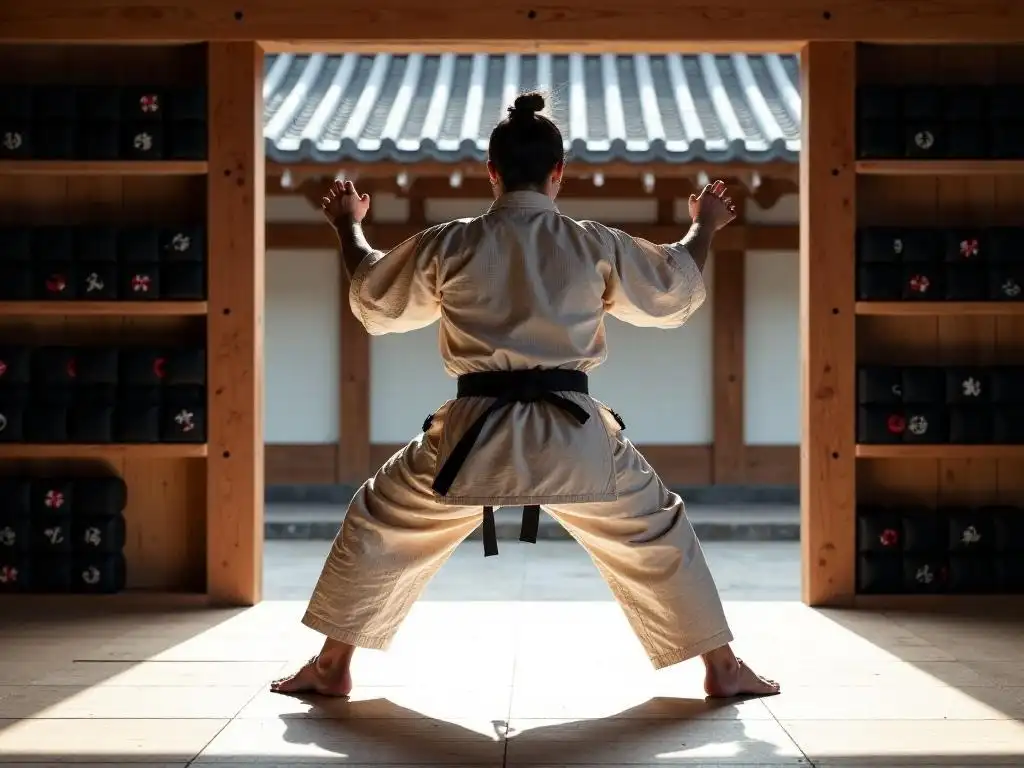
In Japan, the landscape of martial arts schools can be broadly categorized into traditional and modern institutions, each playing a significant role in the evolution of Japanese fighting arts.
Traditional Martial Arts Schools
Traditional martial arts schools, often referred to as koryu, have deep historical roots, some tracing back several centuries. These schools emphasize the preservation of ancient techniques and philosophies, often passed down through generations. Notable characteristics include:
- Focus on Historical Techniques: Traditional schools often teach techniques that may have been used in samurai combat. For example, kendo, iaido, and judo are grounded in the principles of bushido, focusing on discipline, respect, and honor.
- Cultural Practices: Many traditional schools incorporate rituals and practices that reflect the values of feudal Japan, including etiquette, meditation, and the use of specific uniforms ( keikogi).
- Structured Learning: The curriculum is typically hierarchical, with ranks determined through kyu and dan levels. Students must demonstrate proficiency and understanding of the underlying principles of the art before advancing.
Modern Martial Arts Schools
In contrast, modern martial arts schools have emerged in response to contemporary needs and interests. These schools often adopt a more pragmatic approach to training. Key features include:
- Adaptation of Techniques: Many modern schools, such as Brazilian Jiu-Jitsu and MMA, blend techniques from various martial arts to create a more versatile fighting system. This adaptation responds to the practical needs of self-defense and competition.
- Inclusive Environment: Modern schools tend to attract a wide demographic, including individuals interested in fitness, self-defense, or competitive sports. The training environment is often less formal and more focused on personal development.
- Innovative Training Methods: Modern institutions may employ advanced training techniques, including technology integration (like virtual classes) and a focus on physical conditioning, to enhance performance.
Bridging the Gap
While traditional and modern martial arts schools serve different purposes, they both contribute to the rich tapestry of Japanese martial arts. Many practitioners find value in cross-training, drawing from the historical discipline of traditional schools while embracing the evolving nature of modern practices. This fusion helps preserve the essence of bushido while adapting to the modern world.
Conclusion: The Enduring Legacy of Bushido and Japanese Martial Arts
The spirit of bushido, characterized by its principles of loyalty, honor, and discipline, continues to resonate throughout Japan’s martial arts schools. This legacy not only shapes the training methodologies but also influences the broader cultural context in which martial arts thrive today.
As students engage with the teachings of bushido, they cultivate not just physical skills but also lifelong values. This holistic approach fosters a deep sense of respect for oneself and others, which is integral to both traditional and modern practices. The enduring legacy of bushido manifests in various forms, from the disciplined movements of kendo to the strategic grappling of judo, each preserving the core tenets of samurai philosophy.
Moreover, as globalization increases, the influence of Japanese martial arts has spread worldwide, allowing the principles of bushido to reach new audiences and cultures. This global interest underscores the universal appeal of the values embedded in Japanese martial arts, ensuring that the spirit of bushido remains relevant for future generations.
Call to Action
Are you ready to embark on your own martial arts journey and explore the spirit of bushido? Whether you are interested in traditional disciplines or modern adaptations, there is a school for you in Japan that can offer profound insights and training.
- Find a School: Research local martial arts schools to discover classes that align with your interests.
- Join a Class: Experience firsthand the discipline and camaraderie that comes with training.
- Learn More: Delve deeper into the history and philosophy of bushido through books, documentaries, and workshops.
Start your journey today and become part of the rich legacy of Japanese martial arts! 🥋✨
Additional Resources
To further explore the concept of Bushido and its significance in Japanese martial arts, the following resources provide valuable insights, historical context, and practical knowledge:
Books
-
"Bushido: The Soul of Japan" by Inazo Nitobe
This classic text outlines the principles of Bushido and its impact on Japanese culture and martial practices. Nitobe's work serves as a cornerstone for understanding the ethical framework that governs the samurai way of life.
-
"The Book of Five Rings" by Miyamoto Musashi
Written by one of Japan’s most famous swordsmen, this text offers profound insights into strategy, philosophy, and martial arts techniques. Musashi's teachings are crucial for anyone interested in the martial arts.
-
"Hagakure: The Book of the Samurai" by Yamamoto Tsunetomo
This book is a collection of thoughts and teachings on the samurai code, providing a deep dive into the spiritual and philosophical aspects of Bushido.
Documentaries
-
"The Last Samurai"
While this film is a dramatization, it captures the essence of the samurai spirit and the conflict between tradition and modernization during the late Edo period.
-
"Samurai: Behind the Blade"
This documentary offers a historical perspective on the samurai class, detailing their culture, martial practices, and the principles of Bushido that governed their lives.
Online Courses and Tutorials
-
Udemy: Japanese Martial Arts
This platform offers various courses on different styles of Japanese martial arts, including Karate, Judo, and Aikido, often emphasizing the philosophical underpinnings of Bushido.
-
YouTube Channels
Channels like "Martial Arts Journey" and "Kenshi 24/7" provide instructional videos and in-depth discussions about the practices and principles of various Japanese martial arts, including their connection to Bushido.
Museums and Cultural Institutions
-
The Samurai and Ninja Museum with Experience
Located in Kyoto, this museum offers a unique insight into the lives of samurai and the historical context of Bushido, featuring weapons, armor, and interactive experiences.
-
The Tokyo National Museum
This museum houses an extensive collection of artifacts related to samurai culture, martial arts, and the historical evolution of Bushido.
Online Articles and Journals
-
"The Evolution of Bushido: From Samurai to Modern Japan"
This article provides an academic overview of how the principles of Bushido have transformed over time and their relevance in contemporary Japan.
-
Journal of Asian Martial Arts
This scholarly journal offers in-depth research articles that explore various aspects of Asian martial arts, including the historical and philosophical dimensions of Bushido.
These resources collectively enhance the understanding of Bushido and its profound influence on Japanese martial arts, providing both historical context and practical insights for enthusiasts and scholars alike.
- Introduction to Bushido and Japanese Martial Arts
- Historical Context of Bushido in Feudal Japan
- Top Martial Arts Institutions in Japan
- The Impact of Bushido on Modern Martial Arts Practices
- Comparing Traditional and Modern Martial Arts Schools in Japan
- Conclusion: The Enduring Legacy of Bushido and Japanese Martial Arts
- Call to Action
- Additional Resources
Frequently Asked Questions
What is Bushido in the context of Japanese martial arts?
Bushido is the code of conduct that guided the samurai class in feudal Japan, emphasizing values such as honor, loyalty, and discipline. It greatly influenced the development of Japanese martial arts.
How did Bushido shape martial arts training in Japan?
The principles of Bushido instilled a sense of dedication and perseverance in martial arts training, promoting not only physical skills but also mental discipline, which is essential for mastering techniques.
What are some of the top martial arts institutions in Japan?
Institutions like the Kodokan for Judo, Katori Shinto-ryu for traditional swordsmanship, and Yoshinkan Aikido are renowned for their emphasis on Bushido values in their training methodologies.
How does Bushido influence modern martial arts practices?
Modern martial arts still reflect Bushido principles, with a focus on respect, self-control, and ethics. Many practitioners aim to embody these values, extending beyond the dojo into everyday life.
Are there any specific martial arts styles that emphasize Bushido?
Yes, styles such as Kendo, Iaido, and Ninjutsu are deeply rooted in Bushido philosophy. Practitioners often study these arts to not only improve their combat skills but also cultivate character and integrity.
Final Reflection: Embracing the Spirit of Bushido in Modern Life
The principles of Bushido resonate deeply in today's fast-paced world, reminding us of the importance of honor, discipline, and respect. As we navigate our daily challenges, the teachings of Japanese martial arts offer a timeless framework for personal growth and resilience. In a society often driven by instant gratification, the enduring values of Bushido encourage us to cultivate patience and perseverance, making them more relevant than ever.
The influence of Bushido extends beyond the dojo and into our cultural and social landscapes. From the way we approach our personal relationships to how we tackle professional obstacles, the spirit of Bushido inspires a sense of integrity and commitment. As renowned martial artist Mas Oyama once said, The ultimate aim of martial arts is not having to use them.
This profound insight encapsulates the essence of Bushido: it is not merely about physical prowess but about fostering a mindset that values peace, humility, and self-improvement.
As you reflect on the teachings of Bushido, consider how you can integrate these principles into your own life. Embrace the challenge of self-discipline, honor your commitments, and treat others with respect. By doing so, you not only honor the rich tradition of Japanese martial arts but also empower yourself to lead a life of purpose and integrity. Let the spirit of Bushido guide you on your journey, inspiring you to become the best version of yourself in every endeavor.
Unleash Your Inner Warrior!
Thank you for diving deep into the world of Bushido and exploring Japan's rich martial arts heritage! You've gained invaluable insights into the philosophies and practices that shape these noble traditions. It’s time to translate that knowledge into action.
Here are some powerful steps you can take to further connect with the spirit of Bushido:
- Immerse Yourself in a Martial Arts Class: Find a local dojo or martial arts school and start your journey in a specific discipline such as Kendo or Aikido.
- Explore Cultural Connections: Read literature or watch documentaries about Japanese culture and martial arts to deepen your understanding.
- Share Your Journey: Connect with fellow enthusiasts on social media or forums. Share your experiences, insights, and any questions you may have!
Which aspect of the Bushido philosophy resonates most with you, and how do you plan to incorporate it into your daily life?