
A Scholar's Guide to Japan's Martial Arts Schools: History and Technique

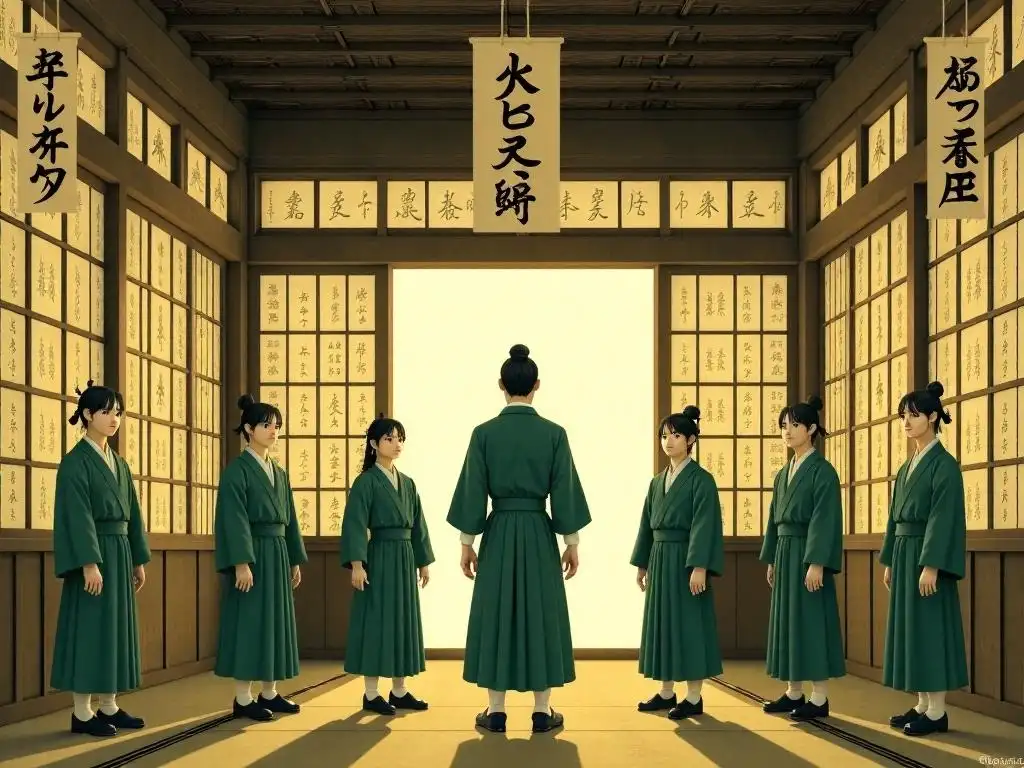
Welcome to Feudal Japan History, where we invite you to embark on a captivating journey through the intricate tapestry of Japan’s feudal era. Delve deep into the rich historical, cultural, and societal layers that shaped this remarkable period. Our featured article, "A Scholar's Guide to Japan's Martial Arts Schools: History and Technique," serves as your gateway into the fascinating realm of Japan martial arts history. Discover the evolution of these ancient practices and the profound philosophies that underpin them. Get ready to unlock secrets of the past that continue to influence the martial arts of today—your exploration begins here!
Introduction to Japan's Martial Arts History
Japan's martial arts history is a rich tapestry woven with the threads of tradition, discipline, and the indomitable spirit of its practitioners. From the early days of samurai warfare to the modern-day practices that emphasize both physical prowess and mental fortitude, martial arts in Japan have evolved significantly over the centuries. This guide aims to illuminate the historical context and development of various martial arts schools in Japan, offering insights into their techniques and philosophies.
Martial arts have played an essential role in shaping Japan's societal structure, particularly during the feudal era when the samurai class held power and prestige. The teachings of prominent martial arts schools not only served as a means of combat training but also embodied the moral and ethical values of the time. As we delve deeper into this fascinating subject, we will explore the origins of different martial arts styles, their key figures, and the techniques that define them.
In this comprehensive guide, we will also highlight several renowned martial arts schools, examining how their unique approaches to training have influenced both Japanese culture and the global martial arts landscape. Whether you are a seasoned practitioner or a curious novice, understanding Japan's martial arts history will enrich your appreciation for these disciplines and their lasting impact on society.
The Feudal Era and Martial Arts Development
The feudal era of Japan, spanning from the 12th to the 19th centuries, was a time of considerable upheaval and transformation. During this period, the samurai emerged as the ruling military class, and with them came a distinct emphasis on martial training. The social structure of feudal Japan necessitated that samurai not only excel in battle but also embody the virtues of loyalty, honor, and discipline. This context played a crucial role in the development of martial arts, as various schools were established to train warriors in combat techniques and strategies.
Key Aspects of Martial Arts Development in the Feudal Era:
- Influence of the Samurai Class: The samurai were the primary practitioners of martial arts, and their codes of conduct, such as Bushido, shaped the training methods and philosophies of various schools.
- Codification of Techniques: As martial arts schools flourished, many began to codify their techniques and teachings, leading to the establishment of formalized training methods. This codification ensured that knowledge was passed down through generations.
- Integration of Weapons and Techniques: The feudal era saw the development of numerous weapon-based martial arts, including kenjutsu (swordsmanship), iaijutsu (quick-draw techniques), and sojutsu (spear techniques). Each school emphasized different aspects of combat, leading to a diverse array of practices.
- Cultural Interactions: The exchange of ideas and techniques with neighboring cultures, particularly during times of conflict or trade, contributed to the evolution of martial arts. As foreign influences mingled with indigenous practices, new styles and techniques emerged.
The legacy of feudal Japan's martial arts continues to resonate today, as many of these traditional schools remain active and relevant. Understanding the historical development of these arts not only provides insight into their techniques but also highlights the cultural and societal values that have shaped them over the centuries.
Major Martial Arts Schools in Japan
Japan is home to a rich tapestry of martial arts schools, each with its unique philosophy, techniques, and cultural significance. These schools have developed over centuries, reflecting the historical context of Japan's feudal era and the evolution of combat and self-discipline practices. Here are some of the most prominent martial arts schools that have shaped the landscape of martial arts in Japan.
Kendo: The Way of the Sword
Kendo, which translates to "the way of the sword," is a modern Japanese martial art that evolved from traditional swordsmanship (kenjutsu). Originating in the late 19th century, Kendo emphasizes discipline, respect, and the development of character through the practice of sword fighting techniques. Practitioners, known as "kendoka," wear protective gear and use bamboo swords (shinai) to engage in fast-paced matches that require both physical skill and mental acuity.
Kendo’s teachings are rooted in the samurai ethos, fostering a sense of honor and integrity. The art form not only focuses on physical prowess but also on cultivating a strong spirit and mental clarity. Kendo has gained international popularity, with federations and competitions held worldwide, allowing practitioners to experience this ancient discipline's essence and philosophy.
Judo: The Gentle Way
Judo, founded by Jigoro Kano in the late 19th century, translates to "the gentle way." It is characterized by its focus on throws, joint locks, and pins, emphasizing the principle of using an opponent's energy against them. Judo was developed from traditional Japanese jiu-jitsu but has evolved into a highly organized sport with a robust competitive structure.
Judo training promotes physical fitness, self-defense, and the development of mental resilience. The practice begins with learning basic techniques, advancing to more complex maneuvers as the judoka (practitioner) progresses. The sport became an Olympic event in 1964, further cementing its status as a prominent martial art worldwide. Judo's philosophy encourages mutual welfare and respect, making it not only a physical discipline but also a way of life.
Karate: The Empty Hand
Karate, meaning "empty hand," is a striking martial art that focuses on punches, kicks, knee strikes, and elbow strikes. It originated in Okinawa and was influenced by indigenous fighting styles and Chinese martial arts. In the early 20th century, Karate was introduced to mainland Japan, where it gained immense popularity.
Karate training involves kata (pre-arranged forms), kumite (sparring), and kihon (basic techniques). Each aspect develops the practitioner's physical abilities and mental focus. The various styles of Karate, such as Shotokan, Goju-Ryu, and Shito-Ryu, each have distinct characteristics and philosophies, contributing to its diversity. Karate emphasizes self-discipline, respect for others, and the pursuit of personal growth, making it a holistic martial art suited for practitioners of all ages.
Aikido: The Way of Harmony
Aikido, founded by Morihei Ueshiba in the early 20th century, translates to "the way of harmony." This martial art focuses on blending with an opponent's movements and redirecting their energy rather than opposing it directly. Aikido techniques include joint locks, throws, and pins, designed to neutralize an attack without causing injury.
The philosophy of Aikido is deeply rooted in the idea of achieving peace and harmony, both within oneself and in interactions with others. Practitioners, known as aikidoka, cultivate a sense of calmness and awareness through training. Aikido emphasizes the importance of using technique and timing rather than brute strength, making it accessible to individuals of various physical abilities. Its holistic approach to self-defense and conflict resolution has attracted many people seeking not just a martial art but a path to personal development.
Comparison of Techniques Across Martial Arts
While each martial art offers its unique techniques and philosophies, there are notable similarities and distinctions in their approaches:
| Martial Art | Primary Techniques | Philosophy | Training Focus |
|---|---|---|---|
| Kendo | Sword strikes, footwork, defensive maneuvers | Honor, integrity, character development | Speed, strategy, mental clarity |
| Judo | Throws, joint locks, pins | Mutual welfare, respect | Leverage, balance, adaptability |
| Karate | Strikes (punches, kicks), kata | Personal growth, discipline | Precision, strength, confidence |
| Aikido | Joint locks, throws, blending techniques | Harmony, peace | Timing, awareness, fluidity |
Each martial art not only develops physical skills but also instills values that resonate deeply with practitioners. Whether it's Kendo's emphasis on the samurai spirit, Judo's focus on adaptability, Karate's commitment to personal growth, or Aikido's pursuit of harmony, these schools highlight the diverse ways martial arts can enrich lives. Understanding these differences allows enthusiasts and scholars alike to appreciate the depth and breadth of Japan's martial arts heritage.
The Role of Martial Arts in Japanese Culture
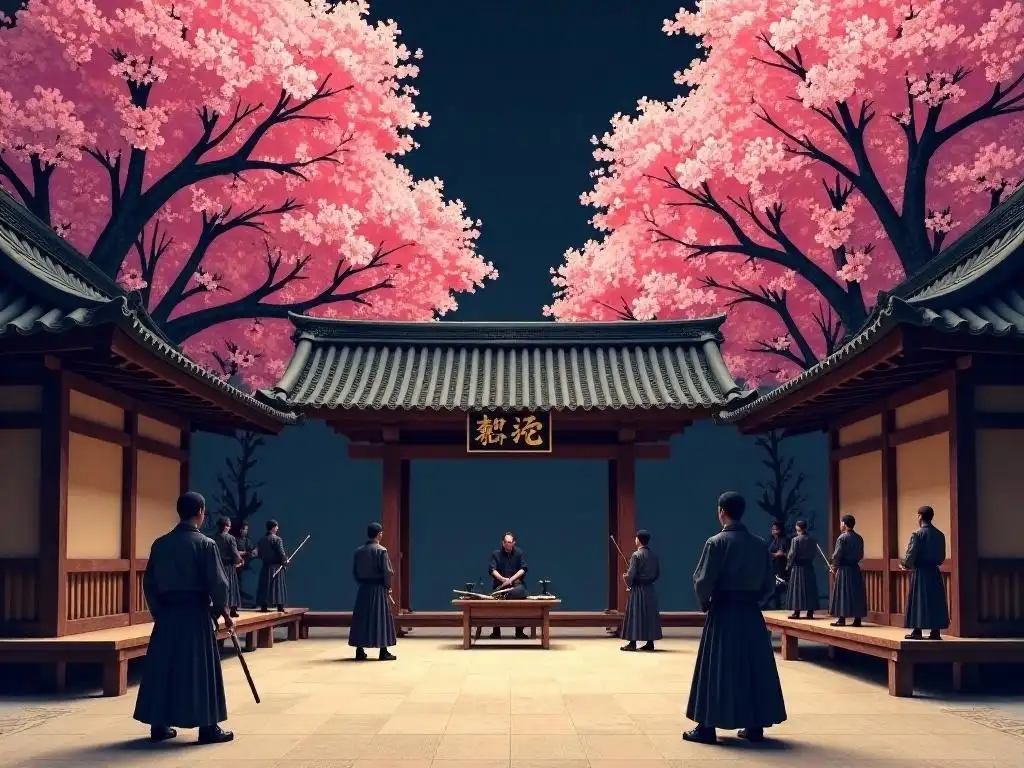
Martial arts have played a significant role in shaping Japanese culture throughout its history. Originating from the need for self-defense and warfare, these disciplines evolved into complex systems that embody respect, discipline, and a deep philosophical understanding of life and death. The concept of Bushido, or "the way of the warrior," heavily influences martial arts practices and emphasizes virtues such as loyalty, honor, and courage.
Martial arts in Japan are not merely physical activities; they are deeply intertwined with cultural practices, rituals, and values. Schools of martial arts often serve as community hubs where students learn not only techniques but also the historical context and moral teachings associated with their chosen discipline. Traditions such as kendo (the way of the sword) and karate (empty hand) reflect the cultural heritage and the spiritual aspects of the Japanese way of life.
In ceremonies and competitions, martial arts practitioners demonstrate their skills, showcasing not only their physical prowess but also their mental discipline and ethical grounding. The practice of martial arts is often accompanied by rituals such as bowing, which signifies respect and humility, reinforcing the idea that martial arts training is as much about personal development as it is about combat skills.
The Modern Evolution of Japan's Martial Arts Schools
The modern evolution of Japan's martial arts schools has been marked by a blend of traditional practices and contemporary influences. While many schools maintain their historical roots, they have also adapted to modern society's needs. This evolution is characterized by the global spread of martial arts, where techniques and philosophies are disseminated worldwide, attracting a diverse range of practitioners.
In the post-World War II era, martial arts schools began to formalize their teachings, creating structured curriculums that included grading systems, competitions, and international federations. This period saw the rise of prominent figures, such as Mas Oyama in kyokushin karate, who helped popularize karate globally.
Additionally, the influence of popular media, including films and television shows, has contributed to the modern perception of martial arts. Iconic figures like Bruce Lee and movies such as "The Karate Kid" have introduced martial arts to audiences worldwide, generating interest and participation in various styles.
Furthermore, the integration of martial arts into fitness and self-defense programs has allowed schools to attract individuals who may not be interested in traditional training but seek physical fitness or personal protection skills. This diversification has opened up martial arts to a broader audience, ensuring their relevance in contemporary society while still honoring their historical significance.
Conclusion: The Future of Japan's Martial Arts Schools
The future of Japan's martial arts schools appears bright, with a continued emphasis on both preserving tradition and embracing innovation. As global interest in martial arts continues to grow, schools are increasingly focusing on fostering international relationships and exchanges, allowing for a cross-pollination of techniques and philosophies.
The rise of technology and digital platforms also offers new avenues for martial arts instruction. Online classes, virtual competitions, and instructional videos provide access to a wider audience, breaking geographical barriers that once limited participation. This trend may lead to the emergence of new styles and adaptations, further enriching the martial arts landscape.
Moreover, as societal values evolve, there is an increasing emphasis on the mental and emotional benefits of martial arts training. Schools are likely to focus more on developing self-discipline, resilience, and mindfulness, reflecting contemporary concerns such as mental health and well-being.
While Japan's martial arts schools honor their rich history, they are also poised to adapt to the changing dynamics of society. Through innovation and a commitment to core values, these schools will continue to thrive, ensuring that the legacy of Japan's martial arts is preserved for future generations.
Additional Resources
For those looking to deepen their understanding of Japan's martial arts schools and their historical context, there are a variety of resources available that cater to different interests and levels of expertise. Below are some categories of resources, along with specific recommendations that can enhance your exploration of this rich topic.
Books
Books offer a comprehensive look at the history, techniques, and philosophies of various martial arts schools in Japan. Here are a few notable titles:
-
"Hagakure: The Book of the Samurai" by Yamamoto Tsunetomo
This classic text provides insight into the samurai way of life, including their martial practices and ethical frameworks.
-
"The Secret Teachings of Aikido" by Morihei Ueshiba
Authored by the founder of Aikido, this book delves into the principles of Aikido and its historical development.
-
"Japanese Swordsmanship: A Theory of Strategy" by Donn F. Draeger
This title examines the evolution of Japanese swordsmanship and its cultural significance throughout history.
Documentaries and Films
Visual media can present martial arts history in an engaging format. Consider watching:
-
"The Last Samurai"
Although fictional, this film provides a dramatized insight into the samurai culture during the Meiji Restoration, touching on the transition of martial arts in Japan.
-
Documentaries on NHK
Various NHK documentaries explore traditional Japanese martial arts, featuring interviews with practitioners and historical insights.
Online Courses and Lectures
For a more interactive approach, online platforms offer courses that cover a wide range of martial arts techniques and philosophies. Some recommended platforms include:
-
Udemy
Search for courses on specific martial arts styles, which often include video lessons and historical context.
-
Coursera
Look for lectures or courses offered by universities that delve into the cultural aspects of martial arts in Japan.
Martial Arts Associations and Schools
Connecting with martial arts schools and associations can provide firsthand knowledge and resources:
-
All Japan Kendo Federation
They offer resources, events, and seminars for those interested in Kendo, including historical context.
-
International Aikido Federation
This organization promotes Aikido worldwide and often has resources available for practitioners and scholars alike.
Academic Journals and Articles
For those seeking scholarly analysis, academic journals provide in-depth research articles on various aspects of martial arts history:
-
Journal of Asian Martial Arts
This journal features articles that cover historical, technical, and cultural studies related to Asian martial arts.
-
Martial Arts Studies
An academic journal that explores martial arts from various perspectives, including history, culture, and sociology.
Online Forums and Communities
Engaging with communities can enhance your learning experience. Consider joining:
-
Reddit’s r/martialarts
A vibrant community where you can ask questions, share experiences, and discuss different martial arts styles and histories.
-
Facebook Groups dedicated to Martial Arts
Numerous groups focus on specific styles or historical aspects of martial arts, providing a platform for discussion and resource sharing.
These additional resources will not only enrich your knowledge of Japan's martial arts history but also connect you with a community of enthusiasts and scholars dedicated to preserving and sharing this fascinating cultural heritage.
- Introduction to Japan's Martial Arts History
- The Feudal Era and Martial Arts Development
- Major Martial Arts Schools in Japan
- Comparison of Techniques Across Martial Arts
- The Role of Martial Arts in Japanese Culture
- The Modern Evolution of Japan's Martial Arts Schools
- Conclusion: The Future of Japan's Martial Arts Schools
- Additional Resources
- What is the significance of martial arts in Japan's feudal era?
- How did different martial arts schools emerge in Japan?
- What role did samurai play in the development of martial arts?
- How are Japan’s martial arts schools connected to its cultural history?
- What can I learn from the "Japan martial arts history guide"?
Frequently Asked Questions
What is the significance of martial arts in Japan's feudal era?
Martial arts were essential for warrior training and self-defense during Japan's feudal period. They developed as a means of preparing samurai for combat, reflecting the cultural values of honor and discipline.
How did different martial arts schools emerge in Japan?
Various martial arts schools emerged due to regional differences, philosophies, and techniques. Each school focused on unique methods and strategies, often influenced by the social structure of the time.
What role did samurai play in the development of martial arts?
Samurai were the primary practitioners of martial arts, using them as a means of combat training. Their status and influence helped establish many traditional schools that still exist today.
How are Japan’s martial arts schools connected to its cultural history?
The evolution of martial arts schools reflects Japan's historical events, including wars and peace periods. They served as a way to preserve cultural identity while adapting to changing social dynamics.
What can I learn from the "Japan martial arts history guide"?
The guide provides a comprehensive overview of the history, techniques, and philosophies of various martial arts schools in Japan. It is an invaluable resource for anyone interested in the cultural heritage of Japanese martial arts.
Final Reflection: Embracing the Legacy of Japan's Martial Arts
The rich tapestry of Japan's martial arts history serves as a profound reminder of the resilience and discipline inherent in these ancient practices. Today, as we navigate a world that often feels chaotic and disconnected, the teachings and techniques of these martial arts schools resonate more than ever. They remind us of the importance of tradition, respect, and the pursuit of mastery in our own lives. The journey through this history not only informs our understanding of martial arts but also invites us to reflect on our personal growth and the values we uphold.
The influence of Japan's martial arts extends far beyond the dojo, shaping cultural identities and fostering community bonds across the globe. As we engage with these practices, we embrace a legacy that encourages self-discipline, respect for others, and a deep connection to our heritage. Martial arts is not about fighting; it's about building character.
This sentiment encapsulates the essence of what these schools offer, reminding us that the true purpose of martial arts transcends physical prowess and delves into the cultivation of the mind and spirit.
As you reflect on the insights shared in this article, consider how the principles of Japan's martial arts can be woven into your own life. Challenge yourself to embody the values of perseverance, respect, and continuous learning. Whether you are a practitioner or an admirer, let the wisdom of these traditions inspire you to cultivate strength and resilience in your daily endeavors. Embrace the journey, and allow the teachings of these martial arts schools to guide you toward a more fulfilling and purposeful existence.
Embark on Your Martial Arts Journey Today!
Thank you for exploring Japan's rich martial arts history with us! We hope you’ve gained valuable insights into the techniques and schools that have shaped these ancient practices. Now, it's time to put that knowledge into action and deepen your experience.
Here’s how you can continue your journey into the world of martial arts:
- Join a local martial arts class: Find a dojo in your area that offers lessons in the style that fascinates you the most.
- Explore martial arts literature: Dive deeper by selecting a book or documentary about your favorite style or technique to enhance your understanding.
- Share your knowledge: Engage with fellow enthusiasts on social media or forums; participate in discussions about martial arts history or share your insights on what resonates with you.
As you take these steps, consider this: Which martial arts technique do you aspire to master, and how do you plan to begin your training?