
The Integration of Traditional and Modern Tactics in Contemporary Japan


Welcome to Feudal Japan History, where we embark on a fascinating journey through the intricate tapestry of Japan's feudal era. Here, history is not just a collection of dates but a vibrant narrative that intertwines the traditional with the modern. In our featured article, "The Integration of Traditional and Modern Tactics in Contemporary Japan," we delve into how the echoes of ancient strategies resonate in today’s military practices.
Curious about how centuries-old wisdom shapes modern warfare? Join us as we uncover the secrets behind Japan’s evolving tactics and explore the profound impact of its historical legacy on contemporary society. Your adventure into the past starts here!
Introduction to Modern Tactics in Japan's History
The historical tapestry of Japan is rich with intricate layers of military strategy, evolving from the ancient samurai codes to the complexities of modern warfare. In this exploration, we delve into the integration of traditional and modern tactics in Japan's history, a theme that highlights the resilience and adaptability of Japanese military strategies over time.
By analyzing the modern tactics in Japan's history, we can better understand how the foundations laid during the feudal era have influenced contemporary military practices and societal responses to conflict. This article aims to provide a comprehensive overview of the interplay between historical legacies and modern innovations in military tactics, reflecting Japan's unique position on the global stage.
Overview of Traditional Japanese Tactics
Traditional Japanese military tactics were deeply rooted in the values of honor, discipline, and strategy, often embodied by the samurai class. These tactics emphasized:
- Bushido Code: The ethical framework guiding the samurai, focusing on loyalty, courage, and honor.
- Geographical Awareness: Utilizing the terrain to gain a tactical advantage, such as in ambushes or defensive positions.
- Formation and Maneuvering: Techniques like the kikō (strategic withdrawal) and shuriken deployment showcased the importance of flexibility and adaptability in combat.
The tactical approaches used during the feudal era laid the groundwork for later military developments, influencing both domestic and international strategies.
The Evolution of Military Strategy in Japan
As Japan transitioned from a feudal society to a modern nation-state, its military strategies evolved significantly. Key factors in this evolution included:
- Western Influence: The Meiji Restoration in the late 19th century marked a pivotal shift, as Japan adopted Western military practices and technologies, leading to the formation of a conscript army.
- Industrialization: The advent of industrialization brought about advances in weaponry and logistics, transforming the scale and nature of warfare.
- Integration of Technology: Modern tactics now incorporate advanced technologies such as drones, cyber warfare, and intelligence systems, reflecting a departure from historical methods while still respecting traditional principles.
Historical Context of Military Tactics in Japan
Understanding the historical context of Japanese military tactics is crucial for appreciating their development and integration into contemporary strategies. The following sections will explore key periods that shaped these tactics.
The Feudal Era: A Foundation for Tactical Development
The feudal era in Japan, characterized by the rise of the samurai class and regional warlords (daimyos), established essential military frameworks. Notable elements include:
- Clan Rivalries: Ongoing conflicts such as the Genpei War (1180-1185) illustrated the importance of strategy, alliances, and battlefield tactics.
- Siege Warfare: The construction of fortifications and defensive measures became critical, influencing later military architecture and tactics.
- Cultural Elements: The integration of Zen Buddhism and martial arts philosophy contributed to the mental and spiritual preparedness of warriors.
Key Battles that Shaped Japanese Military Tactics
Throughout Japan's history, certain battles stand out as pivotal moments that defined military tactics:
- Battle of Sekigahara (1600): This decisive battle effectively established the Tokugawa shogunate, showcasing the importance of alliances and battlefield strategy.
- Boshin War (1868-1869): A conflict between imperial and shogunate forces that highlighted the transition to modern warfare and the integration of Western tactics.
- World War II: Japan's military strategies evolved further, incorporating both traditional values and modern innovations, which had lasting implications on post-war military doctrine.
These historical milestones illustrate the dynamic nature of military tactics in Japan, revealing a continuous thread woven through time that connects traditional practices with modern methodologies.
Traditional Tactics in Japan's Feudal Era
The feudal era of Japan, spanning from the 12th to the 19th century, was characterized by a unique set of military tactics developed to suit the landscape, culture, and political climate of the time. Traditional tactics relied heavily on the principles of strategy and the martial arts codified by the samurai. Key elements included the use of terrain, formations, and psychological warfare, which were essential for achieving victory in battles. The emphasis on honor and loyalty also influenced tactical decisions, leading to strategies that often prioritized the preservation of a clan's dignity over mere battlefield success.
The samurai, as the warrior class, played a pivotal role in shaping these tactics. Their training involved not only physical combat but also the study of strategy, philosophy, and history. This comprehensive approach enabled them to adapt traditional tactics in response to different challenges, ensuring their relevance throughout the feudal period. As Japan evolved, so too did its military strategies, blending older methods with new ideas as external influences began to permeate the island nation.
Bushido: The Way of the Warrior
Bushido, or "the way of the warrior," is a code of conduct that governed the samurai's behavior and military tactics. This philosophy emphasized virtues such as loyalty, honor, and courage, which were integral to the samurai's identity. The adherence to Bushido affected not only personal conduct but also tactical decisions in warfare. Samurai were trained to face their enemies with bravery and to seek honorable combat, often preferring to fight to the death rather than surrender.
The impact of Bushido extended beyond individual samurai to influence entire clans and armies. Leaders would often encourage their troops to embody the principles of this code, fostering a sense of unity and purpose. This cultural backdrop shaped many traditional tactics employed during feudal conflicts, where the psychological aspects of warfare—such as the morale of troops and the honor of victory—played a significant role. The legacy of Bushido continues to resonate in modern Japanese culture, reflecting the enduring influence of these traditional values.
Samurai Warfare Techniques and Their Impact
Samurai warfare techniques were diverse and sophisticated, incorporating various forms of combat and weaponry. Key techniques included kenjutsu (swordsmanship), iaijutsu (the art of drawing the sword), and sojutsu (spear techniques). Each samurai was trained in multiple disciplines, enabling them to adapt to different combat scenarios. The use of the katana, characterized by its curved, single-edged blade, became iconic, symbolizing the samurai's martial prowess.
The impact of these techniques was profound, influencing both the outcomes of battles and the development of subsequent military practices. The samurai's emphasis on individual skill and discipline set a standard for future military training, promoting the idea that personal honor and capability were essential for success on the battlefield. Additionally, the techniques developed during the feudal era laid the groundwork for Japan's later military innovations, as they provided a foundation upon which modern tactics could be built.
The Role of Archery and Cavalry in Early Conflicts
In the early conflicts of feudal Japan, archery and cavalry were crucial components of military strategy. The yumi, or longbow, was a weapon of choice, enabling warriors to strike from a distance and disrupt enemy formations before close combat ensued. Archers were often positioned strategically on elevated ground, providing a tactical advantage in battles. Their ability to deliver precise volleys of arrows could significantly influence the outcome of engagements, underscoring the importance of ranged combat in traditional tactics.
Cavalry also played a vital role, particularly in the Mongol invasions of the 13th century, where mounted warriors provided mobility and speed. Samurai cavalry units employed hit-and-run tactics, flanking enemy forces and creating chaos in their ranks. The effective use of both archery and cavalry allowed for a more dynamic battlefield approach, blending direct confrontation with strategic maneuvering. These elements of warfare not only shaped military engagements of the time but also informed the evolution of Japan's military tactics leading into the modern era.
The Emergence of Modern Tactics in Japan
As Japan transitioned from its feudal past towards modernization, the military landscape began to change dramatically. The emergence of modern tactics was influenced by both internal reforms and external interactions, particularly during the 19th century. The introduction of firearms and Western military strategies marked a significant departure from the traditional techniques that had dominated for centuries. This shift aimed to create a more unified and efficient military capable of competing on the global stage.
Modernization efforts were propelled by the desire to prevent colonization and to strengthen Japan’s position in international affairs. The adaptation of military tactics involved a thorough reassessment of existing practices, leading to the integration of new technologies and training methods that would redefine Japan’s military capabilities.
Western Influence on Japanese Military Strategy
The influence of Western military thought and technology on Japan's military strategy became particularly pronounced during the late 19th century. Following Japan's forced opening to the West in the mid-1800s, the nation began to study European military practices, leading to significant reforms in its own army and navy. The adoption of Western-style drills, training regimens, and organizational structures marked a dramatic shift in how Japan approached warfare.
One notable aspect of this transformation was the modernization of weaponry. Traditional weapons were gradually replaced with firearms, artillery, and ironclad ships. This shift not only changed the nature of combat but also necessitated new tactics that emphasized coordination and combined arms operations. The integration of Western influences allowed Japan to develop a highly effective military that could engage successfully with foreign powers, ultimately fostering a sense of national pride and identity.
The Meiji Restoration and Its Tactical Innovations
The Meiji Restoration of 1868 was a pivotal moment in Japanese history that catalyzed the transition from feudalism to a modern state. This period was marked by extensive reforms across various sectors, including the military. The establishment of a conscript army replaced the samurai's feudal loyalty-based service, creating a more centralized and professional military force. These reforms included the adoption of new training methods, organizational hierarchies, and tactics inspired by Western military practices.
Innovations during this time included the introduction of modern artillery and the establishment of military academies that emphasized scientific approaches to warfare. The military leadership recognized the importance of education and discipline, leading to the development of a more coherent strategy that combined traditional values with modern techniques. This synthesis of old and new established the foundation for Japan's military successes in subsequent conflicts, showcasing the effectiveness of modern tactics on the battlefield.
Case Study: The First Sino-Japanese War and Modern Tactics
The First Sino-Japanese War (1894-1895) serves as a critical case study for understanding the application of modern tactics in Japan's military history. This conflict highlighted Japan's transformation from a feudal society to a modern military power capable of defeating a major Asian rival. Japanese forces employed a combination of traditional discipline and modern technology, including advanced naval capabilities and artillery.
Key strategies included the use of surprise and speed, as demonstrated in the decisive Battle of Port Arthur and the rapid advance into Manchuria. The effective coordination between the army and navy, along with superior logistics, allowed Japanese forces to outmaneuver and outfight their Chinese counterparts. The war not only established Japan as a formidable power on the world stage but also showcased the successful integration of modern tactics with Japan's historical military ethos, marking a significant turning point in the nation's military history.
Integration of Traditional and Modern Tactics
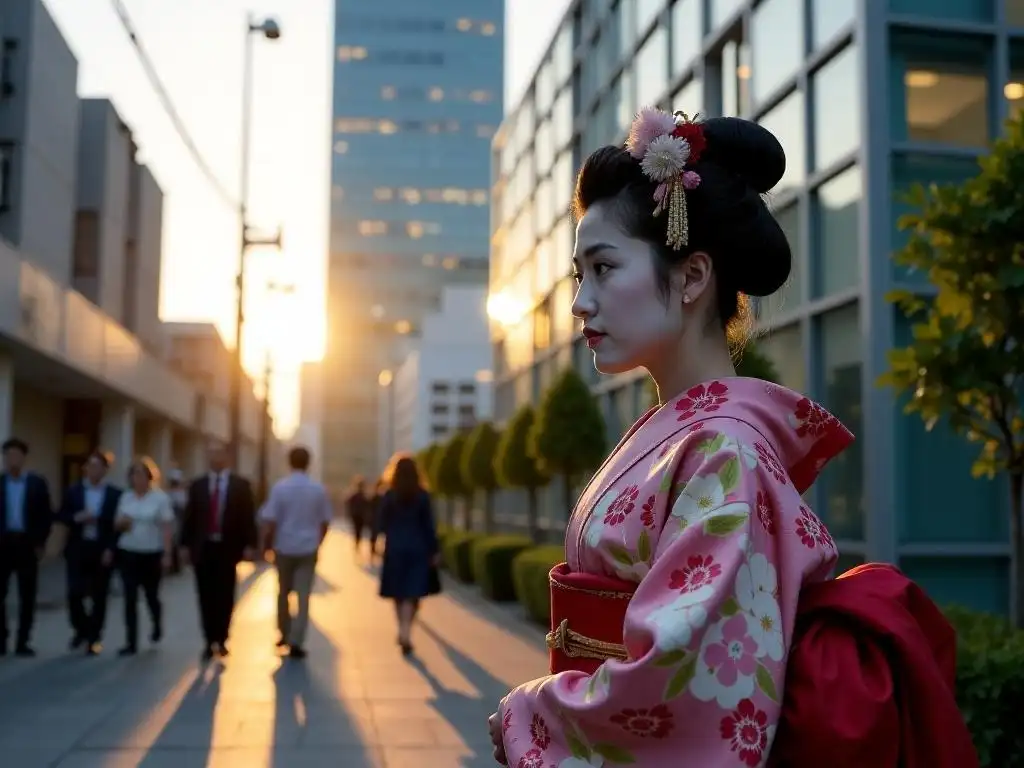
The integration of traditional and modern tactics in contemporary Japan represents a fascinating juxtaposition of historical practices and modern innovations. This synthesis is particularly evident in Japan's military strategies, where lessons learned from past conflicts inform current defense policies. Traditional tactics, rooted in the samurai code and historical warfare, are combined with contemporary military doctrines, creating a hybrid approach that leverages both historical wisdom and modern efficiency. This integration not only enhances Japan’s defense capabilities but also enriches its military culture, ensuring that the ethos of the past continues to influence the present and future.
How Historical Tactics Inform Contemporary Military Strategies
Historical tactics in Japan, particularly those from the feudal era, provide invaluable insights into contemporary military strategies. The principles of strategy articulated by historical figures such as Sun Tzu and the samurai's bushido code emphasize adaptability, discipline, and the importance of understanding the terrain. These principles continue to resonate in modern military training and strategic planning.
For instance, the ancient concept of "kōsō" (攻争), which emphasizes the importance of surprise and deception, is reflected in modern tactics such as cyber warfare and psychological operations. Furthermore, the emphasis on unit cohesion and loyalty derived from feudal allegiances plays a crucial role in contemporary military organizations. By studying historical battles, modern strategists can draw parallels and develop tactics that are not only effective but also rooted in Japan's rich military heritage.
Examples of Hybrid Tactics in Modern Japanese Defense
Modern Japanese defense incorporates hybrid tactics that seamlessly blend traditional concepts with contemporary military technology. One notable example is the use of asymmetric warfare strategies, which echo the guerrilla tactics employed by historical warriors. The Japan Self-Defense Forces (JSDF) utilize these tactics in various training exercises, simulating environments that require unconventional thinking and flexibility.
Additionally, Japan's focus on maritime security has led to the development of hybrid naval tactics. Drawing from historical naval engagements during the Sengoku period, modern naval forces employ strategies that combine traditional formations with advanced technology, such as drone surveillance and missile defense systems. The integration of these methods reflects a comprehensive understanding of both historical contexts and modern threats, allowing Japan to adapt to evolving security challenges.
The Role of Technology in Merging Old and New Tactics
Technology plays a pivotal role in merging traditional and modern tactics within Japan's military framework. Innovations in communication systems, surveillance, and weaponry have transformed how strategies are implemented, while still respecting the foundational principles of Japan’s military history.
For example, the incorporation of artificial intelligence in strategic decision-making processes allows for rapid analysis of historical battle data, which can inform real-time tactical adjustments. Additionally, advancements in simulation technology enable military personnel to train using scenarios that blend historical tactics with modern warfare techniques, ensuring that the lessons of the past are not forgotten but rather enhanced through technological means.
Challenges in Integrating Traditional and Modern Tactics
Despite the advantages of integrating traditional and modern tactics, several challenges exist that impede this process. These challenges stem from cultural perspectives, operational limitations, and the inherent complexities of military reform.
Cultural Resistance to Change in Military Practices
One significant challenge is the cultural resistance to change within Japan's military practices. The deep-rooted respect for tradition can create obstacles when attempting to implement modern strategies. Many military personnel may hold onto historical practices that have defined Japan’s military identity for centuries, leading to reluctance in embracing new methodologies that diverge from established norms.
Moreover, the legacy of the samurai and the bushido code still permeates military culture, reinforcing a preference for traditional values over contemporary changes. This cultural attachment can result in friction during training and operational planning, as some may view modern tactics as a dilution of Japan's military heritage.
The Balance Between Tradition and Innovation
Finding the right balance between tradition and innovation is another challenge faced by Japan's military. While traditional tactics provide a strong foundation, there is a pressing need for adaptability in an increasingly complex global landscape. The challenge lies in ensuring that the essence of Japan's historical military practices is preserved while also fostering an environment that encourages innovation and flexibility.
Achieving this balance requires ongoing dialogue within military circles, as well as collaboration with academic institutions and think tanks. By fostering an atmosphere of mutual respect for both traditional and modern tactics, Japan can navigate the challenges of integration, allowing for a cohesive military strategy that honors the past while preparing for the future.
The Future of Military Tactics in Japan
As Japan navigates the complexities of modern warfare, the future of its military tactics is likely to evolve significantly. With advancements in technology and shifting geopolitical landscapes, Japan's Self-Defense Forces (JSDF) are expected to integrate more sophisticated strategies that blend traditional approaches with contemporary methods. The emphasis will likely be on enhancing cyber capabilities, leveraging advanced robotics, and employing artificial intelligence to create a more agile and responsive military force.
Additionally, the growing importance of joint operations with allied nations, particularly within the framework of the U.S.-Japan alliance, will influence tactical developments. Collaborative exercises and shared intelligence will shape the future of Japan's military strategies, ensuring that they remain relevant in the face of emerging threats.
Predictions for the Evolution of Tactical Strategies
In the coming years, several predictions can be made regarding the evolution of tactical strategies in Japan:
- Increased Focus on Cyber Warfare: As cyber threats continue to rise, Japan may prioritize the development of robust cyber defense and offensive capabilities, which will be integral to modern military tactics.
- Integration of Robotics and AI: The use of unmanned systems and artificial intelligence will likely play a crucial role in Japan's tactical evolution, allowing for greater efficiency and risk reduction in combat situations.
- Emphasis on Asymmetric Warfare: Japan may adopt asymmetric tactics that leverage its technological advantages against larger adversaries, focusing on precision strikes and guerrilla tactics when necessary.
- Joint Operations and Multinational Coalitions: The JSDF is expected to increasingly participate in multinational operations, which will require adaptations in tactics to accommodate diverse operational frameworks and partner capabilities.
The combination of these factors will shape a forward-looking military strategy that respects Japan's historical context while addressing modern challenges.
The Role of Education in Military Tactics Development
Education plays a pivotal role in the development of military tactics in Japan. The country's military academies and training institutions are essential for cultivating a new generation of leaders who understand both traditional and modern warfare principles.
- Curriculum Integration: Educational programs increasingly incorporate lessons from Japan's feudal military history alongside contemporary tactics, ensuring a comprehensive understanding of military theory and practice.
- Simulation and Training Exercises: Cutting-edge simulation technologies are used in military training to replicate real-world scenarios, allowing soldiers to experiment with various tactical approaches in a controlled environment.
- International Collaboration: Partnerships with foreign military academies facilitate knowledge exchange and provide insights into global tactical advancements, helping Japan adapt to an evolving battlefield.
As military education evolves, it will empower personnel to make informed decisions and innovate tactical approaches that reflect both Japan's rich heritage and modern necessities.
Conclusion: The Significance of Integrating Tactics in Japan's Military History
The integration of traditional and modern tactics in Japan's military history is significant not only for historical understanding but also for its implications on future defense strategies. This melding of approaches has enabled Japan to remain resilient and adaptable in changing warfare landscapes.
Reflection on the Impact of Combined Tactics on Japan's Global Standing
The ability to integrate various tactical approaches has enhanced Japan’s global standing in the military arena. By blending historical insights with modern warfare tactics, Japan has developed a unique military doctrine that emphasizes both deterrence and defense. This strategic adaptability allows Japan to assert itself as a key player in regional security dynamics, fostering strong alliances and contributing to international peacekeeping efforts.
Final Thoughts on the Importance of Understanding Japan's Tactical Evolution
Understanding Japan's tactical evolution is crucial for comprehending its military identity and strategic objectives. As Japan continues to navigate complex security challenges, the lessons learned from its history will serve as a foundation for future developments. Recognizing the significance of integrating traditional and modern tactics will not only enrich historical discourse but also inform contemporary military practices, ensuring Japan remains prepared for the future.
- Introduction to Modern Tactics in Japan's History
- Historical Context of Military Tactics in Japan
- Traditional Tactics in Japan's Feudal Era
- The Emergence of Modern Tactics in Japan
- Integration of Traditional and Modern Tactics
- Challenges in Integrating Traditional and Modern Tactics
- The Future of Military Tactics in Japan
- Conclusion: The Significance of Integrating Tactics in Japan's Military History
- What are modern tactics in Japan's history?
- How did traditional tactics influence modern practices in Japan?
- What role did technology play in the evolution of Japan's tactics?
- Can you give examples of modern tactics used in Japan today?
- How does understanding historical tactics benefit modern Japan?
Frequently Asked Questions
What are modern tactics in Japan's history?
Modern tactics in Japan's history refer to strategies and approaches that have evolved from traditional practices to adapt to contemporary challenges, particularly in governance, military, and business.
How did traditional tactics influence modern practices in Japan?
Traditional tactics, rooted in feudal systems and samurai culture, laid the groundwork for modern practices by emphasizing discipline, hierarchy, and strategic planning that continue to be relevant today.
What role did technology play in the evolution of Japan's tactics?
Technology has played a significant role in shaping modern tactics, enabling enhanced communication, efficiency, and innovation in various sectors, including military and business operations.
Can you give examples of modern tactics used in Japan today?
Examples include lean manufacturing, which optimizes production efficiency, and agile project management, which promotes flexibility and responsiveness in business strategies, both of which are rooted in traditional Japanese principles.
How does understanding historical tactics benefit modern Japan?
Understanding historical tactics provides valuable insights into cultural identity and strategic resilience, helping modern Japan to navigate global challenges while maintaining a sense of heritage and continuity.
Final Reflection: Embracing the Harmony of Tradition and Modernity in Japan
The integration of traditional and modern tactics in contemporary Japan is not just a historical curiosity; it is a living testament to the resilience and adaptability of a culture that thrives on innovation while honoring its roots. As we navigate the complexities of a rapidly changing world, the lessons drawn from Japan's unique blend of old and new offer invaluable insights into how societies can evolve without losing their identity. The juxtaposition of ancient practices with cutting-edge advancements illustrates a profound truth: progress does not necessitate the abandonment of tradition.
Culture is a dynamic tapestry woven from the threads of history, and Japan exemplifies this beautifully. The ongoing influence of traditional tactics, whether in martial arts, craftsmanship, or even business practices, continues to shape the social landscape of Japan today. As we observe this interplay, we are reminded of the words of the philosopher Confucius: Study the past if you would define the future.
This sentiment resonates deeply in Japan, where the past serves not as a relic but as a foundation upon which modernity is built, encouraging us to reflect on how our own histories inform our present and future.
As we conclude this exploration, I invite you to consider how you can embrace the lessons of integration in your own life. Reflect on the traditions that have shaped you and think about how they can coexist with your modern aspirations. By fostering a dialogue between the past and the present, we can cultivate a richer, more nuanced understanding of ourselves and the world around us. Let us honor our heritage while boldly stepping into the future, creating a harmonious blend that celebrates both our roots and our potential.
Embrace the Fusion of Tradition and Modernity in Japan!
Thank you for diving into the fascinating world of Japan’s unique blend of traditional and modern strategies. By exploring this topic, you’ve gained a deeper understanding of how historical elements continue to shape contemporary society. Now, it's time to take that inspiration and make a difference!
Here are a few actionable steps you can take to further explore this rich theme:
- Join a local cultural workshop related to Japanese arts or business practices that meld tradition with modern innovation.
- Share this article with friends or on social media to spark discussions about the significance of tradition in today’s fast-paced world.
- Visit a historical site or museum to reflect on how its legacy influences modern Japan—your journey might reveal surprising connections!
As you consider these actions, which traditional values do you believe could thrive in today’s dynamic landscape? Share your thoughts in the comments below!