
The Role of Feudalism in the Samurai's Ascendancy: A Historical Perspective

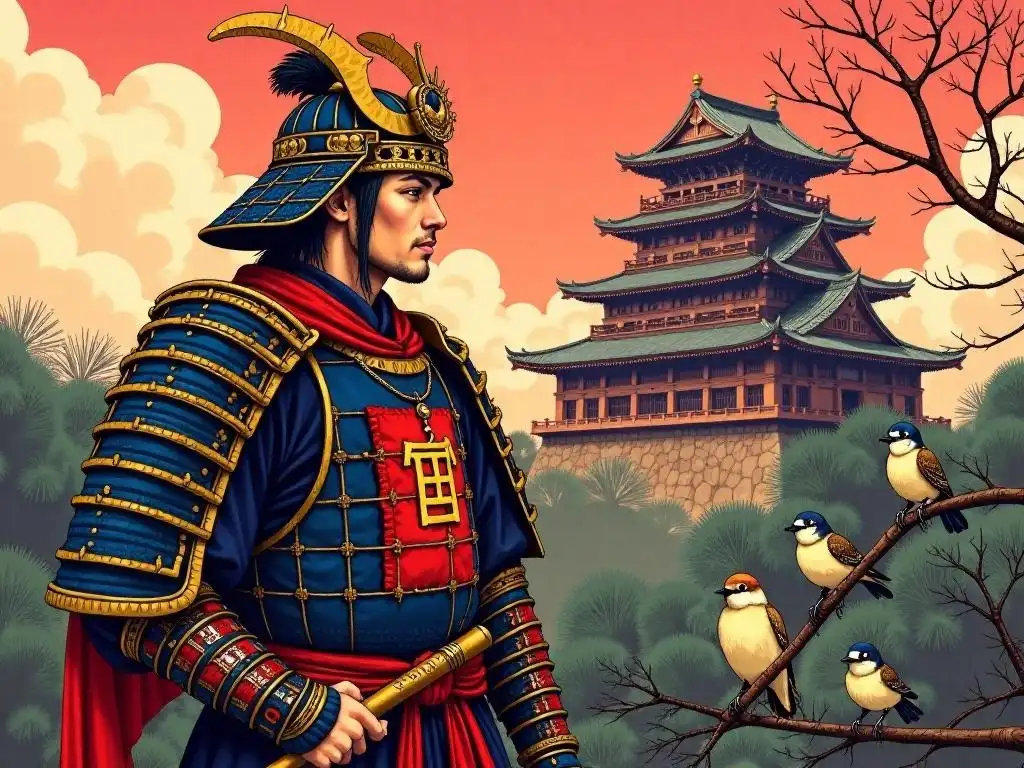
Welcome to Feudal Japan History, where we invite you to embark on an intriguing journey through the rich tapestry of Japan's feudal era. Here, we delve deep into the samurai feudalism role history, unraveling the complex interplay of power, culture, and society that defined this remarkable period. Discover how the rise of feudalism shaped the destiny of the samurai and influenced Japan's political landscape.
Are you ready to uncover the secrets of the past? Join us as we explore the fascinating dynamics that propelled the samurai to prominence in our featured article, "The Role of Feudalism in the Samurai's Ascendancy: A Historical Perspective." Your adventure into history begins now!
Introduction to Samurai and Feudalism
The intricate relationship between feudalism and the rise of the samurai class is a pivotal chapter in Japan's rich history. During the feudal era, spanning from the late 12th century to the 19th century, the samurai emerged as a dominant social class, intricately linked to the political and military structures of the time.
Understanding this relationship requires an exploration of the fundamental aspects of feudalism in Japan and how it shaped the samurai's identity, responsibilities, and societal standing. In this article, we will delve into the historical context of feudalism, the emergence of samurai culture, and the key events that facilitated their rise, providing a comprehensive perspective on their ascendance in Japanese society.
Overview of the Samurai Class in Feudal Japan
The samurai, often romanticized in modern culture, were not merely warriors; they were a distinct social class with a deep-rooted code of ethics known as Bushido. This code emphasized values such as loyalty, honor, and martial prowess, which were crucial in maintaining their status and influence. As feudal lords (daimyō) controlled vast territories, samurai served as their vassals, receiving land and protection in exchange for military service. The samurai's role evolved over time, transitioning from mere warriors to influential political figures, shaping the governance of Japan through their loyalty to their lords and their ability to mobilize forces.
Defining Feudalism in a Japanese Context
Feudalism in Japan, while sharing similarities with European feudal structures, possesses unique characteristics that reflect the cultural and historical nuances of the region. At its core, Japanese feudalism is defined by a hierarchical system where land ownership and military service are central. The emperor, though often a figurehead, was at the top of this hierarchy, followed by the shōgun, daimyō, and samurai.
Land was the primary source of wealth and power, with the samurai class relying on agricultural production from the peasants who worked the land. This interdependence created a complex web of loyalties and obligations that defined societal interactions during this period.
The Historical Context of Feudalism in Japan
To fully grasp the samurai's ascendance, it is essential to explore the historical context in which feudalism flourished in Japan. The socio-political landscape of Japan was marked by a series of conflicts, shifts in power, and the eventual establishment of a feudal system that would dominate for centuries.
The Emergence of Feudal Structures in Japan
The roots of feudalism in Japan can be traced back to the Heian period (794-1185), characterized by a centralized imperial court. However, as the power of the aristocracy began to wane and provincial warriors gained prominence, a more decentralized system emerged. The Genpei War (1180-1185) marked a significant turning point, leading to the establishment of the Kamakura shogunate, the first military government in Japan. This shift laid the groundwork for feudal structures, solidifying the role of samurai as both military leaders and local administrators.
Key Historical Events Leading to the Rise of Feudalism
Several key events played crucial roles in the evolution of feudalism in Japan:
- The Genpei War: A civil war that led to the establishment of the Kamakura shogunate.
- The Mongol Invasions (1274 and 1281): Highlighted the military prowess of the samurai and solidified their status as defenders of the realm.
- The Onin War (1467-1477): A conflict that plunged the country into a century of civil strife, further entrenching feudal loyalties and rivalries.
These events contributed to the intricate tapestry of feudalism, setting the stage for the samurai's rise as a powerful class that would dominate the political and military landscape of Japan for centuries.
The Role of Feudalism in Shaping Samurai Identity
Feudalism played a pivotal role in defining the identity of the samurai class in Japan. As a social and political system, feudalism established a hierarchy that placed the samurai at the forefront of military and administrative power. This structure was not merely about land ownership but was deeply intertwined with notions of honor, duty, and loyalty. The samurai were not only warriors; they were also custodians of the feudal order, embodying its values and ideals.
The identity of the samurai was largely shaped by their obligations to their lords, known as daimyo. These obligations created a sense of belonging and purpose within the samurai class. Their status as warriors was not just based on their martial skills but also on their adherence to a complex web of social expectations and duties. This duality fostered a strong sense of identity that was both personal and collective, as samurai sought to uphold their family's honor while fulfilling their roles within the feudal system.
Feudal Obligations and Samurai Loyalty
Feudal obligations were foundational to the relationship between samurai and their daimyo. In exchange for land and protection, samurai owed military service and loyalty to their lords. This bond was more than a mere contract; it was steeped in a cultural imperative that emphasized loyalty above all else. Samurai were expected to serve their daimyo with unwavering fidelity, often risking their lives in the process.
The concept of loyalty was deeply embedded in the samurai ethos. It was not simply a matter of duty but was viewed as a moral obligation that resonated through generations. Samurai who demonstrated loyalty were often rewarded with land, status, and increased responsibilities, thereby reinforcing the feudal structure. Conversely, disloyalty was met with severe repercussions, including loss of status, land, or even death. This strict adherence to loyalty shaped not only individual identities but also the collective identity of the samurai class.
The Samurai Code: Bushido and Feudal Values

Central to the samurai identity was the code of conduct known as Bushido, or "the way of the warrior." This code was an embodiment of the values upheld by the samurai, including loyalty, honor, courage, and benevolence. Bushido served as a guide for samurai behavior, dictating how they should conduct themselves in both war and peace. In many ways, it was a moral framework that reinforced the feudal values that were essential to maintaining order within the hierarchy.
Bushido was not a static set of rules; rather, it evolved over time, influenced by various philosophical and religious traditions, including Zen Buddhism and Confucianism. The emphasis on honor and loyalty in Bushido mirrored the obligations that samurai had towards their daimyo, solidifying their role within the feudal system. By adhering to this code, samurai could elevate their status and ensure their legacy, which was crucial in a society that revered the ideals of honor and duty.
Political Dynamics of Feudalism and the Samurai
The political landscape of feudal Japan was characterized by a complex interplay between power and loyalty. The samurai class occupied a unique position within this framework, serving as both military leaders and political agents. Their role was instrumental in shaping the governance of feudal domains, where loyalty and service to the daimyo were paramount.
The samurai's involvement in local governance further solidified their political significance. They often acted as intermediaries between the daimyo and the peasantry, maintaining order and enforcing the daimyo's policies. This dual role not only reinforced their status but also allowed them to wield considerable influence within their communities. The samurai's political dynamics were thus a reflection of the feudal structure, wherein their military prowess and loyalty were critical for the stability of the daimyo's rule.
The Relationship Between Daimyo and Samurai
At the heart of the samurai's political significance was their relationship with the daimyo. This relationship was founded on mutual benefit and reciprocal obligations. The daimyo provided land, protection, and a sense of purpose, while the samurai offered military service, loyalty, and governance. This intricate bond was essential for the functioning of the feudal system, as it created a network of loyalty that upheld the social hierarchy.
Daimyos often relied on their samurai to expand and defend their territories. In exchange for their loyalty, samurai were granted privileges such as land ownership and the right to collect taxes from peasants. This not only solidified the samurai's financial independence but also reinforced their status as local rulers. However, the relationship was not without its tensions; rivalries among samurai could lead to conflicts that threatened the stability of the feudal order, emphasizing the delicate balance of power within this hierarchical system.
Land Ownership and the Samurai's Military Role
Land ownership was a critical aspect of the samurai's military role in feudal Japan. Samurai were often granted land by their daimyo, which provided them with the resources necessary to support their families and maintain their status. This land was not just a source of wealth; it was also a foundation for their military obligations. The samurai were expected to raise and lead armies in defense of their lord's territory, further intertwining their economic and military functions.
The relationship between land ownership and military service created a cycle of dependence that reinforced the samurai's role within the feudal system. As landholders, samurai were responsible for the agricultural production of their estates, which provided the food and resources needed for their troops. This connection between land and military readiness was vital for the defense of the daimyo's domain. Consequently, the samurai's identity as warriors was inextricably linked to their status as landowners, underscoring the multifaceted nature of feudalism in shaping the samurai class's rise and prominence in Japanese history.
Cultural Implications of Feudalism on Samurai Society
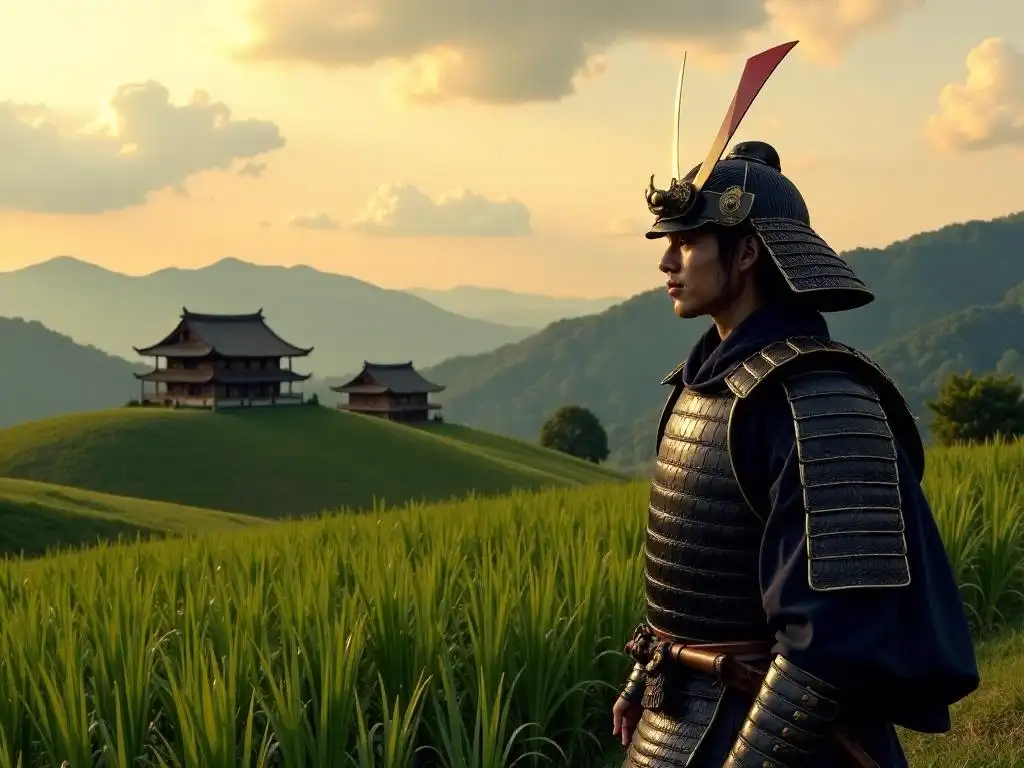
Feudalism in Japan profoundly shaped the cultural landscape of the samurai class, influencing their values, beliefs, and artistic expressions. The hierarchical structure of feudal society established a framework where loyalty, honor, and martial prowess were paramount. This cultural ethos was not merely a reflection of the social order but also a driving force behind the samurai's identity. The samurai were not only warriors but also custodians of a specific code of conduct known as Bushido, which emphasized virtues such as courage, loyalty, and self-discipline.
In this context, feudalism fostered a culture that revered the samurai's role as protectors of the realm. Their societal status allowed them to engage in the arts, literature, and philosophy, which were essential for the cultivation of a refined character. Artistic pursuits such as poetry, calligraphy, and the tea ceremony became integral to samurai life, reflecting a balance between martial skill and cultural sophistication. This duality enriched Japanese culture and helped to elevate the samurai class beyond mere warriors to esteemed members of society.
The Influence of Feudalism on Samurai Culture and Arts
Feudalism's structure directly influenced the development of various cultural forms among the samurai. The patronage system, where lords supported artists and craftsmen, facilitated the flourishing of culture during this period. Notable art forms like Noh theater and ink painting thrived under the auspices of samurai lords who sought to demonstrate their sophistication and cultural depth. This patronage not only preserved traditional Japanese art but also introduced new styles and techniques that merged military themes with aesthetic expression.
Moreover, the samurai's connection to Zen Buddhism played a crucial role in shaping their artistic endeavors. The principles of simplicity, tranquility, and mindfulness in Zen philosophy permeated samurai arts, leading to the creation of minimalist yet profound works. The tea ceremony, for instance, became a significant cultural practice that exemplified the samurai's pursuit of harmony and refinement, further solidifying their cultural status within feudal society.
Feudalism's Impact on Social Hierarchy and Class Structure
The feudal system established a rigid social hierarchy that defined the relationships between different classes in Japan. At the top were the daimyōs, powerful lords who owned vast lands and commanded samurai warriors. Below them were the samurai, who served as vassals, providing military service in exchange for land or stipends. This hierarchical arrangement not only solidified the samurai's role as elite warriors but also created a sense of obligation and loyalty that was integral to feudal society.
This structured hierarchy also meant that social mobility was limited. The samurai class, while often romanticized, was bound by their feudal obligations, which dictated their loyalty and service to their lords. This relationship reinforced a culture of loyalty and honor, where breaking a vow or failing to uphold one's duty could lead to severe consequences, including death. Thus, the feudal system was instrumental in shaping the identity of the samurai and establishing the moral codes that would govern their lives.
Case Studies: Notable Samurai Families and Feudalism
The history of feudal Japan is replete with influential samurai families that exemplified the complexities of the feudal system. These families not only played significant roles in military conflicts but also shaped political landscapes and cultural developments. Studying these clans provides insight into the intricate relationship between feudalism and the rise of the samurai class.
The Minamoto Clan: Pioneers of Samurai Power
The Minamoto Clan, one of the most prominent samurai families in Japanese history, played a pivotal role in the establishment of the samurai's power during the late 12th century. Their ascendancy marked the beginning of the Kamakura period, where Minamoto no Yoritomo became the first shōgun. This period was characterized by a shift in power dynamics, as the samurai class transitioned from being mere vassals to rulers of Japan.
The Minamoto Clan's influence extended beyond military prowess; they established a new governance system that integrated samurai values into the political framework. Their administration emphasized the importance of loyalty and martial skill, setting the tone for the samurai class's role in Japanese governance. The clan's legacy is evident in the enduring principles of loyalty and honor that became synonymous with samurai culture.
The Tokugawa Shogunate: Consolidating Feudal Control
The Tokugawa Shogunate, established by Tokugawa Ieyasu in 1603, represents a significant consolidation of feudal control over Japan. This era, known as the Edo period, was marked by relative peace and stability, allowing the samurai class to flourish in a different capacity. While many samurai were previously engaged primarily in warfare, under the Tokugawa regime, they became bureaucrats and administrators, managing the vast domains of their daimyōs.
The Tokugawa Shogunate implemented a strict class system that further solidified the samurai's status as the ruling class. This period also saw the rise of a distinct samurai culture, characterized by an emphasis on education, arts, and governance. The shogunate's policies reinforced the social hierarchy established by feudalism, ensuring that the samurai maintained their privileged position in society. The enduring impact of the Tokugawa era can still be felt in modern Japan, showcasing the lasting legacy of feudalism and the samurai's role in shaping the nation’s history.
The Decline of Feudalism and Its Effects on the Samurai Class
The decline of feudalism in Japan, particularly during the late 19th century, had significant repercussions for the samurai class, which had thrived under the feudal system for centuries. As the Meiji Restoration commenced in 1868, Japan underwent rapid modernization and a shift towards a centralized government, which ultimately rendered the traditional feudal structure obsolete. This transition not only diminished the political power of the samurai but also redefined their social and economic roles.
One of the most notable effects of this decline was the disbandment of the samurai’s privileged status. The new government implemented policies that aimed to integrate the samurai into a modern workforce, leading to the dissolution of their stipends and the loss of their land. Many samurai struggled to adapt to this new reality, resulting in a significant identity crisis as they grappled with their diminished role in society.
Moreover, the abolition of the samurai class coincided with the introduction of a conscript army, which replaced the traditional samurai warriors. This shift fundamentally altered Japan's military structure and diminished the samurai’s historical role as the protectors of the land and its people. Consequently, the samurai's martial skills became less relevant in the face of modern military tactics and technologies.
Factors Leading to the Fall of Feudalism in Japan
Several interrelated factors contributed to the decline of feudalism in Japan. One of the primary reasons was the increasing influence of Western ideas and practices, which inspired the Japanese to seek modernization. The arrival of Commodore Perry in 1853 and the subsequent opening of Japan to foreign trade exposed the nation to new economic systems and political ideologies, prompting calls for reform.
Additionally, internal strife and dissatisfaction with the ruling shogunate weakened the feudal structure. The growing unrest among the lower classes, fueled by economic hardship and social inequality, led to uprisings that challenged the existing order. The samurai, once the ruling elite, found themselves divided between loyalty to their lords and the desire for change, further undermining their traditional authority.
Furthermore, the rise of new social classes, including merchants and industrialists, began to shift the balance of power. As the economy transitioned towards capitalism, these groups gained influence, which diminished the samurai's role as landowners and military leaders. This socio-economic transformation was pivotal in dismantling the feudal system.
The Transformation of Samurai Roles in Modern Japan
As feudalism waned, the samurai class underwent a significant transformation. Many samurai sought to adapt to the changing times by pursuing new careers in government, education, and business. The Meiji government encouraged this shift, promoting the idea of a meritocratic society where skills and education took precedence over hereditary privilege.
In particular, some samurai became influential educators and administrators, advocating for modernization and the adoption of Western practices. This involvement in the establishment of a modern educational system allowed former samurai to retain their influence in society, albeit in a different capacity.
Additionally, the romanticized image of the samurai began to evolve, becoming a symbol of national pride and cultural identity. The samurai ethos, which emphasized loyalty, honor, and discipline, continued to resonate within Japanese society, influencing various aspects of culture, including literature, film, and martial arts.
Conclusion: Reflecting on Samurai Feudalism's Historical Role
The historical role of samurai feudalism in Japan represents a complex interplay between social hierarchies, military prowess, and cultural identity. Understanding this dynamic is crucial for appreciating the samurai's ascendance and their eventual transformation in modern society.
Summary of the Samurai's Ascendancy Through Feudalism
The samurai’s rise to prominence during the feudal era was marked by a unique blend of military skill and political strategy. As feudal lords, or daimyōs, relied on samurai warriors to maintain control over their territories, the samurai were granted land, status, and power in return for their loyalty and service. This mutually beneficial relationship enabled the samurai class to flourish and become pivotal players in Japan’s political landscape.
However, the very structure that supported their ascendance also contributed to their decline. As the feudal order collapsed, the samurai faced the challenge of redefining their identity and purpose in a rapidly modernizing Japan.
The Lasting Legacy of Samurai and Feudalism in Japanese History
The legacy of the samurai and feudalism remains a significant aspect of Japanese history and culture. The principles of bushidō, or the way of the warrior, continue to influence contemporary Japanese values, emphasizing loyalty, honor, and discipline. Furthermore, the samurai's portrayal in literature, cinema, and popular culture perpetuates their storied past and serves as a source of national pride.
While the decline of feudalism marked the end of the samurai’s traditional role, it also opened pathways for new interpretations of their legacy. The samurai's influence, both historical and cultural, endures in modern Japan, ensuring that the lessons of feudalism and the spirit of the samurai are remembered and respected.
- Introduction to Samurai and Feudalism
- The Historical Context of Feudalism in Japan
- The Role of Feudalism in Shaping Samurai Identity
- Feudal Obligations and Samurai Loyalty
- The Samurai Code: Bushido and Feudal Values
- Political Dynamics of Feudalism and the Samurai
- The Relationship Between Daimyo and Samurai
- Land Ownership and the Samurai's Military Role
- Cultural Implications of Feudalism on Samurai Society
- Case Studies: Notable Samurai Families and Feudalism
- The Decline of Feudalism and Its Effects on the Samurai Class
- Conclusion: Reflecting on Samurai Feudalism's Historical Role
- What was the role of feudalism in the rise of the samurai?
- How did samurai influence Japanese culture during the feudal era?
- What were the key factors that led to the samurai's dominance in feudal Japan?
- How did feudalism affect the political structure of Japan?
- What is the significance of the samurai in understanding Japanese history?
Frequently Asked Questions
What was the role of feudalism in the rise of the samurai?
Feudalism provided a structured social hierarchy that empowered the samurai as warrior elites, granting them land and status in exchange for military service to their lords.
How did samurai influence Japanese culture during the feudal era?
The samurai shaped Japanese culture through their strict codes of conduct, such as Bushido, which emphasized values like loyalty, honor, and discipline, deeply impacting societal norms.
What were the key factors that led to the samurai's dominance in feudal Japan?
Factors included the political instability of the time, the need for regional defense, and the military prowess of the samurai, which allowed them to rise in power and influence.
How did feudalism affect the political structure of Japan?
Feudalism created a decentralized political structure, where daimyos (feudal lords) had significant power, leading to a fragmented yet dynamic political landscape during the samurai era.
What is the significance of the samurai in understanding Japanese history?
The samurai are crucial for understanding Japanese history as they represent the embodiment of feudal values and ideals, influencing Japan's transition into modernity and its cultural identity.
Final Reflection: The Enduring Legacy of Samurai Feudalism
The intricate relationship between samurai and feudalism is not just a relic of history; it is a vital thread woven into the fabric of modern Japan. The dynamics of loyalty, honor, and social hierarchy that characterized this era continue to resonate today, shaping cultural narratives and influencing contemporary values. The samurai's rise, deeply rooted in the feudal system, serves as a poignant reminder of how historical structures can mold identities and societal norms, leaving an indelible mark on future generations.
Clearly, the legacy of feudalism and the samurai extends beyond mere historical interest; it permeates our cultural consciousness. The ideals of bushido, or the way of the warrior, still inspire individuals in various fields, from business to the arts, emphasizing discipline, integrity, and respect. As the renowned historian John W. Hall once stated, The samurai ethos continues to inform Japan's cultural identity, bridging the past with the present.
This ongoing influence invites us to reflect on how historical narratives shape our understanding of honor and duty in a rapidly changing world.
As we consider the lessons of samurai feudalism, let us take a moment to reflect on our own values and commitments. How can we embody the principles of loyalty and honor in our daily lives? In a society that often prioritizes individualism, the samurai's dedication to their lords and communities serves as a powerful call to action. Embrace the spirit of the samurai by fostering connections, upholding integrity, and contributing positively to the world around you. The past holds valuable insights that can guide us as we navigate the complexities of the present and future.
Unleash Your Inner Samurai!
Thank you for diving into the fascinating world of feudal Japan and exploring the pivotal role of feudalism in the rise of the samurai. Your interest helps keep these rich histories alive! Now, it's time to take your newfound knowledge to the next level and immerse yourself even deeper.
- Join a local or online historical reenactment group to experience the realm of the samurai firsthand.
- Share this article with friends and family who are intrigued by Japanese history to spark engaging discussions.
- Dig deeper! Explore our extensive collection of articles on feudal Japan and uncover the untold stories of warriors, culture, and honor.
What aspect of samurai culture fascinates you the most? We invite you to share your thoughts below!