
The Influence of Martial Arts on Japanese Pop Culture

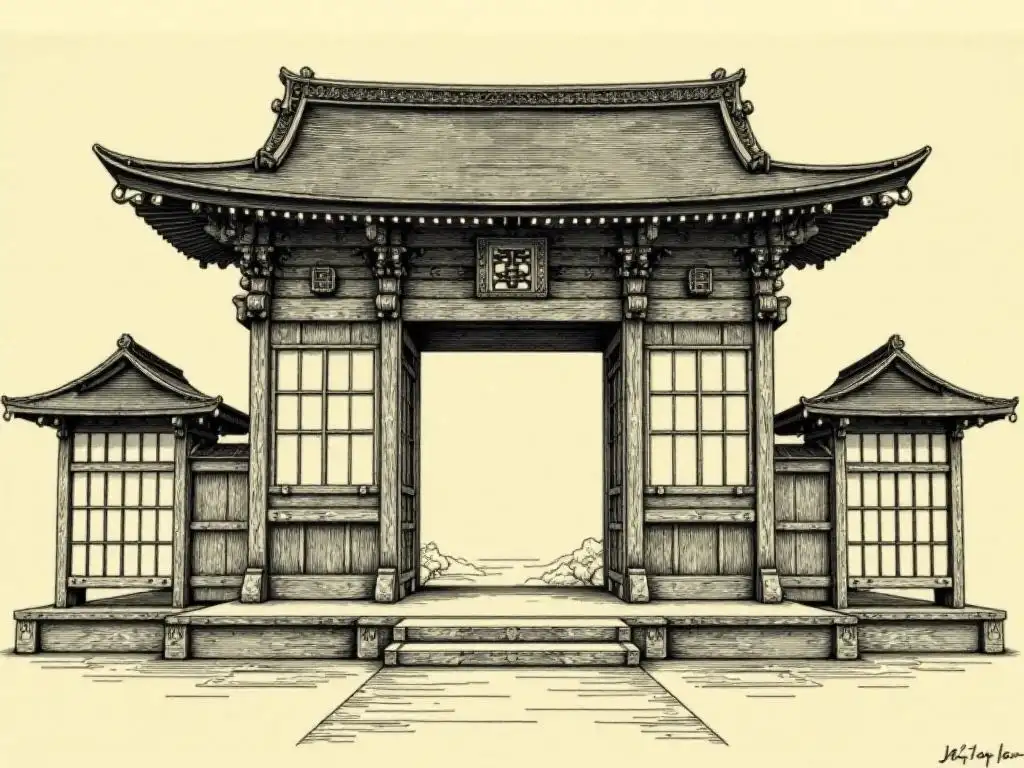
Welcome to Feudal Japan History! Immerse yourself in the captivating world of Japan's feudal era, where the art of martial arts in Japanese culture not only shaped warriors but also left an indelible mark on the very fabric of society. In our latest article, "The Influence of Martial Arts on Japanese Pop Culture," we delve into the profound connections between ancient combat techniques and their modern-day representations, revealing how these practices continue to inspire and resonate within contemporary culture.
Prepare to uncover fascinating insights that will ignite your curiosity and deepen your understanding of this rich historical tapestry. Join us on this journey and discover the legacy that still captivates hearts and minds today!
Martial arts have long been a cornerstone of Japanese culture, their roots deeply embedded in the historical and societal fabric of the nation. From the disciplined training of the samurai to the modern-day spectacle of martial arts films, the evolution of these practices has significantly shaped Japan's identity and cultural exports.
As we delve into the influence of martial arts on Japanese pop culture, we will explore the historical significance of these practices, their role in feudal society, and how they have transformed over the centuries. This journey will illuminate the profound connection between martial arts in Japanese culture and its impact on various aspects of contemporary life, including film, literature, and popular media.
Introduction to Martial Arts in Japanese Culture
Martial arts in Japan encompass a wide array of fighting styles and philosophies, each with its unique characteristics and historical backgrounds. These practices, often referred to collectively as "budō," have not only served as methods of combat but also as vehicles for personal development, discipline, and cultural expression. The techniques and teachings of martial arts have influenced numerous facets of Japanese life, from the way individuals perceive honor and respect to the portrayal of these arts in film and literature.
Overview of Martial Arts' Historical Significance
The significance of martial arts in Japan can be traced back to ancient times, where they served as essential skills for warriors and samurai. As early as the 12th century, various forms of combat training began to emerge, contributing to the establishment of distinct martial traditions. Throughout the centuries, these practices evolved alongside societal changes, reflecting the values and philosophies of different eras.
- Key Historical Milestones:
- Heian Period (794-1185): Emergence of early fighting styles.
- Kamakura Period (1185-1333): Development of the samurai class and formalized training.
- Edo Period (1603-1868): Flourishing of martial arts schools and philosophical teachings.
The Role of Martial Arts in Feudal Japan
During feudal Japan, martial arts played a crucial role in shaping the identity and responsibilities of the samurai. The samurai not only trained in various combat techniques but also adhered to a strict code of conduct known as "bushido," which emphasized virtues such as loyalty, honor, and discipline. This code became intertwined with martial arts training, reinforcing the notion that physical prowess was essential for moral and ethical behavior.
- Key Aspects:
- Training Regimens: Rigorous physical and mental preparation.
- Cultural Practices: Rituals and ceremonies surrounding martial arts.
- Influence on Governance: Martial prowess as a measure of leadership qualities.
Evolution of Martial Arts in Japanese Society
As Japan transitioned from the feudal era to modern times, martial arts underwent significant changes, adapting to new societal contexts and influences. The transformation was marked by a shift from practical combat training to more sport-oriented practices, leading to the global recognition of Japanese martial arts.
Traditional Martial Arts and Their Origins
Traditional martial arts, such as Kendo, Judo, and Aikido, emerged from the need to preserve combat techniques while fostering discipline and character development. Each of these disciplines has its roots in historical practices, yet they have evolved to meet the demands of contemporary society.
- Examples of Traditional Martial Arts:
- Kendo: The way of the sword, focusing on the art of fencing.
- Judo: Emphasizing throws and grappling, founded by Jigoro Kano in 1882.
- Aikido: A defensive art that harmonizes with the opponent's movements.
The Transition from Historical Practices to Modern Interpretations
The modernization of martial arts has led to their widespread popularity around the globe, often depicted in films, television, and literature. This transition reflects not only a change in practice but also the broader cultural exchange that has characterized Japan's interaction with the world.
- Modern Influences:
- Film and Media: Iconic representations of martial arts in cinema, such as "The Last Samurai" and "Kill Bill."
- Globalization: The spread of martial arts schools and competitions worldwide.
- Cultural Festivals: Celebrations that highlight traditional practices and their modern interpretations.
Through this exploration, we can appreciate the rich tapestry of martial arts in Japanese culture and their lasting impact on both national identity and international perceptions of Japan. As we continue, we will delve deeper into specific aspects of this fascinating evolution.
Key Martial Arts Styles and Their Cultural Impact
Japanese martial arts have significantly influenced not only the country's culture but also global perceptions of martial discipline and philosophy. Each style carries its own philosophy and techniques, reflecting unique aspects of Japanese history and societal values. Here, we delve into some of the most prominent martial arts styles and their cultural impacts.
Kendo: The Way of the Sword
Kendo, or "the way of the sword," is a modern Japanese martial art that emphasizes the principles of swordsmanship using bamboo swords (shinai). Rooted in the traditions of the samurai, Kendo embodies a philosophy of respect, discipline, and self-improvement. Practitioners, known as kendoka, wear traditional uniforms and protective gear, participating in matches that test their skill and spirit.
The cultural impact of Kendo extends beyond the dojo; it has become a symbol of Japanese martial ethics and sportsmanship. Kendo competitions, both at the national and international levels, promote camaraderie and cultural exchange. The art’s influence is also seen in educational institutions, where it is often incorporated into physical education programs, teaching students discipline and respect for others.
Judo: The Gentle Way
Judo, founded by Jigoro Kano in the late 19th century, translates to "the gentle way." This martial art focuses on throws, joint locks, and pins, emphasizing the principle of using an opponent's energy against them. Judo's philosophy promotes physical and mental development, encouraging practitioners to achieve maximum efficiency with minimal effort.
Judo has had a profound cultural impact, particularly with its inclusion in the Olympic Games, which has introduced the art to a global audience. This recognition has helped elevate Japan's status in the realm of martial arts and sports. Furthermore, the principles of Judo—such as mutual welfare and respect—are often applied in educational settings, fostering teamwork and discipline among students.
Karate: The Empty Hand
Karate, meaning "empty hand," is a striking martial art that combines punches, kicks, knee strikes, and open-hand techniques. Originating from Okinawa, Karate has become widely popular both in Japan and worldwide. Its focus on physical fitness, self-defense, and mental discipline contributes to its appeal across various demographics.
The cultural impact of Karate is evident in its portrayal in popular media and its integration into various self-improvement programs. Karate dojos are common in Japan, serving as community centers where individuals can learn not only fighting techniques but also values such as perseverance and humility. Moreover, Karate tournaments attract significant attention, showcasing the art's competitive spirit and fostering a sense of community among practitioners.
Aikido: The Way of Harmony
Aikido, founded by Morihei Ueshiba, is often described as the "way of harmony." This martial art emphasizes blending with an opponent's movements and redirecting their energy, rather than meeting force with force. Its philosophical underpinnings promote peace and reconciliation, making Aikido distinct from more aggressive martial arts.
The cultural influence of Aikido is notable, particularly in its focus on non-violence and personal growth. It has attracted practitioners who are interested in not just physical self-defense but also in cultivating a harmonious mindset. Aikido’s teachings have permeated various aspects of Japanese culture, including literature and philosophy, reflecting the country's deep-rooted values of harmony and balance.
Martial Arts in Japanese Popular Media
Japanese popular media has played a crucial role in shaping the global perception of martial arts. Through anime, manga, and cinema, these art forms have popularized martial arts techniques and philosophies, influencing generations of fans and practitioners worldwide.
Representation of Martial Arts in Anime and Manga
Anime and manga have significantly impacted the portrayal of martial arts in popular culture. Series such as "Dragon Ball," "Naruto," and "One Piece" feature martial arts prominently, often blending fantastical elements with traditional techniques. These representations not only entertain but also educate viewers about various martial arts styles, their philosophies, and their cultural significance.
The influence of martial arts in anime and manga extends to the creation of iconic characters who embody the values of discipline, perseverance, and honor. Fans often engage with these narratives, drawing inspiration from the characters and their journeys, which in turn sparks interest in the actual practice of martial arts.
Influence of Martial Arts on Japanese Cinema
Japanese cinema has a rich history of martial arts films, with classics like "Seven Samurai" and "The Last Samurai" showcasing the beauty and philosophy of martial disciplines. These films often highlight the struggles and triumphs of martial artists, intertwining action with deeper themes of honor, sacrifice, and loyalty.
The global reach of these films has solidified the status of Japanese martial arts in popular culture, inspiring countless remakes and adaptations in various countries. The choreography and storytelling techniques seen in these films have greatly influenced the action genre worldwide, emphasizing the importance of martial arts in cinematic expression.
Video Games and Martial Arts: A Cultural Phenomenon
The integration of martial arts into video games has created a cultural phenomenon that resonates with players of all ages. Franchises such as "Street Fighter," "Tekken," and "Mortal Kombat" feature characters inspired by various martial arts styles, allowing players to explore these disciplines in interactive formats.
These games often include detailed representations of martial arts techniques and philosophies, encouraging players to appreciate the skill and strategy involved in martial arts. The popularity of these games has led to a resurgence of interest in martial arts training, as players seek to emulate their favorite characters and techniques in real life. Additionally, the crossover of martial arts into gaming culture has fostered a new generation of practitioners who are inspired by both the art and its representation in popular media.
The Global Impact of Japanese Martial Arts
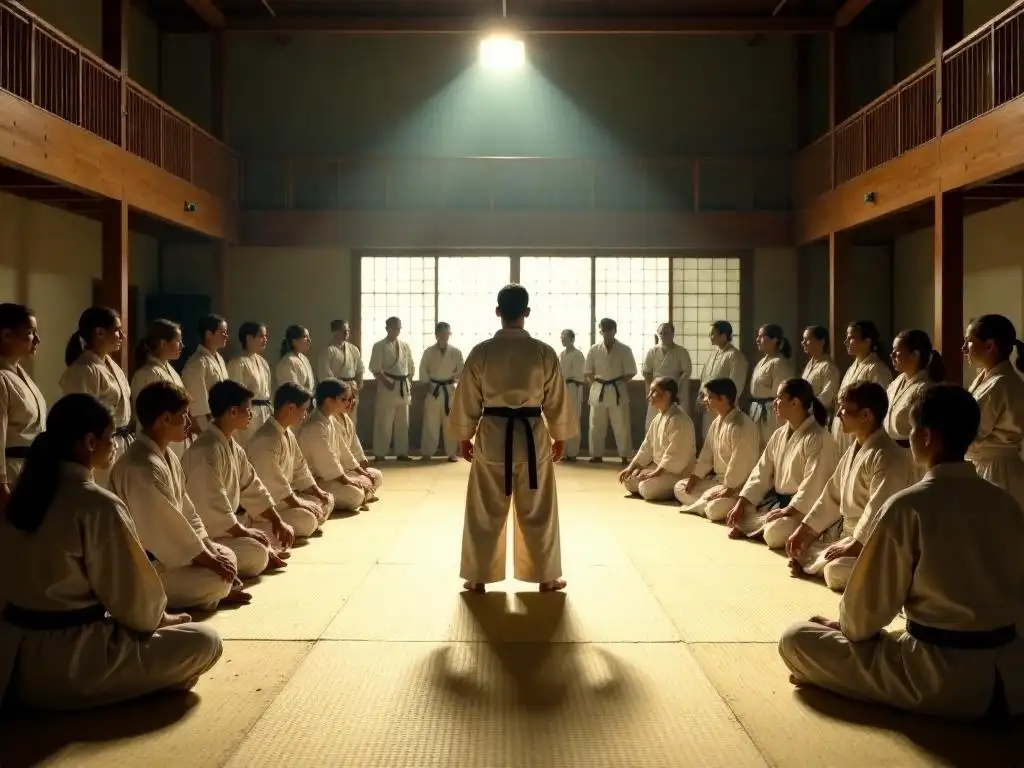
Japanese martial arts have transcended their national boundaries, carving out a significant niche in international culture. From the ancient techniques practiced by samurai to modern disciplines like judo and kendo, the influence of these arts has permeated various aspects of global society. The appeal of Japanese martial arts lies not only in their physical techniques but also in the philosophies and values they impart, such as respect, discipline, and perseverance. This global impact can be observed through the widespread adoption and adaptation of these martial arts in countries around the world, enhancing their cultural significance and relevance.
Spreading Martial Arts Culture Worldwide
The dissemination of Japanese martial arts began in the late 19th and early 20th centuries, coinciding with Japan's modernization and increased interaction with the Western world. Organizations such as the Kodokan, founded by Jigoro Kano in 1882, played a crucial role in introducing judo to international audiences. Today, dojos and training centers can be found in nearly every corner of the globe, teaching various martial arts such as karate, aikido, and jiu-jitsu.
The global popularity of martial arts is also bolstered by cinematic representations. Films featuring iconic martial artists like Bruce Lee and Jackie Chan have sparked widespread interest in Japanese martial arts, leading to the establishment of many international competitions and federations. This cultural exchange has resulted in a fusion of styles and techniques, enriching both Japanese martial arts and the martial arts communities worldwide.
Cross-Cultural Influences and Adaptations
As Japanese martial arts spread, they encountered other fighting systems and philosophies, leading to intriguing adaptations. For instance, Brazilian jiu-jitsu evolved from the techniques of judo and traditional jiu-jitsu, illustrating how martial arts can be modified to suit different cultural contexts and combat philosophies. Similarly, karate has influenced various forms of martial arts across the globe, impacting styles like kickboxing and mixed martial arts (MMA).
These cross-cultural exchanges have not only diversified martial arts practices but also fostered a greater appreciation for the underlying values of Japanese martial arts. The principles of respect, discipline, and personal growth continue to resonate with practitioners, leading to a rich tapestry of martial arts traditions that honor their Japanese roots while embracing global influences.
The Role of Martial Arts in Shaping Japanese Identity
Martial arts are deeply ingrained in the cultural fabric of Japan, contributing significantly to the nation's identity. They embody the warrior spirit and historical legacy of the samurai, serving as a bridge between Japan's past and present. This connection to tradition has become a source of pride for many Japanese people, as martial arts encapsulate essential aspects of their cultural heritage.
Martial Arts as a Symbol of Discipline and Honor
In Japan, martial arts are often considered more than just physical pursuits; they are seen as pathways to personal development and character building. The rigorous training associated with disciplines like kendo and karate instills a strong sense of discipline, respect, and honor in practitioners. These values are reflected in the traditional practices of bowing, etiquette, and the concept of 'bushido,' the samurai code of honor.
This emphasis on discipline and honor extends beyond the dojo, influencing various aspects of Japanese society. The martial arts ethos encourages individuals to strive for excellence, face challenges with courage, and maintain humility regardless of one's skill level. As such, these practices have become integral to the Japanese identity, promoting a collective sense of resilience and moral integrity.
The Connection Between Martial Arts and Japanese Philosophy
Japanese martial arts are closely linked to the philosophical traditions of the country, particularly Zen Buddhism and Shintoism. The practice of martial arts often incorporates meditative elements, emphasizing mindfulness and the cultivation of inner peace. For instance, the mental discipline required in martial arts training parallels the meditative practices found in Zen, fostering a holistic approach that combines physical prowess with mental clarity.
Moreover, the principles of harmony and respect inherent in Shinto philosophy resonate with the teachings of martial arts. Practitioners learn to respect their opponents, the environment, and the traditions that shape their practice. This philosophical grounding not only enriches the martial arts experience but also reinforces the cultural significance of these disciplines within the broader context of Japanese society.
Martial arts in Japanese culture serve as a powerful vehicle for self-discovery and cultural expression, connecting practitioners to a rich heritage and a profound philosophical legacy. Their influence extends far beyond Japan, shaping identities and fostering appreciation for traditional values worldwide.
Conclusion: The Enduring Legacy of Martial Arts in Japanese Culture
The legacy of martial arts in Japanese culture is profound and multifaceted, extending far beyond the confines of the dojo and into the realms of entertainment, art, and societal values. From the disciplined training methods of ancient samurai to the modern-day representation in films, anime, and video games, martial arts have consistently shaped Japan's cultural identity. This enduring legacy not only highlights the technical prowess and artistry of martial disciplines but also emphasizes the philosophical and ethical underpinnings that these practices instill in practitioners and enthusiasts alike.
Martial arts have become a symbol of resilience, honor, and personal growth, mirroring the historical struggles and aspirations of the Japanese people. As these arts continue to evolve, they maintain a vital connection to Japan's past, serving as a reminder of the country's rich history and the values that have shaped its society. The influence of martial arts in Japanese culture is thus not merely a relic of the past but an ongoing narrative that informs contemporary life, emphasizing discipline, respect, and community.
Reflection on Martial Arts' Influence on Japanese Pop Culture
Martial arts have profoundly influenced Japanese pop culture, permeating various forms of media and entertainment. Iconic films such as "Seven Samurai" and "Enter the Dragon" showcased the artistry and philosophical depth of martial arts, while also introducing global audiences to the beauty of Japanese culture. Similarly, anime series like "Naruto" and "Dragon Ball" have popularized martial arts themes, intertwining them with fantastical elements and character development, thereby attracting a diverse fanbase.
The influence of martial arts extends to literature, where traditional narratives often feature martial heroes embodying ideals of courage and honor. Additionally, video games such as "Tekken" and "Street Fighter" further cement the cultural significance of martial arts, allowing players to engage with these practices in an interactive format. Through these mediums, martial arts have transcended their historical roots, becoming a vital part of global pop culture while fostering appreciation for their Japanese origins.
Future Trends and Continuing Evolution of Martial Arts in Japan
The future of martial arts in Japan appears promising, with several emerging trends shaping their evolution. One notable trend is the increasing integration of martial arts into holistic wellness practices, where disciplines like Aikido and Tai Chi are recognized for their physical and mental health benefits. This shift reflects a broader global movement towards mindfulness and self-improvement, appealing to a new generation seeking balance in their lives.
Moreover, the digital age is set to revolutionize martial arts training and appreciation. Online platforms provide access to a vast array of instructional content, allowing practitioners worldwide to learn from Japanese masters without geographical limitations. This democratization of knowledge is likely to foster a more inclusive martial arts community, preserving traditional techniques while encouraging innovation.
Finally, as Japan prepares for major international events such as the Olympics, there is a renewed focus on promoting martial arts as a sport. This recognition may lead to greater investment in training facilities and youth programs, ensuring that the rich heritage of martial arts continues to thrive while adapting to contemporary contexts. The interplay of tradition and modernity will undoubtedly shape the future of martial arts in Japan, reinforcing their significance in both local and global culture.
- Introduction to Martial Arts in Japanese Culture
- Evolution of Martial Arts in Japanese Society
- Key Martial Arts Styles and Their Cultural Impact
- Martial Arts in Japanese Popular Media
- The Global Impact of Japanese Martial Arts
- The Role of Martial Arts in Shaping Japanese Identity
- Conclusion: The Enduring Legacy of Martial Arts in Japanese Culture
Frequently Asked Questions
What is the significance of martial arts in Japanese culture?
Martial arts in Japanese culture are deeply intertwined with history, philosophy, and tradition. They embody values such as discipline, respect, and self-improvement, influencing various aspects of Japanese society.
How have martial arts shaped Japanese pop culture?
Martial arts have strongly influenced Japanese pop culture through anime, manga, and film. Iconic characters and storylines often highlight martial arts, showcasing their importance in entertainment and social narratives.
What are some popular forms of martial arts in Japan?
Popular forms of martial arts in Japan include karate, judo, kendo, and aikido. Each discipline offers unique techniques and philosophies, contributing to the rich tapestry of Japanese cultural identity.
How do martial arts reflect historical changes in Japan?
Martial arts reflect historical changes in Japan by adapting to societal needs over time. From samurai traditions to modern practices, they illustrate shifts in values, especially regarding combat, peace, and self-defense.
What role do martial arts play in contemporary Japanese society?
In contemporary Japan, martial arts serve both as a means of physical fitness and a way to instill discipline and focus among practitioners. They remain a vital part of cultural heritage, promoting community and personal growth.
Final Reflection: The Enduring Legacy of Martial Arts in Japanese Culture
Martial arts in Japanese culture have transcended mere physical discipline to become a profound influence on various aspects of society, art, and entertainment. As we explore the intricate relationship between martial arts and Japanese pop culture, it becomes evident that these practices are not just historical relics; they are vibrant threads woven into the fabric of contemporary life. The impact of martial arts is palpable today, shaping everything from anime and film to fashion and philosophy, reminding us that the spirit of these ancient practices continues to resonate in modern narratives.
Culturally, martial arts have fostered a unique sense of identity and community, bridging generations and inspiring countless individuals. The way martial arts are depicted in popular media often reflects deeper societal values, such as discipline, perseverance, and respect. As noted by renowned martial artist Mas Oyama, The ultimate aim of martial arts is not having to use them.
This sentiment underscores the idea that martial arts are about personal growth and self-discovery, influencing not just practitioners but also the broader cultural landscape, where themes of honor and resilience are celebrated.
As we reflect on the lessons embedded within martial arts, let us consider how we can integrate these values into our daily lives. I invite you to explore your own journey of self-discipline and growth, whether through physical practice or the pursuit of personal goals. Embrace the spirit of martial arts by cultivating resilience and respect in your interactions, and allow the rich heritage of Japanese culture to inspire you to forge your own path. In doing so, we honor the legacy of martial arts while shaping a future that values strength, unity, and understanding.
Unleash Your Inner Warrior: Explore the Fusion of Martial Arts and Pop Culture!
Thank you for diving into the fascinating world of martial arts and its profound influence on Japanese pop culture! You’ve learned how these ancient practices continue to shape modern storytelling, art, and entertainment. Now, let’s take this inspiration and turn it into action!
Here are some **exciting ways** you can engage further:
- Watch classic martial arts films – Immerse yourself in iconic movies that reflect the artistry and philosophy of martial arts. Start with timeless classics like **"Seven Samurai"** or **"Enter the Dragon. "**
- Join a local martial arts class – Experience the discipline and camaraderie firsthand! Find a dojo or martial arts studio in your area to learn new skills and connect with a like-minded community.
- Share your insights – Discuss your favorite martial arts movies or anime with friends and online communities. Share your thoughts on how these influences shape today's pop culture!
As you consider these actions, we’d love to hear your thoughts: **How do you think martial arts will continue to influence the future of Japanese pop culture? **