
The Legacy of the Samurai: How Their Rise Shaped Modern Japan

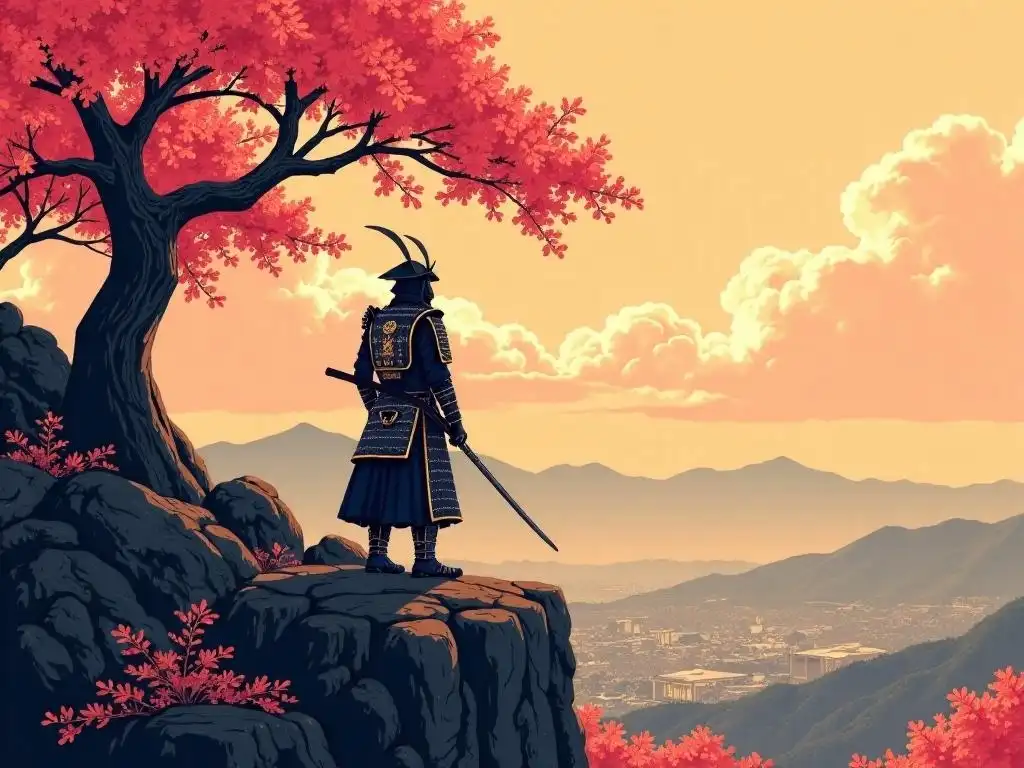
Welcome to Feudal Japan History, where we embark on a captivating journey through the intricate tapestry of Japan's feudal era. Here, we delve into the profound influence of the Samurai on modern Japan, uncovering how their storied legacy has shaped contemporary society and politics. Are you curious about the echoes of honor, discipline, and leadership that resonate in today’s Japan? Join us as we explore the rich historical narratives and cultural nuances that have left an indelible mark on the nation. Your adventure into the past begins now—let’s uncover the secrets of the Samurai together!
Introduction to Samurai Influence on Modern Japan
The samurai are often viewed as iconic figures of Japan's feudal era, representing a complex blend of martial prowess, cultural sophistication, and unwavering loyalty. Their influence extends far beyond the battles they fought and the lords they served; it has profoundly shaped the social, political, and cultural landscape of modern Japan.
Understanding the samurai influence on modern Japan requires a comprehensive exploration of their rise during the feudal period, their philosophies, and how these elements have been woven into the fabric of contemporary Japanese society. This article aims to dissect these influences, shedding light on how the legacy of the samurai continues to resonate in Japan today.
Overview of the Samurai Class in Feudal Japan
The samurai class emerged during the Heian period (794–1185) and became the ruling elite of Japan. They were not merely warriors; they were also administrators, scholars, and artists. The samurai adhered to the ethical code known as Bushido, which emphasized virtues such as loyalty, honor, and courage.
- Key Characteristics of Samurai:
- Warriors trained in martial arts
- Landowners, often serving a feudal lord (daimyō)
- Cultural Patrons, supporting arts, literature, and philosophy
- Philosophers, reflecting on duty and morality
This multifaceted identity made them integral to the governance and cultural development of Japan, laying the groundwork for the values that define Japanese society today.
Importance of Understanding Samurai Legacy
To fully grasp the samurai influence on modern Japan, one must appreciate their enduring legacy. The samurai's commitment to discipline and honor can be seen in modern Japanese work ethics, societal norms, and even in popular culture, such as films, literature, and anime.
- Cultural Contributions:
- Martial Arts: Modern practices like Kendo and Aikido trace their roots back to samurai training.
- Philosophy: Concepts of loyalty and honor continue to permeate Japanese business and family structures.
- Arts: Traditional arts, such as tea ceremonies and flower arranging, were cultivated by samurai patronage.
As we delve deeper into the historical context of the samurai, it becomes clear that their rise was not just a historical footnote but a pivotal chapter that would influence various aspects of Japan’s identity.
The Historical Context of the Samurai
Emergence of the Samurai Class in the Heian Period
The origins of the samurai can be traced back to the Heian period, a time marked by the rise of the aristocratic class and a decline in central government power. As local leaders sought protection against banditry and rival clans, they began to hire skilled warriors, the precursors to the samurai. This shift marked the beginning of a new social order, where loyalty and warfare became paramount.
- Factors Contributing to Emergence:
- Political Instability: Weak central authority led to the rise of local power.
- Economic Changes: Increased land ownership created a need for protection.
- Cultural Shifts: The development of a warrior ethos that valued loyalty and martial skill.
This foundational period set the stage for the samurai's evolution into a dominant force in Japanese society.
Key Historical Events Leading to Samurai Dominance
The samurai's ascent to power was marked by several key events that solidified their position within the socio-political hierarchy of Japan.
- The Gempei War (1180-1185): A pivotal conflict between the Taira and Minamoto clans that culminated in the establishment of the Kamakura shogunate, the first military government in Japan.
- The Mongol Invasions (1274 and 1281): These invasions showcased the samurai's military capabilities and solidified their status as protectors of the Japanese homeland.
- The Ashikaga Shogunate (1336-1573): This era reinforced the samurai's role in governance, further embedding their influence in Japan's political structure.
Through these events, the samurai transitioned from regional warriors to key players in shaping Japan’s governance and culture, paving the way for their legacy to endure well into modern times.
The rise of the samurai class in Japan is deeply intertwined with the political and social landscape of the feudal era. As the country transitioned from a centralized imperial rule to a decentralized feudal system, the samurai emerged as the warrior aristocracy, assuming roles that were crucial for maintaining order and governance.
This period saw the establishment of powerful clan leaders, or daimyos, who required skilled and loyal warriors to protect their lands and enforce their authority. The samurai, with their martial prowess, became essential to this governance structure, which not only solidified their military importance but also led to an evolving social hierarchy.
As feudalism took hold, the samurai's role expanded beyond mere warriors. They became landholders, administrators, and local enforcers of law, blending military and bureaucratic functions. This duality reinforced their social status and allowed them to wield significant influence over local populations. The loyalty of samurai to their lords was paramount, as their honor and social standing were tied to the performance of their duties. This loyalty was codified through various social contracts and practices that would later influence the broader cultural ethos of Japan.
Feudalism and the Role of Samurai in Governance
Feudalism established a system where land was exchanged for military service, creating a complex web of obligations and responsibilities. In this system, the samurai served as the backbone of the military, tasked with not only defending their lords’ territories but also managing the lands they were entrusted with. This governance model saw samurai acting as both warriors and local rulers, often collecting taxes, administering justice, and overseeing agricultural production.
The influence of samurai governance extended to the development of regional power structures. As daimyos competed for control over territories, they relied heavily on their samurai to maintain order and stability. The samurai’s training in strategy and combat also equipped them to participate in political negotiations and alliances, further embedding them in the governance processes of feudal Japan. This political role facilitated a sense of order that was vital for the growth of trade and the overall economy, laying the groundwork for the emergence of modern Japan.
The Impact of Warfare on Samurai Culture
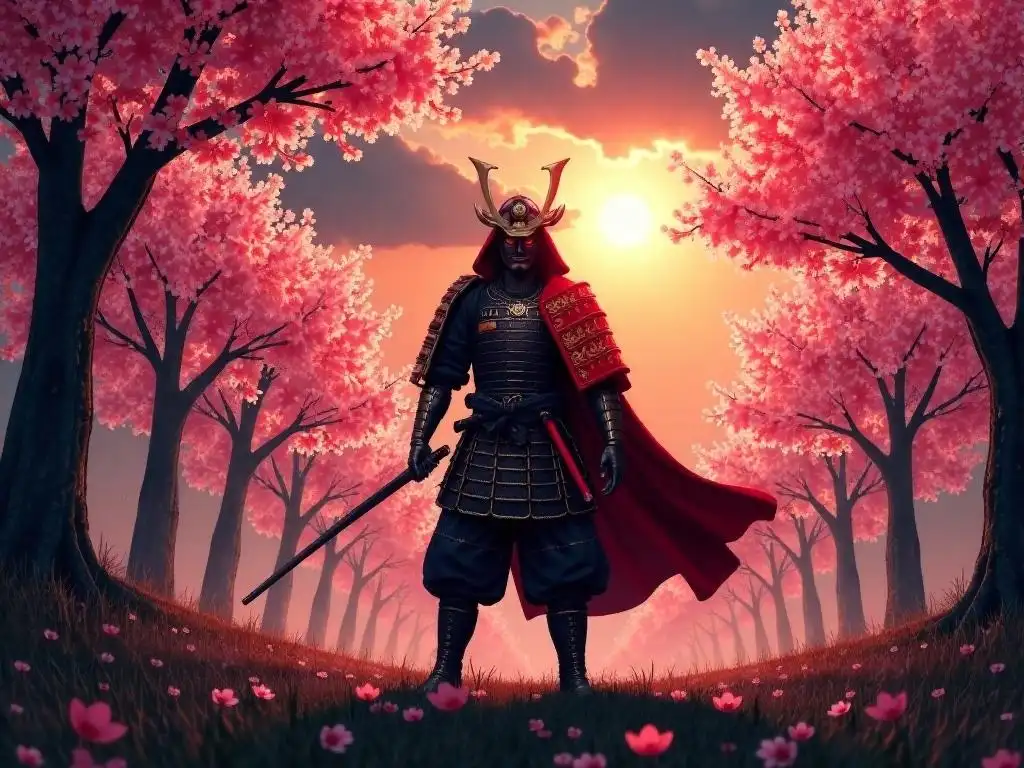
Warfare was a defining element of samurai culture and had a profound impact on their identity and societal norms. The constant state of conflict during the feudal period necessitated a culture centered around martial excellence, discipline, and strategic thinking. This culture was characterized by rigorous training, the mastery of various weapons, and the development of unique combat techniques, including kenjutsu (swordsmanship) and kyujutsu (archery).
The experience of warfare also shaped the samurai’s worldview, fostering values such as courage, loyalty, and resilience. These traits became the hallmarks of samurai identity, influencing not only their roles on the battlefield but also their interactions within their communities. As warfare evolved, so did the samurai's approach to conflict, leading to the development of strategies that emphasized honor in battle and a code of ethics that prioritized loyalty to one's lord above all else.
Samurai Values and Their Influence on Modern Japanese Society
The values instilled in the samurai class have left an indelible mark on modern Japanese society. Concepts of honor, loyalty, and discipline continue to resonate within various aspects of contemporary Japanese culture, from business practices to interpersonal relationships. The legacy of the samurai is evident in the emphasis placed on commitment and respect, which can be seen in the strong work ethic and collective spirit prevalent in Japan today.
As Japan navigates the complexities of modern life, the samurai values serve as a cultural touchstone, reminding individuals of the importance of ethical conduct and social responsibility. This enduring influence underscores the samurai's role not only as warriors of the past but as foundational figures in shaping the moral and ethical landscape of modern Japan.
Bushido: The Code of Honor and Its Modern Implications
Bushido, often referred to as the "Way of the Warrior," is the ethical code that guided the samurai throughout their existence. This code emphasized virtues such as righteousness, courage, benevolence, respect, honesty, honor, and loyalty. While its origins can be traced back to the feudal period, Bushido has evolved and adapted to the changing times, influencing modern Japanese ideals and behaviors.
In contemporary society, Bushido's principles manifest in various forms, including the importance of integrity in business dealings and the respect for authority and tradition. Moreover, the samurai’s commitment to self-improvement and lifelong learning resonates in modern educational values, where dedication and perseverance are highly regarded. The philosophical underpinnings of Bushido continue to inspire individuals seeking to balance personal ambitions with social obligations, reflecting the samurai's lasting legacy.
Loyalty, Honor, and Discipline in Contemporary Japan
The samurai's emphasis on loyalty, honor, and discipline has shaped the fabric of modern Japanese society. Loyalty, once a cornerstone of the samurai's relationship with their lords, is mirrored in contemporary expectations of fidelity in both personal and professional contexts. This concept is particularly evident in the corporate world, where employees often exhibit a strong allegiance to their companies, reflecting a collective ethos that prioritizes group success over individual gain.
Honor and discipline, too, remain integral to Japanese culture. The concept of "face," or maintaining one’s honor in social situations, is still highly relevant. Discipline is ingrained in various aspects of daily life, from education to martial arts, where the pursuit of excellence and respect for tradition are paramount. These values, rooted in the samurai's legacy, continue to guide modern Japanese society, influencing behaviors and shaping the national identity.
Cultural Contributions of the Samurai
The samurai class has left an indelible mark on Japanese culture, influencing various aspects that continue to resonate in modern society. Their contributions span a wide range of fields, including arts, literature, philosophy, and even martial disciplines. The samurai were not just warriors; they were also patrons of the arts and philosophy, which shaped the cultural landscape of Japan.
One of the most significant cultural legacies of the samurai is their emphasis on discipline, honor, and the pursuit of excellence. These values laid the groundwork for many modern Japanese cultural practices, including martial arts, traditional tea ceremonies, and even contemporary business etiquette. The samurai's commitment to self-improvement and mastery is reflected in Japan's modern educational system, where diligence and perseverance are highly valued traits.
Arts and Literature: Samurai Influence on Modern Japan
The samurai's influence on arts and literature is profound and multifaceted. During the Edo period, samurai were major patrons of the arts, supporting the development of various artistic styles, such as ukiyo-e (woodblock printing) and Noh theatre. Samurai themselves often engaged in poetry, calligraphy, and the creation of tea ceremonies, which emphasized aesthetics and mindfulness.
This artistic heritage is evident in modern Japanese literature and film. Works by authors such as Yukio Mishima and films by directors like Akira Kurosawa reflect samurai ideals, exploring themes of honor, loyalty, and the struggle between personal desires and societal expectations. The narrative techniques and character archetypes established during the samurai era continue to influence contemporary storytelling in Japan and beyond.
The Evolution of Samurai Aesthetics in Contemporary Culture
The aesthetics associated with the samurai have evolved significantly over time, yet they remain a crucial part of Japanese identity. Traditional samurai armor and weaponry are often celebrated in modern fashion and design, influencing everything from costume design in theatre to contemporary architecture.
Additionally, the minimalist principles found in samurai aesthetics—such as simplicity, functionality, and harmony with nature—have permeated various modern art forms and interior design philosophies, including Zen-inspired spaces that emphasize tranquility and balance. This fusion of tradition and modernity serves as a testament to the enduring appeal of samurai culture in a rapidly changing world.
The Samurai in Modern Media and Perception
The portrayal of samurai in modern media has a significant impact on how they are perceived both within Japan and internationally. This representation often reflects contemporary societal values and serves to reinforce or challenge historical narratives.
Representation of Samurai in Film and Literature
In film and literature, samurai are frequently depicted as noble warriors bound by a strict code of honor, reflecting the romanticized view of their legacy. Iconic films such as "Seven Samurai" and "Rashomon" showcase the complexity of samurai life, exploring themes of loyalty, sacrifice, and the moral dilemmas faced by these figures.
Moreover, the resurgence of interest in samurai culture has led to the creation of various genres, including samurai fiction and historical dramas, which often blend fact with fiction to engage audiences. This ongoing fascination with the samurai serves not only to entertain but also to educate viewers about Japan's rich historical tapestry.
How Modern Japan Embraces Samurai Heritage
Modern Japan actively embraces its samurai heritage through various cultural celebrations, festivals, and martial arts competitions. Events like the annual Jidai Matsuri in Kyoto celebrate the historical significance of the samurai, showcasing traditional costumes and reenactments.
Additionally, martial arts such as kendo and iaido are not only practiced as sports but also as a means of preserving samurai philosophy and techniques. Educational institutions often incorporate aspects of samurai culture into their curricula, emphasizing the importance of history and tradition in shaping modern Japanese identity.
The legacy of the samurai continues to shape modern Japan in profound ways, influencing cultural practices, artistic expressions, and societal values that resonate with both the Japanese people and the global community.
The Lasting Legacy of the Samurai on Japanese Identity
The samurai class, which emerged during the Heian period and dominated Japanese society for centuries, has left an indelible mark on the Japanese identity that resonates even in contemporary society. Their values, code of conduct, and cultural practices have been woven into the very fabric of Japan's national identity. The ideal of bushido, or the “way of the warrior,” emphasizes loyalty, honor, and discipline, principles that continue to influence various facets of Japanese life today.
The samurai's legacy can be seen in popular culture, education, and even corporate ethos, where the virtues of respect, courage, and integrity are upheld. This shared heritage fosters a sense of unity and pride among Japanese people, reinforcing their connection to a storied past characterized by the samurai's valor and commitment to their lords and communities.
Moreover, samurai imagery is prevalent in various forms of media, including literature, film, and anime, which romanticize their lives and ideals. Such representations contribute to a collective memory that not only honors the samurai's contributions but also shapes contemporary perceptions of what it means to be Japanese.
Samurai Influence on National Pride and Identity
The samurai's role in shaping national pride cannot be overstated. Throughout history, samurai warriors were seen as the embodiment of Japan’s strength and resilience, particularly during periods of conflict such as the Mongol invasions in the late 13th century. Their successful defense against outside threats instilled a sense of pride and martial valor in the Japanese psyche.
In modern times, this sense of national pride has been rekindled through various cultural celebrations and commemorations that honor the samurai. Events like the Aoi Matsuri and the Sanja Matsuri continue to celebrate samurai heritage, showcasing traditional clothing, practices, and ceremonies that reflect their historical significance. Such events serve as a reminder of the samurai's contributions to Japan's identity, fostering a collective pride that transcends generations.
Furthermore, the samurai's representation in martial arts, such as kendo and iaido, not only promotes physical discipline but also reinforces the cultural values associated with samurai ethics. These practices are not merely sports; they are a means of connecting with Japan's historical roots, nurturing a national identity that appreciates its warrior past.
Preservation of Samurai Traditions in Modern Japan
The preservation of samurai traditions in modern Japan is evident in various cultural practices and institutions. Traditional arts such as tea ceremonies, calligraphy, and flower arranging (ikebana) are steeped in samurai influence, embodying the aesthetics and philosophies that were important to these warriors.
Furthermore, historical reenactments and festivals dedicated to samurai history allow contemporary audiences to engage with this rich heritage. Organizations and museums dedicated to preserving samurai artifacts, armor, and weapons play a vital role in educating the public about this significant aspect of Japanese history.
In addition, the samurai spirit can be seen in modern business practices, where concepts like teamwork and loyalty echo the samurai's commitment to their daimyos (feudal lords). The emphasis on respect and hierarchy in Japanese corporate culture reflects the social structures established during the samurai era, demonstrating how these age-old practices continue to inform contemporary life.
Conclusion: Reflecting on Samurai Impact on Contemporary Society
The legacy of the samurai is intricately woven into the narrative of modern Japan, shaping not just cultural practices but also national identity. Their influence extends far beyond the historical context, impacting social behaviors, moral values, and even the collective consciousness of the Japanese people.
Summarizing the Samurai’s Role in Shaping Modern Japan
The samurai have profoundly influenced modern Japan through their ideals of honor, loyalty, and discipline. These values continue to resonate in the national identity and are celebrated in contemporary culture. The samurai ethos, articulated through practices and traditions, serves as a foundation for societal values that are still cherished today.
This impact is evident in various aspects of life, from education to business, where the samurai spirit fosters a sense of unity and purpose among individuals. The enduring presence of samurai culture highlights its significance in understanding the complexities of Japanese society.
The Future of Samurai Influence in a Changing World
Looking ahead, the influence of the samurai will likely persist even as Japan evolves in a globalized world. While modern challenges may shift societal values, the core principles of the samurai—such as discipline, respect, and dedication—remain relevant.
As Japan continues to navigate its place on the global stage, the lessons and cultural heritage of the samurai may provide guidance, helping to maintain a balance between tradition and modernity. Furthermore, the global fascination with samurai culture, particularly through media and arts, ensures that their legacy will endure, inspiring future generations to appreciate and uphold the virtues that these warriors exemplified.
- Introduction to Samurai Influence on Modern Japan
- The Historical Context of the Samurai
- The Rise of the Samurai: Political and Social Factors
- Feudalism and the Role of Samurai in Governance
- The Impact of Warfare on Samurai Culture
- Samurai Values and Their Influence on Modern Japanese Society
- Bushido: The Code of Honor and Its Modern Implications
- Loyalty, Honor, and Discipline in Contemporary Japan
- Cultural Contributions of the Samurai
- The Samurai in Modern Media and Perception
- The Lasting Legacy of the Samurai on Japanese Identity
- Conclusion: Reflecting on Samurai Impact on Contemporary Society
Frequently Asked Questions
What was the role of the samurai in feudal Japan?
The samurai were elite warriors who served as military nobility during the feudal era, playing a crucial role in politics, society, and the cultural landscape of Japan.
How did the samurai influence modern Japan?
The samurai's code of conduct, known as Bushido, has significantly impacted Japanese culture, ethics, and social values, resonating in contemporary business and martial arts practices.
What are some lasting symbols of samurai culture today?
Icons like the katana, traditional armor, and tea ceremonies are enduring symbols of samurai culture, reflecting their historical importance and influence on Japanese identity.
The samurai's governance established a feudal hierarchy that influenced land ownership and social roles, contributing to Japan's class system that persists in various forms today.
Are there any modern movements that draw inspiration from samurai values?
Yes, various modern movements in Japan emphasize discipline, honor, and loyalty, paralleling samurai values and often seen in sports, arts, and even corporate culture.
Final Reflection: The Enduring Influence of the Samurai on Modern Japan
The legacy of the samurai is not just a relic of the past; it is a living testament to the values and principles that continue to shape modern Japan. The samurai's emphasis on honor, discipline, and loyalty resonates deeply in contemporary Japanese society, influencing everything from business practices to cultural expressions. As we navigate a rapidly changing world, the lessons of the samurai remind us of the importance of integrity and commitment in our personal and professional lives.
The influence of the samurai extends far beyond historical narratives; it permeates the very fabric of Japanese culture and identity. From the arts to martial disciplines, the samurai ethos is evident in the way many Japanese people approach their work and relationships. As noted by historian John W. Dower, “The samurai were not merely warriors; they were the architects of a cultural legacy that continues to inspire.” This ongoing impact highlights the significance of understanding our past as we forge our future.
As we reflect on the profound influence of the samurai, I invite you to consider how these timeless values can be integrated into your own life. What lessons can you draw from the samurai's commitment to honor and discipline? Whether in your career, relationships, or personal growth, embracing the samurai spirit can lead to a more meaningful and purposeful existence. Let us carry forward the legacy of the samurai, allowing their wisdom to guide us in our journey toward a brighter future.
Embrace the Spirit of the Samurai!
Thank you for taking the time to journey through the fascinating legacy of the samurai. You've discovered how their rise not only shaped modern Japan but also continues to inspire values of honor, discipline, and strength in today's world. Now, let’s channel that inspiration into action!
- Immerse yourself in samurai culture—explore literature or documentaries that delve into their principles and historical impact.
- Engage with a community that shares your interest in Japanese history, allowing you to connect with fellow enthusiasts and exchange insights.
- Share this article with friends or on social media to spark discussions about the samurai's enduring influence!
What aspects of the samurai’s legacy resonate with you the most, and how can you incorporate their values into your own life?