
The Influence of Martial Arts on Samurai Warfare Tactics

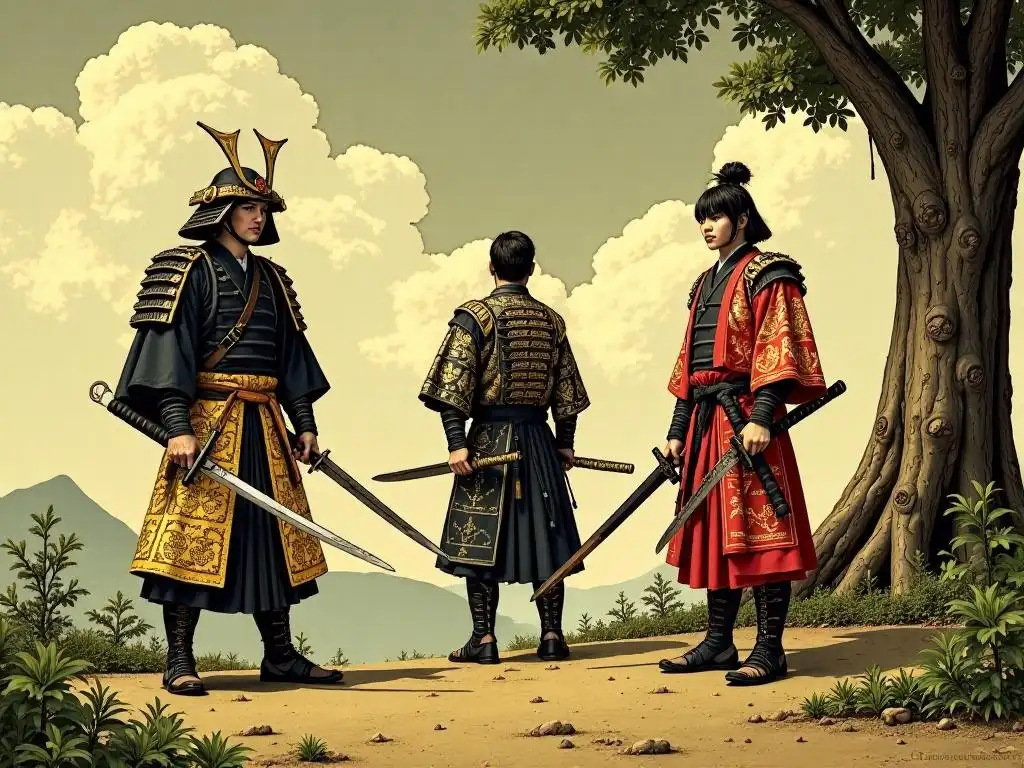
Welcome to Feudal Japan History, where we invite you to embark on a captivating journey through the rich tapestry of Japan’s feudal era. Here, we delve into the intricate interplay between culture and conflict, illuminating the influence of martial arts on samurai warfare tactics. What secrets lie within the strategies of these legendary warriors? As you explore our expert-driven articles, prepare to uncover the profound impact of martial arts on the battlefield, revealing how these techniques shaped not only the samurai but also the very fabric of Japanese society. Let your curiosity guide you deeper into this fascinating world!
- Introduction to Samurai Warfare Tactics Influence
- Historical Context of Samurai Warfare
- The Role of Martial Arts in Samurai Combat
- Key Martial Arts Influencing Samurai Warfare Tactics
- Integration of Martial Arts into Samurai Warfare Strategies
- Influence of Martial Arts on Samurai Leadership and Strategy
- Case Studies of Samurai Warfare Tactics
- Conclusion: The Lasting Legacy of Martial Arts in Samurai Warfare
-
Frequently Asked Questions
- What are the main influences of martial arts on samurai warfare tactics?
- How did the training in martial arts impact the samurai?
- Were there specific martial arts that contributed to samurai tactics?
- How did cultural aspects influence samurai warfare tactics?
- What is the legacy of samurai warfare tactics today?
- Final Reflection: The Enduring Legacy of Samurai Warfare Tactics
- Unleash Your Inner Warrior: Embrace the Spirit of the Samurai!
Introduction to Samurai Warfare Tactics Influence
The intricate relationship between martial arts and samurai warfare tactics forms a cornerstone of Japan's feudal history. During this era, spanning from the late 12th century to the mid-19th century, the samurai class emerged as the military elite, whose combat strategies were heavily influenced by traditional martial arts.
This article aims to delve into how various martial arts shaped the techniques, philosophies, and effectiveness of samurai warfare. By exploring the historical context, cultural significance, and tactical innovations, we will uncover the profound impact martial arts had on the evolution of samurai combat, ultimately illuminating the broader narrative of Japan's military history.
Overview of Samurai Warfare in Feudal Japan
Samurai warfare was not only about brute strength; it was an art that combined strategy, skill, and discipline. The samurai, known for their loyalty and honor, followed a code called bushido, which emphasized virtues such as courage, respect, and self-discipline. The tactical approach of the samurai evolved significantly over the centuries, influenced by various factors including social changes, technological advancements, and, importantly, martial arts practices.
Key Aspects of Samurai Warfare:
- Battlefield Strategy: Samurai were adept at employing various strategies such as flanking maneuvers, ambush tactics, and psychological warfare to outsmart their opponents.
- Weaponry and Techniques: The use of weapons like the katana, yari (spear), and naginata (polearm) required rigorous training and a deep understanding of martial arts forms.
- Formation and Unit Tactics: Samurai often fought in organized groups, utilizing formations that maximized their strengths and exploited enemy weaknesses.
The combination of these aspects contributed to a highly sophisticated approach to warfare, where martial arts played an essential role in shaping the samurai's combat style.
Importance of Martial Arts in Samurai Culture
Martial arts were more than just combat skills for the samurai; they were integral to their identity and way of life. Various forms of martial arts, including kenjutsu (swordsmanship), iaijutsu (the art of drawing the sword), and sojutsu (spear techniques), were practiced rigorously, with each discipline contributing to the overall effectiveness of samurai warfare.
Significance of Martial Arts:
- Training and Discipline: The rigorous training in martial arts instilled discipline, focus, and resilience, qualities that were essential on the battlefield.
- Philosophical Underpinnings: Many martial arts encompassed philosophical teachings that promoted mental clarity and ethical conduct, aligning with the samurai's code of honor.
- Cultural Heritage: Martial arts practices were passed down through generations, preserving not only combat techniques but also the cultural heritage of the samurai, influencing later generations and modern martial arts.
Through this exploration, we will see how the influence of martial arts on samurai warfare tactics not only defined the combat practices of the time but also left a lasting legacy that continues to resonate in Japanese culture today.
Historical Context of Samurai Warfare
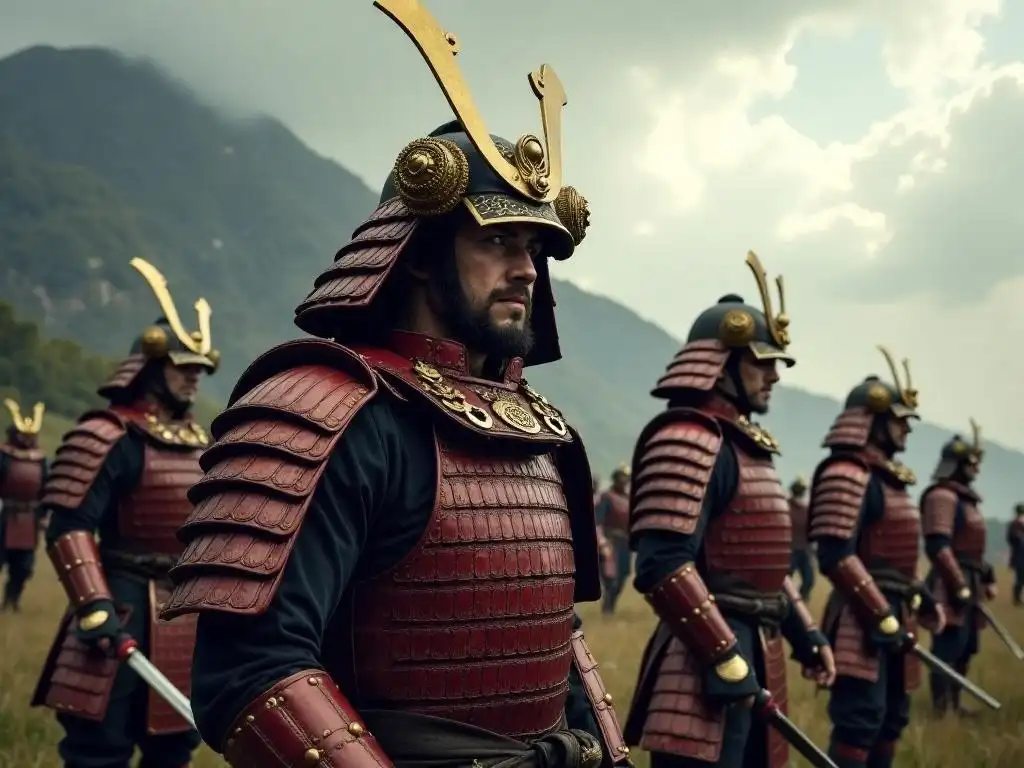
The historical context of Samurai warfare is deeply intertwined with Japan's feudal system, which emerged around the late 12th century and lasted until the 19th century. This era was marked by constant conflict among powerful clans, which necessitated the development of sophisticated military strategies and tactics. The Samurai, as the warrior class, played a pivotal role in this battlefield evolution, adapting their methods to the changing dynamics of warfare.
The Heian Period (794-1185) laid the groundwork for Samurai culture, where the emphasis on honor and loyalty began to shape their identity. However, it was the Kamakura Period (1185-1333) that saw the rise of the Samurai as a distinct military force. During this time, the Samurai began to refine their combat techniques, emphasizing the use of the katana and the bow, which would become central to their warfare tactics.
As Japan transitioned into the Muromachi Period (1336-1573), Samurai warfare tactics evolved further. The introduction of gunpowder weapons, particularly the arquebus in the 16th century, forced Samurai to adapt their strategies to include firearms, leading to significant changes in formation and battlefield engagements. The Sengoku Period (1467-1603), known as the "Warring States" era, was characterized by an increase in the scale of battles and the need for more complex tactics to outmaneuver rival clans.
Evolution of Samurai Tactics over Time
The evolution of Samurai tactics can be traced through several key phases, each marked by innovations in strategy and technology.
- Early Combat Techniques:
- During the early stages of Samurai warfare, the focus was primarily on individual combat skills. Techniques such as Kenjutsu (swordsmanship) and Sojutsu (spear techniques) were prevalent.
- The emphasis was on one-on-one duels, where honor was paramount. Samurai would often engage in battles that tested their skill and courage.
- Formation and Strategy:
- As conflicts grew in scale, the Samurai began to adopt more organized formations, such as the Hiki no kata (pulling back tactics) and the Kumitate (group fighting techniques).
- The use of cavalry became more pronounced, with Samurai employing mounted tactics to gain mobility and speed during battles.
- Integration of Firearms:
- The introduction of firearms in the 16th century shifted Samurai tactics significantly. The use of the arquebus necessitated new formations, such as the ashigaru (foot soldiers) firing in volleys.
- This change marked a transition from purely melee combat to a more diversified battlefield approach, where ranged attacks were combined with traditional close-combat techniques.
- Siege Warfare:
- Siege tactics also became a significant aspect of Samurai warfare. The construction of fortifications and the use of siege weapons, such as catapults and battering rams, were integrated into their strategic repertoire.
- The famous Siege of Osaka (1614-1615) highlighted these evolving tactics, where both sides employed a mix of traditional and gunpowder-based strategies.
Key Battles that Shaped Samurai Warfare
Several key battles throughout Japan's feudal history significantly influenced Samurai warfare tactics, showcasing the evolution of their strategies:
- The Battle of Dan-no-ura (1185):
- This naval battle marked the end of the Genpei War between the Taira and Minamoto clans. The battle demonstrated the importance of naval tactics and the effective use of small boats in combat.
- The victory of the Minamoto clan solidified the Samurai's role in Japanese governance and military affairs.
- The Battle of Nagashino (1575):
- A turning point in Samurai warfare, this battle saw the effective use of firearms by the Takeda clan's opponents, the Oda and Tokugawa forces.
- The use of fortified positions and coordinated volleys of gunfire showcased a shift in tactics from traditional melee combat to a more strategic approach incorporating gunpowder weapons.
- The Battle of Sekigahara (1600):
- Often considered the decisive battle that established Tokugawa Ieyasu as the shogun, Sekigahara involved complex maneuvers and alliances among various Samurai factions.
- The battle highlighted the importance of espionage, intelligence, and the strategic use of terrain, which became critical components of Samurai warfare tactics in subsequent conflicts.
The influence of martial arts on Samurai warfare tactics is evident through their evolution over time, adapting to new technologies and battlefield conditions. The historical context, along with key battles, illustrates how these tactics were shaped by both cultural values and practical necessities, making the Samurai a formidable force in Japan's military history.
The Role of Martial Arts in Samurai Combat
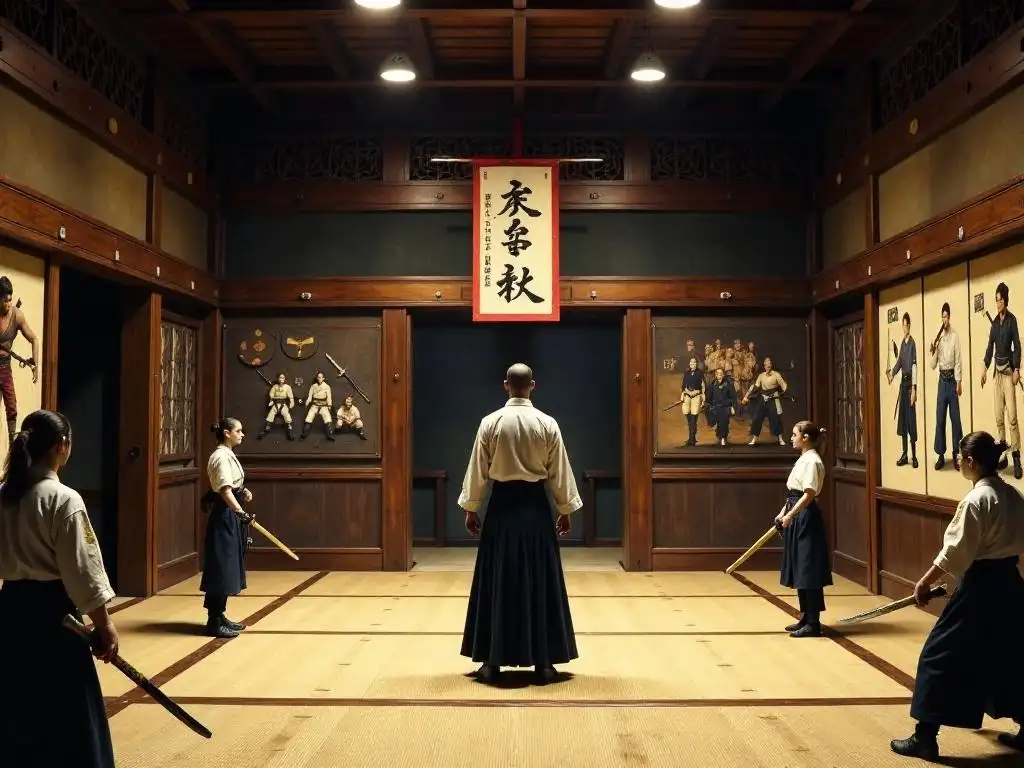
The samurai, known as the elite warrior class of feudal Japan, were not just skilled in the art of war; they were also deeply influenced by various traditional martial arts. The integration of martial arts into samurai combat significantly shaped their warfare tactics, enhancing their efficiency on the battlefield. Understanding this influence requires an exploration of the specific martial arts practiced by samurai and the philosophies that underpinned these disciplines.
Traditional Martial Arts and Their Philosophies
The martial arts of feudal Japan encompassed a wide range of disciplines, each contributing unique techniques and ideologies to samurai warfare tactics. Some of the most notable martial arts include:
- Kendo: The way of the sword, focusing on the use of bamboo swords (shinai) and protective armor. Kendo emphasizes discipline, respect, and mental fortitude, which were essential traits for samurai warriors.
- Iaido: The art of drawing the sword, which teaches practitioners to react fluidly and decisively in combat. Iaido's principles of swift draw and immediate counterattack influenced samurai tactics, allowing them to respond effectively to sudden threats.
- Jujutsu: A grappling-based martial art that emphasizes throws and joint locks. The techniques of jujutsu informed samurai tactics in close-quarter combat, allowing them to disarm or incapacitate opponents effectively.
The philosophies underlying these martial arts are integral to understanding their impact on samurai warfare. For instance, the concept of "Bushido", or the "way of the warrior," shaped the ethical framework within which samurai operated. This code emphasized virtues such as honor, loyalty, and courage, which were directly reflected in their combat techniques and strategies.
Martial arts were as much about the mind as they were about the body; the samurai believed that mental discipline was crucial for victory.
The incorporation of these philosophies into martial arts training allowed samurai to develop not only physical prowess but also the mental acuity required for strategic warfare.
Training Regimens of Samurai Warriors
The training regimens of samurai warriors were rigorous and multifaceted, designed to prepare them for the complexities of battle. These regimens often included:
- Physical Conditioning: Samurai trained extensively to develop strength, agility, and endurance. This physical prowess enabled them to perform complex maneuvers and maintain stamina during prolonged combat.
- Weapons Mastery: Mastery of various weapons, particularly the katana, was paramount. Samurai engaged in repetitive practice to refine their skills, focusing on precision and timing, which are crucial for effective samurai warfare tactics.
- Tactical Drills: Samurai practiced formations and strategies in simulated battle scenarios. These drills allowed them to adapt to different combat situations, enhancing their ability to execute complex maneuvers during actual warfare.
- Mental Training: Meditation and mindfulness practices were integral to a samurai's training. This mental discipline helped warriors maintain focus and composure, enabling them to make strategic decisions under pressure.
| Training Element | Description |
|---|---|
| Physical Conditioning | Developing strength and endurance through rigorous exercises. |
| Weapons Mastery | Practicing various weapons, focusing on precision and timing. |
| Tactical Drills | Simulated scenarios to prepare for real combat situations. |
| Mental Training | Meditation techniques to enhance focus and decision-making. |
The influence of martial arts on samurai warfare tactics is evident in the seamless integration of physical skill, mental discipline, and ethical principles. This holistic approach to training ensured that samurai were well-rounded warriors capable of adapting to the ever-changing dynamics of battle.
By understanding the role of martial arts, we gain insights into how these practices shaped the samurai's approach to warfare, ultimately influencing their tactics and strategies on the battlefield.
Key Martial Arts Influencing Samurai Warfare Tactics
Kenjutsu: The Art of the Sword
Kenjutsu, the traditional Japanese martial art of swordsmanship, has been central to the development of samurai warfare tactics. This discipline emphasizes the use of the katana, the iconic curved sword of the samurai, and incorporates various techniques and philosophies that have significantly influenced combat strategies.
Techniques and Principles
Kenjutsu techniques are often categorized into several key principles:
- Maai (Distance): Understanding the optimal distance between oneself and the opponent is crucial. Samurai trained to gauge this distance accurately, allowing them to strike effectively while avoiding enemy attacks.
- Kuzushi (Balance Breaking): The ability to unbalance an opponent is a fundamental concept in kenjutsu. Samurai learned to exploit their adversaries' weaknesses and create openings for counterattacks.
- Kime (Focus): Kime refers to the explosive focus and intent behind each strike. Samurai trained to deliver powerful blows with precision, maximizing the effectiveness of their attacks.
Historical Impact
Kenjutsu's influence on samurai warfare tactics can be traced back to the Heian Period (794-1185), where it began to evolve as a formal discipline. As samurai faced various enemies, the techniques honed through kenjutsu became instrumental in developing battlefield strategies. The principles of kenjutsu not only shaped individual combat but also informed larger tactical frameworks, influencing formations and group dynamics in battles.
Sojutsu: The Spear Techniques
Sojutsu, the art of spear fighting, played a significant role in samurai warfare tactics during Japan's feudal era. The spear, or yari, was a versatile weapon that allowed samurai to engage enemies from a distance, providing a tactical advantage in both one-on-one combat and on the battlefield.
Techniques and Applications
Sojutsu encompasses a variety of techniques that highlight the spear's effectiveness:
- Thrusting Techniques: Mastery of thrusting allows a warrior to extend their reach and maintain distance from an opponent's blade.
- Sweeping Movements: These techniques enable the user to tackle multiple opponents or defend against incoming attacks while maintaining control over the spear.
- Footwork and Mobility: Sojutsu training emphasizes agility and movement, allowing the samurai to adapt to shifting battlefield scenarios.
Strategic Importance
The introduction of the yari into samurai warfare tactics marked a significant evolution in combat strategy. During the Sengoku Period (1467-1603), armies began to adopt spear formations, creating lines of soldiers who could engage enemies effectively. The use of sojutsu helped to develop cohesive unit tactics, allowing for coordinated attacks that could overwhelm adversaries.
Iaijutsu: The Art of Drawing the Sword
Iaijutsu, the art of drawing the sword and delivering a quick strike, is another martial discipline that profoundly influenced samurai warfare tactics. This practice emphasizes speed, precision, and the ability to respond to threats instantly.
Key Techniques
The core techniques of iaijutsu focus on:
- Nukitsuke (Drawing Cut): The ability to draw the sword and cut in a single motion is central to iaijutsu. This technique allows a samurai to respond swiftly to ambushes or sudden attacks.
- Tachiai (Standing Combat): Iaijutsu often begins from a standing position, enabling practitioners to engage an opponent immediately upon drawing their sword.
- Zanshin (Awareness): This principle emphasizes remaining alert and aware of the surrounding environment, a vital skill in the chaos of battle.
Tactical Significance
Iaijutsu's influence on samurai warfare tactics is evident in its focus on rapid response and decisive action. The principles of iaijutsu were essential in close-quarter combat situations, where speed could determine the outcome of a confrontation. Samurai who mastered iaijutsu were often able to anticipate and counter enemy movements, gaining the upper hand in the heat of battle.
The interplay between various martial arts forms such as kenjutsu, sojutsu, and iaijutsu has significantly shaped samurai warfare tactics. Each of these disciplines contributed unique techniques and philosophies that enhanced the effectiveness of samurai on the battlefield, ensuring their prominence during Japan's feudal era.
Naginatajutsu: The Techniques of the Naginata
Naginatajutsu, the martial art centered around the naginata, a traditional Japanese weapon resembling a polearm with a curved blade, played a pivotal role in shaping the combat strategies of the samurai. The naginata was not merely a weapon; it represented a unique blend of technique, agility, and adaptability in warfare, thus influencing samurai warfare tactics significantly.
Historical Context and Evolution
Originating in the Heian period (794-1185), the naginata was initially used by foot soldiers and later became a favored weapon among samurai, particularly women in the samurai class. Its long reach allowed for effective crowd control and the ability to engage multiple opponents at once. Over time, naginatajutsu evolved into a sophisticated martial art, integrating various techniques that emphasized strikes, sweeps, and thrusts.
Key Techniques in Naginatajutsu
Naginatajutsu encompasses a variety of techniques that are crucial for effective combat. The primary techniques include:
- Tsuki (Thrusts): A direct and powerful attack aimed at the opponent's torso or face. Tsuki techniques require precision and control to ensure maximum impact while maintaining distance.
- Uke (Blocks): Defensive maneuvers that utilize the naginata’s length to intercept and deflect incoming attacks. Proper timing and positioning are essential for effective blocking.
- Kiri (Cuts): This includes downward and horizontal slicing motions that can inflict serious damage. Kiri techniques are often combined with footwork to create angles of attack that can catch opponents off guard.
- Suriage (Rising Cuts): A technique that involves a rising motion to counter an opponent's attack while simultaneously positioning oneself for a follow-up strike.
Tactical Advantages in Warfare
The strategic advantages offered by naginatajutsu significantly influenced samurai warfare tactics. The naginata's versatility allowed samurai to engage in both offensive and defensive maneuvers, making it an ideal weapon in various battle scenarios.
- Distance Management: The long reach of the naginata enabled samurai to keep adversaries at bay while launching powerful strikes. This distance management was crucial in battles where multiple opponents were present.
- Mobility and Agility: Naginatajutsu techniques emphasize fluid movement and quick transitions between offense and defense. This agility allowed samurai to adapt quickly to changing battlefield dynamics, making them formidable opponents.
- Psychological Warfare: The imposing presence of a warrior wielding a naginata often intimidated enemies, affecting their morale and willingness to engage in combat.
Conclusion
The influence of naginatajutsu on samurai warfare tactics cannot be overstated. By mastering the techniques of the naginata, samurai were able to enhance their combat effectiveness, demonstrating the importance of martial arts in the evolution of military strategy during Japan's feudal era. The integration of these techniques into broader samurai training solidified their reputation as skilled and versatile warriors on the battlefield.
Integration of Martial Arts into Samurai Warfare Strategies
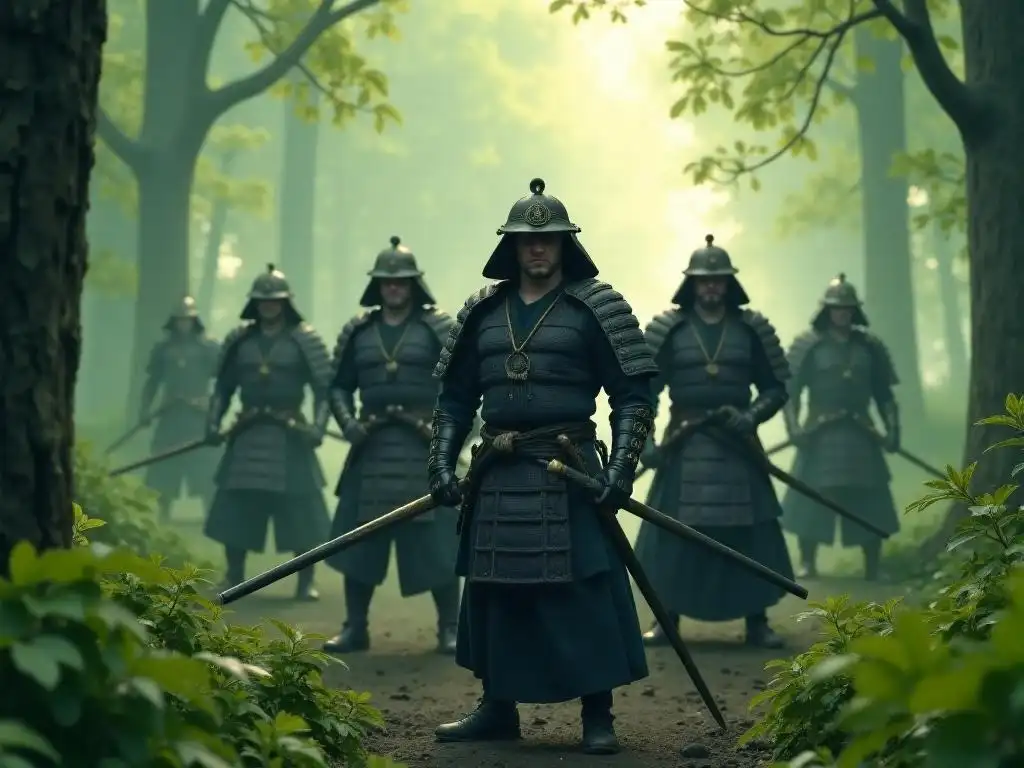
The integration of martial arts into samurai warfare strategies is a crucial aspect that shaped the effectiveness of samurai on the battlefield. Samurai warriors were not just skilled with their iconic katana; they were trained in various martial arts that provided them with a comprehensive understanding of combat. This integration was pivotal in developing sophisticated tactics that enhanced their martial prowess.
Martial arts such as judo, aikido, and kendo were foundational in forming the samurai's approach to combat. Each discipline emphasized different aspects of fighting, from grappling and throwing techniques in judo to the precision and control of kendo. This diverse training allowed samurai to adapt and innovate their tactics, creating a unique blend of offensive and defensive maneuvers that were effective in various combat scenarios.
Furthermore, the philosophical elements of martial arts influenced samurai warfare tactics. The concept of bushido, or "the way of the warrior," emphasized honor, discipline, and respect, which were integral to samurai combat. This moral framework not only guided their behavior in battle but also influenced strategic decisions, such as when to engage an opponent or retreat.
Tactical Approaches Derived from Martial Arts
The tactical approaches derived from martial arts can be observed in the emphasis on fluidity and adaptability during combat. Samurai learned to read their opponents and react swiftly, a principle rooted in martial arts training. This adaptability allowed them to switch between aggressive and defensive tactics based on the flow of battle.
- Principles of Timing and Distance: Samurai utilized the martial arts principle of maai, which focuses on the timing and distance between combatants. Understanding this allowed them to execute strikes with precision while also maintaining the ability to evade attacks.
- Use of Deception and Feints: Techniques like feints, commonly found in martial arts, were employed to mislead opponents. Samurai would often engage in psychological warfare, drawing enemies into traps or leading them to overcommit before countering effectively.
- Grappling Techniques: The incorporation of grappling techniques from martial arts allowed samurai to engage in close combat situations. Techniques such as joint locks and throws were essential when swords were not an option, enabling samurai to neutralize threats without relying solely on their blades.
The culmination of these tactical approaches demonstrates how martial arts profoundly influenced samurai warfare tactics, leading to a more dynamic and strategic combat style.
Adaptation of Techniques in Battle Scenarios
The adaptation of martial arts techniques in battle scenarios is evident through various historical accounts and battle strategies employed by samurai. One significant example is the Battle of Sekigahara in 1600, where samurai demonstrated remarkable adaptability in response to the ever-changing dynamics of warfare.
- Modification of Weapon Handling: Samurai adapted traditional weapon techniques from martial arts to suit the battlefield. For instance, the use of the katana was enhanced by principles from kendo, emphasizing footwork and blade control, which proved vital in melee combat.
- Formation Strategies: The principles of martial arts influenced the development of formation strategies in battle. Samurai often utilized formations that allowed for quick transitions between offensive and defensive postures, reflecting the fluidity taught in martial arts.
- Individual Combat Skills: Samurai who excelled in martial arts were often more capable of handling unpredictable combat situations. Their training provided them with a diverse skill set that included both armed and unarmed combat, allowing for a broader range of tactics during engagements.
The successful adaptation of these techniques not only improved individual combat effectiveness but also shaped the overall strategy of samurai forces, making them formidable opponents during Japan's feudal era. The interplay between martial arts and samurai warfare tactics illustrates a profound legacy that continues to influence martial disciplines today.
Influence of Martial Arts on Samurai Leadership and Strategy
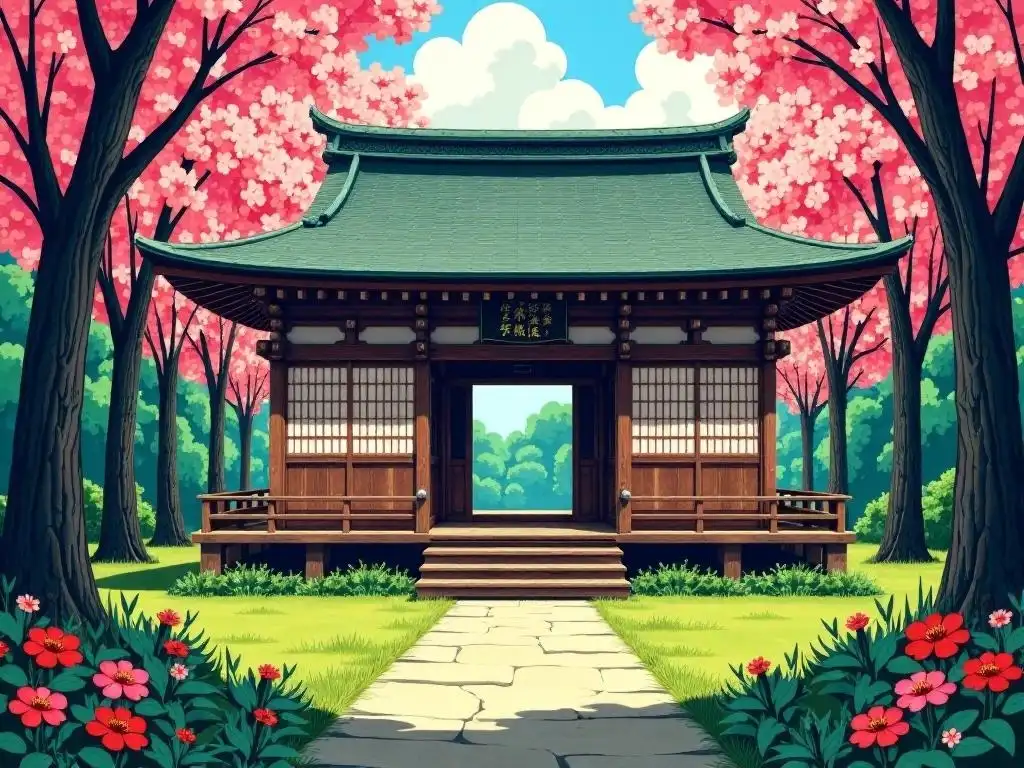
The Role of Martial Arts in Samurai Hierarchy
Martial arts were not merely combat techniques for the samurai; they were integral to the social and political fabric of feudal Japan. The samurai class, revered for their martial prowess, adhered to a strict hierarchical system where mastery of martial arts often determined an individual's status and influence within society.
- Training as a rite of passage: Young samurai typically began their training in martial arts at a young age, often under the guidance of a master. This training was not only physical but also philosophical, instilling values such as loyalty, honor, and discipline. Mastery of martial arts became a way to ascend the social ladder within the samurai hierarchy.
- Demonstrations of skill: Public displays of martial arts skill, such as tournaments and duels, served to reinforce a samurai’s reputation. Successful warriors gained fame and respect, influencing their standing in both the military and civilian spheres.
- Martial arts schools: The emergence of various martial arts schools (koryu) during the feudal era contributed to the stratification of samurai society. Each school had its own techniques and philosophies, creating a diverse tapestry of martial expertise that influenced tactics in warfare.
In this context, martial arts not only shaped individual samurai but also influenced broader military strategies and leadership dynamics, reinforcing the idea that martial skill equated to leadership potential.
Leadership Styles and Martial Influence on Tactics
The influence of martial arts on samurai leadership styles is profound, as it informed tactical decision-making and battlefield strategies. Different martial disciplines imparted unique approaches to combat, thereby shaping how samurai led their troops.
- Bushido Code and Tactical Decision-Making:
- The Bushido code, which emphasized virtues such as loyalty, courage, and honor, was deeply rooted in martial arts practices. Samurai leaders who embodied these principles often inspired their troops to follow them into battle, fostering a sense of unity and purpose.
- Tactical decisions were often made with an emphasis on honor, leading samurai to engage in direct confrontations rather than utilizing more deceptive strategies.
- Adaptation of Techniques:
- Influential samurai leaders would often adapt martial arts techniques to create new forms of warfare tactics. For instance, the introduction of kenjutsu (sword techniques) not only defined individual combat but also influenced group formations and strategies in larger conflicts.
- The effectiveness of these adapted techniques could be observed in pivotal battles, where leaders who embraced innovative martial arts strategies often gained the upper hand.
- Influence of Zen Philosophy:
- Many samurai practiced Zen Buddhism, which emphasized mental discipline and clarity. This philosophy influenced their approach to leadership, encouraging a calm and calculated demeanor in the heat of battle.
- Leaders who integrated Zen practices into their martial training were able to maintain composure during chaotic engagements, allowing them to devise effective tactics in real-time.
The relationship between martial arts and leadership styles among samurai exemplifies how cultural practices shaped military tactics. Samurai warfare tactics influence emanated from this interplay, highlighting the importance of martial arts not only in combat but also in the broader context of samurai leadership and strategy.
Case Studies of Samurai Warfare Tactics
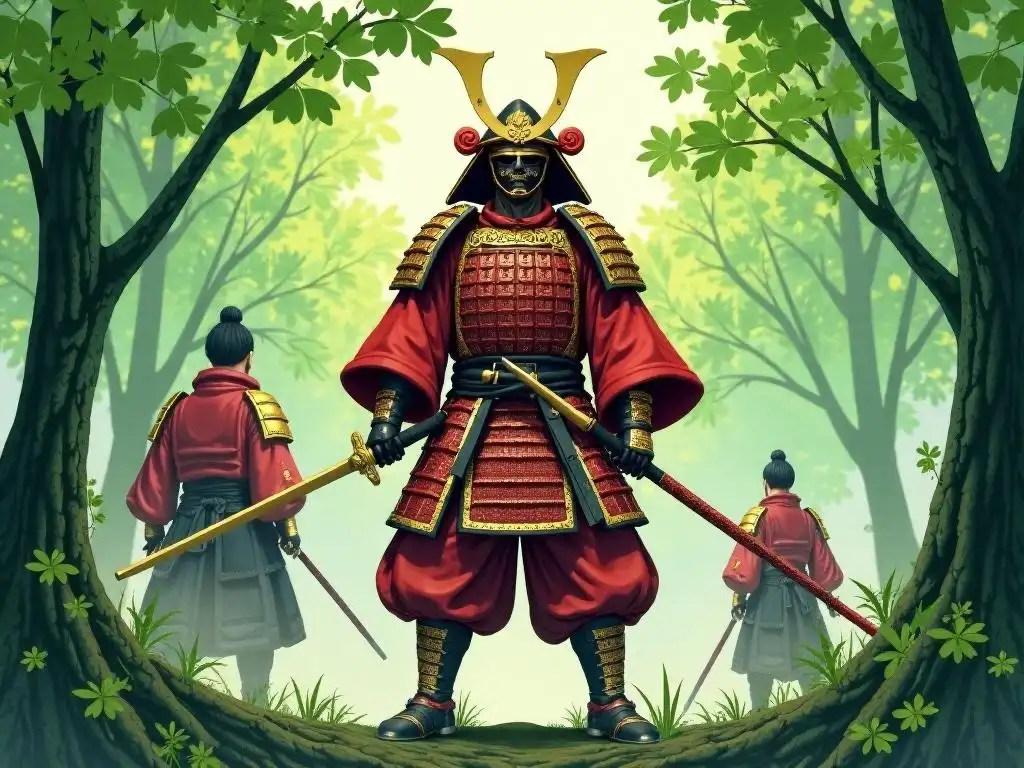
The study of Samurai warfare tactics offers a captivating window into the martial culture of feudal Japan. This section delves into specific instances where these tactics were prominently displayed, highlighting the methodologies employed by legendary samurai generals and the influence of martial arts on their battlefield strategies.
Analysis of Notable Samurai Generals and Their Techniques
Throughout history, several samurai generals have left an indelible mark on warfare tactics, showcasing innovative techniques that were often rooted in martial arts. Two prominent figures stand out:
- Minamoto no Yoshitsune (1159-1189)
- Background: A celebrated general during the Genpei War, Yoshitsune is renowned for his strategic acumen and agility in battle.
- Tactics Employed:
- Kumade: A technique that involved rapid, fluid movements to outmaneuver opponents.
- Surprise Attacks: His famous use of the "hōjō" (a sudden, unexpected assault) during the Battle of Dan-no-ura exemplifies his innovative tactics.
- Martial Arts Influence: His training in the art of Bujutsu, particularly in techniques like Kenjutsu (swordsmanship), informed his approach to both one-on-one combat and large-scale engagements.
- Oda Nobunaga (1534-1582)
- Background: A unifier of Japan, Nobunaga revolutionized samurai warfare with new tactics and technologies.
- Tactics Employed:
- Firearms Integration: He was one of the first to effectively use firearms in combat, influencing troop formations.
- Psychological Warfare: Nobunaga’s strategies often involved intimidating his enemies, such as during the Siege of Inabayama Castle.
- Martial Arts Influence: His understanding of Naginatajutsu (the art of the naginata) allowed him to instruct his troops in close-quarters combat, enhancing their effectiveness in battles where firearms were less practical.
These generals exemplify how martial arts skills were not only fundamental to individual combat but also shaped broader battlefield strategies and tactics.
Impact of Martial Arts on Specific Battles
The influence of martial arts on samurai warfare tactics can be vividly observed in several key battles that defined the course of Japanese history. Here are two notable examples:
- Battle of Sekigahara (1600)
- Context: This decisive battle marked the beginning of the Tokugawa shogunate and the unification of Japan.
- Tactics:
- Formation Techniques: Samurai employed specific formations, such as the kōbō, to maximize the effectiveness of their katana skills in close combat.
- Martial Arts Application: Many samurai incorporated Iaijutsu (the art of drawing and cutting) for swift attacks against enemy forces.
- Outcome: The strategic positioning and martial arts proficiency of the Tokugawa forces led to a significant victory.
- Siege of Osaka (1614-1615)
- Context: A pivotal conflict between Tokugawa Ieyasu and the Toyotomi clan.
- Tactics:
- Fortification Breaches: Samurai utilized Ninjutsu techniques for stealthy movements to infiltrate enemy defenses.
- Close Combat Skills: The siege saw frequent hand-to-hand combat, where martial arts training in Jujutsu played an essential role.
- Outcome: The successful application of these tactics contributed to the eventual fall of the Toyotomi stronghold.
These case studies illustrate the profound influence of martial arts on the development and execution of samurai warfare tactics, shaping the outcomes of critical battles throughout Japan's feudal era. The integration of martial arts into military strategy not only enhanced individual combat effectiveness but also transformed the collective capabilities of samurai forces on the battlefield.
Conclusion: The Lasting Legacy of Martial Arts in Samurai Warfare
The influence of martial arts on samurai warfare tactics is a profound aspect of Japan's feudal history that continues to resonate today. As the samurai developed their unique strategies and combat techniques, they integrated various martial arts forms, which not only enhanced their effectiveness in battle but also shaped the cultural identity of the samurai class. The rigorous training regimens, discipline, and philosophies inherent in martial arts cultivated a warrior ethos that emphasized honor, mastery, and respect.
This legacy is reflected in the meticulous approach to combat that samurai employed, blending physical prowess with strategic thinking. Many of these tactics are still studied and revered in modern martial arts practices, where the principles of balance, timing, and precision remain crucial.
Reflection on the Influence of Martial Arts on Modern Martial Arts Practices
Modern martial arts have been significantly influenced by the samurai's combat techniques and philosophies. Various forms of martial arts, such as Judo, Kendo, and Aikido, can trace their roots back to the practices of the samurai.
- Judo: Founded by Jigoro Kano in the late 19th century, Judo incorporates principles of balance and leverage, reminiscent of the grappling techniques used by samurai.
- Kendo: This modern Japanese martial art focuses on swordsmanship and embodies the spirit of the samurai, emphasizing discipline, respect, and the pursuit of personal growth through combat.
- Aikido: Developed by Morihei Ueshiba, Aikido draws from the samurai's emphasis on harmony and self-defense, promoting techniques that neutralize an opponent's aggression without causing injury.
The adaptability and evolution of these martial arts demonstrate the enduring impact of samurai warfare tactics. Practitioners today not only learn physical skills but also embrace the philosophical teachings that prioritize respect, humility, and continuous self-improvement.
The Cultural Significance of Samurai Warfare Tactics Today
The cultural significance of samurai warfare tactics extends beyond martial arts; it is embedded in Japanese society and continues to inspire various aspects of contemporary life. The values instilled by the samurai warriors—such as loyalty, courage, and the pursuit of excellence—are celebrated in literature, film, and other forms of media, reinforcing their relevance in modern culture.
- Literature and Cinema: Stories of samurai, highlighting their tactical brilliance and moral dilemmas, have been popularized in numerous films and books, showcasing the intricate relationship between martial arts and warfare.
- Cultural Festivals: Traditional events and festivals often feature reenactments of samurai battles, serving as a reminder of their historical significance and the martial traditions that shaped Japan.
Additionally, the principles of samurai warfare tactics influence leadership and organizational strategies in various fields, emphasizing strategic planning, decisive action, and ethical considerations. In this way, samurai warfare tactics continue to shape not only martial practices but also broader societal values, ensuring that the legacy of martial arts remains a vital part of Japan's cultural heritage.
Frequently Asked Questions
What are the main influences of martial arts on samurai warfare tactics?
The influence of martial arts on samurai warfare tactics is significant, as it shaped their combat techniques, strategies, and overall approach to battle. Various martial arts provided the foundation for the development of skills and discipline among samurai.
How did the training in martial arts impact the samurai?
Training in martial arts was crucial for samurai, enhancing their physical abilities and mental fortitude. This rigorous training helped them develop quick reflexes, strategic thinking, and a strong sense of honor and loyalty.
Were there specific martial arts that contributed to samurai tactics?
Yes, various martial arts, such as Kenjutsu (swordsmanship) and Iaijutsu (quick-draw techniques), played a pivotal role in shaping samurai tactics. Each art focused on different aspects of combat and contributed to the overall effectiveness of samurai warfare.
How did cultural aspects influence samurai warfare tactics?
The cultural aspects of feudal Japan, including Bushido (the way of the warrior), greatly influenced samurai warfare tactics. The principles of honor, loyalty, and discipline were integral to their combat strategies and decision-making processes.
What is the legacy of samurai warfare tactics today?
The legacy of samurai warfare tactics is evident in modern martial arts practices and military strategies. The emphasis on discipline, respect, and strategy continues to influence not only martial arts practitioners but also various fields of combat and leadership today.
Final Reflection: The Enduring Legacy of Samurai Warfare Tactics
The influence of martial arts on samurai warfare tactics remains profoundly relevant today, illustrating how historical practices shape modern strategies in conflict and discipline. As we navigate an increasingly complex world, the principles of focus, respect, and adaptability that were central to samurai training resonate in various fields, from military operations to personal development. The legacy of the samurai is not just a relic of the past; it is a guiding force that continues to inspire and inform our understanding of strategy and resilience.
Culturally, the impact of samurai warfare tactics extends beyond the battlefield, permeating aspects of art, philosophy, and even contemporary martial arts practices. The samurai's commitment to mastery and ethical conduct has influenced countless individuals seeking to cultivate discipline and purpose in their lives. As the renowned philosopher Sun Tzu once said, In the midst of chaos, there is also opportunity.
This idea encapsulates the essence of samurai tactics, where the ability to remain calm and strategic in the face of adversity is as relevant now as it was centuries ago.
As we reflect on the teachings and techniques of the samurai, let us invite ourselves to embrace the lessons of discipline, strategy, and honor in our daily lives. Consider how the principles of samurai warfare can inspire you to confront your own challenges with courage and clarity. Whether in personal endeavors or professional pursuits, the spirit of the samurai encourages us to approach our battles—both big and small—with a mindset of respect, resilience, and relentless pursuit of excellence.
Unleash Your Inner Warrior: Embrace the Spirit of the Samurai!
Thank you for diving into the rich tapestry of martial arts and their influence on Samurai warfare. Your interest in these powerful tactics not only enhances your understanding of history but also invites you to explore the profound philosophy behind the warrior’s journey. Now, let's transform that knowledge into action!
- Join a martial arts class to experience firsthand the discipline and skills that shaped legendary warriors! Whether it's Kendo, Aikido, or Brazilian Jiu-Jitsu, find a local dojo or training center and begin your journey.
- Explore historical texts and documentaries on Samurai warfare tactics to deepen your knowledge and appreciation. Many libraries and online platforms offer valuable resources that can enrich your understanding!
- Share your insights with friends or on social media to spark discussions about how these ancient techniques can inspire modern self-defense practices or foster community building.
What aspect of Samurai warfare resonates with you the most, and how do you envision applying those principles in your life today?