
Legendary Battles: The Most Pivotal Samurai Conflicts in History

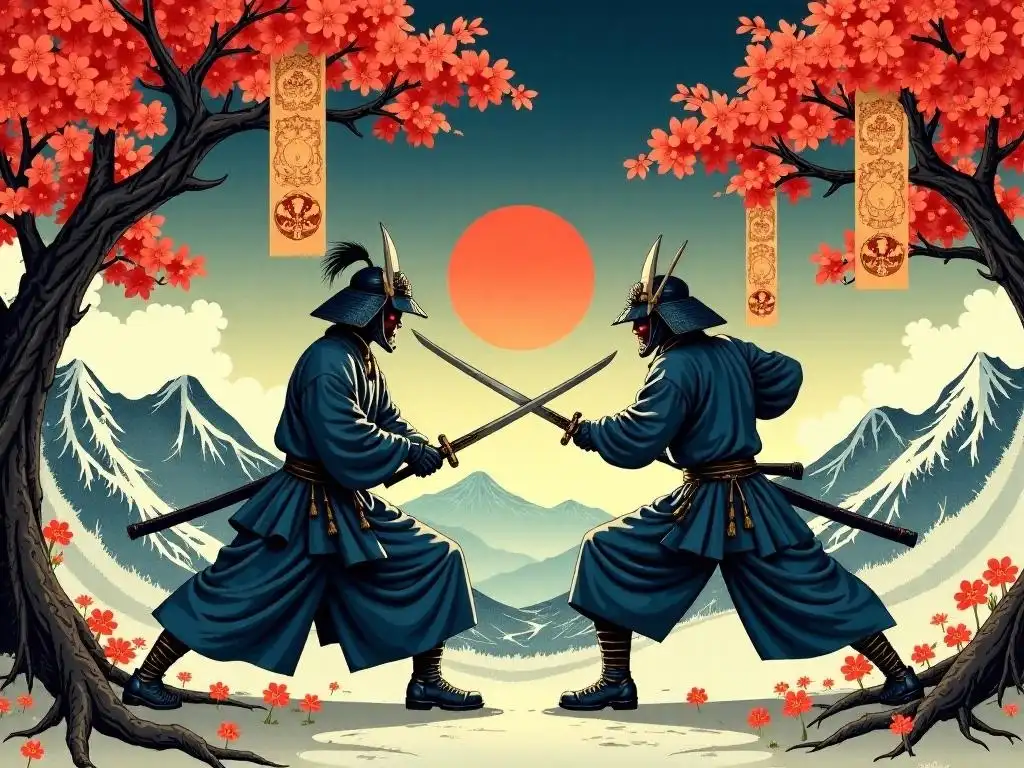
Welcome to Feudal Japan History! Prepare to embark on a fascinating journey through the intricacies of Japan’s feudal era, where honor, strategy, and valor shaped a nation. In our featured article, we delve into the legendary battles that defined the samurai spirit, uncovering the pivotal samurai conflicts in history that forever altered the course of Japan. Each skirmish tells a story of bravery and sacrifice, inviting you to explore the rich tapestry of military history. Are you ready to uncover the secrets of the battlefield? Dive in and discover what awaits!
Introduction to Pivotal Samurai Battles in History
The history of feudal Japan is rich with tales of valor, honor, and the relentless pursuit of glory on the battlefield. Among the most significant components of this era are the pivotal samurai battles in history, which not only shaped the course of Japan's political landscape but also influenced its cultural identity.
These legendary conflicts often marked turning points in power dynamics and are steeped in the traditions and values of the samurai ethos. This article aims to journey through the most impactful battles fought by samurai, examining their historical significance, tactical innovations, and the lasting legacy they left on Japanese society.
Overview of Samurai Warfare in Feudal Japan
Samurai warfare was characterized by a unique blend of military strategy, individual skill, and a strict code of conduct known as Bushido, or the "way of the warrior." This code emphasized virtues such as loyalty, honor, and discipline, which greatly influenced the conduct of samurai during battles. Key features of samurai warfare included:
- Weaponry and Armor: The iconic katana, along with other weapons like the naginata and yumi (bow), played crucial roles in combat. Samurai armor was designed for mobility and protection, often adorned with family crests to signify allegiance.
- Tactics and Formations: Samurai engaged in various formations and tactics, adapting to the battlefield's terrain. The use of cavalry, archers, and infantry working in concert was common, showcasing the complexity of samurai military strategy.
- Psychological Warfare: The samurai often employed psychological tactics to intimidate their opponents, including elaborate armor displays and war cries that instilled fear before combat even commenced.
Importance of Historical Conflicts in Samurai Culture
The historical conflicts of the samurai era were not merely battles for territory; they represented a clash of ideologies, loyalty to lords, and the pursuit of honor. These battles have become integral to Japan's collective memory and cultural narrative, serving as foundational stories that resonate through literature, art, and modern media.
- Cultural Preservation: Many pivotal battles are commemorated in festivals and reenactments, preserving the samurai spirit and educating future generations about this critical aspect of Japanese history.
- Lessons in Leadership and Strategy: The outcomes of these conflicts provided valuable lessons in military leadership and strategic planning, influencing both historical and contemporary military thought.
- Mythologization of Heroes: Samurai who distinguished themselves in these battles often became legends, their stories inspiring countless generations and embedding themselves into the national consciousness.
The Origins of Samurai Warfare
The Rise of the Samurai Class
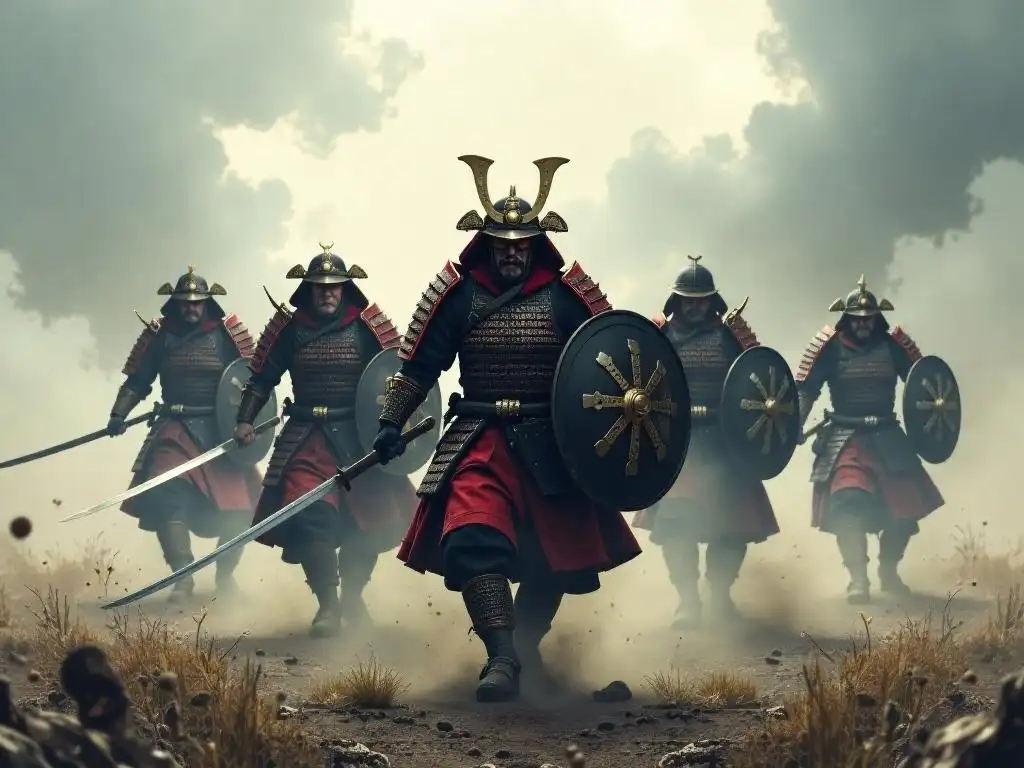
The origins of samurai warfare can be traced back to the Heian period (794-1185), during which the samurai class began to emerge as a distinct social group. Initially serving as provincial warriors for noble families, they gained prominence as the need for military protection grew amidst political instability. Factors influencing their rise included:
- Land Ownership and Feudal Loyalty: As land became a source of power, samurai pledged loyalty to landowners in exchange for protection and resources, solidifying their status within the feudal hierarchy.
- Political Fragmentation: The decline of centralized authority led to the rise of regional warlords, or daimyōs, who relied on samurai for military service, further entrenching the samurai's role in society.
Influences of Feudal Society on Samurai Battles
Feudal society profoundly impacted the nature of samurai warfare. The social structure, characterized by rigid class distinctions and loyalty networks, informed both the motivations and actions of samurai on the battlefield. Key influences included:
- Clan Rivalries and Alliances: Samurai battles were often fueled by personal and clan rivalries, with loyalty to one's lord dictating the choices made in warfare.
- Religious and Spiritual Beliefs: The samurai's connection to Shinto and Buddhism influenced their approach to battle, imbuing conflicts with spiritual significance and a sense of divine purpose.
- Cultural Practices: Arts and cultural practices, such as tea ceremonies and poetry, were integrated into the samurai lifestyle, reflecting a deep-seated belief in the harmony between martial prowess and cultural refinement.
Through this exploration, we will delve deeper into specific battles that defined the samurai era, revealing the intricacies of warfare that shaped Japan's feudal history and its enduring legacy.
Key Characteristics of Pivotal Samurai Battles
Pivotal samurai battles in history are marked by distinct characteristics that not only define the nature of the conflicts but also reflect the broader socio-political landscape of feudal Japan. These battles often involved intricate planning, loyalty to feudal lords, and a strong sense of honor among the samurai. Key characteristics include:
- Feudal Loyalties: Samurai were bound by loyalty to their daimyo (feudal lords), which influenced their motivations in battle. This loyalty often dictated the outcome of conflicts, as loyalty could rally troops to face overwhelming odds.
- Bushido Code: The samurai adhered to the Bushido code, which emphasized honor, courage, and discipline. This ethos shaped their conduct in battle, leading to both noble and brutal actions.
- Strategic Terrain: Battles were frequently fought in strategically significant locations. The choice of battlefield often played a crucial role in determining the outcome, as samurai utilized their knowledge of the terrain to their advantage.
- Formation and Discipline: Samurai battles often showcased disciplined formations, such as the "kumasaka" (bear formation) or "kikkō" (hexagonal formation). These formations allowed for effective communication and coordinated attacks.
Tactics and Strategies Employed by Samurai
Samurai warriors employed a variety of tactics and strategies that reflected their training and the nature of their conflicts. Key tactics included:
- Flanking Maneuvers: Samurai often used flanking techniques to outmaneuver their opponents, striking from unexpected angles to disrupt enemy formations.
- Hit-and-Run Tactics: Lightly armored samurai units frequently engaged in hit-and-run tactics, using their speed to harass larger forces and retreat before a counterattack could occur.
- Psychological Warfare: The use of psychological tactics, such as intimidating displays of force or misinformation, was common. The samurai aimed to demoralize their opponents before actual combat commenced.
- Use of Cavalry: Cavalry played a significant role in many battles, enabling rapid movement and the ability to strike at key points in enemy lines. Mounted samurai could also retreat swiftly to regroup.
Weapons and Armor Used in Historical Conflicts
The weaponry and armor of the samurai evolved over time, reflecting advancements in warfare and the needs of combat. Key aspects include:
- Katana: The iconic curved sword, the katana, was designed for swift, decisive strikes. Its craftsmanship was a symbol of a samurai’s status and skill.
- Bows and Arrows: Samurai archers utilized longbows (yumi), which were essential for ranged attacks. The yumi's design allowed for powerful shots from horseback.
- Naginata: This polearm combined the features of a spear and a sword, allowing for slashing and thrusting attacks, making it versatile in both infantry and cavalry engagements.
- Armor: Samurai armor, or "yōkō," was designed for mobility and protection. The intricate layering of materials allowed for flexibility while providing defense against weapons.
Legendary Samurai Battles: A Detailed Exploration
The most pivotal samurai battles in history not only shaped the course of Japan’s feudal era but also left lasting legacies that influenced future generations. Below are detailed explorations of some of these legendary confrontations.
The Battle of Dan-no-ura
Fought in 1185, the Battle of Dan-no-ura was a climactic naval conflict between the Taira and Minamoto clans during the Genpei War. This battle showcased the strategic use of naval forces in samurai warfare.
- Significance: The victory of the Minamoto clan effectively ended the Taira’s power, leading to the establishment of the Kamakura shogunate.
- Tactics: The Minamoto utilized superior naval tactics, employing smaller, more maneuverable ships to outflank the Taira forces.
- Outcome: The defeat of the Taira at Dan-no-ura not only marked a pivotal shift in power but also ended the era of the Heian period, ushering in a new age of samurai dominance.
The Battle of Sekigahara
The Battle of Sekigahara, fought in 1600, is often regarded as the most significant battle in Japanese history, determining the future of Japan for over 250 years.
- Significance: This battle set the foundation for the Tokugawa shogunate, which maintained peace and stability in Japan during the Edo period.
- Tactics: The battle featured massive armies and intricate strategies, including deception and alliances. The Tokugawa forces employed a well-coordinated approach to counter the numerically superior Western army.
- Outcome: The decisive victory for Tokugawa Ieyasu established him as the dominant power in Japan, leading to a long period of peace and samurai rule.
The Battle of Okehazama
The Battle of Okehazama, fought in 1560, was a remarkable example of the underdog triumphing against overwhelming odds.
- Significance: The victory of Oda Nobunaga over a much larger force marked a key moment in Nobunaga’s rise to power and the unification of Japan.
- Tactics: Nobunaga’s forces executed a surprise attack during a rainstorm, taking advantage of the enemy’s unpreparedness and the element of surprise.
- Outcome: The battle demonstrated the effectiveness of rapid and unexpected maneuvers, solidifying Nobunaga's reputation as a cunning strategist.
The Battle of Nagashino
Fought in 1575, the Battle of Nagashino was notable for its use of firearms in samurai warfare, marking a transformation in battle tactics.
- Significance: The battle showcased the shift from traditional samurai cavalry charges to the effective use of gunpowder weapons.
- Tactics: Tokugawa Ieyasu’s forces utilized a defensive position with arquebusiers, allowing them to decimate the attacking Takeda cavalry before they reached the lines.
- Outcome: The defeat of the Takeda clan at Nagashino accelerated the decline of their power and highlighted the importance of adapting to new military technologies in samurai warfare.
The Cultural Impact of Pivotal Samurai Battles
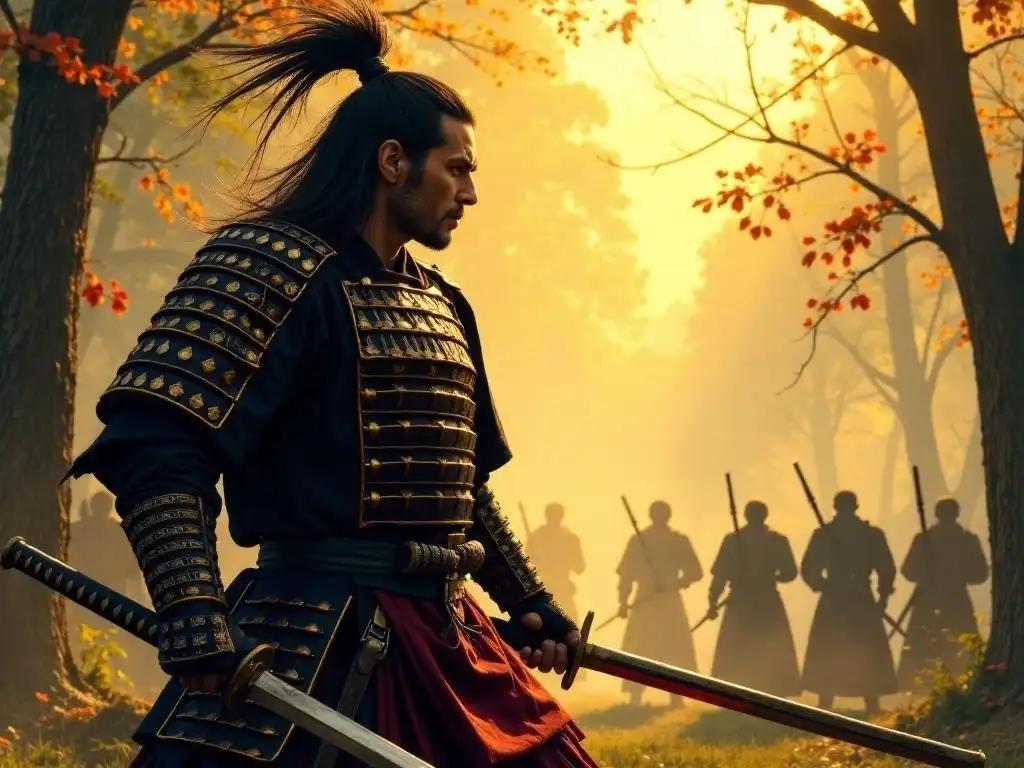
The pivotal samurai battles in history have left an indelible mark on Japanese culture, influencing various aspects of society from ethics and ideals to literature and the arts. These conflicts not only shaped the techniques and strategies of warfare but also established the samurai's role as a cultural icon. The stories of bravery, honor, and sacrifice associated with these battles resonate deeply within the Japanese psyche, fostering a sense of national identity and pride. As such, the legacy of these battles continues to be celebrated and reflected upon in contemporary Japan.
How Battles Shaped Samurai Ideals and Ethics
The samurai code of ethics, known as Bushido, was significantly influenced by the outcomes and narratives surrounding pivotal battles. The principles of honor, loyalty, and courage were not merely guidelines for conduct in warfare; they were ideals that emerged from the experiences and teachings derived from these historical conflicts.
For instance, the famous Battle of Sekigahara in 1600 marked a turning point in Japanese history, leading to the establishment of the Tokugawa shogunate. This battle’s emphasis on strategic alliances and loyalty among samurai reinforced the values central to Bushido. Samurai were taught that their actions during such conflicts were a reflection of their character and commitment to their lord, thereby embedding these ethical standards into the very fabric of samurai culture.
Influence on Japanese Literature and Arts
The impact of pivotal samurai battles extends into literature and the arts, where these conflicts have been immortalized in countless works. Traditional Noh and Kabuki theater often depict scenes from famous battles, allowing audiences to explore themes of heroism and tragedy. Literary figures such as Matsuo Bashō and Yukio Mishima have drawn inspiration from these events, weaving narratives that reflect on the complexities of honor and the human condition.
Moreover, the visual arts, including ukiyo-e prints, have celebrated these battles by illustrating iconic moments and figures. Artists like Katsushika Hokusai captured the essence of samurai valor and the dramatic nature of conflict, ensuring that the stories of these battles would be passed down through generations. The portrayal of samurai in both literature and art serves not only as entertainment but also as a means of cultural preservation, keeping the legacy of these pivotal conflicts alive.
The Legacy of Samurai Warfare in Modern Japan
The legacy of samurai warfare is palpable in modern Japan, where the ideals and narratives of these historical battles continue to resonate. Aspects of samurai culture are integrated into contemporary society, reflecting a unique blend of tradition and modernity. The reverence for the samurai is evident in various forms, from martial arts to popular media, showcasing the enduring influence of these warriors.
Commemoration of Historical Battles
Modern Japan commemorates pivotal samurai battles through festivals, memorials, and educational initiatives. Many historical sites related to these conflicts have been preserved, enabling visitors to connect with the past. Events such as the Sekigahara Festival celebrate the legacy of the Battle of Sekigahara, featuring reenactments, parades, and cultural exhibitions that highlight the significance of this battle in Japanese history.
Additionally, schools incorporate lessons about these battles into their curricula, ensuring that younger generations understand the historical context and cultural importance of the samurai. This ongoing commemoration fosters a sense of pride and continuity, allowing the values and lessons of the past to inform the present.
Continued Interest in Samurai Culture and History
The fascination with samurai culture and history remains strong in Japan and around the world. This interest is fueled by a combination of historical study, popular culture, and tourism. Films, anime, and video games often depict samurai and their epic battles, captivating audiences and introducing them to the complexities of samurai ethics and warfare.
Furthermore, international interest in Japanese martial arts, such as kendo and iaido, reflects a broader appreciation for samurai traditions. Workshops, seminars, and exhibitions dedicated to samurai history and culture attract enthusiasts eager to learn about this rich heritage. In this way, the legacy of pivotal samurai battles continues to inspire and engage people globally, ensuring that the stories of these warriors endure into the future.
Conclusion: The Enduring Significance of Pivotal Samurai Battles in History
The battles fought during Japan's feudal era not only shaped the military landscape of the time but also left a lasting impact on the culture and identity of the nation. These pivotal samurai battles in history are emblematic of the values, strategies, and honor that defined the samurai class. They serve as crucial turning points that influenced political power dynamics, regional control, and the very fabric of Japanese society. By examining these conflicts, we can better understand the evolution of warfare in Japan and the samurai's role within it.
In the context of modern Japan, the legacy of these battles continues to resonate. The samurai ethos of loyalty, honor, and discipline has permeated various aspects of Japanese culture, from literature and film to martial arts and philosophy. The stories of valor and sacrifice portrayed in these legendary conflicts serve as a source of inspiration and reflection on the values that continue to be revered in contemporary society.
Summary of Key Conflicts and Their Impact
Several key battles stand out in the annals of samurai warfare, each marking significant shifts in power and societal structure:
- The Battle of Dan-no-ura (1185): This naval clash marked the end of the Genpei War, as the Minamoto clan decisively defeated the Taira. Its conclusion shifted the balance of power, leading to the establishment of the Kamakura shogunate and the rise of samurai governance.
- The Battle of Nagashino (1575): Renowned for the innovative use of firearms by the Takeda and Oda clans, this battle demonstrated the transformative impact of technology on traditional samurai warfare. The Oda victory heralded the decline of cavalry charges and the rise of gunpowder tactics in Japan.
- The Siege of Osaka (1614-1615): This series of conflicts solidified the Tokugawa shogunate's dominance over Japan. The fall of the Toyotomi clan meant the end of an era and paved the way for over 250 years of relative peace known as the Edo period.
These battles not only determined the fates of clans and the direction of the nation but also laid the groundwork for the samurai's enduring legacy in Japanese culture.
Final Thoughts on the Samurai Legacy in Military History
The legacy of the samurai and their pivotal battles is multifaceted, encompassing military, cultural, and philosophical dimensions. The samurai were not merely warriors; they were embodiments of a complex social structure that valued loyalty, honor, and martial prowess. The battles they fought were reflections of their ideals and the tumultuous times in which they lived.
In studying these conflicts, we gain insight into the strategic innovations and the warrior code that governed samurai conduct. The significance of these battles extends beyond their immediate outcomes; they serve as a lens through which to view the evolution of Japan's military history and its cultural identity.
As we reflect on the enduring significance of these pivotal samurai battles in history, we recognize their role in shaping not just the samurai class but also the broader narrative of Japan itself. The lessons learned from these conflicts continue to inform contemporary discussions on honor, strategy, and leadership, securing the samurai’s place in the annals of military history.
- Introduction to Pivotal Samurai Battles in History
- Overview of Samurai Warfare in Feudal Japan
- Importance of Historical Conflicts in Samurai Culture
- The Origins of Samurai Warfare
- Key Characteristics of Pivotal Samurai Battles
- Legendary Samurai Battles: A Detailed Exploration
- The Cultural Impact of Pivotal Samurai Battles
- The Legacy of Samurai Warfare in Modern Japan
- Conclusion: The Enduring Significance of Pivotal Samurai Battles in History
Frequently Asked Questions
What are the most pivotal samurai battles in history?
Some of the most pivotal battles include the Battle of Sekigahara, the Battle of Okehazama, and the Siege of Osaka. Each of these battles played a significant role in shaping Japan's political landscape and the samurai class.
How did samurai battles influence Japanese culture?
Samurai battles not only determined political power but also shaped cultural values such as honor, loyalty, and bravery. These values became ingrained in the Japanese psyche, influencing arts, literature, and societal norms.
What was the role of strategy in samurai battles?
Strategy was crucial in samurai battles, often determining the outcome despite the number of troops. Tactics, such as terrain advantage and surprise attacks, were essential for victory and often studied for their innovative approaches.
How did the feudal system impact samurai warfare?
The feudal system created a hierarchical structure where daimyos (feudal lords) relied on samurai for military service. This relationship influenced the organization and funding of battles, leading to a distinct style of warfare characterized by loyalty and service.
Why are samurai battles still relevant today?
Samurai battles remain relevant as they are a key part of Japan’s cultural heritage. They are often referenced in literature, film, and art, serving as a source of inspiration and reflection on themes like honor, sacrifice, and the struggle for power.
Final Reflection: The Enduring Legacy of Pivotal Samurai Battles
The exploration of pivotal samurai battles in history reveals not only the martial prowess of these legendary warriors but also their profound impact on Japanese culture and identity. Today, as we navigate a world filled with conflict and strife, the lessons learned from these historical confrontations resonate more than ever. The courage, strategy, and honor exhibited by samurai serve as a powerful reminder of the values that can guide us through our own challenges.
The influence of these battles extends far beyond the pages of history; they continue to shape our cultural narratives and societal values. The stories of honor, sacrifice, and the relentless pursuit of mastery are woven into the very fabric of Japanese society and inspire countless individuals around the globe. In the midst of chaos, there is also opportunity.
This quote encapsulates the essence of how pivotal moments in history can serve as catalysts for growth and transformation, urging us to reflect on our own battles, both personal and collective.
As we conclude this journey through the legendary conflicts of the samurai, I invite you to reflect on the lessons these warriors impart. Consider how their unwavering commitment to honor and excellence can inspire you in your own life. Whether facing personal challenges or navigating the complexities of modern society, let the spirit of the samurai guide you toward resilience and purpose. Embrace the opportunity to learn from the past, and carry these lessons forward into the future.
Unleash Your Inner Warrior: Dive Deeper into Samurai History!
Thank you for embarking on this journey through the legendary battles of the samurai! We hope you’ve gained valuable insights into their pivotal conflicts and the indomitable spirit that defined their era. Now, it's time to take the next step in your exploration of this fascinating history.
Here are some action steps to deepen your understanding and appreciation of the samurai legacy:
- Immerse Yourself: Read a historical novel that captures the essence of samurai lore or their epic battles to bring these stories to life.
- Join the Conversation: Discuss your favorite samurai battle with friends or share it on social media to inspire others to discover more about this remarkable history.
- Explore More: Visit a local museum or an online exhibition that showcases samurai artifacts to better connect with their rich culture.
What impact do these legendary battles have on our understanding of honor and bravery today? We encourage you to share your thoughts below!