
Honor on the Battlefield: The Code of Bushido Explained


Welcome to Feudal Japan History, where we delve into the fascinating tapestry of Japan’s feudal era. Here, you will uncover the intricacies of a time defined by honor, loyalty, and the unwavering spirit of the samurai. In our featured article, "Honor on the Battlefield: The Code of Bushido Explained," we invite you to explore the profound principles of the Bushido code and how it shaped the lives of warriors and society alike. With each click, you’ll embark on a journey through history that promises to enlighten and intrigue. Are you ready to uncover the secrets of the battlefield?
Introduction to the Bushido Code in Feudal Japan
The Bushido code stands as a fundamental pillar in understanding the ethos of the samurai during Japan's feudal era. This code of conduct, which translates to "the way of the warrior," encapsulates a complex framework of values, ethics, and morals that guided the behavior of samurai, influencing not only their martial practices but also their societal roles.
Emerging from a blend of various philosophical and religious traditions, the Bushido code emphasizes virtues such as honor, loyalty, courage, and self-discipline. Through a meticulous exploration of the Bushido code in feudal Japan, we can gain insight into how these principles shaped the samurai's identity and their interactions within the broader fabric of Japanese society.
Definition of Bushido
Bushido is defined as the ethical code that samurai warriors adhered to, which governed their conduct in both warfare and daily life. Central to the Bushido philosophy is the concept of honor, which dictated that a samurai must uphold their reputation and integrity at all costs. This code also emphasized:
- Loyalty: A samurai's unwavering allegiance to their lord and clan.
- Courage: The bravery to face danger without fear.
- Respect: The importance of treating others with dignity, including rivals.
- Self-discipline: The practice of mastering oneself to achieve personal and martial excellence.
The Bushido code served as a guiding light for samurai, ensuring that their actions were in alignment with these core values, ultimately shaping the culture of feudal Japan.
Historical Context of Bushido in Feudal Japan
The roots of the Bushido code can be traced back to the tumultuous times of feudal Japan, particularly during the late 12th century through the 19th century. As Japan transitioned into a period marked by militaristic governance, the samurai emerged as the ruling warrior class, wielding significant power and influence.
During this era, the Bushido code evolved in response to various social and political changes, including:
- The Rise of the Samurai Class: As feudal lords (daimyō) gained control over territories, samurai became crucial in maintaining order and protecting their domains.
- Warfare and Conflict: Continuous internal conflicts, such as the Gempei War and later the Sengoku period, necessitated a robust ethical framework for warriors to navigate battles and rivalries.
- Cultural Integration: The synthesis of indigenous beliefs with foreign philosophies, particularly through Buddhism and Confucianism, enriched the samurai's moral landscape.
This historical backdrop not only contextualizes the emergence of Bushido but also illustrates how it became instrumental in defining the samurai's role in society.
The Origins of Bushido
The origins of the Bushido code are deeply intertwined with various philosophical influences that shaped its principles and practices. By examining these influences, we can better understand the multifaceted nature of Bushido.
Influences of Zen Buddhism on the Bushido Code
Zen Buddhism played a significant role in forming the spiritual foundation of the Bushido code. The emphasis on mindfulness, meditation, and the pursuit of enlightenment encouraged samurai to cultivate a calm demeanor amidst the chaos of battle. Key aspects include:
- Mindfulness: The practice of being present and aware, allowing samurai to make quick and effective decisions in combat.
- Acceptance of Death: Zen teachings fostered an understanding of mortality, helping samurai embrace the inevitability of death, which, in turn, enhanced their courage.
- Discipline: The rigorous training associated with Zen practices paralleled the physical and mental discipline required of a samurai.
Through these teachings, Zen Buddhism significantly contributed to the development of Bushido, shaping the samurai's approach to warfare and life.
The Role of Confucianism in Shaping Samurai Values
Confucianism also significantly influenced the Bushido code, particularly in its emphasis on social harmony and moral conduct. The core tenets of Confucian thought that impacted samurai values include:
- Filial Piety: The importance of loyalty to one's family and ancestors, which extended to loyalty to one's lord and clan.
- Ritual and Respect: Confucianism's focus on proper conduct and respect for authority reinforced the hierarchical structure of feudal Japan, guiding samurai in their interactions with superiors and peers.
- Moral Integrity: The emphasis on ethical behavior and righteousness resonated with the samurai's pursuit of honor and virtue.
By integrating Confucian ideals, the Bushido code not only established a moral compass for samurai but also contributed to the broader societal values of feudal Japan.
Core Principles of the Bushido Code
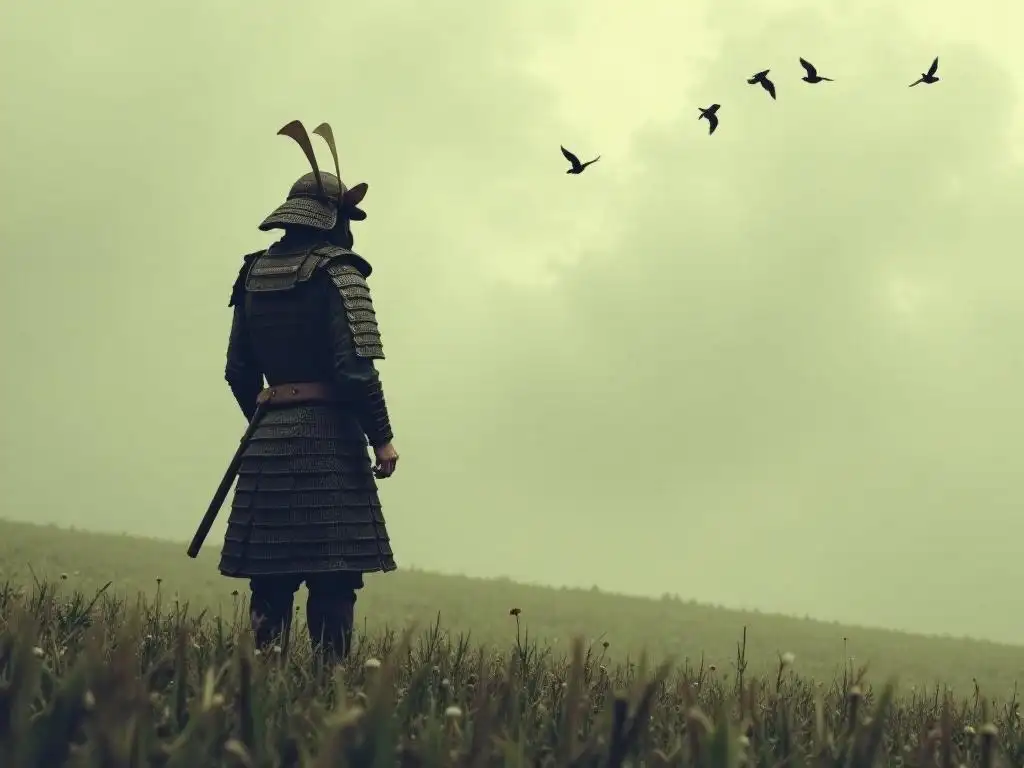
The Bushido code, often translated as "the way of the warrior," serves as the ethical framework guiding the samurai class in feudal Japan. This code encompasses a variety of principles that shape the samurai's conduct both on and off the battlefield. The core principles of Bushido include loyalty, courage, benevolence, respect, and honesty. These values not only dictate the behavior of samurai but also reflect the broader societal expectations of honor and duty in feudal Japan.
The adherence to these principles was essential for samurai to maintain their status and reputation. Samurai were not merely warriors; they were also expected to be role models within their communities. The Bushido code emphasizes a holistic approach to life, integrating martial prowess with moral integrity. As such, each principle intertwines with the others, creating a comprehensive ethical system that guided samurai in their daily lives and during warfare.
Loyalty: The Pillar of Samurai Honor
Loyalty is perhaps the most critical tenet of the Bushido code. For samurai, loyalty was not just a duty; it was an unwavering commitment to their lord, family, and comrades. This loyalty often transcended personal desires and ambitions, demanding ultimate sacrifice for the sake of one's lord or clan. The bond between a samurai and their lord was sacred, often celebrated in tales of heroism and sacrifice.
This principle of loyalty was exemplified in the famous tale of the 47 Ronin, where a group of samurai avenged their fallen master after his unjust death, demonstrating their steadfast loyalty even after losing their status and becoming ronin (masterless samurai). Such acts solidified the cultural narrative surrounding loyalty, establishing it as the cornerstone of samurai honor.
Courage: The Heart of the Warrior Spirit
Courage, or yuuki, is another fundamental aspect of the Bushido code, embodying the spirit of bravery and valor in the face of adversity. Samurai were expected not only to exhibit physical courage on the battlefield but also to confront moral dilemmas with strength and resolve. This duality of courage highlighted the importance of both physical prowess and ethical fortitude.
The concept of courage in Bushido extends beyond mere fearlessness in combat. It also involves the courage to uphold one's convictions, to act justly, and to face the consequences of one's actions. This principle was vividly illustrated in the battlefield where samurai had to confront overwhelming odds, as well as in their daily lives where they had to make tough decisions in adherence to their moral compass.
Benevolence: The Samurai's Duty to Protect
Benevolence, or jin, reflects the samurai's duty to show compassion and protect those who cannot defend themselves. This principle underscores the idea that true strength comes with the responsibility to care for others, especially the weak and vulnerable. Samurai were not only warriors but also guardians of peace and justice within their communities.
The practice of benevolence often manifested in various forms, such as providing assistance to the poor, defending the oppressed, or offering mercy to defeated enemies. This ethical obligation to protect and uplift others was essential in maintaining social order and harmony, reinforcing the samurai's role as both a warrior and a protector of society.
Respect: The Importance of Honor in Relationships
Respect is a crucial element of the Bushido code, emphasizing the importance of honoring relationships with others. This principle extends not only to fellow samurai and lords but also to family members, elders, and even adversaries. The respect shown to others reflects one's character and integrity, serving as a foundation for trust and mutual understanding.
In samurai culture, respect was often expressed through rituals, such as the formal exchange of greetings and the adherence to etiquette during interactions. This principle also reinforced the hierarchical nature of society, where respect for one's superiors and appropriate behavior toward inferiors were vital for maintaining social order.
Honesty: The Value of Truthfulness for Samurai
Honesty, or makoto, is the embodiment of truthfulness and sincerity within the Bushido code. For samurai, honesty was not merely a personal virtue but an essential component of their honor. The samurai were expected to be truthful in their words and actions, maintaining integrity even in the face of difficult circumstances.
The value of honesty extended to all aspects of life, from the battlefield to personal relationships. Deceit was viewed as a dishonorable act that could tarnish one's reputation and the reputation of one's clan. This unwavering commitment to truthfulness fostered a sense of trust and reliability, making honesty a fundamental pillar of the samurai identity.
The Evolution of the Bushido Code Over Time
The Bushido code did not remain static; it evolved significantly over the centuries, influenced by various historical events, societal changes, and cultural shifts. Understanding the evolution of Bushido provides insights into how samurai ethics were adapted and redefined in response to changing circumstances and the needs of the time.
Changes During the Kamakura Period
The Kamakura period (1185-1333) marked a pivotal time in the development of the Bushido code. This era saw the establishment of the shogunate, which shifted the power dynamics in Japan and solidified the samurai class's role as military leaders. During this period, the principles of Bushido began to formalize, emphasizing loyalty to the shogunate and the necessity of martial skill.
As samurai became more involved in governance and administration, the code expanded to include elements of governance and social responsibility. The need for a more structured ethical framework became apparent, and Bushido began to intertwine with Zen Buddhism, influencing samurai behavior both in battle and in their daily lives.
The Impact of the Sengoku Period on Samurai Ethics
The Sengoku period (1467-1603), known as the "Warring States" period, was characterized by constant conflict and social upheaval. This era significantly impacted the Bushido code, as samurai faced the harsh realities of warfare and the struggle for power among feudal lords. The values of courage and loyalty were tested as clans vied for dominance.
During this chaotic time, the Bushido code adapted to emphasize the necessity of strategic thinking and adaptability. Samurai were often required to balance their loyalty to their lord with the need for survival in a rapidly changing environment. The principles of benevolence and respect also evolved, as samurai began to recognize the importance of diplomacy and alliances, leading to a more nuanced understanding of honor and duty.
Modern Interpretations of Bushido in Contemporary Japan
In contemporary Japan, the Bushido code has undergone a transformation, taking on new meanings in a modern context. While the samurai class no longer exists, the values embedded in Bushido continue to influence Japanese culture and society. Concepts such as loyalty, respect, and honor resonate in various aspects of life, from business practices to martial arts.
Modern interpretations of Bushido often emphasize personal development, self-discipline, and ethical behavior rather than the martial aspects of the code. The principles of Bushido are celebrated in popular culture, literature, and education, serving as a reminder of the rich heritage of the samurai and their enduring legacy in Japan. This evolution illustrates how historical codes of conduct can adapt and remain relevant even in a rapidly changing world.
The Role of Bushido in Samurai Warfare
The Bushido code served as a guiding ethical framework for the samurai warriors of feudal Japan, profoundly influencing their conduct on and off the battlefield. At its core, Bushido emphasized virtues such as loyalty, honor, courage, and respect, which were paramount for the samurai. These principles dictated not only the samurai's behavior towards their lords and peers but also shaped their approach to warfare. Adhering to Bushido meant that samurai were expected to engage in battle with integrity, ensuring that their actions reflected the moral standards of their class.
In combat, Bushido instilled a deep-seated sense of duty and loyalty to one's lord, which often translated into a willingness to sacrifice oneself for the greater good of their clan or family. This commitment to loyalty influenced tactical decisions and battle strategies, as samurai often fought not just for victory but to uphold their honor and that of their lord. The strict adherence to Bushido also meant that samurai were expected to face their enemies bravely, often preferring a noble death in battle over the shame of surrender.
Bushido's Influence on Samurai Combat Techniques
The principles of Bushido had a significant impact on the combat techniques employed by samurai. Techniques were not merely focused on physical prowess but were also shaped by the philosophical underpinnings of the code. For instance, the practice of kenjutsu (the art of the sword) was deeply influenced by the samurai's commitment to discipline and respect for their weapon. The ideal samurai warrior was seen as one who could blend technique with a profound understanding of the moral implications of their actions.
Additionally, Bushido emphasized the importance of strategy and mental fortitude in combat. Samurai were trained not only in weaponry but also in the art of war, which included understanding battlefield dynamics, enemy psychology, and the importance of maintaining composure under pressure. This holistic approach to combat, guided by Bushido, allowed samurai to make calculated decisions that maximized their chances of victory while minimizing unnecessary bloodshed, aligning with the code’s respect for life.
The Psychological Impact of the Bushido Code on Samurai Soldiers
The psychological influence of the Bushido code on samurai soldiers was profound. By internalizing the principles of honor, loyalty, and courage, samurai developed a strong sense of identity that transcended personal fears and doubts. This psychological conditioning made them formidable opponents on the battlefield, as they were driven by a sense of purpose and duty that often outweighed their instinct for self-preservation.
Moreover, the concept of seppuku (ritual suicide) as a means to restore honor had a significant psychological impact. Knowing that death could be more honorable than capture or defeat created an environment where samurai would fight with unwavering resolve. This acceptance of death as a part of their duty reinforced their commitment to the Bushido code, leading to a culture of bravery and sacrifice that was fundamental to samurai warfare.
Case Studies: Notable Battles and the Application of Bushido
Several notable battles in Japanese history exemplify the application of the Bushido code among samurai warriors. One such example is the Battle of Sekigahara in 1600, which marked a turning point in Japanese history. During this decisive battle, samurai on both sides demonstrated unwavering loyalty to their lords, with many choosing to fight to the death rather than surrender. The importance of honor during this battle was paramount, as the outcome determined the future of Japan's political landscape.
Another significant case is the Siege of Osaka (1614-1615), where samurai forces under the Toyotomi clan exhibited extraordinary bravery in the face of overwhelming odds. Many samurai, adhering to the tenets of Bushido, fought valiantly despite knowing that defeat was imminent. Their commitment to honor and loyalty was evident in their willingness to sacrifice their lives rather than yield to the enemy.
These battles not only highlight the strategic and tactical elements of samurai warfare but also showcase how deeply ingrained the principles of Bushido were in the samurai ethos, influencing their actions and decisions in the heat of conflict.
The Bushido code was integral to the social status of samurai in feudal Japan. As the warrior class, samurai were not only defined by their martial skills but also by their adherence to the ethical standards established by Bushido. This code elevated their status within society, distinguishing them from other classes such as farmers, artisans, and merchants.
The Samurai Class and Its Responsibilities
The responsibilities of the samurai class were closely tied to the Bushido code. Samurai were expected to serve their lords with unwavering loyalty, protect their domains, and uphold justice within their communities. This sense of duty extended beyond the battlefield; samurai were also responsible for maintaining order and providing leadership in their localities.
Furthermore, samurai were seen as role models within their communities, embodying the virtues of Bushido. Their conduct was scrutinized, and any deviation from the code could lead to a loss of honor, not just for the individual samurai but for their entire clan. This societal expectation reinforced the importance of living by the principles of Bushido, ensuring that samurai maintained their esteemed status.
Bushido's Role in Feudal Japanese Society
Bushido played a pivotal role in shaping the social fabric of feudal Japan. As the values of loyalty, honor, and courage permeated samurai culture, they also influenced broader societal norms. The emphasis on loyalty extended beyond the samurai class, fostering a culture where loyalty to family, community, and country was highly valued.
Moreover, the principles of Bushido contributed to the establishment of a social hierarchy that defined feudal Japan. While samurai occupied the highest social status, the expectations set by Bushido meant that even lower classes aspired to emulate its virtues in their own lives. This created a societal structure where respect, honor, and duty were paramount, guiding interactions across different classes and contributing to the stability of feudal society.
The Bushido code was not merely a set of guidelines for samurai warfare; it was a comprehensive ethos that shaped the samurai's identity, social status, and responsibilities within feudal Japan. Its influence extended beyond the battlefield, embedding itself in the very fabric of Japanese culture and society.
Critiques and Misconceptions of the Bushido Code
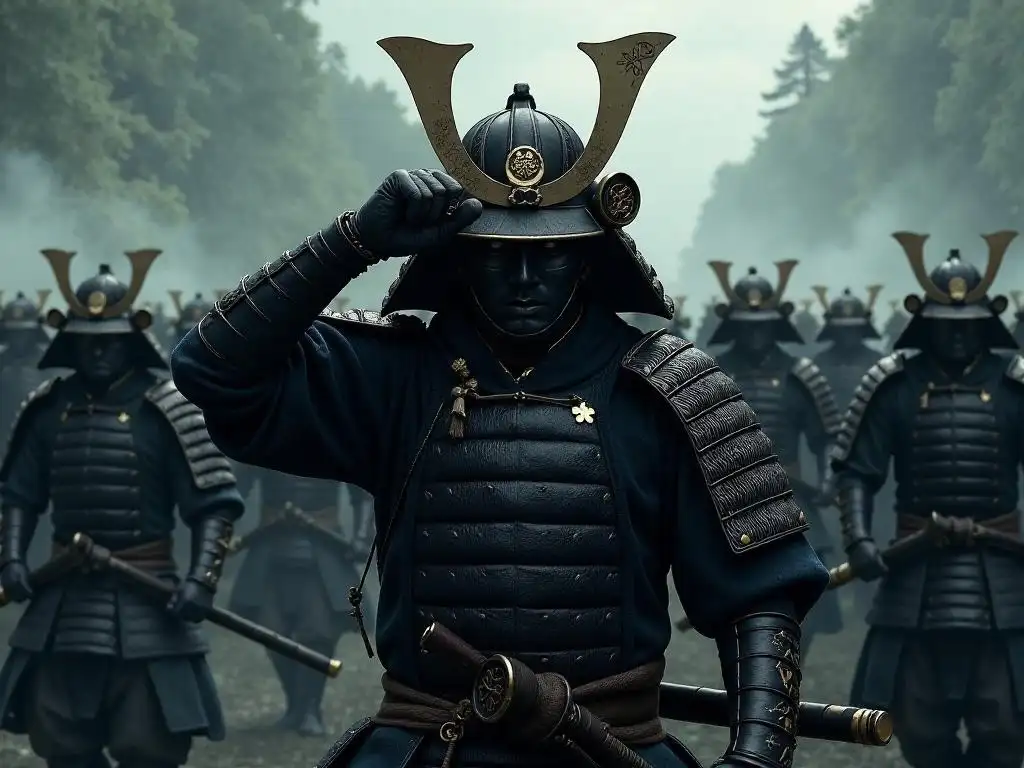
The Bushido code, often romanticized as the ultimate guide to samurai conduct, has been the subject of numerous critiques and misconceptions. Critics argue that the ideals of Bushido were not universally practiced among all samurai and that the code was often co-opted for political purposes.
For instance, during the Edo period, the samurai class became more bureaucratic and less militaristic, leading to a dilution of the original martial principles that Bushido espoused. Moreover, the portrayal of Bushido as an unyielding code of honor is often exaggerated; many samurai engaged in pragmatic decision-making that prioritized survival and loyalty to their lords over strict adherence to the code.
Another significant critique relates to the interpretation of honor. While the Bushido code emphasizes honor as a paramount virtue, the consequences of dishonor could lead to extreme actions, including seppuku (ritual suicide). This has led to a misconception that all samurai would choose death over shame, ignoring the complexities of individual circumstances and the varying personal beliefs within the samurai class. Thus, the simplistic narrative of unwavering loyalty and honor fails to capture the nuanced reality of samurai life.
Myths Surrounding the Bushido Code in Popular Culture
Popular culture has perpetuated several myths about the Bushido code, often portraying it as a singular, rigid doctrine that defined the samurai way of life. Films, literature, and video games frequently present a romanticized version of the samurai that adheres strictly to Bushido, leading audiences to believe that all samurai lived by these ideals without deviation. However, historical evidence suggests that Bushido was not a universally accepted code but rather a compilation of various philosophies, ethical guidelines, and practices that evolved over time.
Additionally, the image of the samurai as noble warriors fighting for justice and personal honor contrasts starkly with historical instances where samurai engaged in brutal warfare, betrayal, and political maneuvering. The myth that the samurai were solely honorable figures overlooks the reality that many samurai were also involved in power struggles, leading to acts of violence and oppression, particularly during the Sengoku period. Thus, the portrayal of samurai in popular culture often simplifies a complex historical narrative into a series of easily digestible tropes.
Realities of Bushido in Practice Versus Ideals
The ideals of the Bushido code often clashed with the realities of samurai life, leading to a significant gap between theory and practice. While the code advocated virtues such as loyalty, courage, and honor, many samurai faced situations where survival and practicality dictated their actions. Historical accounts reveal numerous instances in which samurai chose to abandon or reinterpret Bushido principles when circumstances necessitated a more pragmatic approach.
For example, during the tumultuous Sengoku period, samurai were frequently involved in shifting alliances, betrayals, and strategic retreats that contradicted the notion of unwavering loyalty to a single lord. Additionally, the concept of honor was often manipulated to justify acts of violence or treachery, demonstrating that the application of Bushido was not always aligned with its philosophical ideals. This divergence highlights the complexity of samurai ethics and the challenges in adhering strictly to the Bushido code in the chaotic landscape of feudal Japan.
Conclusion: The Lasting Legacy of Bushido in Japanese History
The legacy of the Bushido code has endured well beyond the feudal era, influencing various facets of Japanese culture, including art, literature, and martial arts. Its principles have been integrated into modern Japanese society, where concepts of honor, loyalty, and discipline continue to resonate. The romanticized view of the samurai and their adherence to Bushido has shaped national identity, contributing to a sense of pride in Japan's historical warrior class.
Moreover, the Bushido code has left a lasting impact on how honor and ethics are perceived in contemporary Japan. The values associated with Bushido, such as respect for one's elders, dedication to duty, and the importance of personal integrity, remain relevant in today's society, highlighting the enduring nature of these ideals. However, the complexities of the code and its historical context serve as a reminder that the application of these values must be carefully considered in modern times.
The Relevance of Bushido Today
In the context of modern society, the principles of the Bushido code can still provide valuable insights into ethical behavior and personal conduct. As globalization fosters diverse interactions and challenges traditional norms, the emphasis on loyalty, respect, and honor found in Bushido can guide individuals in navigating complex social dynamics. Many martial arts schools, which trace their roots back to samurai practices, continue to teach the philosophical aspects of Bushido alongside physical techniques, illustrating its ongoing relevance in personal development and character building.
Furthermore, the resurgence of interest in traditional Japanese culture, including Bushido, has prompted discussions about how these historical values can inform contemporary ethical dilemmas. In a world where honor and integrity are sometimes overshadowed by competitive and individualistic tendencies, revisiting the principles of Bushido can inspire a deeper commitment to ethical decision-making in both personal and professional realms.
Reflections on Honor and Ethics in Modern Society
As society grapples with moral questions and the nature of honor, reflections on the Bushido code can provide a framework for understanding contemporary ethical challenges. The samurai's commitment to honor—despite its imperfections—serves as a touchstone for discussions about integrity and accountability in modern life. The complexities of Bushido emphasize that honor is not merely a rigid standard but a nuanced concept that requires thoughtful consideration of one's actions and their consequences.
In a rapidly changing world, the dialogue surrounding honor and ethics encourages individuals to reflect on their values and the impact of their choices. By drawing lessons from the Bushido code, modern society can strive to foster a culture that prioritizes respect, loyalty, and integrity, ultimately leading to more harmonious and ethical interactions among individuals and communities.
References and Further Reading on Bushido in Feudal Japan
Exploring the intricacies of the Bushido code in feudal Japan offers a profound insight into the ethical and moral framework that guided the samurai. To deepen your understanding, various resources are available, ranging from books and scholarly articles to captivating documentaries. Below, you'll find a curated list designed to enhance your exploration of Bushido and its significance in Japanese history.
Suggested Books and Articles
-
"Bushido: The Soul of Japan" by Inazo Nitobe
This classic work, originally published in 1900, provides a detailed account of Bushido, shedding light on its principles and how they influenced Japanese culture. Nitobe's exploration of samurai ideals offers a blend of historical context and philosophical depth.
-
"Hagakure: The Book of the Samurai" by Yamamoto Tsunetomo
A practical guide to the samurai way of life, "Hagakure" is a collection of thoughts and teachings from the early 18th century. Tsunetomo's reflections emphasize loyalty, honor, and the transient nature of life, making it essential reading for understanding the samurai ethos.
-
"Samurai: The World of the Warrior" by Stephen Turnbull
This comprehensive text delves into the various aspects of samurai life, including their code of conduct. Turnbull's engaging narrative and rich illustrations provide a vivid portrayal of the samurai's role in Japanese society.
-
"The Samurai: A Military History" by John M. Joseph
This book examines the military aspects of the samurai, including their adherence to Bushido during warfare. Joseph analyzes the evolution of samurai tactics and ethics throughout Japan's feudal period.
-
Journal Articles
- "The Ethics of War in the Samurai Tradition" by Michael A. DeMarco
- "Bushido and Its Influence on Modern Japanese Society" by Hiroshi Tanaka
These academic articles explore the moral implications of Bushido and its lasting impact on contemporary Japan.
Documentaries and Films on Samurai and Bushido
-
"The Last Samurai" (2003)
A historical drama that explores the clash between traditional samurai culture and modernization in Japan. The film highlights the principles of Bushido through the journey of its characters, making it both entertaining and educational.
-
"The Samurai" (1965)
This documentary traces the history and legacy of the samurai class, focusing on their code of honor and the significance of Bushido. The film features interviews with historians and archival footage that enrich the narrative.
-
"Bushido: The Soul of Japan" (2004)
A documentary that delves into the philosophical underpinnings of Bushido, examining its historical roots and cultural implications. It includes expert commentary and reenactments that bring the samurai code to life.
-
"Seven Samurai" (1954)
Akira Kurosawa's iconic film is a profound exploration of samurai values, showcasing their loyalty, honor, and bravery in the face of adversity. While a work of fiction, it reflects the essence of Bushido and its importance in samurai warfare.
-
"The Twilight Samurai" (2002)
This film tells the story of a low-ranking samurai navigating the challenges of life and duty while adhering to Bushido principles. It offers a poignant depiction of the personal sacrifices and values that defined the samurai way of life.
Through these resources, readers can gain a comprehensive understanding of the Bushido code in feudal Japan, its historical context, and its enduring legacy in Japanese culture.
- Introduction to the Bushido Code in Feudal Japan
- Definition of Bushido
- Historical Context of Bushido in Feudal Japan
- The Origins of Bushido
- Core Principles of the Bushido Code
- The Evolution of the Bushido Code Over Time
- The Role of Bushido in Samurai Warfare
- Bushido and the Samurai’s Social Status
- Critiques and Misconceptions of the Bushido Code
- Conclusion: The Lasting Legacy of Bushido in Japanese History
- References and Further Reading on Bushido in Feudal Japan
Frequently Asked Questions
What is the Bushido code in feudal Japan?
The Bushido code is a set of ethical principles that guided the behavior and actions of the samurai during Japan's feudal era, emphasizing values such as honor, loyalty, and courage.
How did the Bushido code influence samurai culture?
The Bushido code shaped samurai culture by instilling a sense of purpose and duty, driving warriors to act with integrity and self-discipline, and reinforcing the importance of honor in both life and death.
What are the key principles of the Bushido code?
Key principles of the Bushido code include rectitude, courage, benevolence, respect, honesty, honor, and loyalty, which together create a framework for the samurai's conduct in society and on the battlefield.
How did the Bushido code impact Japanese society?
The Bushido code significantly impacted Japanese society by fostering a culture of respect and discipline, influencing not only the samurai but also common citizens, and shaping Japan's social hierarchy and values.
Is the Bushido code still relevant today?
While the Bushido code is rooted in feudal Japan, its principles of integrity, loyalty, and honor continue to resonate in modern Japanese culture and are often referenced in discussions about ethics and personal conduct.
Final Reflection: The Enduring Legacy of the Bushido Code
The principles of the Bushido code in feudal Japan resonate profoundly in today's world, reminding us that honor, loyalty, and discipline are timeless virtues. As we navigate an increasingly complex society, the values embodied in Bushido serve as a guiding light, urging us to uphold integrity and respect in our personal and professional lives. The essence of this ancient code transcends its historical context, challenging us to reflect on how we can cultivate these ideals in our modern interactions.
Culture and society are shaped by the values we choose to embrace, and the Bushido code continues to influence our understanding of honor and duty. The principles of Bushido have permeated various aspects of contemporary life, from martial arts to leadership philosophies, inspiring countless individuals to strive for excellence and moral fortitude. The warrior's code is not merely a set of rules; it is a way of life that demands respect for oneself and others.
This ongoing influence reminds us that the lessons of the past can inform our present and future, urging us to act with purpose and conviction.
As you reflect on the teachings of the Bushido code, consider how you can embody its principles in your daily life. Challenge yourself to cultivate honor, loyalty, and discipline in your actions, fostering a sense of integrity that resonates with those around you. By embracing these values, you contribute to a culture of respect and responsibility, ensuring that the spirit of Bushido lives on in the hearts and minds of future generations.
Embrace the Bushido Spirit Today!
Thank you for exploring the profound principles of Bushido with us! Your interest in the code that shaped samurai honor is a step toward understanding the rich tapestry of Feudal Japan. Now, let’s take that knowledge and put it into action!
Here are some ways you can honor the spirit of Bushido in your daily life:
- Reflect on your own values: Take a moment to identify what honor and loyalty mean to you. Write down your thoughts and consider how these values influence your decisions.
- Engage with your community: Share your reflections through social media or in conversations with friends, fostering discussions about personal honor in today’s world.
- Explore historical texts: Delve deeper by reading original writings from samurai or reputable historians. You may be surprised by the timeless relevance of their teachings!
What aspect of Bushido resonates with you the most, and how do you plan to incorporate it into your life? We’d love to hear your thoughts!