
Women Warriors of Feudal Japan: The Untold Stories of Samurai Women

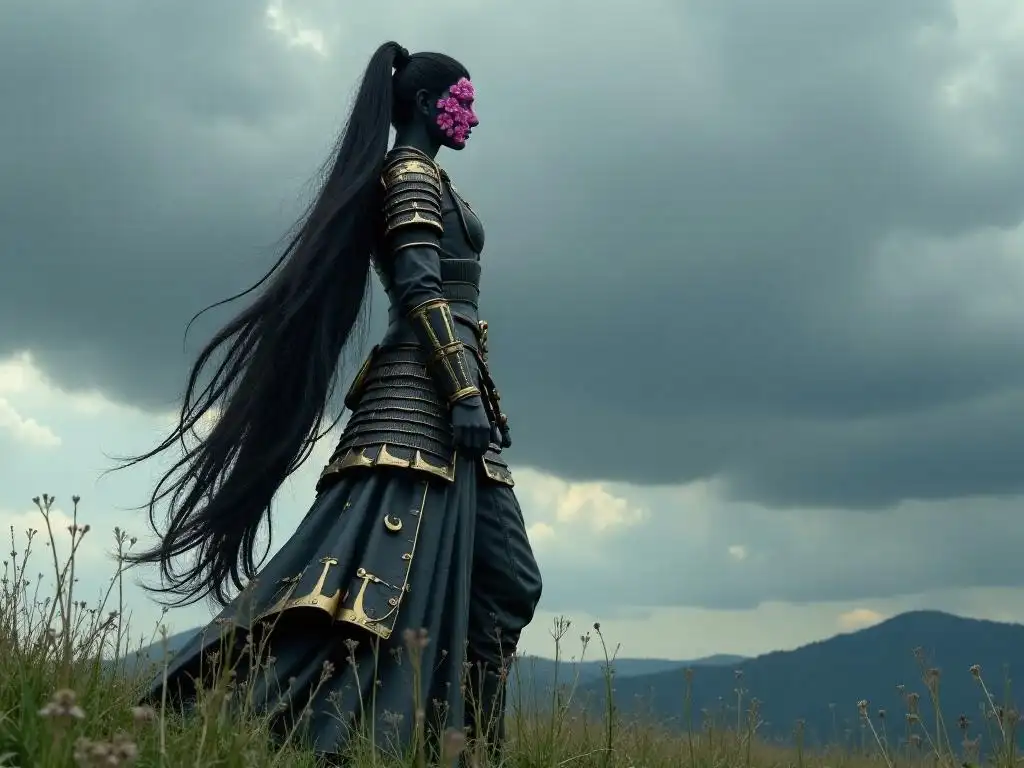
Welcome to Feudal Japan History, where we embark on a captivating journey through the intricate tapestry of Japan's feudal era. Prepare to uncover the untold stories of samurai women, whose strength, resilience, and fierce warrior spirit shaped the landscape of military history. In our featured article, "Women Warriors of Feudal Japan: The Untold Stories of Samurai Women," we delve deep into the lives of these remarkable figures, revealing the hidden narratives that challenge conventional perceptions.
As you navigate through our expert-driven content, get ready to discover how these extraordinary women not only fought alongside men but also carved out their own legacies in a world dominated by samurai culture. What secrets will you unveil?
- Introduction to Samurai Women in Feudal Japan
- Historical Context of Samurai Women
- Notable Samurai Women in Feudal Japan
- The Training and Skills of Samurai Women
- Myths and Realities of Samurai Women
- The Legacy of Samurai Women in Modern Japan
- Conclusion: The Untold Stories of Samurai Women in Feudal Japan
-
Frequently Asked Questions
- What role did women play in the samurai class during feudal Japan?
- Were there specific training programs for samurai women?
- How did the societal perceptions of samurai women differ from those of their male counterparts?
- What historical events highlighted the contributions of samurai women?
- Are there any famous samurai women known in history?
- Final Reflection: Embracing the Legacy of Samurai Women in Feudal Japan
- Unveil the Strength of Women Warriors: Take Action Now!
Introduction to Samurai Women in Feudal Japan
The role of women in feudal Japan is often overshadowed by the more prominent narratives of male samurai warriors. However, beneath the surface of conventional historical accounts lies a rich tapestry of women's contributions, particularly those who took up arms and embraced the samurai way of life.
This article aims to shed light on the untold stories of samurai women in feudal Japan, exploring their significance in a society characterized by rigid gender roles and a warrior culture. By delving into the historical, cultural, and societal aspects of these formidable women, we can better understand their impact on the dynamics of warfare and the evolution of Japanese society during this tumultuous era.
Overview of Women Warriors in Japanese History
Women warriors, often referred to as Onna-bugeisha, played a crucial role in the military landscape of Japan. These women were not only skilled combatants but also held positions of authority and influence within their clans. Historical records reveal that they participated actively in battles, trained in martial arts, and even led troops into combat. Notable figures such as Tomoe Gozen, a legendary warrior known for her prowess in battle, exemplify the strength and courage of samurai women.
- Key Characteristics of Onna-bugeisha:
- Skilled in traditional weapons like naginata and yumi (bows)
- Often trained alongside male warriors in martial disciplines
- Played vital roles in safeguarding their families and territories during times of war
The existence of samurai women challenges the traditional perception of gender roles in feudal Japan, highlighting their contributions beyond domestic responsibilities. Their stories are not merely footnotes in history but pivotal chapters that deserve recognition.
Importance of Samurai Women in Feudal Society
The significance of samurai women extends beyond their martial capabilities; they were integral to the fabric of feudal society. During times of conflict, these women assumed leadership roles, managing estates and maintaining order in the absence of male warriors. Their strategic acumen and resilience were essential in preserving their clans' honor and legacy.
- Social Contributions:
- Acted as caretakers of their families and communities
- Engaged in political negotiations and alliances
- Served as mentors to future generations of warriors
Moreover, the legacy of samurai women has influenced contemporary understandings of gender and power dynamics in Japan. By celebrating their stories, we not only honor their sacrifices but also challenge the prevailing narratives that have often marginalized women's roles in history. The exploration of samurai women in feudal Japan offers a unique perspective on the complexities of warfare, honor, and the evolution of societal norms.
As we delve deeper into the lives of these remarkable women, we uncover not only their battles and struggles but also their enduring spirit and impact on Japanese history.
Historical Context of Samurai Women
The historical context of samurai women in feudal Japan is pivotal to understanding their role and significance within the broader scope of Japanese military history. While the samurai class is predominantly associated with male warriors, women also played crucial roles, especially during times of conflict. This section delves into the societal structures, cultural norms, and historical events that shaped the experiences of these formidable women.
The Role of Women in Feudal Japan
In feudal Japan, women's roles were intricately tied to the family and household, often defined by their relationships with men. However, these roles were not strictly limited to domestic spheres. Women could inherit property, manage estates, and even participate in warfare under certain circumstances.
- Family and Lineage: Women were vital in maintaining family lineage, often marrying strategically to secure alliances. Samurai women were expected to uphold their family's honor and legacy.
- Education and Skills: Many samurai women were educated, learning not only household management but also martial skills. They were trained in weaponry, strategy, and tactics, preparing them for potential conflicts.
- Defenders of the Home: In times of war, when men were away, women took on the responsibility of defending their homes and families. Historical accounts reveal that some women took up arms to protect their estates during sieges.
Overview of the Samurai Class and Their Responsibilities
The samurai were a warrior class that emerged during the Heian period, solidifying their power through the Kamakura period and beyond. Their responsibilities extended beyond mere combat; they were also tasked with upholding the law and serving their lords faithfully.
- Bushido Code: The samurai adhered to the Bushido code, emphasizing loyalty, honor, and personal courage. Although primarily associated with men, women were also expected to embody these values, especially as protectors of their households.
- Military Training: Samurai women often received training in various weapons, including the naginata (a polearm) and the katana. This training was essential for self-defense and, in certain cases, for leading troops.
- Political Influence: Some women wielded significant political power, influencing decisions and negotiations. Historical records indicate that women like Tomoe Gozen played critical roles in battles, showcasing their capabilities beyond traditional expectations.
Cultural Perceptions of Gender and Warfare
Cultural perceptions of gender in feudal Japan were complex and often contradictory. While the samurai class largely viewed warfare as a male domain, the involvement of women in both combat and strategy began to challenge these norms.
- Myths and Legends: Historical narratives often romanticized the roles of women warriors, portraying them as fierce protectors. Figures like Hojo Masako and Tomoe Gozen became legendary, embodying the spirit of warrior women.
- Social Expectations: Despite their contributions, societal expectations often limited women's roles. The ideal of femininity emphasized submission and domesticity, creating a tension between their martial capabilities and societal norms.
- Evolution of Perception: Over time, the perception of samurai women evolved. As historical accounts began to surface, highlighting their valor and contributions, the narrative surrounding women in warfare gained a more nuanced understanding.
The historical context of samurai women reveals a rich tapestry of roles that defy simplistic categorizations. Their contributions to feudal Japan's military landscape challenge traditional narratives and highlight the complexity of gender in a society dominated by the samurai ethos.
Notable Samurai Women in Feudal Japan
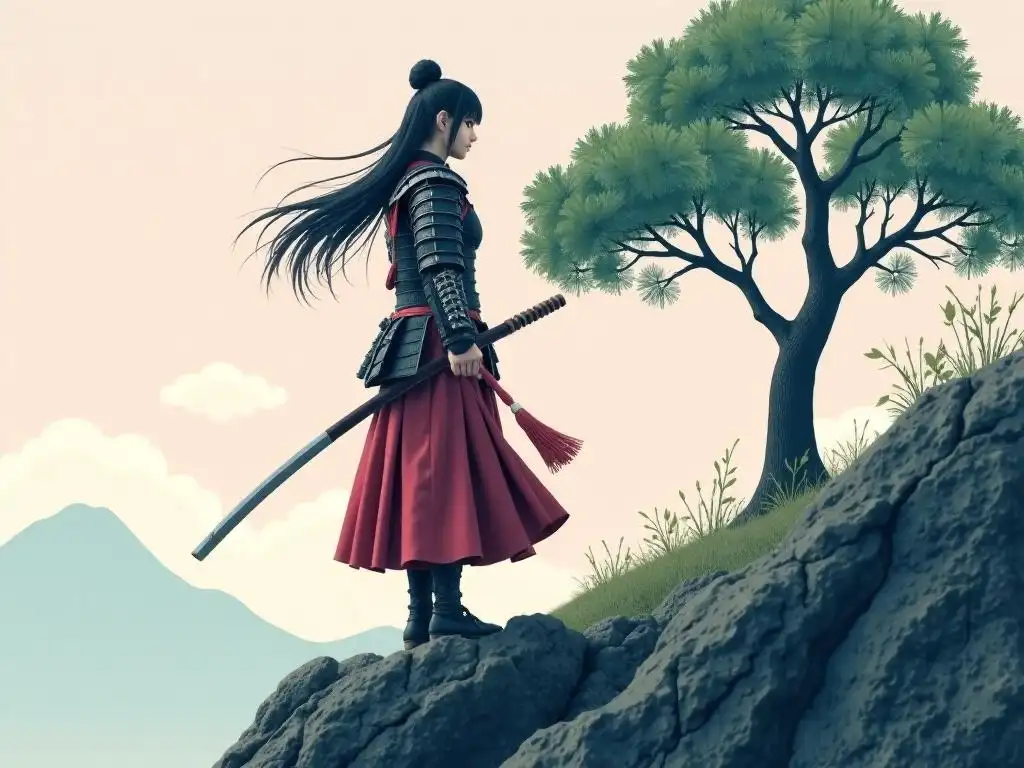
Tomoe Gozen: The Legendary Female Warrior
Tomoe Gozen stands out as one of the most iconic figures among samurai women in feudal Japan. Renowned for her exceptional skills in battle, she gained fame during the late 12th century, particularly in the Genpei War. Historical texts describe her as not only a formidable warrior but also as strikingly beautiful and fiercely independent.
Notable Achievements
- Battle of Awazu: Tomoe played a pivotal role in the Battle of Awazu, where she fought valiantly against the forces of the opposing Taira clan.
- Defeating Enemies: Legends recount her defeating multiple enemies, including the fierce warrior Yoshinaka, which solidified her status as a legendary figure in samurai lore.
- Leadership: Tomoe is often depicted leading troops, showcasing her prowess not just as a fighter but as a leader.
Her legacy extends beyond mere battlefield valor; she represents the potential of women in roles traditionally dominated by men, challenging the gender norms of her time.
Hojo Masako: The Political Powerhouse
Hojo Masako, another significant figure among samurai women, was not only a warrior but also a shrewd political strategist. As the daughter of Hojo Tokimasa, she was instrumental in shaping the political landscape of Japan during the Kamakura period.
Key Contributions
- Regent Role: After the death of her husband, Minamoto no Yoritomo, she assumed the role of regent and played a critical part in the governance of the Kamakura shogunate.
- Military Influence: Masako was known to have considerable influence over military decisions, using her position to fortify the clan’s power and defend against rival factions.
- Cultural Patronage: Beyond politics, she was a key patron of Buddhism, supporting the construction of temples and promoting cultural development during her reign.
Her ability to navigate the male-dominated political arena exemplifies the multifaceted roles that samurai women could occupy, combining martial skills with political acumen.
Other Influential Samurai Women and Their Contributions
While Tomoe Gozen and Hojo Masako are perhaps the most well-known, many other samurai women played vital roles in feudal Japan, contributing to both military endeavors and societal structure.
- Nakano Takeko: Known for leading a group of women warriors during the Boshin War, she fought valiantly against government troops in 1868, exemplifying the spirit of resistance and bravery.
- Mitsuha no Tsubone: As a skilled archer, she defended her home and clan during numerous skirmishes, demonstrating the tactical capabilities of women in warfare.
- Women in the Siege of Osaka: During the Siege of Osaka in the early 17th century, women from the Toyotomi clan are recorded to have taken up arms, showcasing their commitment to their family's honor and legacy.
These women, among many others, illustrate the diverse roles that samurai women occupied in feudal society, not merely as supporters but as active participants in Japan's military history. Their stories contribute significantly to our understanding of the complexities of gender roles during this period, highlighting the strength and resilience of samurai women in feudal Japan.
The Training and Skills of Samurai Women
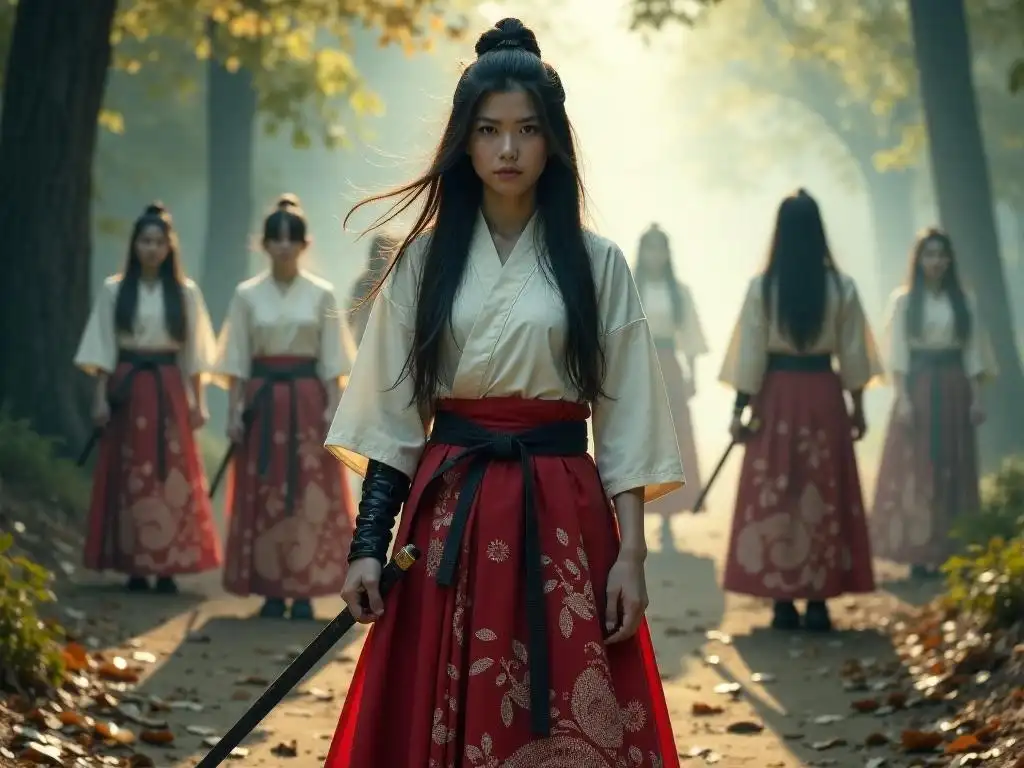
The training and skills of samurai women in feudal Japan were pivotal in shaping their roles as warriors and protectors of their families and estates. While traditional narratives often emphasize male samurai, women also underwent rigorous training to acquire martial skills, proving their capability in battle and defense.
Martial Arts and Combat Training for Women
Martial arts training for women during the feudal era was not merely a privilege but a necessity, especially in times of conflict. Women from samurai families were often trained in various martial disciplines, including Kenjutsu (swordsmanship) and Bojutsu (staff techniques).
- Training Regimens:
- Women practiced alongside men, learning fundamental techniques and strategies.
- They engaged in physical conditioning that included strength training, agility drills, and endurance exercises.
- Schools and Lineages: Some families had their own training methods passed down through generations, ensuring that daughters were skilled in the arts of combat.
Women were not merely passive figures; they were active participants in their training:
- Key Techniques:
- Use of short swords, such as the tanto and wakizashi, was common among women, allowing for effective close-quarters combat.
- Training also included grappling and unarmed combat techniques, which were essential for self-defense.
The incorporation of martial arts into their education empowered samurai women, enabling them to defend their homes and families.
Weapons Used by Samurai Women
The choice of weapons for samurai women was often dictated by their training and the nature of their duties. While they sometimes wielded traditional samurai weapons, they also utilized tools that complemented their roles in both warfare and domestic life.
- Common Weapons:
- Tanto: A small dagger that was easy to conceal and effective for close combat.
- Naginata: A polearm that provided reach and versatility, allowing women to engage enemies while maintaining distance.
- Bows: Proficiency in archery was also common, as women often defended their homes from a distance.
The style of combat employed by women often emphasized agility and speed over brute strength. This distinction allowed them to outmaneuver opponents, utilizing their training to gain the upper hand in battle.
The Role of Women in the Household and Warfare
The role of samurai women extended beyond the battlefield; they were integral to the household's management and the family's honor. In times of peace, their responsibilities included overseeing domestic affairs, but during conflicts, they transformed into fierce protectors.
- Household Management:
- Women managed the household, ensuring resources were available for the family and their retainers.
- They were responsible for educating their children, often teaching them the same martial values that they had learned.
- Warrior Role:
- During sieges or attacks, women often took up arms to defend their homes. Historical accounts show women like Tomoe Gozen, a legendary warrior, who fought bravely alongside male samurai.
- Leadership: In some cases, women stepped into leadership roles, organizing defenses and rallying troops when men were away.
The duality of their roles—caretakers and warriors—highlights the complex contributions of samurai women in feudal Japan. Their ability to balance these responsibilities speaks to their strength and resilience, solidifying their place in history as formidable figures in the samurai tradition.
The training and skills of samurai women were essential to their identity and effectiveness as warriors. Their martial arts training, choice of weapons, and roles within the household and battlefield underscore the significance of samurai women in the rich tapestry of feudal Japan's military history.
Myths and Realities of Samurai Women
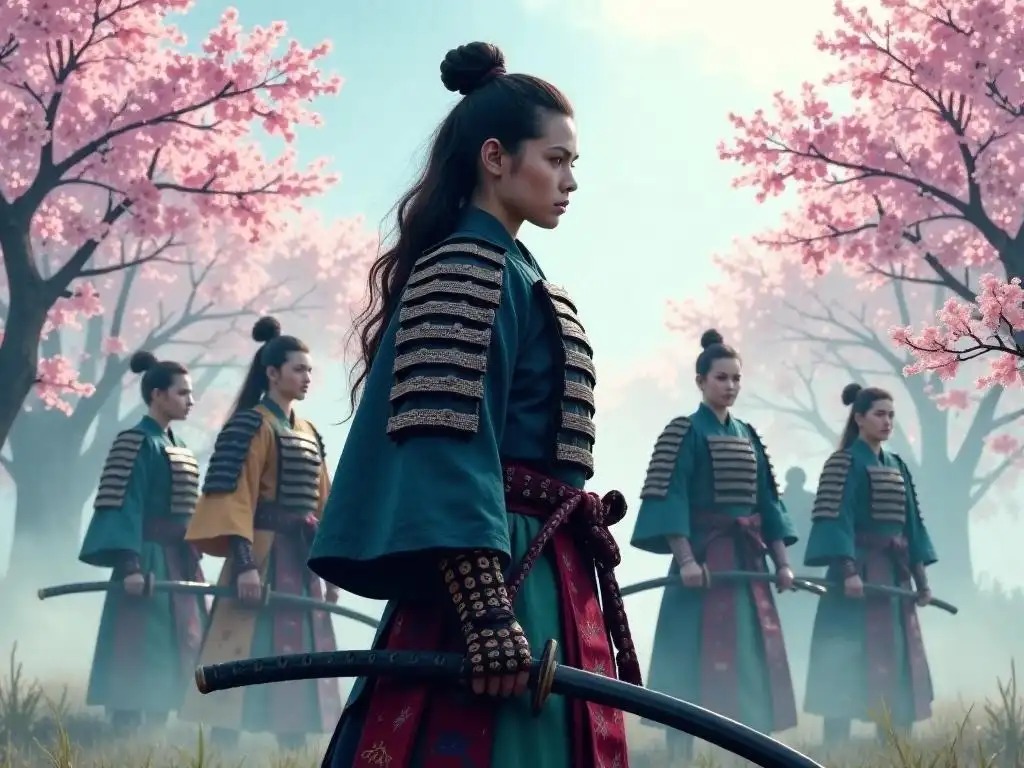
The narrative surrounding samurai women in feudal Japan has often been shrouded in myths and misconceptions. Despite their significant roles in warfare and society, many still view female samurai through a lens of stereotypes. This section aims to clarify these myths and present the realities of women's participation in the samurai class during Japan's feudal era.
Common Misconceptions About Female Samurai
- The Samurai Were Exclusively Male
- One of the most persistent myths is that samurai were solely men. While it is true that the majority were male, historical records reveal that women also held the title of samurai, particularly during times of conflict. These women, known as onna-bugeisha, fought alongside their male counterparts and were trained in various martial arts.
- Women Were Passive Figures
- Another common misconception is that samurai women were merely passive figures in the background, focused solely on domestic duties. In reality, many women took on active roles in defending their homes and families. For instance, during the Gempei War (1180-1185), women such as Tomoe Gozen emerged as legendary warriors, defying traditional gender roles.
- Female Samurai Were Rare and Unimportant
- The belief that female samurai were rare and insignificant is misleading. Historical records indicate that women from samurai families were often trained in combat to protect their households, especially in times of war when male warriors were away. Their contributions were crucial to the survival of their clans.
- Samurai Women Only Fought in Defense
- While many female warriors did engage in battles primarily to defend their homes, some were also involved in offensive warfare. Records show that women participated in various military campaigns, showcasing their skills and bravery on the battlefield.
The Reality of Women's Participation in Warfare
The active participation of women in warfare during feudal Japan reflects a complex societal structure where gender roles were more fluid than commonly perceived.
- Training and Skills
- Samurai women were trained in martial arts from a young age, focusing on skills such as naginata (a polearm) and kenjutsu (swordsmanship). This training was not merely for self-defense; it was integral to their roles as protectors of their families and estates.
- Historical Examples
- Notable figures such as Tomoe Gozen, Hangaku Gozen, and Shizuka Gozen illustrate the active roles women played in battles. Tomoe Gozen, for example, is often depicted as a fierce warrior who fought valiantly in the Genpei War, earning her a place in both history and folklore.
- Societal Status
- The status of samurai women varied significantly across different regions and periods. In some instances, women inherited family titles and lands, further solidifying their roles in the martial culture. This inheritance often necessitated their participation in warfare due to the need to defend their estates.
- Cultural Significance
- The presence of female warriors contributed to the cultural fabric of samurai society. Their stories, while often overlooked, serve as a testament to the diverse roles women played in shaping Japan's military history. The legacy of samurai women continues to inspire modern interpretations of gender roles in Japan.
The myths surrounding samurai women in feudal Japan fail to capture the full scope of their contributions and capabilities. By acknowledging and understanding their realities, we can appreciate the unique and powerful stories of these warriors who defied the norms of their time.
The Legacy of Samurai Women in Modern Japan
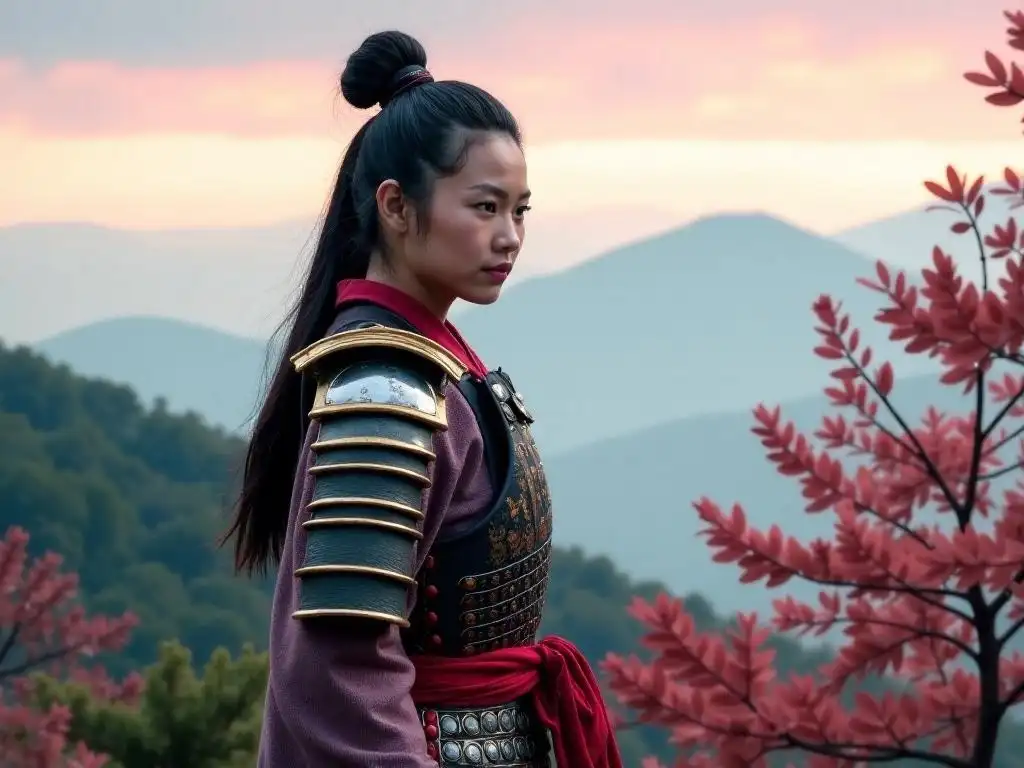
Influence on Contemporary Gender Roles
The legacy of samurai women in feudal Japan extends beyond historical narratives, significantly influencing contemporary gender roles in Japanese society. These women, often overshadowed by their male counterparts, played crucial roles in warfare and governance, demonstrating strength and resilience that resonate with modern ideals of empowerment.
In recent decades, Japan has witnessed a gradual shift in gender perceptions, fueled in part by the stories of samurai women. Figures like Tomoe Gozen and Hojo Masako exemplify the warrior spirit, showcasing that women were not merely passive figures in history but active participants in shaping their destinies. Their stories challenge traditional gender norms, encouraging a reevaluation of women’s roles in both historical and contemporary contexts.
Gender Empowerment in Modern Japan
Modern Japanese society is increasingly acknowledging the contributions of women in various fields, including politics, business, and the arts. The rise of feminist movements has prompted discussions about gender equality, drawing parallels between the courage of samurai women and today's fight for women's rights.
- Leadership Roles: Women in leadership positions today often cite historical figures like the samurai women as inspirations for their journeys. This has led to a greater acceptance of women in traditionally male-dominated fields.
- Education and Awareness: Educational initiatives now include lessons on the historical significance of samurai women, fostering a deeper understanding of their impact on society. This awareness promotes a sense of pride and identity among women in Japan.
Recognition of Samurai Women in Popular Culture
The stories of samurai women have captivated the imagination of many and are increasingly recognized in popular culture, serving as a bridge between historical narratives and contemporary media. Films, literature, and anime have played pivotal roles in bringing these untold stories to a wider audience.
Representation in Media
- Films and Television: Samurai women have been portrayed in numerous films and TV series, often highlighting their bravery and strategic acumen. Titles like "The Last Samurai" and "Rashomon" include strong female characters who reflect the warrior ethos, though often with a degree of romanticization.
- Literature and Manga: Historical novels and manga also explore the lives of these women, offering rich narratives that blend fact with fiction. Works like "Tomoe Gozen: The Woman Warrior" highlight their dual roles as warriors and caretakers, giving them depth and complexity.
Cultural Festivals and Events
Cultural festivals celebrating samurai heritage frequently feature reenactments and storytelling that honor the contributions of samurai women. These events often attract both locals and tourists, promoting an understanding of the diverse roles women played in feudal Japan.
| Medium | Examples | Impact |
|---|---|---|
| Films | "The Last Samurai" | Popularized the image of the warrior woman |
| Manga | "Tomoe Gozen: The Woman Warrior" | Educated readers on historical figures |
| Cultural Festivals | Samurai reenactments | Fostered community engagement and historical pride |
The growing recognition of samurai women in popular culture not only honors their legacy but also serves to inspire future generations to challenge gender norms and celebrate the strength of women throughout history. As these narratives continue to evolve, they play a significant role in shaping contemporary views on gender and equality in Japan.
Conclusion: The Untold Stories of Samurai Women in Feudal Japan
Summary of Key Points
The exploration of samurai women in feudal Japan reveals a rich tapestry of stories that have often been overshadowed by their male counterparts. These women were not merely passive figures in the backdrop of a male-dominated society; rather, they actively participated in the martial world, often displaying exceptional skill and bravery. Key points include:
- Role in Warfare: Samurai women, particularly from the bushi (warrior) class, were trained in martial arts and weaponry. They often defended their homes and participated in battles, showcasing their capabilities alongside men.
- Notable Figures: Figures such as Tomoe Gozen and Hojo Masako exemplify the valor and leadership of samurai women. Their stories highlight the significant military contributions these women made during pivotal moments in Japanese history.
- Cultural Depictions: In literature and folklore, samurai women have been depicted as both fierce warriors and nurturing figures. This duality reflects the complex roles they played in society, balancing their responsibilities as warriors and caretakers.
- Legacy and Recognition: The acknowledgment of samurai women in historical narratives is crucial for a comprehensive understanding of feudal Japan. Their contributions to society, culture, and warfare deserve recognition and respect.
The Importance of Remembering Samurai Women in Historical Narratives
Recognizing the roles of samurai women in feudal Japan is essential not only for historical accuracy but also for understanding gender dynamics in a militaristic society. Their inclusion in historical narratives serves several important purposes:
- Challenging Stereotypes: The traditional view of women in feudal Japan often relegates them to domestic roles. By highlighting the stories of samurai women, we challenge these stereotypes and reveal the diverse experiences of women during this era.
- Inspiring Future Generations: The tales of bravery and resilience exhibited by samurai women can serve as powerful inspirations for contemporary discussions about women's roles in society. Their stories encourage a re-evaluation of female agency in historical contexts.
- Broadening Historical Perspectives: Incorporating the experiences of samurai women into historical studies enriches our understanding of feudal Japan. It allows for a more nuanced exploration of the societal structures and cultural practices of the time.
- Encouraging Further Research: The untold stories of samurai women underline the need for ongoing research into their lives and contributions. This exploration not only aids in preserving their legacy but also enhances our knowledge of the broader historical narrative.
The untold stories of samurai women in feudal Japan are vital components of the country's military history. By acknowledging and celebrating their contributions, we honor their legacy and ensure that their remarkable tales are woven into the fabric of Japan's past.
Frequently Asked Questions
What role did women play in the samurai class during feudal Japan?
Women in the samurai class often took on roles as warriors, defenders of their homes, and even leaders, especially during times of conflict when men were away.
Were there specific training programs for samurai women?
Yes, samurai women received training in martial arts, archery, and the use of weapons to prepare them for defending their households and maintaining family honor.
How did the societal perceptions of samurai women differ from those of their male counterparts?
Samurai women were often viewed through a lens of strength and resilience, yet faced limitations in formal recognition compared to their male counterparts, who were the primary figures of power.
What historical events highlighted the contributions of samurai women?
Significant events, such as the Gempei War, showcased the contributions of samurai women, who fought alongside men and defended their families and territories during conflicts.
Are there any famous samurai women known in history?
Yes, figures like Tomoe Gozen and Hangaku Gozen are renowned for their bravery and skills as warriors, leaving a lasting legacy in the history of samurai women in feudal Japan.
Final Reflection: Embracing the Legacy of Samurai Women in Feudal Japan
The stories of samurai women in feudal Japan are not just historical accounts; they are powerful reminders of resilience and strength that resonate profoundly in today's society. As we navigate a world still grappling with gender inequality and the quest for empowerment, the tales of these formidable women challenge us to reconsider the narratives we uphold and the roles we assign. Their courage and determination serve as a beacon of hope, illuminating the path toward a more equitable future.
The influence of samurai women extends far beyond the pages of history; it permeates our cultural consciousness and inspires contemporary discussions about gender roles and empowerment. Their remarkable contributions, often overshadowed by their male counterparts, remind us that strength comes in many forms. Women are the real architects of society.
– Harriet Beecher Stowe. This quote encapsulates the essence of the samurai women’s legacy, urging us to recognize and celebrate the vital roles women have played throughout history and continue to play in shaping our world.
As we reflect on the untold stories of these warriors, let us commit to honoring their legacy by amplifying women's voices in our own lives. I invite you to explore the narratives around you, to seek out the stories of women who have fought against the odds, and to recognize the strength within yourself and others. By doing so, we not only pay tribute to the samurai women of feudal Japan but also inspire future generations to embrace their own power and potential.
Unveil the Strength of Women Warriors: Take Action Now!
Thank you for diving into the incredible world of Samurai women! Your curiosity about these fierce warriors highlights the rich tapestry of history that is often overlooked. Now, let’s transform your newfound knowledge into meaningful action!
- Explore further: Discover the remarkable stories of individual Samurai women by exploring additional articles on our website.
- Share the knowledge: Engage in discussions about what you’ve learned with friends or on social media using the hashtag #WomenWarriors to help spread awareness about these unsung heroes.
- Join the conversation: Contribute your thoughts in the comments section below on how the stories of these women can inspire modern discussions about gender roles in leadership.
Which aspects of these courageous women resonate with you the most, and how can their stories inspire your own journey?