
Legendary Naval Battles: The Clash of Clans on the Sea

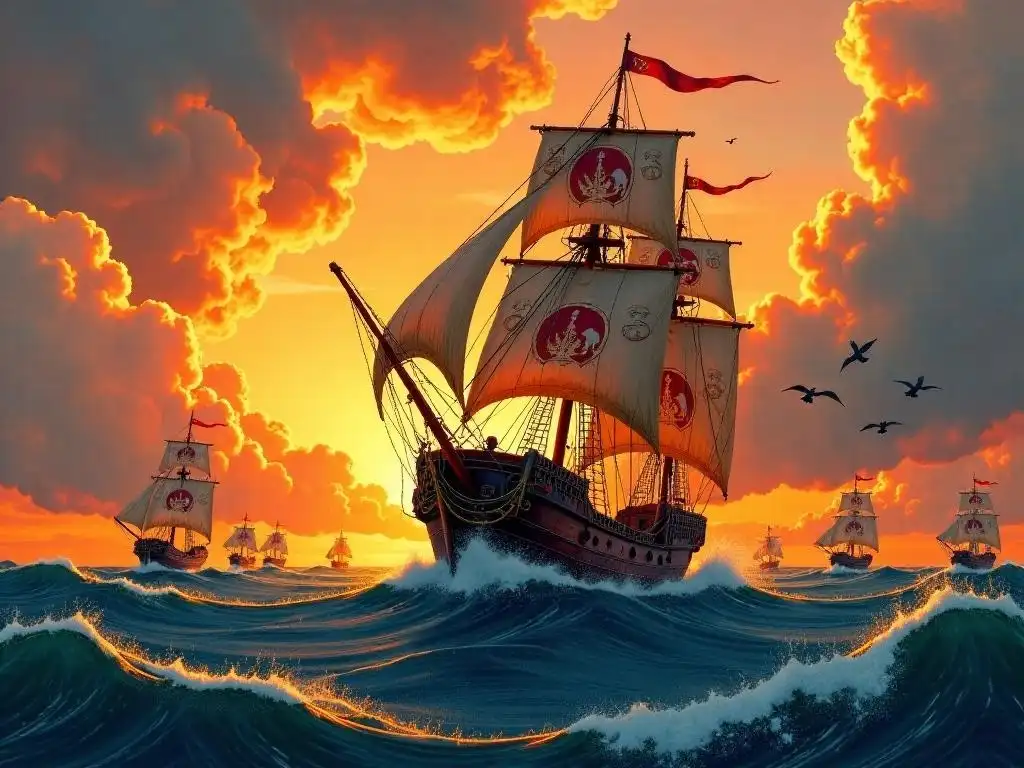
Welcome to Feudal Japan History, where we dive into the depths of Japan’s captivating feudal era. Prepare to embark on a journey through time as we uncover the legendary naval battles that defined the seas and shaped the destinies of clans. What fierce rivalries and strategic maneuvers lay beneath the waves? Join us as we explore the intricate tapestry of military history, revealing the stories of valor, ambition, and the relentless quest for power on the open sea. Your adventure into the tumultuous waters of Japan's feudal past begins here—are you ready to sail into the unknown?
The feudal era of Japan, spanning from the late 12th century to the mid-19th century, was marked by a complex tapestry of warfare, alliances, and cultural evolution. Among the numerous conflicts that defined this period, naval battles played a crucial role in shaping the political landscape and asserting territorial control. As clans vied for supremacy not only on land but also across the seas, these naval encounters became essential to the fabric of Japanese history. This article delves into the legendary naval battles that typified the feudal era, exploring their significance and the intricate dynamics of maritime warfare.
Overview of Naval Warfare in Feudal Japan
Naval warfare in feudal Japan was characterized by a unique blend of strategy, technology, and cultural influences. Clans such as the Taira and Minamoto harnessed the power of their naval fleets, utilizing ships like the "atakebune"—a type of large war vessel—to engage in significant maritime confrontations. The tactics employed during these naval battles varied, but often included:
- Boarding and Close Combat: Sailors would attempt to board enemy vessels for hand-to-hand combat, often leading to brutal skirmishes.
- Archery and Projectiles: Archers aboard ships would rain arrows on opposing vessels, creating chaos and confusion.
- Ramming and Maneuvering: Ships were designed to ram into enemy vessels, using their hulls to cause damage and instability.
The evolution of naval technology during this period allowed for increasingly sophisticated warfare techniques, enabling clans to project power across the seas and assert their dominance.
Importance of Naval Battles in Japanese History
Naval battles were not simply minor skirmishes; they were pivotal events that shaped the course of Japanese history. These conflicts influenced trade routes, territorial claims, and even diplomatic relations between clans. Notable battles, such as the Battle of Dan-no-ura in 1185, exemplify the decisive nature of naval engagements. The outcome of such battles often determined the ruling clan and set the stage for future power dynamics.
Moreover, the victories and defeats at sea contributed to the rise of legendary figures and the tales of heroism that permeate Japanese culture. The legacy of these naval confrontations continues to inspire literature, art, and popular culture, underlining their lasting impact on Japan's historical narrative.
Key Historical Context of Feudal Japan
To fully appreciate the significance of naval battles, it is essential to understand the broader historical context of feudal Japan. This era was marked by profound changes in governance, societal structures, and military organization.
The Rise of Feudalism in Japan
Feudalism in Japan emerged during a tumultuous time characterized by political fragmentation and social upheaval. As the imperial court lost its grip on power, regional warlords (daimyōs) began to rise, establishing their own domains and armies. This decentralization of power led to the formation of alliances and rivalries among clans, which often found expression through both land and naval warfare.
The rise of samurai culture during this period further solidified the importance of both land and sea as battlegrounds. The samurai, as the warrior class, became skilled in various forms of combat, emphasizing honor and loyalty to their lords. This ethos influenced naval engagements as well, where the ideals of bravery and strategic prowess were tested.
Societal Structure and Warfare Dynamics
The societal structure of feudal Japan significantly influenced the dynamics of warfare, including naval battles. The rigid hierarchy of the period, consisting of the emperor, shōgun, daimyōs, samurai, and peasants, dictated the roles and responsibilities of each class in warfare.
- Daimyōs: As local lords, they were responsible for raising and maintaining military forces, including naval fleets.
- Samurai: The warrior class trained in combat, often serving under daimyōs and participating in both land and naval battles.
- Peasants: While primarily agricultural, peasants provided the necessary resources and manpower for supporting military endeavors.
This social stratification ensured that naval battles were not only a matter of military might but also a reflection of the power and influence of different clans within the feudal system.
Influence of Geography on Naval Strategies
Japan’s unique geography, comprised of numerous islands and a long coastline, significantly influenced naval strategies throughout the feudal era. The surrounding seas provided both opportunities and challenges for clans engaged in maritime warfare. Key geographical factors included:
- Coastal Access: Clans with better access to coastal areas could launch naval offensives more effectively.
- Natural Harbors: Strategic locations allowed for safe anchorage and repair of ships, facilitating prolonged military campaigns.
- Current and Tides: Understanding the local maritime conditions was crucial for successful navigation and combat.
The interplay between geography and naval warfare underscored the importance of environmental knowledge in shaping the outcomes of feudal naval battles, making it a critical aspect of strategy during this period.
The feudal era of Japan saw significant involvement from various clans in naval warfare, as control of the seas became crucial for dominance over regions and trade routes. Among these clans, the Minamoto and Taira stand out prominently, each showcasing unique naval strategies and contributing to the evolution of maritime conflict in Japan.
The Minamoto Clan: Pioneers of Naval Battles
The Minamoto clan emerged as one of the most influential families during the late Heian period, known for their military prowess both on land and at sea. Their naval operations were characterized by innovative tactics that emphasized speed and agility. The Minamoto were not only adept at traditional warfare but also recognized the importance of naval power in securing their territory and engaging the enemy.
One of the pivotal moments for the Minamoto clan was their participation in the Genpei War (1180-1185), where they utilized their naval strength against the Taira clan. The Minamoto's strategic planning and execution of naval battles demonstrated their understanding of maritime combat, leading to several key victories that altered the course of Japanese history.
The Taira Clan: Masters of the Sea
In contrast to the Minamoto, the Taira clan was equally formidable, often regarded as the masters of the sea during the feudal period. They amassed a powerful fleet that enabled them to control trade routes and exert influence over coastal regions. Their naval dominance was crucial in the conflicts against the Minamoto, especially during the Genpei War.
The Taira clan's naval strategies included the use of large ships capable of carrying more troops and supplies, allowing for sustained engagements at sea. They were known for their ability to conduct surprise attacks and their effective use of the tides and weather to their advantage. Their naval battles often showcased a combination of brute force and tactical finesse, solidifying their reputation as a leading maritime power.
Other Notable Clans and Their Naval Contributions
While the Minamoto and Taira clans are the most recognized for their naval engagements, several other clans contributed significantly to Japan's naval warfare landscape. Clans such as the Ashikaga and the Hojo also engaged in maritime conflicts, leveraging their resources for both defense and offensive operations.
The Ashikaga clan, during the Muromachi period, utilized their naval forces to protect trade routes and engage in piracy against rival clans. Meanwhile, the Hojo clan, ruling over the Kanto region, developed a formidable navy that played a critical role in regional conflicts and securing their power. Their innovations in shipbuilding and tactics influenced future generations of naval warfare in Japan, showcasing the diverse contributions of various clans to the evolution of maritime conflict.
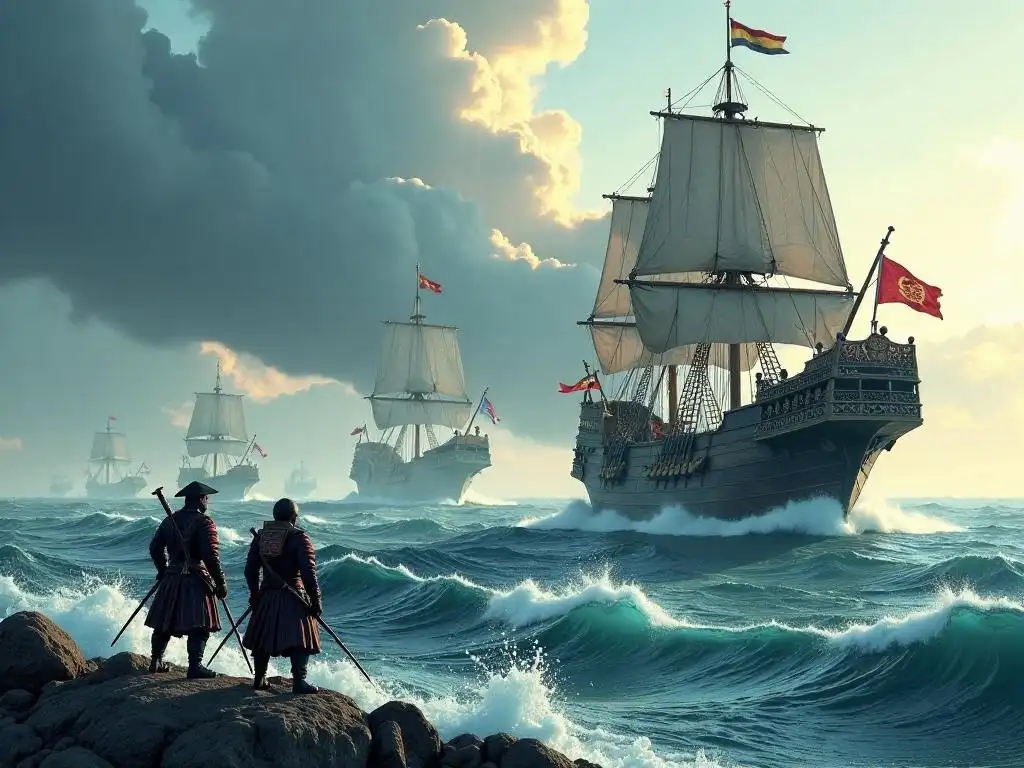
The naval battles of feudal Japan were not only significant military engagements but also critical moments that shaped the course of the nation’s history. Each landmark battle reflected the evolving strategies, technological advancements, and the fierce rivalry between the clans involved.
The Battle of Dan-no-ura: A Turning Point in History
The Battle of Dan-no-ura, fought in 1185, stands as one of the most legendary naval confrontations in Japanese history. This decisive battle marked the culmination of the Genpei War between the Minamoto and Taira clans. The Minamoto, led by Yoshitsune, faced the Taira, who were commanded by the young Emperor Antoku and his guardians.
With the Taira clan's fleet outnumbered, the Minamoto utilized superior tactics and the element of surprise to gain the upper hand. The battle witnessed intense fighting, with both sides showing remarkable valor. Ultimately, the Minamoto's victory at Dan-no-ura not only led to the fall of the Taira clan but also established the Kamakura shogunate, marking the beginning of a new era in Japan's feudal history.
The Battle of Yashima: Strategies and Outcomes
The Battle of Yashima, fought in 1184, was another critical engagement during the Genpei War. This battle illustrated the importance of naval tactics and the strategic use of geography in maritime warfare. The Minamoto clan aimed to capture the Taira's stronghold, leading to an intense naval confrontation.
Despite their numerical advantage, the Taira faced challenges due to the Minamoto's strategic positioning and tactical maneuvers. The battle featured significant naval engagements, including the use of fire ships, which were a relatively new innovation at the time. Though the Taira managed to escape, the battle significantly weakened their position and morale, foreshadowing their eventual defeat at Dan-no-ura.
The Battle of Kōtō: Naval Innovations and Tactics
The Battle of Kōtō, which took place in the late 12th century, showcased the evolving nature of naval warfare in Japan. This confrontation involved innovative tactics and ship designs that would influence future maritime battles. The Minamoto clan, aiming to assert control over the waters, deployed advanced naval strategies, including the use of smaller, more maneuverable vessels.
During this battle, the tactical emphasis shifted towards faster engagements and the use of archers on ships, which allowed for greater flexibility in combat. The outcomes of the Battle of Kōtō emphasized the importance of adaptability and innovation in naval warfare, setting a precedent for future conflicts. The lessons learned during this engagement contributed to the ongoing evolution of naval tactics in the feudal era, influencing how clans approached maritime battles thereafter.
During Japan’s feudal era, naval warfare was characterized by a blend of traditional strategies and evolving technologies. The strategic landscape was shaped significantly by the geography of Japan, an archipelago with numerous islands and a long coastline. This geography necessitated the development of effective naval strategies to secure trade routes, protect coastal settlements, and assert dominance over rival clans.
One of the primary strategies employed was the use of surprise attacks and ambushes. Naval commanders often favored stealth and speed, utilizing the natural features of the coastline to conceal their movements. The element of surprise was crucial, especially when engaging larger fleets. Tactical advantages were gained through knowledge of local waters, allowing commanders to predict currents and tides, which played a vital role in maneuvering ships effectively.
Technologically, the feudal period saw the introduction of various innovations in shipbuilding and armaments. The development of the atakebune, a large, flat-bottomed vessel, allowed for increased carrying capacity and stability in combat. These ships often featured multiple decks, enabling the deployment of archers and other troops during battles. Additionally, advancements in naval artillery, such as the introduction of fire arrows and the use of gunpowder, dramatically changed the dynamics of naval engagements, allowing for more devastating attacks on enemy vessels.
Types of Vessels Used in Japan's Feudal Naval Battles
The types of vessels used in Japan’s feudal naval battles varied significantly, reflecting the needs and strategies of different clans. Key vessel types included:
- Atakebune: These were large warships designed for battle, featuring a broad hull that provided stability. They were equipped with multiple decks and often armed with cannons and archers, making them formidable opponents in naval engagements.
- Kaisen: Smaller than the atakebune, these ships were used for quick strikes and reconnaissance. Their speed allowed for rapid movement along coastlines and river systems, making them ideal for surprise attacks.
- Tachi: Primarily used in the early feudal period, these vessels were smaller and more agile. They were often used for transport and raiding, showcasing the versatility of Japanese naval design.
- Bune: A general term for various types of boats, including fishing vessels and cargo ships. Although not primarily designed for warfare, some were adapted for military use during conflicts.
The diversity in vessel types allowed for a range of tactics and strategies, enabling clans to adapt to the changing nature of naval warfare throughout the feudal era.
Naval Tactics: Formation and Maneuvers
Naval tactics in feudal Japan were heavily influenced by the principles of warfare on land, with adaptations to suit the maritime environment. One of the most common formations was the line of battle, where ships would align in a single line to maximize their firepower against the enemy. This tactic allowed for coordinated attacks, making it difficult for opponents to breach the formation.
Maneuvers such as the feigned retreat were also utilized, where a fleet would simulate withdrawal to lure the enemy into a vulnerable position. Once the enemy was in a favorable position, the initial retreat would be followed by a sudden counterattack, often catching them off guard.
Additionally, boarding tactics were crucial in engagements, especially when ships were locked in close combat. Samurai warriors would often engage in hand-to-hand combat aboard enemy vessels, relying on their martial skills to seize control of the ship. The combination of naval maneuvering and personal combat created a unique battlefield dynamic that defined feudal naval warfare.
The cultural impact of naval warfare during Japan’s feudal era was profound, influencing various aspects of society, including literature, art, and the collective consciousness of the people. Naval battles were not merely military engagements; they became sources of national pride and cultural identity.
The popularization of naval warfare in folklore and legends helped to elevate the status of naval commanders to heroic figures in the eyes of the populace. Tales of bravery and tactical genius during naval engagements were passed down through generations, contributing to a rich cultural narrative surrounding these events.
Naval warfare also played a pivotal role in shaping regional identities within Japan. Clans that excelled in naval engagements often gained territorial control and economic power, further embedding their influence in local culture. Festivals and rituals celebrating maritime victories became common, solidifying the connection between naval prowess and cultural heritage.
The Influence of Naval Battles on Japanese Literature and Art
Naval battles significantly influenced Japanese literature and art, inspiring countless works that depicted the valor and tragedy of these conflicts. Historical texts, poetry, and plays often featured naval engagements, showcasing the romanticized view of warriors battling on the sea.
One notable example is the Heike Monogatari, an epic account of the Genpei War, which included vivid descriptions of naval battles between the Taira and Minamoto clans. This work not only served as a historical record but also as a cultural touchstone that highlighted the heroism and honor of samurai engaged in maritime warfare.
In visual arts, traditional paintings and woodblock prints often depicted scenes of naval battles, capturing the drama and intensity of these engagements. Artists like Utagawa Kuniyoshi created striking illustrations that emphasized the courage of samurai and the chaotic nature of sea combat, further embedding the legacy of naval warfare into Japanese cultural consciousness.
The Legacy of Naval Warfare in Modern Japan
The legacy of naval warfare from the feudal era continues to resonate in modern Japan, influencing naval traditions, military strategies, and cultural representations. Contemporary Japanese naval forces often draw inspiration from historical tactics and strategies, reflecting a deep-rooted respect for the maritime warriors of the past.
In popular culture, naval battles from feudal times are frequently depicted in films, anime, and video games, serving as a bridge between history and modern entertainment. This ongoing fascination with naval warfare highlights the enduring impact of these historical events on Japanese identity and culture.
Moreover, naval history is commemorated in museums and educational programs, ensuring that the stories of feudal naval battles remain an integral part of Japan's historical narrative. The lessons learned from these engagements continue to inform modern naval policies, underscoring the importance of understanding maritime history in shaping contemporary military practices.
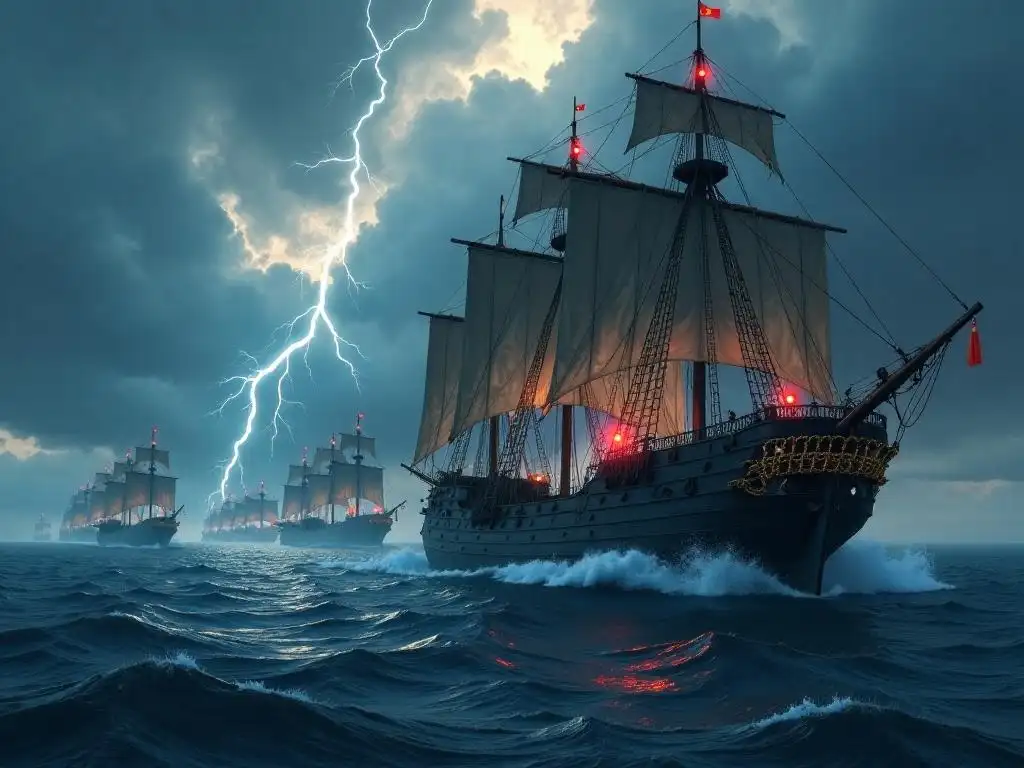
The feudal naval battles of Japan not only shaped the course of military history but also left an indelible mark on the cultural and social landscape of the nation. These conflicts, characterized by their strategic complexity and the valor displayed by warriors, contributed to the evolution of naval tactics and the understanding of maritime warfare. The legacy of these battles is evident in modern Japan's naval strategy and continues to resonate with historians, military enthusiasts, and the general public.
The impact of these naval confrontations can be seen in the development of Japan's maritime identity. The successful tactics employed during these feudal conflicts laid the groundwork for future naval engagements, influencing how Japan would approach warfare at sea for centuries to come. Moreover, the valor and honor associated with naval battles have become integral to Japan's national identity, reverberating through generations.
Naval warfare played a pivotal role in Japan's feudal era, serving as a catalyst for political power shifts among clans and dynasties. The decisive naval battles, such as the Battle of Dan-no-ura in 1185, were crucial in determining the balance of power and the eventual rise of the Kamakura shogunate. These skirmishes underscored the importance of sea routes for trade and communication, making control of maritime territories essential for any clan’s dominance.
The strategies and technologies developed during this period, including the use of specialized ships like the atakebune, showcased the innovations driven by the demands of naval warfare. The emphasis on naval capabilities also fostered a sense of competition among clans, pushing them to improve their naval fleets and combat tactics continually.
Furthermore, naval battles were not merely military engagements; they were also social events that united people around a common cause. The warriors' exploits on the sea became legendary, inspiring tales of bravery and sacrifice that were woven into the fabric of Japanese culture. This cultural significance has solidified the role of naval warfare as a crucial aspect of Japan's historical narrative.
The allure of Japan's feudal naval battles extends beyond historical records and military studies; it has permeated popular culture in various forms. From films and novels to video games and anime, these legendary clashes are often depicted with dramatic flair, capturing the imagination of audiences both in Japan and worldwide. For instance, adaptations of classic tales like the Heike Monogatari bring to life the valor and tragedy of the battles, emphasizing themes of loyalty, honor, and the transient nature of power.
Moreover, contemporary media often explores the strategic elements of these naval encounters, allowing viewers to engage with historical content in an entertaining and educational manner. The intricate tactics and personalities involved in these battles provide rich material for storytelling, ensuring that the legacy of feudal naval warfare remains vibrant and relevant.
As interest in Japan's feudal era continues to grow, so too does the exploration of its naval battles. The ongoing fascination reflects a broader human interest in conflict and strategy, as well as a desire to understand the complexities of history. This enduring legacy serves as a testament to the significance of these maritime encounters in shaping not only Japan but also the broader narrative of military history.
- Introduction to Japan's Feudal Naval Battles
- Key Historical Context of Feudal Japan
- Major Clans Involved in Naval Warfare
- Landmark Naval Battles of Feudal Japan
- Naval Strategies and Technologies in Feudal Japan
- Cultural Impact of Naval Warfare on Japanese Society
- Conclusion: The Enduring Legacy of Japan's Feudal Naval Battles
- Reflection on Naval Warfare's Role in Shaping Japanese History
- The Continued Fascination with Feudal Naval Battles in Popular Culture
Frequently Asked Questions
The Japan feudal naval battles included significant confrontations like the Battle of Dan-no-ura and the Battle of Yashima, which were crucial in determining the power dynamics among feuding clans.
Naval battles shaped political alliances and territorial control, directly impacting the social hierarchy and military strategies of the clans involved during the feudal period.
Feudal Japan utilized ships called "atakebune" and "sampans," which were designed for speed and maneuverability, enhancing their effectiveness in naval combat.
Yes, figures like Minamoto no Yoshitsune and Taira no Kiyomori emerged as legendary commanders, leading their clans to victory in critical naval engagements.
The cultural impact of naval battles is evident in literature, art, and theatre, with stories and paintings often depicting heroic deeds and the drama of conflict at sea.
The naval battles of feudal Japan are not just relics of history; they are a testament to the strategic ingenuity and cultural significance of maritime warfare that continues to resonate today. As we explore the intricate tactics and legendary confrontations that shaped the seas of Japan, we uncover a narrative that speaks to the heart of human conflict and cooperation. These battles remind us that the clash of clans on the sea was not merely about power, but also about honor, loyalty, and the relentless pursuit of glory.
Culture is shaped by its history, and the stories of these legendary naval battles have woven themselves into the very fabric of Japanese identity. The lessons learned from these confrontations echo through time, influencing everything from modern naval strategy to popular culture. As the historian John W. Dower once said, "> History is a series of stories that shape our understanding of who we are." This ongoing influence invites us to reflect on how the past informs our present and future, urging us to recognize the importance of these historical narratives in shaping national identity and collective memory.
As we conclude our exploration of Japan's feudal naval battles, I invite you to reflect on the lessons of resilience, strategy, and honor that these stories impart. Consider how the themes of conflict and cooperation resonate in your own life and community. Let the legacy of these legendary clashes inspire you to navigate your own challenges with courage and wisdom, ensuring that the spirit of those who fought on the seas continues to guide us toward a more harmonious future.
Thank you for diving into the epic tales of legendary naval battles! We hope you’ve gained valuable insights into the strategic minds and unparalleled bravery of these maritime warriors. Now, it’s time to take your fascination further and explore the vast sea of possibilities that await you.
Here are some exciting actions you can take:
- Join a local historical reenactment group or forum to immerse yourself in the stories and strategies of naval warfare from different eras.
- Share your thoughts on social media using relevant hashtags, and engage with fellow history enthusiasts to spark intriguing discussions!
- Explore further by reading a book or watching a documentary that delves into the naval tactics employed throughout history.
What legendary naval strategy inspires you the most, and how would you apply it to modern challenges?