
The Future of Naval Warfare: Lessons from Feudal Japan

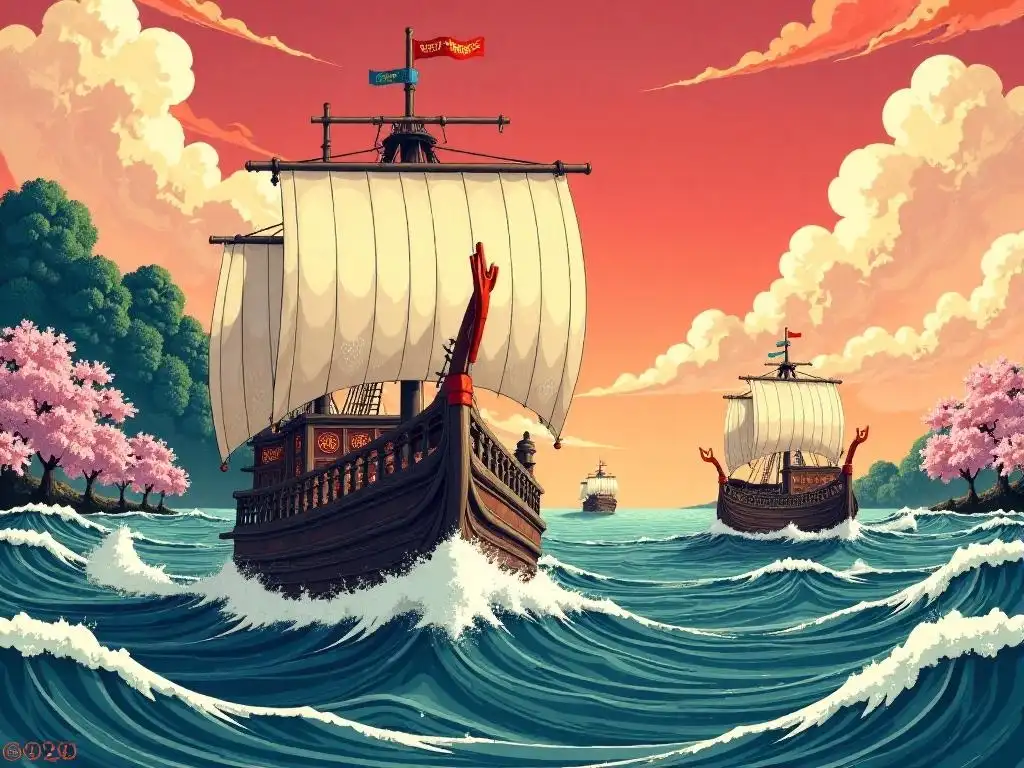
Welcome to Feudal Japan History, where we embark on a fascinating journey through the intricate tapestry of Japan's feudal era. Here, you will uncover not just the battles and samurai, but also the profound lessons that echo through time. Our featured article, "The Future of Naval Warfare: Lessons from Feudal Japan," delves into the strategic ingenuity of naval combat during this pivotal period.
What can modern militaries learn from the tactics and innovations of feudal Japan? Join us as we unravel the connections between past and present, igniting your curiosity about the enduring legacy of military history. Read on to dive deeper into the currents of change that shaped Japan's maritime prowess!
The evolution of naval warfare has been shaped by a myriad of factors throughout history, reflecting the unique cultural, technological, and strategic contexts of different eras. In particular, Feudal Japan offers a fascinating case study of how maritime conflicts and strategies developed within a society marked by rigid social hierarchies, powerful clans, and the unrelenting pursuit of territorial dominance.
This article delves into the naval warfare lessons gleaned from Feudal Japan, emphasizing how these historical insights can inform contemporary naval strategies and operations. By examining the maritime practices of this era, we can uncover principles that remain relevant in today’s complex geopolitical landscape.
Overview of Feudal Japan's Maritime History
Feudal Japan, spanning from the 12th to the 19th century, was characterized by a decentralized political structure, where power was wielded by regional lords known as daimyōs. This period saw the rise of intricate naval operations, particularly during conflicts such as the Genpei War (1180-1185) and the Sengoku Period (1467-1603). The Japanese archipelago, surrounded by the Pacific Ocean, provided a strategic advantage for maritime engagements, enabling the transport of troops, supplies, and the execution of surprise attacks on rival clans.
Key developments in shipbuilding, navigation, and tactics significantly influenced the outcomes of naval confrontations. Traditional vessels like the atakebune and sampan were crucial for both warfare and trade, while advancements in weaponry, such as gunpowder artillery, altered the dynamics of naval engagements.
Importance of Naval Warfare in the Feudal Era
Naval warfare played a pivotal role in the overarching power struggles of Feudal Japan. Control of the seas allowed clans to secure trade routes, acquire resources, and launch military campaigns against adversaries. Notably, the strategic use of naval forces facilitated the Mongol invasions of the late 13th century, where Japanese forces successfully repelled attackers through both land and sea tactics, aided by the kamikaze or "divine winds."
The implications of naval dominance extended beyond mere military engagements; they influenced political alliances, territorial expansion, and the economic prosperity of various clans. Thus, the maritime strategies employed during this era serve as critical lessons for modern naval operations, highlighting the importance of adaptability, resource management, and strategic foresight.
Understanding the historical context of naval warfare in Feudal Japan requires examining the key battles, strategies, and influential figures that shaped this domain. The intricate interplay of these elements provides a comprehensive view of how naval engagements were conducted and their significance in the broader scope of Japanese history.
Key Battles and Naval Strategies
Several pivotal battles during Feudal Japan's history illustrate the evolution of naval warfare strategies. The Battle of Dan-no-ura (1185) stands out as a decisive conflict, where the Minamoto clan utilized their naval prowess to defeat the Taira clan, marking a significant turning point in the Genpei War. This battle is notable for its strategic use of terrain and weather conditions, which highlights the importance of environmental factors in naval engagements.
In contrast, the Sengoku Period saw the emergence of more organized naval fleets, with clans like the Miyoshi and Watanabe employing innovative tactics such as surprise attacks and coordinated assaults on enemy strongholds. The use of fire ships and boarding tactics became commonplace, showcasing the adaptability of Japanese naval forces in response to evolving warfare technologies and strategies.
Influential Figures in Feudal Japanese Naval Warfare
The landscape of naval warfare in Feudal Japan was shaped by several prominent figures whose leadership, tactical acumen, and visionary approaches left a lasting legacy. Leaders such as Toyotomi Hideyoshi and Admiral Kuroda Kanbei played crucial roles in maritime strategies that not only influenced their respective clans but also set precedents for future naval operations.
Hideyoshi's campaigns during the late 16th century exemplified the integration of naval power in broader military strategies, while Kuroda's innovations in ship design and naval tactics contributed to the effectiveness of Japanese fleets. Their contributions underscore the significance of individual leadership in shaping the course of naval warfare, offering valuable lessons for contemporary military leaders seeking to navigate the complexities of modern naval conflict.
Through an exploration of these themes, this article will illuminate the enduring lessons of Feudal Japan's naval warfare, providing insights that resonate within today's maritime strategies and geopolitical considerations.
Feudal Japan's naval tactics provide a wealth of insights that remain relevant in contemporary naval warfare. The strategic decisions made during this era, particularly from the 12th to the 16th centuries, were deeply influenced by the geographical, cultural, and technological contexts of the time. Understanding these lessons allows modern military strategists to adapt and innovate in an ever-evolving maritime landscape.
Strategic Use of Terrain and Geography
In feudal Japan, the strategic use of terrain and geography was paramount in shaping naval engagements. The archipelago’s myriad islands, bays, and coastal features created a complex maritime environment that influenced naval operations. Commanders effectively utilized natural barriers and navigational challenges to their advantage.
- Natural Harbors: Locations such as the Inland Sea were exploited for their safe anchorage, allowing fleets to regroup and launch surprise attacks.
- Island Hopping: Naval forces often executed tactics that involved quick strikes against enemy supply lines and coastal defenses on various islands, leveraging the element of surprise.
- Weather Patterns: Knowledge of seasonal winds and currents played a crucial role in planning naval movements, as commanders timed their operations to coincide with favorable conditions.
These strategies underscore the importance of terrain in naval warfare, emphasizing that understanding the operational environment can be as critical as the capabilities of the fleet itself.
The Role of Smaller Fleets and Asymmetrical Warfare
Feudal Japan also witnessed the effective use of smaller fleets employing asymmetrical warfare tactics. Unlike the large, heavily armed fleets of their adversaries, these smaller groups capitalized on speed, maneuverability, and guerrilla tactics.
- Hit-and-Run Tactics: Smaller vessels often engaged in quick strikes against larger ships, targeting vulnerable spots before retreating, which minimized their risk.
- Surprise and Deception: Using deception to mislead larger fleets about their true intentions was a common tactic. This included feigned retreats and ambushes.
- Local Knowledge: Smaller fleets often had superior local knowledge, allowing them to navigate treacherous waters and utilize hidden coves for ambushes.
This approach not only highlights the effectiveness of smaller forces but also illustrates the potential for innovation in tactics to overcome numerical disadvantages.
Innovations in Shipbuilding and Naval Technology
Naval warfare in feudal Japan was marked by significant innovations in shipbuilding and technology that influenced engagements and strategies.
- Design of the Atakebune: The introduction of the atakebune, a large battleship with a reinforced hull and multiple decks for archers, revolutionized naval combat, allowing for more effective boarding actions and ranged attacks.
- Use of Fire Ships: The implementation of fire ships, which were vessels set ablaze and directed towards enemy ships, showcased an innovative approach to naval warfare, emphasizing the element of surprise and destruction.
- Improved Navigation Tools: Advances in navigation, such as better compasses and maps, enabled more precise movements and planning, leading to more calculated engagements.
These technological advancements not only shaped the battles of the time but also laid the groundwork for future developments in naval warfare.
The cultural context of feudal Japan significantly shaped naval warfare, influencing strategies, leadership, and the overall ethos of maritime conflict.
The Samurai Code and Its Impact on Naval Command
The samurai code, or bushido, played a pivotal role in the conduct of naval commanders during the feudal era. This code emphasized honor, loyalty, and discipline, which directly impacted decision-making processes in naval engagements.
- Leadership and Morality: Commanders were expected to embody the virtues of bushido, which guided their actions and decisions in battle. This often led to a focus on honorable combat rather than sheer victory.
- Loyalty to Lords: The loyalty of samurai to their feudal lords influenced naval alliances and the commitment of resources to naval campaigns, reinforcing the importance of personal honor in military endeavors.
- Rituals and Ceremonies: Naval battles were often accompanied by rituals that underscored the spiritual dimensions of warfare, reflecting the samurai’s connection to their ancestors and the divine.
The samurai code’s influence on naval command illustrates how cultural values can shape military tactics and strategies.
Naval Warfare as a Reflection of Feudal Society
Naval warfare during feudal Japan also mirrored the broader societal structures and hierarchies of the time.
- Power Dynamics: The control of naval resources often reflected the political power of feudal lords, with successful naval engagements enhancing their status and legitimacy.
- Social Stratification: The composition of naval crews often included a mix of samurai and commoners, highlighting the diverse social fabric of feudal Japan and how collective efforts contributed to naval successes.
- Economic Considerations: Naval warfare was not merely a military affair; it was closely tied to trade and economy, with successful battles often leading to increased control over trade routes and resources.
This interconnectedness of naval warfare and society emphasizes how military strategies are influenced by the cultural and economic contexts in which they operate.
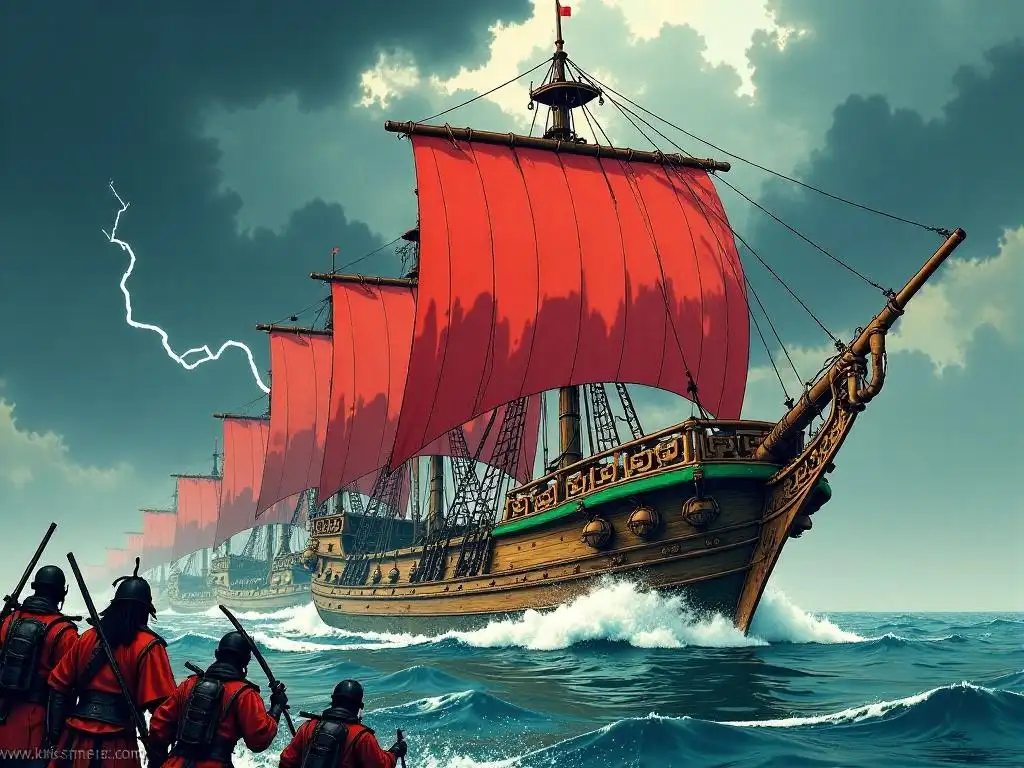
The naval warfare strategies of feudal Japan, particularly during the 12th to 16th centuries, provide a fascinating contrast to contemporary naval tactics. The evolution of warfare, shaped by technological advancements and changing geopolitical landscapes, highlights both the continuities and shifts in strategic thinking. Understanding these dynamics not only enriches our comprehension of military history but also offers valuable insights for future conflicts.
Similarities in Tactical Approaches
Despite the vast differences in technology and resources between feudal Japan and modern navies, certain tactical approaches remain relevant. One key similarity is the emphasis on surprise and maneuverability. Feudal Japanese commanders, such as those during the Genpei War, often employed hit-and-run tactics, leveraging the element of surprise to outmaneuver more powerful enemies. This principle is echoed in modern naval strategies that prioritize stealth and rapid response, exemplified by the use of aircraft carriers and submarines designed for quick strikes.
Additionally, the concept of naval blockades seen in feudal Japan, where forces would cut off supply routes to weaken an adversary, is mirrored in contemporary strategies. The use of economic warfare, including sanctions and blockades, is a tactic employed by modern navies to achieve strategic objectives without direct confrontation.
Differences in Technology and Warfare Philosophy
While there are tactical similarities, the technological advancements from feudal Japan to the present day present stark contrasts. Feudal Japan relied heavily on wooden ships and oarsmen, equipped with weapons such as arrows and spears. The tactics were shaped by the limitations of their technology, focusing on close-quarters combat and the use of small, agile vessels.
In contrast, modern naval warfare is characterized by advanced technologies, including guided missiles, radar systems, and unmanned vehicles. These tools enable a level of precision and lethality that was unimaginable in feudal times. Moreover, the philosophy of warfare has also evolved; modern navies often embrace joint operations with air and ground forces, integrating various branches of the military in a way that was not feasible in feudal Japan, where naval operations were primarily independent.
The lessons from feudal Japan's naval warfare extend beyond historical interest; they have practical implications for modern naval strategies. As global conflicts evolve and threats become more complex, understanding the effectiveness of past strategies can inform contemporary military planning.
Adapting Historical Lessons to Modern Conflicts
One of the primary implications for future naval warfare is the need to adapt historical lessons to fit modern contexts. The principles of flexibility, surprise, and asymmetrical warfare demonstrated by feudal Japanese commanders can be invaluable in addressing contemporary challenges such as asymmetric threats posed by non-state actors and rogue states. Developing strategies that prioritize adaptability can enhance a navy's effectiveness against unpredictable adversaries.
Moreover, the emphasis on resource management and logistics observed in feudal naval campaigns underscores the importance of sustaining operations in extended conflicts. Modern navies can benefit from revisiting these historical logistics strategies to ensure operational readiness in protracted engagements.
The Relevance of Feudal Japan's Strategies in Current Naval Doctrines
Feudal Japan's naval strategies offer a wealth of knowledge that remains relevant in current naval doctrines. The focus on decentralized command, allowing local commanders the autonomy to make tactical decisions based on real-time conditions, mirrors modern military approaches that promote initiative among subordinate leaders. This decentralized command structure can lead to more effective and swift responses in dynamic combat environments.
Furthermore, the historical context of feudal Japan highlights the significance of cultural influences on military strategy. As nations navigate complex geopolitical landscapes today, understanding how historical precedents shape current strategies can inform the development of doctrine that resonates with national identity and strategic objectives. By integrating these historical lessons, modern navies can enhance their operational effectiveness and adaptability in the face of future challenges.
The lessons derived from the naval warfare strategies of feudal Japan are not merely historical artifacts but are crucial for shaping the future of naval engagements. The dynamic interplay of strategy, technology, and cultural values during this period provides a wealth of insights that modern naval forces can harness. By examining the successes and failures of feudal Japan's naval tactics, contemporary military leaders can better prepare for the complexities of modern conflicts.
Recap of Key Lessons from Feudal Japan
- Adaptability and Innovation: Feudal Japan's naval forces displayed remarkable adaptability, responding to evolving threats and opportunities. The introduction of new technologies, such as the use of gunpowder and advanced shipbuilding techniques, illustrates the importance of innovation in naval warfare. Modern navies must remain committed to embracing new technologies and adapting their strategies in response to changing maritime environments.
- Strategic Alliances: The alliances formed during feudal Japan, especially among warring clans, highlight the significance of collaboration in achieving naval superiority. Modern naval strategy can benefit from fostering international partnerships, sharing intelligence, and conducting joint operations to address common threats.
- Understanding Terrain and Environment: The strategic use of Japan's coastal geography played a key role in naval battles. Modern naval forces can learn from this by considering the unique environmental factors of their operational theaters, employing tactics that leverage local knowledge of waterways, weather patterns, and maritime geography.
- Cultural Factors in Warfare: The interplay of culture and military strategy was evident in feudal Japan, where honor, loyalty, and the warrior ethos influenced naval engagements. Recognizing the cultural dimensions of warfare can help contemporary navies develop more effective strategies that resonate with both military personnel and the populations they serve.
- The Role of Leadership: Leadership was critical in feudal Japan, as commanders like Admiral Taira no Kiyomori demonstrated the impact of decisive and visionary leadership on naval outcomes. Today, effective leadership remains essential; modern naval leaders must inspire their forces, cultivate strategic foresight, and maintain adaptability in the face of uncertainty.
Final Thoughts on the Evolution of Naval Warfare
The evolution of naval warfare is an ongoing process, heavily influenced by historical precedents. The naval strategies and lessons learned from feudal Japan offer a rich repository of knowledge that can inform future military planning and operations. As naval technology continues to advance, the core principles of adaptability, collaboration, cultural understanding, and effective leadership will remain timeless.
In an era where global maritime dynamics are increasingly complex, the integration of these lessons can enhance the effectiveness of modern naval forces. By embracing the wisdom of the past while innovating for the future, navies worldwide can navigate the challenges of contemporary warfare, ensuring preparedness for the battles yet to come. As we reflect on the past, we must remain vigilant and proactive, using the insights gained from feudal Japan to guide us in shaping a resilient and strategic approach to naval warfare.
- Introduction to Naval Warfare in Feudal Japan
- Historical Context of Naval Warfare in Feudal Japan
- Lessons from Feudal Japanese Naval Tactics
- Cultural Influences on Naval Warfare in Feudal Japan
- Comparing Feudal Japanese Naval Warfare to Modern Naval Strategies
- Implications for the Future of Naval Warfare
- Conclusion: Embracing the Past to Shape Naval Warfare's Future
- What were the main strategies used in naval warfare during feudal Japan?
- How did feudal Japan influence modern naval tactics?
- What role did the samurai play in naval battles?
- How did geography impact naval warfare in feudal Japan?
- Are there any specific battles that highlight naval warfare in feudal Japan?
Frequently Asked Questions
In feudal Japan, naval warfare strategies focused on mobility and tactical formations. The use of small ships allowed for swift maneuvers and surprise attacks against larger vessels.
The naval warfare lessons from feudal Japan emphasized the importance of adaptability and intelligence gathering. These principles continue to shape modern naval strategies and operations.
Samurai were crucial in naval battles, serving as warriors and leaders. Their training and discipline influenced both land and sea combat tactics during the feudal era.
The geography of Japan, with its numerous islands and coastlines, shaped naval engagements. Straits and bays provided strategic advantages for ambushes and defensive positions during conflicts.
Yes, battles like the Battle of Dan-no-ura showcase the significance of naval warfare in feudal Japan. This battle illustrated the strategic use of naval forces in determining the outcome of power struggles.
The lessons from feudal Japan resonate profoundly in today's context of naval warfare, emphasizing the importance of adaptability and strategic innovation. As we navigate the complexities of modern maritime conflicts, the historical insights gleaned from Japan's naval strategies remind us that the essence of warfare lies not just in brute strength but in the ability to evolve and outthink adversaries. The past serves as a powerful teacher, urging us to reflect on how ancient practices can inform contemporary tactics.
Cultural and social landscapes are continually shaped by the lessons of history, and the realm of naval warfare is no exception. The strategies employed during feudal Japan, such as the use of deception and the significance of alliances, have left an indelible mark on military doctrine worldwide. As we witness the resurgence of naval power in various nations, it becomes increasingly clear that understanding these historical contexts is vital for future leaders. Those who cannot remember the past are condemned to repeat it.
– George Santayana. This quote encapsulates the urgency to learn from history, ensuring that we do not overlook the wisdom embedded in our maritime heritage.
As you reflect on the insights shared in this article, consider how the principles of adaptability, strategic foresight, and historical awareness can be applied in your own life. Embrace the lessons of the past, and let them guide your decisions and actions in the present. Whether in personal endeavors or professional pursuits, the ability to learn from history can empower you to navigate challenges with greater wisdom and resilience. The future of naval warfare, much like our own journeys, will be shaped by the lessons we choose to honor and implement.
Thank you for exploring the fascinating lessons of naval warfare from feudal Japan! You've uncovered insights that not only reflect historical ingenuity but also inform modern military strategies. Now it's time to put that knowledge into action!
Here’s how you can dive deeper into this compelling subject:
- Join a discussion group focused on historical military strategies to share insights and learn from diverse perspectives.
- Expand your understanding by reading books or articles about the maritime tactics of feudal Japan and their global implications.
- Engage in strategic gaming inspired by naval warfare to apply what you've learned in an interactive and entertaining manner.
What aspect of feudal Japan's naval warfare intrigues you the most, and how do you think it could influence contemporary military tactics? Let's discuss!