
The Samurai's Last Stand: The Weapons Used in the Boshin War

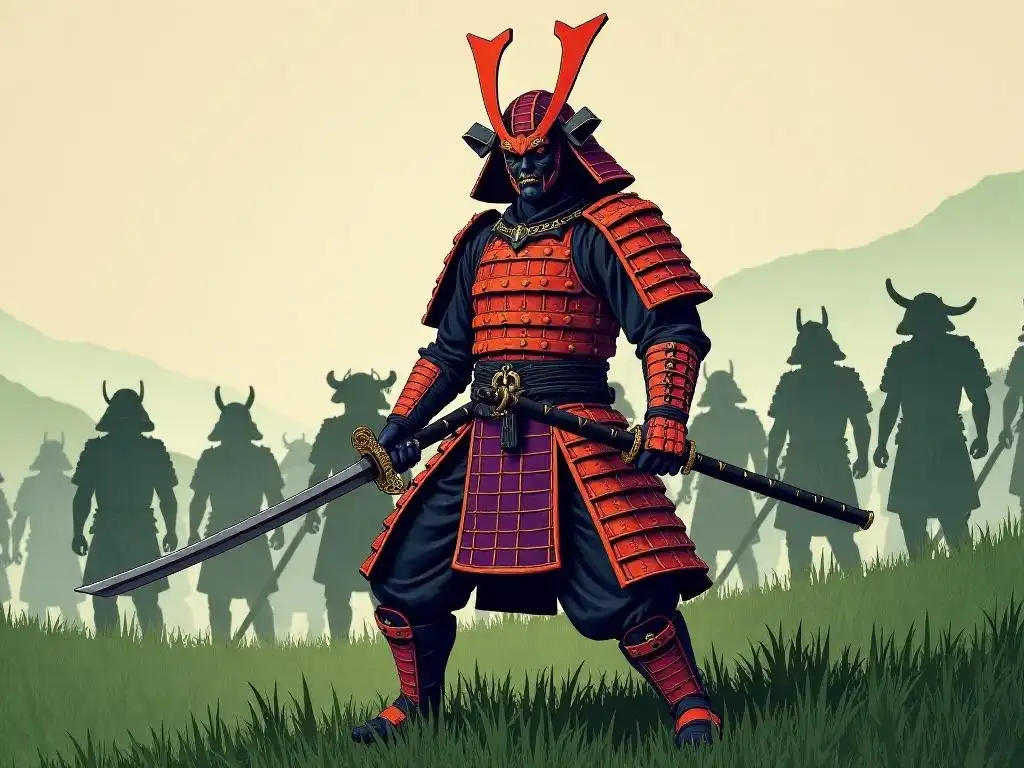
Welcome to Feudal Japan History, where we invite you to embark on a journey through the captivating and complex tapestry of Japan’s feudal era. In our featured article, “The Samurai's Last Stand: The Weapons Used in the Boshin War,” we delve into the iconic weaponry that defined this tumultuous period. Discover the stories behind the blades that clashed on the battlefield and the warriors who wielded them with honor. Are you ready to uncover the secrets of the samurai's last stand? Dive in and let the exploration begin!
The Boshin War, a pivotal conflict in the late Edo period of Japan (1868-1869), marked the dramatic transition from feudal rule to a modern nation-state. This war was not only a struggle for political power but also a clash of cultures and ideologies, epitomized by the samurai's determination to uphold their traditional values against the rising tide of modernization.
In this comprehensive exploration, we delve into the diverse array of weapons utilized by the samurai during this tumultuous time, examining their evolution, effectiveness, and significance in the broader context of the conflict. By understanding the weaponry of the Boshin War, we gain insight into the samurai's last stand and the enduring legacy of their martial prowess.
The Evolution of Samurai Weapons
The weapons used by samurai during the Boshin War were not merely tools of combat; they represented centuries of martial tradition and craftsmanship. The transition from traditional to modern weaponry reflected the changing nature of warfare and the influence of Western technologies. Key weapons included:
- Katana: The iconic sword of the samurai, known for its exceptional sharpness and craftsmanship.
- Tanto: A short dagger that served as a backup weapon in close combat.
- Naginata: A polearm that combined the cutting power of a sword with the reach of a spear.
- Rifles: Introduced by Western powers, firearms began to play a significant role in combat, altering traditional tactics.
These weapons not only shaped the samurai's fighting style but also symbolized their identity and honor in battle.
Key Weapons of the Boshin War
The Boshin War saw a unique combination of traditional samurai weaponry and newly adopted firearms. Here are some of the most notable weapons used during this conflict:
| Weapon | Description | Usage |
|---|---|---|
| Katana | The primary weapon of the samurai, ideal for swift strikes and precision cuts. | Close combat, dueling |
| Naginata | A versatile weapon with a long reach, effective against both infantry and cavalry. | Battlefield engagements |
| Matchlock Rifle | Early form of firearm, used for ranged attacks, showcasing Western influence. | Skirmishes and long-range combat |
| Cannon | Artillery pieces utilized by both sides, marking a shift in military strategy. | Siege warfare |
The Role of Weaponry in Samurai Culture
Weaponry in samurai culture extended beyond mere functionality; it embodied the samurai's code of honor, known as Bushido. The katana, in particular, was considered a soul of the samurai, reflecting their spirit and ethical code. The crafting of these weapons was a sacred art, with smiths regarded as revered artisans whose creations were often imbued with spiritual significance.
The sword is the soul of the samurai; it embodies their honor, duty, and the essence of their warrior spirit.
As the Boshin War unfolded, the samurai's relationship with their weapons became increasingly complex, merging traditional values with the harsh realities of modern warfare. This tension highlighted the struggles faced by the samurai in adapting to a rapidly changing world, ultimately leading to their decline as the dominant military force in Japan.
Conclusion
In examining the weaponry of the Boshin War, we not only gain insights into the tools of battle but also into the cultural and historical significance of the samurai themselves. As the last stand of the samurai unfolded, their weapons became symbols of resistance, honor, and the enduring legacy of an era that defined Japan's martial history. Understanding these elements helps us appreciate the intricate tapestry of Japan's feudal past and the profound impact of the Boshin War on its future.
- The Evolution of Samurai Weapons
- Key Weapons of the Boshin War
- The Role of Weaponry in Samurai Culture
- Conclusion
Introduction to the Boshin War
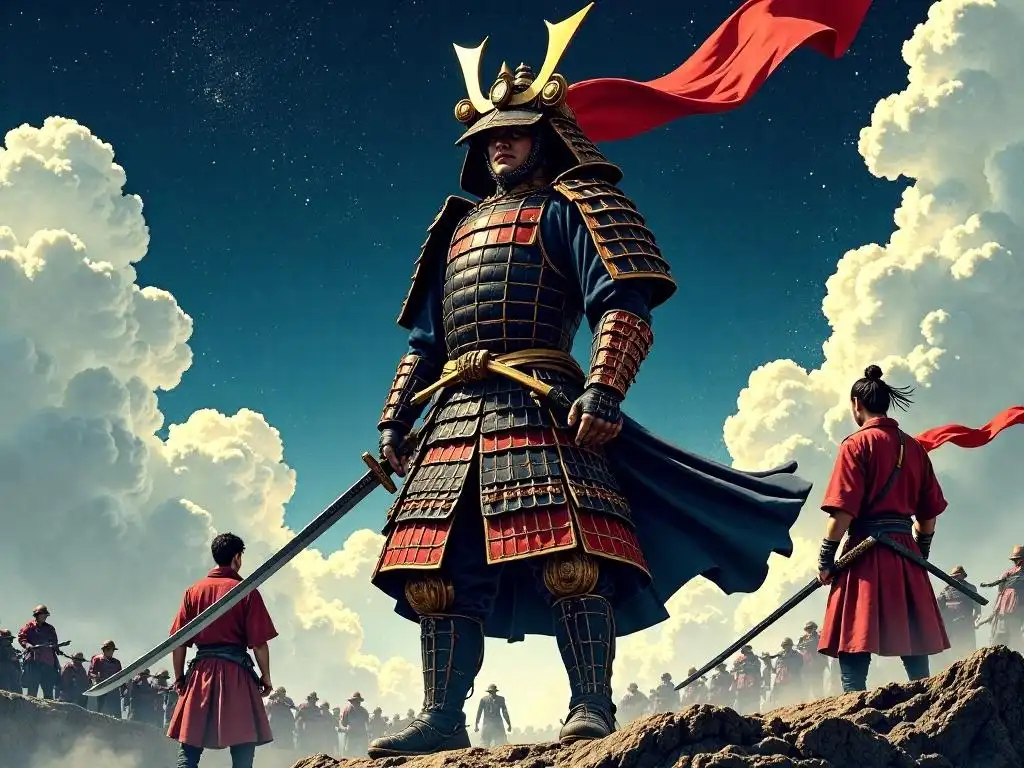
The Boshin War, fought between 1868 and 1869, marked a pivotal moment in Japanese history as it represented the struggle between the ruling Tokugawa shogunate and those seeking to restore power to the emperor. This civil war was not only a clash of political ideologies but also a battlefield showcasing the weapons and tactics employed by the samurai, who were at the heart of the conflict. As the last significant military engagement involving samurai, the Boshin War highlights the transition from traditional feudal warfare to modern military strategies.
Overview of the Boshin War
The Boshin War emerged from rising discontent with the Tokugawa shogunate, which had ruled Japan since 1603. The Meiji Restoration movement aimed to overturn this long-standing regime and restore imperial rule, advocating for modernization and the opening of Japan to the world. Key factions included the pro-imperial forces, known as the "Imperial Army," and the shogunate's loyalists, referred to as the "Shogitai."
The war can be broken down into several key battles:
- Battle of Toba–Fushimi (January 1868): A decisive early engagement where imperial forces claimed victory, marking the beginning of the war.
- Battle of Hokuetsu (February 1868): Another significant conflict where the imperial side showcased their growing military prowess.
- The Siege of Edo (March 1868): The imperial forces laid siege to Edo (modern-day Tokyo), leading to the eventual surrender of the shogunate.
- Battle of Hakodate (March 1868 - June 1869): The final confrontation that saw shogunate loyalists making their last stand in Hakodate.
The war ultimately resulted in the dissolution of the shogunate and the restoration of the emperor, setting the stage for the rapid modernization of Japan and the end of the samurai era.
Significance of Samurai Weapons in the Conflict
The weapons used during the Boshin War reflect both the traditional samurai culture and the evolving nature of warfare in the 19th century. The samurai, revered as elite warriors, utilized a variety of weapons that played crucial roles in their tactics and strategies. Here are some key weapons utilized by samurai during the Boshin War:
- Katana: The iconic curved sword, symbolizing the samurai's honor and status. While often used in close combat, it was less effective against modern firearms.
- Tanto: A small dagger that served as both a weapon and a tool. It was used in close quarters and for self-defense.
- Yari (Spear): The yari was a primary weapon for many samurai, allowing for both thrusting attacks and reach against opponents. Its use in formations was crucial in battles.
- Naginata: A polearm that combined the features of a sword and a spear, favored by both samurai and foot soldiers.
- Firearms: The introduction of modern rifles and artillery was a game-changer during the Boshin War. The usage of muzzle-loading rifles and cannons by both sides demonstrated a shift from traditional samurai weaponry to more contemporary tactics.
This fusion of traditional and modern weaponry illustrated the samurai's struggle to adapt to changing warfare while trying to retain their cultural identity. The Boshin War ultimately signaled the end of the samurai's dominance on the battlefield, paving the way for the modernization of Japan's military forces.
The Boshin War samurai weapons encapsulate a significant transition in Japan's military history, showcasing a blend of honor, tradition, and the harsh realities of modern combat. As the samurai faced new challenges, their armaments became emblematic of the broader societal changes occurring within Japan during this transformative era.
Historical Context of the Boshin War
The Boshin War (戊辰戦争), fought from 1868 to 1869, marked a crucial turning point in Japanese history, leading to the end of the Tokugawa shogunate and the restoration of imperial rule. This conflict was deeply rooted in the socio-political landscape of 19th-century Japan, characterized by tension between traditional feudal structures and the pressures of modernization and globalization.
Causes of the Boshin War
The primary causes of the Boshin War can be attributed to several interrelated factors:
- Political Discontent:
- The Tokugawa shogunate had ruled Japan for over 250 years, maintaining a strict feudal hierarchy. However, by the mid-19th century, dissatisfaction with the shogunate's inability to navigate foreign relations, especially after the arrival of Commodore Perry in 1853, began to grow.
- Many samurai and domain leaders felt that the shogunate was compromising Japan's sovereignty by signing unequal treaties with Western powers.
- Rise of Imperial Nationalism:
- The slogan "Revere the Emperor, Expel the Barbarians" (尊王攘夷) became popular among factions opposing the shogunate. This movement sought to restore power to the Emperor Meiji and reject foreign influence.
- Various domains, particularly those in the Satsuma and Choshu regions, rallied around the imperial cause, seeing the restoration as a way to unify Japan against foreign threats.
- Economic Factors:
- The instability caused by the shogunate's outdated economic policies led to widespread poverty and dissatisfaction among the samurai class, who were increasingly burdened by the financial demands of maintaining their status.
- As the economy struggled, some domains began to modernize their military capabilities, further exacerbating tensions with the shogunate, which relied on traditional samurai warfare.
- Military Modernization:
- The adoption of Western weaponry and tactics by the imperial forces contrasted sharply with the traditional methods employed by the shogunate's samurai. This shift in military strategy played a critical role in the conflict's dynamics.
- The emergence of firearms, artillery, and naval power changed the landscape of combat, making the traditional samurai weaponry less effective against modernized armies.
Key Players in the Samurai Conflict
The Boshin War saw a complex interplay of alliances and rivalries among various factions and individuals. Key players included:
- Emperor Meiji:
- The figurehead of the imperial forces, his restoration was sought by those who believed in a centralized, modern Japan. The Emperor's role was largely symbolic during the war, but his name galvanized support for the imperial cause.
- Tokugawa Shogunate:
- Led by Tokugawa Yoshinobu, the last shogun, the Tokugawa forces aimed to maintain their power and suppress the imperial movement. Their reliance on traditional samurai tactics and weaponry ultimately proved insufficient against modern military strategies.
- Satsuma Domain:
- One of the most powerful domains in Japan, Satsuma played a significant role in the imperial forces. Leaders like Saigo Takamori were influential in rallying support and leading troops during key battles.
- Choshu Domain:
- Another vital player in the imperial coalition, Choshu's leadership and military modernization efforts made it a formidable opponent to the Tokugawa shogunate.
- Other Domains:
- Various other domains, such as Tosa and Hizen, either supported the imperial cause or fought for the shogunate, reflecting the war's complex factional dynamics.
The Boshin War ultimately led to the downfall of the Tokugawa shogunate and paved the way for the Meiji Restoration, significantly altering Japan's political landscape and military practices, including the evolution of samurai weaponry. The conflict serves as a critical backdrop for understanding the transformations that followed in Japan's journey toward modernization.
Types of Samurai Weapons Used in the Boshin War
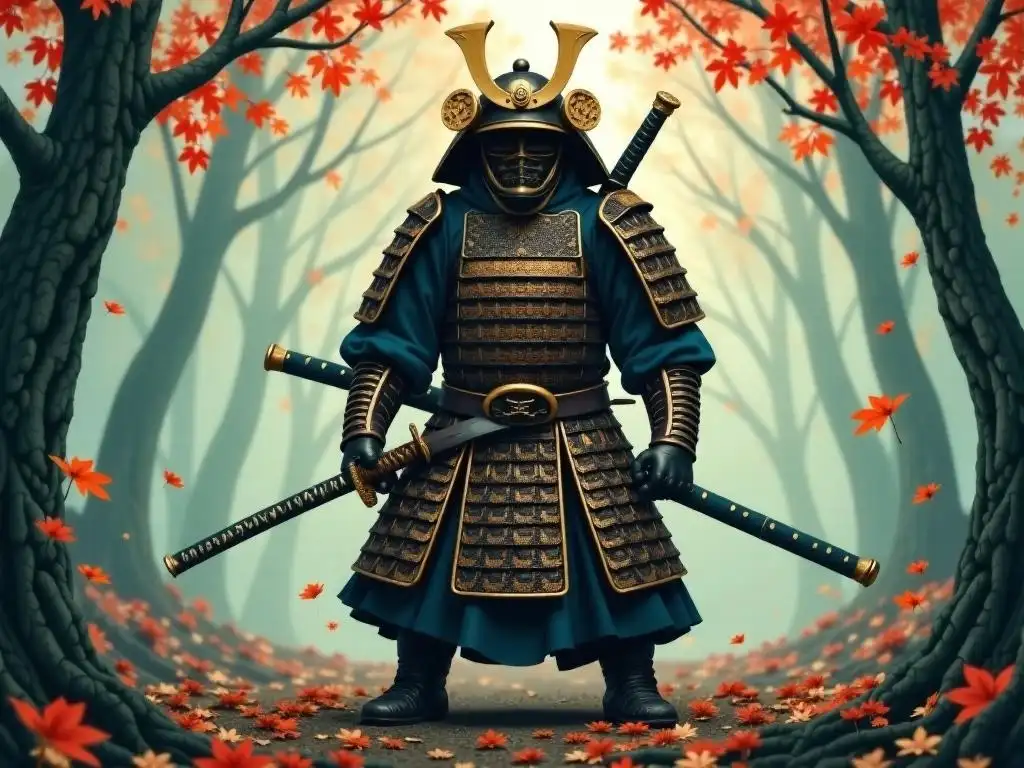
The Boshin War (1868-1869) marked a pivotal period in Japanese history, characterized by the clash between the Tokugawa shogunate and imperial forces. During this conflict, samurai warriors employed a variety of weapons that reflected both traditional martial practices and the evolving nature of warfare. Understanding these weapons provides insight into the samurai’s last stand and the dynamics of this transformative era.
Traditional Samurai Weapons
Katana: The Soul of the Samurai
The katana, often regarded as the quintessential samurai weapon, played a significant role in the Boshin War. Renowned for its curved, single-edged blade, the katana was not just a weapon but a symbol of the samurai's honor and status.
- Construction: Crafted using a technique called tatara, the katana was forged from high-carbon steel, resulting in a blade that was both flexible and strong. The meticulous folding process involved in its creation contributed to its sharpness and durability.
- Combat Style: The katana was primarily used in close combat. Its design allowed for swift, precise strikes, making it effective for both offense and defense.
- Cultural Significance: Beyond its practical use, the katana embodied the samurai's ethos, often being passed down through generations as a family heirloom.
Wakizashi: The Companion Blade
The wakizashi, a shorter blade typically measuring between 30 to 60 centimeters, complemented the katana and was frequently worn together as part of the samurai's daisho (pair of swords).
- Usage in Battle: During the Boshin War, the wakizashi served various roles, from a backup weapon to a tool for close-quarters combat. Its size made it ideal for use in confined spaces, such as inside buildings.
- Symbol of Status: The presence of a wakizashi indicated a samurai's rank and was often used in ritual suicide (seppuku) as a means to preserve honor.
- Design and Aesthetics: Like the katana, the wakizashi was often ornately decorated, reflecting the craftsmanship and the personal identity of its owner.
Tanto: The Dagger of the Samurai
The tanto, a small dagger with a blade length of less than 30 centimeters, was another essential weapon in the samurai arsenal during the Boshin War.
- Combat Utility: The tanto was primarily used for close combat and as a tool for self-defense. Its compact size allowed samurai to carry it easily, making it a versatile option in skirmishes.
- Cultural Importance: The tanto was also used in rituals and ceremonies, often symbolizing the samurai's readiness to defend their honor at any moment.
- Craftsmanship: Many tantos were elaborately designed, showcasing the artistry of the swordsmiths. They often featured intricate hilts and scabbards, emphasizing their significance beyond mere utility.
Firearms and Modern Weaponry
As the Boshin War progressed, traditional weaponry faced competition from newly introduced firearms and artillery, marking a significant shift in warfare tactics.
Matchlock Guns: The Evolution of Firearms
Matchlock guns, introduced to Japan in the 16th century, became increasingly important throughout the Boshin War.
- Technology: The matchlock mechanism involved a slow-burning match that ignited gunpowder, enabling soldiers to fire projectiles. Though slower to reload than modern firearms, they allowed for greater range and lethality compared to traditional weapons.
- Deployment: Both sides utilized matchlock guns, leading to new tactics that combined traditional samurai combat with gunfire. Samurai often charged into battle while firing their weapons, reflecting a hybrid combat style.
- Limitations: Despite their effectiveness, matchlock guns were susceptible to weather conditions. Rain and humidity could render them unreliable, necessitating the continued use of traditional weapons in certain situations.
Artillery: Cannons and Siege Weapons
As the war escalated, artillery became a crucial element in the conflict, shifting the balance of power on the battlefield.
- Types of Artillery: Cannons and siege weapons, such as howitzers and mortars, were employed to breach fortifications and provide support during sieges. These weapons allowed armies to engage opponents from a distance, altering the dynamics of traditional samurai combat.
- Strategic Importance: The effective use of artillery by the imperial forces in key battles demonstrated its impact on the outcome of the war. Fortifications that had once been considered impregnable were vulnerable to cannon fire, forcing defenders to rethink their strategies.
- Integration with Infantry: Artillery units were often integrated with infantry, allowing for coordinated attacks that maximized the strengths of both traditional and modern warfare tactics.
The Boshin War witnessed a fascinating interplay between traditional samurai weapons and emerging firearms. Understanding these weapons not only highlights the martial heritage of the samurai but also underscores the transitional nature of warfare during a critical period in Japan's history.
The Role of Samurai Armor in the Boshin War
During the Boshin War (1868-1869), a pivotal conflict in Japan's transition from feudalism to modernization, samurai armor played a crucial role in both the physical protection of warriors and the representation of their status and identity. The armor not only served as a defense mechanism against enemy weapons but also acted as a symbol of the samurai’s honor, loyalty, and martial prowess. As the war unfolded, the design and functionality of samurai armor evolved, reflecting the changing dynamics of warfare and the increasing influence of Western military practices.
Types of Armor Worn by Samurai
The samurai of the Boshin War utilized several types of armor, each designed to enhance protection while allowing for mobility. The key components of samurai armor included the do (chest armor), kabuto (helmet), and various accessories that complemented the main pieces.
Do (Chest Armor): Protection and Design
The do, or chest armor, was one of the most essential components of samurai armor. Typically crafted from iron or leather, the do was designed to protect the torso, which was vulnerable during combat.
- Construction: The do often featured multiple overlapping plates, known as kusazuri, which provided flexibility while maintaining a high level of defense. This innovative design allowed for better movement compared to earlier armor styles.
- Aesthetics: The do was not only functional but also adorned with intricate designs and family crests, highlighting the samurai’s lineage and status. The aesthetic elements of the do served to intimidate foes and instill pride among allies.
- Variants: Various styles existed, such as the nanban-do, influenced by Western designs, which emerged during the latter part of the Boshin War. These adaptations showcased the samurai's willingness to embrace new technologies while retaining their traditional values.
Kabuto (Helmet): Symbolism and Function
The kabuto, or helmet, was another significant piece of samurai armor, representing both practical protection and cultural symbolism.
- Design Elements: Kabuto were typically made from iron and included a distinctive crest, known as maedate, which could reflect the wearer’s clan or personal achievements. This crest often took the form of animal motifs or mythical creatures, enhancing the helmet's intimidating appearance.
- Functionality: Beyond its decorative aspects, the kabuto was designed to protect the head and neck from strikes. Many kabuto featured a shikoro, or neck guard, that provided additional protection, which was crucial in close-quarter battles characteristic of the Boshin War.
- Cultural Significance: The kabuto served as a status symbol among samurai, with its design often conveying messages about the wearer’s honor and valor. The ritualistic donning of the kabuto before battle was a sign of readiness and commitment, embodying the bushido code.
The Impact of Armor on Combat Effectiveness
The effectiveness of samurai armor during the Boshin War had a direct impact on the combat capabilities of the samurai.
- Mobility vs. Protection: The evolution of armor designs allowed samurai to maintain agility while being well-protected. For instance, the lighter armor favored by some factions enabled quicker movements, which was vital in the fast-paced engagements of the war.
- Psychological Warfare: The striking appearance of samurai armor, with its vibrant colors and elaborate designs, played a significant role in psychological warfare. The sight of a fully armored samurai could demoralize opponents and bolster the morale of allies.
- Adaptation to Firearms: As the Boshin War marked a transition in warfare with the increased use of firearms, samurai armor began to adapt. Some samurai opted for less traditional armor or modified designs to mitigate the threat posed by bullets, showcasing their ability to incorporate new tactics and technologies.
The armor worn by samurai during the Boshin War was not merely a means of protection; it was a complex representation of identity, status, and adaptability in a rapidly changing military landscape. The interplay between traditional craftsmanship and the need for functional combat gear exemplified the resilience and ingenuity of the samurai during this transformative period in Japanese history.
Tactical Use of Weapons in the Boshin War
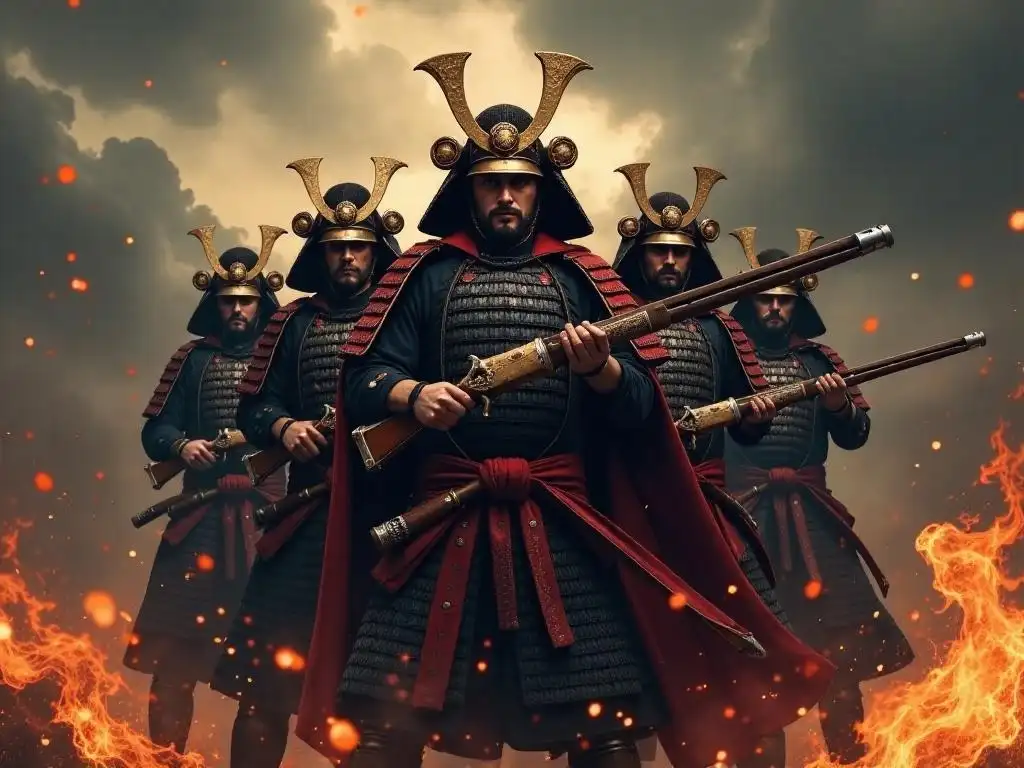
The Boshin War (1868-1869) marked a pivotal confrontation in Japan’s transition from feudalism to modernization. The conflict saw the samurai, historically renowned for their swordsmanship and honor, adapting their tactics and weaponry in response to the evolving nature of warfare. The tactical use of weapons during this era was not only a reflection of the samurai's martial traditions but also an indication of the changing dynamics of battle as new technologies were introduced.
Samurai Tactics: Close Combat Strategies
In the heat of the Boshin War, samurai combat strategies were heavily influenced by their training and cultural heritage. Close combat remained a critical aspect of samurai tactics, utilizing various traditional weapons such as:
- Katana: The iconic sword of the samurai, known for its sharpness and strength, was often used in one-on-one combat. Its curved blade allowed for swift slashes, making it effective in close quarters.
- Tanto: A short dagger, often used as a secondary weapon, the tanto was crucial for close-quarters encounters, especially when the katana became impractical.
- Naginata: A polearm that combined the cutting power of a sword with the reach of a spear, the naginata was favored by some samurai for its versatility in battle. Its sweeping strikes could engage multiple opponents, making it a formidable weapon in skirmishes.
Tactical formations were also employed, such as:
- Kumitachi: A form of paired training where samurai practiced techniques with one another, focusing on footwork and timing to outmaneuver opponents.
- Bunraku: A strategy involving small, agile groups of samurai, allowing for quick and effective strikes against larger enemy formations.
Despite their reliance on traditional weaponry, the samurai's approach to combat remained dynamic. As battles unfolded, the incorporation of strategic feints and deceptive maneuvers became essential to gaining the upper hand.
The Integration of Firearms in Samurai Warfare
The Boshin War heralded a significant shift in military tactics with the integration of firearms alongside traditional weapons. While samurai were traditionally trained in the art of the sword, the war saw the use of rifles, particularly the Springfield Model 1861 and Minie balls, which revolutionized how battles were fought.
Key Aspects of Firearm Integration:
- Training and Adaptation:
- Samurai had to adapt their training regimens to include firearms. This shift involved learning to coordinate their movements with the use of guns, creating a new tactical complexity in engagements.
- The use of matchlocks and later cannon fire became critical in breaking enemy lines, demonstrating a shift from solely melee combat to ranged tactics.
- Strategic Deployment:
- Firearms were often utilized in combination with traditional infantry formations. For instance, ashigaru (foot soldiers) equipped with rifles were positioned in front lines, delivering devastating volleys before samurai charged in for close combat.
- This new approach allowed samurai forces to maximize their effectiveness, using cover and concealment to protect riflemen while closing the distance for melee combat.
- Impact on Combat Dynamics:
- The introduction of firearms changed the battlefield landscape, emphasizing the need for tactical flexibility. Samurai had to navigate the challenges posed by enemy gunfire while still maintaining their traditional values of honor and bravery in combat.
- Notably, the Battle of Toba-Fushimi illustrated the effectiveness of firearms in disrupting traditional samurai tactics, leading to significant casualties and altering the course of the war.
The Boshin War's integration of firearms into samurai warfare not only reflected a pivotal moment in Japan's military history but also showcased the adaptability of the samurai ethos in facing modern challenges. As the conflict unfolded, the balance between traditional close combat and the emerging power of gunpowder weapons would play a crucial role in shaping the future of Japanese warfare.
Notable Battles and Their Weaponry
The Boshin War, a pivotal conflict in the late Edo period, saw the clash between the forces of the Tokugawa shogunate and those advocating for the imperial restoration. This war not only defined the future of Japan but also showcased a variety of weapons unique to the era, particularly those used by the samurai. Below, we explore two notable battles from this period, highlighting the weaponry that played a crucial role in each engagement.
The Battle of Toba-Fushimi: Weapons in Action
The Battle of Toba-Fushimi, fought in January 1868, marked the opening engagement of the Boshin War. This battle is notable for the use of a mix of traditional samurai weaponry and modern firearms, reflecting the transitional phase of Japanese warfare.
Key Weapons Used
- Katana:
- The katana, an iconic symbol of the samurai, was used extensively in close combat. Its design allowed for swift, precise strikes, making it an effective weapon in the hands of skilled warriors.
- Matchlock Guns (Tanegashima):
- These early firearms were becoming increasingly common among samurai. While not as effective as modern rifles, they provided a significant advantage in ranged combat. The ability to fire at opponents from a distance changed traditional tactics.
- Cannon:
- Both sides utilized cannons to devastating effect during the battle. The Tokugawa forces were equipped with larger, more powerful artillery pieces, which they used to bombard enemy positions.
- Pikes (Yari):
- Long spears such as the yari were used effectively in formation, allowing samurai to engage enemies at a distance before closing in for melee combat.
Tactical Implications
The integration of these various weapons altered the tactics employed during the battle. Traditional samurai charges were complemented by coordinated volleys from matchlock guns, which helped to disrupt enemy formations and create openings for close combat. The combination of infantry and artillery support illustrated a significant evolution in warfare, as the samurai adapted to the realities of modern combat.
The Siege of Kumamoto: A Showcase of Samurai Arms
The Siege of Kumamoto, which took place from 1868 to 1869, was characterized by fierce fighting and a display of both defensive and offensive weaponry. This battle not only showcased the resilience of the samurai but also highlighted the evolution of their arms.
Key Weapons Used
- Naginata:
- The naginata, a polearm with a curved blade, was favored for its versatility in battle. During the siege, it was employed effectively by defenders to keep attackers at bay and in close quarters.
- Rifles (Shin-gunto):
- The introduction of modern rifles, particularly the shin-gunto, marked a significant shift. These rifles allowed for more accurate and powerful shots, changing the dynamics of the battlefield.
- Fortifications and Siege Weapons:
- The defenders utilized the fortifications of Kumamoto Castle to their advantage, employing various siege weapons, including mortars and barricades, to repel assaults.
- Hand-held Explosives:
- As warfare technology advanced, hand-held explosives were introduced. These devices provided a new means of attack and defense, adding to the chaos of battle.
Tactical Implications
The Siege of Kumamoto underscored the importance of strategic positioning and the use of advanced weaponry. The interplay between traditional samurai arms and modern firearms created a unique combat environment where tactics evolved rapidly. Defenders relied heavily on the strengths of their fortifications and the effective use of their arsenal to withstand prolonged assaults.
The Boshin War was significant in the evolution of samurai weaponry, as seen in battles like Toba-Fushimi and Kumamoto. The integration of traditional and modern arms not only shaped the tactics of the time but also marked a turning point in Japan's military history. Understanding the Boshin War samurai weapons provides insight into the broader context of Japan's transition from feudalism to modernity.
The Decline of Traditional Samurai Weapons
The Boshin War (1868-1869) marked a pivotal moment in Japanese military history, representing the clash between traditional samurai ideals and the emerging forces of modernization. As the conflict unfolded, the decline of traditional samurai weapons became increasingly evident, influenced by the evolving nature of warfare and the strategic needs of the time.
The Shift Towards Modern Warfare
During the Boshin War, the samurai faced a significant shift in military tactics, largely due to the introduction of Western-style weaponry. The traditional weapons of the samurai, such as the katana and yari (spear), began to lose their prominence as firearms gained importance on the battlefield.
- Introduction of Firearms:
- The Matchlock musket, known as the tanegashima, was introduced in the 16th century and had already begun to change the landscape of Japanese warfare. By the time of the Boshin War, more advanced models like the rifle and cannon were being utilized effectively.
- The European influence on military training and tactics also contributed to the shift. Samurai who once relied solely on their sword skills were now facing opponents who could engage from a distance with deadly accuracy.
- Tactical Evolution:
- Battles began to emphasize formation and maneuverability over individual combat prowess. This change demanded new tactics, leading to the use of infantry formations that could effectively deploy firearms.
- The use of artillery became more pronounced, as both sides employed cannons and mortars to devastating effect, further diminishing the role of traditional close-combat weapons.
- Impact on Samurai Identity:
- The samurai's identity was deeply tied to their weapons. The decline of the katana as a primary weapon of war led to an existential crisis within the samurai class, as they grappled with their role in a rapidly changing society.
- Some samurai began to adopt Western-style military uniforms and tactics, further alienating them from their traditional heritage.
The Legacy of Boshin War Samurai Weapons
Despite the overwhelming shift towards modern weaponry, the Boshin War left a lasting legacy on the samurai weapons used during this tumultuous period. The traditional arms, though declining, still played a crucial role in shaping the conflict's narrative and outcomes.
- Symbolic Value:
- The katana remained a potent symbol of the samurai spirit. Even as firearms became dominant, many samurai continued to carry their katanas into battle as a symbol of their honor and heritage.
- The presence of traditional weapons served as a rallying point for those loyal to the Tokugawa shogunate, emphasizing the clash between modernization and feudal loyalty.
- Hybrid Warfare:
- The Boshin War saw the emergence of hybrid warfare, where traditional weapons were used alongside modern firearms. Samurai units often employed guerrilla tactics, using their knowledge of the terrain and traditional combat skills to compensate for their technological disadvantages.
- This blending of tactics highlighted the adaptability of the samurai, showcasing how their training and experience could still be relevant even amid significant change.
- Cultural Impact:
- The weapons used during the Boshin War have become iconic, influencing modern representations of samurai culture in literature, film, and art. The narrative of the samurai's last stand, wielding their traditional weapons against modern forces, resonates deeply within Japanese cultural memory.
- Today, the legacy of Boshin War samurai weapons continues to be celebrated, serving as a reminder of the samurai's complex relationship with their arms and the shifting tides of Japanese history.
The decline of traditional samurai weapons during the Boshin War reflects a broader transition in Japan's military and cultural landscape. As the samurai faced modern warfare, the legacy of their weapons transformed, leaving an indelible mark on Japan's historical narrative. The Boshin War not only signified the end of an era for the samurai but also paved the way for the modernization that would ultimately define Japan in the years to come.
Conclusion: The Enduring Legacy of Boshin War Samurai Weapons
The Boshin War, occurring between 1868 and 1869, was a pivotal conflict that marked the transition from the feudal era of Japan to the modernization of the country. This war not only showcased the martial prowess of the samurai but also highlighted the significance of their weaponry, which has left a lasting legacy on Japanese culture and military history. The weapons used during this tumultuous period, including the katana, yari (spear), and naginata, were not merely tools of war; they embodied the samurai spirit and their code of honor, bushido.
As the samurai fought to uphold their way of life against the imperial forces, the distinctiveness of their weapons became a symbol of resistance and identity. The craftsmanship involved in creating these weapons, which often included intricate designs and personal embellishments, reflected the high status of the samurai and their connection to their ancestry. This legacy persists today, influencing various aspects of Japanese culture, from martial arts to the aesthetic appreciation of traditional weaponry.
The Influence on Modern Japanese Culture
The samurai's weapons from the Boshin War continue to resonate within modern Japanese culture, transcending their original martial purpose. The katana, in particular, is revered not only as a weapon but also as a cultural artifact. Its significance is seen in various forms of media, including films, anime, and literature, where it often represents honor, courage, and the spirit of the samurai.
- Martial Arts: Many contemporary martial arts in Japan, such as kendo and iaido, still emphasize the techniques and philosophies that stem from the samurai's use of their weapons. Practitioners often engage in kata (forms) that replicate historical combat scenarios, thereby preserving the techniques used during the Boshin War.
- Cultural Festivals: Events celebrating samurai history and weaponry are prevalent, where reenactments of battles, including the Boshin War, are performed. These festivals often feature demonstrations of traditional weaponry, showcasing the skills and techniques of the samurai.
- Collectibles and Art: The aesthetic appreciation of samurai weapons has led to a thriving market for collectors. Antique swords and replicas are highly sought after, and exhibitions highlighting the artistry of these weapons attract significant public interest.
The impact of the Boshin War samurai weapons is thus evident in how they shape modern Japanese identity, reflecting a blend of historical reverence and contemporary reinterpretation.
Reflections on the Samurai Spirit and Weaponry
The samurai's weapons from the Boshin War are not only instruments of war but also vessels of the samurai spirit, embodying values such as loyalty, honor, and discipline. The philosophy surrounding these weapons extends beyond their physical use, influencing the ethical framework of samurai culture.
- Bushido Code: The bushido, or "way of the warrior," emphasizes virtues that are still respected in Japan today. The principles of courage, benevolence, and integrity resonate with the samurai's approach to their weaponry, instilling a sense of purpose behind each strike. This spiritual connection is often explored in literature and philosophy, serving as a moral compass within Japanese society.
- Symbolism of the Katana: The katana, in particular, is steeped in symbolism. It represents the soul of the samurai, and the act of drawing the blade is often seen as a commitment to uphold justice. This profound connection to one's weapon fosters a deep respect for craftsmanship and the legacy of those who wielded it.
- Cultural Reflection: The samurai spirit continues to inspire not only martial traditions but also modern Japanese values. The respect for discipline and mastery in various fields, from arts to business, can be traced back to the ideals promoted by the samurai and their weaponry.
The Boshin War samurai weapons are more than relics of a bygone era; they are a testament to the enduring legacy of the samurai spirit. Their influence permeates modern Japanese culture, reminding us of the values and traditions that shaped an entire nation. The stories and symbolism encapsulated in these weapons continue to inspire admiration and respect, ensuring that the essence of the samurai lives on.
Further Reading on Boshin War Samurai Weapons
Recommended Books and Resources
For those interested in delving deeper into the intricacies of the Boshin War samurai weapons, several books and resources provide comprehensive insights. Here are some notable recommendations:
-
"The Samurai: A Military History" by Stephen Turnbull
This book offers a detailed account of the samurai's role in Japanese military history, including the Boshin War. It explores various weapon types used during this era, such as swords, spears, and firearms.
-
"The Last Samurai: The Life and Battles of Saigo Takamori" by Mark Ravina
Focusing on one of the most prominent figures of the Boshin War, this biography examines the weapons and tactics employed by the samurai forces led by Saigo Takamori, providing valuable context to their usage during the conflict.
-
"Samurai Weapons: A Modern Study of the Historical Weapons of the Samurai" by David A. McKee
This resource highlights the evolution of samurai weaponry, including the firearms introduced during the Boshin War, bridging traditional weaponry with contemporary studies.
-
"A History of the Japanese Army" by Richard Parkes
While it covers a broader scope of Japanese military history, this book includes sections on the Boshin War, elaborating on how samurai weaponry transformed during this pivotal conflict.
-
Online Archives and Journals
Websites such as the National Diet Library of Japan and various academic journals provide articles and documents related to the Boshin War, including detailed analyses of weaponry used by samurai.
Documentaries and Films on the Boshin War
Visual storytelling can provide a compelling look at the Boshin War samurai weapons and the broader context of the conflict. Here are some documentaries and films that cover this historical period:
-
"The Last Samurai" (2003)
While a dramatized portrayal, this film captures the essence of the samurai during the Boshin War. It highlights various weapons used in battle, offering a visual representation of samurai culture and warfare.
-
"The Samurai: The Story of Japan's Warrior Elite"
This documentary series explores the history of the samurai, including their weaponry. It provides an overview of how weapons evolved through different conflicts, culminating in the Boshin War.
-
"Battle of the Samurai"
This documentary focuses on specific battles within the Boshin War, showcasing the tactics and weapons used by samurai forces. It includes interviews with historians and weaponry experts.
-
YouTube Channels
Channels such as "History Buffs" and "The Armchair Historian" feature episodes dedicated to the Boshin War, including discussions on samurai weapons, tactics, and their impact on Japanese history.
By exploring these books and films, readers can gain a deeper understanding of the Boshin War samurai weapons and the cultural significance behind them, enriching their knowledge of this transformative period in Japanese history.
Frequently Asked Questions
What was the Boshin War?
The Boshin War (1868-1869) was a civil war in Japan that pitted the ruling Tokugawa shogunate against forces seeking to return power to the emperor. It marked a significant shift in Japanese political structure.
What types of weapons did samurai use in the Boshin War?
Samurai in the Boshin War primarily used traditional weapons like the katana and yari (spear), along with newly adopted firearms such as rifles and cannons, reflecting the transition in warfare.
How did the Boshin War influence modern Japan?
The Boshin War was pivotal in dismantling the feudal system and led to the Meiji Restoration, which initiated a period of rapid modernization and industrialization in Japan.
Were there any notable battles during the Boshin War?
Yes, key battles included the Battle of Toba-Fushimi and the Battle of Hakodate, which showcased the tactical use of both traditional samurai weapons and modern artillery.
What was the role of samurai in the Boshin War?
Samurai served as both warriors and leaders, utilizing their combat skills and strategic knowledge to influence the outcomes of battles, ultimately shaping Japan's future trajectory.
Final Reflection: The Enduring Legacy of Boshin War Samurai Weapons
The Boshin War represents a pivotal moment in Japanese history, where the clash of tradition and modernization was epitomized by the weapons wielded by the samurai. Today, as we navigate a world that often grapples with the balance between heritage and progress, the lessons learned from this conflict resonate deeply. The samurai's last stand was not merely a battle of arms but a struggle for identity, making it clear that the tools of war are often reflections of the values and beliefs of their wielders.
The influence of the Boshin War and its samurai weapons extends beyond the battlefield, shaping cultural narratives and national identity. The legacy of these weapons serves as a reminder of the resilience and honor that characterize the samurai spirit.
As noted by historian John W. Hall, “The samurai were not just warriors; they were the embodiment of a way of life that valued loyalty, courage, and honor.” This perspective invites us to consider how the ideals of the samurai continue to inspire modern society, urging us to reflect on our own values and the tools we use in our daily lives.
As we conclude this exploration of the Boshin War samurai weapons, I invite you to reflect on the significance of your own "weapons" in the battles you face today. Whether they are skills, knowledge, or personal values, consider how these tools shape your identity and influence your journey. Embrace the spirit of the samurai by honoring your heritage while forging a path toward the future, ensuring that the lessons of the past guide your actions in the present.
Unleash Your Inner Samurai: Take Action Today!
Thank you for journeying with us through the fascinating world of the Boshin War and the weaponry that defined this historic clash. We hope you’ve gained valuable insights into the resilience and strategies of the samurai. Now, it's time to transform that knowledge into action!
Here are some steps you can take to deepen your connection to this enthralling period in history:
- Dive Deeper: Explore additional resources on the Boshin War by checking out our comprehensive articles and suggested readings about feudal Japan.
- Join the Conversation: Share this article with friends or on social media to inspire discussions about the fascinating tactics and weaponry used by the samurai.
- Get Creative: Craft a timeline of significant battles from the Boshin War to better visualize this critical juncture in history.
What aspect of the samurai’s weaponry or tactics during the Boshin War intrigues you the most, and how do you think it has influenced the future of Japan? Let’s discuss!