
The Role of Armor in the Samurai Code: Bushido and Its Symbolism

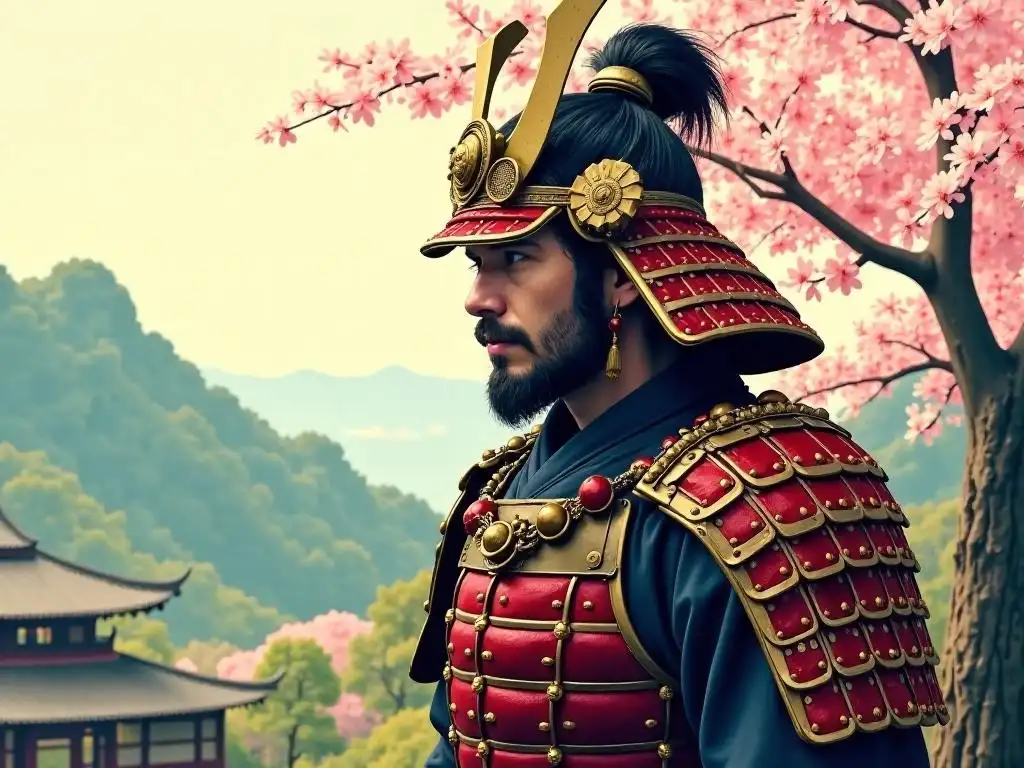
Welcome to Feudal Japan History, where we invite you to journey back to a time of honor, valor, and intricate traditions. In our featured article, "The Role of Armor in the Samurai Code: Bushido and Its Symbolism," we delve into the rich tapestry of samurai armor and its profound significance within the Bushido ethos. Discover how these ornate garments were not merely protective gear but powerful symbols of loyalty and discipline.
Join us as we unravel the layers of meaning behind these historical artifacts, sparking your curiosity to learn more about the warriors who once shaped a nation. Your adventure into the depths of feudal Japan starts here!
Introduction to Samurai Armor and Bushido
The intricate relationship between samurai armor and the Bushido code serves as a profound representation of Japan's feudal era, embodying the values and ideals of the samurai warrior class. Samurai armor was not merely protective gear; it was a symbol of honor, loyalty, and the martial spirit that defined the way of the warrior. As we delve into the world of samurai armor symbolism in Bushido, we uncover how both elements influenced the social fabric of feudal Japan, shaping the identity of samurai and their place in history.
Overview of Bushido: The Way of the Warrior
Bushido, often translated as "the way of the warrior," is a moral code that guided samurai behavior and ethics. Emerging during the Kamakura period (1185-1333), this code emphasized virtues such as loyalty, honor, courage, and self-discipline. The teachings of Bushido were deeply intertwined with the samurai's identity, influencing their actions both on and off the battlefield.
Key principles of Bushido include:
- Loyalty to one's lord: The samurai's unwavering devotion to their daimyo (feudal lord) was paramount.
- Honor: Maintaining personal and family honor was essential, often leading to the practice of seppuku (ritual suicide) if dishonored.
- Courage: Facing danger with bravery and resolve was celebrated, making the samurai an exemplar of valor.
Significance of Samurai Armor in Feudal Japan
Samurai armor was not only a functional item but also a representation of the samurai's status and adherence to Bushido. Each piece of armor was crafted with meticulous attention to detail, with designs that conveyed rank and individuality. The intricate patterns and vibrant colors of armor also served as a means of psychological warfare, intimidating opponents and instilling fear.
The symbolism of armor included:
- Protection and readiness: Armor signified the samurai's preparedness to defend their honor and lord.
- Cultural identity: Different styles and components of armor reflected regional characteristics and personal aesthetics.
- Spiritual significance: Many samurai believed that their armor contained spiritual power, enhancing their strength and resolve in battle.
Historical Context of Samurai Armor
Evolution of Samurai Armor Through the Ages
The design and construction of samurai armor evolved significantly over the centuries, adapting to changes in warfare, technology, and cultural influences. Early armor, such as the ō-yoroi, was heavy and designed for mounted combat. As warfare transitioned to foot soldiers in the Sengoku period (1467-1603), armor became lighter and more flexible, with the introduction of the dō-maru style, which allowed for greater mobility.
Key developments included:
- Kusazuri (skirt-like protection): Added to improve mobility while protecting the lower body.
- Kabuto (helmet): Evolved in design to offer better protection and aesthetic appeal.
- Menpo (face armor): Gained prominence for both functional and intimidating purposes.
Key Materials Used in Samurai Armor Construction
The construction of samurai armor utilized a variety of materials, each chosen for its specific properties and significance.
| Material | Description | Symbolic Meaning |
|---|---|---|
| Iron | Strong and durable, providing protection against weapons. | Strength and resilience. |
| Leather | Used for flexibility; often layered for added defense. | Adaptability and resourcefulness. |
| Silk | Employed in lacing and decorative elements. | Status, beauty, and cultural heritage. |
These materials were not only functional but also symbolized the values central to Bushido, reinforcing the samurai's commitment to their code and their role as protectors of their lord and society.
In exploring the symbolism of samurai armor in conjunction with Bushido, we gain insight into the broader narrative of feudal Japan's military history, revealing how these warriors navigated the complex interplay of honor, duty, and identity.
The Symbolism of Samurai Armor in Bushido
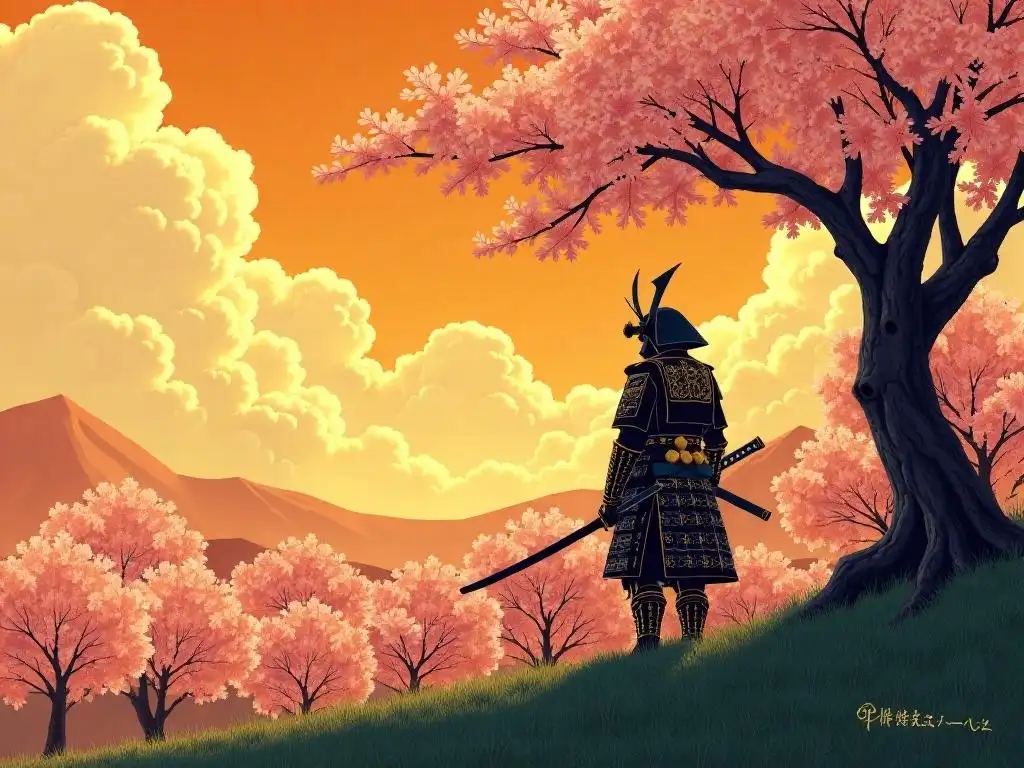
The armor worn by samurai, known as yoroi, is not merely a protective gear but a profound symbol of their identity, beliefs, and the Bushido code that governed their actions. Each piece of armor was crafted with specific meanings in mind, embodying the values of loyalty, honor, and discipline central to the samurai ethos. The intricate designs, materials used, and the way armor was adorned all contributed to a visual representation of a samurai's status and commitment to the principles of Bushido.
The aesthetic elements of armor also played a significant role in how samurai viewed themselves and were perceived by others. For samurai, their armor was a second skin, an extension of their spirit and warrior status, emphasizing their readiness to uphold their duties and protect their lords. This connection between armor and identity is a vital aspect of understanding the deeper meanings encapsulated within Bushido.
Understanding Samurai Armor as a Reflection of Identity
Samurai armor was often a reflection of the individual warrior's identity, lineage, and social standing. The design and craftsmanship of the armor indicated not only the samurai's rank but also their clan affiliation. For instance, specific colors and motifs were unique to certain clans, serving as a visual representation of loyalty and heritage.
Moreover, the armor's construction could also reflect the samurai's personal experiences and achievements. Warriors might adorn their armor with symbols that represented their victories or significant events in their lives, thus creating a narrative of their personal journey intertwined with their warrior identity. The armor became a testament to both individual valor and the collective history of their clan, making it a vital part of their identity in the context of Bushido.
Colors and Designs: The Symbolic Language of Armor
Colors and designs in samurai armor were imbued with rich symbolism and served as a form of communication among warriors. Each color had specific meanings; for example, red often represented bravery and strength, while black was associated with stealth and death. The choice of colors was not arbitrary; it conveyed messages about the warrior's character and intentions.
The intricate designs, including motifs such as dragons, tigers, and other auspicious symbols, were also significant. These designs were believed to confer protection and good fortune, enhancing the warrior’s status and prowess in battle. The craftsmanship behind the armor was a reflection of the samurai's commitment to excellence, as the intricate details indicated not just functionality but also artistry, embodying the samurai's reverence for beauty and harmony in life and warfare.
The Role of Armor in Representing Honor and Duty
In the samurai culture, armor stood as a potent symbol of honor and duty, encapsulating the principles of Bushido. Wearing armor signified the readiness to engage in battle and fulfill one's obligations to their lord and clan. The act of donning armor was a ritualistic preparation for the responsibilities that came with being a samurai, emphasizing the weight of their role as protectors.
Moreover, the way samurai treated their armor mirrored their approach to honor. Taking care of one’s armor was akin to nurturing one’s reputation; a well-maintained suit of armor reflected a warrior's dignity and respect for both themselves and their commitments. This relationship between armor and honor is fundamental in understanding the samurai's worldview, where personal integrity and loyalty were paramount.
The Practical Function of Samurai Armor
While the symbolism of samurai armor is paramount, its practical function cannot be overlooked. The design of armor was carefully engineered to provide protection while allowing for mobility, which was crucial in the dynamic nature of samurai combat.
Protection and Mobility: A Balancing Act
Samurai armor was designed to protect vital areas of the body, such as the chest, back, and limbs, while allowing for a range of movement necessary for combat. The use of layered materials, including leather, iron plates, and textile, provided a formidable defense against weapons while ensuring that the samurai could move swiftly and efficiently.
This balance between protection and mobility was essential for the samurai's effectiveness in battle. The ability to maneuver quickly could mean the difference between life and death, especially in the fast-paced skirmishes common in feudal Japan. As such, armor was not merely a static barrier; it played a dynamic role in the tactical approach of samurai warriors, allowing them to engage effectively while safeguarding their lives.
How Armor Influences Samurai Combat Strategy
Armor significantly influenced samurai combat strategies, dictating how battles were approached and fought. The weight and design of armor could affect a samurai's agility and speed, which in turn shaped their combat style. Heavily armored samurai might engage in direct confrontation, relying on the protection of their gear, while lightly armored warriors would likely adopt a more evasive and strategic approach.
Additionally, the presence of armor influenced the psychological aspect of warfare. The sight of a well-armored samurai could instill fear in opponents, boosting the morale of allies. Thus, armor not only served a practical function but also played a crucial role in the strategic and psychological dimensions of warfare during feudal Japan, reinforcing the samurai's status as formidable warriors within the context of Bushido.
The Connection Between Armor and Samurai Values
The role of armor in the samurai code of Bushido extends far beyond mere protection in battle; it is deeply intertwined with the values and principles that defined the samurai class. Armor served as a physical representation of the samurai's virtues, signaling their commitment to the ideals of bravery, honor, and loyalty. Each component of the armor—from the helmet to the chest plate—was crafted not only for functionality but also to reflect the samurai's identity and their dedication to the Bushido code.
The symbolism of armor can be traced back to the intricate designs and colors used by samurai. For instance, the choice of materials and embellishments often conveyed personal stories and familial heritage. This connection between armor and samurai values is further emphasized in the rituals and ceremonies associated with donning armor, where the act itself became a rite that reaffirmed a warrior's resolve to uphold the tenets of Bushido. Thus, armor is not just a tool of war; it embodies the spirit and ethics of the samurai, reinforcing their role as protectors of their lords and the land.
Courage and Loyalty: The Embodiment of Bushido in Armor
Courage and loyalty are two of the most significant virtues within the Bushido code, and these qualities are vividly personified in the design and use of samurai armor. The imposing nature of armor was intended to instill fear in enemies while simultaneously serving as a source of inspiration for the samurai themselves. The confidence that comes from wearing well-crafted armor allowed samurai to face their foes with valor, embodying the courage that Bushido advocates.
Loyalty, another cornerstone of the samurai ethos, was symbolically represented through the colors and insignias on armor. The colors often indicated allegiance to a particular clan or lord, with specific patterns and symbols denoting rank and honor. This visual communication of loyalty played a crucial role in maintaining the hierarchical structure of feudal Japan, reminding samurai of their duty to their lord and the sacrifices they were willing to make in service of that loyalty.
Armor as a Means of Communicating Status and Rank
In feudal Japan, armor was not only a protective garment but also a significant indicator of a samurai's status and rank within society. The craftsmanship, materials, and embellishments of armor were reflections of wealth and power, distinguishing elite samurai from their lower-ranking counterparts. For instance, higher-ranking samurai donned armor adorned with intricate designs and precious metals, while those of lesser status wore simpler, more functional gear.
The use of heraldry and clan symbols on armor further enhanced this communication of status. Each clan had unique symbols, which not only identified the warrior but also conveyed their lineage and heritage. This visual aspect of armor served as a constant reminder of the societal roles within the samurai class and the expectations placed upon them, reinforcing the importance of hierarchy and loyalty in the feudal system.
Case Studies: Famous Samurai and Their Armor
The Armor of Oda Nobunaga: A Symbol of Power
Oda Nobunaga, one of Japan’s most illustrious warlords, is renowned for his influential role in the unification of Japan during the late 16th century. His armor serves as an iconic representation of his relentless ambition and power. Nobunaga's armor was characterized by its elaborate design, often embellished with gold and intricate patterns, reflecting both his wealth and status.
The distinctive helmet, or kabuto, worn by Nobunaga featured a unique crest that symbolized his clan’s power. This armor was not merely for protection; it was a psychological tool that intimidated adversaries and inspired his troops. Nobunaga’s choice of armor encapsulated his unyielding spirit and his commitment to the Bushido code, marking him as a formidable leader who demanded respect and loyalty.
The Unique Armor of Miyamoto Musashi: Function Meets Philosophy
Miyamoto Musashi, the legendary swordsman and philosopher, is well-known for his unique approach to combat and strategy, which is reflected in his choice of armor. Musashi’s armor was distinctively practical, emphasizing functionality over ornate design. This choice symbolizes his philosophy of simplicity and effectiveness, key elements of his martial arts teachings.
Musashi's armor featured lightweight materials that allowed for agility and ease of movement, aligning with his belief in adapting to the flow of battle. This practical approach to armor serves as a powerful emblem of his understanding of Bushido, where the essence of a warrior lies not in ostentation but in skill and intellect. Musashi’s legacy is a testament to the idea that true strength is found in the harmony of form and function, making his armor a powerful representation of his life’s philosophy.
Modern Interpretations of Samurai Armor Symbolism
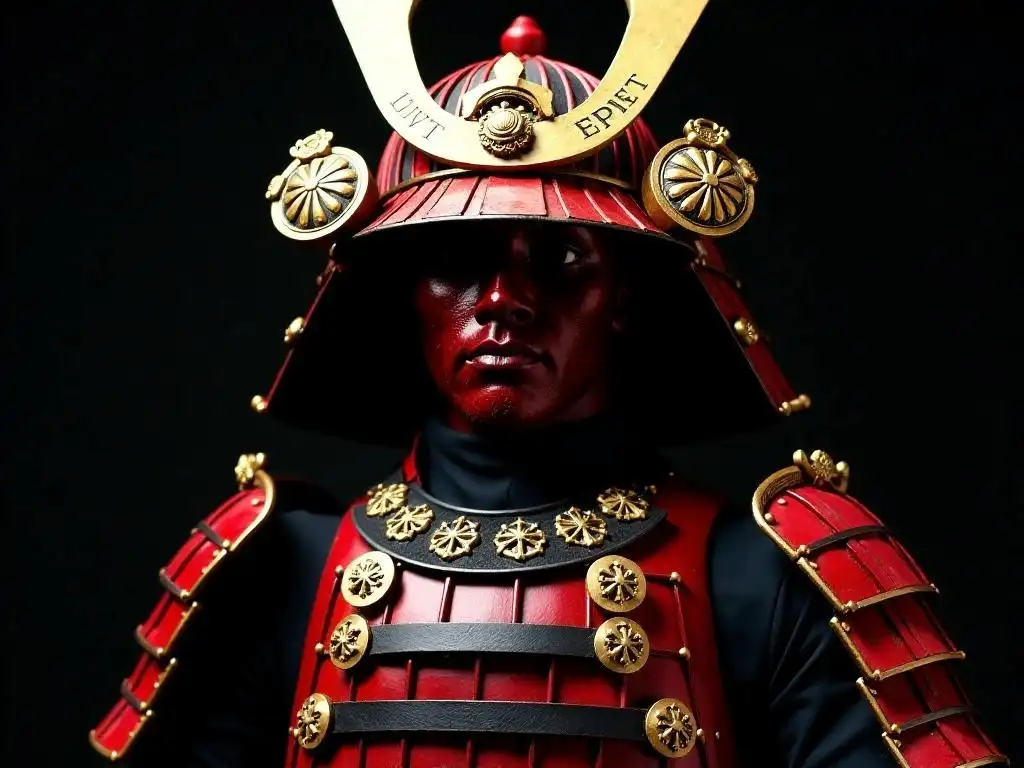
In contemporary society, the symbolism of samurai armor continues to resonate, influencing modern interpretations of honor, discipline, and martial prowess. Today's understanding of samurai armor often blends historical accuracy with artistic reinterpretation, showcasing the armor as a representation of the samurai's unwavering commitment to the Bushido code.
This code, which emphasizes virtues such as loyalty, courage, and righteousness, is reflected in the intricate designs and craftsmanship of the armor itself. Modern artisans and scholars frequently draw parallels between the samurai's commitment to their armor and the values they uphold in contemporary life, emphasizing the importance of integrity and personal honor in various professional and personal contexts.
Moreover, the aesthetic appeal of samurai armor has found a place in modern fashion and design, with designers incorporating elements of its distinctive style into clothing and accessories. This adaptation not only highlights the beauty of the armor but also serves as a reminder of the cultural heritage it represents.
The Influence of Samurai Armor on Contemporary Japanese Culture
Samurai armor has significantly influenced contemporary Japanese culture, manifesting in various forms, from traditional festivals to martial arts practices. Events like the "Kintsugi Festival" and "Samurai Festivals" celebrate the rich history of samurai, where participants often don replicas of traditional armor, embodying the spirit of the samurai while educating others about its historical significance.
Additionally, martial arts disciplines such as Kendo and Iaido continue to echo the principles enshrined in the samurai code, with practitioners often wearing protective gear that evokes the look and feel of traditional armor. The respect for armor as a symbol of discipline and training is evident in these practices, where the ideals of Bushido are not only taught but lived out through physical practice and mental focus.
Armor in Popular Media: Film, Literature, and Art
The symbolism of samurai armor has also permeated popular media, significantly impacting film, literature, and art. Iconic films such as Akira Kurosawa's "Seven Samurai" and "Kagemusha" showcase the armor's aesthetic and its representation of the samurai's code. These films not only depict the physicality of armor but also explore themes of honor, sacrifice, and the moral dilemmas faced by samurai, bringing the Bushido philosophy to life for modern audiences.
In literature, samurai armor is often referenced as a metaphor for the struggles and virtues of the samurai spirit. Authors like Yukio Mishima have drawn on the imagery of armor to symbolize the tension between beauty and brutality in the samurai's life. Similarly, contemporary artists frequently reinterpret samurai armor in their works, using it as a lens through which to explore themes of identity, tradition, and the passage of time, ensuring that the legacy of samurai armor remains alive in cultural discourse.
Conclusion: The Enduring Legacy of Samurai Armor and Bushido
The legacy of samurai armor and its connection to the Bushido code endures as a powerful symbol of Japan’s historical narrative. This intricate armor, once vital in warfare, now serves as a cultural artifact representing a unique blend of aesthetics and philosophy that continues to captivate people worldwide.
Reflection on the Cultural Significance of Armor in Japanese History
Reflecting on the cultural significance of armor reveals its role not only as a protective gear but also as a canvas for expressing social status, identity, and the samurai's adherence to Bushido. The detailed craftsmanship of armor pieces, often adorned with family crests and intricate designs, showcases the artistic talent of the era while reinforcing the warrior's role in society. This duality of function and symbolism underscores the importance of armor in Japanese history, as it encapsulates the values and beliefs that shaped the samurai class.
Final Thoughts on Samurai Armor Symbolism in Bushido
The symbolism of samurai armor within the framework of Bushido transcends its historical context, offering insights into the principles of honor, loyalty, and discipline that are as relevant today as they were centuries ago. The enduring fascination with samurai armor serves as a testament to its role in not only defining the samurai identity but also in inspiring contemporary values and practices. As we continue to explore this rich history, the armor remains a poignant symbol of the samurai spirit, reminding us of the profound connection between cultural heritage and personal integrity.
References
The study of samurai armor and its symbolism within the context of Bushido is enriched by various academic sources, historical texts, and modern interpretations. Below is a compilation of suggested readings and academic sources that provide deeper insights into the intricate relationship between samurai armor and the principles of Bushido.
Suggested Reading on Samurai Armor and Bushido
-
"Samurai Armor: The History of Samurai Armor and Its Significance" by Stephen Turnbull
This book delves into the evolution of samurai armor, exploring its design, materials, and the symbolic meanings behind various elements. Turnbull's work provides a comprehensive look at how armor was not just a protective gear but also a reflection of the samurai's identity and adherence to Bushido.
-
"Bushido: The Soul of Japan" by Inazo Nitobe
Inazo Nitobe's seminal work discusses the ethical code of the samurai, providing context for the cultural significance of armor. Nitobe connects the philosophy of Bushido with the physical representation of honor and duty found in samurai attire.
-
"The Samurai: A Military History" by David A. Hall
This book offers a broader perspective on the samurai's role in Japanese history, including discussions on military strategies and the significance of armor in combat. Hall emphasizes the cultural implications of samurai equipment as a reflection of their moral principles.
-
"Japanese Armor: The Samurai’s Battle Gear" by John M. Rosenfield
A detailed exploration of the craftsmanship behind samurai armor, this reading highlights how the artistry and design of armor were influenced by the samurai's values, including loyalty and bravery, central tenets of Bushido.
Academic Sources for Further Exploration of Feudal Japanese Military History
-
"The Book of Five Rings" by Miyamoto Musashi
While primarily a text on strategy and combat, Musashi’s insights into the samurai mindset indirectly reflect the importance of armor in embodying the virtues upheld by Bushido.
-
"Warriors of Japan: The Samurai and Their Armor" by William M. McNaughton
This academic text investigates the evolution of samurai combat gear and its significance in the context of Japanese warfare. It also addresses the symbolic aspects of armor in relation to Bushido.
-
"Feudal Japan: The History and Legacy of the Samurai" by Charles River Editors
This resource provides a comprehensive overview of the samurai era, focusing on the social, political, and military structures that defined feudal Japan. The text includes discussions on the role of armor as part of the samurai's identity.
-
"Armor of the Samurai: The History and Technology of Japanese Armor" by Matthew S. H. Baird
Baird’s work examines the technological advancements in samurai armor and how these developments align with the principles of Bushido, further illustrating the armor’s significance in both warfare and cultural identity.
These references serve as excellent starting points for anyone interested in understanding the complex symbolism of samurai armor within the framework of Bushido and its broader implications in feudal Japanese military history.
- Introduction to Samurai Armor and Bushido
- Overview of Bushido: The Way of the Warrior
- Significance of Samurai Armor in Feudal Japan
- Historical Context of Samurai Armor
- The Symbolism of Samurai Armor in Bushido
- The Practical Function of Samurai Armor
- The Connection Between Armor and Samurai Values
- Case Studies: Famous Samurai and Their Armor
- Modern Interpretations of Samurai Armor Symbolism
- Conclusion: The Enduring Legacy of Samurai Armor and Bushido
- References
Frequently Asked Questions
What is the significance of Samurai armor in Bushido?
The Samurai armor is not just protective gear; it symbolizes the values and principles of Bushido, reflecting the warrior's commitment to honor, loyalty, and bravery.
How does armor represent cultural identity in feudal Japan?
In feudal Japan, armor served as a cultural symbol that illustrated a Samurai's status, lineage, and even personal aesthetics, merging functionality with artistic expression.
What materials were traditionally used in Samurai armor?
Samurai armor was typically crafted from a combination of iron, leather, and silk, which provided both durability and flexibility while allowing for intricate designs that showcased the wearer's honor.
How did the design of Samurai armor evolve over time?
The design of Samurai armor evolved to reflect changes in battle tactics, with later versions being more streamlined for mobility while still maintaining the symbolic elements of Bushido.
In what ways does Samurai armor reflect the philosophy of Bushido?
Samurai armor embodies the philosophy of Bushido through its aesthetic design and functional purpose, representing ideals such as discipline, courage, and the readiness to sacrifice for one's lord.
Final Reflection: The Enduring Symbolism of Samurai Armor in Bushido
The intricate relationship between samurai armor and the Bushido code remains profoundly relevant today, as it encapsulates the ideals of honor, loyalty, and discipline. In a world often swayed by fleeting trends and superficial values, the symbolism of samurai armor serves as a powerful reminder of the virtues that can guide us through our own lives. The armor, once a physical protector in battle, now stands as a metaphor for the resilience and integrity we strive to embody in our daily actions.
The legacy of Bushido and its representation through samurai armor continues to shape our cultural and social landscape. The principles of this ancient code resonate in modern contexts, inspiring individuals to pursue a life of purpose and commitment. As we navigate the complexities of contemporary society, we can draw strength from the samurai’s unwavering dedication to their values. The true warrior is not the one who fights, but the one who is willing to stand for what is right.
This sentiment encapsulates the essence of Bushido, urging us to reflect on our own values and the armor we wear in our personal battles.
As you ponder the lessons of samurai armor and the Bushido code, consider how you can integrate these timeless principles into your life. Reflect on the virtues of honor, loyalty, and discipline, and ask yourself how they can guide your actions and decisions. Embrace the challenge to cultivate your own 'armor'—the values and beliefs that protect and empower you. In doing so, you not only honor the legacy of the samurai but also forge a path of integrity and strength in your own journey.
Embrace the Spirit of Bushido Today!
Thank you for taking the time to explore the profound significance of armor in the Samurai code of Bushido. By understanding this rich symbolism, you've unlocked a deeper appreciation for the values of **honor**, **courage**, and **loyalty** that have shaped Japan's history.
Now, it’s time to take action and integrate these timeless principles into your life:
- Reflect on Your Values: Spend a moment identifying a core value from Bushido that resonates with you—whether it's courage, respect, or integrity—and commit to embodying it in your daily actions.
- Share the Wisdom: Engage your friends or social media followers in a discussion about the themes of Bushido. Encourage your community to explore how these principles can remain relevant in today's world!
- Dive Deeper: Explore the fascinating history of samurai armor. Consider visiting a museum or conducting online research to discover more about the craftsmanship and symbolism behind these remarkable pieces.
What steps will you take today to honor the spirit of Bushido in your life?