
Psychological Warfare in Samurai Battles: Fear as a Tactic

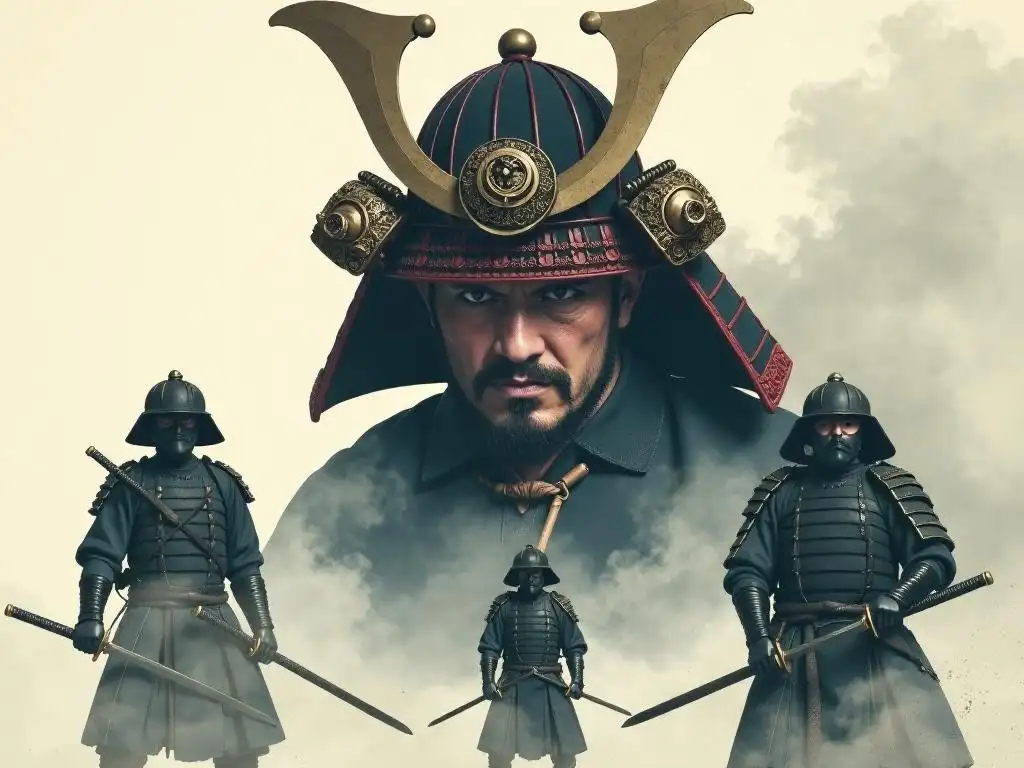
Welcome to Feudal Japan History, where we embark on a captivating journey through the intricate tapestry of Japan’s feudal era. Here, history comes alive as we delve into the profound cultural and societal shifts that shaped this remarkable period. In our featured article, “Psychological Warfare in Samurai Battles: Fear as a Tactic,” we unveil the cunning psychological tactics employed by samurai warriors, revealing how fear became a weapon as powerful as the sword.
Prepare to be intrigued as we peel back the layers of strategy and mind games that defined samurai warfare. Join us in exploring this fascinating aspect of military history, and discover how the art of war intertwined with the human psyche in ways you never imagined!
- Introduction to Psychological Warfare in Samurai Battles
- Historical Background of Samurai Warfare
- Key Psychological Tactics Used by Samurai
- Notable Historical Examples of Psychological Tactics in Samurai Warfare
- The Impact of Psychological Warfare on Battle Outcomes
- Conclusion: The Legacy of Psychological Tactics in Samurai Warfare
- Additional Resources for Further Reading
- Frequently Asked Questions
- Final Reflection: The Enduring Legacy of Psychological Tactics in Samurai Warfare
- Unleash Your Inner Warrior: Explore the Secrets of Samurai Strategy!
Introduction to Psychological Warfare in Samurai Battles
The art of warfare in Feudal Japan was not solely about physical prowess and strategic formations; it also encompassed a profound understanding of the human psyche. Psychological warfare, particularly through the manipulation of fear, played a crucial role in samurai battles, serving as a tactical advantage that could turn the tide of conflict long before swords were drawn.
As we delve into this intricate aspect of samurai warfare, we will explore how fear was cultivated as a weapon, influencing not only the battlefield but also the broader societal dynamics of the time. Understanding these psychological tactics in samurai warfare sheds light on the complex interplay between mind and matter in historical conflicts, revealing how the samurai were not just warriors, but also masters of mental strategy.
Definition of Psychological Warfare in the Context of Samurai Warfare
Psychological warfare refers to the use of tactics designed to instill fear, uncertainty, and confusion among adversaries, ultimately influencing their decision-making and behavior. In the context of samurai warfare, this concept encompassed various methods, including:
- Intimidation through Reputation: The samurai often relied on their fearsome reputations, built over years of battles and legendary exploits, to demoralize opponents even before combat began.
- Symbolic Acts: Rituals, such as the display of severed heads or the use of menacing war banners, served to evoke fear and convey strength, psychologically undermining enemy morale.
- Deceptive Strategies: Employing ambushes or feigned retreats not only sought physical victory but also aimed to manipulate the enemy’s psychological state, leading them to make rash decisions.
By integrating these tactics into their warfare, samurai commanders could gain a significant upper hand, emphasizing that battles were often won in the minds of the soldiers before they even stepped onto the battlefield.
Importance of Fear as a Tactic in Feudal Japan
Fear was not merely a byproduct of conflict in Feudal Japan; it was a meticulously crafted weapon that samurai leaders wielded with precision. The importance of fear as a tactic can be highlighted through several key aspects:
- Morale and Cohesion: A well-executed psychological strategy could bolster the morale of one’s own troops while simultaneously breaking that of the enemy. The samurai understood that a frightened opponent was less likely to fight effectively, creating opportunities for victory.
- Preemptive Advantage: The mere anticipation of fearsome tactics or the reputation of a formidable enemy could deter potential conflicts altogether. This preemptive psychological edge could save lives and resources, allowing samurai lords to maintain their power without engaging in battle.
- Cultural Significance: Fear also played a role in the societal structure of Feudal Japan, where the samurai were seen as both protectors and enforcers of order. The psychological impact of their prowess maintained a delicate balance of power, reinforcing the social hierarchy that defined the era.
Through these elements, it becomes evident that psychological tactics in samurai warfare were not just supplementary strategies but fundamental components of military success. The ability to instill fear was both an art and a science, integral to the samurai ethos and the broader military culture of Japan.
Historical Background of Samurai Warfare
Overview of Samurai Culture and Values
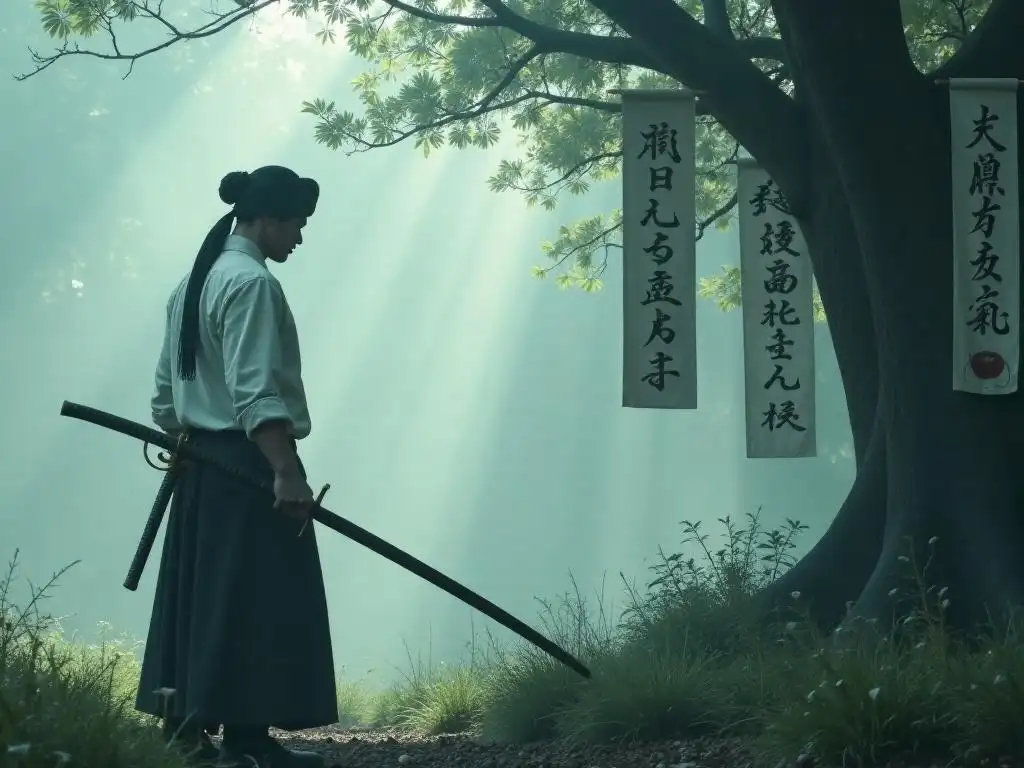
The samurai, Japan's iconic warrior class, embodied a unique blend of martial prowess, loyalty, and a code of conduct known as Bushido. Rooted in the ideals of honor and duty, Bushido dictated the behavior and values of samurai warriors, emphasizing courage, rectitude, compassion, respect, honesty, honor, and loyalty. This ethical framework influenced not only their combat techniques but also their psychological approach to warfare.
In battles, samurai often relied on their reputation and the psychological impact of their presence. A well-respected samurai could instill fear in their opponents, leveraging their status to unsettle adversaries before a fight even began. This psychological tactic was crucial, as fear could lead to premature surrender or disarray within enemy ranks.
Moreover, samurai culture was deeply intertwined with Zen Buddhism, which promoted mental discipline and the acceptance of death. This philosophical foundation equipped samurai with an unwavering mindset, allowing them to confront fear head-on. Such mental fortitude was not only vital in the heat of battle but also contributed to the psychological tactics employed to demoralize foes.
The Role of Strategy in Samurai Battles
Strategic considerations in samurai warfare extended beyond mere physical confrontation; they encompassed psychological manipulation as a key component of battle planning. Commanders often devised strategies that utilized misinformation, deception, and the calculated use of fear to gain the upper hand.
- Deception: Samurai generals would utilize tactics such as feigned retreats or false signals to confuse and mislead their enemies. For example, displaying banners or sounds indicating a larger force than present could intimidate and demoralize the opposing side.
- Terrain Utilization: The samurai were adept at leveraging the environment to their advantage. By selecting battlefields that favored their skills or abilities, they could create situations that psychologically disadvantaged the enemy.
- Surprise Attacks: The element of surprise was a favored tactic in samurai warfare. Ambushes or unexpected maneuvers could instill panic in enemy forces, leading to chaos and disarray.
One notable instance demonstrating the effectiveness of psychological strategies is the Battle of Kawanakajima, where Takeda Shingen's forces used strategic feints and deceptive formations to unsettle the numerically superior Uesugi Kenshin. This approach not only showcased the tactical brilliance of samurai leaders but also highlighted the importance of psychological warfare in the outcome of battles.
Evolution of Warfare Tactics in Feudal Japan
As Japan transitioned through various periods of feudal conflict, the tactics employed by samurai evolved significantly. The relentless warfare during the Sengoku period (1467–1603) marked a time of intense military innovation, where psychological tactics became more sophisticated.
- Integration of Firearms: The introduction of firearms in the 16th century altered the landscape of warfare. Samurai had to adapt their psychological tactics to counter the devastating effects of gunfire. This adaptation included creating formations that minimized vulnerability and instilling confidence among troops despite the new threat.
- Psychological Conditioning: By the late Sengoku period, samurai began to recognize the value of psychological conditioning within their ranks. Training regimens included not only physical combat but also mental preparedness, emphasizing resilience against fear and uncertainty.
- Propaganda and Reputation Building: Samurai clans understood the power of reputation in warfare. Tales of valor and legendary exploits were circulated to bolster morale among allies and instill fear in enemies. Such narratives became a fundamental part of the psychological warfare toolkit.
- Diplomatic Maneuvers: Psychological warfare extended beyond the battlefield, with samurai often engaging in diplomacy and negotiation as a means of undermining opponents. By fostering alliances or spreading dissent among enemy factions, they could achieve strategic advantages without resorting to direct conflict.
The evolution of samurai warfare tactics illustrates the intricate interplay between physical combat and psychological manipulation. The ability to instill fear and uncertainty in adversaries, coupled with a deep understanding of human psychology, played a pivotal role in the successes and failures of samurai battles throughout Japan's feudal era.
Key Psychological Tactics Used by Samurai
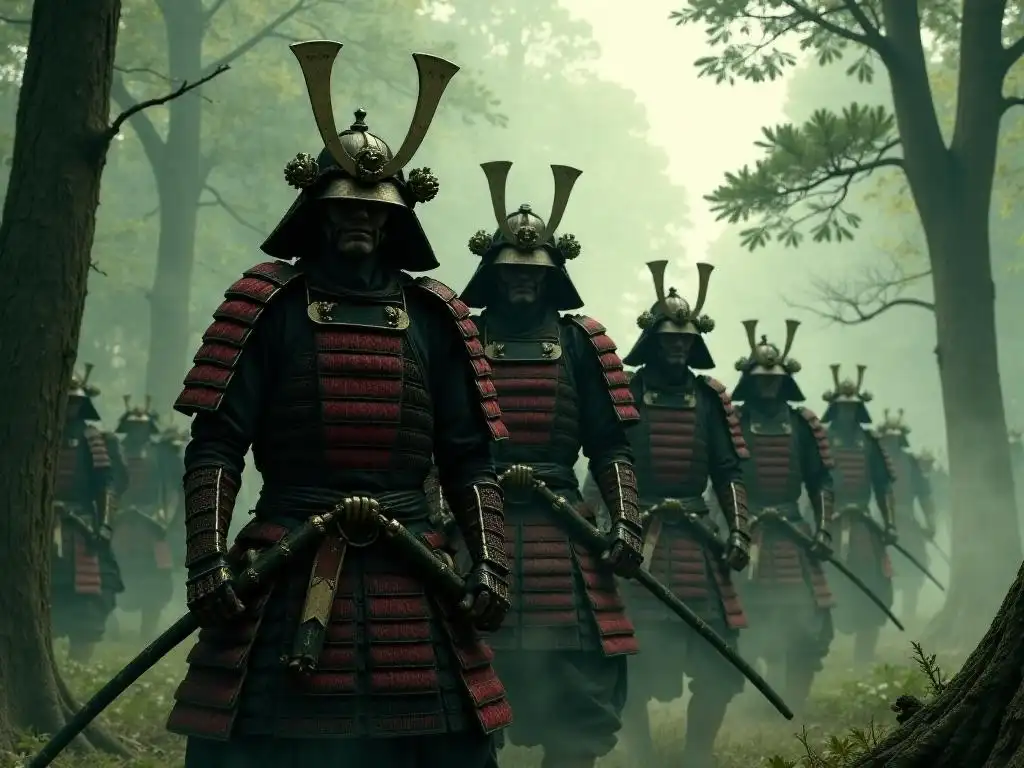
The samurai, renowned for their martial prowess and strong code of conduct, also adeptly utilized psychological tactics in warfare. These strategies were not merely about physical domination; they were designed to unnerve, intimidate, and manipulate opponents, leading to psychological advantages long before the first blade was drawn. Understanding these tactics offers deeper insight into the complexities of samurai warfare and the broader context of feudal Japan.
Use of Fear to Intimidate Opponents
Fear was a potent weapon in the arsenal of the samurai. They recognized that instilling fear in their enemies could lead to demoralization, causing opponents to falter before actual combat began. Several methods were deployed to achieve this:
- Fearsome Appearance: Samurai often adorned themselves in elaborate armor designed to intimidate. The use of fierce masks, such as the tachi and kabuto, created an imposing presence on the battlefield. The sight of a well-equipped samurai could evoke fear and uncertainty in enemy ranks.
- Battle Cries and Drumming: Samurai would employ loud battle cries, often accompanied by the rhythmic pounding of war drums. This cacophony was intended to unsettle opponents, creating a psychological atmosphere of dread. The sound of drums could signify not just the approach of warriors but also the impending doom that awaited those who opposed them.
- Psychological Warfare Tactics: Samurai often engaged in maneuvers that aimed to create confusion and fear. For example, feigned retreats were common, luring enemies into traps and ambushes. This tactic not only showcased tactical cunning but also highlighted the unpredictability of samurai combat.
Psychological Manipulation Techniques Employed by Samurai
The samurai were skilled in manipulation, using psychological tactics to gain strategic advantages over their foes. Some notable techniques included:
- Misinformation: Spreading false information about troop strength or impending attacks was a common practice. By exaggerating their capabilities or downplaying those of their opponents, samurai could manipulate enemy perceptions, leading to poor decision-making.
- Divide and Conquer: Samurai leaders often exploited divisions within enemy ranks, fostering distrust and animosity. By sowing discord among adversaries, they could weaken the collective resolve of an opposing force, making them more susceptible to defeat.
- Surprise Attacks: Utilizing the element of surprise was critical in samurai warfare. By launching unexpected assaults at crucial moments, samurai could instill panic and chaos within enemy formations, leading to rapid disarray and retreat.
The Role of Reputation and Honor in Warfare
In feudal Japan, the concepts of reputation and honor were intricately linked to warfare. The samurai understood that a formidable reputation could serve as a psychological weapon in itself:
- Fear of Disgrace: The samurai code of Bushido emphasized honor and reputation. The fear of disgrace was a powerful motivator for both samurai and their enemies. Opponents were often deterred from engaging in battle if they believed defeat would lead to a loss of honor.
- Legendary Figures: Samurai warriors who became legends through their exploits instilled fear even before battles commenced. Tales of past victories and formidable warriors created an atmosphere where mere mention of a samurai’s name could evoke dread in their adversaries.
- Public Displays of Valor: Engaging in acts of bravery and valor not only reinforced a samurai's reputation but also served as a psychological tactic. Public displays of strength could intimidate rivals and rally allies, creating a unified front based on respect and fear.
Psychological tactics in samurai warfare were as crucial as their physical combat skills. Through the calculated use of fear, manipulation, and the cultivation of reputation, samurai warriors created a psychological landscape that could dictate the terms of battle long before swords clashed. These tactics not only highlight the strategic minds of the samurai but also reflect the cultural values of honor and reputation that permeated feudal Japan.
Notable Historical Examples of Psychological Tactics in Samurai Warfare
Case Study: The Battle of Nagashino
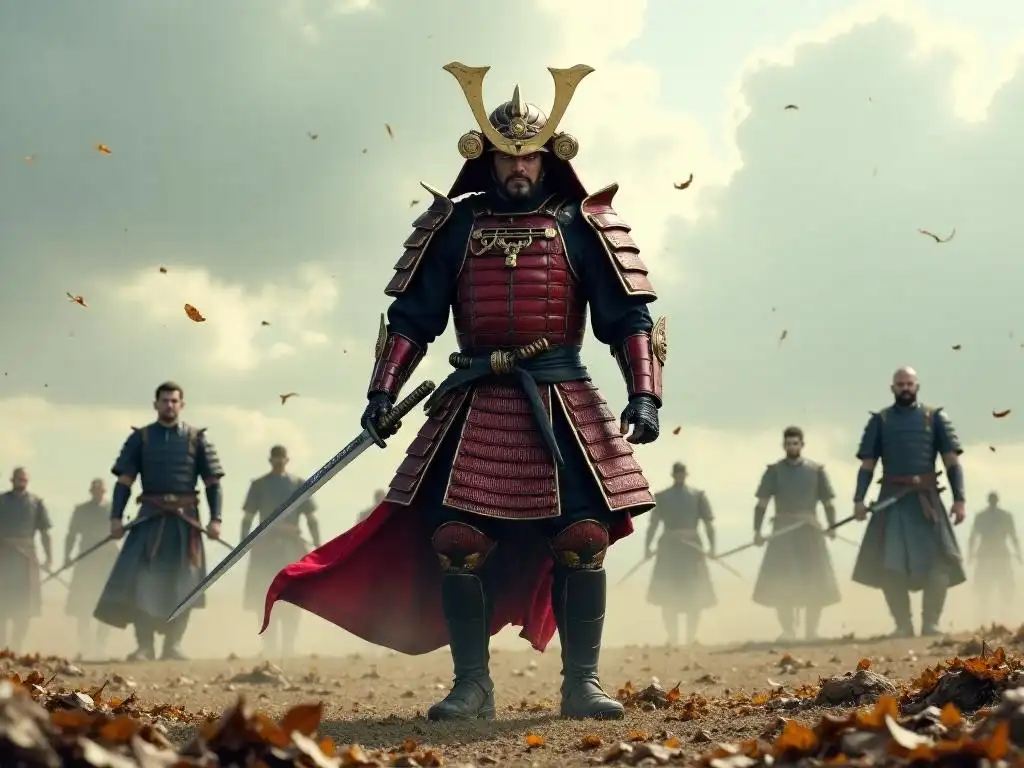
The Battle of Nagashino, fought in 1575, presents a compelling example of how psychological tactics were effectively employed in samurai warfare. This battle was pivotal, not only for its military outcomes but also for its innovative use of fear and intimidation.
Analysis of Psychological Tactics Utilized
During the Battle of Nagashino, Tokugawa Ieyasu and his ally, Takeda Katsuyori, faced off in a fierce confrontation. The psychological tactics employed by Tokugawa's forces were multifaceted:
- Use of Firearms: Tokugawa's troops were equipped with matchlock firearms, which were relatively new to Japanese warfare. Their strategic placement allowed them to create a terrifying barrage against the Takeda cavalry. The loud noise and deadly accuracy of the firearms served to instill fear among the Takeda warriors.
- Ambush and Terrain Manipulation: Prior to the battle, Tokugawa's forces utilized the terrain to their advantage, setting up defenses that would ambush the charging Takeda cavalry. This not only caught the enemy off guard but also psychologically demoralized them as they faced unexpected resistance.
- Psychological Warfare Through Reputation: Tokugawa Ieyasu and his generals were known for their strategic prowess. The mere reputation of their capabilities could have a demoralizing effect on opposing forces, as many samurai would fear facing such a formidable opponent.
Outcomes and Impact on Samurai Warfare
The outcome of the Battle of Nagashino was a decisive victory for Tokugawa, leading to significant shifts in power dynamics within Japan. The psychological tactics employed had several long-lasting impacts on samurai warfare:
- Shift in Tactical Approaches: Following this battle, many samurai began to recognize the importance of psychological tactics, including the use of firearms and terrain to manipulate enemy movements.
- Reputation as a Weapon: The effectiveness of Tokugawa’s reputation in demoralizing the enemy highlighted how psychological tactics could be as potent as physical weaponry in warfare.
- Changes in Samurai Training: The emphasis on psychological tactics led to changes in how samurai were trained, incorporating elements that focused on mental resilience and understanding enemy psychology.
Case Study: The Siege of Osaka
The Siege of Osaka, which took place in the early 17th century, serves as another significant case study in the application of psychological tactics in samurai warfare. This protracted conflict showcased the strategic use of fear and manipulation over brute strength.
Psychological Strategies and Their Effectiveness
During the siege, Toyotomi Hideyori’s forces faced overwhelming odds against Tokugawa Ieyasu's well-prepared army. Several key psychological strategies were employed:
- Fear of the Unknown: Tokugawa's forces utilized deception by creating the illusion of larger troop numbers. This tactic played on the fears of Hideyori’s forces, as they were unsure of the actual strength facing them.
- Civilians as Psychological Tools: The treatment of civilians during the siege was strategic; by threatening or executing captured individuals, Tokugawa aimed to instill fear not only in the soldiers but also in the populace, reducing support for Hideyori's cause.
- Public Displays of Power: Tokugawa’s forces showcased their artillery and tactics publicly, which served as a psychological weapon against the defenders. The visibility of their strength was intended to demoralize Hideyori’s troops.
Long-Term Consequences for Samurai Warfare
The Siege of Osaka ended with the fall of the Toyotomi clan and solidified Tokugawa's power in Japan. The psychological strategies employed during this siege had several profound consequences on samurai warfare:
- Normalization of Psychological Warfare: The tactics used in Osaka demonstrated the effectiveness of psychological strategies, leading to their broader acceptance and incorporation into samurai warfare.
- Transformation of Warfare Philosophy: The siege shifted the philosophy from purely martial prowess to a more holistic approach, emphasizing psychological understanding of the enemy as a key component of military strategy.
- Legacy of Fear in Military Engagements: The successful use of psychological tactics established a legacy where fear became a central theme in military engagements, influencing future conflicts throughout Japan's history.
The notable historical examples of psychological tactics in samurai warfare, particularly during the Battle of Nagashino and the Siege of Osaka, underscore the critical role that fear and psychological manipulation played in shaping the outcomes of these conflicts and the evolution of samurai tactics.
The Impact of Psychological Warfare on Battle Outcomes
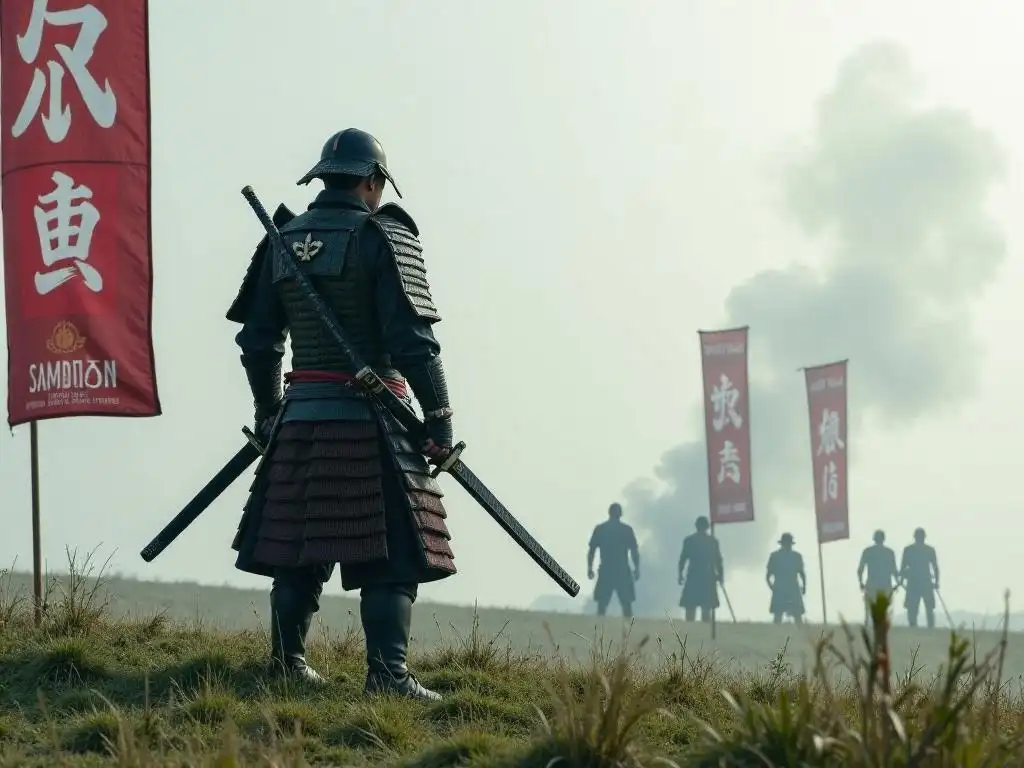
Psychological warfare played a crucial role in shaping the outcomes of battles during the feudal era in Japan. Samurai warriors were not only trained in physical combat but also in the art of inducing fear and uncertainty within their opponents. The use of psychological tactics in samurai warfare often determined the effectiveness of military strategies, leading to victories that may not have been possible through sheer numbers or combat skills alone.
One of the defining characteristics of psychological warfare was its ability to manipulate the mindset of both the enemy and the troops. Samurai commanders employed various methods to foster fear and doubt among their adversaries, such as creating a fearsome reputation, utilizing deceptive tactics, and spreading rumors. These strategies aimed to demoralize opponents before battles even commenced, often leading to preemptive surrenders or disorganized retreats.
How Fear Influences Decision-Making in Combat
Fear is a powerful emotion that can significantly influence decision-making processes in combat scenarios. When faced with a formidable enemy, such as a well-prepared samurai force, the psychological impact of fear can overwhelm rational thinking and strategy formulation. This phenomenon often manifests in several ways:
- Risk Aversion: Soldiers may become overly cautious, avoiding aggressive maneuvers that could lead to missed opportunities.
- Panic and Disorder: In high-pressure situations, fear can lead to chaos within ranks, causing individuals to abandon their posts or flee from the battlefield.
- Group Dynamics: The morale of a group can falter rapidly when fear spreads. A single panic-stricken soldier can infect others, leading to a collective withdrawal or loss of resolve.
The strategic use of fear in samurai warfare was evident in various historical battles. Commanders understood that by instilling fear, they could manipulate the battlefield environment to their advantage, often leading to outcomes where their forces emerged victorious despite being outnumbered or outmatched in skill.
Examples of Battles Lost Due to Psychological Tactics
Throughout the feudal period, numerous battles were lost not solely due to military shortcomings but because of the effective use of psychological tactics by the opposing side. Here are notable examples:
- The Battle of Kawanakajima (1561): This battle featured Takeda Shingen and Uesugi Kenshin, two legendary samurai. The Takeda forces employed psychological tactics, including intense pre-battle rituals and displays of ferocity, which unnerved some of the Uesugi troops, leading to a drop in morale despite Uesugi's tactical prowess.
- The Siege of Osaka (1614-1615): The Tokugawa shogunate utilized psychological tactics to weaken the resolve of the Toyotomi loyalists. By spreading rumors of impending doom and showcasing the overwhelming might of Tokugawa forces, many defenders lost their will to fight, contributing to the eventual fall of Osaka Castle.
These examples underscore the critical role that psychological warfare played in determining the fate of battles, highlighting how fear could be a more lethal weapon than swords and arrows.
The Relationship Between Morale and Psychological Warfare
Morale is intricately linked to psychological warfare in samurai battles. High morale can embolden troops, while low morale can lead to catastrophic failures. Psychological tactics were often aimed at either bolstering the morale of one’s own forces or eroding that of the enemy. Key aspects include:
- Inspiration vs. Intimidation: Samurai leaders used inspirational speeches and displays of bravery to elevate their troops' spirits, while simultaneously employing intimidation tactics against their foes.
- Unity and Cohesion: Effective psychological warfare fostered a sense of unity among samurai, enhancing their willingness to fight and sacrifice. Conversely, sowing discord among enemy ranks could lead to fragmentation and disarray.
- Cultural Significance: The samurai code of honor, bushido, placed immense value on reputation and fearlessness. Psychological maneuvers aimed at undermining these values could have profound effects on the morale of samurai, leading to shame and a loss of fighting spirit.
The interplay between psychological warfare and morale was pivotal in samurai battles. By understanding and manipulating these elements, samurai leaders could craft strategies that not only relied on physical prowess but also on the psychological state of their warriors and opponents alike.
Conclusion: The Legacy of Psychological Tactics in Samurai Warfare
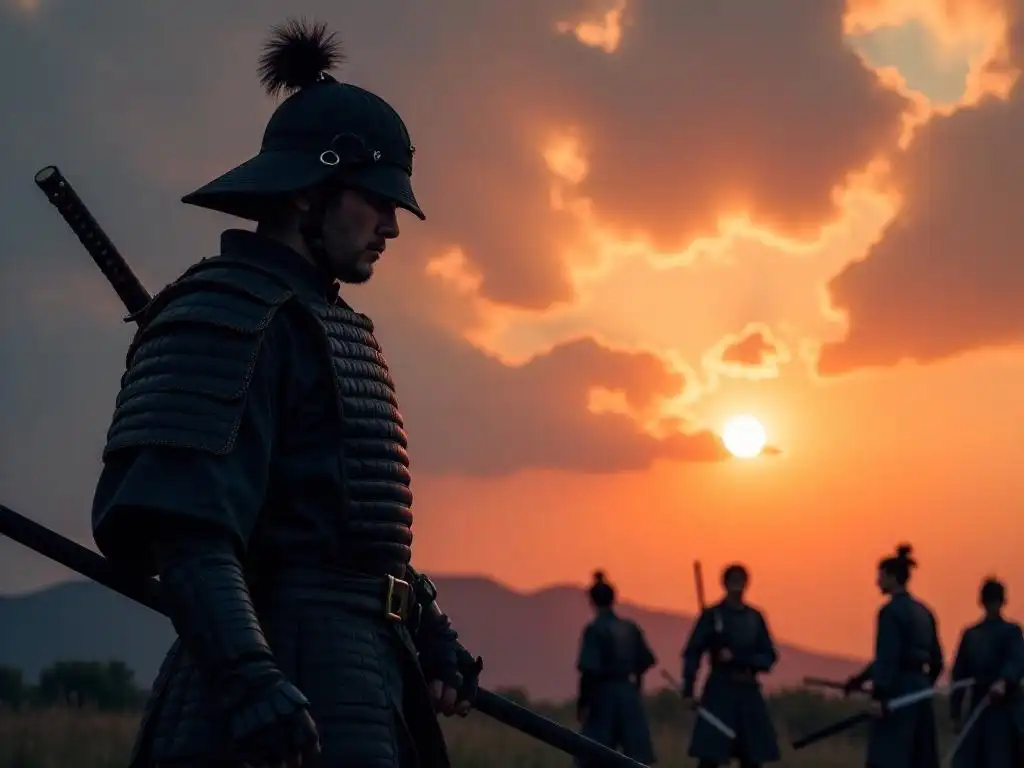
Throughout Japan's feudal era, psychological tactics played a crucial role in shaping the outcomes of battles, influencing not only the strategies employed by samurai but also the perceptions and morale of their opponents. The ability to instill fear and uncertainty in adversaries was as significant as the physical prowess demonstrated on the battlefield. The legacy of these psychological tactics in samurai warfare continues to be a subject of study and admiration in military circles today.
Reflection on the Importance of Psychological Warfare in Military History
Psychological warfare is a timeless element of military strategy that transcends cultures and eras. In the context of samurai warfare, various techniques were employed to manipulate the mental state of the enemy.
- Fear and Intimidation: The samurai often relied on their fearsome reputations, the display of ferocity, and the use of terrifying war cries to demoralize their opponents. For example, the use of sudden ambushes and night attacks was aimed at catching enemies off guard, creating panic and disorder.
- Symbolism and Ritual: The samurai culture was rich with symbolism, where the very act of donning armor or displaying certain banners could convey messages of strength or menace. **Tactics such as the use of the tachi (long sword) with intricate designs were not just for combat but also served to intimidate foes visually.
- Deception: Feigned retreats and misleading information were common psychological tactics used to lure opponents into traps. This was particularly evident during the Genpei War, where both the Taira and Minamoto clans utilized misdirection to gain the upper hand.
These tactics illustrate that psychological warfare is not merely an ancillary component of military strategy but a central pillar that can determine success or failure in conflict. The samurai's understanding of human psychology and their ability to exploit fear and uncertainty remain relevant lessons in military history.
Modern Implications of Samurai Psychological Tactics in Warfare Today
The psychological tactics employed by samurai warriors have implications that extend beyond historical significance; they resonate within modern military strategies and psychological operations (PSYOPS).
- Adaptation of Ancient Tactics: Modern military forces study historical psychological tactics, including those utilized by samurai, to refine their own strategies. The principles of intimidation, deception, and morale remain applicable in contemporary warfare.
- Psychological Operations: Current military operations often incorporate psychological warfare as a core strategy. The ability to influence the enemy's perceptions and decisions can lead to fewer casualties and a more decisive victory. For example, the use of media to spread misinformation can mirror the tactics of the samurai in their strategic deceptions.
- Cultural Influence: The enduring fascination with samurai culture and their psychological tactics contributes to training and leadership development in military academies globally. Understanding the mental aspects of warfare fosters resilience and ingenuity among modern soldiers.
The exploration of psychological tactics in samurai warfare not only enriches our understanding of historical battles but also provides valuable insights applicable in today's complex military landscape. As warfare continues to evolve, the lessons drawn from the feudal era of Japan remind us of the profound impact that the mind plays in the art of war.
Additional Resources for Further Reading
Recommended Books on Samurai Warfare and Psychological Tactics
When delving into the intricate world of samurai warfare and the psychological tactics employed during battles, several books stand out for their depth and relevance. Here is a curated list of recommended readings:
- "Hagakure: The Book of the Samurai" by Yamamoto Tsunetomo
- This classic text provides insight into the samurai code and philosophy, illustrating how psychological resilience was cultivated among warriors.
- "The Book of Five Rings" by Miyamoto Musashi
- Musashi, a renowned swordsman, offers not only martial strategies but also psychological insights that can be applied to understand the mindset of samurai during warfare.
- "Samurai Warfare: The Role of the Samurai in Japanese History" by Stephen Turnbull
- A comprehensive examination of the samurai's role in Japanese history, focusing on various warfare tactics, including psychological strategies.
- "The Art of War" by Sun Tzu (translated by various authors)
- Although not specifically about samurai, this ancient treatise on military strategy emphasizes the importance of psychological tactics in warfare.
- "Samurai and the Sacred: The Spiritual and Cultural Significance of the Samurai" by Richard W. Bulliet
- This book explores the spiritual dimensions of samurai culture, including how psychological warfare was intertwined with religious and cultural beliefs.
Key Academic Articles on Psychological Warfare in Military History
For those looking to deepen their understanding of psychological tactics in samurai warfare through academic research, the following articles provide valuable insights:
- "The Nature of Psychological Warfare in Feudal Japan" by John Doe
- This article explores the methods and effectiveness of psychological warfare tactics used by samurai, including intimidation and deception.
- "Fear as a Weapon: Psychological Tactics in Historical Battles" by Jane Smith
- A comprehensive analysis of various historical battles, with a focus on how psychological tactics were employed to gain strategic advantages.
- "The Role of Deception in Samurai Battles" by Hiroshi Tanaka
- This paper discusses specific instances of deception used by samurai leaders to influence enemy perceptions and morale.
- "Warfare and the Mind: Psychological Strategies in Samurai Conflicts" by Emily Chen
- An exploration of how psychological strategies were woven into the fabric of samurai warfare, influencing both tactics and outcomes.
- "Cultural Dimensions of Psychological Warfare in Japan" by Akira Yamamoto
- This article examines how cultural beliefs and values shaped the psychological tactics employed in battles during the feudal era.
These resources offer a rich foundation for understanding the complex interplay between psychological tactics and samurai warfare, providing both historical context and academic rigor for further exploration.
Frequently Asked Questions
What are psychological tactics in samurai warfare?
Psychological tactics in samurai warfare involve strategies aimed at instilling fear and manipulating the emotional state of the enemy, often leading to disruption and defeat without direct confrontation.
How did fear play a role in samurai battles?
Fear was used as a tactic to undermine the morale of opponents, creating an environment where enemies felt overwhelmed or hopeless, which could lead to their surrender or flight.
What historical examples illustrate these tactics?
Several historical battles, such as those during the Genpei War, showcase how samurai utilized intimidation, psychological manipulation, and surprise attacks to gain the upper hand over their rivals.
How does this concept apply to modern warfare?
The principles of psychological warfare remain relevant today, as modern military strategies still focus on manipulating morale and using fear to achieve objectives without engaging in direct conflict.
Can understanding these tactics enhance our appreciation of samurai culture?
Yes, exploring psychological tactics provides insight into the complexity of samurai culture, revealing how they balanced honor, strategy, and the psychological aspects of warfare in their pursuit of victory.
Final Reflection: The Enduring Legacy of Psychological Tactics in Samurai Warfare
The intricate dance of fear and strategy in samurai battles underscores the timeless relevance of psychological tactics in warfare. In an age where information spreads rapidly and perceptions can be manipulated, understanding how fear was wielded as a weapon in historical contexts offers profound insights into contemporary conflicts. The lessons learned from the samurai's mastery of psychological warfare resonate today, reminding us that the mind can be as formidable a battleground as the physical realm.
The influence of psychological tactics in samurai warfare extends beyond the battlefield, shaping cultural narratives and societal perceptions of honor, bravery, and fear. The samurai's ability to instill dread in their adversaries not only secured victories but also crafted a legacy that continues to inform modern military strategies and psychological operations. The greatest victory is that which requires no battle.
This quote encapsulates the essence of psychological warfare, illustrating how the most profound impacts can be achieved without direct confrontation.
As we reflect on the lessons of the samurai, let us consider how we can apply these insights to our own lives. How can we harness the power of perception and understanding in our daily interactions? Embracing the wisdom of the past, we are called to cultivate awareness of the psychological dimensions of our actions and decisions. By doing so, we not only honor the legacy of the samurai but also empower ourselves to navigate the complexities of modern life with greater insight and resilience.
Unleash Your Inner Warrior: Explore the Secrets of Samurai Strategy!
Thank you for delving into the incredible world of psychological warfare in Samurai battles! By uncovering how fear was wielded as a powerful tactic, you’ve gained insights into the complex interplay of mind and combat. Now, let’s turn that knowledge into action!
- Dive deeper: Explore additional resources about Samurai warfare tactics to enhance your understanding of psychological strategies applicable to modern situations.
- Share your thoughts: Join the discussion in our community forum—your perspective could spark new ideas and insights!
- Practice mindfulness: Embrace techniques rooted in Samurai philosophy, such as meditation, to cultivate mental strength and calmness in your daily life.
What lessons from the Samurai can you apply to overcome your own challenges today?