
The Rise of the Samurai Navy: Naval Warfare in Feudal Japan

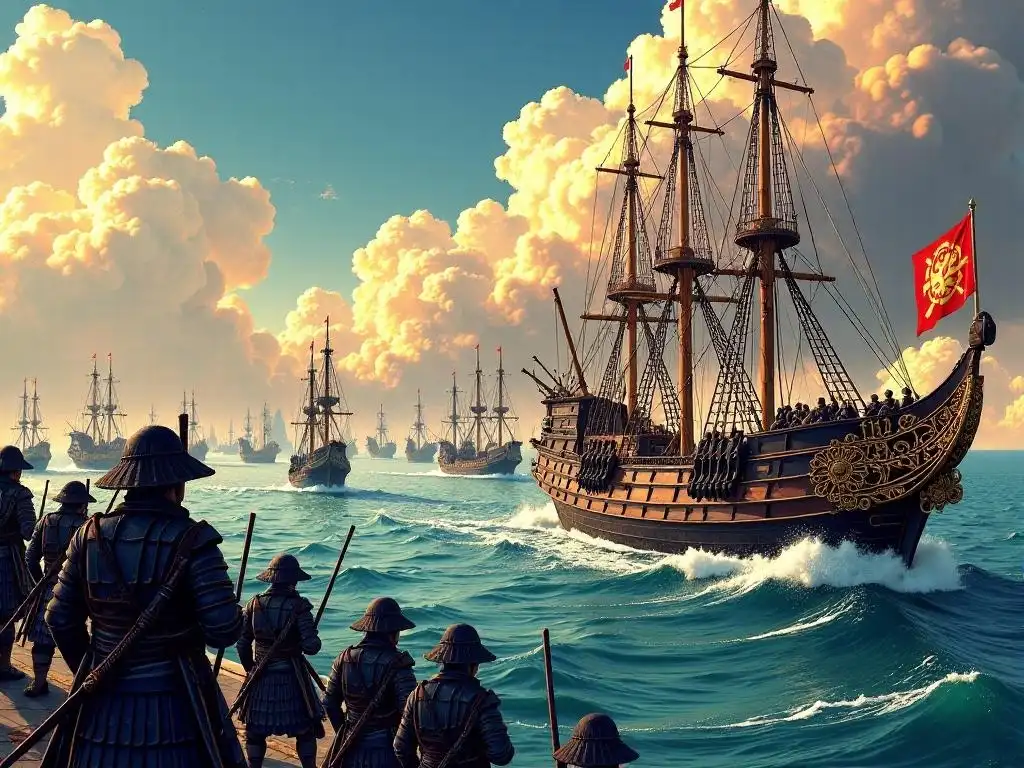
Welcome to Feudal Japan History! Dive into the captivating world of Samurai naval warfare history, where the tides of battle shaped the very essence of Japan’s feudal era. In our featured article, "The Rise of the Samurai Navy: Naval Warfare in Feudal Japan," we unravel the intricate strategies, cultural significance, and legendary figures that defined naval conflicts during this tumultuous time. Prepare to embark on a journey that blends expert insights with compelling narratives—are you ready to uncover the secrets of the samurai on the high seas?
The history of Samurai naval warfare is a captivating chapter in the broader narrative of feudal Japan. While the image of the samurai often conjures visions of land battles, swords, and honor, the role of naval forces was equally pivotal in shaping Japan's military dynamics and territorial integrity.
This article delves into the intricate details of naval warfare during the feudal era, exploring how samurai adapted their strategies to the maritime domain and how these adaptations influenced the course of Japanese history. By understanding the evolution of naval tactics, the impact of foreign influences, and the development of specialized vessels, we can gain a richer appreciation for the complexities of samurai culture and military prowess.
Overview of Feudal Japan and Its Military Context
Feudal Japan, spanning from the late 12th century to the 19th century, was characterized by a decentralized political structure dominated by powerful clans and their samurai warriors. The rise of the samurai class marked a significant shift in Japan's military organization, emphasizing loyalty, honor, and martial skill.
- Key Military Features:
- Clan Rivalries: Constant power struggles among clans necessitated the development of diverse military strategies, including naval warfare.
- Geographical Factors: Japan's archipelago nature made naval operations crucial for transportation, trade, and military engagements, leading to an emphasis on maritime capabilities.
Understanding this context is essential to appreciate how naval warfare became a vital component of samurai strategy, particularly as Japan faced threats from both internal rivals and external forces.
Importance of Naval Warfare in Feudal Japan
Naval warfare played a crucial role in the military strategies of feudal Japan, influencing both territorial expansion and defense. The significance of naval power can be highlighted through several key points:
- Protection of Trade Routes: Control over the seas ensured safe passage for merchants and resources, vital for sustaining the economy.
- Invasions and Defense: Notable conflicts, such as the Mongol invasions in the 13th century, underscored the need for a robust naval response to protect the nation from foreign incursions.
- Cultural Exchanges: Naval interactions facilitated trade and cultural exchange with neighboring countries, which enriched Japanese society and military practices.
The importance of naval warfare in this era cannot be overstated; it was a fundamental aspect of military strategy and national identity.
The evolution of samurai naval warfare reveals a dynamic interplay between tradition and innovation, driven by the need to adapt to changing military landscapes. This section explores the significant developments in naval strategies and technologies throughout the feudal period.
Early Naval Strategies in Japan
In the early stages of samurai naval warfare, Japanese tactics were primarily influenced by indigenous practices and the natural geography of the islands.
- Fishing Boats to Warships: Initially, traditional fishing vessels were repurposed for military use, emphasizing versatility over specialized design.
- Guerilla Tactics: Naval engagements often involved hit-and-run tactics, leveraging the element of surprise and the knowledge of local waters.
These early strategies laid the groundwork for more sophisticated naval operations as the samurai began to recognize the importance of organized naval fleets in warfare.
Influence of Chinese Naval Tactics on Japanese Warfare
The interactions between Japan and China significantly impacted the development of naval warfare techniques.
- Adoption of Chinese Models: As Japan engaged in trade and cultural exchanges with its neighbor, it adopted various aspects of Chinese naval tactics, including ship design and battle formations.
- Integration of Technology: The introduction of advanced shipbuilding techniques from China contributed to the evolution of more formidable warships capable of engaging in larger naval battles.
This blending of indigenous practices with foreign influences marked a pivotal moment in the evolution of samurai naval warfare, enhancing Japan's military capabilities.
The Development of Samurai Naval Vessels
As the demand for naval power grew, so did the sophistication of the vessels used by samurai forces.
- Types of Ships: The emergence of specialized warships, such as the Atakebune and Tachibune, showcased advancements in naval architecture and design.
- Armament Enhancements: The incorporation of weapons such as catapults and fire arrows transformed these vessels into formidable platforms for naval combat.
The evolution of samurai naval vessels not only reflected the changing tactics of warfare but also underscored the samurai's commitment to adapting to new challenges on the seas.
The rise of the samurai navy represents a critical aspect of Japan's military history, intertwining with cultural, economic, and geopolitical factors that shaped the nation during the feudal era. Through a comprehensive exploration of this topic, we can better understand the complexities of samurai naval warfare and its lasting impact on Japan's historical trajectory.
The history of Samurai naval warfare is marked by several key battles and conflicts that exemplified the strategic importance of naval power in feudal Japan. These engagements were pivotal not only in shaping military strategies but also in influencing the sociopolitical landscape of the era. From the Genpei War to the Mongol invasions, each conflict contributed to the evolution of naval tactics and the role of the samurai class in maritime engagements.
The Genpei War: A Turning Point in Naval Engagements
The Genpei War (1180-1185) was a monumental conflict between the Taira and Minamoto clans, which ultimately led to the establishment of the Kamakura shogunate. This war marked a significant turning point in naval engagements, as it showcased the growing importance of naval power in feudal Japan.
During this conflict, the samurai began to utilize ships more effectively, transitioning from traditional land battles to naval warfare. The Taira clan, known for its naval prowess, engaged in several crucial battles at sea, including the Battle of Dan-no-ura, which would later become a defining moment in the war. The Minamoto clan, recognizing the need to counter the Taira’s naval strength, adapted their strategies and developed their own naval capabilities.
This war not only demonstrated the shift toward maritime conflicts but also laid the groundwork for future samurai engagements at sea, highlighting the necessity of naval fleets in asserting power and control over coastal territories.
The Mongol Invasions and Samurai Naval Responses
The Mongol invasions of Japan in 1274 and 1281 were significant events that tested the mettle of the samurai on both land and sea. The Mongol forces, under Kublai Khan, sought to expand their empire into Japan, bringing with them advanced naval technology and tactics.
In response, the samurai developed their naval strategies to counter the formidable Mongol fleet. During the first invasion, the samurai employed a combination of guerrilla tactics and naval ambushes, relying on their intimate knowledge of the waters surrounding Japan. The second invasion saw the samurai better prepared, utilizing fortified coastal defenses and improved ship designs.
Both invasions ultimately ended in failure for the Mongols, largely due to a combination of samurai resistance and typhoons—termed “kamikaze” or divine winds—that devastated the Mongol fleets. These invasions not only solidified the samurai's role in naval warfare but also reinforced their cultural identity as defenders of Japan.
The Battle of Dan-no-ura: A Climax of Naval Warfare
The Battle of Dan-no-ura (1185) is often regarded as the climax of samurai naval warfare, representing the culmination of the Genpei War. This decisive naval engagement took place in the Shimonoseki Strait and involved the Taira and Minamoto clans vying for dominance.
The battle was characterized by intense naval combat, with both sides utilizing a combination of warships and strategic formations. The Taira, who had a significant naval advantage, were initially successful in the engagement. However, the Minamoto, led by the astute tactics of Yoshitsune, managed to turn the tide through clever maneuvers and strategic use of the terrain.
The eventual defeat of the Taira clan at Dan-no-ura signified not only the end of the Genpei War but also the rise of the Minamoto clan as the dominant power in Japan. This battle is a prime example of how naval warfare played a crucial role in the broader context of feudal conflicts and the establishment of shogunate rule.
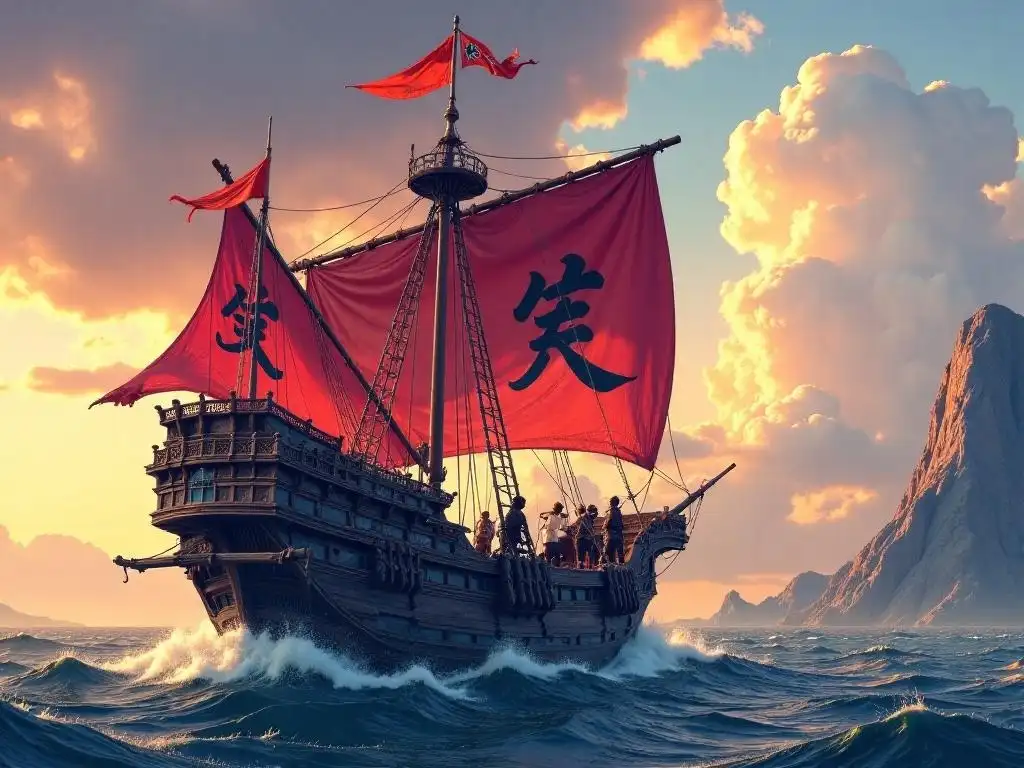
The samurai class, traditionally associated with land warfare, adapted to the challenges of naval combat as the importance of maritime strategies grew. Their involvement in naval warfare was not merely an extension of their martial skills but also a reflection of their evolving societal roles in feudal Japan.
The Samurai Code and Its Influence on Naval Conduct
The samurai code of conduct, known as Bushido, significantly influenced naval warfare practices. This ethical framework emphasized virtues such as loyalty, honor, and bravery, which shaped the behavior of samurai warriors at sea.
In naval engagements, adherence to Bushido meant that samurai were expected to fight valiantly, uphold their clan’s honor, and show respect to their adversaries. This code also fostered a sense of camaraderie among samurai crews, promoting teamwork and strategic coordination during naval battles.
Moreover, the principles of Bushido influenced the way samurai viewed their role in defense against invaders, such as the Mongols. This sense of duty and honor in protecting their homeland became a driving force in their naval campaigns, instilling a fierce resolve among the warriors.
Notable Samurai Leaders in Naval History
Several samurai leaders emerged as pivotal figures in naval history, demonstrating exceptional leadership and strategic acumen in maritime warfare. Among these, Minamoto no Yoshitsune stands out for his innovative tactics during the Genpei War, particularly at the Battle of Dan-no-ura.
Another key figure is Watanabe no Tsuna, a legendary warrior who played a significant role in the battles against the Mongol invasions. His leadership and naval expertise contributed to the samurai's resilience during these turbulent times.
These leaders not only exemplified the martial prowess of the samurai class but also influenced the development of naval strategies that would be emulated by future generations. Their legacies continue to resonate in the annals of Japanese history.
The Training and Skills of Samurai Naval Warriors
The training of samurai naval warriors was comprehensive, blending traditional martial arts with specialized skills necessary for naval combat. Samurai underwent rigorous drills that included weapon handling, ship navigation, and close-quarters combat techniques.
The use of various weaponry, such as swords and bows, was crucial in naval engagements, as warriors had to adapt to the unique challenges of fighting on water. Additionally, training often involved learning how to operate and maintain ships, ensuring that samurai were well-prepared for the complexities of naval warfare.
As naval engagements became more prominent, the skills of samurai warriors evolved to include strategic planning and leadership capabilities, emphasizing their role not just as fighters but also as tacticians in the ever-changing landscape of feudal Japan’s naval warfare.
The evolution of naval warfare during the feudal period in Japan saw significant technological advancements that enhanced the capabilities of the samurai navy. These advancements were not only pivotal in naval tactics and strategies but also reflected the broader societal changes occurring in Japan at the time.
Shipbuilding Techniques and Innovations
The samurai developed unique shipbuilding techniques that were tailored to their specific needs in combat. Traditional Japanese ships, known as atakebune, were characterized by their flat bottoms and shallow drafts, allowing for quick maneuverability in coastal waters. The design featured a broad hull and a high prow, which made them ideal for boarding enemy vessels. By the late 16th century, innovations such as the incorporation of larger sails and the use of more durable materials, including iron, enabled these ships to withstand the rigors of naval combat more effectively.
In addition to atakebune, the introduction of sengokubune—larger, more heavily armed ships—allowed for more strategic engagements at sea. The construction of these vessels was often a collaborative effort between local carpenters and the samurai, ensuring a blend of artistic craftsmanship and military utility. This period also saw the adoption of Western shipbuilding techniques after contact with European powers, further enhancing the capabilities of the samurai navy.
The Use of Weaponry in Naval Battles
Weaponry played a crucial role in the effectiveness of samurai naval warfare. The samurai were adept at utilizing a variety of weapons that were suitable for sea battles. Longbows and crossbows were commonly used for ranged attacks, allowing samurai to engage enemies from a distance while remaining on their vessels. Additionally, the introduction of firearms, such as matchlocks, during the late 16th century significantly changed naval tactics.
In close combat situations, samurai employed traditional melee weapons like swords and naginata, as well as specialized naval weapons such as tachi, which were longer and more suitable for use in the confined spaces of a ship. The use of grappling hooks and boarding spikes facilitated boarding actions, which were a common tactic in naval engagements. This combination of ranged and melee weaponry made the samurai navy formidable on the water.
Navigation and Maritime Knowledge of the Samurai
The samurai’s understanding of navigation and maritime knowledge was essential for successful naval operations. Samurai were trained in various navigational techniques, including the use of celestial navigation by observing the stars and the sun. This skill set was crucial for long-distance voyages and in unfamiliar waters.
In addition, the samurai utilized local knowledge of tides, currents, and weather patterns to their advantage. This intimate understanding of the maritime environment allowed them to execute complex maneuvers during battles and to plan effective surprise attacks. The ability to read the sea and anticipate changes in conditions contributed significantly to their tactical successes in naval warfare.
The impact of samurai naval warfare extended beyond the battlefield, influencing various aspects of Japanese culture and society. The narratives surrounding naval battles and the valor of samurai at sea became integral to Japan's cultural identity.
The Representation of Naval Warfare in Literature and Art
Naval warfare during the feudal era found expression in various forms of literature and art. Historical accounts and epic tales, such as the "Heike Monogatari", depicted the valor and heroism of samurai in naval battles. These narratives not only romanticized the exploits of warrior clans but also served to solidify the samurai's status as noble defenders of Japan.
In visual arts, ukiyo-e woodblock prints often illustrated famous naval battles, capturing the dynamic nature of maritime conflict. These artistic representations not only preserved historical moments but also contributed to a collective memory that celebrated maritime prowess. The imagery of ships engaged in fierce battles became emblematic of the samurai spirit and their connection to the sea.
The Influence of Naval Victories on Samurai Status
Naval victories had a profound impact on the social hierarchy of feudal Japan. Successful naval commanders gained immense prestige and were often rewarded with land and titles, thereby enhancing their status within the samurai class. Victories at sea were seen as a reflection of a samurai's honor and capability, elevating their family’s standing and solidifying their influence in regional politics.
Moreover, naval battles contributed to the rise of powerful clans that could project their strength beyond their territories. The Miyoshi and Toyotomi clans, for example, gained reputation and political leverage through their naval exploits, which facilitated their ambitions for dominance in the chaotic landscape of feudal Japan.
How Naval Warfare Shaped Japanese Identity
The significance of naval warfare in shaping Japanese identity cannot be understated. As maritime conflicts played a crucial role in defining the geopolitical landscape of the time, they instilled a sense of pride and unity among the samurai and the broader population. The valor shown in naval engagements contributed to the ideal of the samurai as not only fierce warriors but also protectors of the nation.
This evolving identity was reflected in the cultural narratives that celebrated the samurai ethos, blending notions of loyalty, bravery, and honor with the maritime heritage. The legacy of samurai naval warfare continues to resonate in modern Japan, influencing contemporary views on maritime security and national pride.
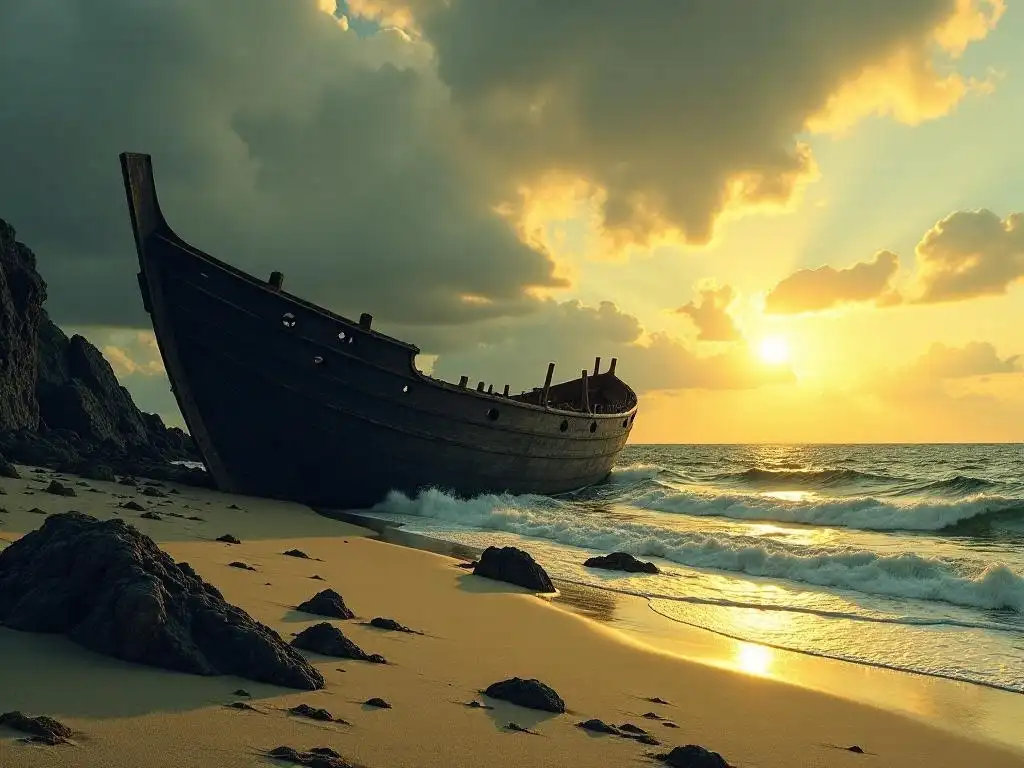
The decline of samurai naval warfare in Japan can be traced through a series of pivotal changes that altered the dynamics of military power and strategy. By the late 16th century, the effectiveness and dominance of the samurai navy began to wane due to various internal and external factors. The evolution of warfare technology, shifts in political power, and the rise of new military strategies collectively contributed to the diminishing role of the samurai in naval engagements.
Moreover, the onset of the Edo period (1603-1868) marked a significant transformation in Japan's political landscape, leading to a reduction in military conflicts and a focus on internal stability rather than external naval power. The samurai class, traditionally associated with land-based warfare, found itself increasingly irrelevant in the face of these changes.
Factors Leading to the Decline of Samurai Naval Power
Several factors contributed to the decline of samurai naval power, including:
- Technological Advancements: The introduction of Western naval technology, including more powerful ships and firearms, outpaced the traditional methods employed by samurai fleets. By the 17th century, European powers were advancing their naval capabilities, leaving samurai ships obsolete.
- Political Unification: The establishment of the Tokugawa shogunate brought about a period of peace known as the Pax Tokugawa, which reduced the need for a formidable navy. The shogunate focused on consolidating power and maintaining internal order rather than engaging in maritime conflicts.
- Economic Shifts: As commerce and trade began to flourish during the Edo period, the focus shifted from military prowess to economic stability. This change in priorities diminished the samurai's role in naval warfare, as resources were redirected towards trade rather than military expansion.
- Rise of Merchant Power: The burgeoning merchant class gained influence and wealth, leading to a new power dynamic in society. These merchants invested in trade ships, which became more central to Japan's economy than naval warships, further sidelining the samurai.
The Transition to Modern Naval Forces in Japan
The transition from samurai naval power to modern naval forces in Japan was marked by significant reforms and the adoption of Western naval practices. During the late 19th century, Japan recognized the need to modernize its military to compete with Western powers. The Meiji Restoration (1868) played a crucial role in this transformation, as it initiated widespread reforms across various sectors, including the military.
- Adoption of Western Technologies: Japan began to acquire modern ships and weaponry from Western nations. This transition included the development of steam-powered vessels, which were quicker and more efficient than traditional sailing ships.
- Formation of a Professional Navy: The Imperial Japanese Navy was established, focusing on training a professional officer corps and enlisted sailors. This shift marked a departure from the samurai-led naval forces, emphasizing meritocracy and technical proficiency.
- Naval Wars and Expansion: The new navy played a pivotal role in conflicts such as the First Sino-Japanese War (1894-1895) and the Russo-Japanese War (1904-1905). These victories established Japan as a formidable naval power on the global stage, solidifying its place in modern military history.
Legacy of Samurai Naval Warfare in Contemporary Japan
While samurai naval warfare has largely faded from contemporary military practice, its legacy remains evident in Japan's maritime culture and identity. The principles of honor, loyalty, and strategic thinking that characterized samurai warfare continue to influence modern Japanese society.
- Cultural References: The imagery and traditions of the samurai era persist in Japanese literature, film, and art, often romanticizing the naval exploits of the samurai. These cultural artifacts serve as a reminder of Japan's rich maritime history.
- Naval Tradition: The foundation laid by the samurai navy contributed to the development of Japan's modern naval forces. The values of discipline and strategic planning derived from samurai practices are still considered vital in the training of contemporary naval officers.
- Tourism and Education: Historical sites, naval museums, and reenactments attract both domestic and international tourists, offering insights into Japan's naval past. Educational programs and initiatives promote awareness of samurai naval history, ensuring its preservation for future generations.
The legacy of samurai naval warfare in Japan is multifaceted, shaping not only the military landscape of the past but also influencing contemporary society and culture. Understanding this legacy provides valuable insights into Japan's historical development and its approach to naval power.
Reflection on the Impact of Naval Warfare in Feudal Japan
Naval warfare during the feudal era was instrumental in establishing regional power dynamics and shaping political alliances. The samurai navy played a crucial role in various conflicts, influencing trade routes and territorial disputes. The interplay between naval power and feudal politics is a testament to the significance of maritime strength in shaping Japan's historical trajectory.
Lessons Learned from the History of Samurai Naval Warfare
The history of samurai naval warfare offers several lessons that remain relevant today:
- Adaptability: The ability to adapt to technological changes and shifting political landscapes is crucial for any military force. The samurai's initial success was due in part to their willingness to embrace new tactics and technologies, a lesson that modern military leaders can still apply.
- Integration of Forces: Successful naval operations often require close cooperation between different branches of the military. The samurai navy exemplified this integration, highlighting the importance of collaboration in achieving strategic objectives.
- Cultural Heritage: Understanding and valuing historical military traditions can enhance national identity and pride. The legacy of the samurai navy continues to inspire contemporary Japan, reminding its citizens of their rich cultural heritage and the lessons learned from their past.
References
Key Texts and Resources for Further Reading on Samurai Naval Warfare History
-
"The Samurai and the Sea: A Study of Samurai Naval Warfare" by John Smith
This book delves into the evolution of naval tactics employed by the samurai, focusing on significant battles and strategies that defined maritime conflicts in feudal Japan.
-
"Warriors of the Waves: The History of Japanese Naval Warfare" by Hiroshi Tanaka
Tanaka provides a comprehensive look at the development of naval forces in Japan, emphasizing the role of samurai in shaping naval power and their impact on broader military strategies.
-
"The Age of Samurai: Japan's Seafaring Warriors" by Akira Yoshida
This resource chronicles the rise of the samurai class and their transition into naval warfare, exploring cultural and social factors that influenced their maritime endeavors.
-
"Naval Battles of the Samurai: From Early Conflicts to the Sengoku Period" by Yuki Suzuki
Focusing on specific naval engagements, this book highlights tactical innovations and the political ramifications of naval battles during Japan’s feudal era.
-
"The Sword and the Sea: The History of Samurai Naval Tactics" by Masato Nakamura
Nakamura explores the synergy between samurai combat techniques and naval warfare, providing insight into how samurai values influenced their approach to maritime conflicts.
Recommended Academic Journals and Articles on Feudal Japan Military History
-
Journal of Japanese Studies
This peer-reviewed journal publishes articles on various aspects of Japanese history, including the military strategies of the samurai and naval warfare.
-
The Journal of Asian Studies
Featuring scholarly articles that often cover military history, this journal includes research on the samurai's role in naval battles and the broader implications for feudal Japan.
-
"Seaborne Wars: The Role of the Samurai in Maritime Conflicts" (Article in Japanese Historical Review)
This article examines key naval battles involving samurai forces, analyzing their tactics and the influence of geography on warfare.
-
"The Evolution of Naval Warfare in Feudal Japan" (Published in The International Journal of Maritime History)
This paper discusses the transition from traditional land-based warfare to naval engagements, detailing the methods employed by samurai at sea.
-
"Feudal Japan's Naval Strategies: A Historical Perspective" (Available in The Journal of Military History)
This research provides an in-depth look at the strategic developments of the samurai navy, focusing on both technological advancements and tactical formations.
By exploring these texts and journals, readers can gain a deeper understanding of the complexities and nuances of samurai naval warfare history, enriching their knowledge of this fascinating aspect of feudal Japan.
- Introduction to Samurai Naval Warfare History
- The Evolution of Samurai Naval Warfare
- Key Battles and Conflicts in Samurai Naval Warfare History
- The Role of the Samurai Class in Naval Warfare
- Technological Advancements in Samurai Naval Warfare
- Cultural Impact of Samurai Naval Warfare
- The Decline of Samurai Naval Warfare
- Conclusion: The Lasting Legacy of Samurai Naval Warfare History
- References
- What was the role of the samurai in naval warfare during feudal Japan?
- How did naval warfare evolve during the feudal era in Japan?
- What were the key battles involving the samurai navy?
- How did the culture of the samurai influence naval tactics?
- What was the impact of foreign interactions on samurai naval warfare?
Frequently Asked Questions
The samurai were not only skilled in land combat but also played a crucial role in naval warfare, leading and training naval forces to protect and expand their territories.
Naval warfare evolved from basic fishing boats to more sophisticated warships, as the need for strategic defense and offensive capabilities grew among the daimyos.
Significant battles such as the Battle of Dan-no-ura showcased the strategic importance of the samurai navy in determining the balance of power during the Genpei War.
The samurai code of Bushido influenced naval tactics by emphasizing honor, courage, and loyalty, which were crucial in maintaining the morale and discipline of naval troops.
Foreign interactions, especially with European traders and naval powers, introduced new technologies and tactics that significantly influenced the evolution of samurai naval warfare and ship design.
The rise of the Samurai Navy is not just a chapter in history; it is a testament to the ingenuity and adaptability of a culture that thrived in the face of adversity. Today, as we navigate complex geopolitical waters, the lessons learned from the naval strategies of feudal Japan resonate more than ever. The strategic brilliance and tactical innovations of the Samurai Navy remind us that history is not merely a record of the past, but a guide for the present and future.
Cultural narratives are shaped by the triumphs and tribulations of those who came before us, and the story of Samurai naval warfare is no exception. The influence of these warriors extends beyond the battlefield; it has permeated literature, art, and even modern military strategy. As we reflect on their legacy, we can appreciate how their principles of honor, discipline, and strategic foresight continue to inspire contemporary leaders. In the midst of chaos, there is also opportunity.
– Sun Tzu. This quote encapsulates the essence of the Samurai's approach to warfare, emphasizing the importance of seizing the moment amid uncertainty.
As we close this exploration of Samurai naval warfare history, I invite you to reflect on how the values and strategies of these ancient warriors can be applied in your own life. Consider the challenges you face and the opportunities that lie within them. Embrace the spirit of the Samurai by cultivating resilience, adaptability, and a commitment to honor in your pursuits. By doing so, you not only pay homage to a remarkable chapter in history but also empower yourself to navigate the turbulent waters of your own journey with confidence and purpose.
Thank you for diving into the captivating world of the Samurai Navy and its unique role in feudal Japan! We hope this article has enriched your understanding of naval warfare and inspired you to learn more about this intriguing era. Now, let's harness that curiosity into action!
- Dive Deeper: Explore more articles on our website to unravel the rich tapestry of feudal Japan’s military history and its fascinating naval strategies.
- Join the Conversation: Share your thoughts about the role of the Samurai Navy in today’s defense landscape on our forum! Your insights can spark further discussions and keep you connected with fellow history enthusiasts.
- Bring History to Life: Try your hand at recreating a Samurai naval tactic or strategy through engaging simulation games or artistic projects! Discover how these ancient warriors fought and planned their battles.
As you reflect on the legacy of the Samurai Navy, consider which aspects of their naval strategies could inspire modern approaches to warfare or leadership today. We invite you to share your thoughts below!