
Siege Warfare in Feudal Japan: The Weapons That Changed the Game


Welcome to Feudal Japan History, where we embark on a captivating journey through the intricacies of Japan's feudal era. In our featured article, "Siege Warfare in Feudal Japan: The Weapons That Changed the Game," we delve into the fascinating world of siege weapons, uncovering the innovative technologies and strategies that shaped military tactics and outcomes.
Prepare to be intrigued as you discover how these powerful tools not only transformed warfare but also influenced the very fabric of Japanese society. Join us as we explore the past and unveil the secrets of a time when every siege held the potential to change the course of history.
Introduction to Siege Warfare in Feudal Japan
Siege warfare played a crucial role in the military strategies of feudal Japan, shaping the outcomes of numerous conflicts and altering the political landscape of the era. The unique geography of Japan, characterized by its mountainous terrain and fortified castles, necessitated the development of specialized siege weapons and tactics that were distinct to this region. This article delves into the various siege weapons in feudal Japan, examining their evolution, significance, and the cultural implications they held during a time when warfare was not merely a contest of might, but also of ingenuity and strategy.
Overview of Feudal Japan's Military History
Feudal Japan, spanning from the late 12th century to the 19th century, was characterized by a decentralized political system where power was held by local lords known as daimyo. The samurai class emerged as the warrior elite, adhering to a strict code of honor known as bushido. Military conflicts were frequent, with clans vying for control over territory and influence. Understanding the military history of this period is essential to grasp the context in which siege warfare developed:
- Key Periods:
- Kamakura Period (1185-1333): Marked the rise of the samurai class and the establishment of the Kamakura shogunate.
- Muromachi Period (1336-1573): Characterized by internal strife, including the Onin War, which saw significant developments in castle construction and siege tactics.
- Sengoku Period (1467-1603): A time of constant warfare among the warring states, leading to innovations in siege technology.
Importance of Siege Warfare in Japanese Conflicts
Siege warfare was not simply a matter of surrounding a fortress; it was a complex operation that involved strategy, planning, and the effective use of weapons. The ability to besiege a castle could determine the fate of clans and the balance of power in feudal Japan. Key aspects include:
- Psychological Warfare: The threat of a siege could demoralize defenders even before the first arrow was shot.
- Strategic Advantages: Control of fortified castles often meant control over vital trade routes and resources.
- Technological Innovation: The need for more effective siege methods led to the development of various siege weapons, which would evolve over time to meet the demands of warfare.
The Evolution of Siege Weapons in Feudal Japan
Early Siege Tactics and Weapons
In the early stages of feudal Japan, siege tactics were relatively straightforward, relying heavily on brute force and simple weaponry. Key elements included:
- Battering Rams: Used to break down gates or walls of fortifications.
- Siege Towers: Tall structures that allowed attackers to breach the walls by providing a platform for warriors to jump into the castle.
- Ladders: Essential for scaling walls, ladders were a fundamental part of any assault.
These early methods laid the groundwork for more sophisticated techniques that would emerge as warfare evolved.
Development of Advanced Siege Technologies
As conflicts intensified, so did the sophistication of siege weaponry. Innovations included:
- Catapults and Trebuchets: These siege engines allowed for greater range and accuracy, launching projectiles over walls to inflict damage on defenders.
- Gunpowder Weapons: By the late 16th century, the introduction of gunpowder changed the landscape of siege warfare, leading to the creation of cannons that could breach even the strongest fortifications.
- Fortification Improvements: In response to these advancements, Japanese castles became increasingly fortified, with thicker walls and moats, which necessitated further innovation in siege tactics.
The evolution of siege weapons in feudal Japan reflects not only the ingenuity of its military leaders but also the shifting dynamics of power during a tumultuous period in Japanese history.
Key Siege Weapons Used in Feudal Japan
Throughout the feudal era in Japan, siege warfare played a crucial role in the conflicts between warring clans. Various siege weapons were developed and utilized to breach fortifications, and each had its own unique design and functionality. Understanding these key siege weapons provides insight into the military strategies of the time and highlights the ingenuity of Japanese warfare.
The Japanese Mangonel: Design and Functionality
The mangonel, a type of catapult, was one of the most significant siege weapons employed in feudal Japan. This device was characterized by its unique design, featuring a large throwing arm that launched projectiles over castle walls. The Japanese mangonel was typically constructed from wood, with a sturdy frame to withstand the tension generated during operation.
The functionality of the mangonel lay in its ability to launch various types of ammunition, including stones, incendiary devices, and even dead animals, which were used to spread disease among defenders. The range and accuracy of the mangonel allowed besieging forces to target specific areas of a fortress, causing damage to structures and morale. As fortifications improved, so too did the design of the mangonel, which evolved to become more powerful and efficient in its operations.
The Use of Catapults in Feudal Sieges
Catapults in feudal Japan were not just limited to the mangonel; various forms of catapults were used in siege scenarios to enhance the effectiveness of assaults. These devices were capable of launching heavier projectiles at greater distances compared to earlier siege weapons. The introduction of counterweight catapults allowed for increased velocity and distance, making them a formidable addition to the siege arsenal.
The use of catapults brought a new dimension to siege warfare, as they could breach walls and create openings for infantry to exploit. They also served a psychological function, as the sight and sound of projectiles whistling through the air could demoralize defenders. Overall, catapults contributed significantly to the evolving tactics of siege warfare in feudal Japan.
The Role of Stone Throwers: Effectiveness and Limitations
Stone throwers, often considered a simpler form of siege weaponry, played an essential role in feudal Japanese warfare. These devices were usually easier to construct and operated on the principle of leveraging tension to hurl stones at enemy fortifications. While stone throwers lacked the range and power of advanced catapults, they were highly effective in certain situations.
The effectiveness of stone throwers lay in their ability to deliver continuous bombardment, which could wear down defenses over time. However, their limitations included slower reloading times and susceptibility to counter-battery fire. As fortifications became more robust, the reliance on stone throwers diminished, leading to the necessity for more sophisticated siege technologies.
Innovations in Siege Towers and Ladders
Siege towers and ladders were crucial innovations that complemented projectile-based siege weapons. These structures allowed attackers to scale castle walls and gain direct access to the stronghold. Siege towers were often constructed on-site and could be equipped with protective coverings to shield troops from projectiles.
The design of ladders evolved to accommodate the increasing height of fortifications, with some featuring collapsible designs for easier transport. Innovations in these siege technologies enabled a more aggressive approach to assaults, as they allowed for rapid troop deployment and reduced the risk of exposure during the scaling process. The effectiveness of siege towers and ladders significantly altered the dynamics of siege warfare in feudal Japan.
The Strategic Importance of Siege Weapons
Siege weapons were not merely tools of destruction; they played a vital role in the strategic landscape of feudal Japan. The ability to effectively employ siege weaponry could determine the outcome of conflicts, making them indispensable for military commanders. Understanding the strategic importance of these weapons reveals how they shaped the tactics and decisions of feudal lords during prolonged sieges.
How Siege Weapons Changed Warfare Tactics
The introduction and evolution of siege weapons fundamentally changed warfare tactics in feudal Japan. Commanders began to incorporate siege weapons into their overall strategies, often determining the success of sieges based on their effective use. The ability to breach strongholds significantly shifted the balance of power, as defending forces had to adapt their strategies to counter these new threats.
As siege weapons became more sophisticated, so did the tactics surrounding their use. For example, the deployment of siege weapons often involved coordinated assaults, where infantry would engage defenders while projectiles rained down from mangonels and catapults. This level of strategic planning marked a significant evolution in military tactics, emphasizing the importance of siege technology in achieving victory.
The Psychological Impact of Siege Technologies on Defenders
The psychological impact of siege technologies on defenders cannot be understated. The mere presence of formidable siege weapons could instill fear and uncertainty among those tasked with defending a stronghold. The sounds of projectiles and the destruction they caused often led to lowered morale and increased instances of panic among defenders.
Furthermore, the effective use of siege weapons could lead to swift surrenders, as defenders recognized the futility of resisting overwhelming force. This psychological dimension of siege warfare was as critical as the physical destruction wrought by the weapons themselves, shaping the outcomes of many battles throughout feudal Japan. Understanding this aspect highlights the multifaceted role of siege weapons in not just breaching walls, but also in influencing the mental states of those involved in the conflict.
Famous Sieges in Feudal Japan
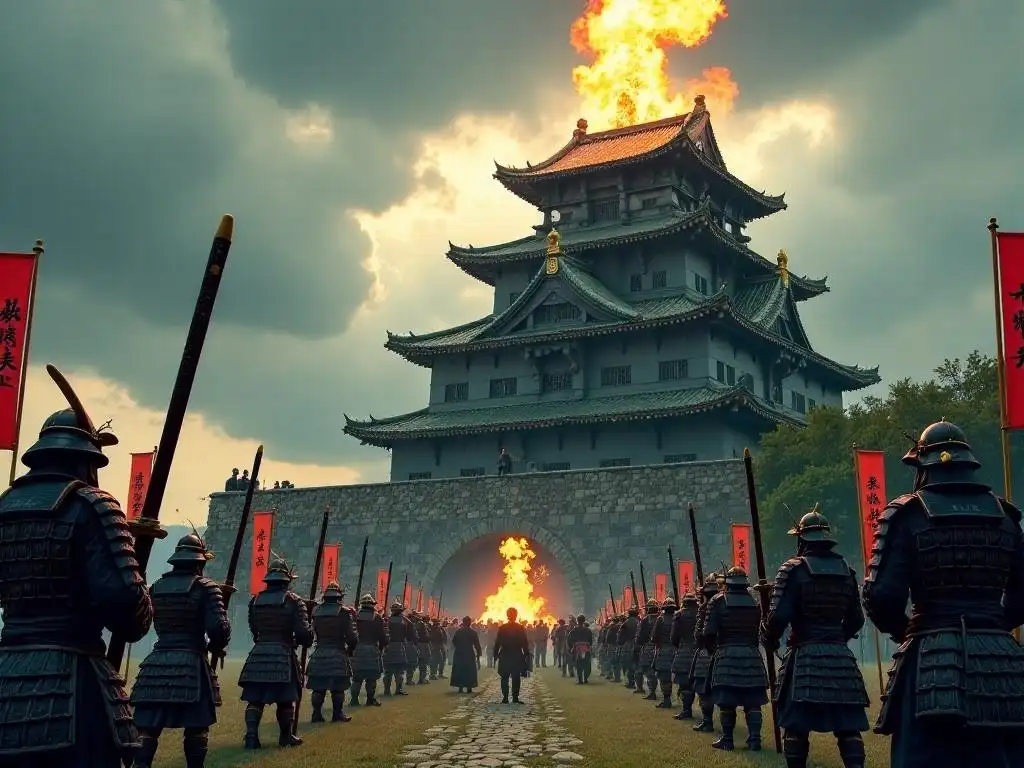
Throughout feudal Japan, sieges played a crucial role in the power dynamics and territorial disputes of the era. These military confrontations were marked by strategic ingenuity, as various clans utilized a combination of traditional weaponry, psychological tactics, and evolving technologies. The most famous sieges not only shaped the outcomes of individual conflicts but also left lasting legacies that influenced future military strategies. Among the notable sieges, the Siege of Osaka and the Siege of Hachiman stand out as pivotal events that exemplified the complexities of warfare during this period.
The Siege of Osaka: A Turning Point
The Siege of Osaka, which took place from 1614 to 1615, was a defining moment in Japan's history, marking the culmination of the struggle between the Tokugawa shogunate and the Toyotomi clan. This conflict unfolded in two phases, with the first siege occurring in 1614 when Tokugawa Ieyasu sought to eliminate the Toyotomi as a threat to his rule. The siege was remarkable for its scale and the innovative siege weapons used, including massive stone-throwing catapults and the deployment of fortified positions.
In the second phase, known as the Winter Siege, Toyotomi forces, under the command of Toyotomi Hideyori, attempted to defend Osaka Castle against a determined Tokugawa assault. Despite valiant efforts and clever tactical maneuvers, the overwhelming might of the Tokugawa forces, bolstered by their superior siege machinery, led to the castle's eventual fall in the Summer Siege of 1615. The defeat of the Toyotomi clan effectively consolidated Tokugawa rule over Japan, ushering in a period of stability known as the Edo period.
The Siege of Hachiman: Tactics and Outcomes
The Siege of Hachiman, occurring in 1583, highlights the tactical ingenuity employed by the forces of the Oda clan against the resistant Takeda clan. This siege was characterized by the use of both direct assaults and psychological warfare, as Oda Nobunaga's forces sought to entice the garrison into surrendering through deception and misinformation.
The Oda army implemented a series of feigned attacks and strategic positioning, which ultimately forced the defenders to exhaust their resources. The use of siege weapons, such as stone-throwing machines and incendiary projectiles, played a significant role in breaching the castle walls. The eventual capture of Hachiman Castle not only exemplified Oda's military prowess but also weakened the Takeda clan's influence in the region, further paving the way for Nobunaga's unification efforts across Japan.
Lessons Learned from Historical Sieges
The sieges of feudal Japan provided invaluable lessons for military strategy and tactics. Key takeaways included the importance of intelligence gathering, the effective use of siege weaponry, and the psychological dimensions of warfare. Commanders learned that maintaining supply lines and morale among troops was as crucial as the physical might of their armies.
Sieges also highlighted the significance of fortifications and defensive strategies, as castles became focal points in military engagements. The lessons gleaned from these historical sieges informed subsequent military campaigns and contributed to the evolution of warfare in Japan, establishing foundational principles that would endure beyond the feudal era.
The Decline of Traditional Siege Warfare
As Japan transitioned into the early modern period, traditional siege warfare began to decline, leading to a transformation in military tactics and strategies. This shift was influenced by various factors, including changes in political structures, advancements in technology, and the introduction of new weaponry.
Factors Leading to the Shift in Siege Tactics
Several factors contributed to the decline of traditional siege warfare in Japan. The unification of Japan under the Tokugawa shogunate reduced the frequency of large-scale conflicts, as a centralized authority diminished the territorial disputes that often resulted in sieges. Additionally, the development of more sophisticated military strategies and the rise of professional standing armies shifted the focus from protracted sieges to rapid engagements and decisive battles.
Furthermore, the introduction of new strategies, such as guerrilla warfare and mobility, began to outpace the static nature of traditional sieges. Commanders recognized that engaging enemy forces directly, rather than relying solely on siege tactics, could yield quicker victories and minimize casualties.
The Rise of Firearms and Their Impact on Siege Warfare
The advent of firearms in the late 16th century marked a significant turning point in Japanese warfare, profoundly impacting siege tactics. The introduction of matchlock rifles (tanegashima) revolutionized combat, allowing for greater ranged capabilities and altering the dynamics of both offense and defense during sieges.
With the ability to breach castle walls more effectively, the reliance on traditional siege weapons diminished. Firearms enabled attackers to inflict damage from a distance, leading to a decline in prolonged sieges that characterized earlier military engagements. As defensive fortifications became increasingly vulnerable to gunfire, commanders had to adapt their strategies to incorporate the new technologies, ultimately reshaping the landscape of warfare in feudal Japan.
The shift in siege warfare underscored the importance of adaptability in military tactics and highlighted how advancements in weaponry could redefine the art of war.
Conclusion
The evolution of siege weapons in feudal Japan marked a significant turning point in military strategy and warfare during this era. The introduction of advanced technologies and methodologies not only transformed the way battles were fought but also shifted the balance of power among warring factions. Siege weapons, such as the stone throwers and Japanese catapults, played a pivotal role in breaching defenses and capturing fortified positions, ultimately influencing the outcomes of key conflicts.
The strategic use of these weapons highlighted the importance of engineering and tactical ingenuity in Japanese warfare. As clans fought for dominance, the development and refinement of siege technologies demonstrated an adaptive military culture that was responsive to the challenges of the time. Furthermore, the innovations in siege warfare had a lasting impact, shaping future military strategies beyond the feudal period.
Summarizing the Role of Siege Weapons in Feudal Japan
Siege weapons were instrumental in the power struggles that characterized feudal Japan. They provided armies with the capability to overcome fortified structures that were once deemed impregnable. The effectiveness of these weapons was not merely in their physical design but also in their tactical deployment during sieges. Historical examples, such as the Siege of Takamatsu and the Siege of Osaka, illustrate how these weapons could turn the tide in favor of attackers, leading to the fall of once-powerful castles and altering the course of history.
The role of siege weapons also extended to the psychological warfare aspect, as their mere presence could instill fear in defenders, often leading to surrenders without the need for prolonged combat. This aspect underscores the multifaceted nature of siege warfare, where intimidation and strategic planning were as crucial as the physical capabilities of the weapons themselves.
The Legacy of Siege Warfare in Japanese Military History
The legacy of siege warfare in Japan is profound, influencing not only military tactics but also the architectural design of castles and fortifications. The need to defend against sophisticated siege weapons led to innovations in castle design, such as thicker walls and intricate layouts that incorporated hidden defenses. This evolution of military architecture reflects a broader understanding of warfare's changing nature over the centuries.
Moreover, the lessons learned from siege warfare contributed to the development of military doctrine in Japan, which would continue to evolve during the Edo period and beyond. The emphasis on adaptability, engineering prowess, and psychological tactics in siege warfare can still be seen in modern military strategies, illustrating the enduring impact of these historical practices.
References and Further Reading
Suggested Books and Articles on Siege Warfare
-
"The Samurai: A Military History" by Stephen Turnbull
This book provides insights into the military strategies of the samurai, including the role of siege warfare.
-
"Japanese Castles 1540–1640" by Stephen Turnbull
This title explores the evolution of castle design in response to siege technologies.
-
"The Art of War in Japan: A History" by Karl Friday
An in-depth examination of military strategies, including siege tactics throughout Japanese history.
-
"Siege Warfare: The Fortress in the Early Modern World" by John H. H. M. Van Eijk
Although broader in scope, this work touches upon the transition of siege tactics into the early modern period, including insights relevant to Japan.
Online Resources for Learning More about Feudal Japan
- The Japanese History Resource: A comprehensive site featuring articles, timelines, and resources on various aspects of Japanese history, including military developments.
- Japan National Tourism Organization (JNTO): Offers historical insights about castles and siege warfare as part of its travel information, enhancing the understanding of historical sites.
- The Samurai Archives: Provides a wealth of information on samurai culture, military strategies, and detailed analyses of significant battles and sieges in Japanese history.
- Online Courses on Japanese History: Platforms like Coursera and edX often offer courses focusing on Japanese history, which may include modules on feudal warfare and siege tactics.
By exploring these resources, readers can gain a deeper understanding of the complex military history of feudal Japan and the significant role that siege weapons played in shaping it.
- Introduction to Siege Warfare in Feudal Japan
- The Evolution of Siege Weapons in Feudal Japan
- Key Siege Weapons Used in Feudal Japan
- The Strategic Importance of Siege Weapons
- Famous Sieges in Feudal Japan
- The Decline of Traditional Siege Warfare
- Conclusion
- References and Further Reading
- What were the primary siege weapons used in feudal Japan?
- How did siege warfare tactics evolve in feudal Japan?
- What role did geography play in siege warfare in feudal Japan?
- How did the cultural aspects of feudal Japan impact the use of siege weapons?
- What were the consequences of siege warfare on Japanese society during the feudal era?
Frequently Asked Questions
What were the primary siege weapons used in feudal Japan?
The primary siege weapons included catapults, trebuchets, and battering rams, which were designed to breach fortifications and cause significant damage during siege warfare.
How did siege warfare tactics evolve in feudal Japan?
Siege warfare tactics evolved with the introduction of gunpowder, leading to the use of cannons and fire arrows, which changed traditional methods of attack and defense.
What role did geography play in siege warfare in feudal Japan?
Geography significantly influenced siege warfare, as many castles were built in strategic locations like mountains or rivers, making them difficult to assault effectively.
How did the cultural aspects of feudal Japan impact the use of siege weapons?
The cultural aspects, including the samurai code and the emphasis on honor, often dictated the rules and ethics surrounding siege warfare, affecting decisions on when and how to deploy siege weapons.
What were the consequences of siege warfare on Japanese society during the feudal era?
Siege warfare led to increased destruction, changes in land ownership, and shifts in power dynamics, significantly impacting the social structure and the political landscape of feudal Japan.
Final Reflection: The Enduring Legacy of Siege Weapons in Feudal Japan
The evolution of siege weapons in feudal Japan not only transformed military strategy but also shaped the very fabric of society during that era. As we explore the intricate designs and devastating effectiveness of these weapons, we uncover their profound impact on warfare and the political landscape of Japan. The legacy of these innovations serves as a reminder of how technology can alter the course of history, emphasizing that understanding our past is crucial for navigating our present and future.
The influence of siege warfare extends beyond the battlefield, resonating through the cultural and social dynamics of Japan. The strategies and technologies developed during this period not only determined the outcomes of conflicts but also influenced the relationships between clans and the governance of territories. As we reflect on this historical narrative, we are reminded of the words of Sun Tzu: In the midst of chaos, there is also opportunity.
This quote encapsulates the essence of how siege warfare opened new avenues for power and control, shaping the very identity of feudal Japan.
As we conclude this exploration of siege weapons, I invite you to reflect on the lessons learned from this pivotal aspect of history. Consider how the innovations of the past can inspire us today in our own challenges and conflicts. Whether in personal endeavors or broader societal issues, let us harness the spirit of ingenuity and resilience that characterized the creators of these formidable weapons. Embrace the opportunity to learn from history, and let it guide you in forging your own path forward.
Unveil Your Inner Samurai: Take Action Today!
Thank you for diving into the fascinating world of siege warfare in feudal Japan! You’ve unearthed the evolution of weapons that reshaped battlefield strategies during this enthralling era. Now it’s time to harness that knowledge and bring the spirit of the samurai into your life. Here’s how you can take the next step:
- Join our Feudal Japan History community: Connect with fellow enthusiasts on social media or our forum to exchange insights and discuss the intricacies of feudal warfare.
- Explore further: Delve into our collection of articles about legendary battles and tactics to deepen your understanding of this captivating period.
- Share your knowledge: Write a blog post or create a video discussing what you’ve learned about siege warfare and its impact—who knows who you might inspire!
As you reflect on these insights, consider this question: How do you think the innovations in siege warfare during feudal Japan continue to influence modern military strategy today? We’d love to hear your thoughts!